
The bait, then the rug-pull.
The number lands before the explanation: five thousand dollars a month, per customer. Greg Isenberg opens with that line from a voice-over, then hands the floor to Nick Vasilescu, co-founder of Orgo and a practitioner who is actually running this business, to walk through every decision from offer to observability.
Who's talking.
Where the time goes.

01 · Intro
Greg opens with the $5K/month hook VO, introduces Nick from Orgo.
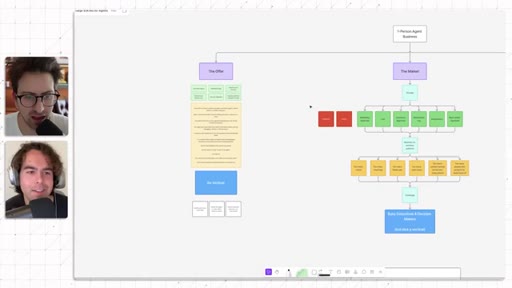
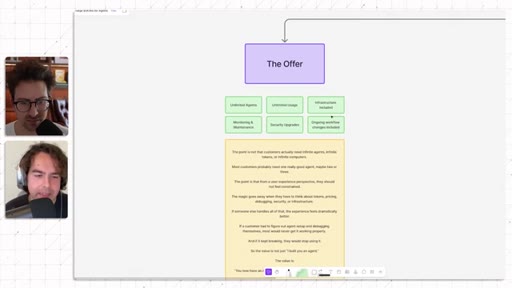
02 · The Offer
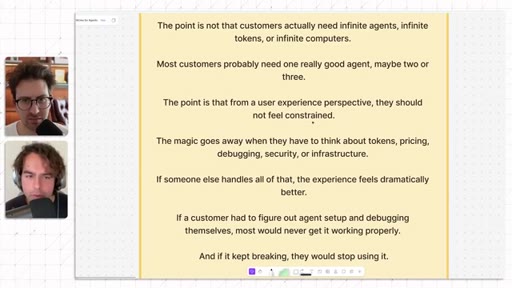
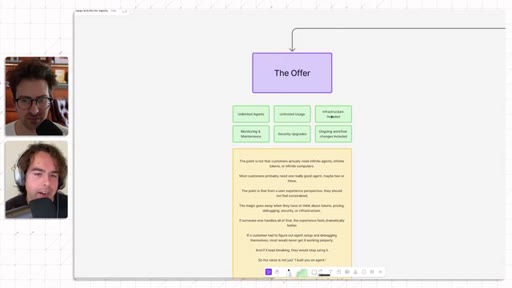
Unlimited agents, unlimited usage, unlimited support at ~$5K/month. Customers think they need 10-100 agents; reality is 1-3. Never say tokens.
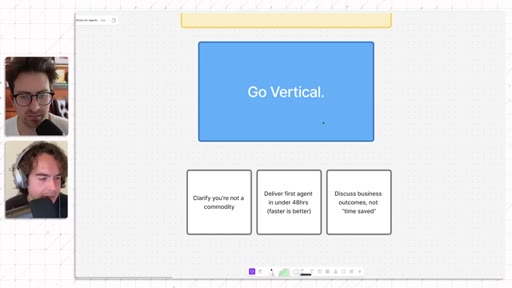
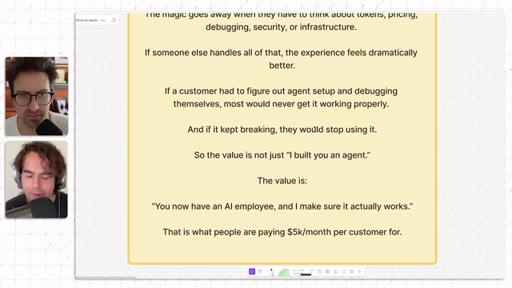
03 · Sell an AI Employee
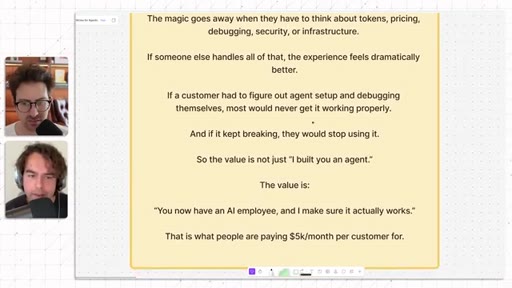
Greg crystallizes the framing: selling an AI employee, not an agent. Magic dies when customers hear tokens.
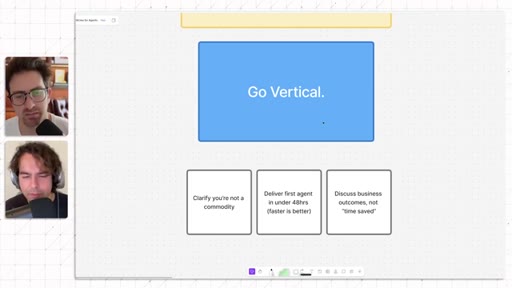
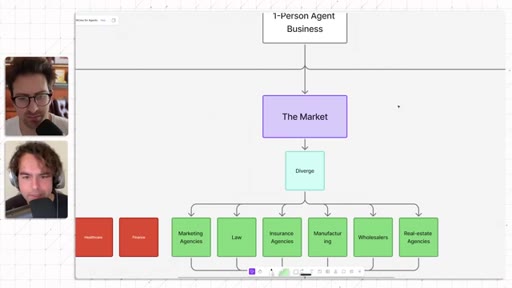
04 · The Market
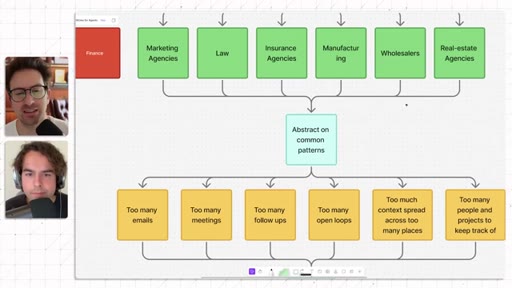
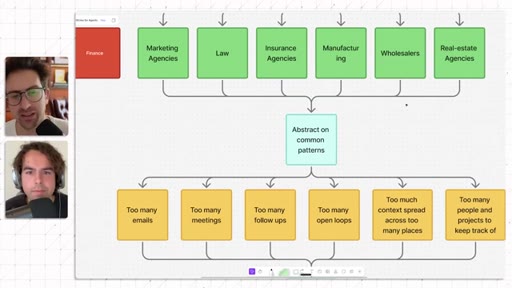
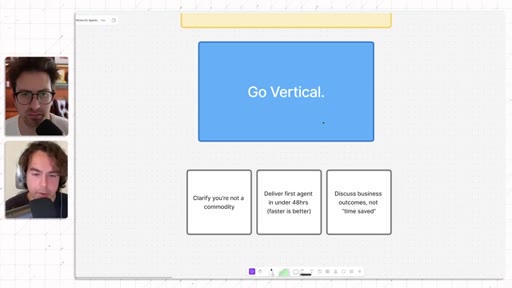
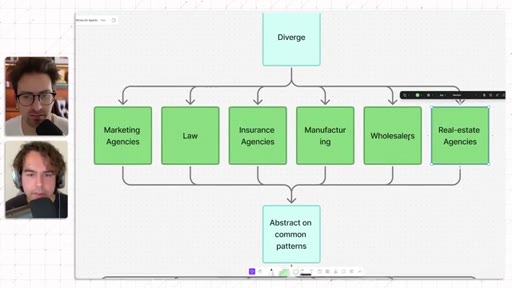
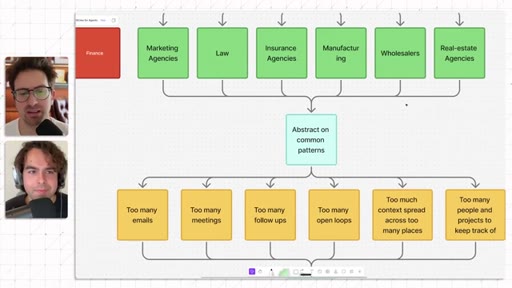
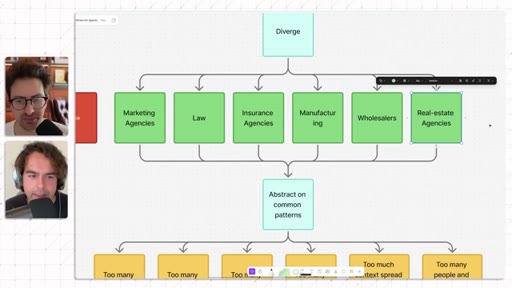
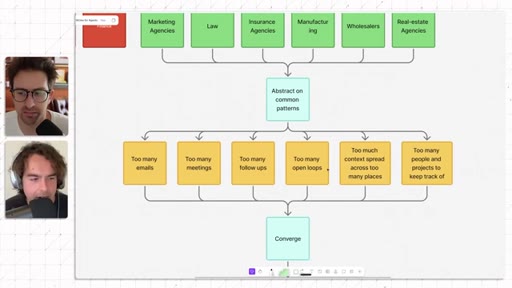
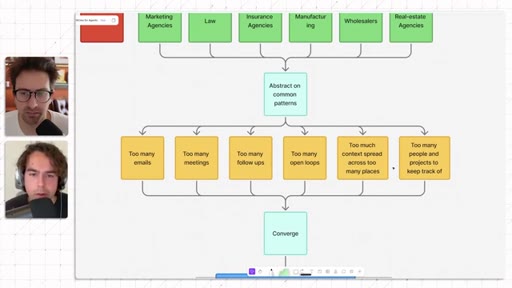
Target legacy industries: marketing agencies, law, insurance, manufacturing, wholesale, real estate. Avoid healthcare/finance. Diverge then converge to a sub-niche.
05 · Getting Customers
Content is the warm-pipeline engine. Start for free to build case studies. Nick got on this podcast because Greg saw him on Instagram.
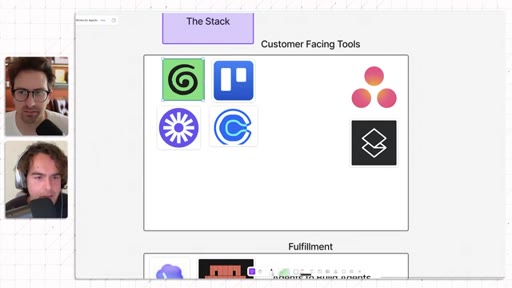
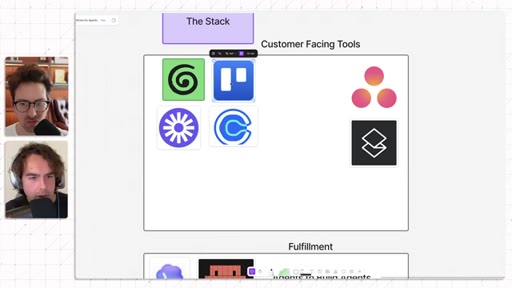
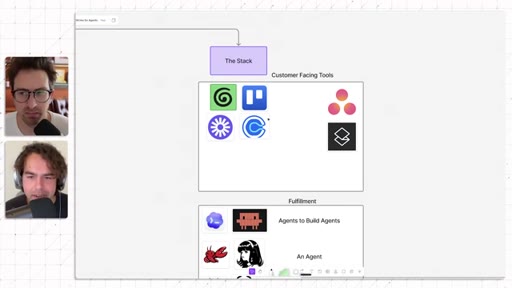
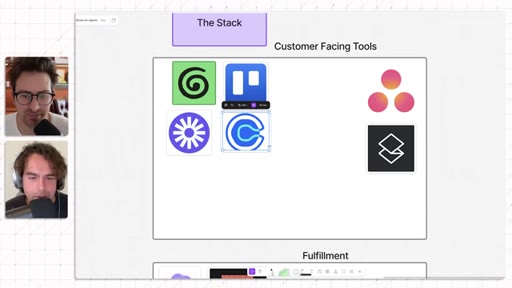
06 · Customer-Facing Stack
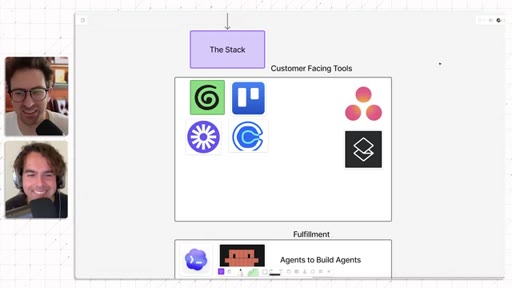
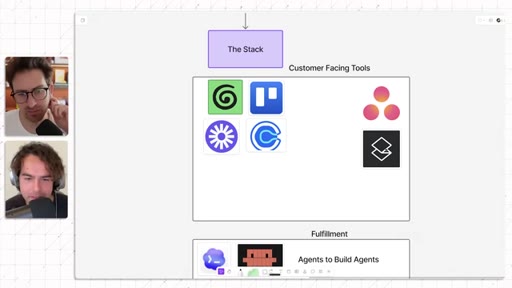
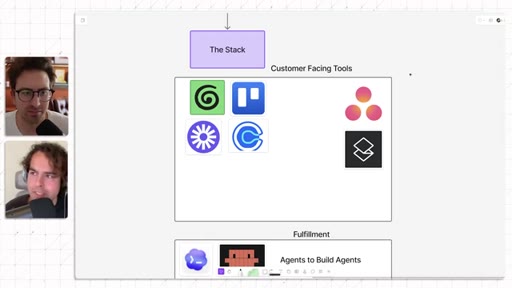
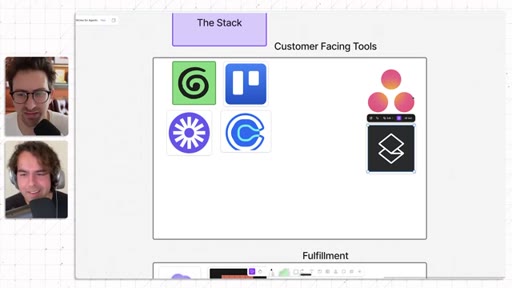
Granola to Trello to Loom to Superhuman to Asana.
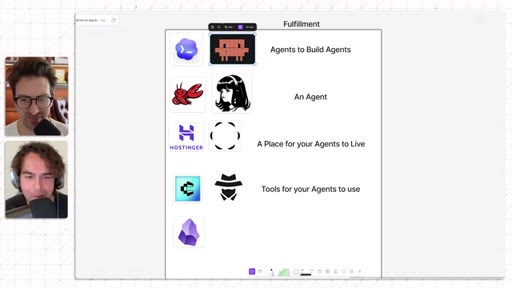
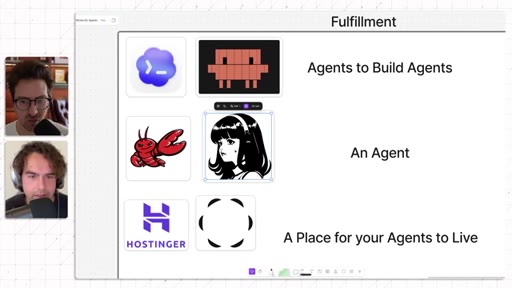
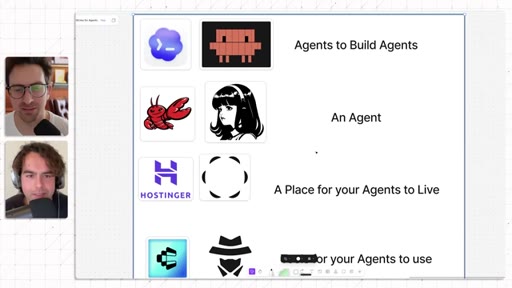
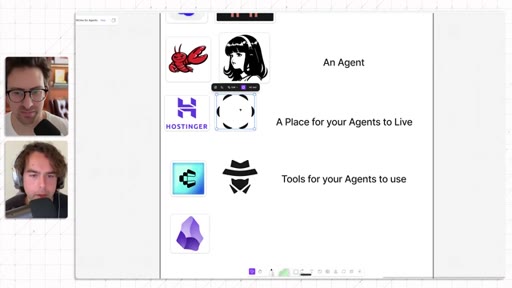
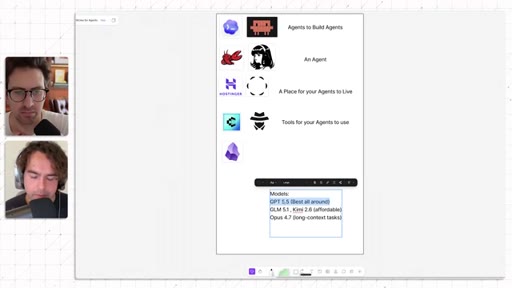
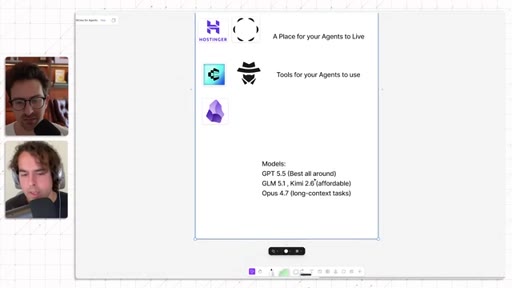
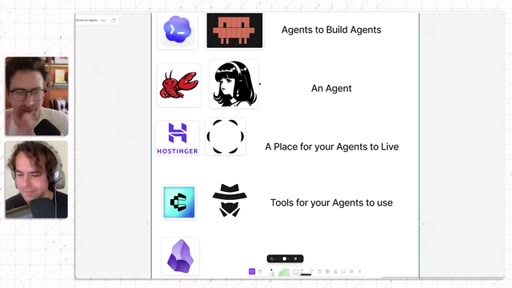
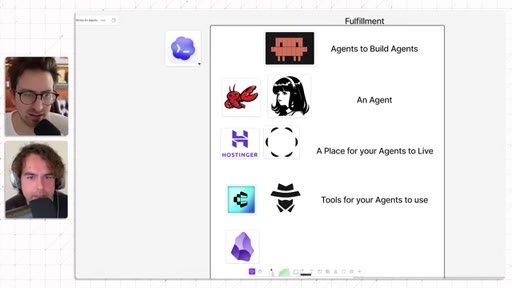
07 · Agent Build Stack
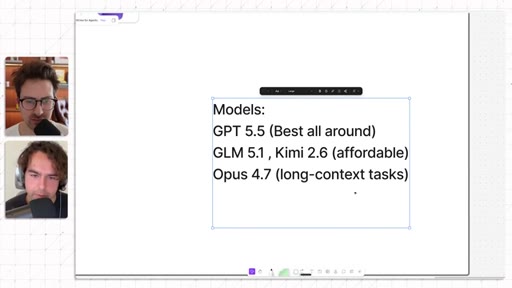
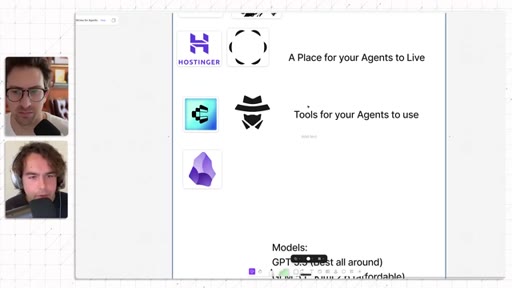
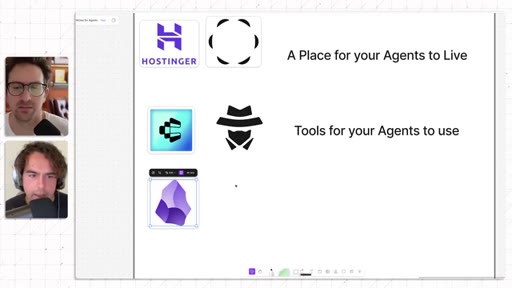
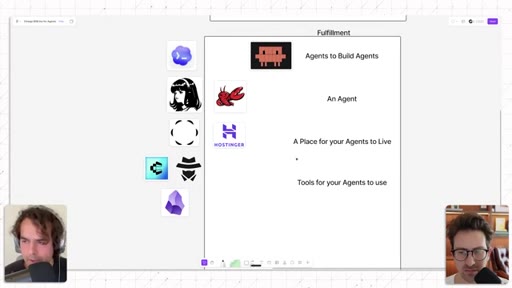
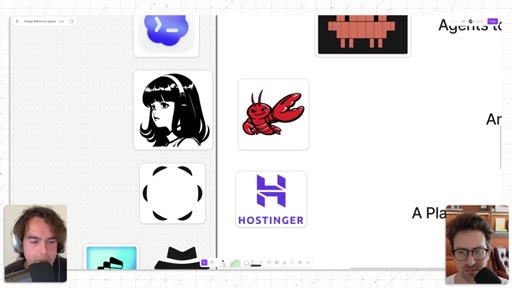
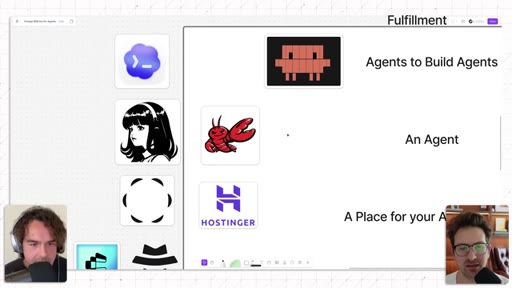
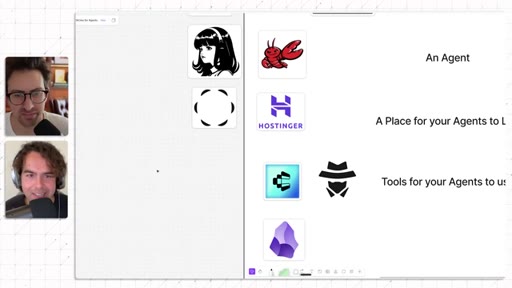
Codex/Claude Code to build. Hermes as the agent harness. Orgo for cloud VMs. Composio for auth. AgentMail. Obsidian as second brain.
08 · Obsidian as Second Brain
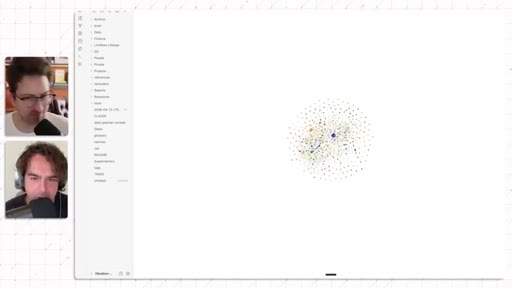
Nick vault (since Nov 2025) ingests daily transcripts, people, projects. Gives agents structured context that feels like personal AGI.
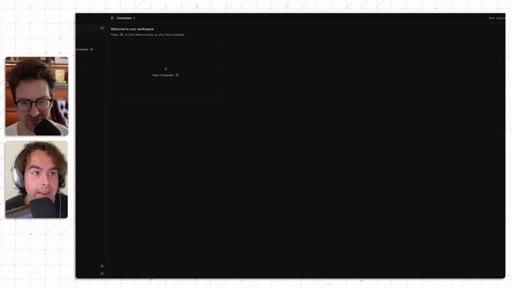
09 · Live Orgo Demo
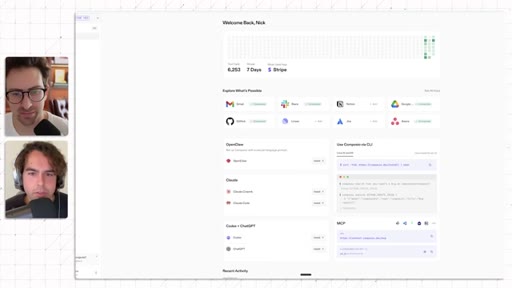
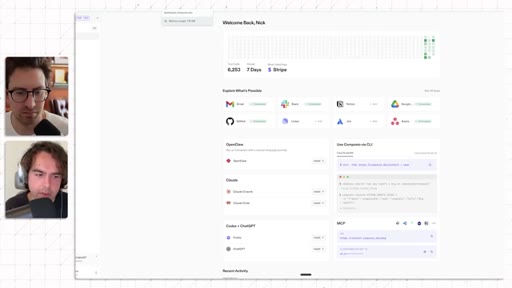
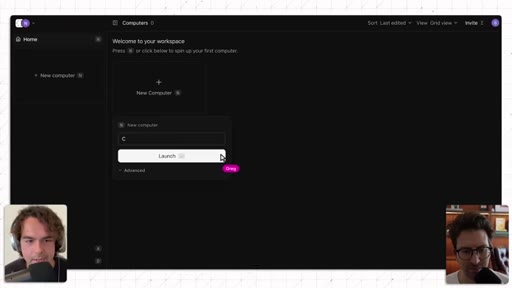
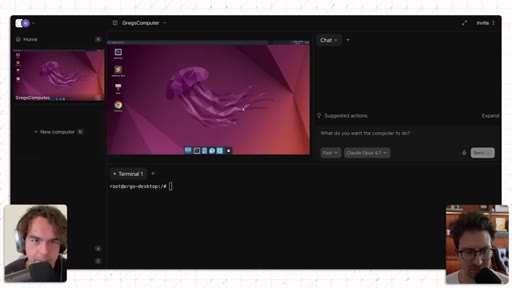
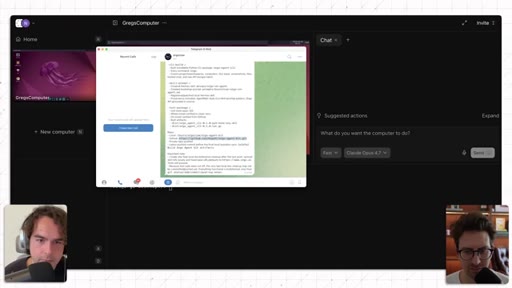
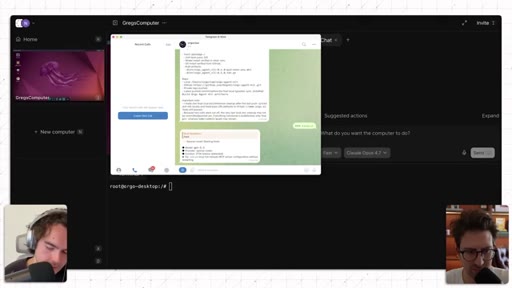
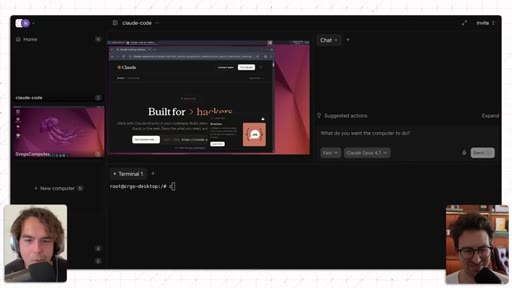
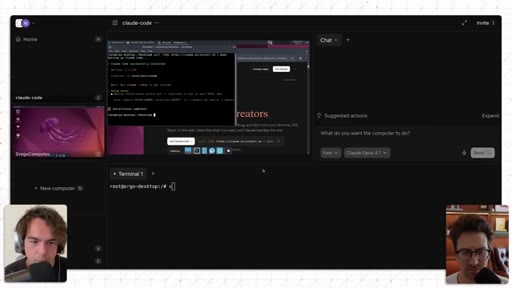
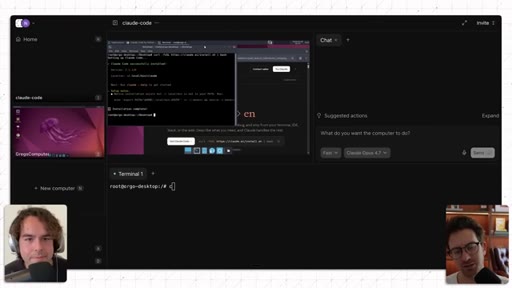
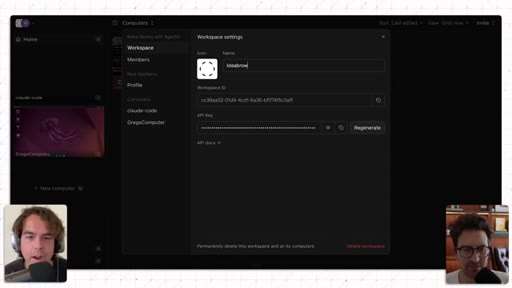
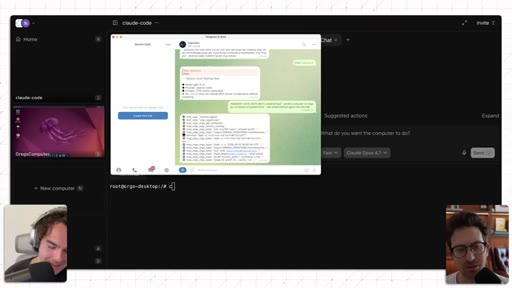
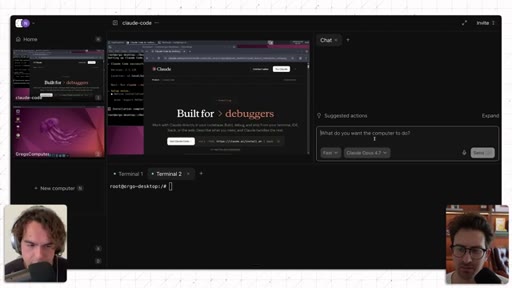
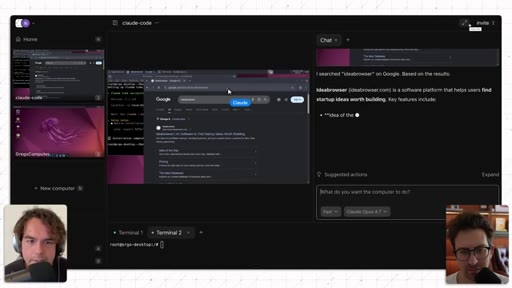
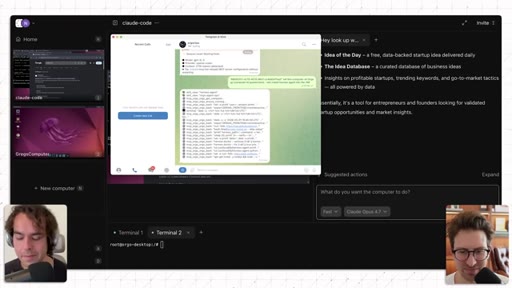
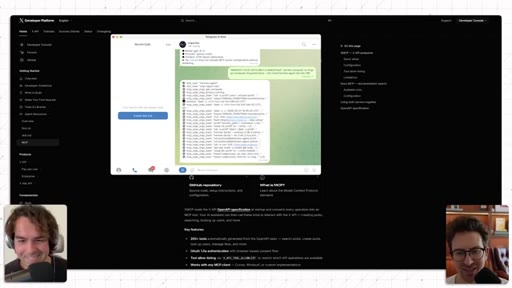
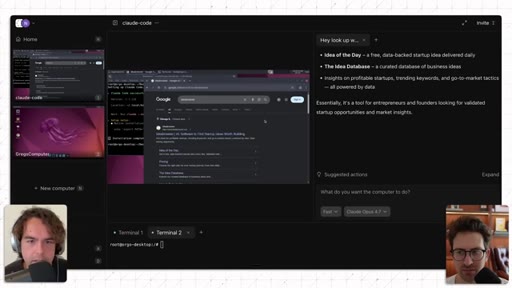
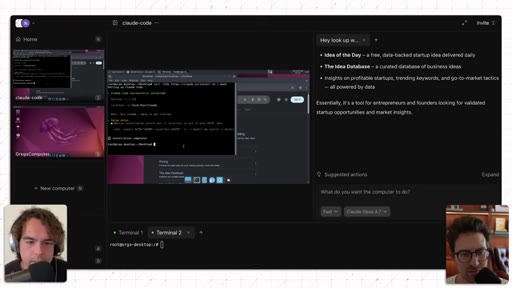
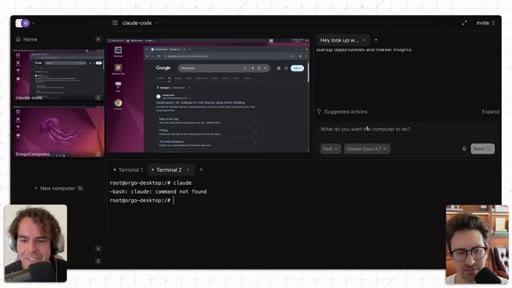
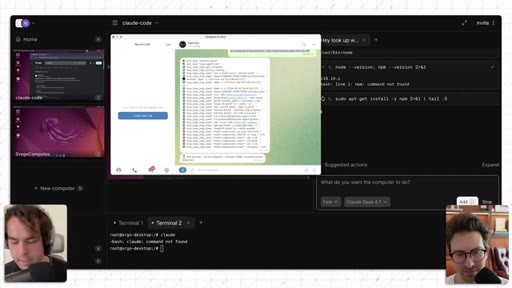
Nick spins up a cloud computer, triggers Telegram meta-agent to install Hermes inside the VM. Shows 27 customer VMs managed from one agent.
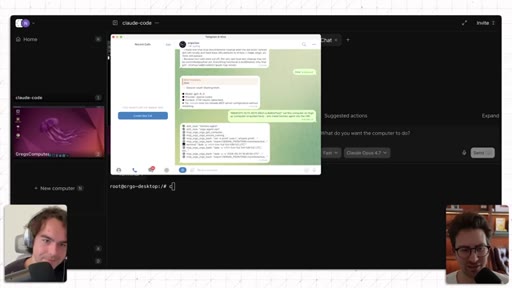
10 · Cloud vs Mac Mini
Cloud VMs beat local Mac Minis: remote access, sandboxing, instant spin-up/delete, blast radius protection.
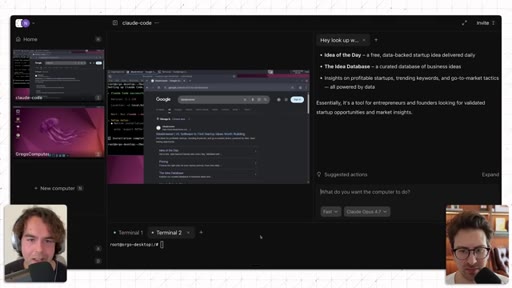
11 · Agents Build Agents
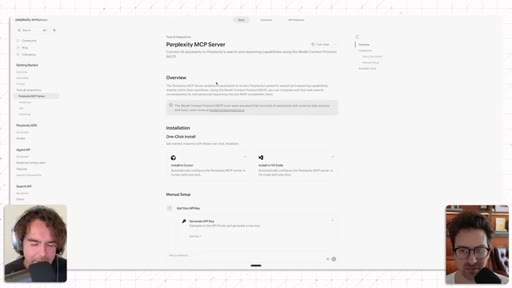
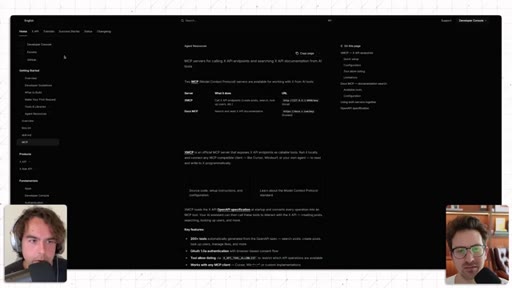
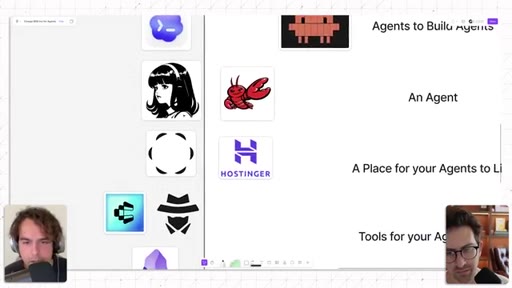
Arm Claude Code/Codex with MCPs: Perplexity, Context7, Exa AI, X MCP. Spawn 5 parallel sub-agents for research synthesis.
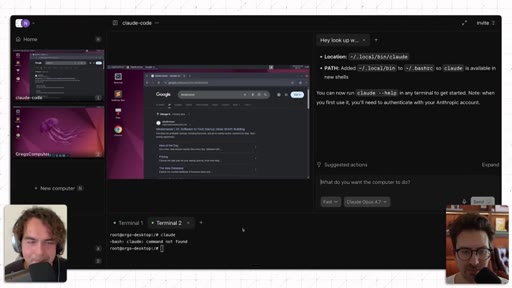
12 · Watchdogs and Observability
Every agent needs: watchdog that auto-restores crashed gateways, and email alerts from agent to operator when cron jobs or skills fail.
13 · Close
Nick thesis: you and your agent, building other agents for other businesses, is one of the most leveraged positions in 2026.
Lines you could clip.
"People are charging $5,000 a month per customer to build and manage agents for them."
"You're selling an AI employee. You're not selling an AI agent."
"The answer to all of our problems, Greg, is that more agents is the answer."
"You're underestimating how much value that is, and you can really create a lucrative business by yourself."
"I can go on a walk, and there is work being done for our business and customers and their agents by my agent."
Things they pointed at.
Word for word.
The playbook is out in the open.
Nick gave away the actual mechanics, not just the concept: offer structure, vertical list, exact stack, live setup.
- Frame every product as an AI employee, not a tool. Never say tokens to a customer.
- The unlimited offer ($5K/mo) works because customers over-estimate how many agents they need.
- Diverge-converge: try 3-4 verticals before locking in; let inbound pull you to a sub-niche.
- Agents build agents. Use Claude Code plus MCPs for setup; stop debugging terminals manually.
- Build the observability layer first: watchdog crons plus agent-to-operator email alerts.
- Content is the warm pipeline. Nick got on this podcast from an Instagram reel Greg saw at midnight.
What to expect if you hire an AI agent manager.
You should never be asked to touch tokens, credits, or infrastructure. That is the provider job.
- Expect 1-3 agents to do most of the real work, regardless of what the pitch deck says about unlimited.
- A good provider delivers via Telegram or email and handles all maintenance before you notice anything broke.
- If your provider asks you to manage API keys or server configs, find a different provider.
- Cloud-hosted VMs for agents mean easier access, auditing, and isolation. Ask about this upfront.
- The best AI employee integrates with tools you already use (Gmail, Slack, Notion) from day one.