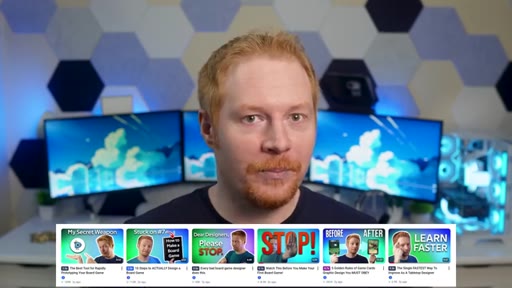
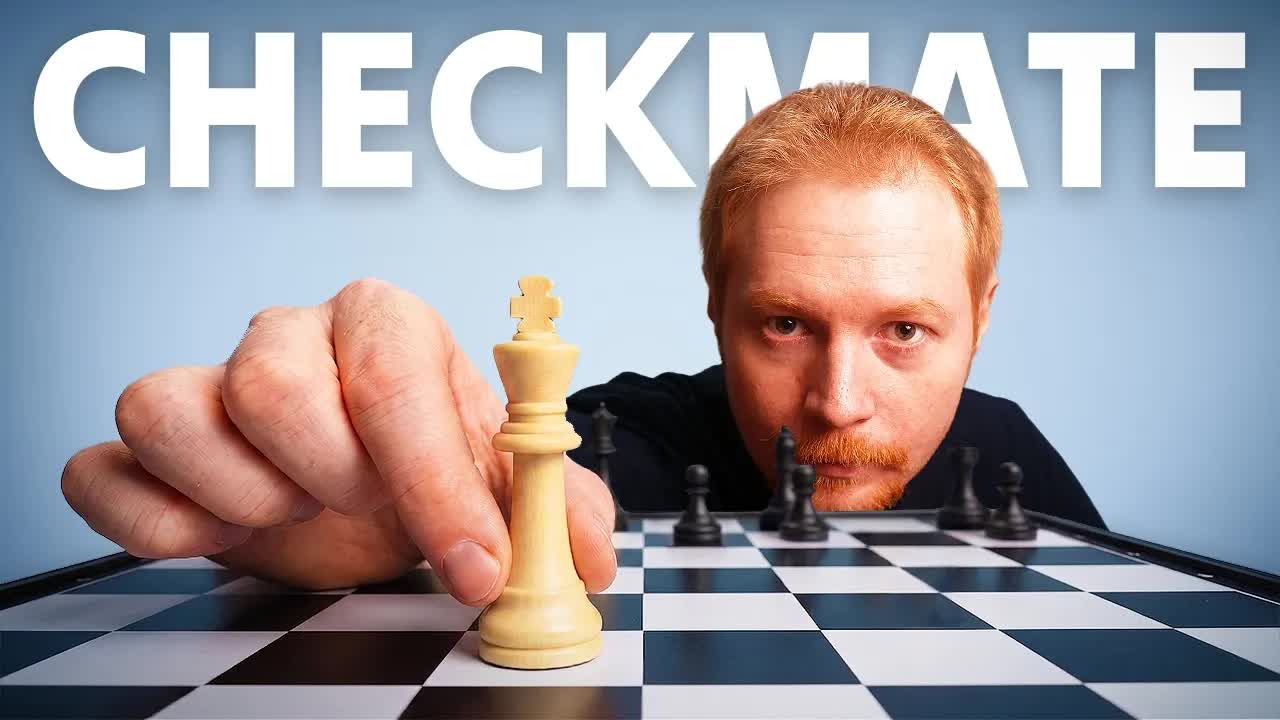
The bait, then the rug-pull.
Dave Jeltema opens by validating the exact frustration every stuck educational creator carries then immediately reframes it: it is only hard because nobody gave you the rules. Twenty-two minutes later, you have seven of them, each with a named diagnostic test you can run on your own channel today.
What the video promised.
stated at 00:40 "By the end of this, you will know exactly which rule is breaking your channel right now." delivered at 22:54
Where the time goes.
01 · Cold open and credibility
Validates the struggle, establishes coaching credibility, states the transformational promise.
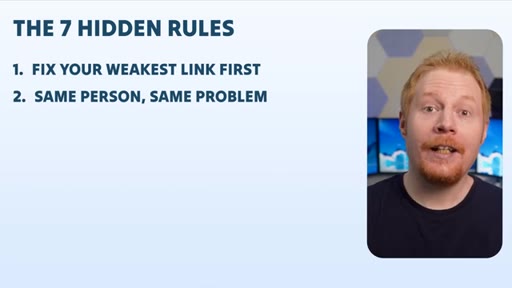
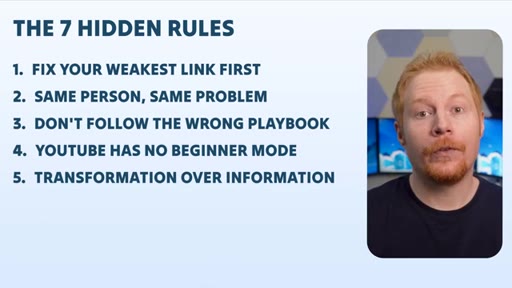
02 · Rule 1: Fix Your Weakest Link First
The chain model thumbnail to next-video. Personal failure example: worst-performing recent video broke at concept link despite solid packaging. Exercise: The Weak Link Test.
03 · Rule 2: Same Person Same Problem
Consistency means same audience same problem not upload frequency. Dead-subscriber mechanics. Three abandoned niches personal story. Exercise: The North Star Test.
04 · Rule 3: Do Not Follow the Wrong Playbook
Most advice is stage-wrong or outdated. Missing context clauses in common advice. Exercise: The Context Filter.
05 · Rule 4: YouTube Has No Beginner Mode
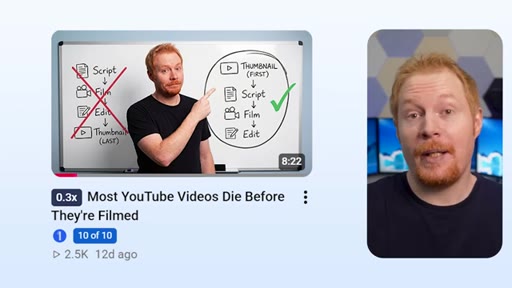
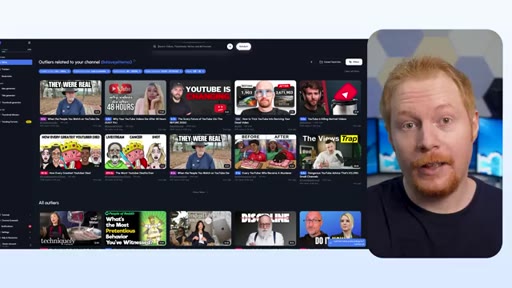
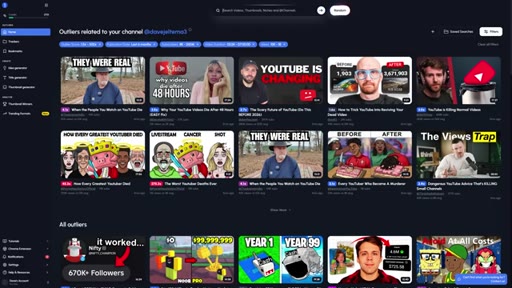
Browse homepage is a battle royale against professional teams. Exercise: The Field Comparison. Sponsor: 1of10.
06 · Rule 5: Transformation Over Information
Information is a commodity. Viewers pay for transformation. Exercise: The Transformation Test.
07 · Rule 6: Steal Like an Artist
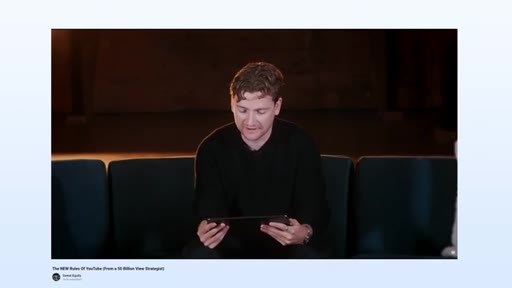
Extract structure not surface. The Frankenstein Method. Dave demonstrates using this video itself. Tool: Boundless Insight.
08 · Rule 7: Everything Is Downstream of YouTube
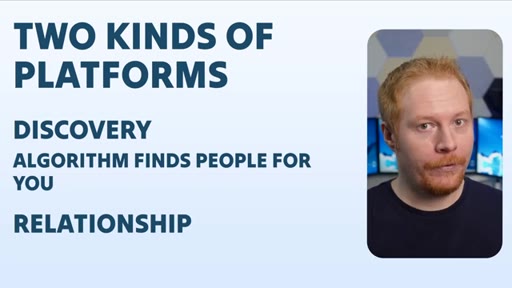
YouTube is a discovery platform. Money lives off-platform. Two-platform model. AdSense less than one sixth of income. CTA to email list.
Visual structure at a glance.
Named ideas worth stealing.
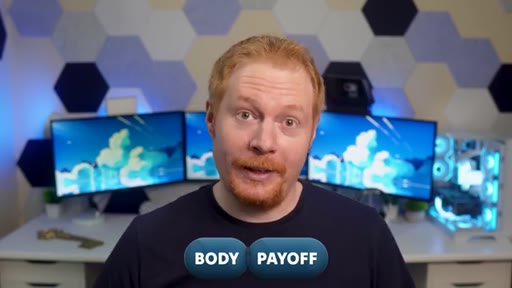
The Video Chain
- Thumbnail
- Title
- Concept
- Hook
- Body
- Payoff
- Next video
Every video is a sequential chain where each link must perform for the next to matter. Fix the weakest link first.
The Weak Link Test
Review last 5-10 videos, identify the breaking link by feel and pattern, not CTR numbers.
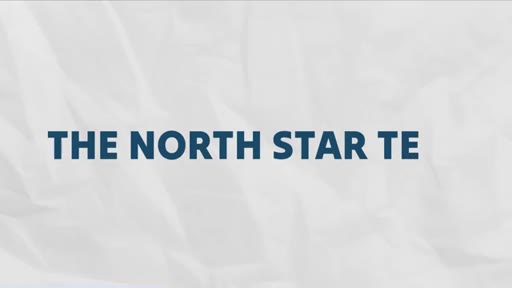
The North Star Test
- Who do you want to talk to? Stage, niche, pain.
- Who is actually watching you right now? Comments, emails.
Overlap between ideal audience and real audience is who every video is for.
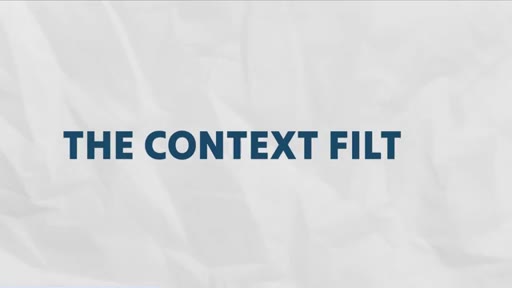
The Context Filter
- Am I in the right place in my journey for this advice?
- Do I have the same goals as the person who gave it?
- Was it meant for my style of content?
- Is it still good advice today?
Run any piece of YouTube advice through these four questions before applying it.
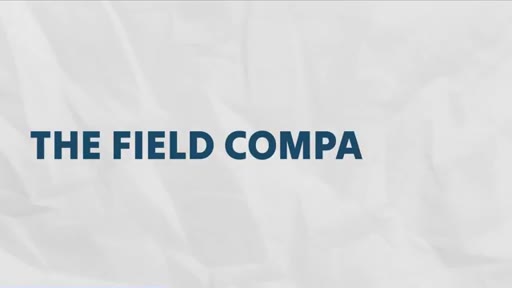
The Field Comparison
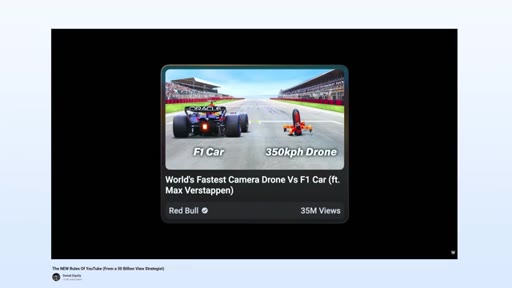
Place your thumbnails side by side with niche outliers. No internal quality comparison, only packaging vs the field.
The Transformation Test
Before filming: one sentence on what the viewer will be able to do or see or feel after watching that they could not before. Cut everything that does not serve it.
The Frankenstein Method
Extract structural parts from many good sources and combine them into something new that is yours.
Discovery vs Relationship Platform Model
- Discovery platforms: algorithm-driven (YouTube, X, Instagram)
- Relationship platforms: owned audience (email, Patreon, podcast)
Use discovery platforms to find people, relationship platforms to own the relationship and monetize.
Lines you could clip.
"The part you love working on is almost never the part that is broken."
"YouTube is not a video platform, it is a click and watch platform."
"Tutorials are dead. If you are competing on information alone, you are fighting a losing battle."
"Steal like an artist, not like a thief. The structure is what you steal. The script is yours."
"Most creators are losing this game without even knowing what game they are playing. Now you know."
How they spent the runtime.
- 10:09 – 11:24 · 1of10
- 18:05 – 18:54 · Boundless Insight own tool
Things they pointed at.
How they asked for the click.
"The top link in the description is where you can learn more and get notified when spots open again."
Three distinct CTAs woven into relevant rule sections rather than hard-blocked at the end. Community CTA in Rule 3, newsletter in Rule 2, email platform in Rule 7. Each CTA is earned by surrounding content. Sponsor 1of10 demonstrated live in Rule 4 as native tool integration.
Word for word.
Steal the architecture, not the aesthetic.
Dave entire 22 minutes is a live demonstration of the Frankenstein Method: a structure borrowed from Callaway, a title pattern validated from the field, content drawn from real coaching data. That is the move.
- Run the Weak Link Test on your last 5 content pieces. Thumbnail, title, concept, hook. Find the break before you film the next one.
- The Transformation Test is your pre-production filter: one sentence, what the viewer can do after that they could not before. Cut everything that does not serve it.
- The Frankenstein Method applies directly to format development: find 5 videos with a structure you want, extract the architecture, rebuild it as your own.
- The two-platform model is the MCN+ thesis: YouTube finds the people, your owned list is where the money lives.
- Run the Context Filter on every piece of YouTube growth advice you have been applying. Most of it is stage-wrong for where you currently are.
- Do the Field Comparison: your thumbnails next to niche outliers side by side. Not internal comparison, field comparison. That is the only calibration that matters.
What this means if you are stuck on YouTube.
YouTube feels random until you realize it is a chain, and you are probably breaking it at a link you are not even watching.
- Look at your last five videos and ask: where did it break? Was it the thumbnail that did not get the click? The hook that lost them in the first 30 seconds? The concept nobody needed right now?
- Are you talking to the same person every video? Not the same topic, the same human with the same ongoing problem. If your videos feel scattered, this is probably the issue.
- Before your next video, write one sentence: what will the viewer be able to do, feel, or see after watching that they could not before? If you cannot write it, do not film yet.
- Pick one relationship platform and start moving people there. Email, a community, a podcast. That is where you actually own the relationship.