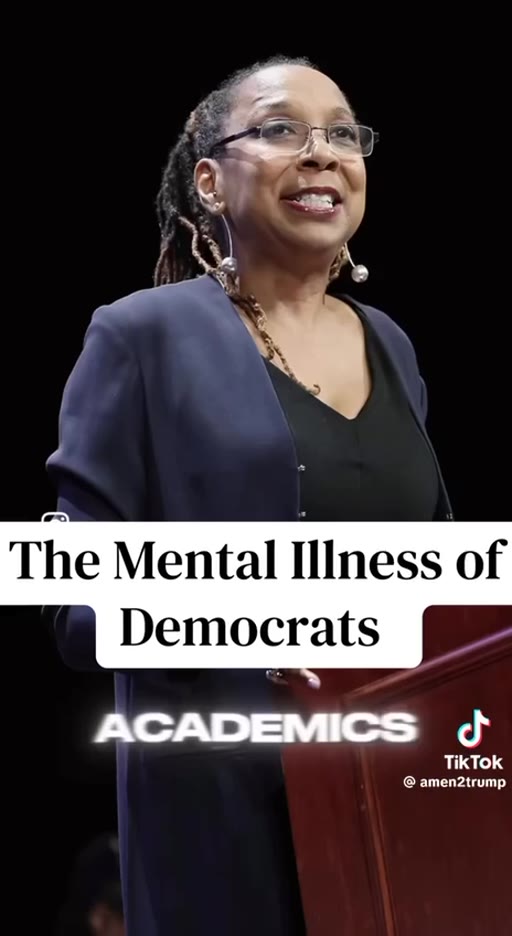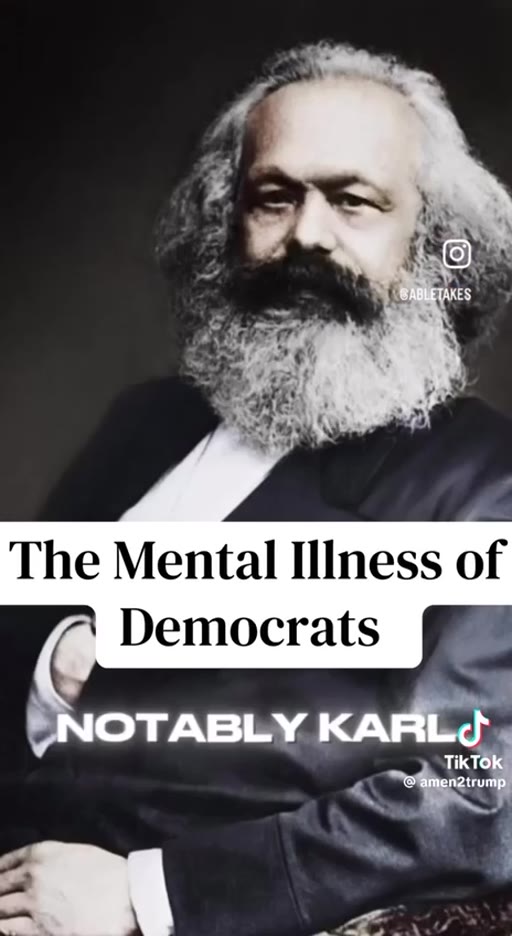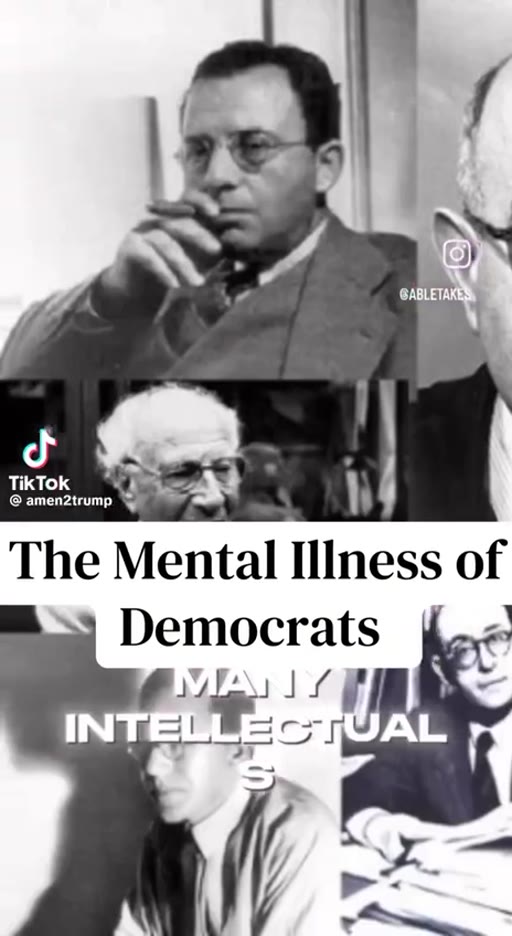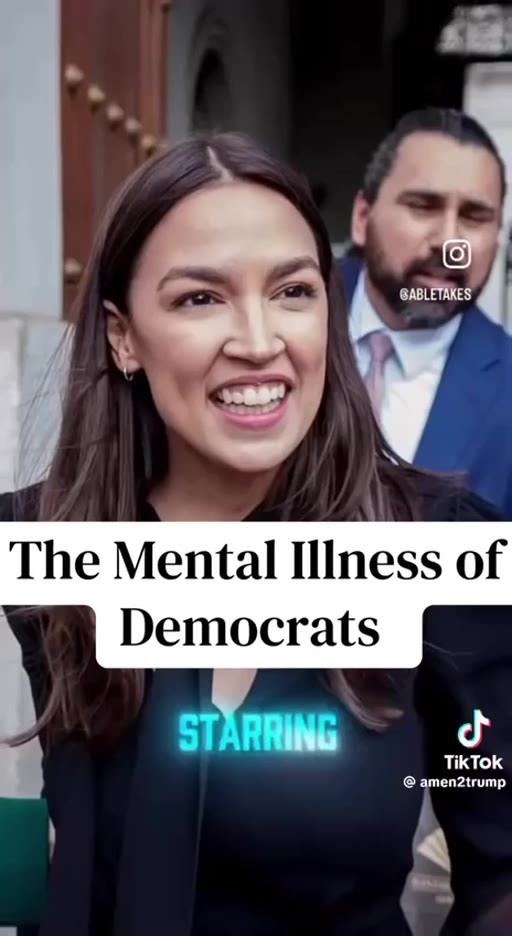
§ 01 · The Hook
The bait, then the rug-pull.
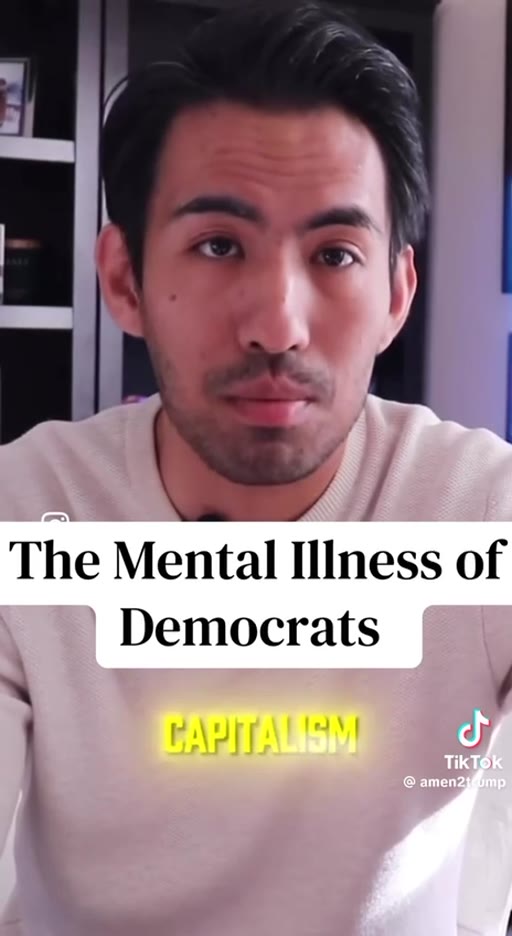
Question-then-tease cadence in the first 9 seconds: 'Ever wonder why intellectuals lean left? It has to do with a hero complex.' The phrase 'hero complex' is doing the bait work — psychological, tribal, accessible. He could've said 'self-interest theory' but 'hero complex' travels further on a feed. The entire 2:23 is the answer to that opening question, and the answer turns out to be a clean compression of Schumpeter's 1942 argument.
Word for word.
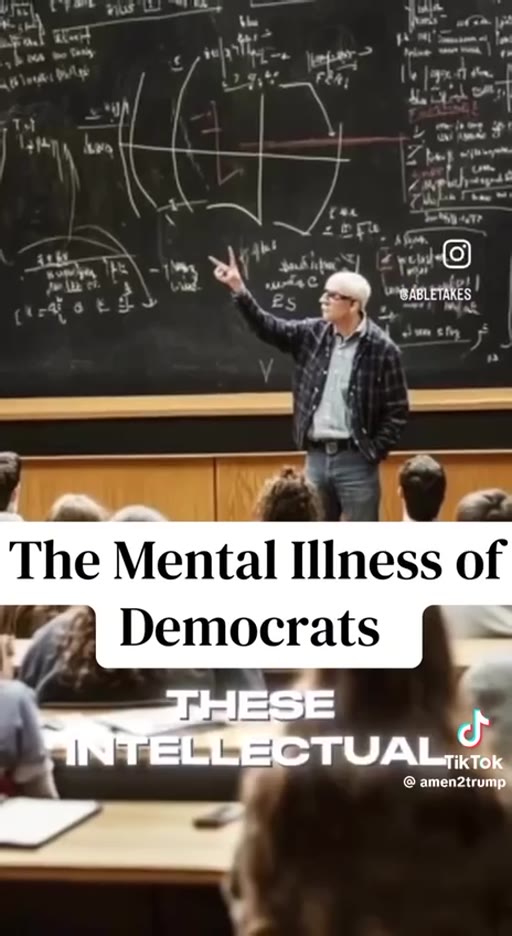
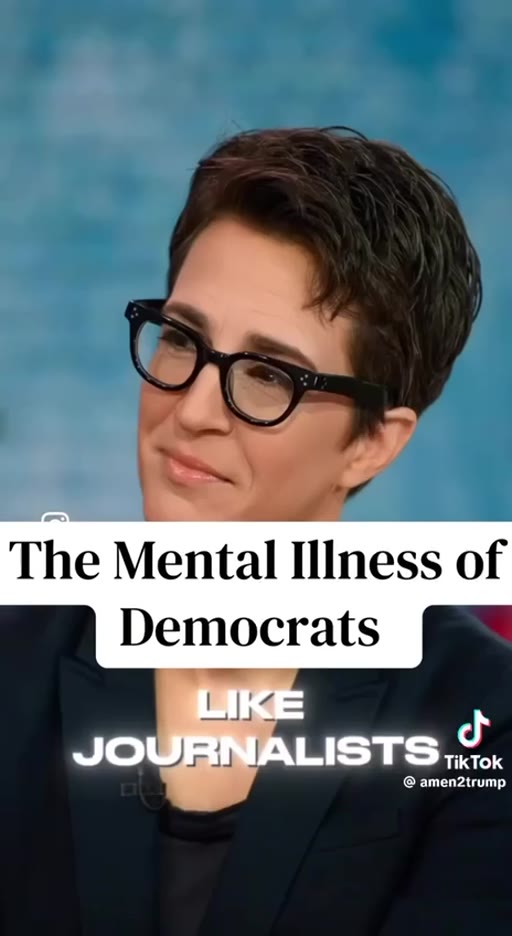
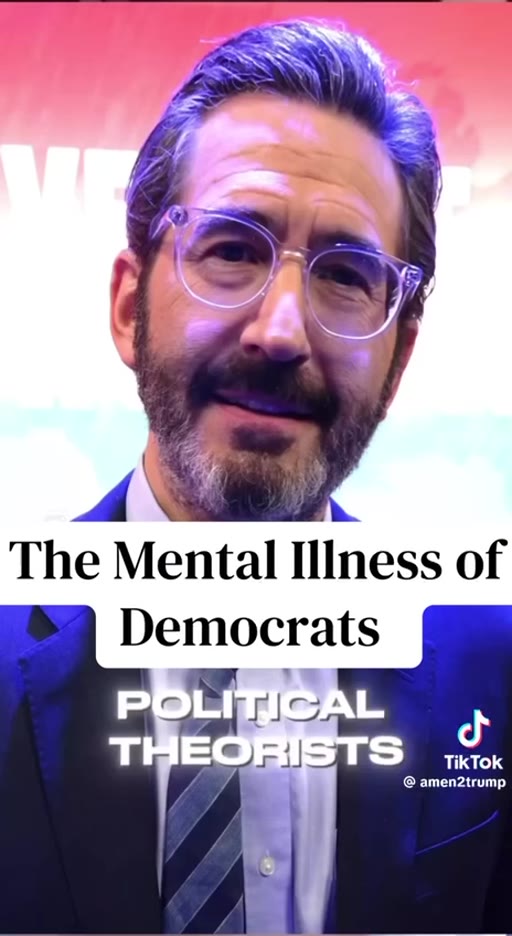
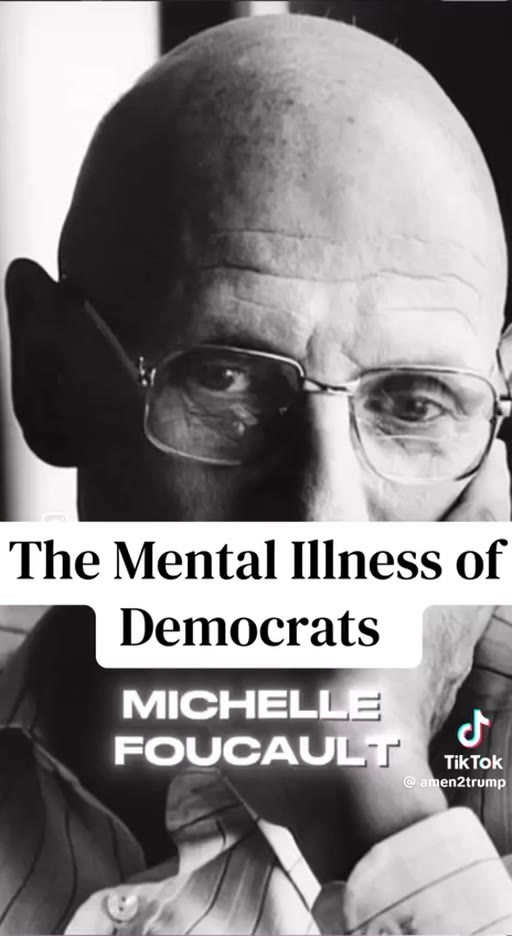
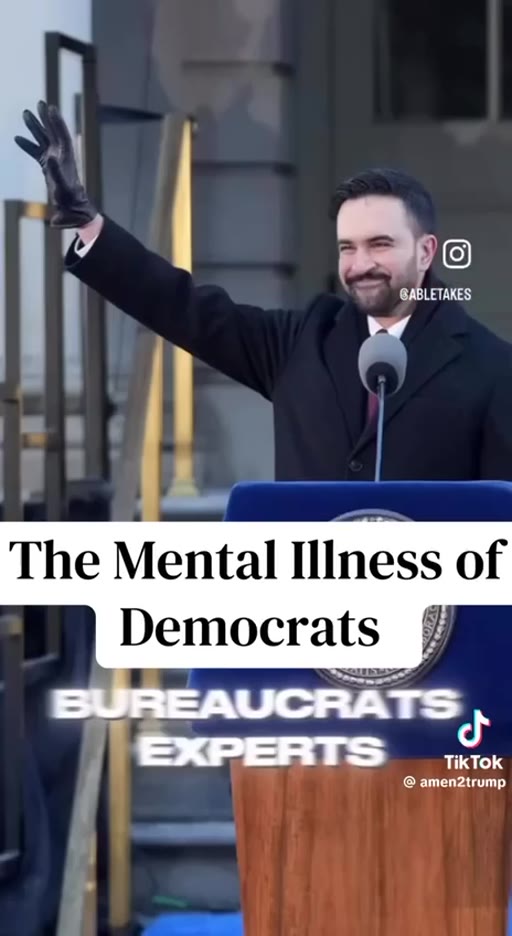
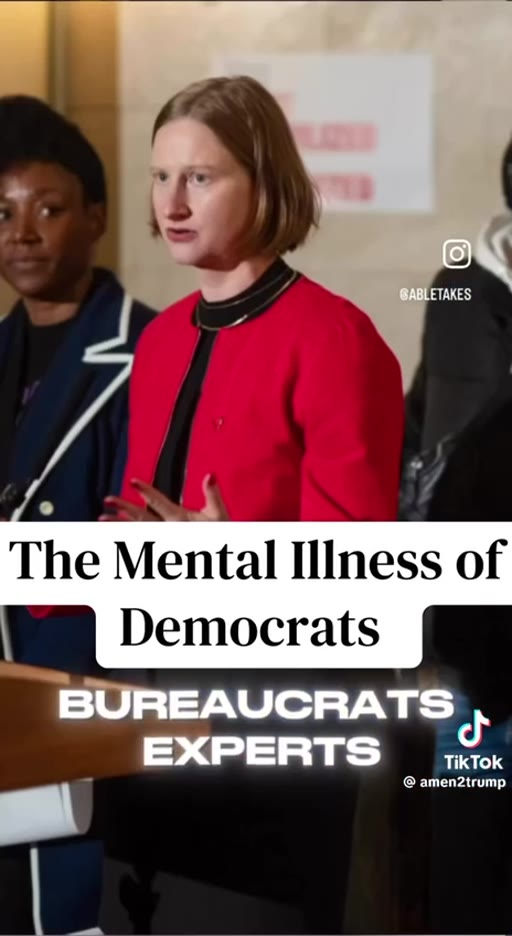
Ever wonder why so many intellectuals and academics are often left leaning and drawn to socialism? Well, it has to do with a hero complex. There's an economist by the name of Joseph Schumpeter, and he explained this really well in one of his books, Capitalism, Socialism, and Democracy. He explained that highly developed industrialized capitalist societies create enough abundance to produce a large quantity of these intellectual class. And these people are like journalists, college professors, lawyers, political serious academics, and they're often very resentful of capitalism. And this resentment usually stands from the fact that capitalism mostly rewards entrepreneurs, inventors, merchants, and businessmen, people who actually produce real goods and services for society. It doesn't do much to rewards these intellectuals because most of them don't produce anything. Um, their products are usually ideas, critiques, and theories about society and how it should function. And because they don't actually solve any real problems, their easiest path to influence for them is by criticizing capitalism. Think of people like Michel Foucault, Noam Chomsky, Herbert Macuso, and most notably Karl Marx. And because they believe that they're actually smarter than most people, they often feel that capitalism doesn't properly rewards them for their intellect. But under socialism, it will be different because they'll be more valuable. Um, and since socialism needs a lot of bureaucrats, experts, economic planners, ideologues, and guiding intellectuals. So it gives them the starring role that they don't have in a market economy. And on top of that, they also don't suffer the consequences of their own failed ideologies. You see, unlike an engineer who's built a bad product, you can see it in real time if that product works or not. And if it doesn't, then you have to go back and try to fix it. But for these intellectuals, their product is their ideas. So they can be catastrophically wrong and then still get to keep their careers. And if their ideologies and predictions fail, they can always write a new essay explaining why it wasn't real socialism or that somebody implemented it wrong. So because they have no skin in the game, there's no limit to what they can come up with.
— full transcript
§ 05 · For Joe
Steal the bait-and-deliver wrapper.
Killing Excuses content-end playbook
A bait-tag wrapper on top of a real argument makes a video travel twice — once on outrage, once on substance. The banner pulls in the algorithm and the in-group. The substance gives the viewer something to repeat at dinner. Both audiences win.
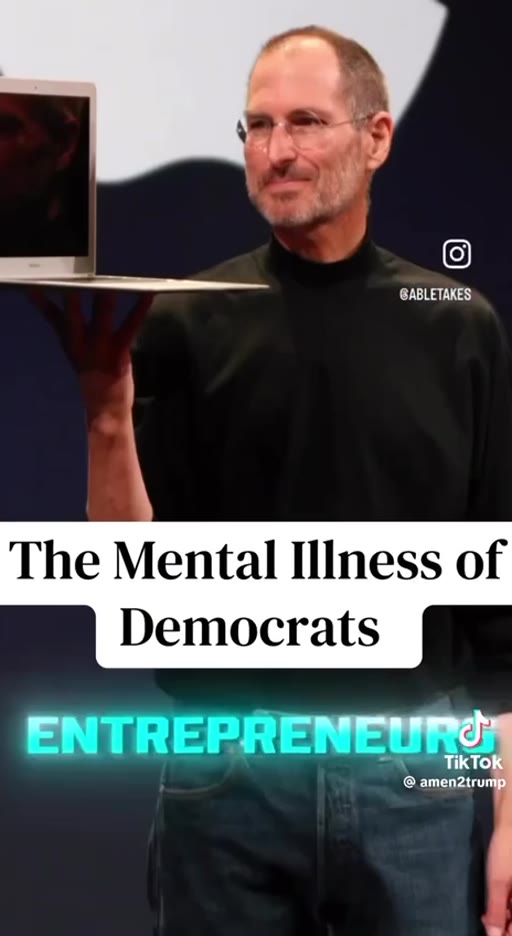
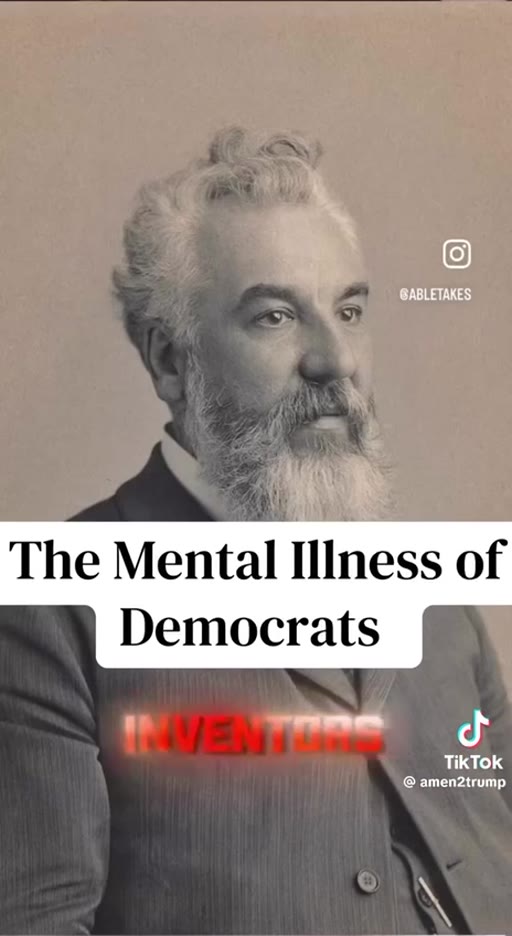
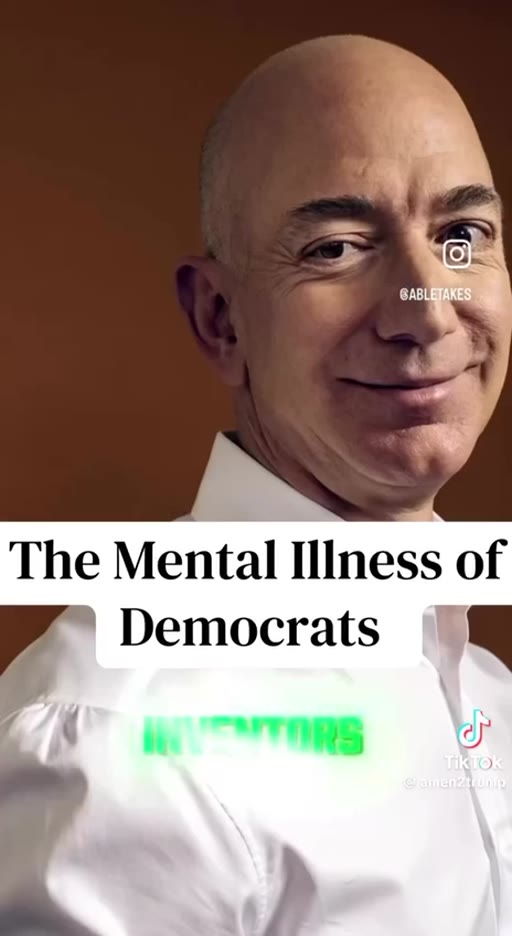
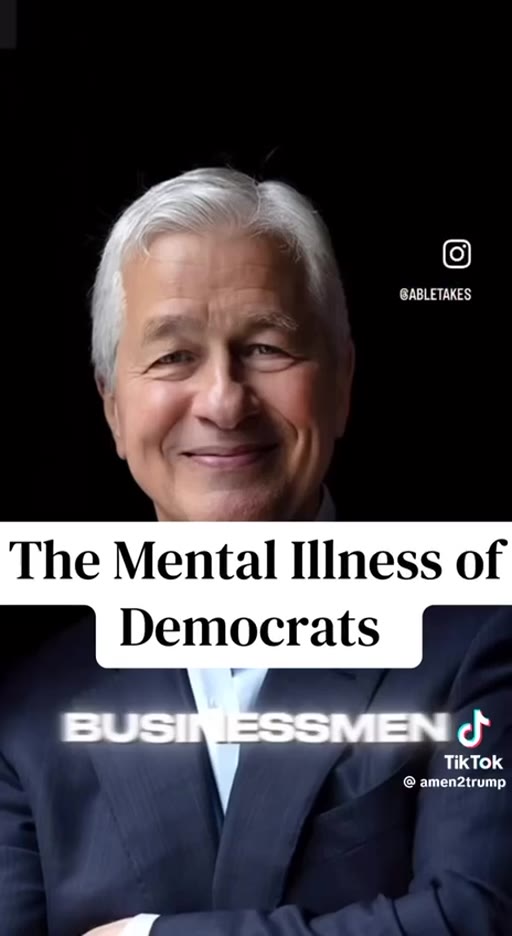
- Pick a bait wrapper that's editorial, not your actual argument. 'Mental Illness of Democrats' isn't what the video says — it's the door, not the room.
- Compress real, citable source material. Schumpeter's argument is 80 years old and still works. You have direct-response history (Brunson, Doberman Dan, Maria Wendt) the same way — pick one underused source and make 90-second compressions of its core ideas.
- Let kinetic captions carry the visual rhythm. One word-pop every 1-2 seconds replaces the need for cuts, B-roll, or edits. Cheaper to produce, better for accessibility, retains TikTok algo signal.
- Use book-cover flashes as Wikipedia-speed citations. When you say a name, show its book for one beat. Adds credibility, no need to license footage.
- Open with a question-then-tease in the first 9 seconds. 'Ever wonder why X? It has to do with Y.' The Y has to be a phrase that travels — pick the psychological-tribal version of your real answer.
- End on a punchline that the body of the video earns. The 'no real socialism' line only works because of the 2 minutes of setup. The whole video is a delivery vehicle for that final dunk.
- 2:00-2:30 is the right length for academic compression on TikTok. Short enough that the algo doesn't dump you, long enough to land an earned punchline.