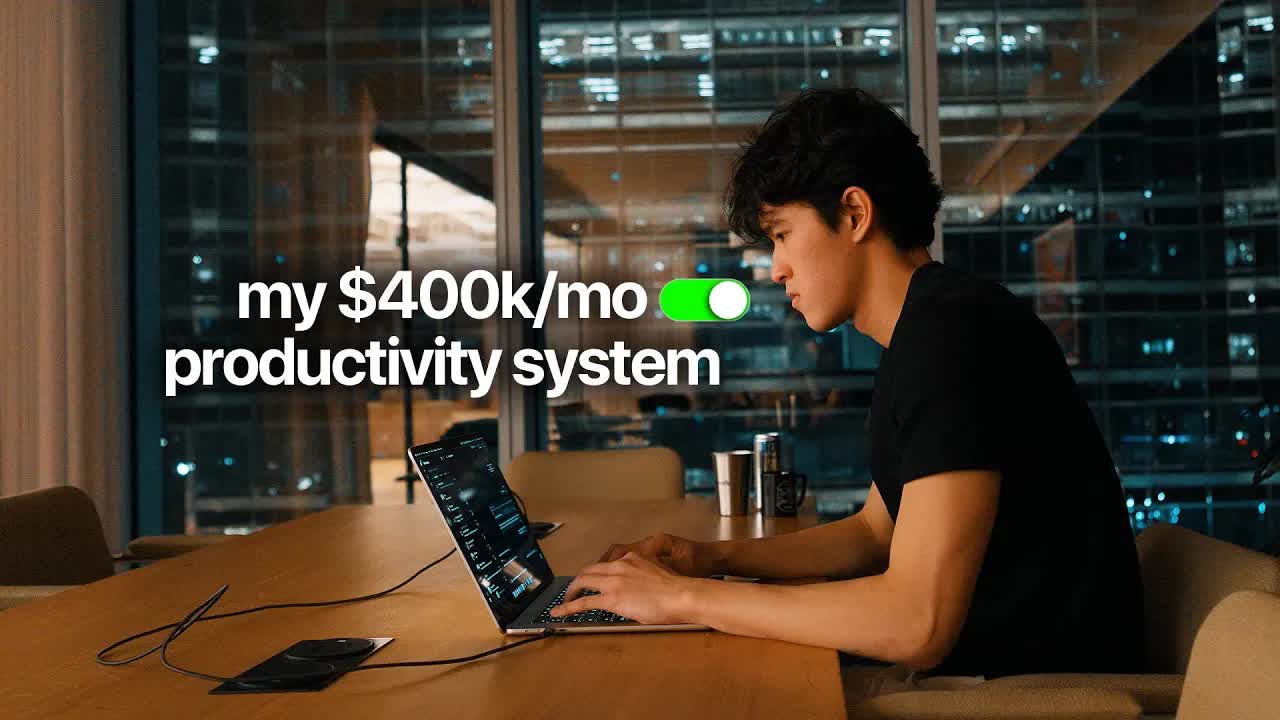
The bait, then the rug-pull.
Twenty years old, a seven-figure consulting business, a D1 basketball roster spot, and a full university courseload -- all running in parallel from a high-rise flat in London. The credibility stack lands in the first fifteen seconds, and it is designed to make you feel the gap between your output and his before he explains the system that closes it.
Where the time goes.

01 · Intro -- credibility stack
Front-loads the dissonance: 20 years old, $3M business, D1 basketball, university. Promises 10 hacks from least to most important.

02 · Hack 1 -- Cut caffeine and nicotine
Nicotine hijacks dopamine receptors and raises the stimulation baseline. Music replaces caffeine as an environmental trigger for focus.

03 · Hack 2 -- Do a blood test
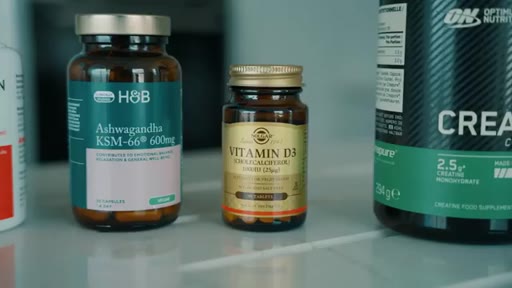
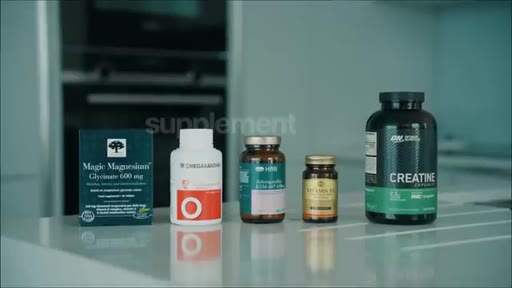
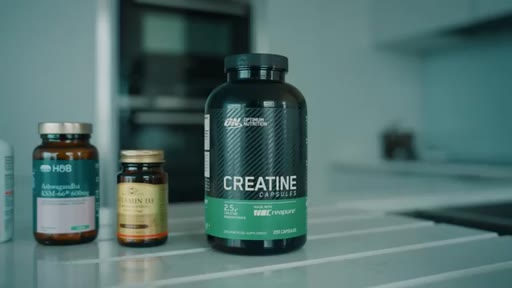
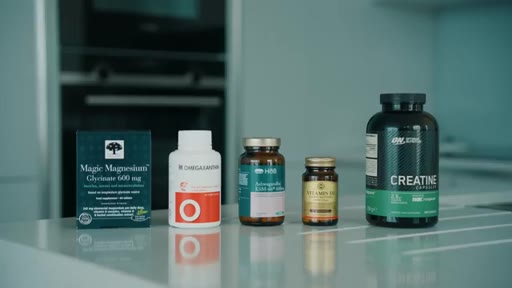
Understand your body before choosing supplements. His stack: magnesium glycinate, fish oil, ashwagandha KSM-66, vitamin D3, creatine. Physical supplements shown on camera.

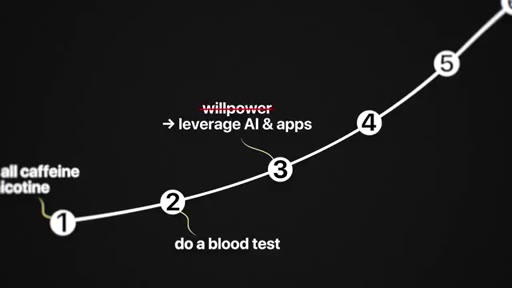
04 · Hack 3 -- Replace willpower with AI and apps
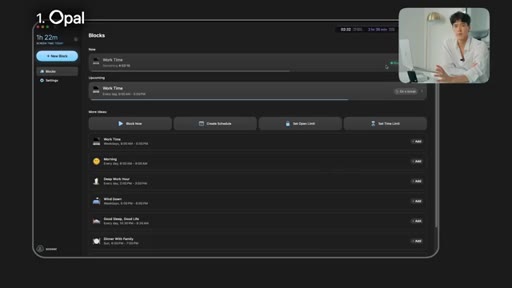
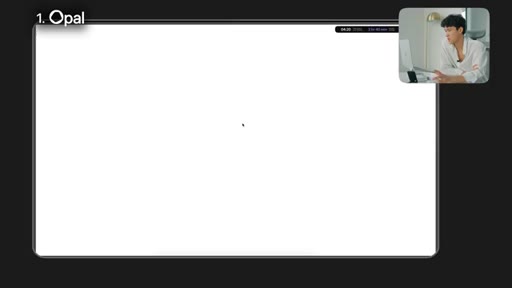
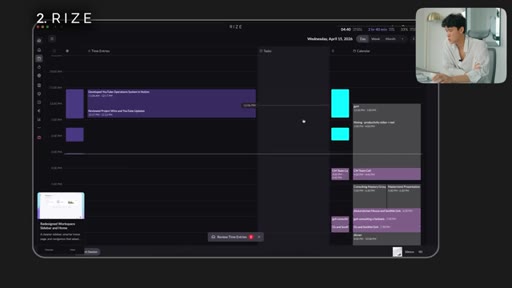
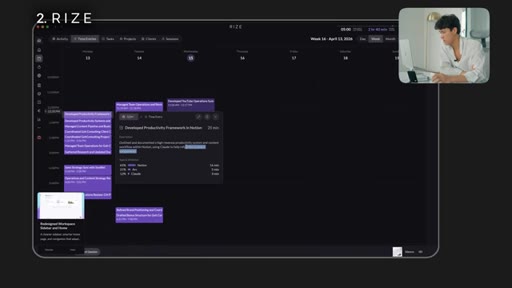
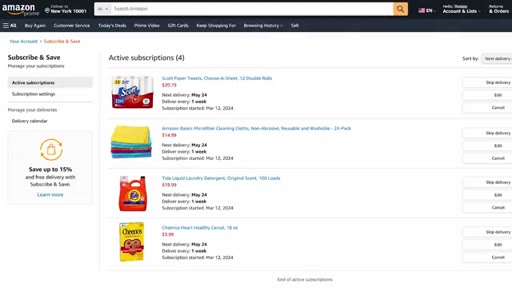
Opal blocks all social/video Mon-Sun 9AM-5PM. Rize tracks time allocation by category. Plaud AI Notetaker captures voice notes and auto-summarizes.
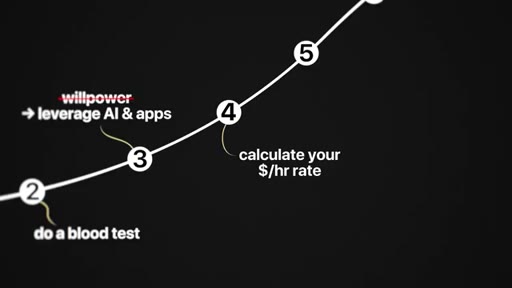
05 · Hack 4 -- Calculate your dollar-per-hour rate
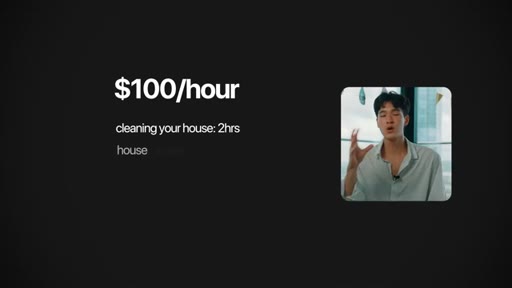
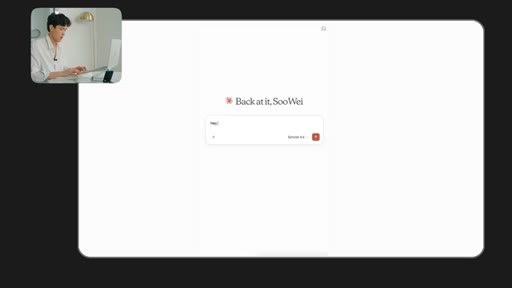
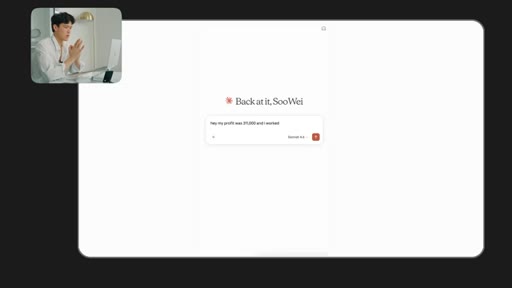
Live Claude demo calculates $2,170/hr from $211K profit and 7-hour days. Everything below that threshold should be outsourced. EA handles logistics entirely.
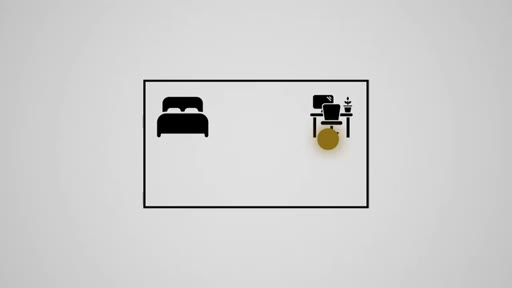
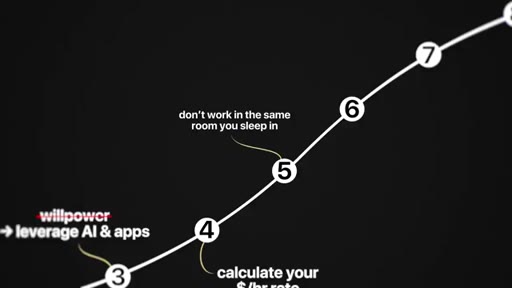
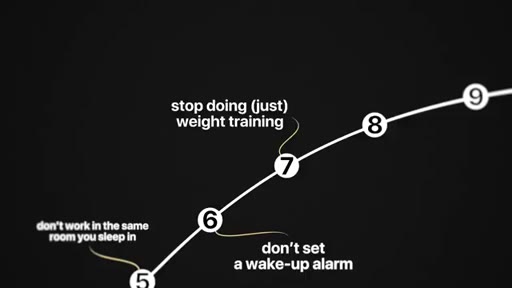
06 · Hack 5 -- Separate sleep space from work space
Bedroom is for sleep only. Phone and laptop charged outside. Plugged-in devices cited as sleep disruptors.
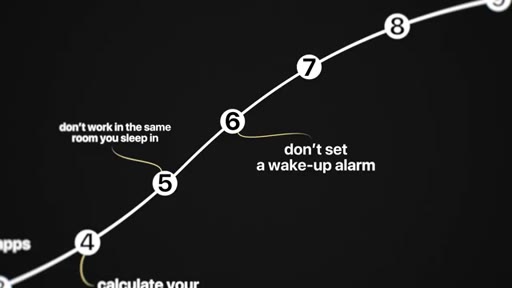
07 · Hack 6 -- Set a bedtime alarm, not a morning alarm
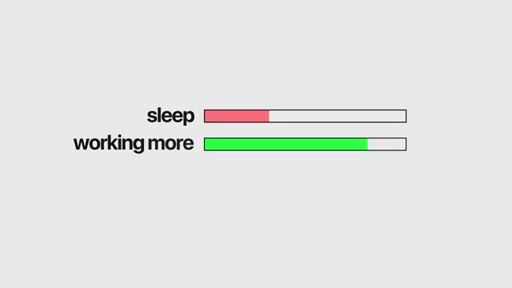
Sleep until natural waking. 10:30PM ring signals wind-down. Decision quality at business scale justifies protecting sleep length over maximizing hours worked.
08 · Hack 7 -- Hybrid workout routine
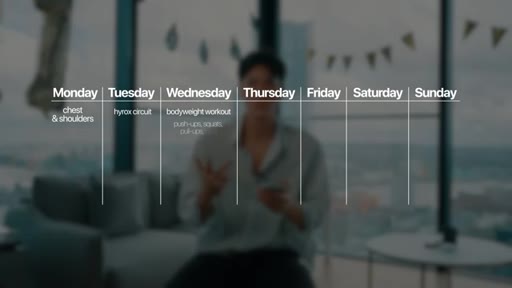
OTS causes energy crashes from pure weight training. Weekly split shown: chest/shoulders, HIIT, bodyweight, 8km run, swimming, basketball, rest.
09 · Hack 8 -- Cap morning routine at two habits
Everything above two habits is sludge. His two: meditation (ADHD management) and five-minute gratitude journal. Journal shown on camera.

10 · Hack 9 -- No work on Sundays
Weekly reflection: what worked, what did not, what is next. Hobbies (basketball, chess, reading, vinyl) serve as genuine disengagement.

11 · Hack 10 -- Batch call days vs deep work days
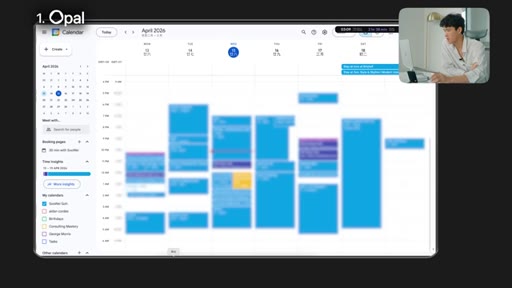
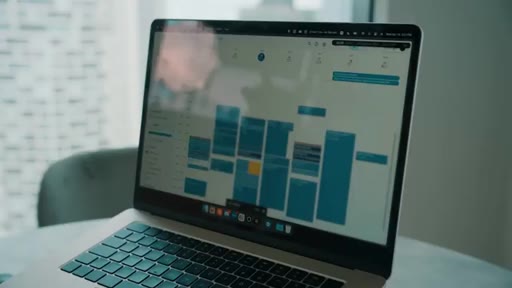
Mon/Wed/Fri = calls only. Tue/Thu/Sat = deep work only. Thursday dedicated to AI and investing learning. Live calendar and Notion shown.
Visual structure at a glance.

Named ideas worth stealing.
Dollar-per-hour rate
- Calculate monthly profit
- Divide by hours worked
- Outsource everything below that rate
- Reinvest reclaimed time into billable work
Converts personal time into a financial unit to make outsourcing decisions objective rather than emotional.
Two-habit morning rule
Cap morning routines at exactly two habits. Every additional habit is sludge that delays the real work without adding proportional value.
Call days vs deep work days
- Mon/Wed/Fri = calls only
- Tue/Thu/Sat = deep work only
- Sunday = reflection + rest
Eliminates context switching by assigning different cognitive modes to different days rather than switching multiple times within a single day.
Lines you could clip.
"Half your day is already fucking wasted."
"Stop setting alarm clocks in the morning and start setting them at night."
"My name is Sue Wei. I'm 20 years old. I run a $3,000,000 per year consulting company while being a full time university student and playing D1 basketball in London all at the same time."
"You spent $200 to save $50, and so you actually lost $150."
Things they pointed at.
How they asked for the click.
"Work with my team: go.gohconsulting.com"
Buried in description only, not spoken on-screen. No end card or verbal CTA during the video itself.
Word for word.
Ten systems that make willpower irrelevant
The through-line across all ten hacks is identical: make the decision once, in advance, so no mental energy is spent making it again in the moment.
- Nicotine raises your stimulation baseline over time, making undrugged focus feel worse -- cutting it is about recalibrating what counts as normal, not about short-term health.
- A blood test before choosing supplements converts guesswork into a protocol -- deficiencies in vitamin D or magnesium suppress energy without obvious symptoms.
- Blocking apps at the system level rather than via willpower keeps the dopamine baseline low enough that routine work feels rewarding rather than dull by comparison.
- Your dollar-per-hour profit rate is a decision filter: any task that costs less to outsource than your hourly rate is a task you should not be doing yourself.
- Separating call days from deep-work days eliminates the context-switching tax that makes 10-hour days feel empty -- the cognitive mode for managing people is different from the one for making things.
- Setting a bedtime alarm instead of a morning alarm treats sleep quantity as an input to decision quality, not a variable to minimize for extra hours.
- Overtraining Syndrome is real and underdiagnosed -- pure daily weight training can generate a dependency on exercise-induced endorphins that tanks energy when you skip a session.
- Capping your morning routine at two habits removes the ritual bloat that consumes the first hours of the day under the cover of feeling productive.
- A weekly reflection without output targets (what worked, what did not, what is next) is a navigation tool, not a rest day -- it redirects weekly effort toward the right activities.
- Genuine hobbies that have nothing to do with work function as a cognitive reset -- reentry to work after real disengagement is sharper than after a shortened day.