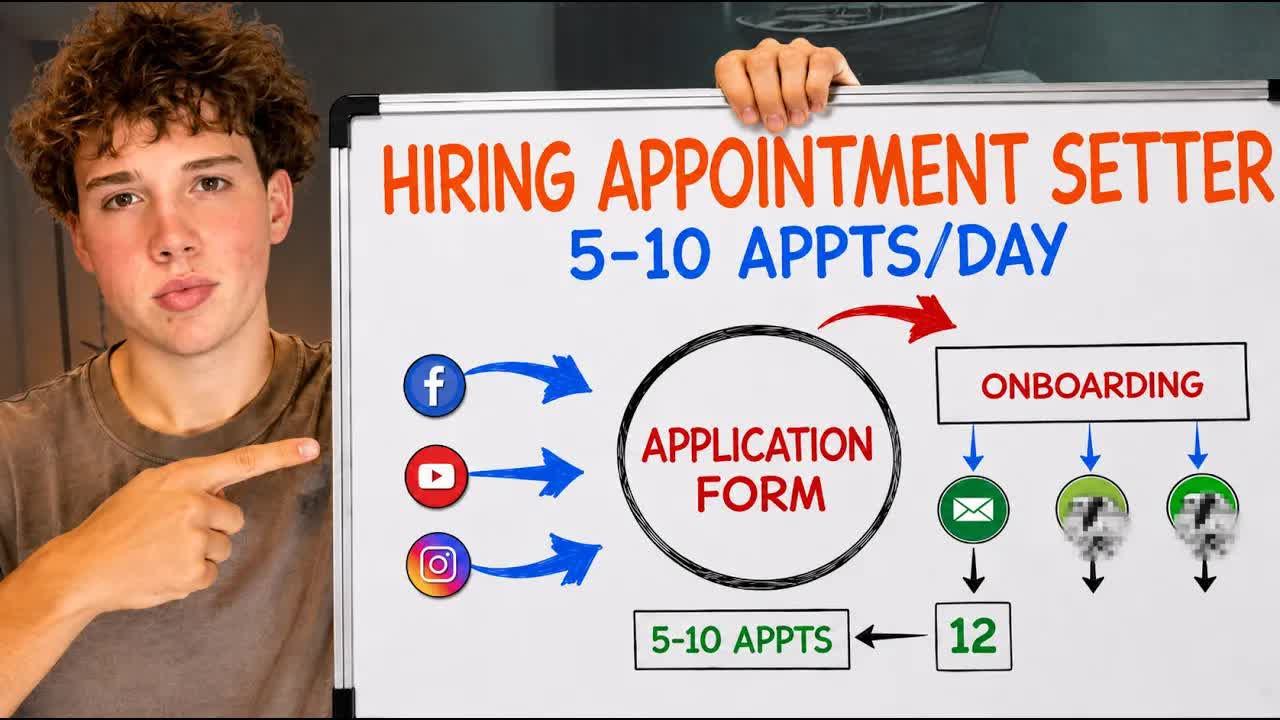
The bait, then the rug-pull.
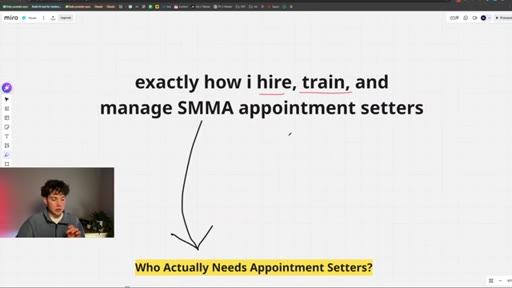
Getting a good appointment setter was single-handedly the biggest change between $10k and $50k/month — and this video is the exact system, start to finish, no gaps.
Where the time goes.
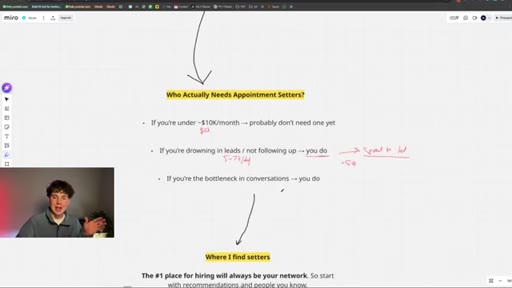
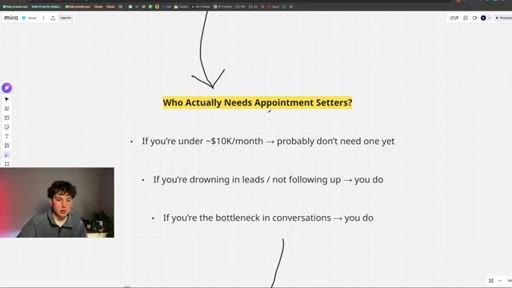
01 · Who actually needs a setter
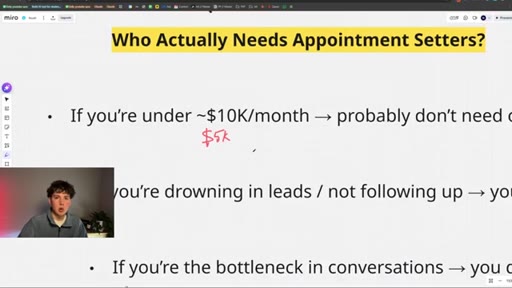
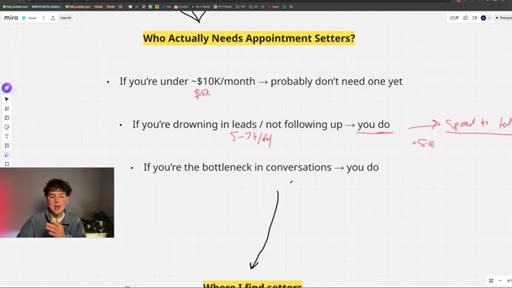
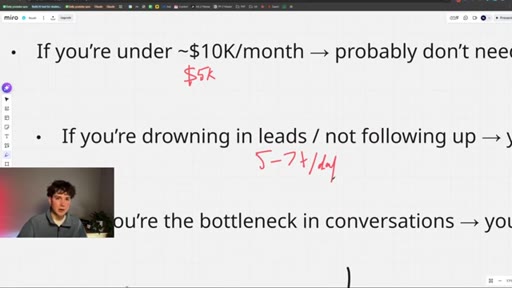
Three situations where a setter makes sense; under $5k/month with available time, probably not.
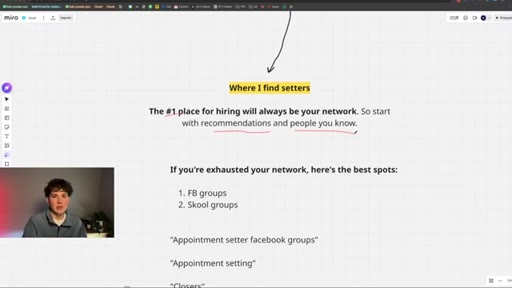
02 · Speed to lead and finding candidates
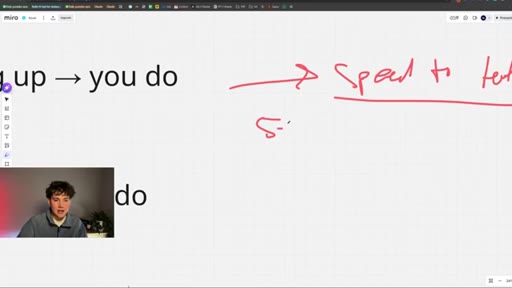
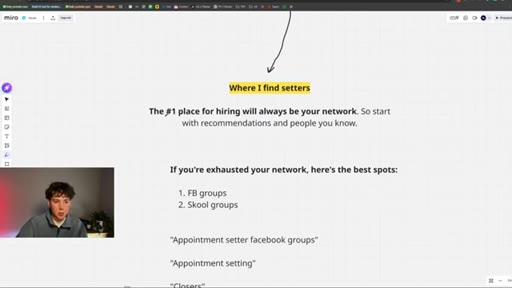
The 5–10 minute call window is the whole argument; network is always the first sourcing move.
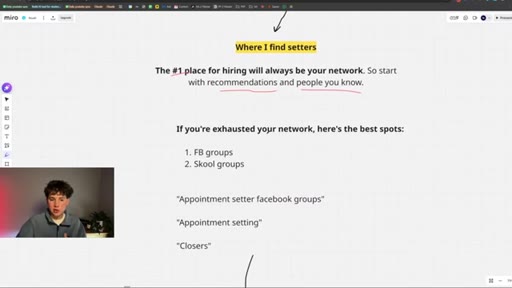
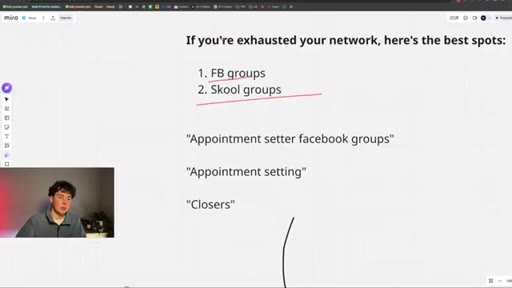
03 · Facebook and Skool groups
Join 10–20 appointment-setter groups and cross-post a single job post across all of them at once.
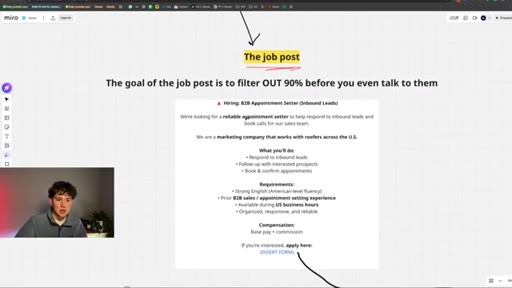
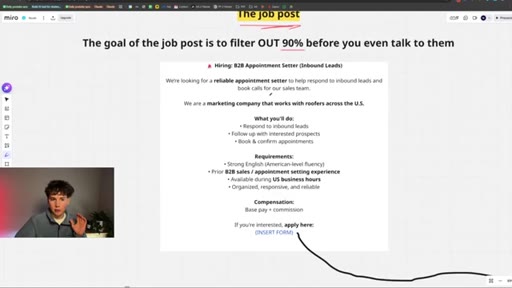
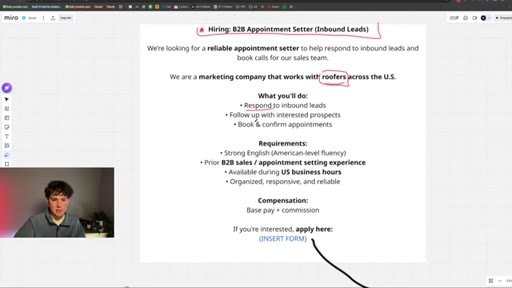
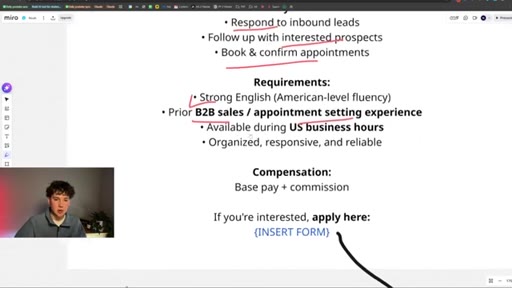
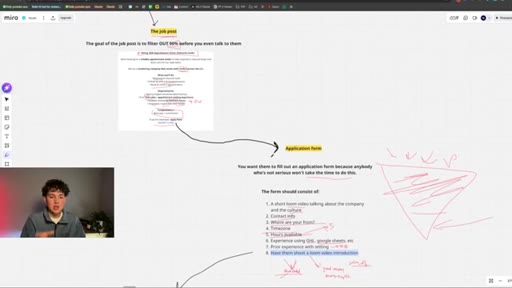
04 · The job post
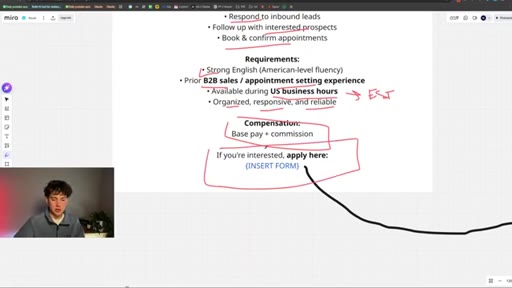
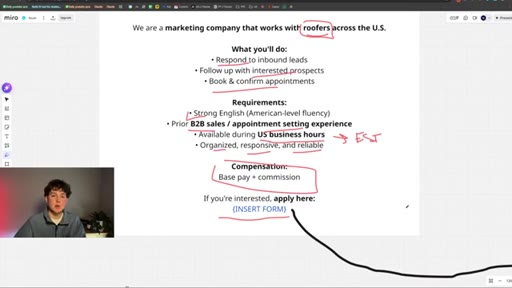
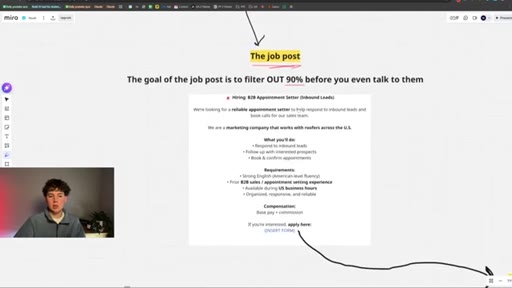
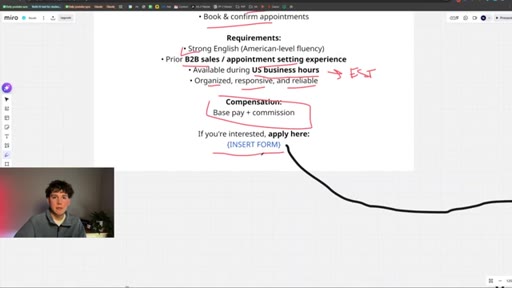
Job post as ad copy: call out the role, list requirements, force applicants to a form, not a DM.
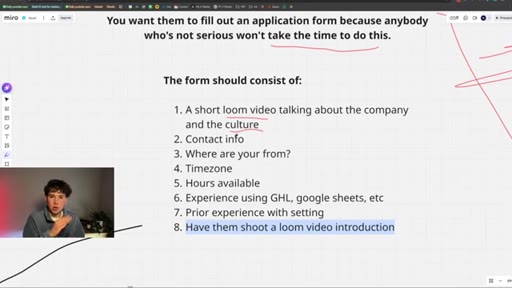
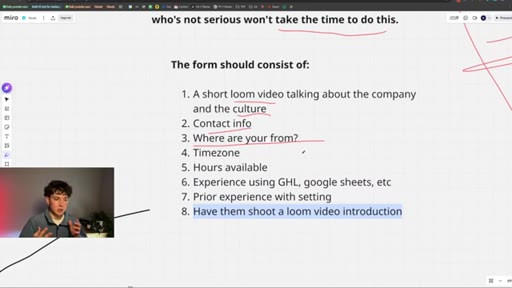
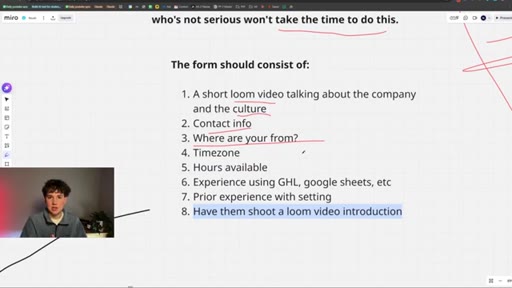
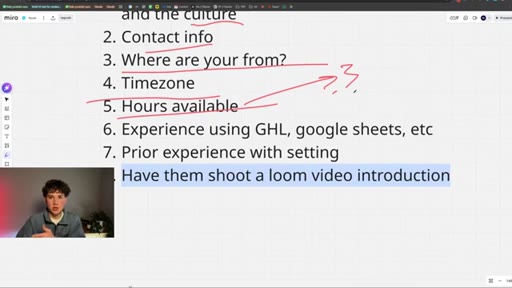
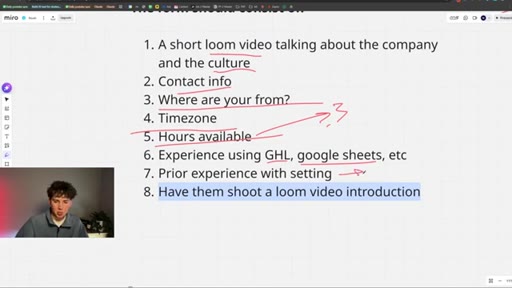
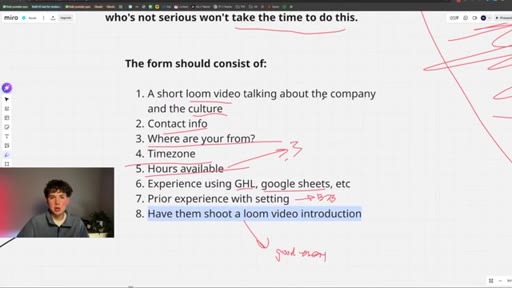
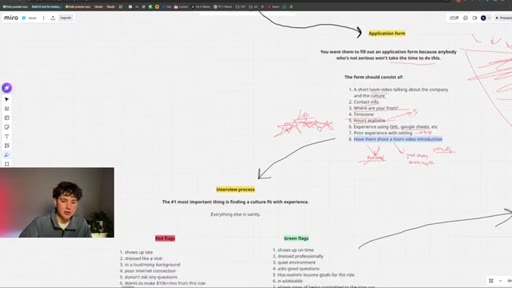
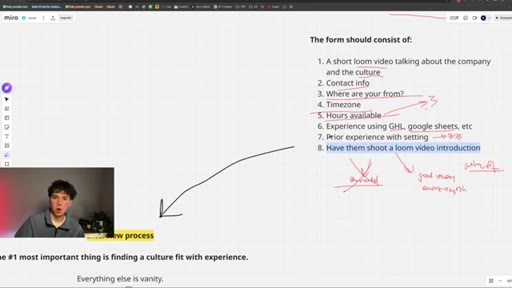
05 · The application form
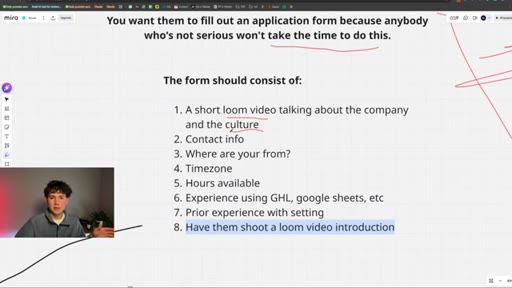
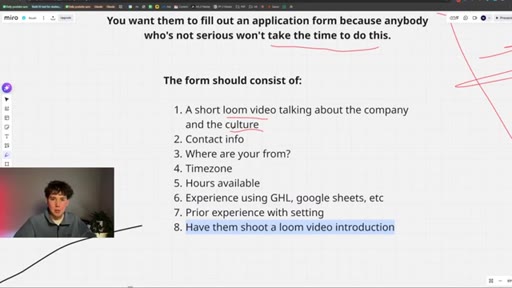
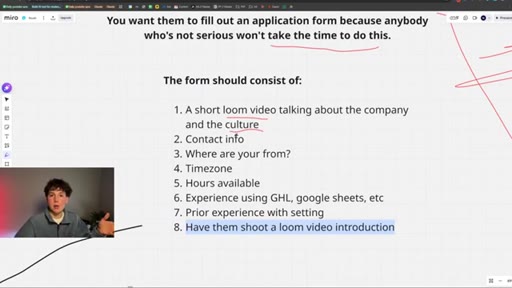
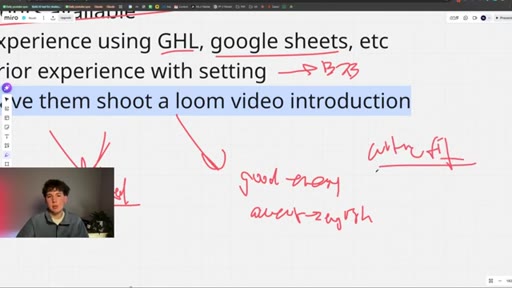
Eight-part form including a company Loom, prior experience questions, and a candidate Loom with a hidden-word test.
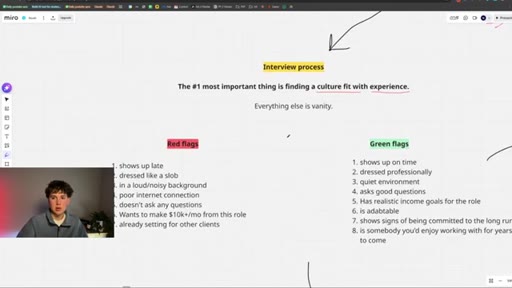
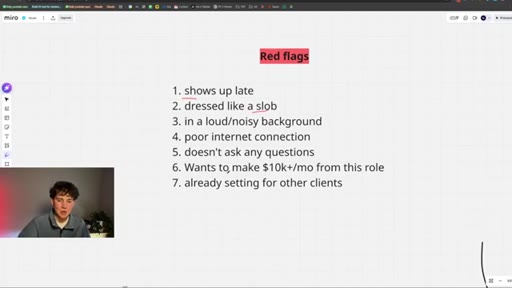
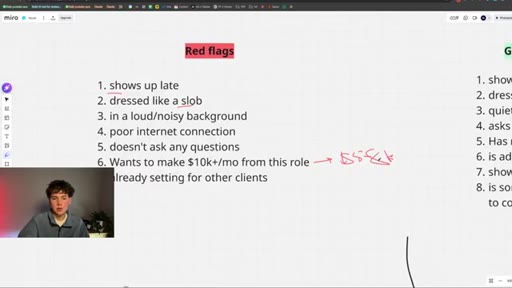
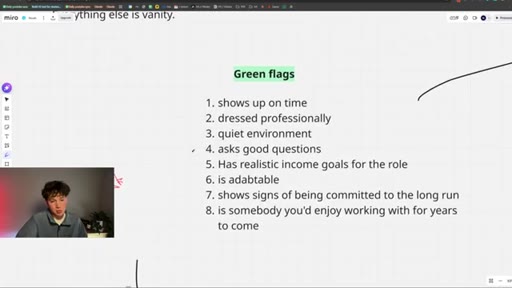
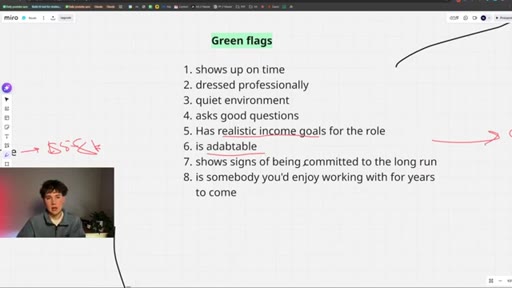
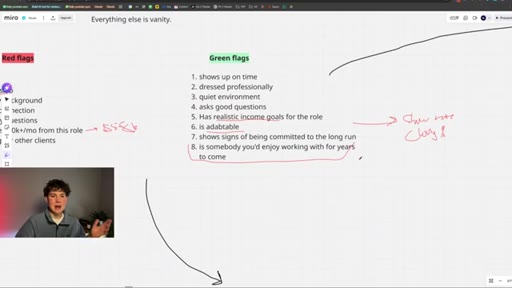
06 · Interview red flags and green flags
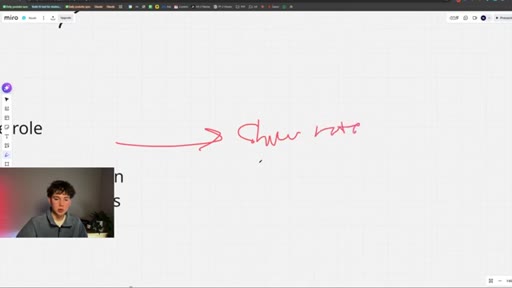
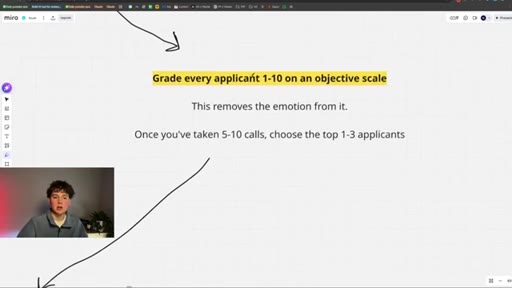
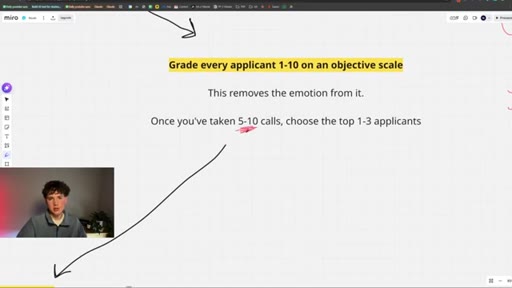
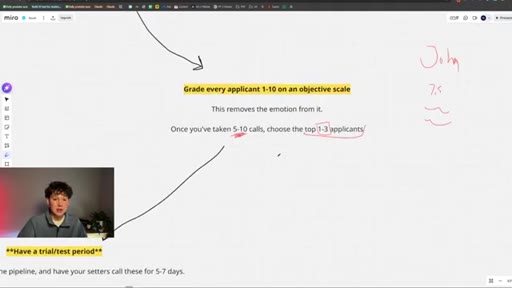
Grade every interview 1–10 on a Google Sheet; red flags include unrealistic income expectations and already setting for others.
07 · Compensation structure
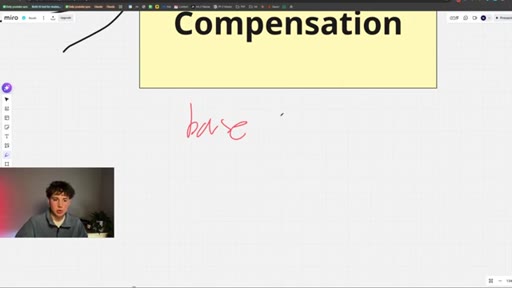
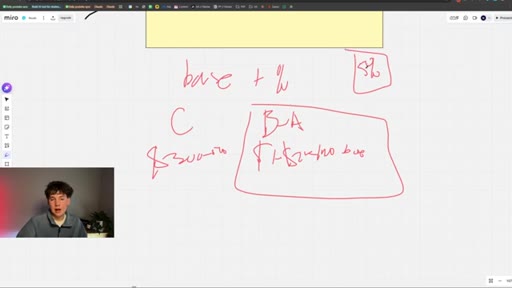
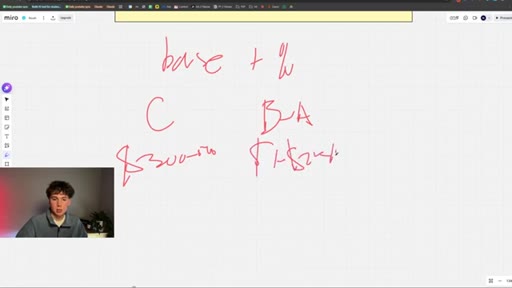
$1–2k/month base plus 5% commission per closed deal for B and A players; commission-only attracts C players.
08 · Trial period
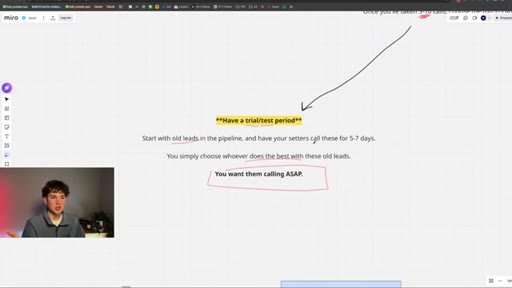
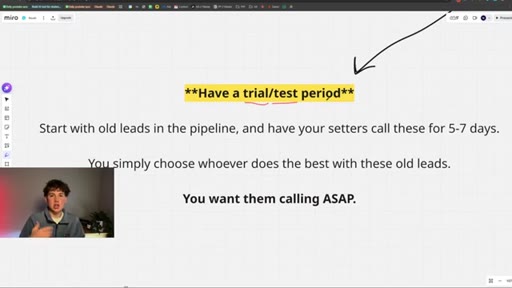
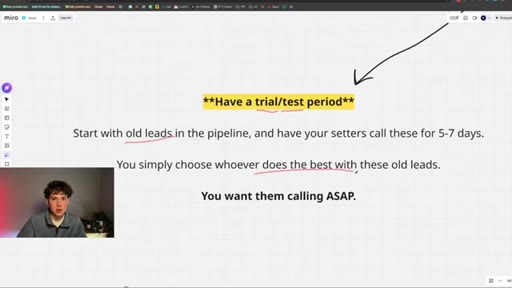
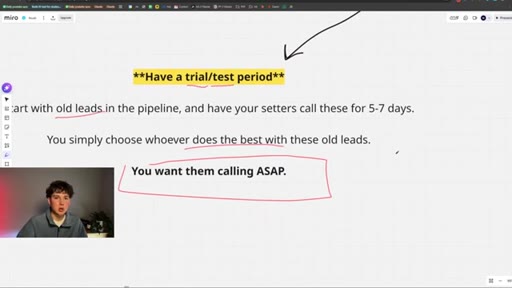
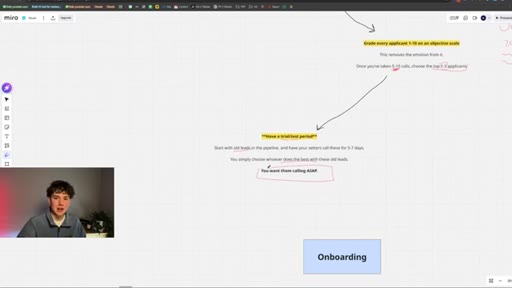
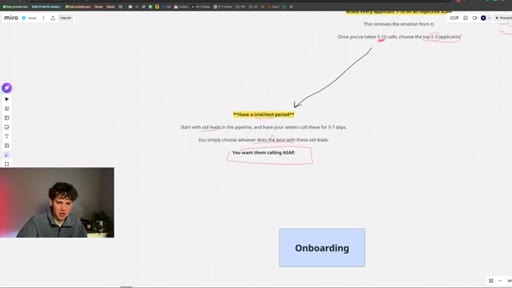
Run top 2–3 finalists on old pipeline leads for 5–7 days; whoever books the most moves to fresh inbound leads.
09 · Onboarding
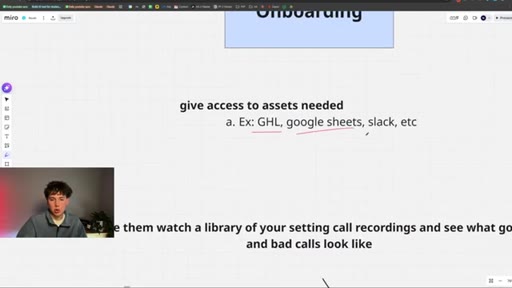
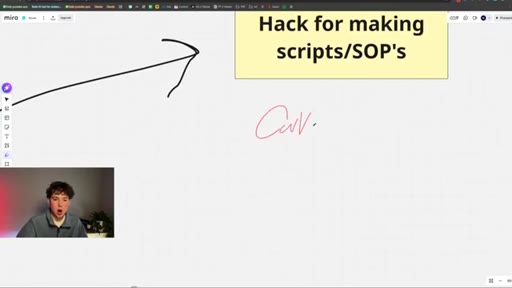
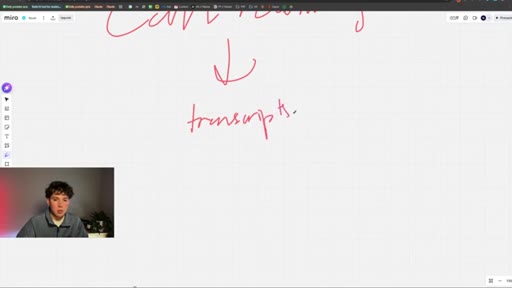
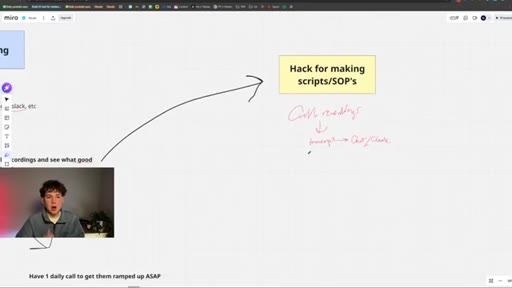
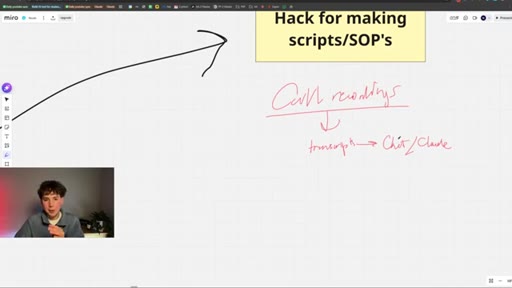
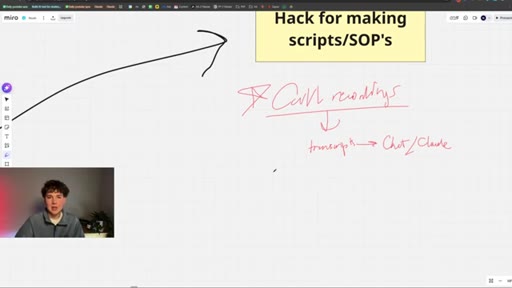
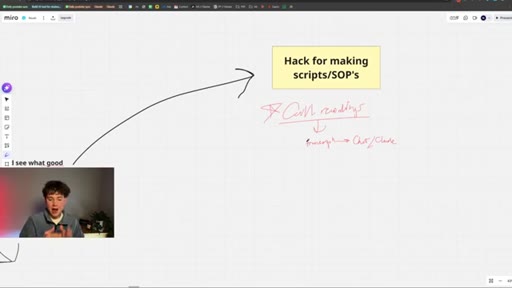
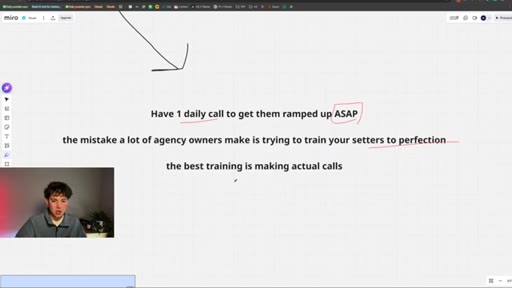
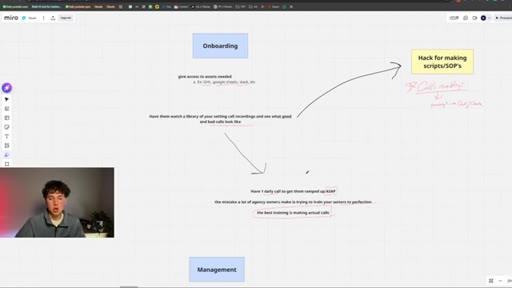
Give tool access, build a library of call recordings, use AI to generate scripts and SOPs from transcripts, ramp call daily for 1–2 days then dial.
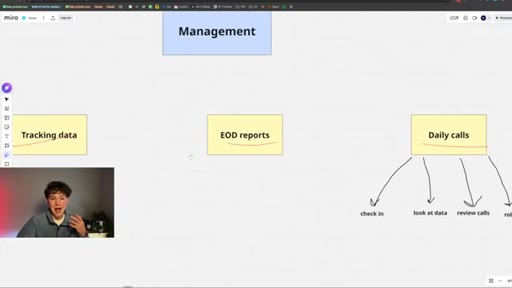
10 · Management system
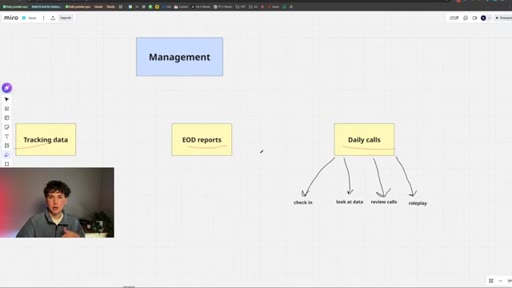
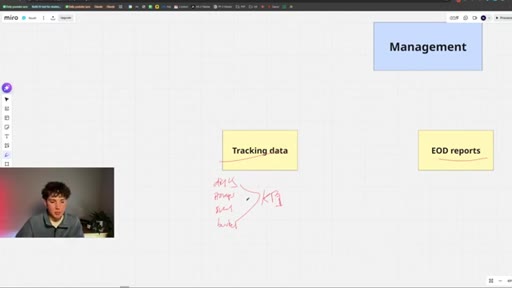
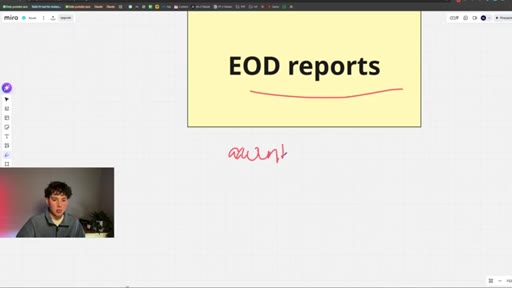
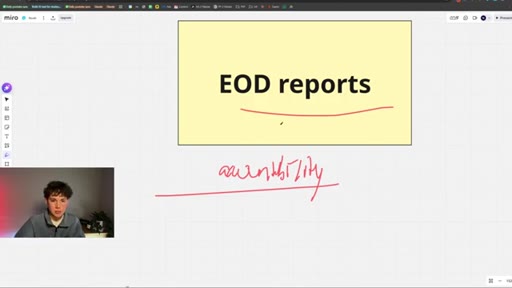
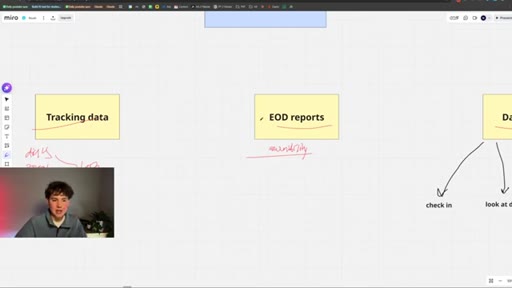
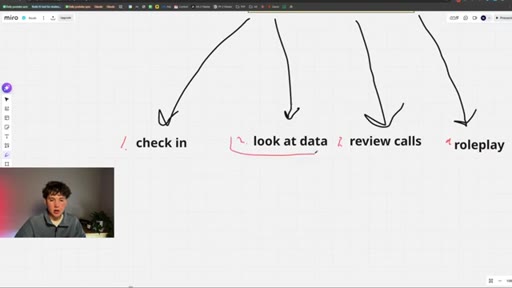
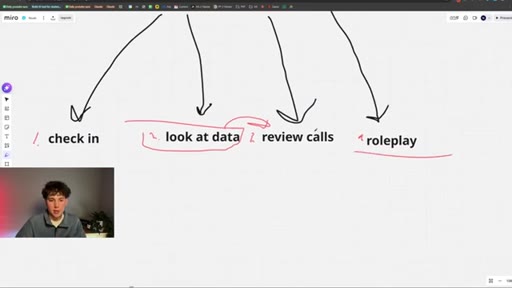
Four KPIs (dials, pickups, pitches, booked), mandatory EOD reports, and daily 4-step review calls.
11 · Close and CTA
One-on-one coaching pitch for agencies under $50k/month looking to scale.
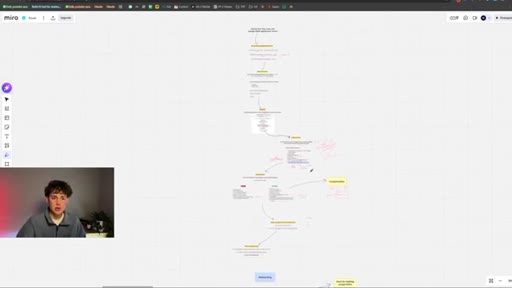
Visual structure at a glance.
Named ideas worth stealing.
The Funnel Filter
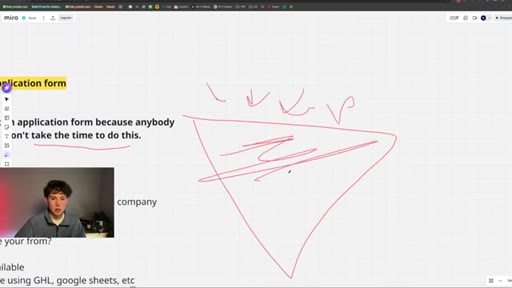
Cast a wide net via job posts in 10–20 Facebook/Skool groups, then filter at each stage — job post forces form submission, form filters non-serious applicants, interviews are graded, finalists go to a live trial.
Grade Every Interview 1–10
- Objectivity removes emotion from the hire decision
- Score in a Google Sheet with notes
- Only interview 4-star applicants
- Only trial 7-star applicants
Score each candidate numerically on an objective scale so the best-performing candidates are chosen, not the last-interviewed or most likeable.
Trial vs. Guess
Instead of picking one setter from an interview, run two to three finalists live on old pipeline leads for 5–7 days and choose whoever books the most. Proof replaces guesswork.
Daily Management Loop
- Check-in and rapport (2–3 min)
- Review previous day data
- Review calls in the bottleneck KPI area
- Role-play that section
A four-step daily call format that uses KPI data to focus coaching on the exact part of the call where the setter is underperforming.
KPI Stack
- Dials
- Pickups (pickup rate)
- Pitches
- Appointments booked
Four sequential metrics that reveal exactly where a setter's conversion is breaking down — high pitches and low bookings points to the script; low pickups points to number health or call timing.
Lines you could clip.
"Speed to lead is so important. If you cannot call within five to ten minutes or less, you do need a setter."
"The goal of the job post is to filter out 90% before you even talk to them."
"You are not gonna learn how to swim by reading about swimming. You learn by jumping in the pool and start swimming."
"Even if you are paying someone $2k a month, if they help you close one extra deal and you are charging $4–5k, you automatically doubled them."
Things they pointed at.
How they asked for the click.
"If you are an agency owner doing under 50k a month and you want to scale up to those consistent 50, 70, 100k months, feel free to click below — first link in the description, apply to work with me one on one."
Delivered after all content is complete, conversational and low-pressure. One clear next step (application link). No mid-video pitch.
Word for word.
Hire the system, not the person — then let the trial decide.
Most agency owners pick setters from interviews; the only reliable signal is a live trial on old leads, and everything before that is a filter to protect your time.
- Speed to lead — not headcount — is the real bottleneck: a setter only pays off when you are generating 5–7 leads per day faster than you can personally dial within 10 minutes.
- A job post that requires a specific application form does more filtering than three rounds of interviews; candidates who skip the form self-select out.
- Embedding a hidden word in your intro Loom is a free, instant filter for whether applicants actually watch your materials or spray-and-pray every posting.
- Culture fit is harder to train than sales skill — ask yourself whether you would grab a coffee with this person before you evaluate their script fluency.
- Commission-only setters attract low-quality applicants; A-players expect $1–2k/month base plus 5% commission per closed deal, and at $20k+/month in revenue that math works easily.
- Never start a trial setter on fresh inbound leads — let them prove themselves on old pipeline leads for 5–7 days so you are choosing based on actual results, not interview performance.
- Running two to three finalists simultaneously in a live trial removes the binary guessing game and creates natural internal competition that surfaces your best hire faster.
- The biggest onboarding mistake is over-training before the first dial; two days of call recordings, a script review, and role plays is enough — live calls teach the rest.
- Use your existing call recordings as raw material: paste the transcripts into an AI tool and have it generate the script and objection handlers directly from your own proven conversations.
- Daily management runs on a four-step loop — check-in, data review, call review in the weak KPI zone, role-play — and the data tells you exactly which part of the call to drill.
- End-of-day reports create accountability without surveillance; when setters know they are logging activity daily, dial volume rises without a single micromanagement conversation.