
AI Founders · Youtube · 15:32

These 3 Claude + NotebookLM Systems Will Make You So Good It Feels Unfair

A 15-minute blueprint for chaining Claude and NotebookLM into three self-running business engines — prospect research, agent maintenance, and competitive intelligence.

Posted
May 11th 2026
7 days ago
Duration
15:32
Format
Tutorial
educational
Channel
AF
AI Founders
§ 01 · The Hook

The bait, then the rug-pull.

It was Sunday night. The laptop was open — but the host wasn't working. Claude was researching the latest AI market updates on its own, then opened NotebookLM, dropped in everything it found, and clicked audio overview. Five minutes later, a custom market podcast existed without a single keystroke from her. "I did not write it, I did not record it, and I didn't even stay awake for it." That is the line this video teaches you to cross.

§ · Stated Promise

What the video promised.

stated at 00:54 "I've built three of these chains and I will show you all three. We're gonna build the last one together, twenty minutes to set up. It runs every week forever." delivered at 11:37
§ · Chapters

Where the time goes.

00:00 – 00:47

01 · Cold open — the Sunday night story

Pattern interrupt: Claude ran the whole research-to-podcast pipeline autonomously while the host slept. Sets up the consumer-vs-founder framing.

00:47 – 03:18

02 · The consumer pattern and the McKinsey tax

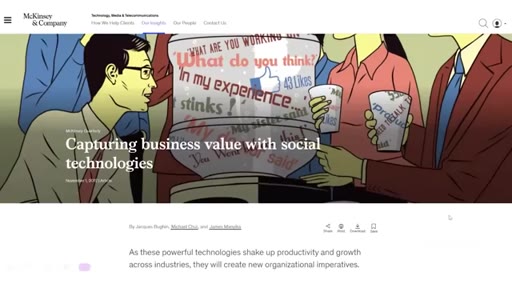
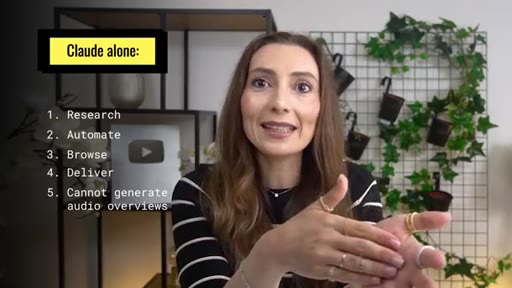
McKinsey stat: knowledge workers lose 20% of their week gathering information. NotebookLM alone = brilliant analyst in a room with no internet. Claude alone = can research but hallucinates on specific docs.

03:18 – 05:38

03 · Blueprint overview — three chains

Names all three chains: Autopilot Brief (chain 1), Auto Refresh Loop (chain 2), Competitive Radar (chain 3). Each solves a different grind. Teases the live build.

05:38 – 07:03

04 · Chain 1: Autopilot Brief — the problem

Most founders prepare for prospect calls by panic-skimming the website 30 minutes before. Well enough leaves money on the table. The win goes to whoever makes the prospect feel understood before a word is spoken.
07:03 – 08:20

05 · Chain 1: Autopilot Brief — the build

Tell Claude to research the prospect, pull website + LinkedIn + 90-day press, open Client Intel notebook in NotebookLM and add sources. Auto source feed = no copy-pasting. Then click mind map + video overview. Research: 15 min to 2 min. Synthesis: 1-2 min. User effort: 30 seconds.

08:20 – 09:00

06 · Chain 1: Real story — consulting client

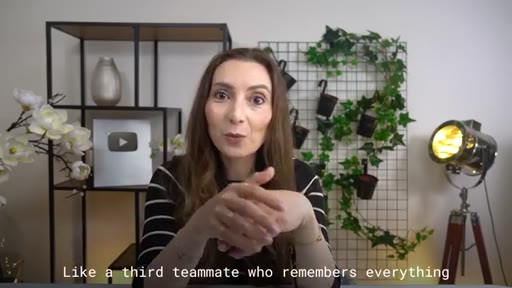
Claude pulled quarterly results, added to NotebookLM, then they generated an interactive audio overview and brainstormed with it out loud — like a third person in the room who had read everything and never forgot a detail.

09:00 – 10:02

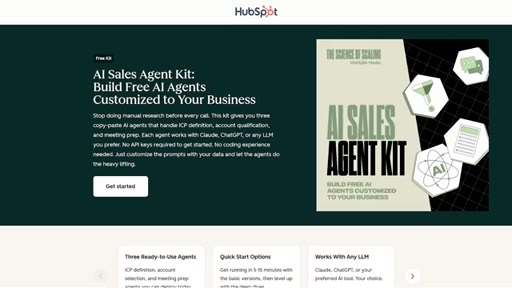
07 · Sponsor: HubSpot AI Sales Agent Kit

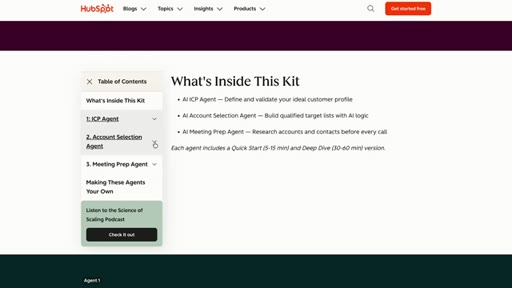
Three plug-and-play Claude agents: ICP builder, account qualifier, prebuilt prospect briefer.
10:02 – 06:59

08 · Chain 1 wrap + rules

Prospect never knows the prep happened. One rule: never send raw output. Always skim and edit.

06:59 – 08:38

09 · Chain 2: Auto Refresh Loop — the problem

AI agents go stale at month 3. Confident but wrong is worse than not answering because the client trusts the answer until they don't. Most founders maintain the future with spreadsheets and calendar reminders.
08:38 – 08:48

10 · Chain 2: Auto Refresh Loop — the build

Step 1: knowledge base in NotebookLM. Step 2: Claude weekly edge case sweep. Step 3: Claude adds findings as new sources, NotebookLM regrounds automatically.

08:48 – 09:20

11 · Chain 2 impact — retention is where margins live

AI agencies that churn at month 3 vs. ones that keep clients into year 2. Real revenue is in the twelfth invoice, not the first.

09:20 – 09:58

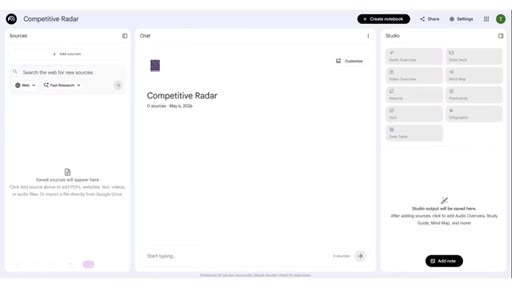
12 · Chain 3: Competitive Radar — concept

Claude researches top competitors every week. Feeds into NotebookLM. Mind map + audio overview generated. Monday briefing waiting on your phone. Running a business without competitive intelligence = driving with mirrors covered.

09:58 – 11:37

13 · Chain 3: Competitive Radar — live build

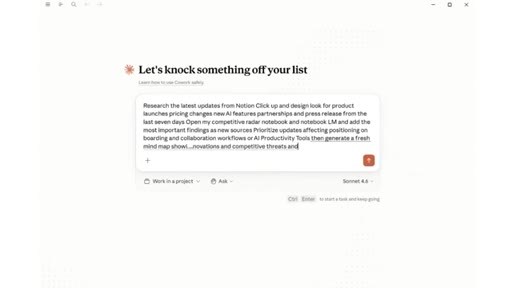
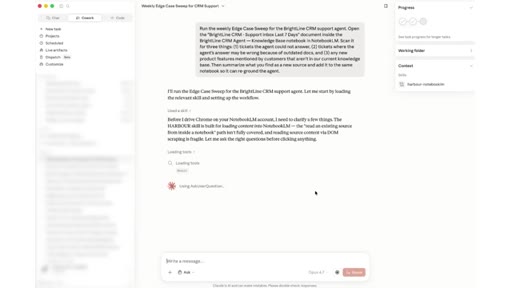
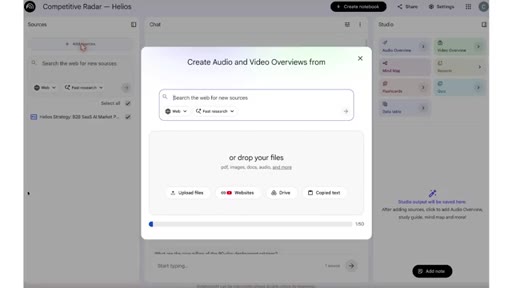
Part 1: NotebookLM notebook with competitor sites + pricing pages + positioning doc. Part 2: Claude Chrome extension connects the two — no API, no code, browser operation. Part 3: instruction prompt specifying competitors + research scope + open notebook and add sources then generate fresh mind map.
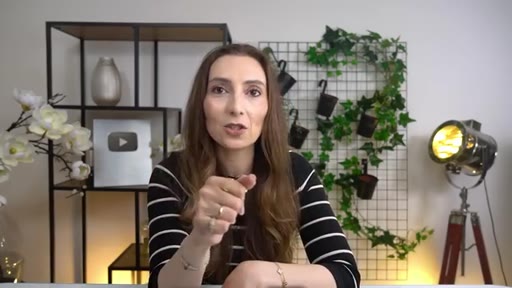
11:37 – 12:46

14 · Chain 3: The Monday Briefing result

Scheduled task Sunday 8PM. Claude runs full cycle. Monday morning: fresh mind map waiting. Click audio overview. Source-cited. Ready for commute. You didn't open a tab.
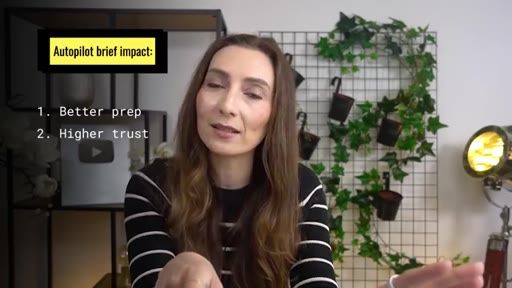
12:46 – 13:28

15 · Impact summary of all three chains

Autopilot Brief: higher close rates, trust pre-built. Auto Refresh Loop: retention is where margins live. Competitive Radar: founders who know what shifted last week lead; the rest react.

13:28 – 15:32

16 · Full-circle close — consumers vs. founders

The leverage is not in the tool, it is in the chain. Claude does what NotebookLM cannot, and NotebookLM creates what Claude cannot. CTA: build the competitive radar first. Community + upcoming videos teased.

§ · Storyboard

Visual structure at a glance.

Sunday night story
McKinsey 20% stat
Claude alone limitations
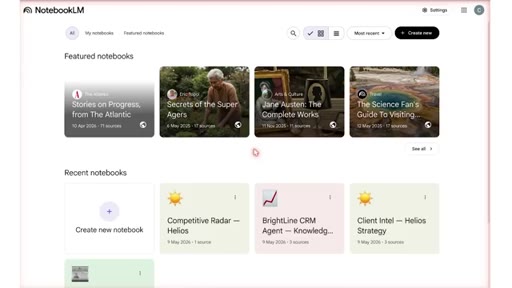
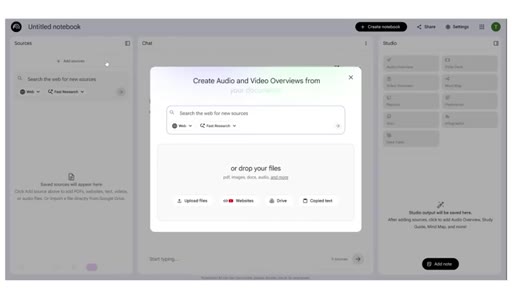
NotebookLM UI
NotebookLM notebooks dashboard
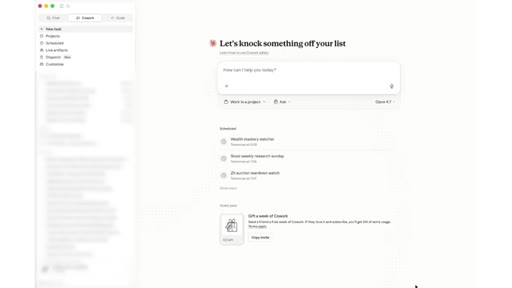
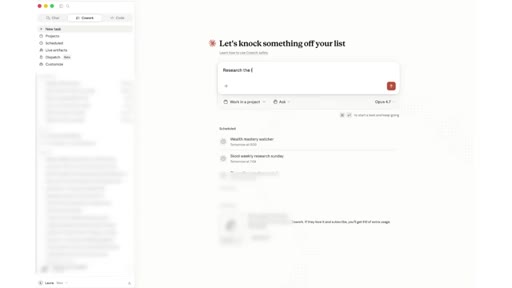
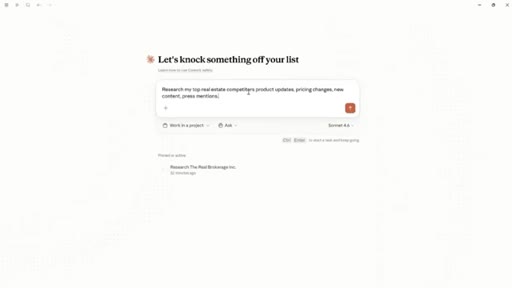
Claude — Let's knock something off your list
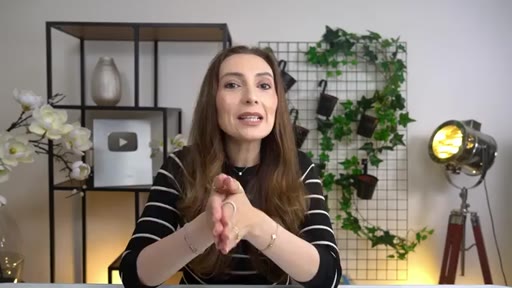
Third teammate moment
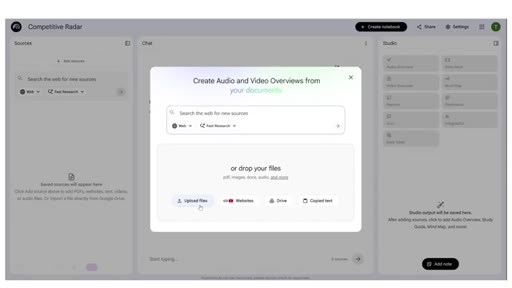
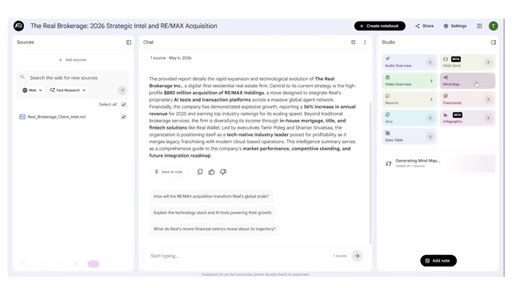
Competitive Radar notebook
Claude prompt for Competitive Radar
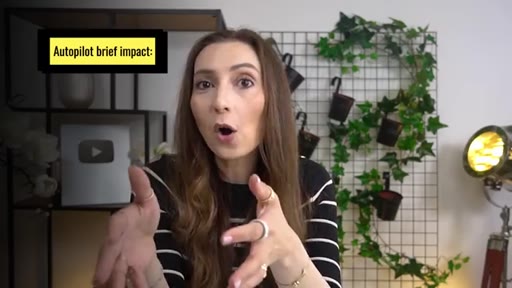
Autopilot brief impact callout
Consumers vs. Founders close
§ · Frameworks

Named ideas worth stealing.

03:48 concept

Auto Source Feed

Claude autonomously browses the web, gathers research, and adds it directly as sources to a NotebookLM notebook — no copy-paste, no tab-switching from the user.

Steal for Any research-heavy prep workflow: client calls, podcast guest research, content planning
08:00 concept

Edge Case Sweep

Weekly Claude scan of support channels for questions the agent couldn't answer, complaints about outdated info, and unintegrated new features — then auto-adding findings to the knowledge base.

Steal for MCN agent maintenance; any AI product sold as a retainer service
09:27 concept

Monday Briefing

A scheduled Claude+NotebookLM pipeline that produces a source-cited competitive intelligence audio overview ready every Monday morning without human intervention.

Steal for JoeFlow scheduled task template; MCN+ member competitive radar as a done-for-you deliverable
02:00 concept

Consumer Pattern

  1. Open the app
  2. Ask a question
  3. Close the tab
  4. Repeat

The anti-pattern: using AI as a stack of better apps rather than wiring them into a self-running engine. Year after year you got faster but not free.

Steal for Stop renting positioning; MCN+ onboarding framing
§ · Quotables

Lines you could clip.

14:14
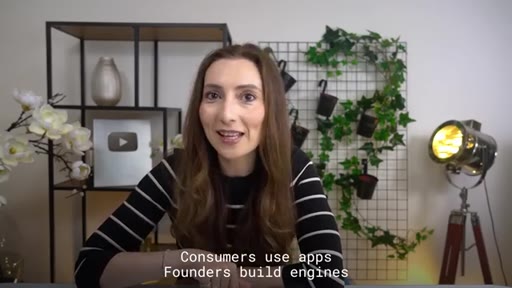
"Consumers use apps. Founders build engines."
Punchy, quotable, zero setup needed — stands alone as a 5-second clip → TikTok hook
02:22
"One can't move, the other can't think. Apart they're apps, but together they can become an engine."
Clean analogy that explains the whole video in one line → IG reel cold open
07:28
"It was like having a third person in the room who had actually read everything and never forgot a detail."
Visceral proof moment from a real client story → Newsletter pull-quote
11:37
"It took twenty minutes to build, but it'll run forever."
Perfect CTA proof line — effort vs. perpetual return → TikTok hook
13:28
"The leverage is not in the tool. It's in the chain."
Reframes the whole AI tools conversation in 8 words → IG reel cold open
§ · Pacing

How they spent the runtime.

Hook length47s
Info densityhigh
Filler8%
Sponsor blocks
  • 03:38 – 06:23 · HubSpot
  • 06:03 – 06:42 · HubSpot
§ · Resources Mentioned

Things they pointed at.

02:00linkMcKinsey knowledge worker productivity study
06:03productHubSpot AI Sales Agent Kit
14:24productAI Business Trailblazers Hive community
§ · CTA Breakdown

How they asked for the click.

14:15 next-video
"If you build one thing from this video, please make it be the competitive radar. Twenty minutes to set it up. It runs every week forever."

Strong and specific — names the exact chain to start with and gives a concrete time estimate. Subscription ask follows naturally. Community plug is soft and secondary.

§ 04 · The Script

Word for word.

HOOK opening / re-engagementCTA the pitch metaphor analogy story
00:00HOOKA few weeks ago, I caught myself doing something weird. It was Sunday night, my laptop was open, and Claude was researching the latest AI market updates. And then I watched it open NotebookLM,
00:10HOOKdrop in everything it found, and click audio overview. Five minutes later, I had a podcast about my own market sitting on my computer. I did not write it, I did not record it, and I didn't even stay awake for it.
00:20HOOKThe work had happened, and I just wasn't doing it. That is the line that most people never cross with AI. They use it like a consumer.
00:27HOOKThey open the app, they ask a question, they close the tab. Day after day, year after year, they got faster, but they didn't get free. Every founder that I know uses Cloud.
00:35HOOKEvery founder also uses NotebookLM, but almost nobody connects them. And the ones who do are running an entire engine that most people are still doing by hand.
00:43HOOKThank you to HubSpot for partnering with us on today's video. I shared this with one of my communities and they went totally crazy. So I decided to share it with you here as well.
00:52HOOKI've built three of these chains and I will show you all three. We're gonna build the last one together, twenty minutes to set up. It runs every week forever and I think that's the trait.
01:01HOOKTwenty minutes once versus doing this by hand for the rest of your career. So let's get into it. There's a McKinsey study that found that knowledge workers lose nearly 20%
01:10HOOKof their week just searching for and gathering information. To To me, that is totally mind blowing, and I need you to read it again. 20%,
01:17one full day every week is gone digging through files and tabs and tools hunting for something that you already know exists. That is the tax that you pay when your tools live in silos, and almost everyone is paying it without noticing. Here's why.
01:30You were trained to think of AI as a stack of better apps. ChatGPT for this and Claude for that and NotebookLM for this other thing. You open, you use, you close, you repeat.
01:39I think that is the consumer pattern. The consumer pattern has a CV. Think about it this way.
01:44Using notebook l m without clot is like hiring a brilliant analyst and making them sit in a room with no Internet, and they can only do incredible work when you remember to bring them something or you open the door. They never go out and find anything on their own. They never follow-up.
01:59They just sit there waiting for you. That's Notepo KLM alone. It's brilliant.
02:03It's grounded. It's source cited, but it's also stuck. Claude
02:06has the opposite problem. It can go anywhere. It can research.
02:10It can automate. It can browse. It can deliver, but it can't make audio overviews.
02:13It cannot build source grounded mind maps. It cannot generate video overviews, and working from general knowledge instead of your specific documents, it hallucinates many times.
02:23One can't move, the other can't think. Apart their apps, but together, they can become an engine. So I wanna show you this blueprint.
02:30It has three chains. Each one kills a different problem that you have been hand grinding for years, I'm pretty sure, because a lot of people have. Chain number one is the autopilot brief.
02:40Cloud researches your prospect. It feeds it into NotebookLM. You walk into the call looking like you've been studying them for weeks.
02:46The move inside is the auto source feed. Chain number two is the auto refresh loop. So Cloud watches your support channels for edge cases.
02:54NotebookLM regrounds your agent so it never goes stale. The move inside is the edge case sweep.
03:00I'm gonna come back and explain everything. Chain number three is the competitive radar. So, basically, this one is where Cloud researches your competitors every week.
03:07NotebookLM turns it into a source grounded podcast waiting on your computer or your phone Monday morning. The output is the morning briefing.
03:16There's three chains, one engine, each one runs without you in the room. So let me explain how to build everything. So first chain.
03:23This one is about closing clients. Who doesn't want that? Right?
03:26Most founders prepare for prospect calls the same way. The call is in thirty minutes. You panic open the website.
03:32CTAYou skim up their about page. You glance at their LinkedIn, maybe read one post, and then walk into the call and improvise. And honestly, it usually works well enough, but well enough leaves money on the table.
03:42CTAThe founders who win the deal are not the ones who know the most. They're the ones who make the prospect feel understood before a single word is spoken. So here's how the autopilot brief AI engine can do that differently.
03:53CTASo let's say a prospect books a call. You can tell Claude one thing. You can say research the prospect name, pull their website, their recent LinkedIn posts, any press from the last ninety days, then open my client Intel notebook in notebook l m and add what you found.
04:07CTAThis is the auto source feed. Claude goes out into the world, gathers everything, and delivers it directly to Notebook LM. There's no copy pasting, no tab switching from your side.
04:16CTAClaude operates the browser and adds the sources on its own. Now your notebook has everything. The prospect's world combined with your case studies that were already loaded, and then you walk over and click two buttons.
04:29CTAMind map to see where your experience overlaps with their problems, and video overview to generate a personalized briefing that you can send before the call. Now the research that used to take fifteen minutes, Claude is able to do in probably two. The synthesis, NotebookLM can do it maybe in one or two as well, and you spent thirty seconds clicking two buttons.
04:49CTALook. I'll tell you when this really clicked for me. Last month, I was working with a consulting client.
04:54CTAWe had a call recording from our discovery sessions as well as our pricing strategy document already sitting in NotebookLM. And Claude went out and pulled their latest quarterly results, added them directly as a new source, and then we did something that I hadn't tried before. We generated an audio overview, the interactive kind actually that you can talk to, and then we brainstormed with it out loud.
05:14CTAWe walked around the office, challenged the recommendations, pressure tested the pricing. It was like having a third person in the room who had actually read everything and never forgot a detail. By the time that we sat down to write proposal,
05:26CTAthe thinking was already done, and we got a lot of help from Claude after that as well. Now look, basically, what had happened there is that Claude did the legwork, and NotebookLM did the thinking. We just showed up and had our personal point of view.
05:37CTASo that's the system. But if you're watching this and thinking, I don't wanna build this from scratch or spent hours rewriting prompts or trying to get the research instructions right. Well, HubSpot actually put together something that gets you most of the way there.
05:49CTAIt is called the AI sales agent kit, and it's three plug and play agents that you can drop straight into clot. The first one defines your ideal customer profile using your actual data, so Cloud knows which prospects are worth researching in the first place. The second one qualifies accounts and tells you which leads deserve your time, and the third is basically a prebuilt version of what I just showed you.
06:11CTAAll you need to do is point it at a prospect and get a full briefing before the call. Now you don't have to use all three, but if you want a starting point instead of writing every prompt from scratch, this is going to save you the trial and error. Hit the link below to grab the AI sales agent kit.
06:25CTAIt is a 100% free. And by the way, big thanks to HubSpot for partnering with us on today's video and making this resource available. Now here's what's interesting.
06:33CTAThe prospect doesn't know any of this happened. They just think that you're unusually well prepared, and that's what good systems do. They make the output look effortless.
06:42Now there's one rule though. Never send raw output. Okay?
06:46Always skim the audio or the video overview. Tighten the tone. Cut anything generic.
06:51The engine is able to manufacture the assets, but you're still the quality control, if you get what I mean. Now the second chain, this one is quieter,
07:00but it's also probably going to matter more in the mid to long term. So if you're building AI automations for clients, I don't know, support agents or onboarding flows or sales bots, you already know what happens at month three. The product changes, new features ship, prices get updated, but the agent doesn't know.
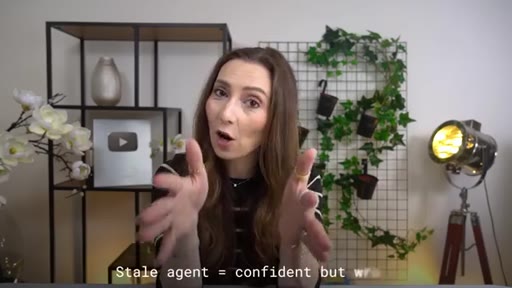
07:16It's still confidently answering questions based on documents that you uploaded ninety days ago. And trust me, a stale agent is like a salesperson who stopped reading the product updates six months ago. They're still confident, but they're just wrong.
07:28And confident but wrong is worse than not answering at all because the client trusts the answer until they don't, and then you lose the retainer. And the irony is that most founders who build AI agents don't use AI to maintain them. They build the future and then manage it with spreadsheets and calendar reminders.
07:44I mean, don't do that. Okay? Promise me.
07:46Here's the auto refresh loop, and hopefully, you're gonna implement and use this one. The key or ninja move inside this one, I call the edge case sweep. So step number one, you build your agent's knowledge base inside NotebookLM.
07:58Your SOPs, your product documents, your past support tickets, offer pages, whatever you need. NotebookLM is source grounded by design. So every answer cites a document.
08:07No hallucinations are going to happen. This is your agent's foundation. Step number two, you set up Claude to run the edge case sweep.
08:13Every week, Claude scans your support inbox, your Slack channels, your help desk. It's going to look for three things, questions that the agent couldn't answer, complaints about outdated information, and new product features mentioned by the team that have not made it into the documents yet. And step number three, Claude takes those findings and adds them as new sources to the agent's NotebookLM notebook.
08:34And NotebookLM regrounds the entire knowledge base automatically. You export the updated briefing and feed it back into the agent. This way, your agent's knowledge base now maintains itself.
08:44New edge cases get absorbed, product updates get integrated, the agent doesn't go stale because the edge key sweep runs whether you remember it or not. Now there is again one rule, review clause additions before they go live.
08:57The loop is automated, but the judgment call has to still be yours. Now I think this is going to be the difference between an AI agency that churns clients at month three and one that keeps them into, I don't know, year one, year two, and beyond. And if you've been in this business long enough, you know that retention is where the margins actually live, not in the first invoice, in the twelfth.
09:16Alright. Now let's talk about chain number three. This one is the competitive rater.
09:20Every week, Claude researches your top competitors, product updates, pricing changes, new content, press mentions. It feeds those findings into a NotebookLM notebook, and NotebookLM generates a source grounded mind map and an audio overview.
09:34The result is what I call your Monday briefing, a competitive intelligence podcast waiting for you when your week starts. Now running a business without a competitive intelligence is like driving with your mirrors covered. You can still move forward, but you just can't see what's coming up behind you.
09:49The Monday briefing is going to fix the mirrors. So let me explain how to build it. Part number one, you need to build the brain.
09:55Okay? So you open NotebookLM. You create a new notebook.
09:59You can call it, I don't know, competitive radar or whatever you like. And then you add your starting sources, your competitors' websites, their pricing pages, your own positioning document, and this is going to give NotebookLM the context that it needs to spot what changed. It just takes two minutes, and you only have to do it once.
10:15Okay? Now part number two, you need to give it legs, and that's where Claude becomes important. So Claude with the Chrome extension is what's going to connect the two.
10:24Alright? So that's what gives Claude the ability to open notebook l m and interact with it directly. We don't use APIs.
10:30We don't use code. Claude just operates the browser the same way that you would accept. It does it at two in the morning while you sleep if you leave your computer open.
10:39Part number three, you instructions. So every engine needs a set of instructions.
10:43This is the prompt that tells Claude what to do each cycle. Now I'm gonna give you the structure, and the exact templates are going to be inside of our community. But here's the gist.
10:52You need to say, research the latest updates from competitor a and competitor b and competitor c. Please look for product launches, pricing changes, new features, and press from the last seven days. Open my competitive radar notebook in NotebookLM and add the most important findings as sources.
11:09Then generate a fresh mind map, and I want you to look at what happens. Claude is going to do the research, pull all the latest information from across the web, and then it's going to open NotebookLM, and you can see it navigating to your notebook.
11:24And you can see it adding the new sources, And then you have a mind map, and that mind map is going to rebuild itself with the weak's competitive intelligence. It's source grounded. Every claim is cited.
11:36There's no hallucinations. You didn't touch it. Okay?
11:39I think this is what makes this combination an engine instead of a tool because you set it up as a scheduled task. I'm running mine every Sunday at 8PM, but you can choose whenever you wanna run yours. And Claude executes the full cycle automatically.
11:52Research, feed, generate every single week. And then Monday morning, you open Notebook LM, and a fresh mind map with this week's intelligence is going to wait for you. And all you need to do is click audio overview and generate your Monday briefing.
12:04It's gonna take a few minutes. It's gonna be source cited and ready for your commute. So you are now briefed on everything that your competitors did the past week.
12:12You didn't open a tab. You didn't copy a link. You didn't do any research.
12:15The engine ran everything while you slept. It took twenty minutes to build, but it'll run forever. That is the competitive radar.
12:22Now let me take a step back and talk about what these three chains actually mean for your business. The autopilot brief. You can think of it this way.
12:29HOOKProspects who receive a personalized pre call briefing show up prepared and pre sold. Close rates move because trust is built before the first handshake, and the auto source feed eliminated the prep time that used to make you skip this entire step when things got busy. The deals you lose because you showed up underprepared,
12:46HOOKthose are the ones that you never even knew you lost. Now the auto refresh loop, I cannot even begin to explain how important this is. Grounded agents that stay current keep clients longer.
12:57HOOKThe Edge k Sweep makes long retention possible without you manually checking docs every week. And if you run an agency, you already know that the real revenue isn't in signing clients, it's in keeping them. Now the repetitive radar.
13:09HOOKFounders who know what shifted in their market last week, especially in AI, make better decisions about product positioning pricing. The ones who don't are reacting instead of leading, but you can have your Monday briefing to make a difference. Now, of course, results are going to depend on your niche, on your offer, on your consistency in running the engines.
13:28HOOKThis is not a shortcut. It's It's an infrastructure, and infrastructure can compound, but only if you build it and let it run. Now let me bring this full circle.
13:35HOOKOkay? A lot of people, even here on YouTube, a lot of creators are teaching you AI tools at a time. Here's Clone.
13:43HOOKHere's NotebookLM. Pick your favorite. Watch the tutorial.
13:45HOOKYou now know something that they're not showing you. The leverage is not in the tool. It's in the chain, in the workflow, in the way you connect to these.
13:53HOOKClaude does what NotebookLM can't, and NotebookLM creates what Claude can't. You can connect them now into an AI engine, and you have a system that researches, that synthesizes, and that delivers while you're not even at your desk.
14:05The real change is not about the tool you use. It's about how you think.
14:10Consumers use apps. Founders build engines.
14:13CTAAnd once you start seeing AI as the infrastructure that it is, I promise you, you are not going to see any way of going back. Now if you want the exact prompts that power these three chains, plus the step by step guide, the setup guide, and everything, those live inside the AI business trailblazers.
14:30CTAHive, we have done a notebook l m challenge, actually, as well as a quad challenge. Members get everything that I share here, and if you want even more support and a ninety day plan, you're always more than welcome to join our founders community as well. Everything is available and linked here and down below.
14:47CTANow if you build one thing from this video, please make it be the competitive radar. Twenty minutes to set it up. It runs every week forever, and you will never be caught off guard to competitors' moves again.
14:58CTANow these three chains are powerful, but they are the foundation. I'm building many many more right now. One of them is for automated content repurposing,
15:07CTAand that feeds your entire content calendar, and one for client onboarding that runs itself from the moment that someone signs. I'm going to break them down in the upcoming videos, so make sure that you are subscribed. And in the meantime, like this video if you did, be sure to subscribe.
15:21CTALike I said, if you haven't done so, share it with anyone in your circle of friends or family or coworkers who you think needs to learn about this AI engine. And until next time, I suggest you go ahead and check this video out, and I'll see you there.
— full transcript
§ 05 · For Joe

Stop teaching tools. Teach the chain.

Engine vs. App playbook

The Sunday-night cold open does more persuasion work than the 14 minutes of tutorial that follows — because it shows the outcome running without the user present.

  • Open every AI video with a moment where the automation ran without you — not a feature demo, a proof of freedom.
  • Name your frameworks (Auto Source Feed, Edge Case Sweep, Monday Briefing) — named frameworks are shareable and searchable.
  • The consumer vs. founder binary is Joe's renter vs. owner in disguise — use it immediately.
  • Build the Competitive Radar as a JoeFlow scheduled task template: dictate competitor names once, chain runs every Sunday.
  • The edge case sweep pattern solves MCN's real retention problem — Claude scanning member support threads and auto-updating the knowledge base.
  • End with the ONE thing to build first and a specific time estimate. Twenty minutes once beats any tutorial.
§ 05 · For You

What you can steal right now — even without building the whole chain.

For the non-builder viewer

You do not need to automate anything to use this — the three patterns (research before calls, keeping knowledge fresh, monitoring competitors) are things you can do manually with Claude and NotebookLM today.

  • Before your next important call or meeting, spend 5 minutes prompting Claude to research the person or company and paste what it finds into a NotebookLM notebook. Click mind map. Show up knowing more than they expect.
  • If you use any AI assistant regularly, once a month check whether it is still giving accurate answers about things that change (prices, features, policies). Update the source documents.
  • Create a NotebookLM notebook for your industry. Add a few competitor sites and your own positioning notes. Once a week, ask Claude to summarize what changed and paste it in. You now have a running briefing.
  • The key insight is not automation — it is that Claude researches and NotebookLM synthesizes. Use them together deliberately, even manually, and you already operate at a different level than people using them in isolation.
§ 06 · Frame Gallery

Visual moments.