Stick Strategy · Youtube · 04:45

YouTube Doesn't Understand Your Niche (Here's Why)

A 4-minute animated breakdown of three things the algorithm reads that most creators never think about — and a five-step system to fix them.

Posted
May 10th 2026
14 days ago
Duration
04:45
Format
Tutorial
educational
Channel
SS
Stick Strategy
§ 01 · The Hook

The bait, then the rug-pull.

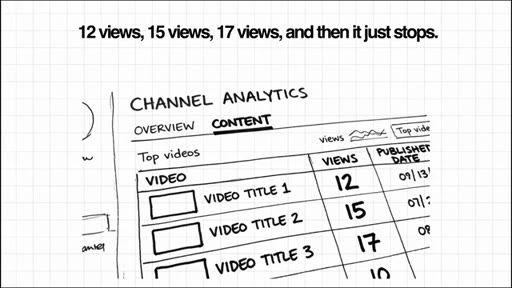
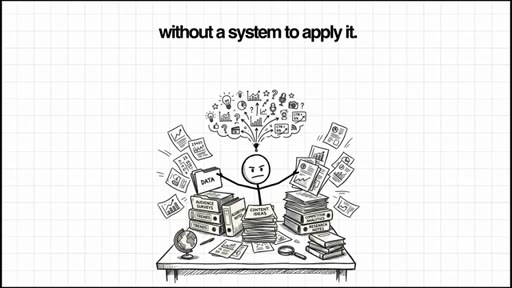
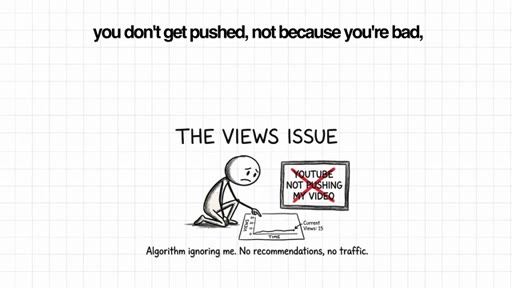
Twelve views. Fifteen views. Seventeen views — and then nothing. The creator behind this video opens with the exact internal monologue of every stuck small channel, then reframes the problem entirely: the issue is not laziness, inconsistency, or even bad content. It is collecting algorithm advice without a system to apply it.

§ · Chapters

Where the time goes.

00:00 – 01:07

01 · The real problem

Validates the frustrated researcher creator archetype. Names the core failure: information without a system. Promises a step-by-step fix.
01:07 – 01:30

02 · Concept 1 — Gist filter

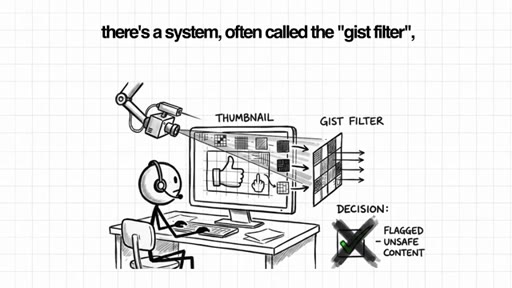
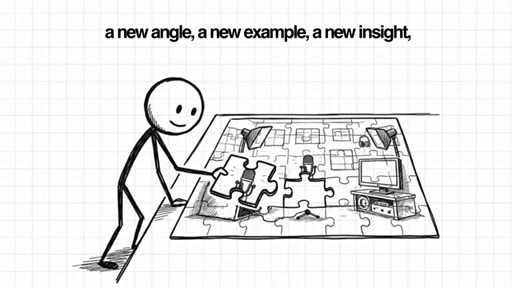
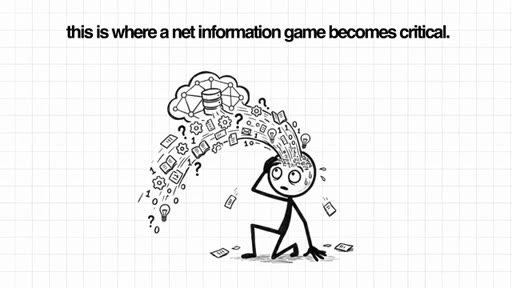
YouTube scans for duplicate content before pushing. Net information gain explained: your video must add one new angle, example, or insight.
01:30 – 02:18

03 · Concept 2 — Semantic ID

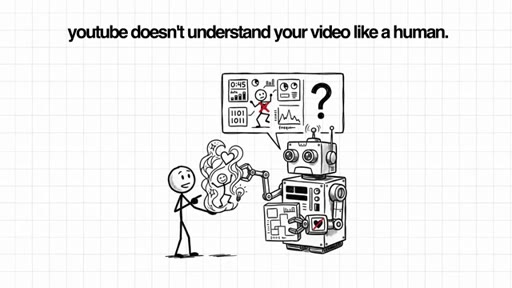
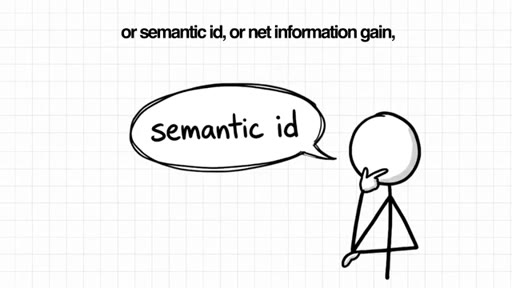
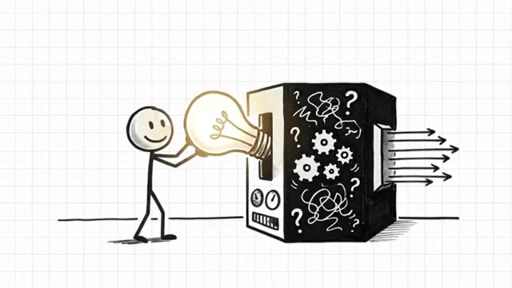
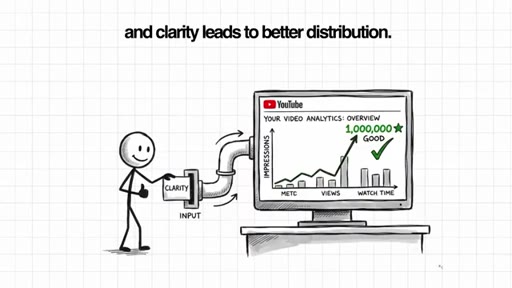
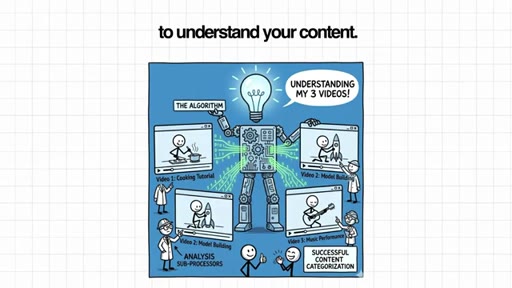
YouTube converts words into data signals. Vague language = weak distribution. Specific terms give the algorithm clarity to categorize and push content.
02:18 – 02:39

04 · Concept 3 — Momentum

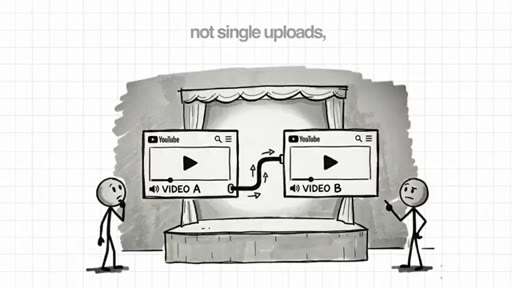
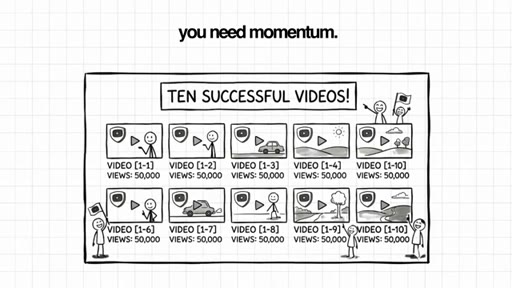
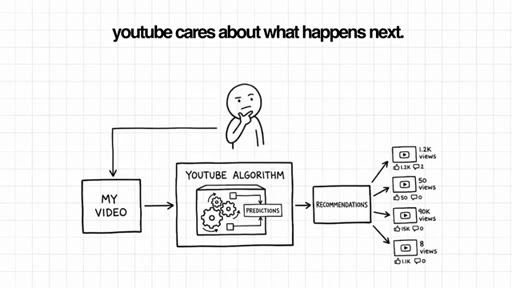
Videos are not judged in isolation. YouTube rewards cross-video watch-time; connected uploads outperform standalone ones.
02:39 – 04:08

05 · The 5-step system

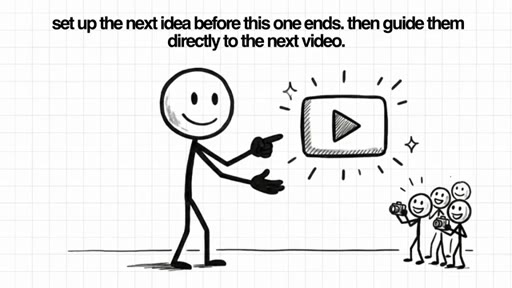
Step-by-step checklist: find the gap, use real language, add one unique idea, match thumbnail to content, build a bridge to the next video.
04:08 – 04:45

06 · Close and CTA

Reframes effort vs. system clarity. Bridges directly to the channel's first video on zero-view videos, demonstrating Step 5 in real time.

§ · Storyboard

Visual structure at a glance.

frustrated researcher
gist filter
semantic ID robot
momentum grid
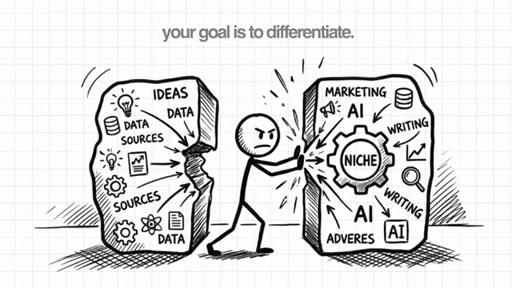
differentiate
bridge to next video
§ · Frameworks

Named ideas worth stealing.

02:39 list

The 5-Step Pre-Production Checklist

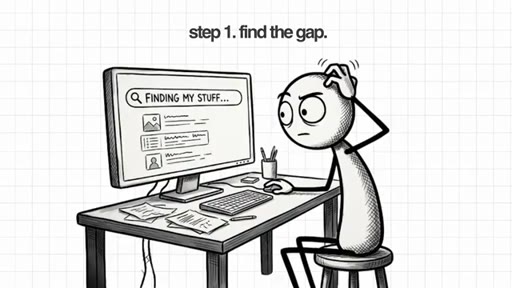
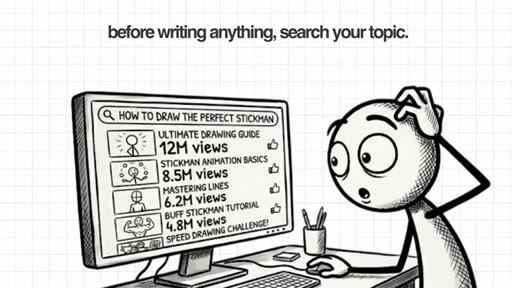
  1. Find the gap — search top 5 results, identify the consensus, avoid repeating it
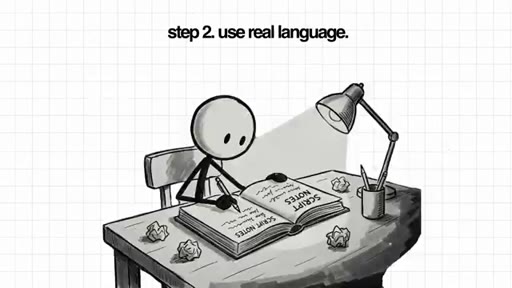
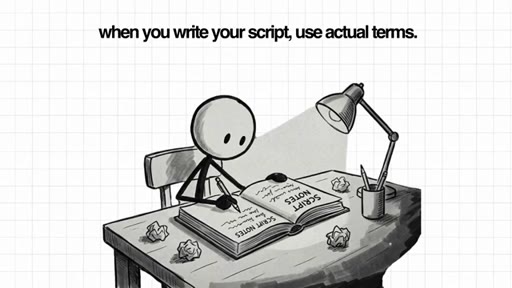
  2. Use real language — specific terminology, not vague phrases
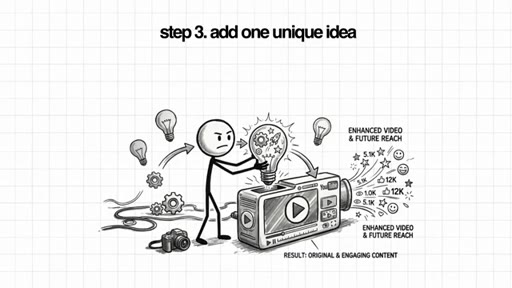
  3. Add one unique idea — different idea, not better execution of an existing one
  4. Match thumbnail to content — deliver the thumbnail promise in the first 15 seconds
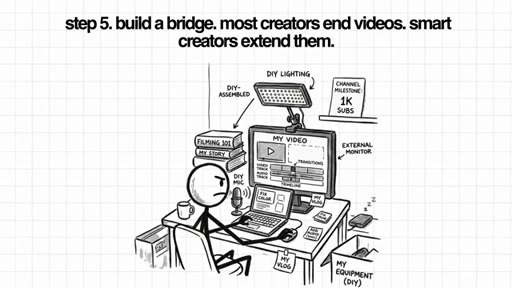
  5. Build a bridge — end every video by setting up the next one

A pre-production checklist designed to make each upload semantically distinct, algorithm-readable, and momentum-building.

§ · Quotables

Lines you could clip.

01:00
"You're not lazy. You're not inconsistent. You're actually doing more research than most creators. But the problem is you're collecting information without a system to apply it."
Validates the audience and reframes the diagnosis in one breath → IG reel cold open
01:15
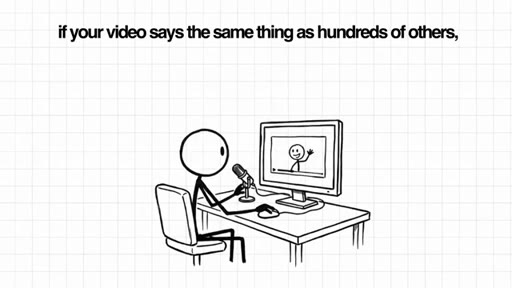
"If your video says the same thing as hundreds of others, you don't get pushed — not because you're bad, because you're replaceable."
Counterintuitive and punchy — reframes failure without blame → TikTok hook
04:14
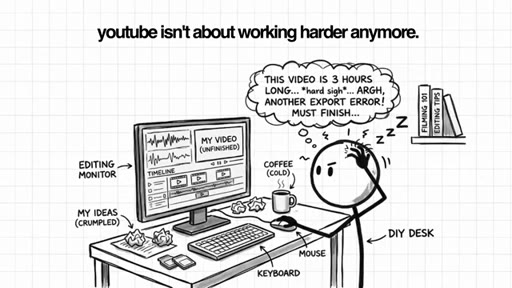
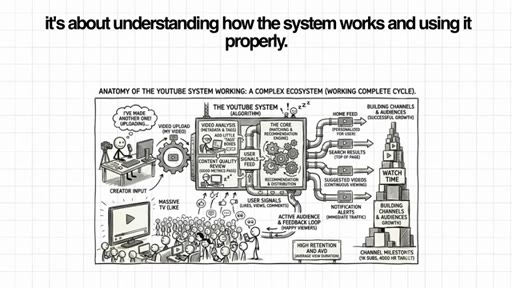
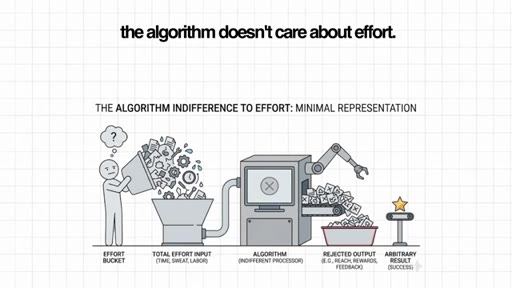
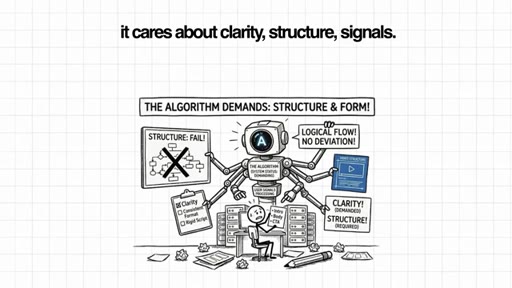
"YouTube isn't about working harder anymore. It's about understanding how the system works and using it properly. The algorithm doesn't care about effort. It cares about clarity, structure, signals."
Clean closing thesis, quotable standalone → newsletter pull-quote
§ · CTA Breakdown

How they asked for the click.

04:27 next-video
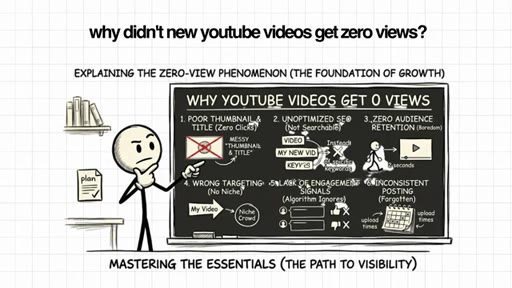
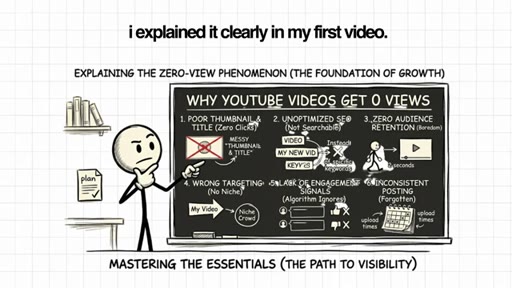
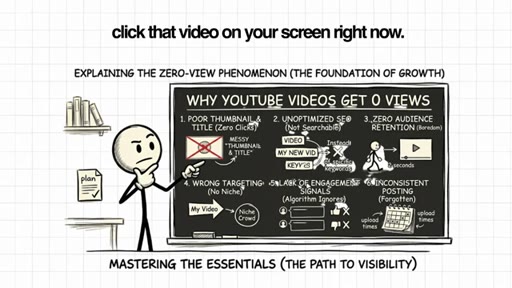
"Why do new YouTube videos get zero views? Not theory. The actual reason. I explained it clearly in my first video. Click that video on your screen right now."

Demonstrates the 'build a bridge' principle (Step 5) in real time — sets up the next video topic before the current video ends and directs viewers explicitly to it.

§ 04 · The Script

Word for word.

HOOK opening / re-engagementCTA the pitch
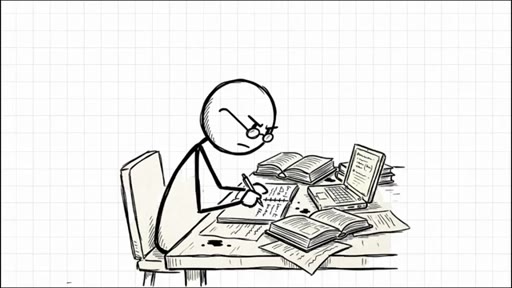
00:00HOOKYou're doing everything right. You're researching. You're watching videos about the YouTube algorithm.
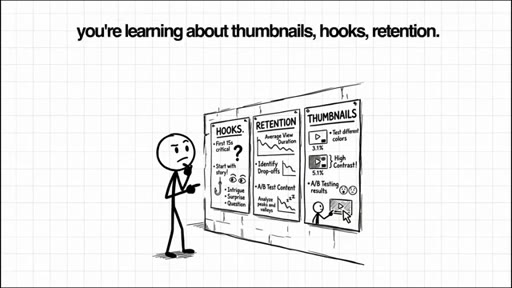
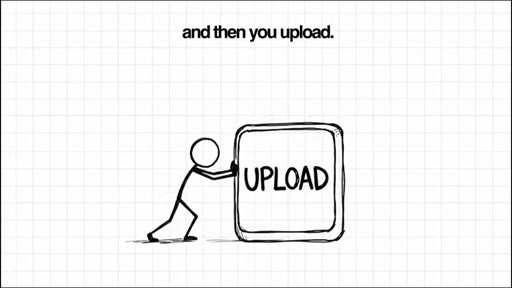
00:05HOOKYou're learning about thumbnails hooks, retention, and then you upload. 12 views, 15 views, 17 views, and then it just stops.
00:14HOOKNo explanation, no feedback, no growth.
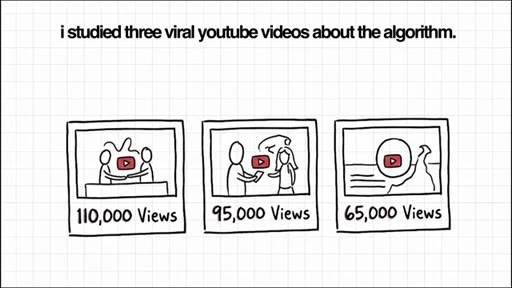
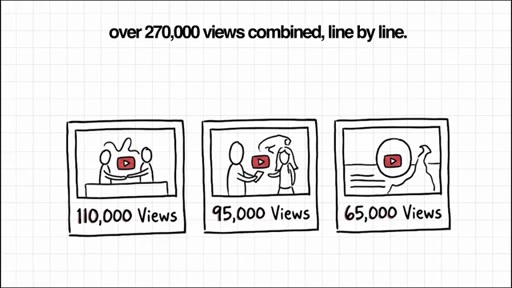
00:17HOOKSo I did something different. I studied three viral YouTube videos about the algorithm, over 270,000
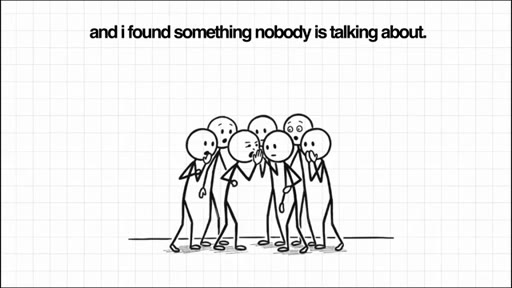
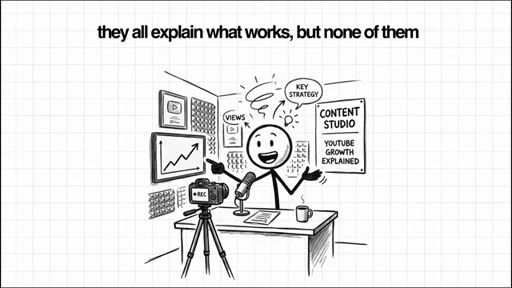
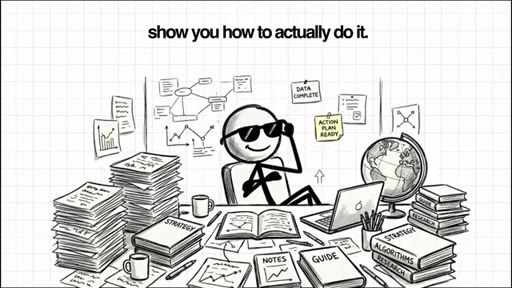
00:24views combined line by line, and I found something nobody is talking about. They all explain what works, but none of them show you how to actually do it. So in this video, I'm giving you the exact system step by step that turns those ideas into views.
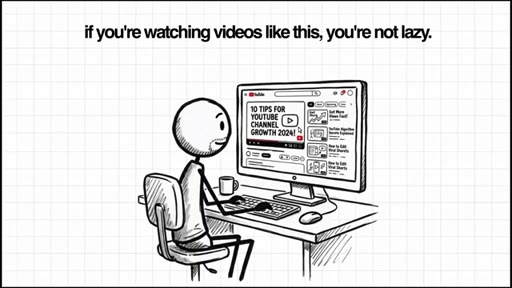
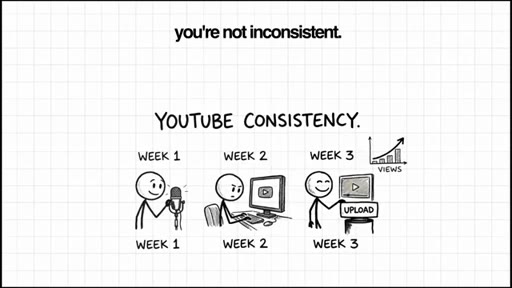
00:38Here's the part most people won't say. If you're watching videos like this, you're not lazy. You're not inconsistent.
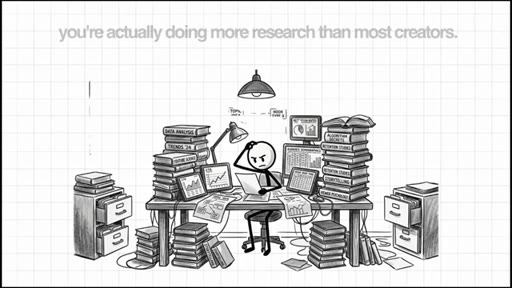
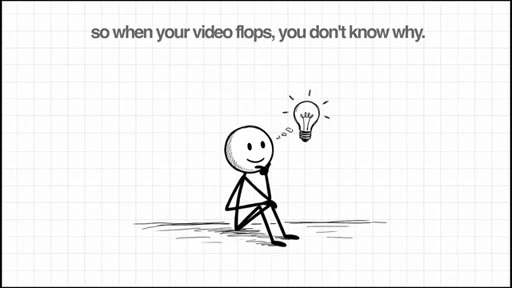
00:45You're actually doing more research than most creators. But the problem is you're collecting information without a system to apply it. So when your video flops, you don't know why.
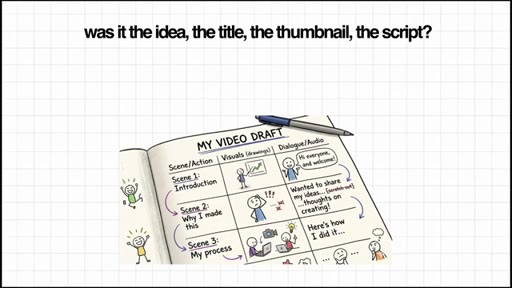
00:55Was it the idea? The title? The thumbnail?
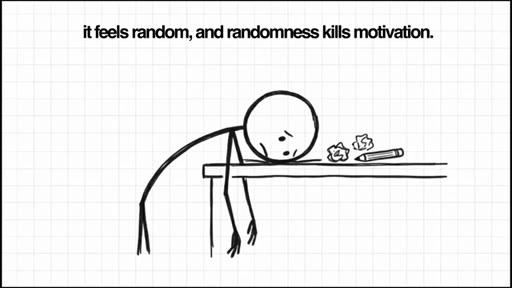
00:58The script? It feels random, and randomness kills motivation.
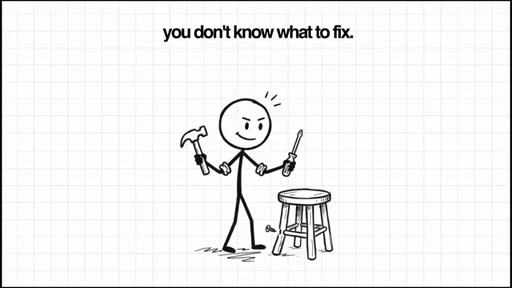
01:03Because if you don't know what's broken, you don't know what to fix. That's what we're solving today. Let's start with the first thing that matters.
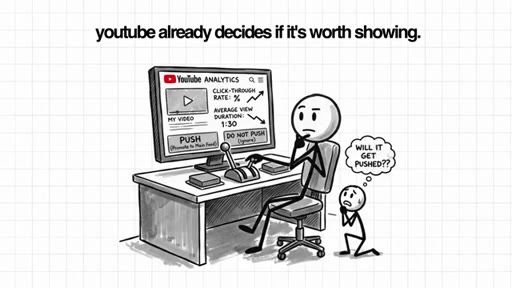
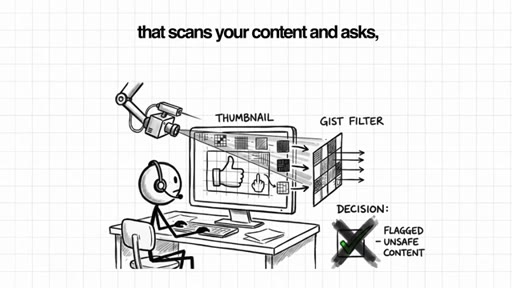
01:10Before your video even gets pushed, YouTube already decides if it's worth showing. There's a system, often called the Gist filter, that scans your content and asks, does this video already exist?
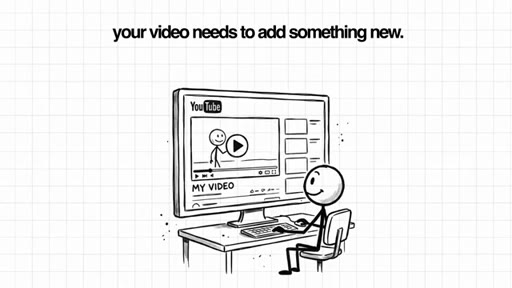
01:23If your video says the same thing as hundreds of others, you don't get pushed, not because you're bad, because you're replaceable. This is where net information gain becomes critical. Your video needs to add something new,
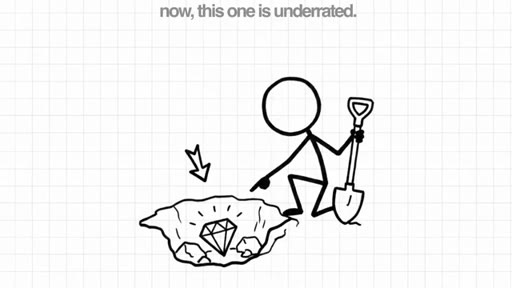
01:35a new angle, a new example, a new insight. If it doesn't, YouTube has no reason to promote it. Now this one is underrated.
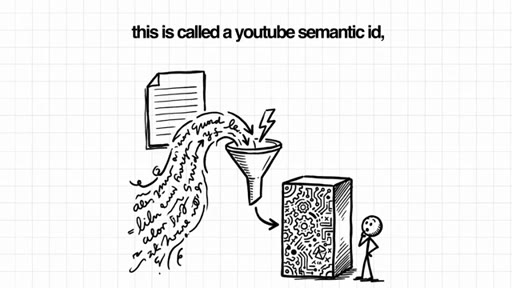
01:43YouTube doesn't understand your video like a human. It converts your words into data. This is called a YouTube semantic ID,
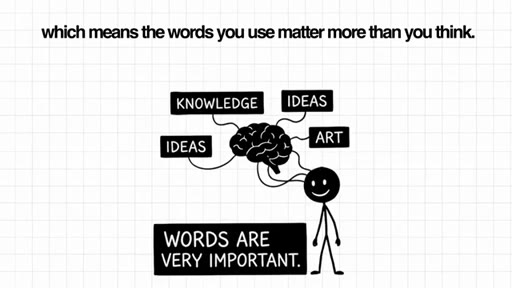
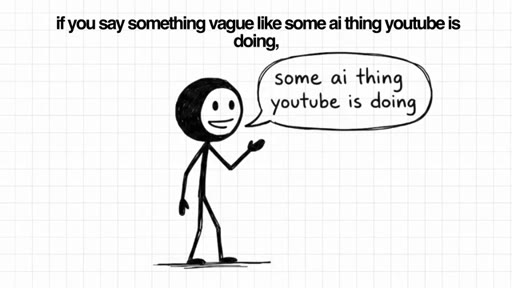
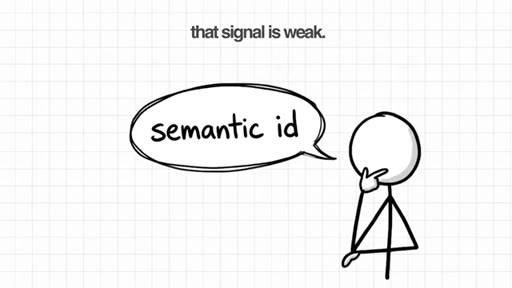
01:51which means the words you use matter more than you think. If you say something vague like some AI thing YouTube is doing, that signal is weak.
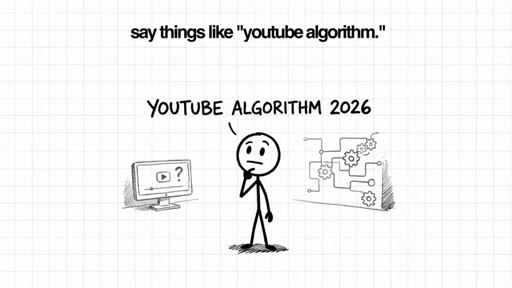
01:59But if you say YouTube algorithm changes in 2026 or semantic ID or net information gain, now you're giving the algorithm clarity. And clarity leads to better distribution.
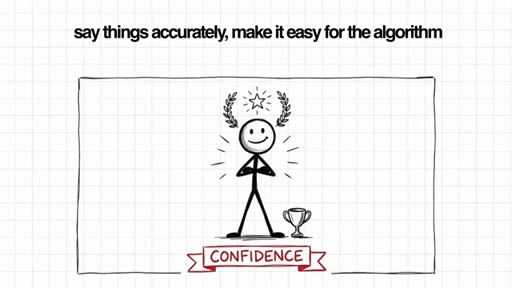
02:11So stop being vague. Say things directly. Say things accurately.
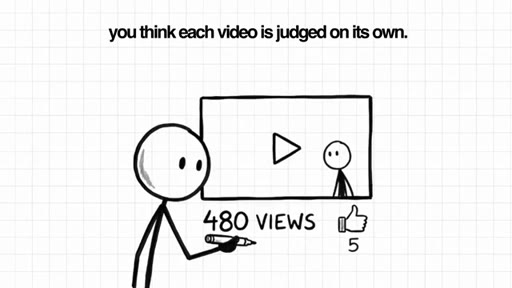
02:15Make it easy for the algorithm to understand your content. Here's where most small creators lose. You think each video is judged on its own.
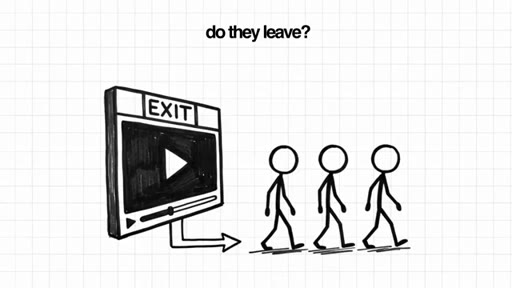
02:23It's not. YouTube cares about what happens next. After someone watches your video, do they leave, or do they keep watching?
02:31Because if they stay, YouTube wins. And if YouTube wins, you win.
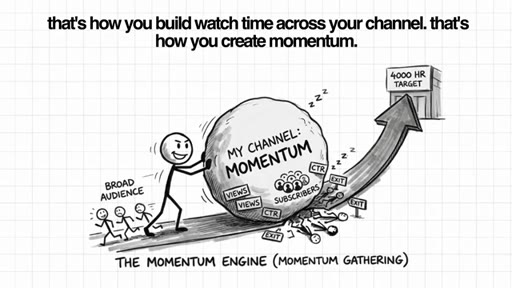
02:36That's why one good video isn't enough. You need momentum. Not single uploads, but connected videos that lead into each other.
02:43Now here's the system. Step one, find the gap. Before writing anything, search your topic.
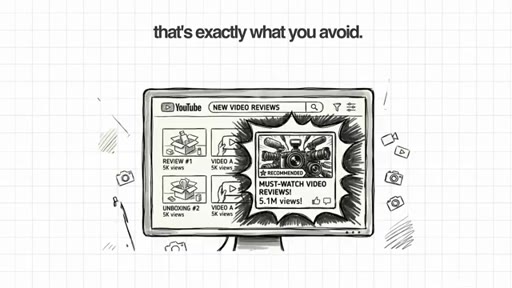
02:49Open the top five videos. Look at what all of them are saying. That's exactly what you avoid.
02:54Your goal is not to repeat. Your goal is to differentiate. If there's no gap, narrow your topic until there is.
03:00Step two, use real language. When you write your script, use actual terms, not vague phrases.
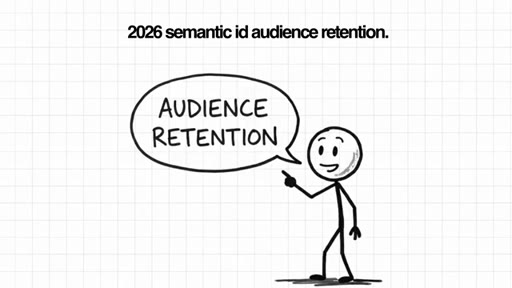
03:06Say things like YouTube algorithm, 2,026 semantic ID audience retention.
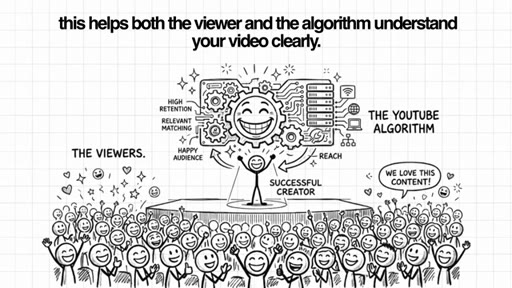
03:11This helps both the viewer and the algorithm understand your video clearly. Step three, add one unique idea. Every video needs one thing that nobody else said.
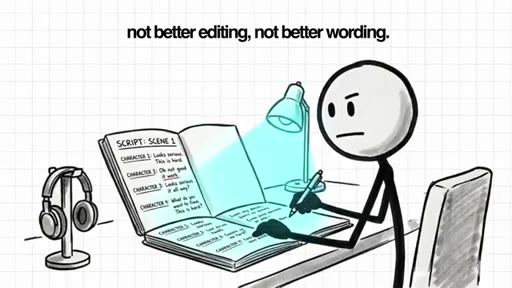
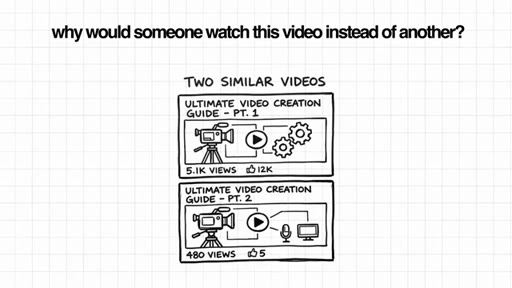
03:22Not better editing, not better wording, a different idea. Ask yourself, why would someone watch this video instead of another?
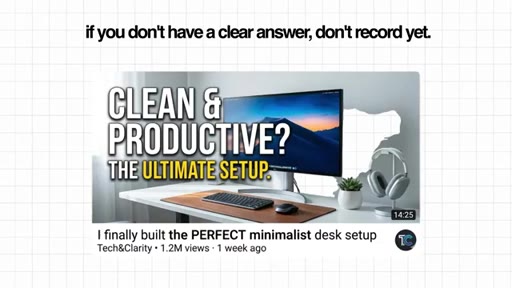
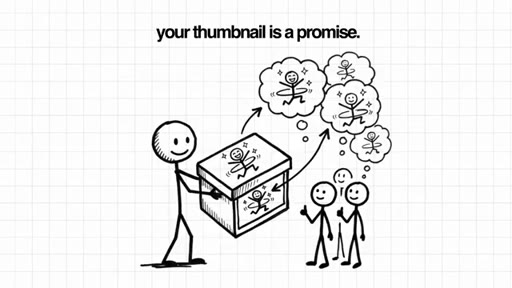
03:29If you don't have a clear answer, don't record yet. Step four, match your thumbnail to your content. Your thumbnail is a promise.
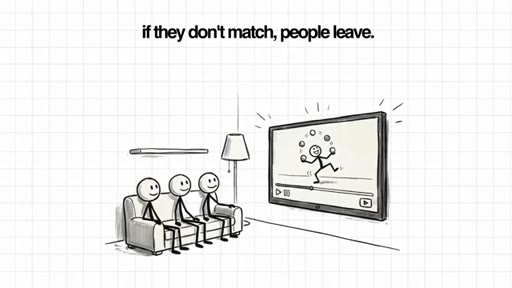
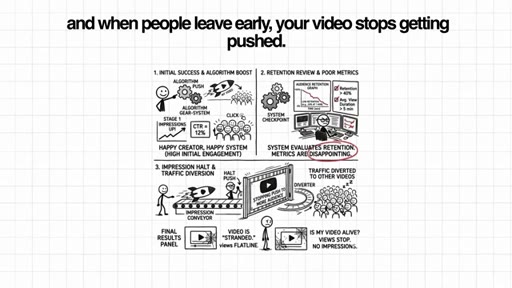
03:36Your video is the delivery. If they don't match, people leave. And when people leave early, your video stops getting pushed.
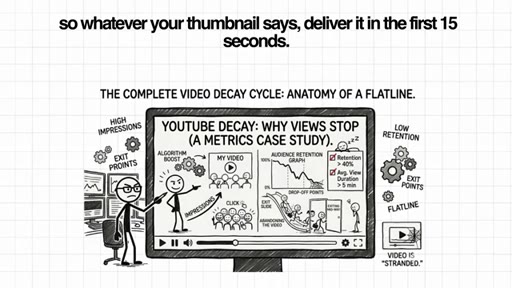
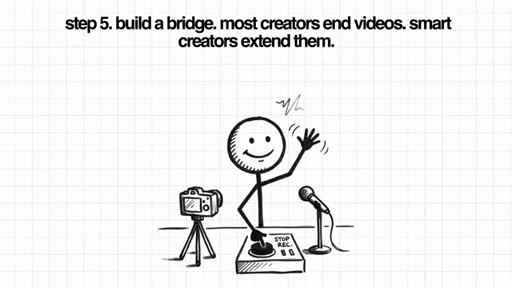
03:43So whatever your thumbnail says, deliver it in the first fifteen seconds. Step five, build a bridge.
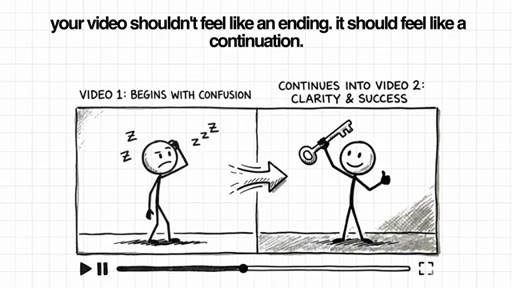
03:50Most creators end videos. Smart creators extend them. Your video shouldn't feel like an ending.
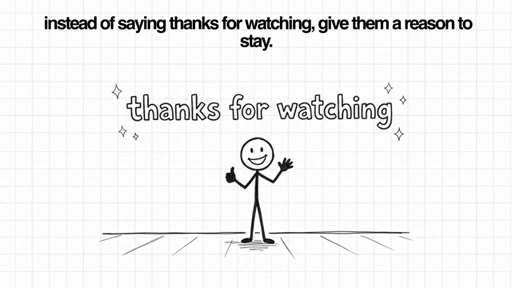
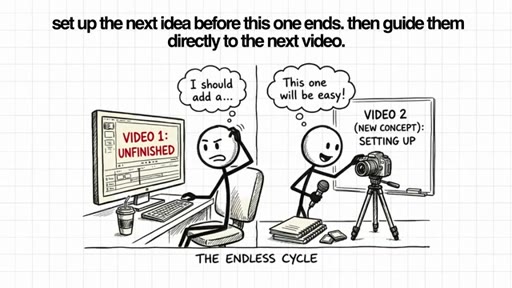
03:56CTAIt should feel like a continuation. Instead of saying thanks for watching, give them a reason to stay. Set up the next idea before this one ends, then guide them directly to the next video.
04:08CTAThat's how you build watch time across your channel. That's how you create momentum. Here's the truth.
04:14CTAYouTube isn't about working harder anymore. It's about understanding how the system works and using it properly. The algorithm doesn't care about effort.
04:23CTAIt cares about clarity, structure, signals.
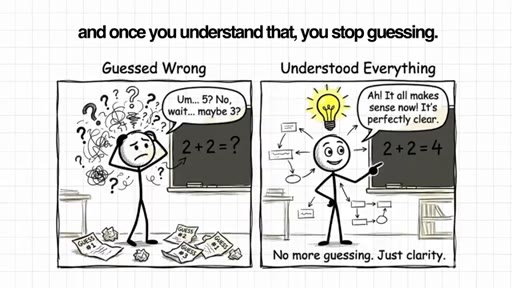
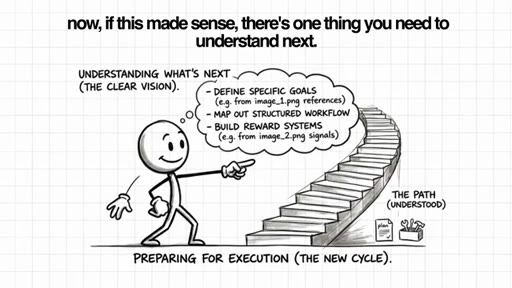
04:27CTAAnd once you understand that, you stop guessing. Now if this made sense, there's one thing you need to understand next. Why do new YouTube videos get zero views?
04:36CTANot theory. The actual reason. I explained it clearly in my first video.
04:41CTAClick that video on your screen right now. I'll see you there.
— full transcript
§ 05 · For Joe

Five decisions that happen before you hit record.

WHAT TO LEARN

The algorithm does not penalize effort — it ignores it. What it reads is whether your video is distinct, specific, and connected to the next one.

  • Audit the top five videos on your topic before writing a single word of your script — your differentiation only shows up in contrast to what already exists.
  • Vague language in your script is not just unclear to viewers; it is unclear to the algorithm. Specific terminology gives the distribution system an accurate category to slot your content into.
  • Every video needs one idea that is genuinely absent from the top results — not better production, not a cleaner thumbnail, a different claim or angle entirely.
  • The thumbnail is a contract. If viewers arrive and the first 15 seconds do not deliver what the thumbnail promised, they leave — and early exits are one of the clearest negative signals the algorithm reads.
  • Ending a video is a wasted opportunity. Setting up the next topic before the current one finishes converts your biggest moment of viewer trust into a cross-video watch-time signal that benefits the entire channel, not just the single upload.
§ 06 · Frame Gallery

Visual moments.