
The bait, then the rug-pull.
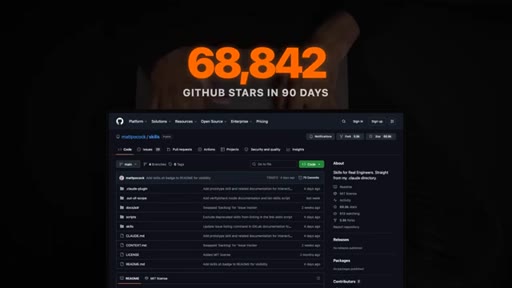
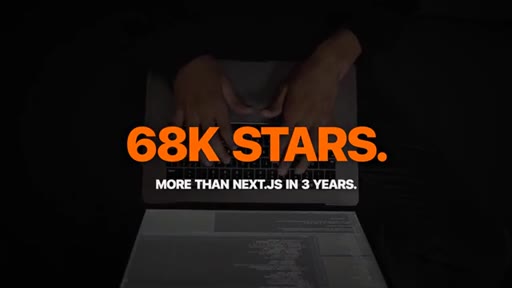
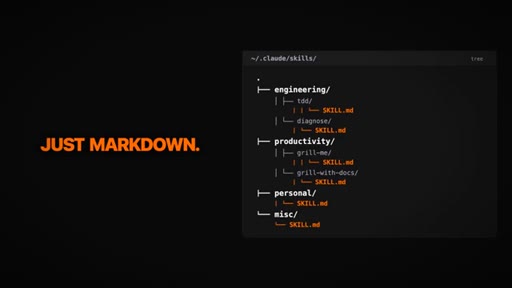
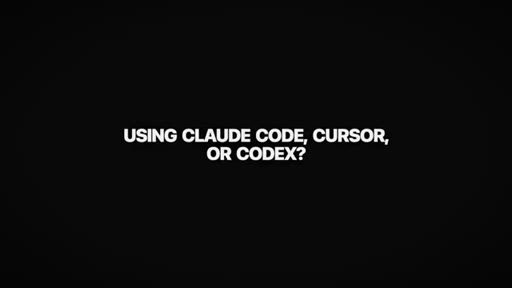
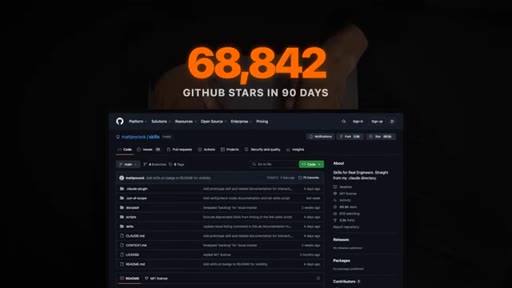
One folder. No runtime. No orchestrator. No twelve-agent hierarchy. Just markdown the agent reads on demand, and 68,000 GitHub stars in ninety days, more than Next.js collected in its first three years. Matt Pocock open-sourced his ~/.claude/skills/ directory and accidentally wrote the thesis statement for a new era of AI-assisted development.
What the video promised.
stated at 00:13 "So what's actually in this folder? And why are real engineers throwing out SpecKit and BMAD to copy it?" delivered at 01:01
Where the time goes.

01 · Hook + social proof
Cold open with star count, comparison to Next.js, sets up the core question: why are real engineers abandoning BMAD and SpecKit to copy a folder of text files?
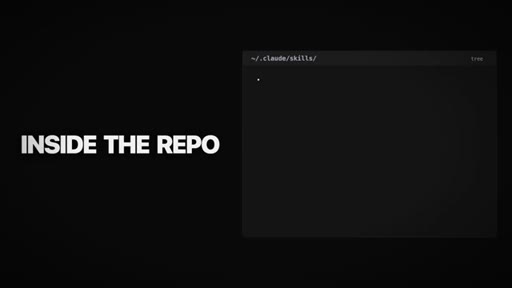
02 · Inside the repo
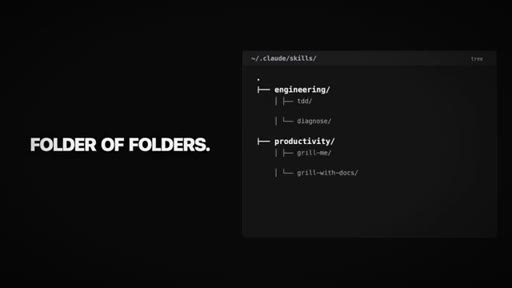
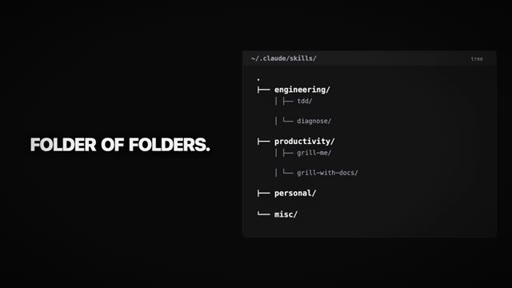
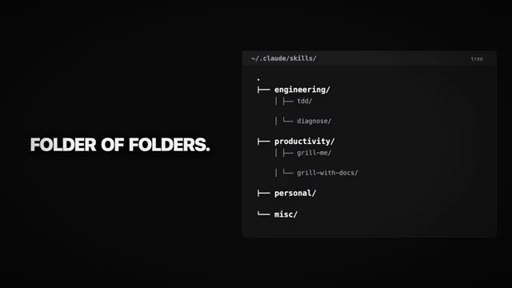
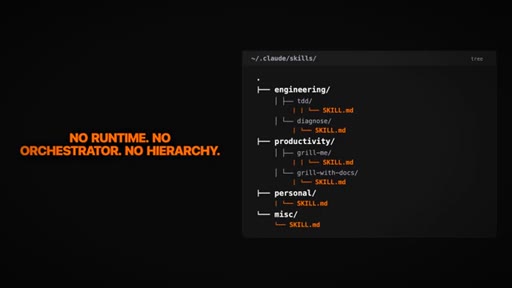
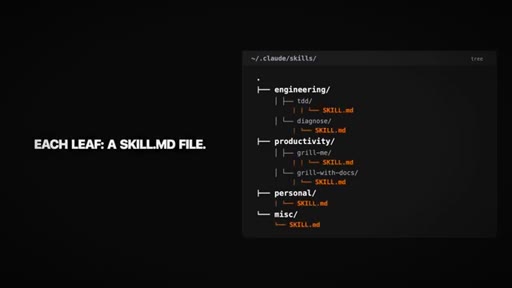
Walks the folder structure: engineering/, productivity/, personal/, misc/ — each leaf contains a single SKILL.md file. No runtime, no orchestrator.
03 · The vibe coding problem
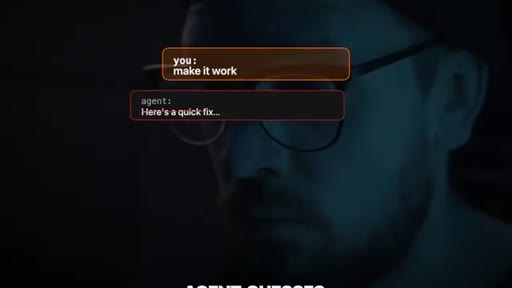
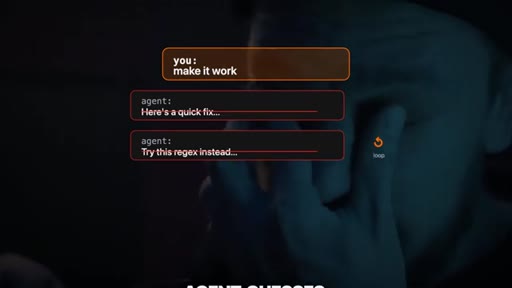
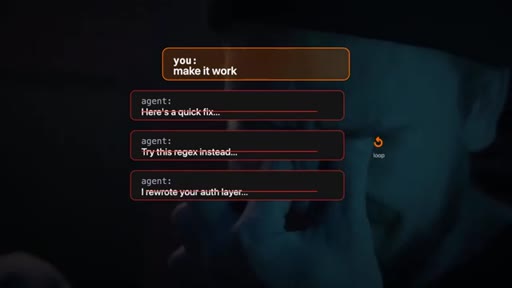
Names the failure mode: vague request to agent guesses to ships wrong thing to prompt fixing loop. Introduces the repo as a kill-switch for this pattern.
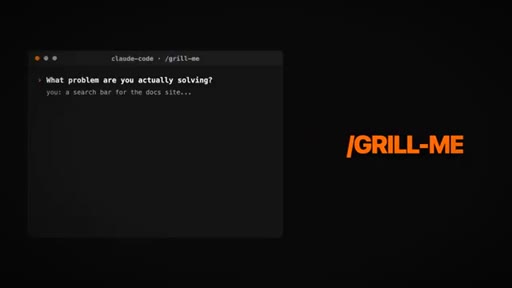
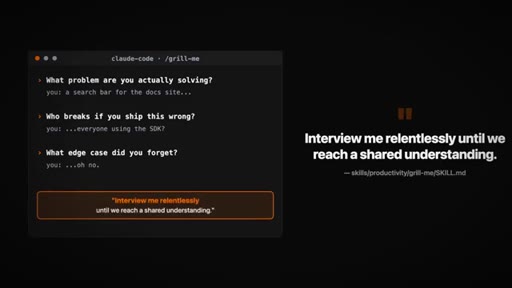
04 · Skill 1: /grill-me
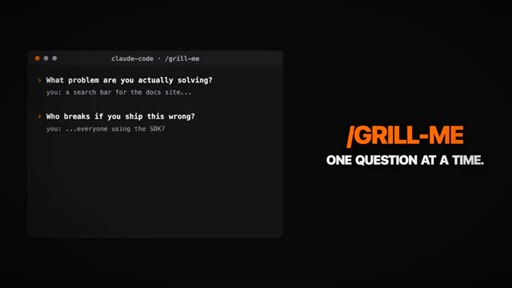
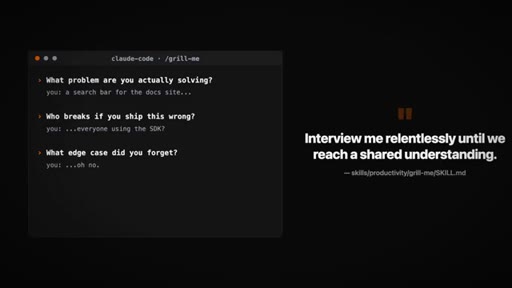
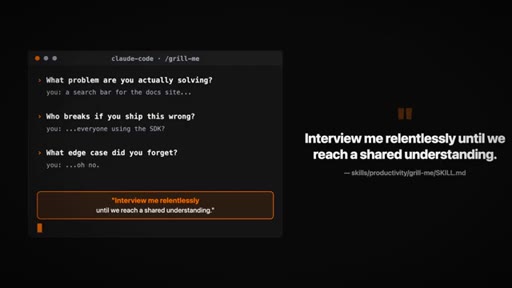
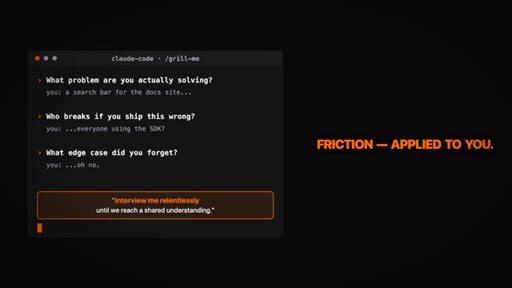
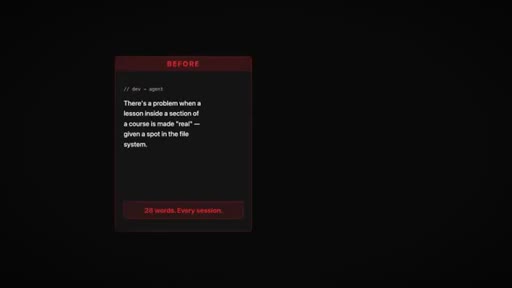
Agent interviews you relentlessly before writing any code. One question at a time. The fix for misalignment is friction applied to the developer, not the agent.
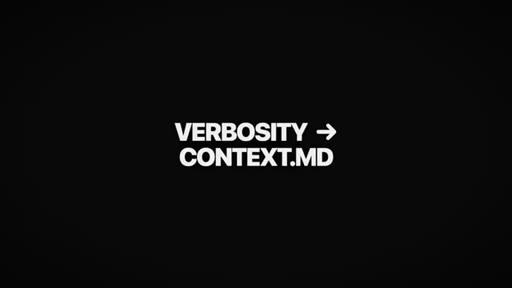
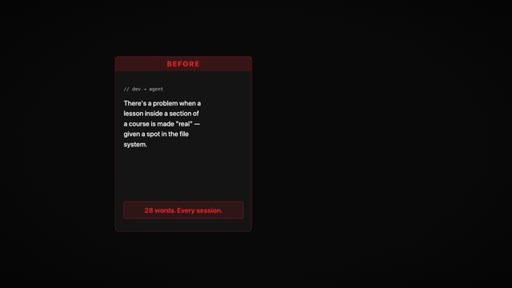
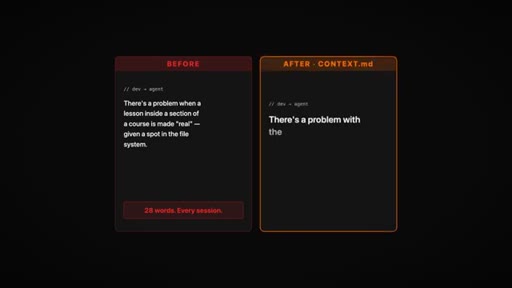
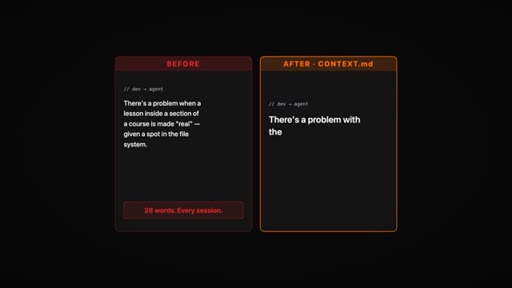
05 · Skill 2: context.md verbosity fix
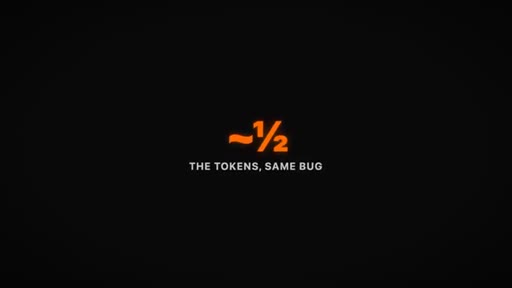
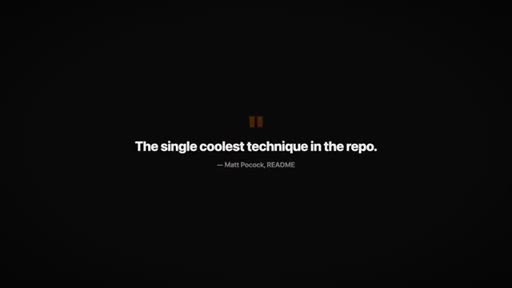
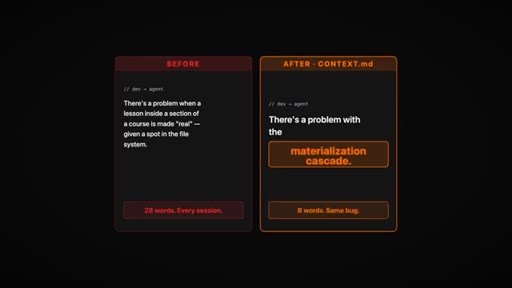
Shared language file compresses repeated domain context from 28 words to 8. Same bug, same agent, half the tokens. Pocock calls it the single coolest technique in the repo.
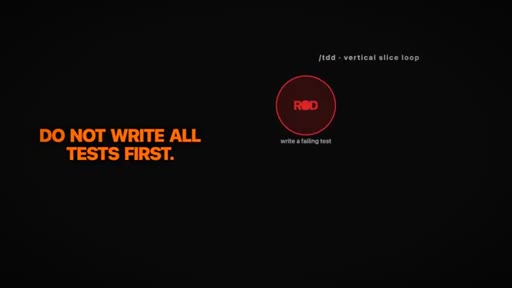
06 · Skill 3: /tdd
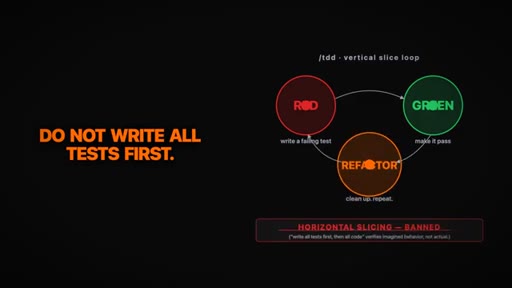
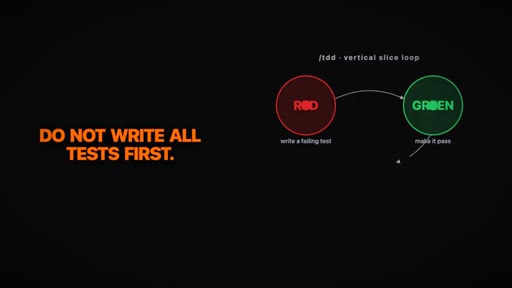
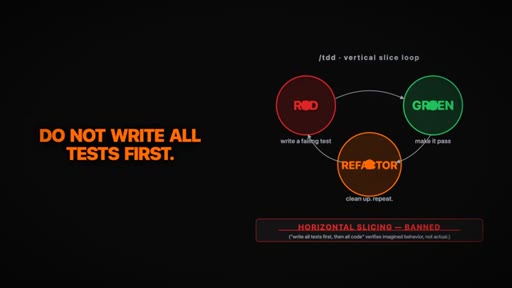
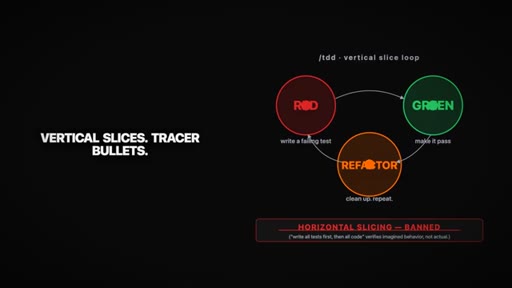
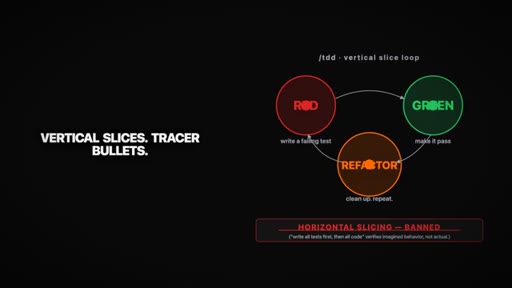
Bans horizontal slicing (write all tests first). Enforces red-green-refactor one slice at a time. Tests verify actual behavior, not imagined behavior.
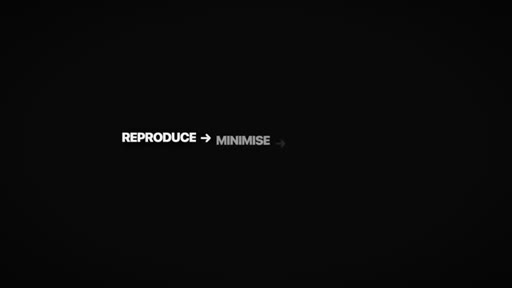
07 · Skill 4: /diagnose
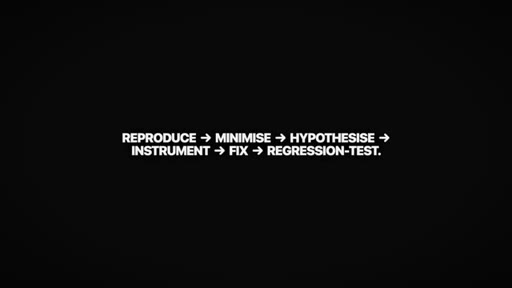
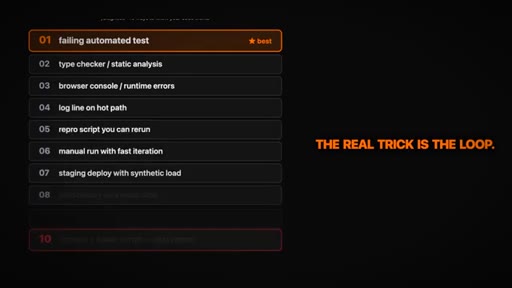
Six phases: Reproduce, Minimize, Hypothesize, Instrument, Fix, Regression-Test. Real trick: rank and pick the right feedback loop first. Failing automated test is best.
08 · Framework showdown
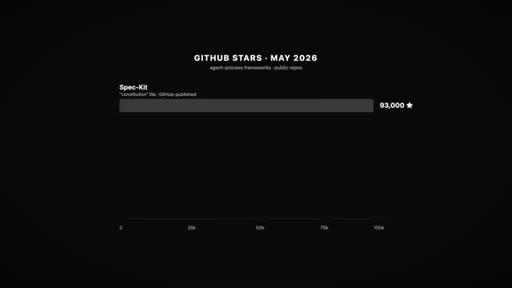
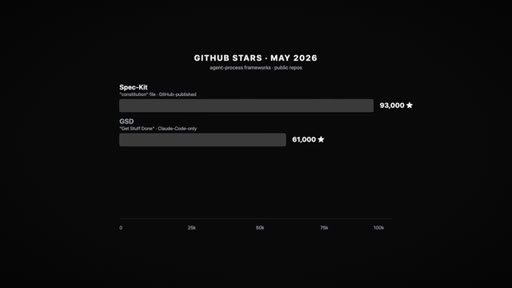
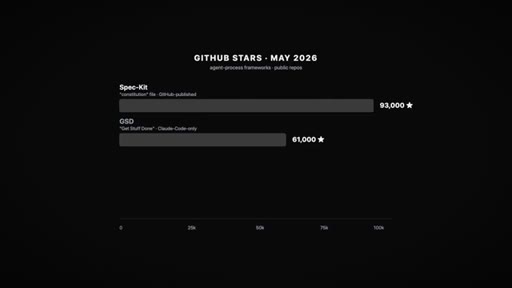
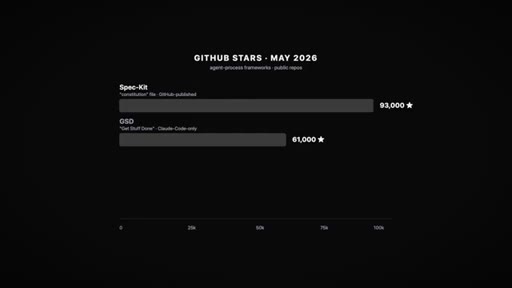
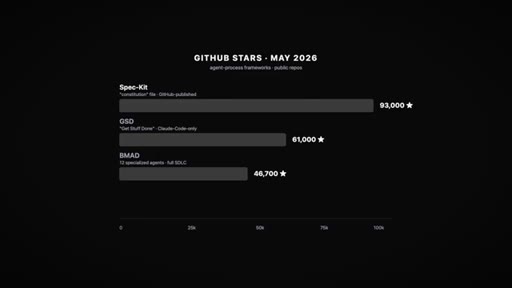
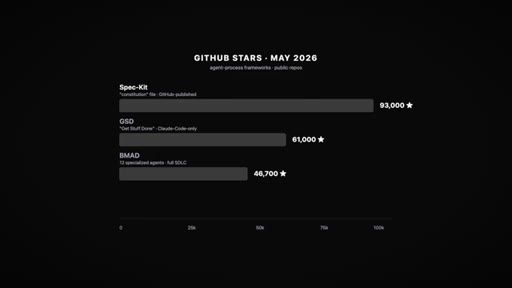
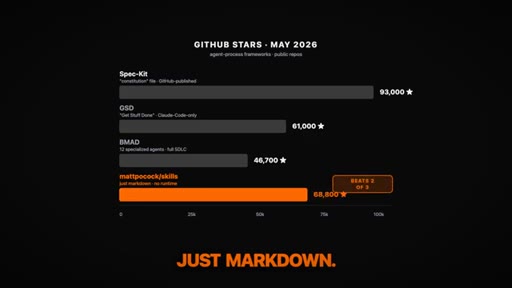
Bar chart: SpecKit 93K, GSD 61K, BMAD 46.7K, mattpocock/skills 68.8K. Just markdown beats two of three.

09 · The thesis: skills vs frameworks
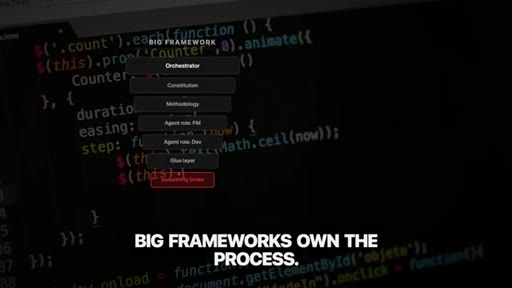
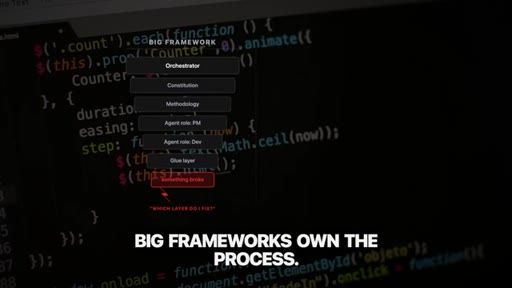
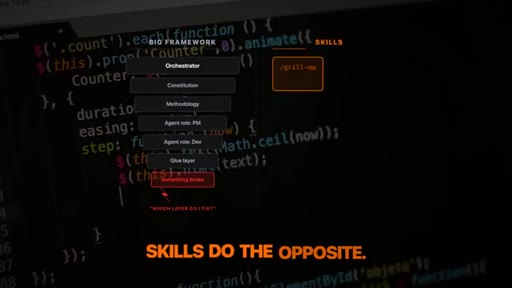
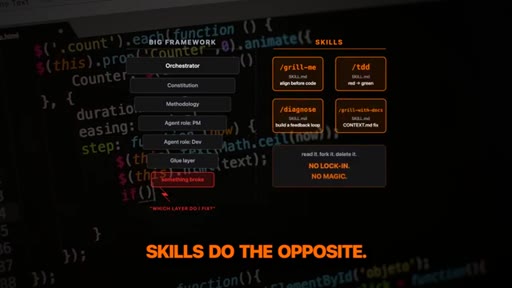
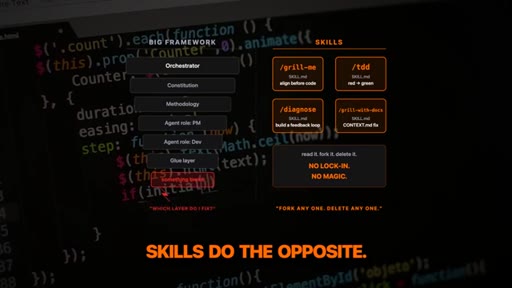
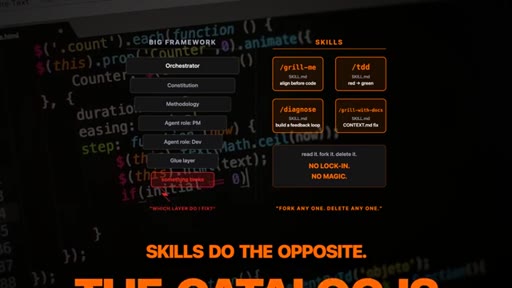
Big frameworks own the process. When something breaks you do not know which layer to fix. Skills are single files: read it, fork it, delete it. No lock-in. No magic. The catalog is the artifact.
10 · Distribution move + verdict
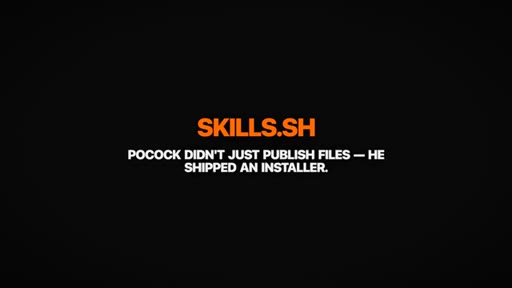
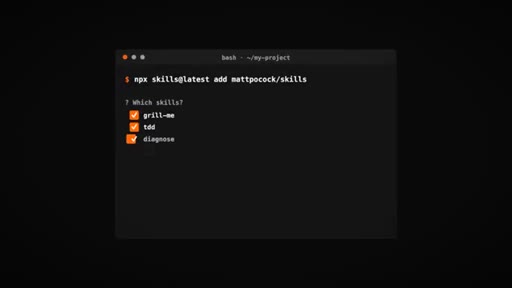
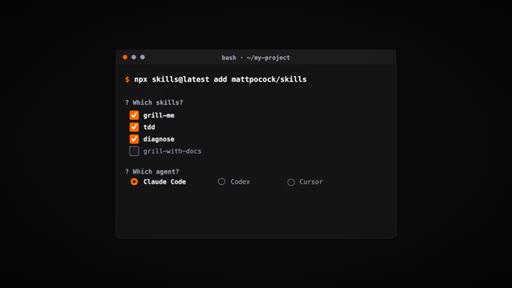
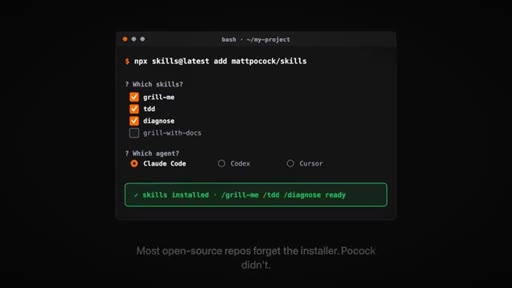
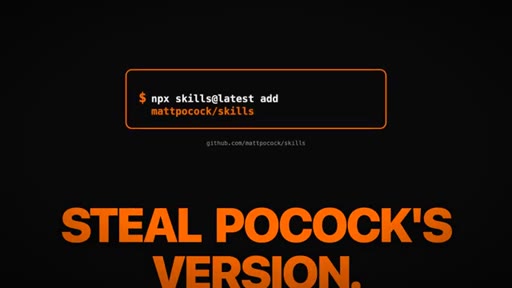
Pocock shipped an installer: npx skills@latest add. Distribution as a feature. Skills are the new package.json. Steal his version.
Visual structure at a glance.


Named ideas worth stealing.
The Skills Pattern
Folder of markdown files, each a SKILL.md. No runtime, no orchestrator. Agent reads on demand. Fork any one, delete any one.
/grill-me
Agent interviews developer relentlessly before writing any code. One question at a time. Kills vibe coding.
context.md shared vocabulary
Domain-specific terms defined once in context.md. Cuts repeated prompt verbosity in half. Same bug, same agent, roughly 50% fewer tokens.
Vertical slice TDD
- Write one failing test
- Make it pass
- Refactor
- Repeat
Bans horizontal slicing. Red-green-refactor per feature slice. Tests verify actual behavior, not imagined behavior.
/diagnose six-phase loop
- Reproduce
- Minimize
- Hypothesize
- Instrument
- Fix
- Regression-Test
Structured bug diagnosis. Build the right feedback loop before anything else. Failing test is best. Bash-driving a human is last resort.
Distribution as a feature
Ship an installer alongside the content. One command picks skills, picks agent, wires them in. Most open-source projects forget this.
Lines you could clip.
"Interview me relentlessly until we reach a shared understanding."
"Same bug, same agent, half the tokens."
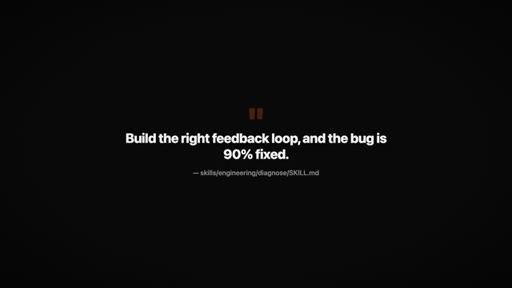
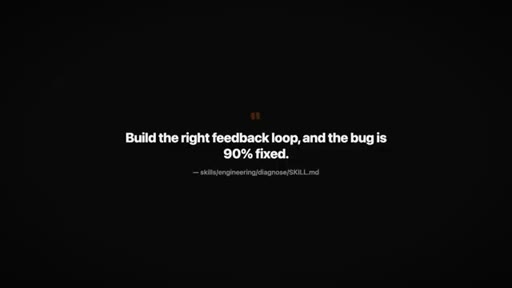
"Build the right feedback loop, and the bug is 90% fixed."
"Big frameworks own the process. Skills do the opposite."
"Skills are the new package.json. Start curating yours or someone else will."
"The fix for misalignment is friction applied to you."
How they spent the runtime.
Things they pointed at.
How they asked for the click.
"Command on screen. Repos in the description. Skills are the new package dot JSON. Start curating yours or someone else will. Sub for the next one."
Install command shown visually on screen, repo URL shown, subscribe ask buried at the very end. Extremely clean, non-pushy.
Word for word.
This is the modular skills playbook you are already running.
Pocock proved that a curated folder of markdown skill files, no framework, no runtime, is worth more than any 12-agent system. Joe is already building this.
- Your ~/.claude/skills/ folder IS this pattern. You have mod-watch, goldmine, creator-research, deploy-joeflow. Name it, ship it, give it an installer.
- The /grill-me pattern maps directly to how good client sessions should start. Relentless scoping before any code. Build a JoeFlow equivalent.
- context.md is the LFB Line session prep play: define domain terms once, cut prompt verbosity 50% every session.
- The /diagnose feedback loop ranking (failing test is best, bash-driving a human is last resort) is a direct checklist for any JoeFlow bug triage.
- Distribution as a feature: when you ship MCN+ tool skills, ship an installer command. One npx line beats a README every time.
- Skill catalogs are a pricing anchor. Pocock's is free, yours bundled with MCN+ is a compounding moat.
How to stop fighting with your AI coding assistant.
The reason your AI assistant ships the wrong thing is not the AI. It is that you gave it a vague request and expected it to read your mind.
- Before you type a coding request, ask the AI to interview you about your plan one question at a time before touching any code.
- If you repeat the same domain explanation in every prompt, write a context.md file with your project key terms and reference it instead of re-explaining.
- If you let an AI write all your tests upfront, you are verifying imagined behavior. Write one test, make it pass, repeat.
- When you hit a bug, build a feedback loop first. A failing test that reproduces it is worth more than any amount of explaining.
- Install Pocock's skills with: npx skills@latest add mattpocock/skills. Works with Claude Code, Cursor, and Codex.