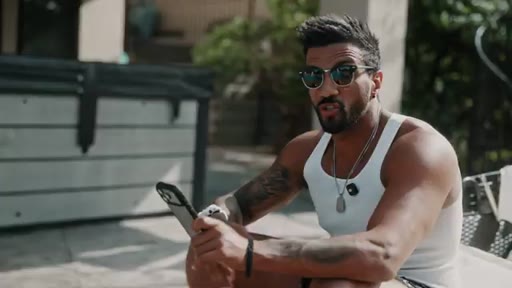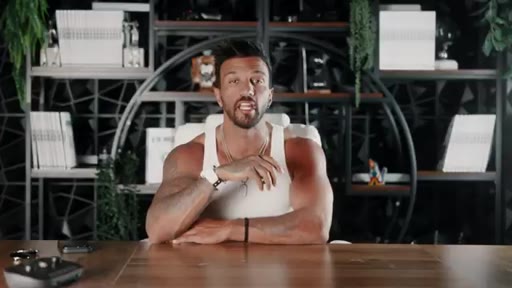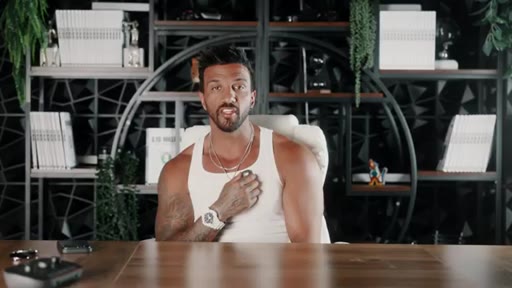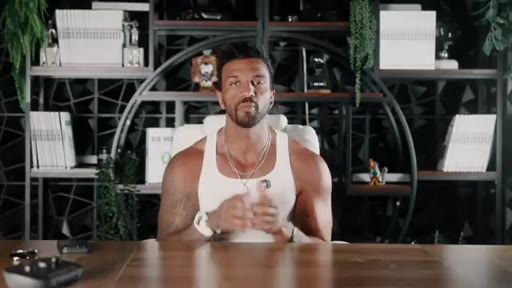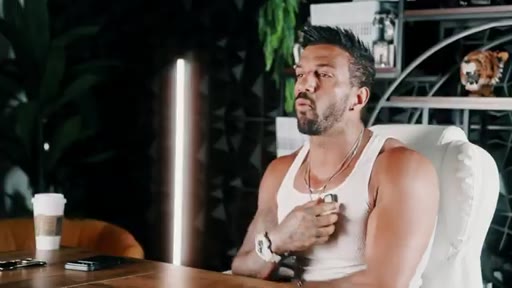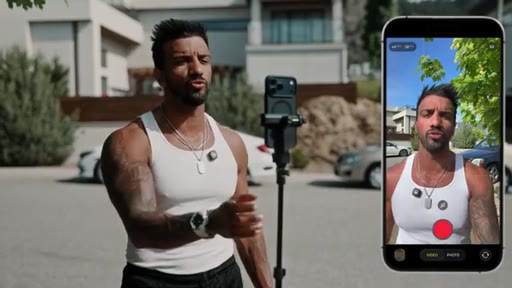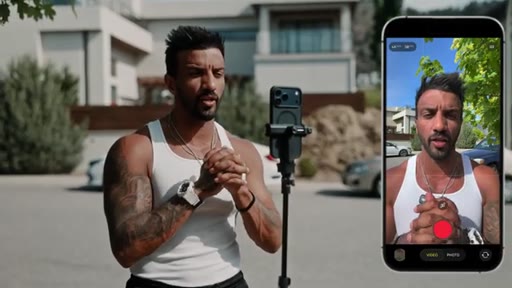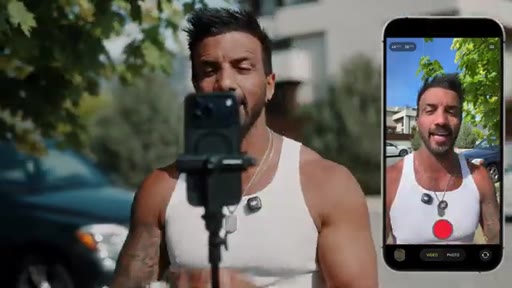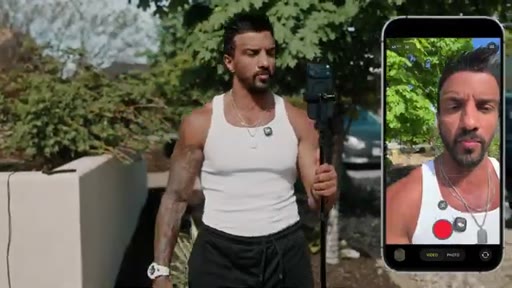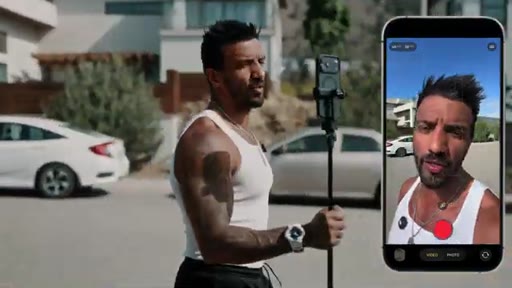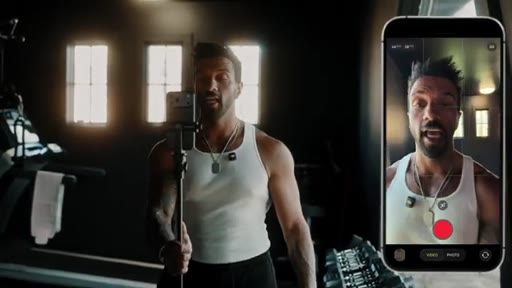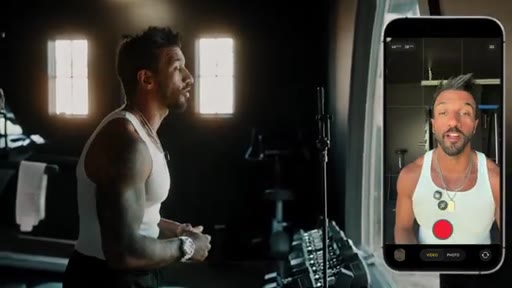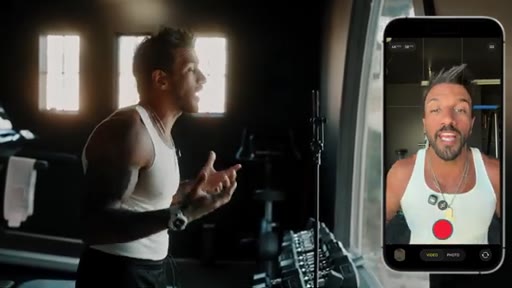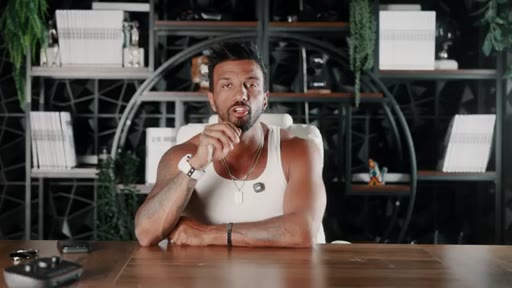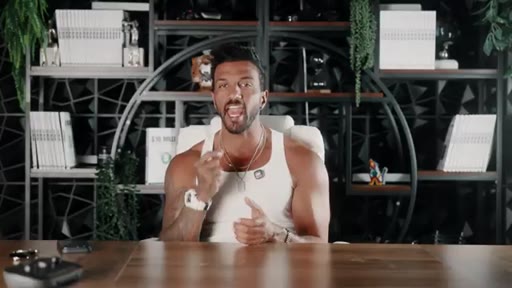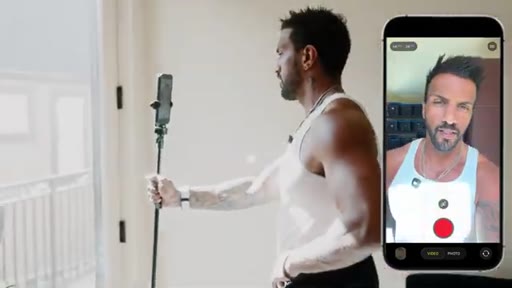
Brian Mark · Youtube · 09:03

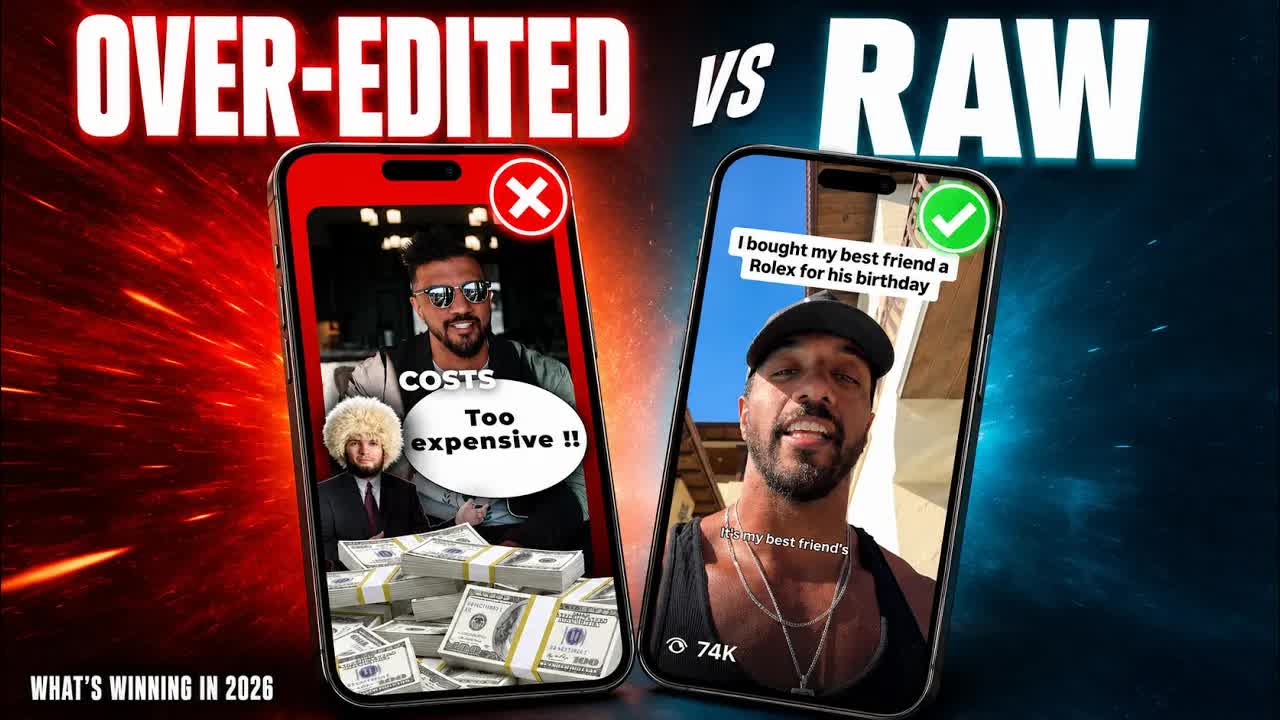
Stop Over-Editing Your Reels — Do This Instead

Brian Mark dismantles the gear excuse in 9 minutes flat — phone settings, framing rules, and location playbook for anyone who has been waiting to start.

Posted
May 8th 2026
12 days ago
Duration
09:03
Format
Tutorial
educational
Channel
BM
Brian Mark
§ 01 · The Hook

The bait, then the rug-pull.

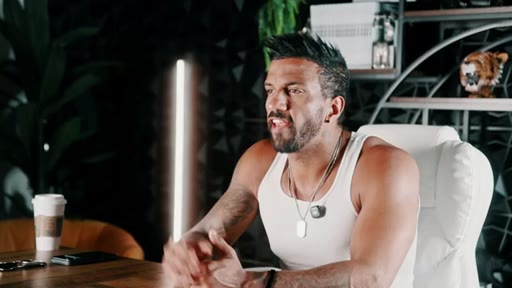
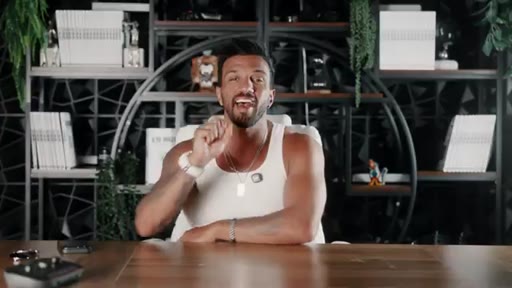
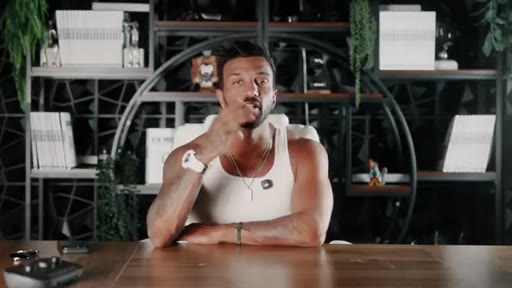
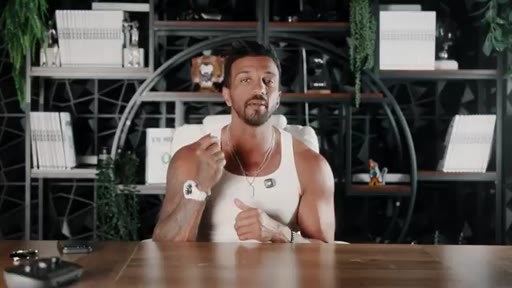
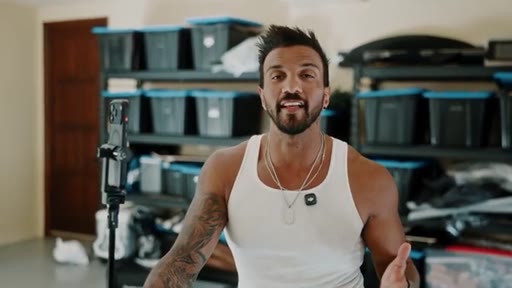
Brian Mark opens with the accusation before the introduction — if your camera bag is your excuse, this video is your intervention. Fourteen years of iPhone-only filming and millions of talking-head views later, he has earned the right to tell you the gear was never the problem.

§ · Stated Promise

What the video promised.

stated at 00:10 "I'm going to show you exactly how you can use just your iPhone and create scroll stopping content that will get attention on social media and make them wanna buy." delivered at 08:43
§ · Chapters

Where the time goes.

00:00 – 00:26

01 · Cold open + hook

Calls out the gear excuse directly. Social proof: 14 years on iPhone, millions of views. Algorithm rewards raw human video now — 90-day window to act.
00:26 – 01:54

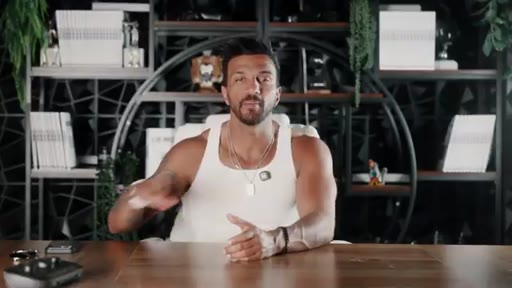
02 · #1 — Your Phone IS the Camera

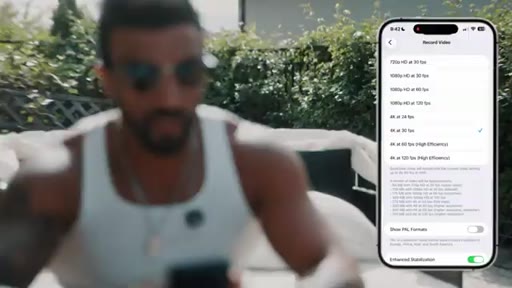
Phone is the camera; everything else is stabilization and light. Three iPhone settings: 4K 30fps, Most Compatible format, grid overlay on. Front camera recommended for beginners.
01:54 – 02:37

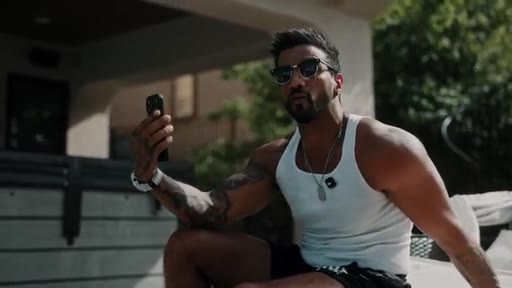
03 · The Gear (3 pieces only)

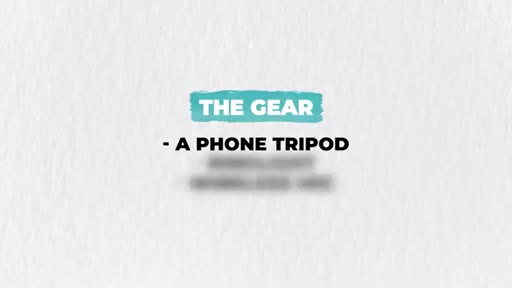
Phone tripod ($30 YUKO 62-inch, non-negotiable), ring light (optional, 18-inch $70 or use a window), wireless mic (critical — DJI Mic 3 at $330 or Hollyland Lark M2 at $200). Everything else is noise.
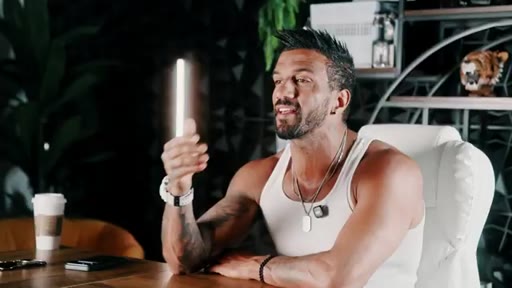
02:37 – 05:32

04 · #2 — Framing and Angles

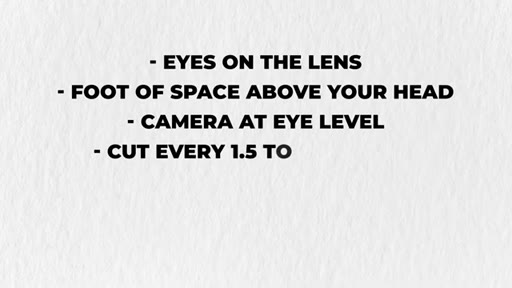
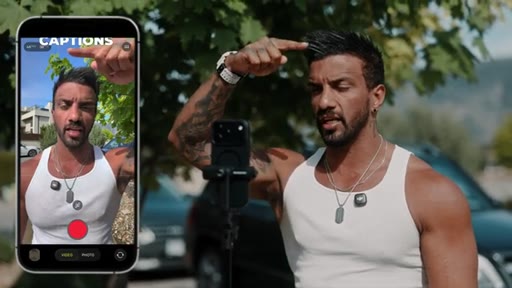
Three framing rules: eyes on grid line, text hook positioning (top or middle — never top edge), camera at eye level. 85% watch muted — captions in middle. Scene change every 1.5-3s for scripted content.
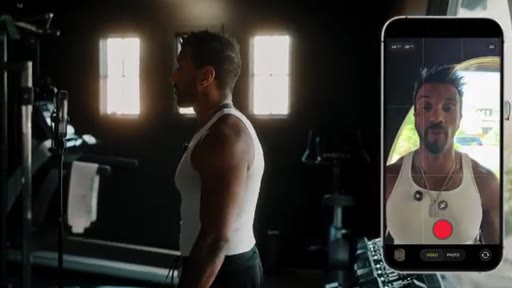
05:32 – 06:30

05 · Natural light demo

Live demo: face the window = pristine light. Window behind you = face goes black. The sun costs $0.
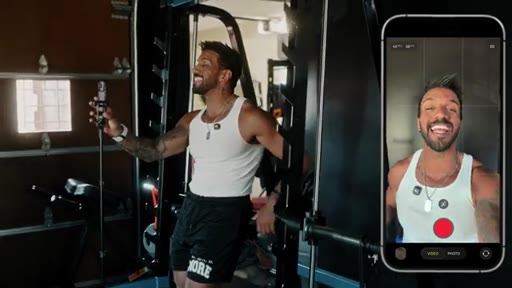
06:30 – 08:43

06 · #3 — Location and Background

Background competes with you for viewer attention. Clean wins. Garage and gym demos. High-performing split-screens shot against blank sky. Three-word rule: Plain. Quiet. Intentional.
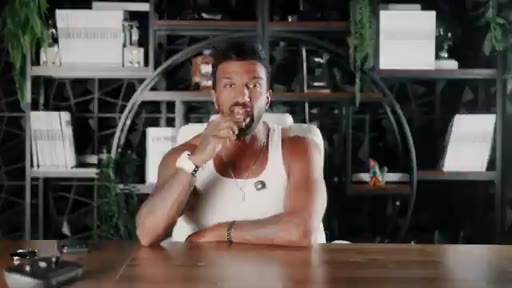
08:43 – 09:03

07 · CTA + close

Subscribe. DM 'film' on Instagram for gear list, settings checklist, and framing cheat sheet. Secondary CTA for daily mindset content.

§ · Storyboard

Visual structure at a glance.

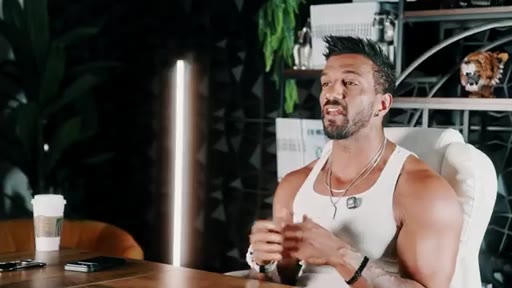
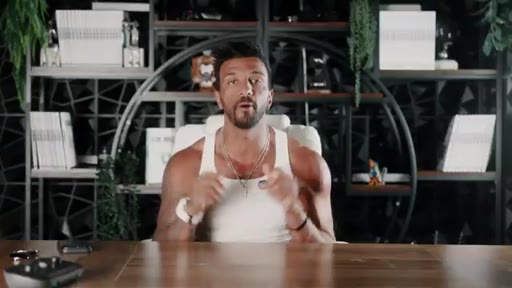
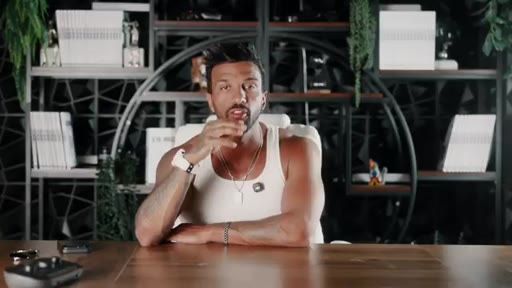
hook
#1 phone card
settings demo
gear card
#2 framing card
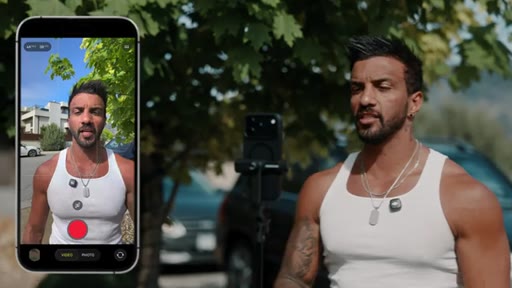
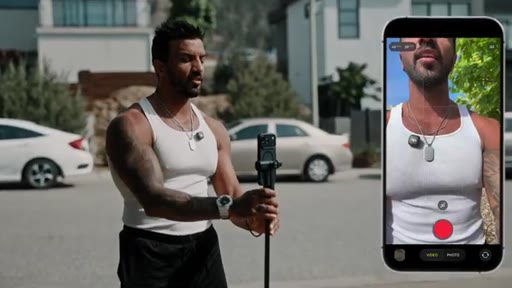
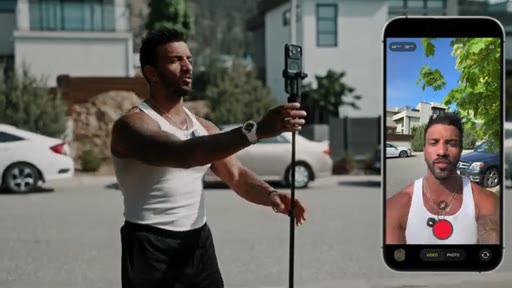
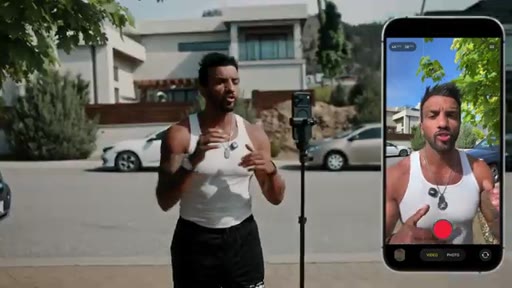
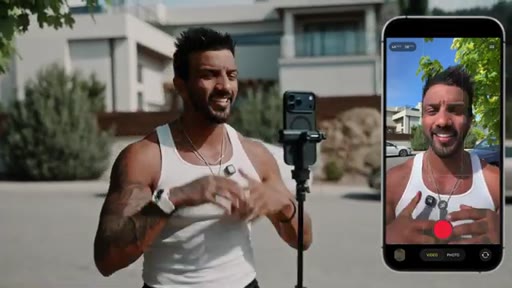
framing demo outdoor
rules card
background lesson
messy garage
CTA
§ · Frameworks

Named ideas worth stealing.

01:08 list

The 3-Setting Fix

  1. 4K 30fps record video
  2. Most Compatible format
  3. Grid overlay on

Three iPhone camera settings to configure before pressing record. Prevents codec issues in editing apps and enables proper grid framing.

Steal for Any iPhone filming tutorial, creator onboarding doc, DM lead magnet
01:54 list

The 3-Piece Gear Stack

  1. Phone tripod (non-negotiable)
  2. Ring light or window (optional)
  3. Wireless mic (critical)

Minimalist gear framework. Tripod = stability signal, mic = audio retention, light = window works just as well.

Steal for Gear recommendation content, creator community welcome sequence, filming course sales page
08:30 concept

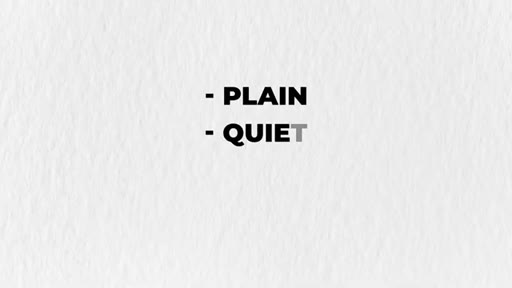
Plain. Quiet. Intentional.

Three-word location selection framework. Plain background = viewer attention on you. Quiet = message lands. Intentional = no more excuses.

Steal for Closing slide for any content creation presentation, caption hook, reel title card
04:55 concept

The 1.5-to-3-Second Rule

For scripted content, trigger a visual engagement change every 1.5-3 seconds. Exception: straight yapping/walking content where continuity is the point.

Steal for Editing checklist, short-form content course, reel retention coaching
§ · Quotables

Lines you could clip.

02:35
"The sun is the best ring light ever made and it costs $0."
Punchy, zero setup needed — works as a standalone short. → IG reel cold open
03:49
"Bad audio kills retention faster than a bad video."
Counter-intuitive claim most creators get wrong — stops scroll. → TikTok hook
03:57
"If you've been waiting for better gear, you just ran out of excuses."
Perfect mic-drop line that closes the gear objection loop opened in the hook. → IG reel cold open
08:30
"If your background is doing more work than your message, you've already lost."
Clean reframe of a visual problem as a messaging problem. Highly shareable. → newsletter pull-quote
08:39
"The gear was never the problem. The setting was never the problem. The location was never the problem. You were the problem."
Anaphora-driven close with full energy shift. → TikTok hook
§ · Pacing

How they spent the runtime.

Hook length26s
Info densityhigh
Filler8%
§ · Resources Mentioned

Things they pointed at.

03:30productYUKO 62-inch phone tripod
03:48productDJI Mic 3
03:54productHollyland Lark M2
§ · CTA Breakdown

How they asked for the click.

08:43 link
"DM me the word film on Instagram at the real Brian Mark, and I'll send it over."

Strong lead-gen mechanic — DM keyword triggers delivery of gear list, settings checklist, and framing cheat sheet. Delivered after the excuses-eliminated close so the audience is already in motion.

§ 04 · The Script

Word for word.

HOOK opening / re-engagementCTA the pitch metaphor analogy
00:00HOOKIf you've been using your gear as a reason that you haven't been posting, then you're going to need to take notes on this video. No. Seriously, open up your notepad and take notes because I'm going to show you exactly how you can use just your iPhone and you can create scroll stopping content that will get people's attention on social media and make them wanna buy.
00:15HOOKNow here's the thing. Half of the content in your feed right now is AI generated, and the algorithm is actually rewarding raw human made videos harder than it has in years. The people who figured this out in the next ninety days are the ones who are going to win in 2026.
00:26Now I've been filming on my iPhone for the last fourteen years. We've done millions of views on Talking Heads alone with no studio, no crew, and no fancy gear. Let's get into it.
00:34Number one, your phone is the camera. All the other gear is just there to keep it still and keep you lit. That's the whole job.
00:39I've been filming on my phone for years, same phone you have in your pocket. That is what built every single brand that I own. PT domination, aesthetic nation, all of it.
00:46No film crew. I only got a film crew once I got to a 100,000 followers. I just had my iPhone, a tripod, and a ring light.
00:52And honestly, even the ring light isn't a 100% necessary. Now there are three settings on your phone you need to fix right now before you ever press record. Let me walk you through them.
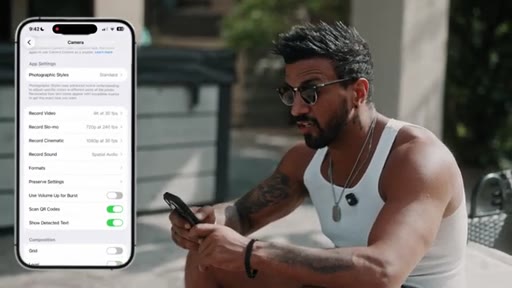
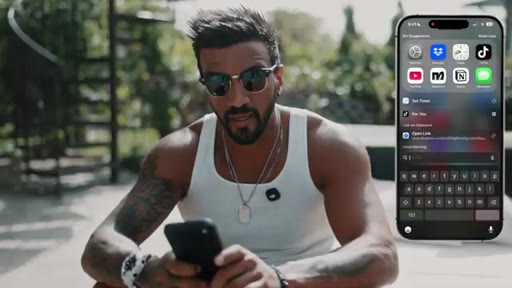
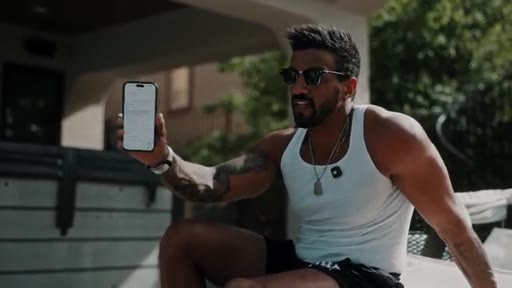
00:59Okay. So in terms of your settings, you're gonna go to settings, you're gonna go to camera, you're gonna go to record video, and you need to make sure that record video at four k 30 frames per second is on. Now this is a standard, and if you wanna do slow motion, you can do 60 frames per second.
01:11So now you're gonna go back to settings, you're gonna click formats and you're gonna go most compatible. High efficiency is gonna save space but it's gonna cause a lot of problems in the editing app.
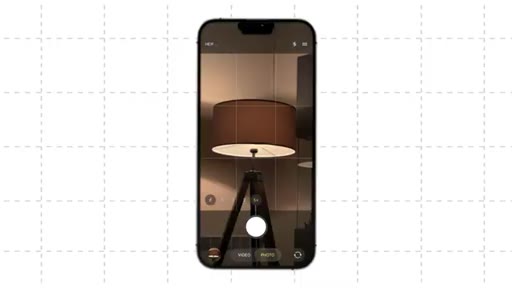
01:20So when you send this to your editor or you try to edit it in your own program, it's gonna wash out all the footage and make it look like so make sure this is turned on. Now you're gonna go to settings, you're gonna go to camera, and you're gonna go to grid, you're gonna toggle on.
01:30This helps you frame yourself and the way that you frame yourself matters. The four crossing points are where your eyes naturally go when you watch a video, so make sure your eyes are on that line. Now when you're first getting started, I would recommend filming with the front facing camera because you can actually see yourself when you're doing your videos.
01:44As you get more advanced, could switch to the back camera because the back camera is actually gonna be higher quality. But recommended, again, when you're looking at yourself and you can get used to how you speak on camera, this is the best recommendation. Even though it's quote unquote lower quality, it's gonna be easier for you to film if you do that.
01:58Now the gear. These are the exact three pieces of gear that matter. Everything else is just noise.
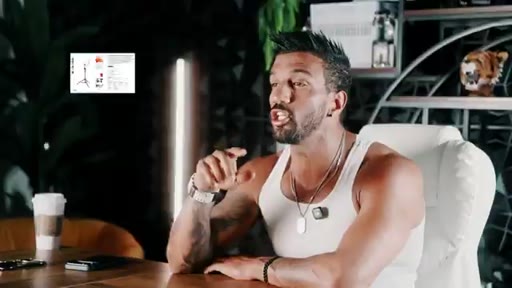
02:02A phone tripod non negotiable, Camera cannot move. If your camera shakes, the viewer's brain reads it as low quality and they're gone in two seconds. So you wanna get a tripod with a Bluetooth remote so you're not running back and forth to hit record.
02:12The best one you can get right now is the YUKO 62 inch phone tripod and it's only $30 and the link is in the description of this video. Piece number two, and this one is optional, is a ring light. I use one every single day.
02:21Mine sits beside my desk right now and I can easily move it wherever I need extra light when I film. The newer 18 inch ring light is the standard. It's about $70.
02:28Also, link below. Now if you don't have a ring light, you don't actually need one. All you need to do is find a window and stand facing it.
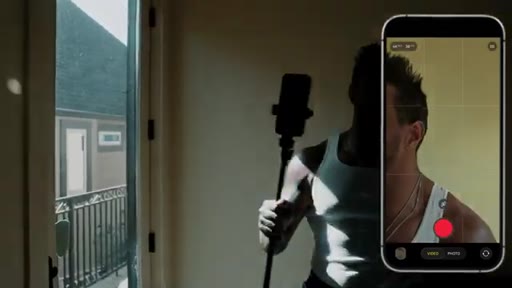
02:34The sun is the best ring light ever made and it costs $0. One rule, never ever ever film with the window behind you because that's what blows out the shot and then your face goes black. And piece number three is a wireless mic.
02:44This one matters more than most people think because bad audio kills retention faster than a bad video. The built in mic on your phone is fine when your face is about six inches from the lens, but the second you step back and film a wider shot or move around the room, the audio falls apart and you sound like an amateur. A wireless lapel clips right onto your shirt, syncs straight to the phone, and instantly sound 10 times more professional.
03:02I use the DGI Mic three. It's the gold standard right now. It's around $330 USD for the kit.
03:07And if that's out of budget, the Holland Lark m two is the best alternative around $200. Both are gonna be linked below. Phone, tripod, mic, ring light or a window, that's your entire setup.
03:16If you've been waiting for better gear, you just ran out of excuses. So number two, framing and angles. How you frame the shot matters more than you think.
03:22Get this wrong and people will scroll before they hear a single word. There are three rules for framing. Let me show you each one.
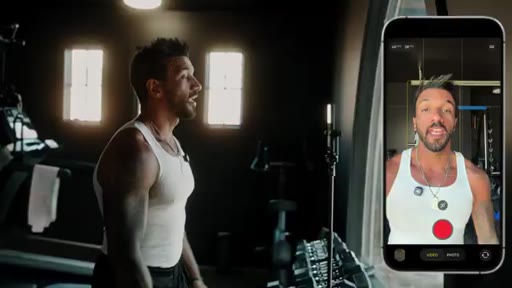
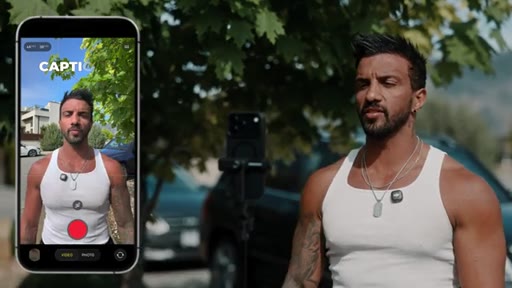
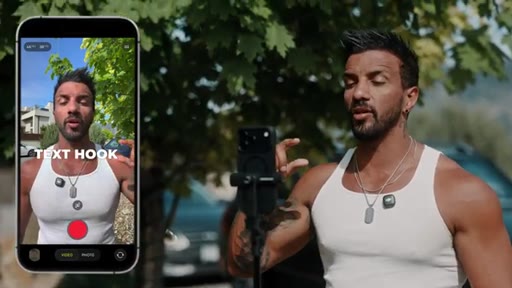
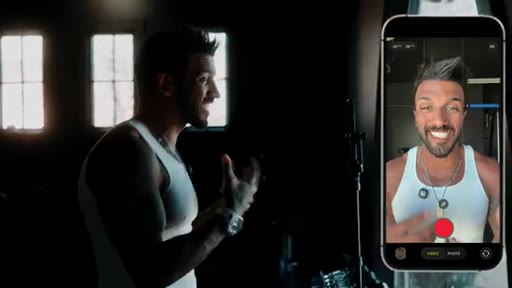
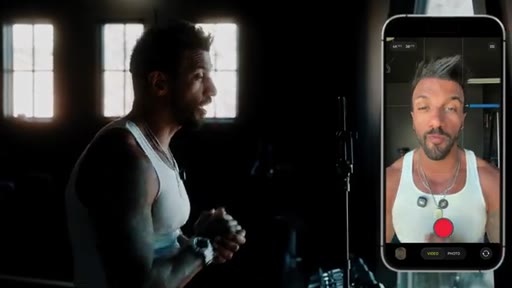
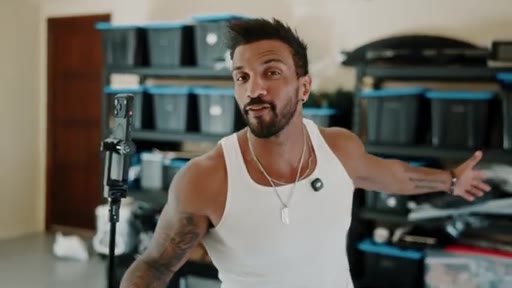
03:28So ideally when you're recording, your eyes are gonna go right here. You notice how my eyes are right at the line? If you wanna add a little bit more space above your head, you can back up a little bit and have your eyes right here because this leaves room for a text hook.
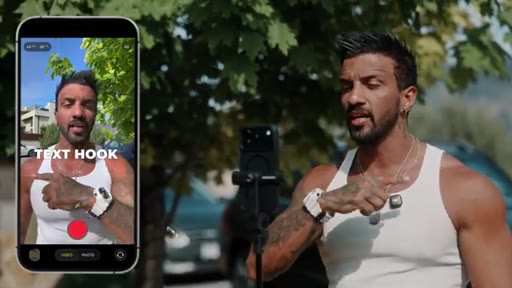
03:38So if you wanna put a text hook up top, this is where you would stand. And if you wanna put a text hook in the middle, this is where you would stand. As a general rule of thumb, you can't put a text hook up here because it's gonna get cut off by the algorithm.
03:49So you can go either right here or right here. This is the positioning.
03:52Now when you're editing your videos, I recommend putting your captions in the middle of the screen. You don't wanna put them at the bottom and you don't wanna put them at the top. You wanna put them so that when somebody's actually watching you speak, that it's it's very easy for them to read the captions, and you always wanna have captions on every single video because 85%
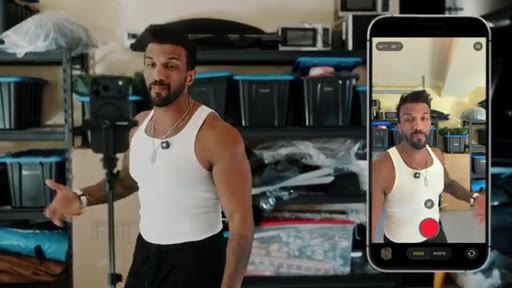
04:06of people watch videos without sound on. So notice if I have my camera down here, it kinda looks weird. Right?
04:10Like, you don't wanna have your phone down here. This is a weird position to film a video in. The ideal scenario when you're recording is that your phone is at eye level, not above.
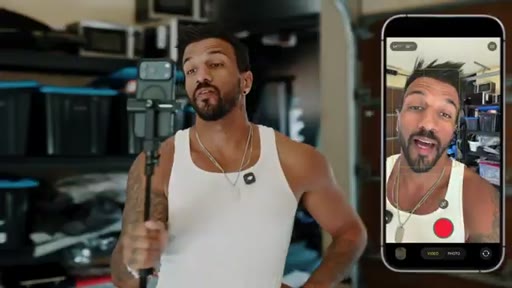
04:17You notice how this is above eye level. This also looks weird. You know?
04:20So what you wanna do is you wanna make sure that your phone is at eye level so when you're communicating to the camera, it looks like you're just speaking directly to somebody. So when I'm doing a yapping video, right, like when I'm just speaking to the camera like this, usually I'll talk and I'll ramble and then I'll pause.
04:34I'll collect my thoughts and then I'll go back to rambling. Right? Um, as a general rule of thumb, if you're just doing a yapping video about one subject matter, you're doing it in the car like usually or like going for a walk, you can just yap the whole time and the scene change doesn't necessarily matter like as long as the the point of the video is very clear and concise.
04:49But if you're doing a scripted video like, you know, uh, three of the worst mistakes that you can make on your fat loss journey, you would say that and then you would like ideally, you would change locations. You could change locations by literally turning your camera around. You could change locations by like moving to the side.
05:03You could also change locations by going for a walk. You could change locations by being in the kitchen. But the ideal scenario is that the video has some sort of engagement every one point five to three seconds.
05:12The only exception to that rule is if you're doing a straight yapping talk to the camera, like I was just going for a walk talking like this. Now if you don't have a ring light and you're just new using natural light, wanna set yourself up in front of a window. Notice how if I move to the side, how lighting is.
05:25Notice how if I move to the back and the light is behind me, how absolutely terrible the lighting is. But if I just position the camera you saw Nick over there.
05:34Hey? Position the camera right in front of the window. Now the lighting is absolutely pristine.
05:38So again, you don't need to have a ring light. That's one of those things that's optional. As long as you have a window in your house, can just set up your camera in front of the window in your house and now you've got banger light.
05:46Just make sure that the ideal scenario is that you're not recording like this and definitely never ever ever record like this. Eyes on the lens, foot of space above your head, the camera at eye level. Cut every one point five to three seconds, never have the light source behind you, and that's the framing playbook.
05:59Number three is location and background. Your background is competing with you for the viewer's attention. The cleaner the background, the more that they pay attention to you.
06:06When we started doing split screen videos and list format videos, we tested it both ways. Crowded background, clean background. Same script, same delivery, same camera.
06:13Every single time, the clean background won by a long shot. The viewer's brain has to decide what to focus on. And if there's too much to focus on behind you, it's just gonna give Now there are three rules for picking a location.
06:23Let me walk you through them. So a good clean background is the ideal scenario. Notice that this is a good clean background.
06:28There's nothing nothing behind me. This is like ideal, especially if you're doing any sort of like list videos or split screens.
06:34Anything noisy in the background is gonna get really crowded and really like it's just very distracting and I'm gonna give you an example. So if I was to do a split screen or a list video with this background, there's no way that anyone would pay any attention to what I'm saying because of all this shit. Right?
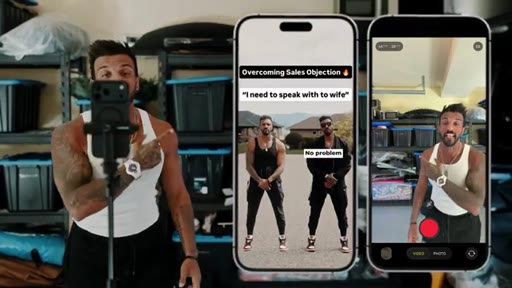
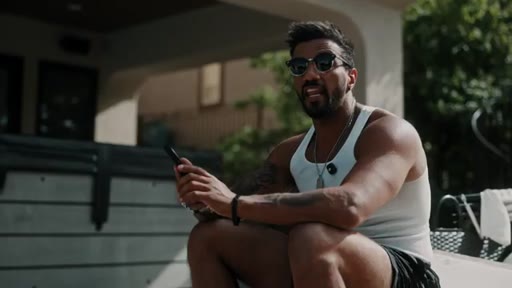
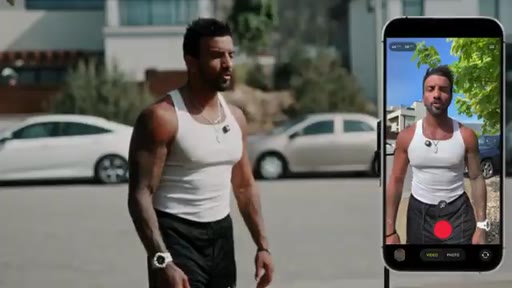
06:47And so you need to find like a plain white wall or a plain background that you can do those videos against so that the viewer is just focused on your message. A lot of my best performing split screen videos, here's one as an example, is filmed with me in the street. It's just a blank sky.
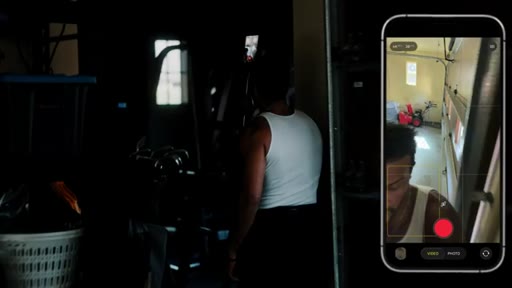
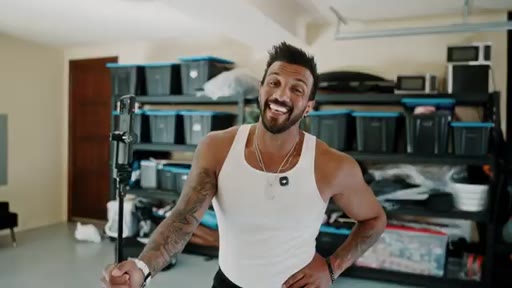
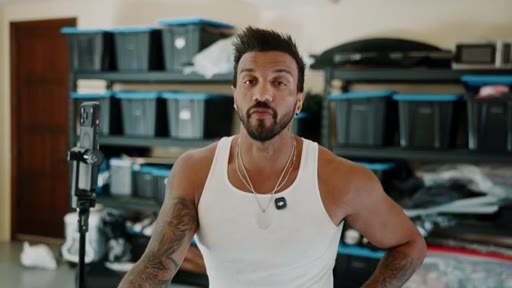
07:00There's a couple houses in the background, but that's it. Plain, easy to focus on me, easy for me to deliver the message. So as you can tell, we're in the garage right now, which is extremely quiet, and it's very important.
07:09I'm just gonna go follow my lighting rules. So notice how this is super blown out though. So here's another really good lesson because this is almost blown out because it's right in the So the ideal scenario is that you have natural light, but you wanna have natural light that doesn't make you blown out.
07:21So like notice I'm just walking around. I'm gonna show you guys the ideal lighting scenario in this garage, and sometimes you have to walk around the house to find the ideal scenario to film in, but this is the ideal scenario.
07:30Like this lighting is perfect where I'm not blown out. Now when it comes to audio, you wanna make sure you're filming in a quiet location because if there's background noise or there's a lot of sounds in your video, people aren't gonna pay attention to your message.
07:41They're just gonna hear the sounds in the video and their mind's gonna get distracted and they're gonna So you need to make sure that you have a quiet location to film it, ideally, like a bedroom, this garage, or somewhere where there's not a lot of noise. Now I know a lot of you are like, oh, but my house is a mess. I don't know where to film.
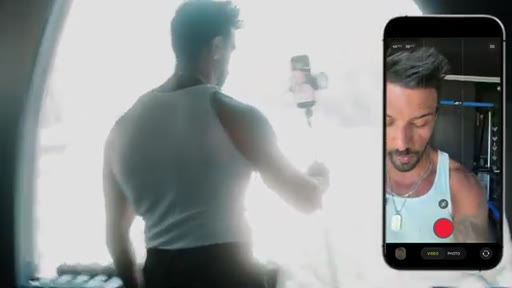
07:52Dude, all you need is a six by six blank space with a clear background like a a plank wall or like a shelf in the background. Like you don't need a lot of space. Or you could go outside or you could go to a gym and just find a nice plain black background.
08:04Like there's always a place that you're gonna be able to create for filming in your house and I would recommend just cleaning up your house, know. Just make it a little bit not nasty, which is why I don't film in my garage because even though it's kinda organized, it was pretty nasty before. But long story short, there's always gonna be a place in your house that you can film.
08:18You just need to be creative. Plain, quiet, intentional. If your background is doing more work than your message, you've already lost.
08:24Look, the gear was never the problem. The setting was never the problem. The location was never the problem.
08:30CTAYou were the problem and now you've got no excuses. This is the exact step by step playbook that you needed to start filming right now. Now if this helped you, make sure you hit that like button and subscribe to this channel so you don't miss the next episode of the We're breaking down editing next, and I'll show you everything that you need to know.
08:43CTAAnd if you want me to send you this exact gear list, settings checklist, and framing cheat sheet I just walked you through, DM me the word film on Instagram at the real Brian Mark, and I'll send it over. And by the way, I just wanna say this as well. If you guys wanna get more long form content from me, make sure you check out some of the other videos on my channels.
08:56CTAI post every single day a raw talking video just speaking to the camera and giving you guys the mindset that you need to succeed as an entrepreneur. Peace.
— full transcript
§ 05 · For Joe

Steal the objection-elimination structure.

Killing Excuses playbook

This entire video is one long excuse-removal machine — Brian names each objection, demolishes it with a free alternative, then closes with a CTA on an audience that has no objections left.

  • List every excuse your audience uses to not start your program. Build a video that kills each one in sequence.
  • The DM keyword CTA is a lead magnet with zero friction — steal the format for any info product or community.
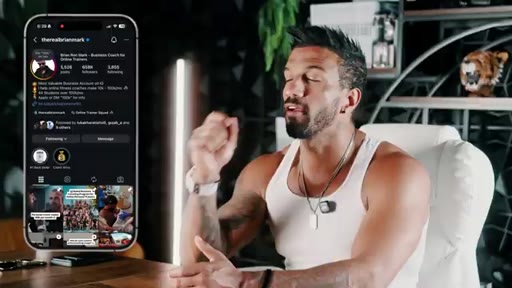
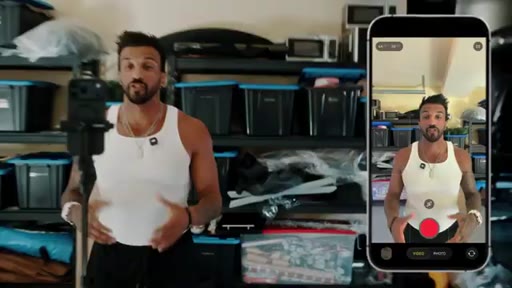
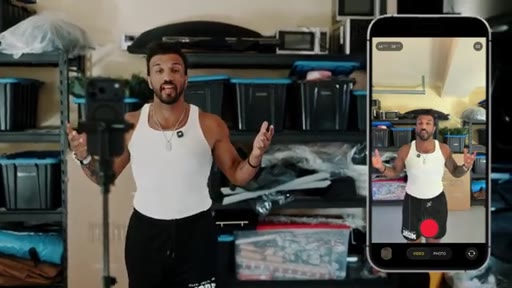
  • The phone-preview inset overlay is a simple but powerful teaching device — show the audience what the camera sees while you explain it.
  • Plain. Quiet. Intentional. — three-word frameworks close better than paragraphs. Find yours.
  • The 90-day urgency frame is reusable for any trend-based content angle.
  • He shoots across 4 locations while teaching location variety — meta credibility building.
§ 05 · For You

What you actually need to start filming.

The gear checklist

You already have the most important piece of equipment in your pocket — the rest is a $30 tripod and a window.

  • Set your iPhone to 4K 30fps, Most Compatible format, and grid on before you ever press record.
  • Position yourself facing a window — the sun beats most ring lights and costs nothing.
  • Keep your phone at eye level so you look directly at your viewer, not up or down at them.
  • Put captions in the middle of the screen — 85% of people watch without sound.
  • Find a 6-by-6-foot blank space anywhere in your home. That is your studio.
  • Bad audio kills faster than bad video — if you are stepping back from the camera, a wireless mic is worth the investment.
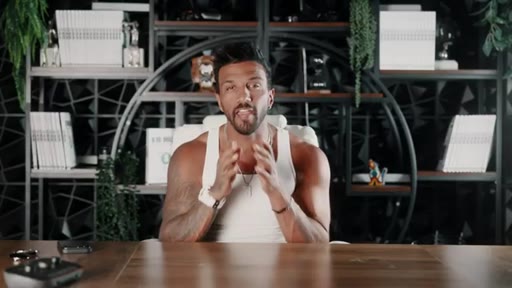
§ 06 · Frame Gallery

Visual moments.