Codie Sanchez · Youtube · 18:30

How To Grow Your Business SO Fast It Feels Illegal

Six levers from an operator who bought dozens of businesses -- none of them are more ads.

Posted
May 3rd 2026
22 days ago
Duration
18:30
Format
Tutorial
educational
Channel
CS
Codie Sanchez
§ 01 · The Hook

The bait, then the rug-pull.

Every business growth framework online teaches the same playbook -- ads, funnels, hooks, PDFs. This one starts by dismantling all of it. The host learned to grow businesses by buying and operating dozens of them across industries, not by building a personal brand -- and that different school produced a different set of six levers.

§ · Chapters

Where the time goes.

00:00 – 00:43

01 · The Contrarian Setup

Dismantles standard guru advice; establishes credentials from buying/operating dozens of businesses; previews six levers.
00:44 – 04:48

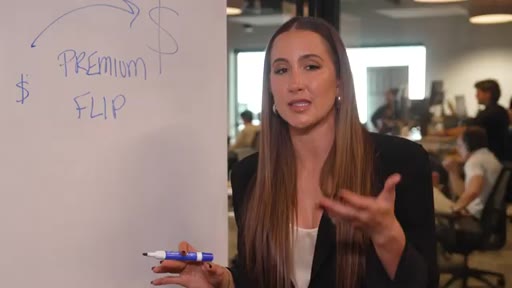
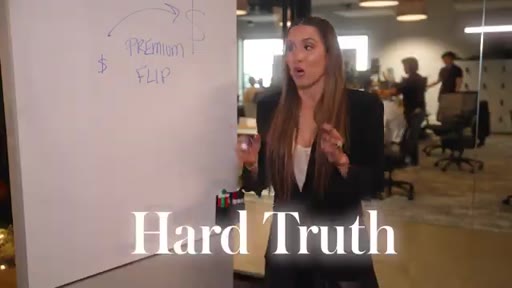
02 · Lever 1: The Premium Flip

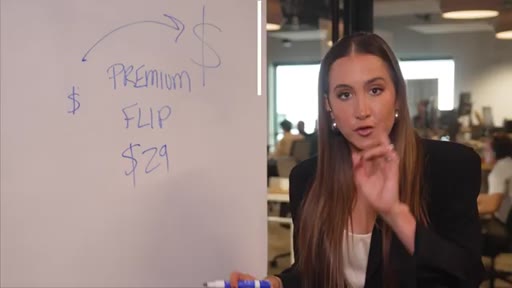
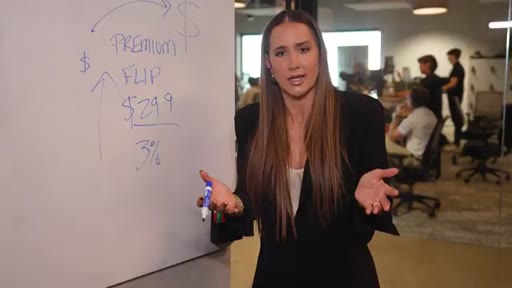
$29 to $299 price test lost 3% of customers; 10-10-30 framework; add subscriptions, tiers, upsells.
04:49 – 07:04

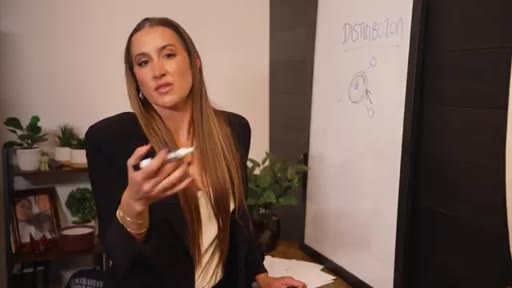
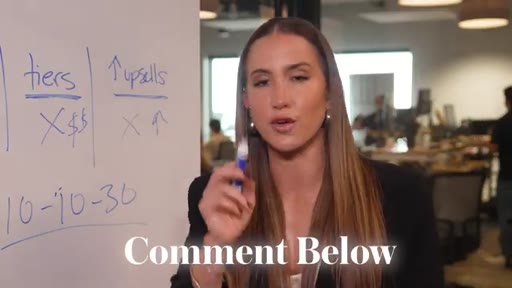
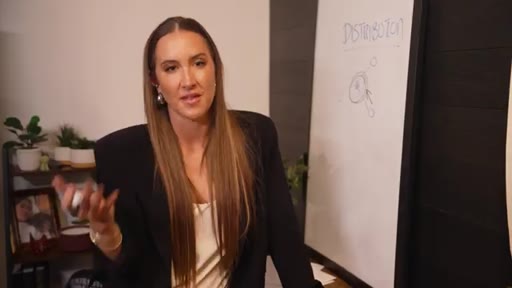
03 · Lever 2: New Distribution Channel

Distribution is not social media; newsletter-to-9-figure-business story; AGRE framework.
07:05 – 09:57

04 · Lever 3: The Invisible Raise

Cost cuts add profit AND multiply valuation multiple; CRR framework; LTV/CAC/AOV prerequisite before ads.
09:58 – 10:48

05 · Sponsor: dot.online

Dot.online domain sponsor block.
10:49 – 14:11

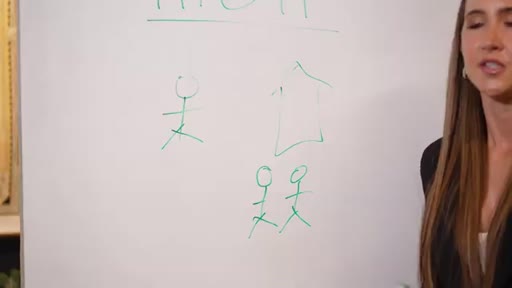
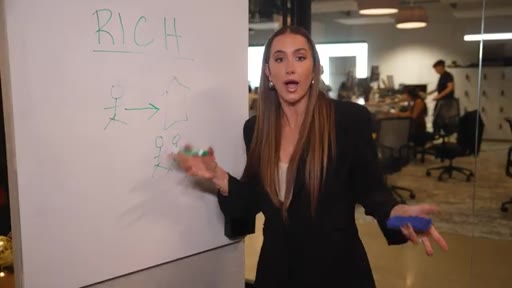
06 · Lever 4: The Rich Buyout

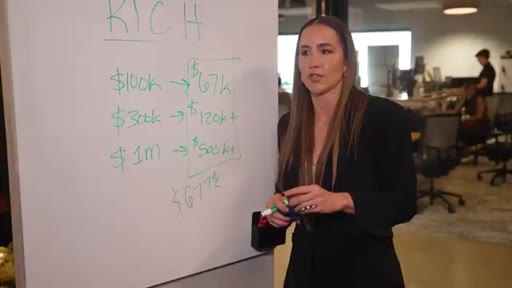
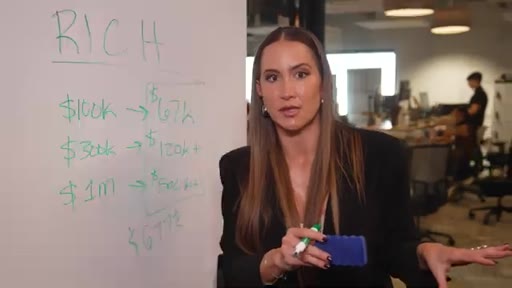
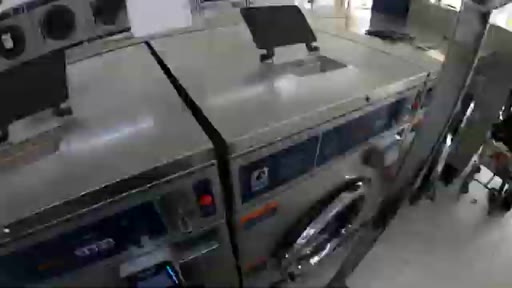
Buying customers in bulk via acquisition; Amazon/Whole Foods parallel; laundromat roll-up case study; RICH framework; 60% seller-financed stat.
14:13 – 15:59

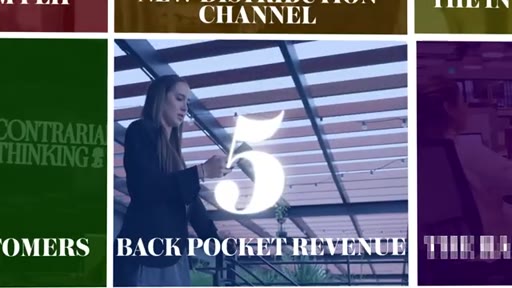
07 · Lever 5: Back Pocket Revenue

Wallet share play; landscaper Jorge story; Wharton 14x stat; find the gap in what your best customer buys from someone else.
16:03 – 18:30

08 · Lever 6: The Rainmaker Rule

Hire talent that brings its own customers; find operator first, then find business; Latin America asset management story; pay slightly below CAC per introduced client.

§ · Storyboard

Visual structure at a glance.

hook
lever 1
lever 2
lever 3
sponsor
lever 4
lever 5
lever 6
CTA
§ · Frameworks

Named ideas worth stealing.

04:25 model

The 10-10-30 Price Test

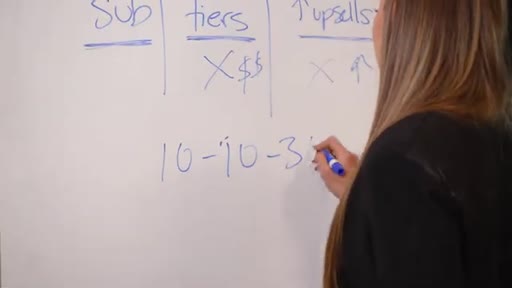
  1. Raise prices 10% on next 10 customers
  2. Then raise 30% on the following 10 customers
  3. Track conversion at each step

A low-risk way to discover your actual price ceiling without committing to a full price increase.

Steal for Any service business or subscription product that has not raised prices in 12+ months
06:23 acronym

AGRE Distribution Framework

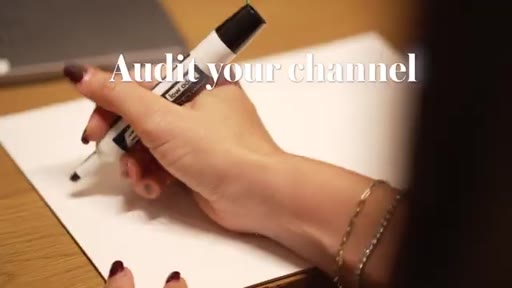
  1. Audit your current channel
  2. Go where adjacent buyers are
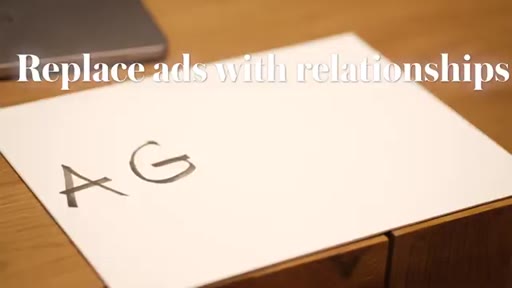
  3. Replace ads with relationships
  4. Execute one agreement this week
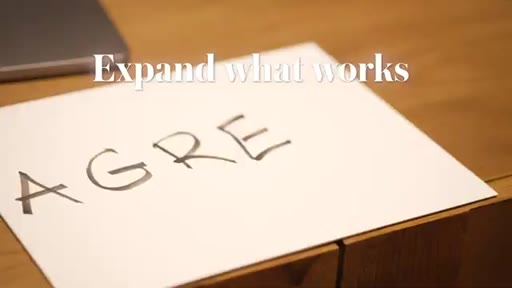
  5. Expand what already works

Five-step process for opening a new distribution channel without spreading thin across five channels at once.

Steal for Any product business that feels like it has maxed out its current buyer pool
08:24 acronym

CRR Cost Audit

  1. Cut
  2. Renegotiate
  3. Replace

Apply to at least three of your top 10 expenses within one week of the audit.

Steal for Any business that scaled fast in the last 2 years and has not reviewed expenses since
13:34 acronym

RICH Acquisition Framework

  1. Right seller -- wants out more than top dollar
  2. Income first -- only buy cash-flowing businesses
  3. Creative financing -- SBA loans, seller financing
  4. Hand off and optimize -- keep customers, improve systems

A four-step filter for evaluating and executing small business acquisitions.

Steal for Any operator with $500K+ revenue and access to SBA credit
§ · Quotables

Lines you could clip.

01:37
"The problem is almost never prices set too high. Its that you dont value yourself enough."
Punchy reversal of the most common pricing fear; no setup needed → TikTok hook
04:07
"Your aim in business is to get some sort of a monopoly. Thats the ability to set your own prices."
Provocative framing that reframes pricing as a power game → IG reel cold open
07:20
"My company was a distribution channel before I even had a product to put in it."
Counterintuitive sequence that makes audience rethink build order → newsletter pull-quote
08:26
"Most of your growth is already in your bank account. Its actually just leaking out."
Visceral money-leak metaphor; no context needed → TikTok hook
17:34
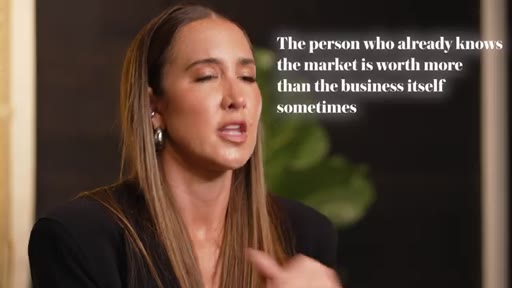
"The person who already knows the market is worth more than the business itself sometimes."
Strong standalone claim that inverts conventional hiring logic → newsletter pull-quote
§ · Pacing

How they spent the runtime.

Hook length43s
Info densityhigh
Filler6%
Sponsor blocks
  • 09:58 – 10:48 · dot.online domains
§ · Resources Mentioned

Things they pointed at.

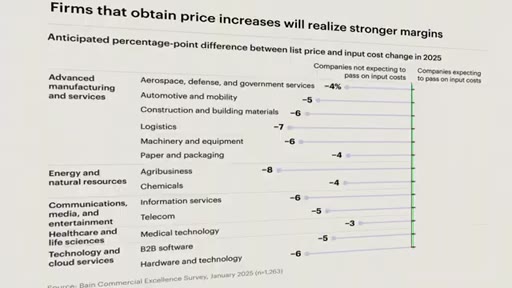
02:17toolBain Commercial Excellence Survey (55% of companies raised prices successfully)
13:40toolMcKinsey bolt-on acquisition research (80-85% success rate)
15:30toolWharton research -- existing vs. new customer selling probability
09:00tool13-week cash flow tracker (free tool in description)
§ · CTA Breakdown

How they asked for the click.

18:10 next-video
"Which lever is yours? Tell me below which one you think is yours. Ill help you."

Comment-bait CTA asking viewers to self-identify their lever -- drives engagement and provides organic audience segmentation data.

§ 04 · The Script

Word for word.

HOOK opening / re-engagementCTA the pitch metaphor analogy story
00:00HOOKEvery guru online is telling you the exact same thing. More ads. Hook harder.
00:04HOOKPost three times a day. Build the funnel. Give away a free PDF.
00:07HOOKSell cheap or sell expensive. Just pick one. I've heard it all.
00:10HOOKAnd I am here to tell you today that almost none of that is how I grew them. The real problem is something else entirely. Everyone teaching business growth learned it from building one business, usually a personal brand, usually info products.
00:21HOOKThose are the people on the Internet. And usually they sell ads. I learned it from buying and operating dozens of businesses across all industries.
00:27HOOKThat's a totally different school. There are six ways to grow a business fast. Most people know one.
00:32HOOKI'm going to give you all six, and I'm going to tell you something that most educators won't. The fastest one has nothing to do with marketing.
00:44Lever one, what I call the premium flip. You're gonna flip from competing on price to competing on value. Hard truth, you have likely been undercharging for years.
00:52I can say that without knowing anything about your business. I mean, I've looked at thousands and thousands of businesses. And as an investor, the problem is almost never prices set too high.
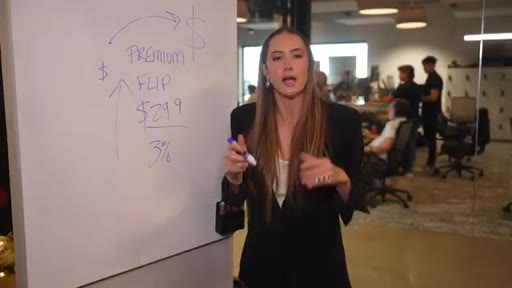
01:01It's that you don't value yourself enough. So I bought an online education business that was selling its content for $29 a month.
01:09The owner hadn't raised prices in three years, convinced himself that the market wouldn't bear it. All of his clients were too cheap. First thing I did was just test that.
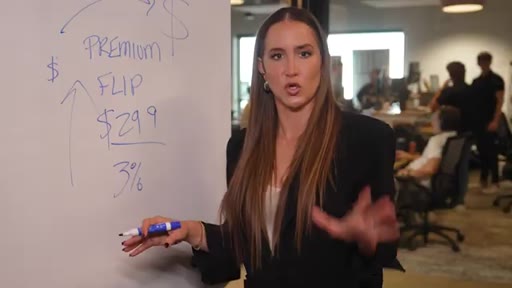
01:16I raised the price, not from 29, but to $299 a month.
01:2110 times what happened. Do you know how many of our customers we lost, you guys? We lost 3%
01:27of our customers. Annual revenue went way up. So the owner had just been leaving money on the table for years,
01:34not because the market wouldn't pay because he never asked. By the way, don't forget, on a million dollar business, 20% increase in prices is $200,000 in new revenue without you having to find a single customer.
01:45You spent three years trying to grow from 800 k to a million. You could have done it in thirty days. What's crazy is there's a bunch of studies like this one that show 55% of companies surveyed by Bain were able to raise list prices and make more money.
01:59What to do? Here's how to know if you can raise prices. Won't I lose more customers if I raise prices, Cody?
02:05I know lots of people ask this. The truth is price sensitive customers are often what? Tell me in the comments.
02:11The worst. They jump ship. The second a cheaper option comes along.
02:15By raising prices, you have to actually filter all those people out. You find your fans. Then they'll say, tell me if this is you thinking in your head.
02:22What if my competitors undercut me? Your prices shouldn't be your selling point. If somebody wants to buy something cheaper, you just go, yeah.
02:28You could buy it cheaper, but cheaper doesn't mean better. When you're the best at what you do, price becomes the least important thing.
02:34So remember, your aim in business is to get some sort of a monopoly. Right?
02:38That's the ability to set your own prices. Okay. What do I mean by this?
02:42I mean, what you're looking for in your business is the ability for you to create unique value. Here's how you can tell. Are you selling out?
02:51You can't keep inventory on shelves. When you're drowning in orders, it's a clear signal the market wants to pay you more for your offer. So raise your prices.
02:58Second, if you haven't raised your prices in one year or more, then it's about time to raise your prices. Two to 5% annual bump at least. Your costs have certainly increased, so you're gonna lose money by not increasing your prices.
03:11The third is what are your competitors doing? Are they charging more than you? More often than not, they are.
03:18So price can be an indicator of value. Don't let low prices actually paint a wrong picture that you're cheap because you should be. I mean, think about it for a second.
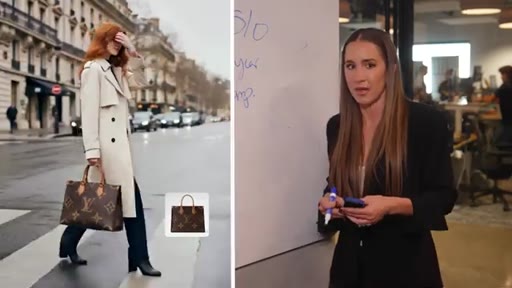
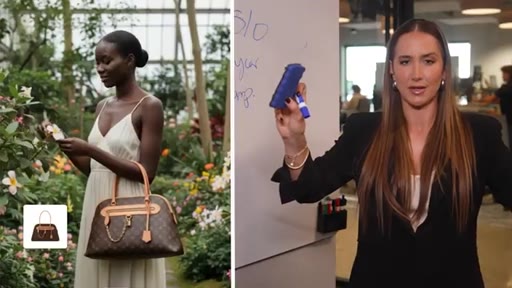
03:27Like, imagine that super fancy Louis Vuitton bag. What if it cost $30? High end brands are not scared about their prices because it filters out penny pictures and signals value.
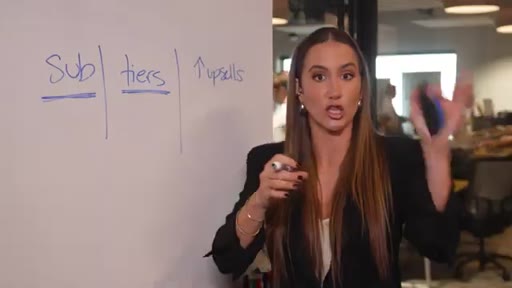
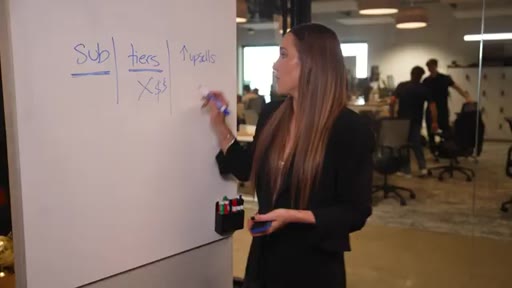
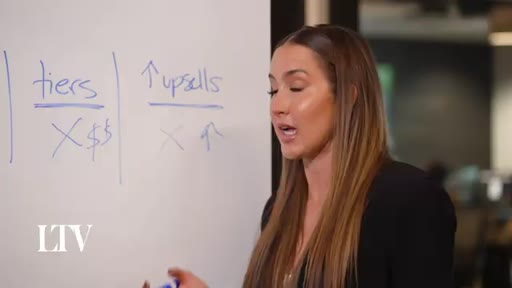
03:36Let me tell you right now how to double the amount of revenue you have in your business if you don't have these. Number one, do you just sell things one time, or do you have a subscription? If you don't have a subscription, add it.
03:46Number two, do you have pricing tiers? Low, medium, high. Most people choose the medium, so make sure that that is actually the price that you want.
03:53And add some money options that feel uncomfortable to you because there just might be people willing to pay them. Finally, upsells.
04:00If they buy your medium tier, what else do they have? That if they can do a little add on like throwing gum at the grocery store at the counter when you get there, that will increase what's called your LTV, your lifetime value, or also your average order value, your AOV. If you don't have these three things, you need to do this right now.
04:17Also, if you're cheaper than most of the market, you're underpriced. So raise your prices 10 to 30% on your next 10 customers. Track the conversion.
04:25We call this 10 to 10 to 30, which means check your text next 10 customers, first raise by 10%, then give the next 10 customers a 30% increase.
04:37Check what happens here. Who does this work for? Any business
04:40that hasn't raised their prices lately. That's you. Comment below if this is you or if you have questions on your pricing.
04:45I'll tell you directly how I would do it for you. Lever two, open a new distribution channel. So you're likely selling through one channel right now.
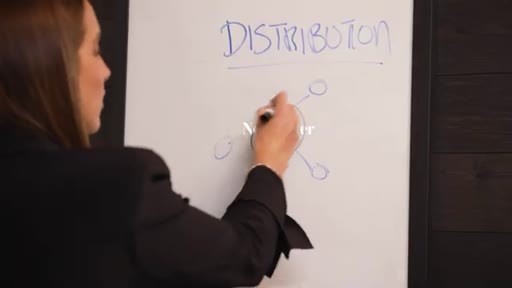
04:54I think about that like being your core, but we've gotta start adding new distribution nodes to your core. This means adding retail to wholesale, local to national, maybe you get a licensing deal, b to c instead of just b to b, direct sales
05:10partnerships, a physical location, and then adding some online sales. Most people confuse distribution with social media only, but distribution is actually a repeatable system to put your product in front of a new type of buyer. So if you're a cleaning company that partners with every property management firm in the city, a supplement brand that gets into three regional gym chains, or a bookkeeper who starts offering services through a business broker network, it actually all starts to be new distribution channels.
05:37No contrarian thinking, my company was a distribution channel before I even had a product to put in it. I had a newsletter. Every business needs a way to reach people who already trust it.
05:46I wanted to own mine outright. The newsletter became the core, the spine of everything else. By a 102,000 subscribers,
05:54I launched a paid tier, then courses, then a community, then a book, then an acquisition fund. Every revenue stream traces back to that first list. Contrary and think it is now the distribution center of a 9 figure business, but it's because I started with one audience, and then I opened that every single week.
06:10Own the channel, everything else flows from it. Here's the framework. I call it agree.
06:16Audit your current channel. Where are all of your customers coming from right now? Maybe it's Facebook.
06:20Maybe it's your Instagram. Maybe it's YouTube. G, go where your buyers that are kind of adjacent to your current buyers are right now.
06:28Where else do they buy from? Are they on x? Are they on Facebook?
06:34R, replace ads with relationships. So partnerships, referrals, wholesale.
06:39E, execute one agreement. Do this in one week. You don't add five channels.
06:44You add one. And then e, expand what already works. Once a new channel produces customers consistently,
06:49double down. Who does this work for? Any business with a product, but you feel like you've maxed out your current buyer pool.
06:56That is who this works for, and I think it's probably you. There's hidden money for you right now. It's just standing right alongside your current distribution channel.
07:05Lever three is the invisible raise. So this is how you cut 200 k and money you were spending for no reason and thus make a ton more money. I think too many people ignore the fact that when you cut from your business, you don't just make that money.
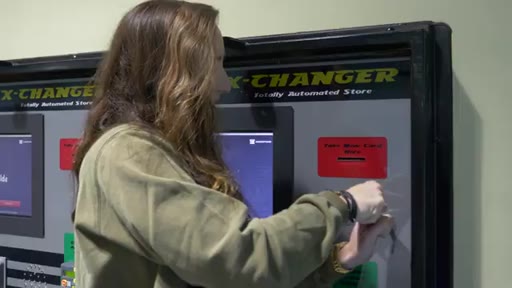
07:18You have what's called the multiple. Like, the profit hits your account the same way, but also your business is worth more later because it's more profitable. So back in the day when I first bought my very first business, it was tiny, like a $100,000 transaction, and it made $67,000
07:33a year. It was a tiny little laundromat. And what's crazy is even in that business, there was a ton of extra expense in there.
07:39And so I was like, wait a second. Why do we have to have an operator there all the time when I could put these machines in as a one time cost and they could just run it absentee with nobody else there? I don't have to keep paying a salary.
07:50Well, we needed security on-site because things would happen at night. Well, what if I just put up lights and I have a camera system on it? Then I don't need security every day.
08:00So, like, every day your business grows, you have more bloat, more expenses that don't actually matter. Cost will kill your business. We need to kill them for you.
08:09Here's my little secrets for what you should do next. You're gonna walk through the last three months of all the things you've spent money on. You're gonna circle your top 10 costs and put a star next to anything that doesn't directly make you money.
08:22Now you cut, renegotiate, or replace, CRR,
08:26at least three of them in the next week. Yeah. Week.
08:30Otherwise, you'll just put it off by always focusing on trying to find more revenue. So goal here is if it doesn't make you money, it needs to justify its existence. It's like that boyfriend that you know you probably should have broken up with already.
08:41If it's not there to help you, it's gone. Most of your growth is already in your bank account. It's actually just leaking out, so you gotta plug the holes first.
08:49Who does this work for? Any business that scaled fast in the last two years and hasn't looked at its cost since. And if you wanna do this fast, I've got you.
08:57Let me give you a little free tool. It's called a thirteen week cash flow tracker. And if you go on the link in my description, it's my gift to you free, and it's a really easy way to see where you're spending money.
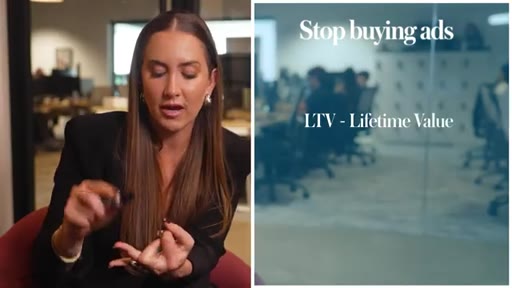
09:07Half of growing a business is just stopping the dumb stuff, but there's two things that I really want you to do. One, I want you to stop spending all this money on ads when you don't actually know if it's making your your business profitable or not. If you don't know these three words, if you don't know what every customer's LTV is, what everybody's client acquisition cost is, what everybody's AOV, average order value is,
09:26then you need to take a minute and write those down and not spend a dollar more on ads until you figure those three out. Because the truth is you're only credible on saying ads are going to make you more money if you actually know how much it costs you and what the ROI, the return on investment is for every dollar you spend.
09:42CTAAnd while we're talking about credibility, the only other thing that I want you to really ponder, what pricing is all about is signaling that you're worth what you charge. And I wanna talk about one of the places most business owners give it away before the conversation even starts, your domain name. Most default to .com, but .com is oversaturated.
09:58CTALike, clean professional names are gone. So smart operators are settling for more clunky hyphenated alternatives. When a potential customer lands on try business name 123.com,
10:08CTAyou've already lost them. But something like cody.online, clean, professional, immediately credible, easy to read, easy to remember, and it looks like the domain of a legit business.
10:16CTASo whether you're a service provider, consultant, restaurant, or ecommerce seller, over 3,500,000 businesses worldwide already use it. And because the word online shows up in over 500,000,000 monthly searches, it gives your site a real SEO edge.
10:28CTAYou can get a dot online domain at all major website builders and domain providers like GoDaddy, Namecheap, Squarespace, Lovable, and the likes. But if you want a special deal in the first year, go to the link on my screen or get in the description below and get a dot online domain for your business website at just 99¢ today.
10:43CTAI got you. Then you can run ads.
10:49Level four, the rich buyout. Here's how you buy customers. So the fastest way to grow your business isn't by buying one customer at a time aka Facebook ads.
10:58It's by buying another business that has inside of it a ton of customers. So you are buying customers many at a time. This could be a competitor who's retiring, a complimentary business whose customers would buy from you tomorrow.
11:11Maybe you've got a really struggling operator who has customer but bad systems. The difference going from one to many is ten years on average. But I can almost guarantee
11:23that this doesn't even feature your to do list for growing your business. Why? Because everybody online,
11:29they've told you to just get more leads. Go and spend more. Do cooler ads.
11:33Go to Facebook. Give all your money to Zuckerberg. I'll tell you to buy the company that actually has all the customers instead of having to go find them one on one.
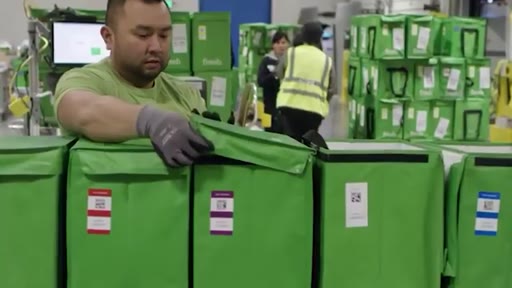
11:41On one end of the scale, you have Amazon who has 200,000,000 prime members, and they cracked books, electronics, cloud computing, streaming. But one category kept beating them. Which one?
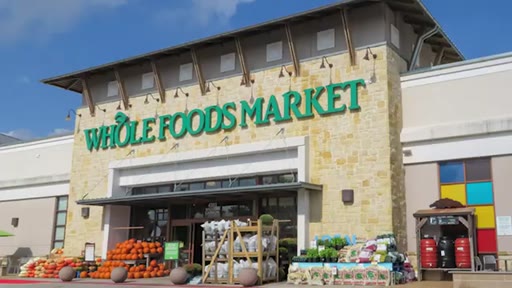
11:51Do you guys remember? Well, it was the category of groceries at Whole Foods.
11:55So instead of spending a decade trying to get individual people to shop with them, they wrote a check and they used a lot of their stock to do it. Now that was a big check for them. It's not gonna be that big for us.
12:06That was 13,700,000,000. But what did they get for it? They didn't get one store even.
12:10They got 460 stores. Millions of affluent,
12:16rich, health conscious shoppers who locked in weekly to buy from Amazon. So Amazon basically bought their way into the grocery business. They use smart financing to do it, not dissimilar to seller financing,
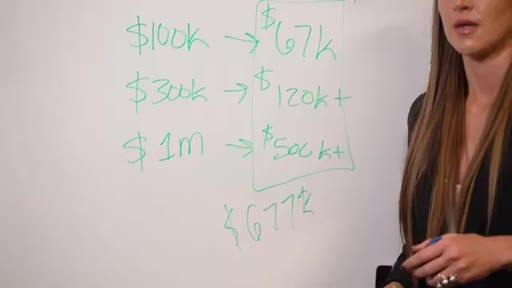
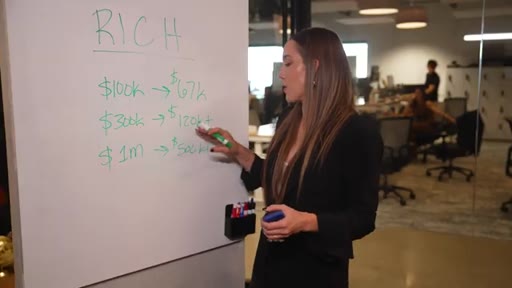
12:27and then they got tons of revenue and profit on day one. On the more normal people end of the scale for you and I, I did the same thing at the Main Street level. Remember that laundromat I bought for 100 k?
12:37It made me 67 k a year when I had to shove the door open with my shoulder, get into the building. Well, I actually didn't stop there.
12:46I bought two more. But another one for 300 k, I use seller financing to do it. That one made me like 120 ish k a year.
12:52Then I bought one, uh, for a million. I rolled all three into a single entity and sold it for millions of dollars.
13:00Why? Because when you added this up, you know, we're talking about, you know, $677,000
13:08that I got from that one business. And then I bought the adjacent businesses that were already cash flowing there. And then I thought about buying the real estate, and I combined them all.
13:17This is the move. So usually, I talk about buying businesses straight up, but McKinsey actually found bolt on acquisitions where you buy within your existing industry.
13:26They have an 80 to 85% success rate, which is crazy. So before you say you can't afford to buy it, remember, 60% of small businesses,
13:34they sell with some version of seller financing, which means it doesn't have to be your money. You often don't need the full purchase price up front. Here's how I do it.
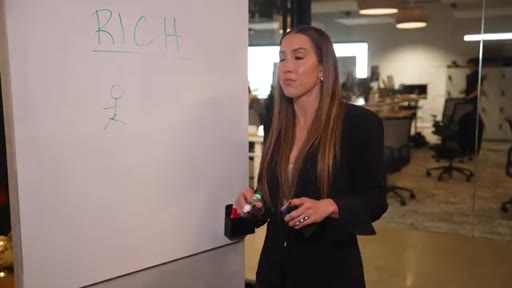
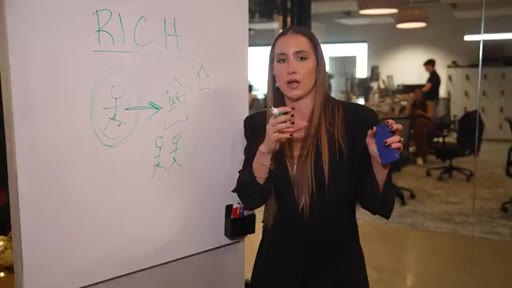
13:43I call it rich. R, find the right seller. Find someone who wants out more than they want top dollar.
13:48I, income first. Only buy businesses with cash flow. No negative cash flow.
13:53C, creative financing. SBA loans, seller financing. You don't need all the money.
13:57You need the deal structured right. And then h, hand off and optimize. Keep the customers, but make the systems better.
14:03Then you grow from there. Who does this work for? Any operator with 500 k in revenue and access to SBA credit.
14:09That is probably you. Lever five, the back pocket revenue. It was already there.
14:16You just weren't reaching for it. What do you think is the easier sell? Uh, someone who's never heard of you or somebody who just paid you.
14:22It sounds obvious, uh, but almost gets it wrong. I think one of the most underrated business truths is it's way more profitable to send your current customer new things than to find new customers. I think about this like a wallet share play.
14:35You're taking an existing share of the wallet, not finding new ones. So this is like the landscaper who adds snow removal, the bookkeeper who adds payroll, the gym that adds nutrition coaching. None of those businesses needs a single new customer to grow revenue.
14:49They need to look at where their existing customers already are. You can literally turn one income stream into eight. I see this all the time.
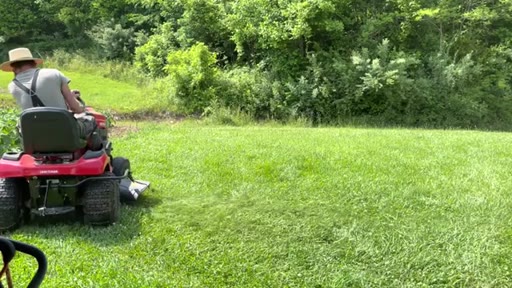
14:55I have a landscaper named Jorge, and he's cut my grass for years. Good at his job, shows up, gets it done.
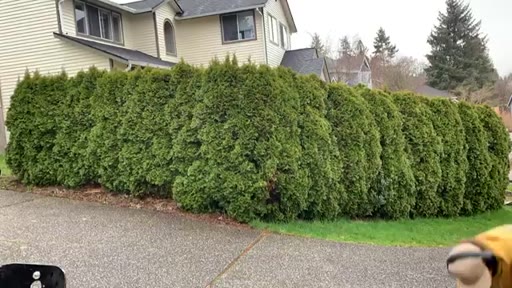
15:01I swear, in all of those years, he has never once mentioned tree trimming. I don't know. Seasonal cleanup.
15:07Do something with the hedges. Every year, I start the conversation. I'm like, Jorge.
15:12Hey. Are we trimming my trees this year? And he's like, yeah.
15:14Sure. No problem. And then the following year, the same thing.
15:17That is a thousand dollars a year per customer that you were leaving on the table every single year. I think he thinks he's running landscape business, but he actually runs a relationships business that happens to cut grass and do things with landscaping. So it doesn't surprise me then when Wharton School Research found the probability of selling to an existing customer is up to 14 times higher than a new one, and it costs up to 25 times more to find the new quest customer in the first place.
15:43So the marketing industry will tell you get more leads because that's what keeps ad budgets alive. The operator playbook says, keep what you've already built. So here's your test.
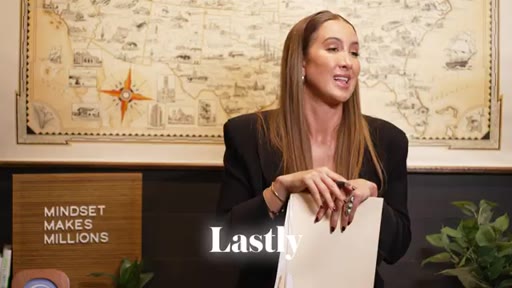
15:52What is your best customer buying from someone else right now that you could be offering? That gap is your next revenue line. Lastly,
15:59the lever that requires the least effort but the most nerdy. Lever six is one of my favorites, the rainmaker rule. This is so underrated,
16:08nobody does it. I want you to buy talent that comes with customers. I've never seen anyone teach this.
16:13Forget just hiring a players. Can you bring somebody in who brings their book of business with them? Like a financial adviser who brings
16:20managed assets, a salesperson who brings existing client relationships, the operator who knows every name in the market, maybe the technician with 200 loyal clients who will follow them anywhere.
16:31That last person is worth more than your entire LinkedIn recruiter subscription. Like, cancel that too while we're cutting costs. I call this the rainmaker rule because you hire customers that are attached to talent.
16:42Most people find a business first, then go find someone to work in it. I did it that way too for a while. But now, if I meet the right person, do it completely backwards.
16:50Find the operator first, then find the business for them to run. I'll meet someone at a conference or through a deal, and someone maybe has been in a specific industry for twenty years, but they know all these customers by name, well, great. Instead of asking what business are you trying to sell me, I ask what business should we buy for you to run?
17:08I learned this the hard way when I was building a big asset management business in Latin America. I was starting from zero. Building from scratch in markets, I didn't even know.
17:15The hires that actually moved the needle weren't the best resumes. They weren't even the sharpest credentials. They were the people who showed up with relationships,
17:22customers attached to them, and I've brought that into so many businesses. So often ask yourself, can you go bring somebody into what you're already doing and then see if they bring you clients and pay them for every client they bring you over? You don't even have to pay them more upfront.
17:37The person who already knows the market is worth more than the business itself sometimes. One hire and you're paying for a customer list attached to a human being. When you find someone like this, you go direct.
17:48The one to one ratio is how you figure out how much to pay them. You go and see how much you get charged for bringing on one client with ads like in Facebook. You give them slightly less than that amount for each client they bring on board.
18:02CTAThis works for any business, service businesses, professional services, home services. So here's the question, which lever is yours? You can start out and maybe you need levers two and three.
18:13CTAYou nail your pricing before you scale. Maybe if you're already there, you need to raise your prices. Maybe you need to sell more to existing customers.
18:20CTAAll I know for sure is somewhere in your business right now, there is one lever that will take you to a whole new comma. Tell me below which one you think is yours. I'll help you.
— full transcript
§ 05 · For Joe

Six levers most operators never pull.

WHAT TO LEARN

The fastest growth in most businesses does not require a single new customer -- it requires finding the money already sitting in pricing, distribution, costs, acquisitions, existing relationships, and the right hires.

  • Raising prices by 20% on a $1M business produces $200K in new revenue without acquiring a single new customer -- test this with 10 customers before committing.
  • Price-sensitive customers are the first to leave when a cheaper option appears; filtering them out through higher prices often improves the quality of your customer base.
  • Distribution is not the same as social media -- it is any repeatable system that puts your product in front of a new type of buyer, including wholesale, partnerships, and licensing.
  • Cutting costs has a compounding effect: it adds profit immediately and increases your business valuation multiple when you eventually sell.
  • Know your LTV, CAC, and AOV before spending on ads -- without these three numbers, you cannot tell whether advertising is generating profit or consuming it.
  • Buying a competitor or complementary business transfers an entire customer base at once, which is structurally faster than building a customer base one ad click at a time.
  • Sixty percent of small businesses sell with seller financing, meaning acquisition is accessible to operators who could not otherwise write a full check.
  • Existing customers are up to 14 times more likely to buy from you again than a prospect -- map every adjacent need they currently fulfill elsewhere.
  • Hiring someone who arrives with their own client relationships means paying for a customer list attached to a human being, not just for a skill set.
§ 06 · Frame Gallery

Visual moments.