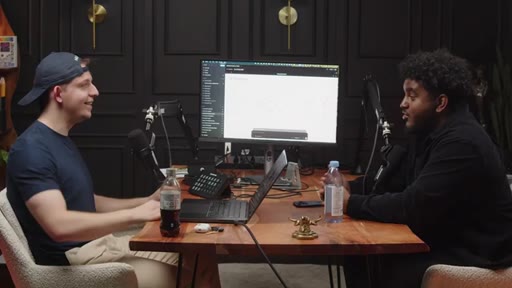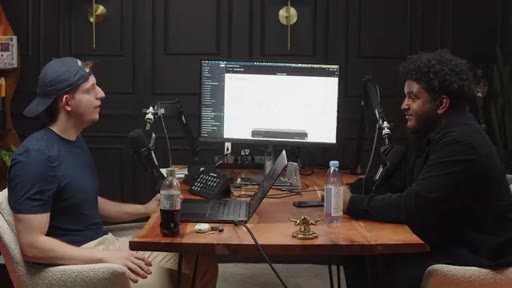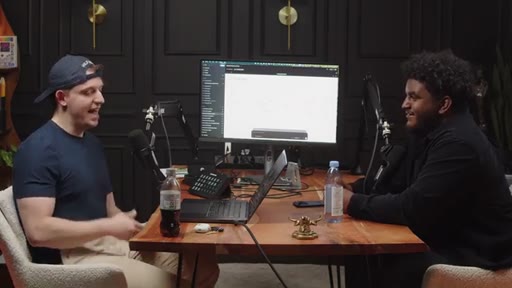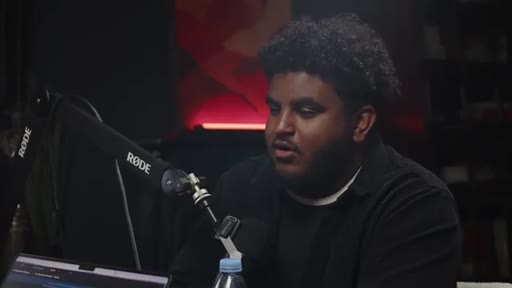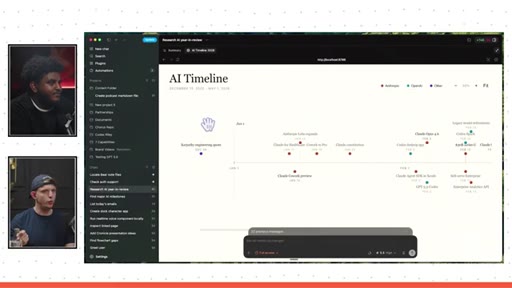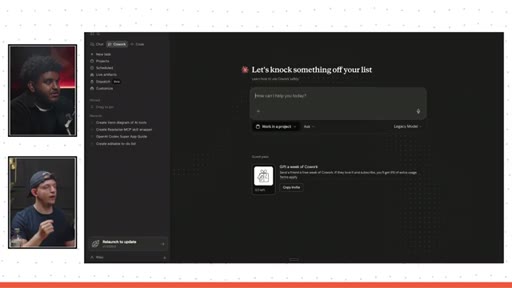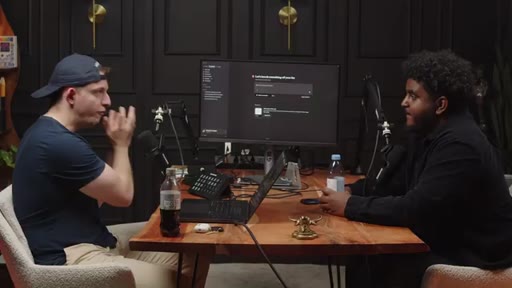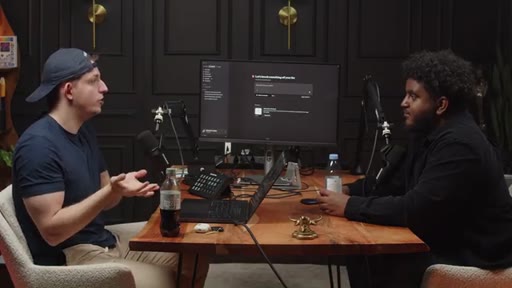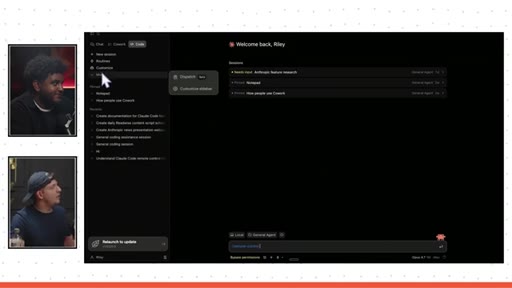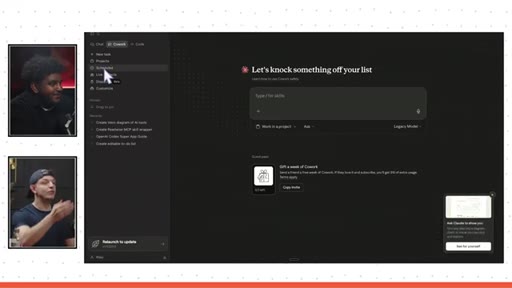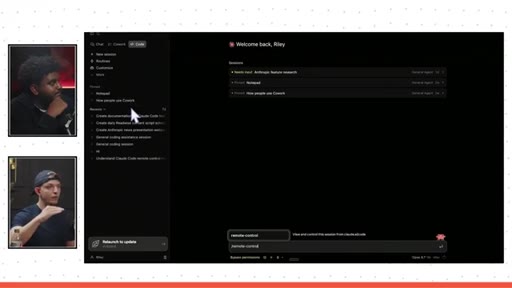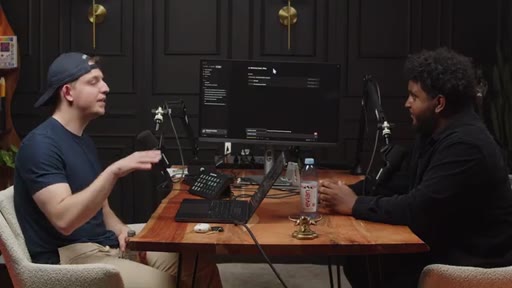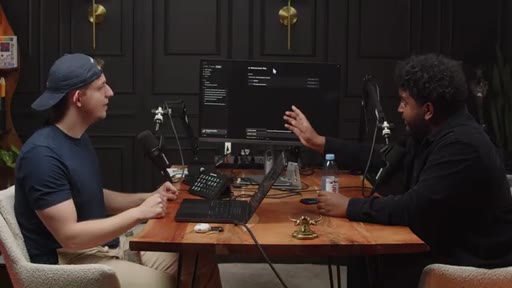
The bait, then the rug-pull.
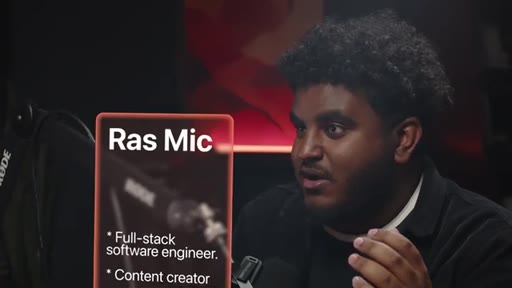
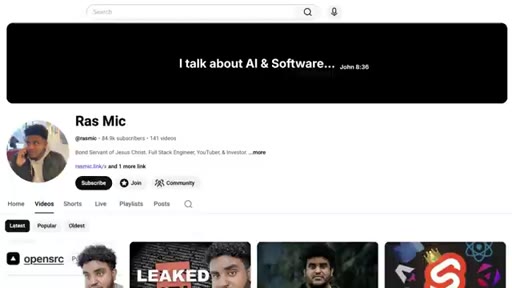
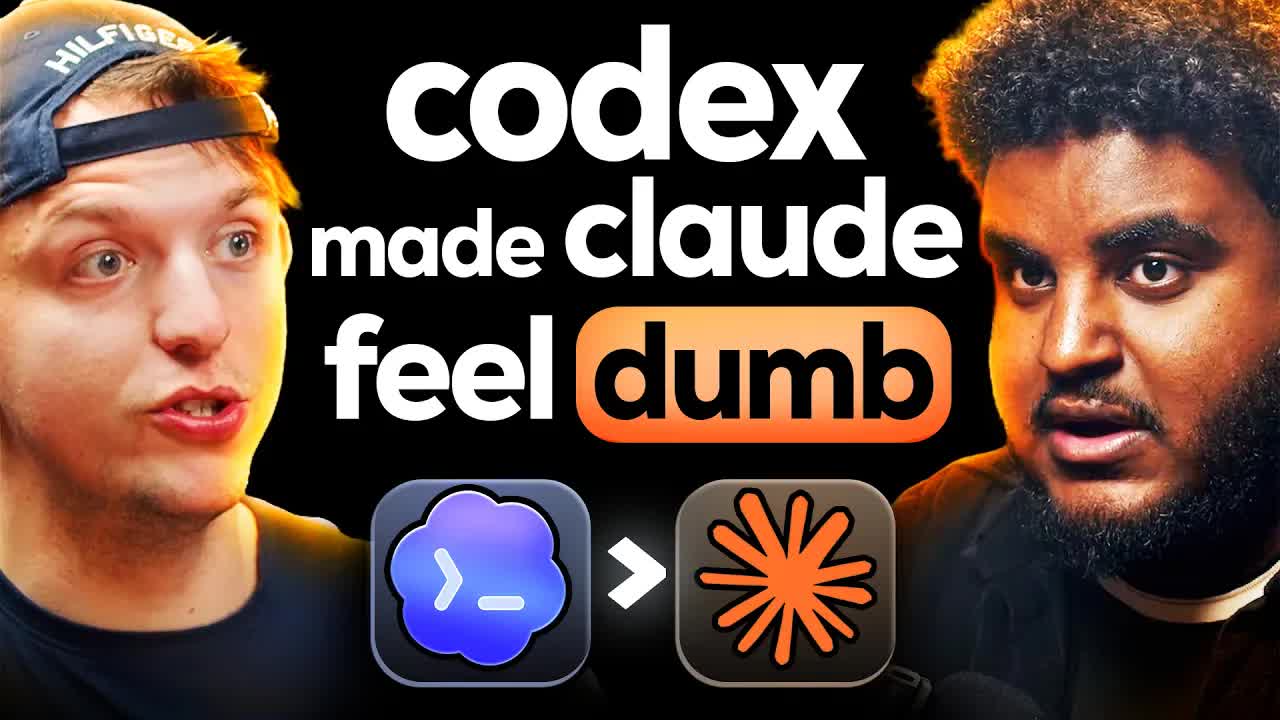
Riley Brown opens cold on a solo shot with one number on screen — 2026 — and a thesis: the agent wars have spun out so fast that nobody, not even people in the bubble, can keep up. He pulls in Ras Mic for an 80-minute audit of who's actually winning the super-app race, why Anthropic's lead is slipping, and what knowledge workers should brace for next.
Who's talking.
Where the time goes.
01 · Cold open + thesis
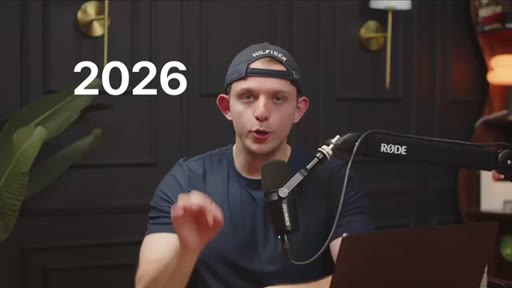
Riley solo-frames the four-month AI-agent firehose: OpenClaw's Mac-mini shortage, Anthropic's 50+ feature blitz, OpenAI's Codex surge, SpaceX semi-acquiring Cursor. Names today's guest Ras Mic and previews the full tour.
02 · Q1 shipping frenzy
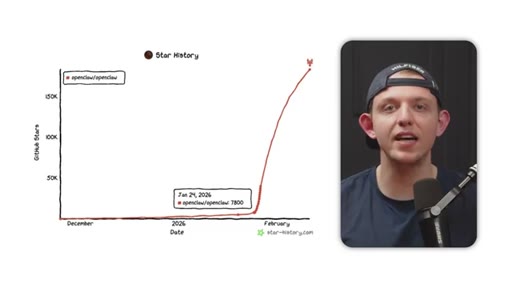
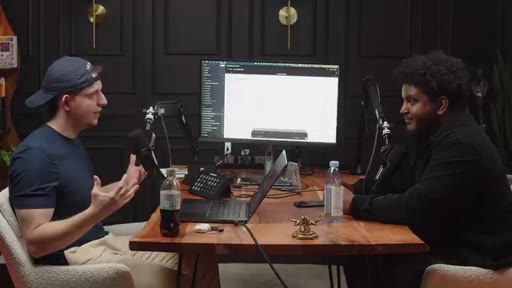
They name Q1 'Anthropic's quarter' — January through March of nonstop feature drops. Cowork, OpenClaw craze, sold-out Mac minis, two-to-three-month wait lists. Ras Mic flags that Opus 4.5 was the real inflection point.

03 · Opus 4.5 inflection + Anthropic going too broad
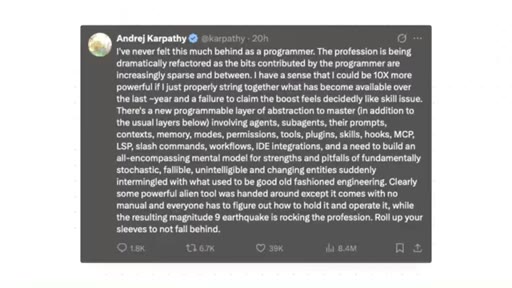
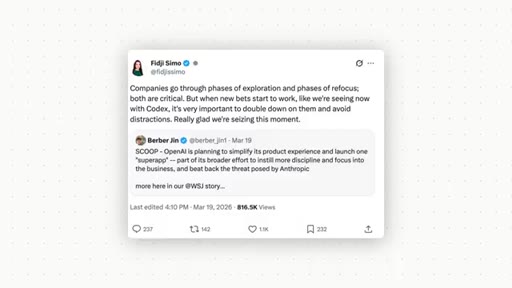
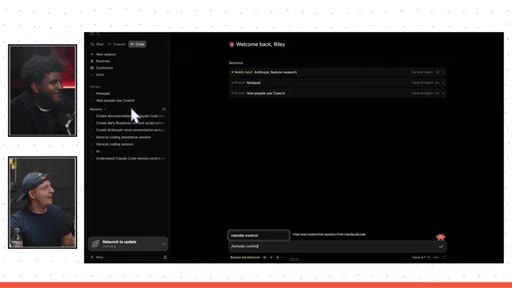
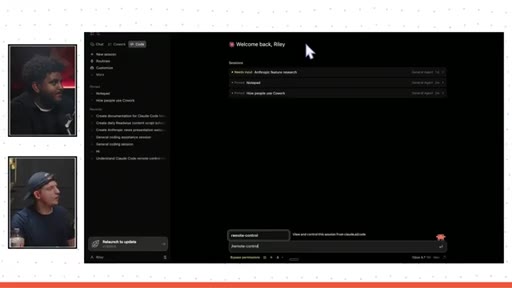
Andrej Karpathy's 'never felt this much behind as a programmer' tweet converted the skeptics. But Anthropic then sprawled — Claude Code vs Cowork vs Schedule vs Routine vs Dispatch vs Remote Control — five names for the same primitive. Riley argues OpenAI got focused exactly when Anthropic lost focus.
04 · Codex vs Claude UX war
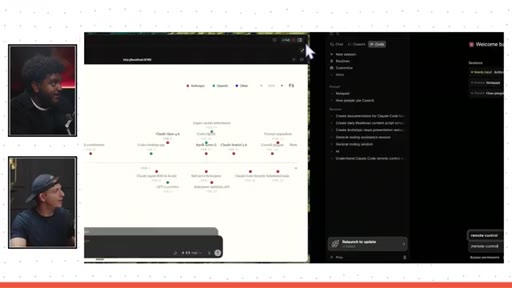
Codex is winning the bubble. Free usage, raised limits, smoother in-app browser, design mode, terminal-to-GUI continuity. Claude bans heavy users; Codex courts them. 'A great coding model is a great general-purpose knowledge model' — so whoever wraps the best GUI around it wins.

05 · Cursor's bet
Cursor was the innovator — Composer, the agents tab, in-app browser, sandbox preview videos — but their $200 Ultra plan can't compete with subsidized Codex/Claude compute. They are not a model provider. Hence the SpaceX deal.
06 · SpaceX–Cursor acquisition deal
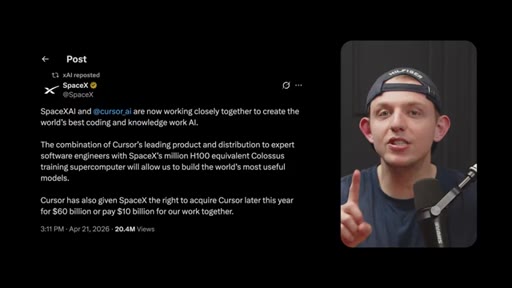
$10B now, $60B opt-in acquisition. xAI has the H100s and Colossus in-house; Cursor has the GUI and distribution. The bet: xAI focuses purely on the model, Cursor becomes its consumer surface.
07 · OpenClaw and the agentic personal computer
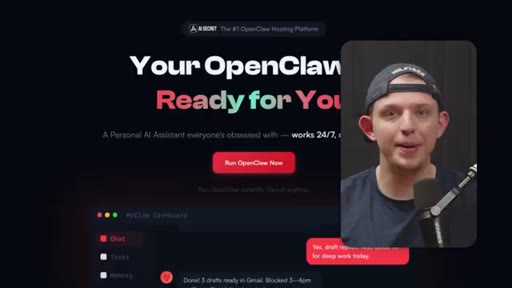
Ras Mic walks through his sponsor-vetting workflow on OpenClaw: every inbound email gets researched (scam check, company profile, funding) and the agent only escalates the vetted ones. He frames the 15-minute heartbeat as the real unlock — agents that ping themselves get something close to surprise agency.
08 · Reactive vs proactive work
Riley splits the world in two: 'super app' tools you talk to (Codex, Claude, Cursor — reactive) and OpenClaw-style agents that talk to you (proactive). He says he no longer opens ChatGPT or Claude directly — he iMessages his OpenClaw.
09 · Keep agents narrow
The dominant failure mode is giving one agent 40 skills and 20 connectors. Treat agents like new hires — would you give a new employee 40 jobs on day one? Use one orchestrator agent that delegates to narrow sub-agents.
10 · Memory layer matters
Markdown won. OpenClaw's native memory is just .md files (agents.md, user.md, memory.md). Ras Mic uses Super Memory as a portable graph so memory survives nuking his instance. Obsidian's bet on plain markdown is paying off.
11 · Computer use gets fast
Opus 4.7's image resolution bumped to roughly Mac-screen dimensions specifically for computer use. Browser-use harnesses are appearing; Vercept got scooped by Meta then ended up at Anthropic. The takeaway: 'enjoy this brief period where you can still watch the browser move.'
12 · Who wins the super app
Manus was first; Cursor was first on the agents tab. Both proved you don't actually win by being first — you win by being best. Genspark stalled around $300M. The real prize is post-launch growth velocity, and Codex/Claude have it.
13 · The problem with Google
Google has GDP-level money, infinite talent, and the smartest model on knowledge — but tool-calling is embarrassing and team silos are vicious. Gemini, Notebook LM, AI Studio, Antigravity, Stitch — five product surfaces where there should be one. They're one model train away from being a real contender.
14 · Prompting and skills that scale
LLMs predict tokens — they don't understand. The English you use is the lever. WhisperFlow > typing because speaking is faster than thinking-while-typing. Skills should be domain expertise specific to YOU, not a downloaded pack. Build one skill by reverse-engineering a successful agent run — recursive onboarding.
15 · Integrations beat prompts
Context management > prompt engineering. The best 'prompt' for OpenClaw might be a Linear connector + a ticket title. Codex's Chronicle screenshots your screen every few seconds to build context passively. Aravind: the user is never wrong — everything that goes wrong is on the tool.
16 · All the muxes (cmux, tmux, dmux)
A small detour into terminal multiplexers. CMUX is built on libghosty, gives you a sidebar of terminal tabs plus a browser. The companies all push GUIs, but focused work still feels better in a terminal — 'I don't even know why, but a terminal makes me work on one thing.'
17 · Bold predictions
Coding got better but not the rapture everyone predicted — good engineers still vastly outrun vibe coders. The real shock is knowledge work: Ras Mic ran a 27-page contract through Claude instead of paying a $1000-an-hour lawyer; his friend did the company books with Clark Max and the CPA assumed he was certified. Knowledge work is about to get rocked.
18 · Agent commerce + image-gen scams
Stripe just launched issuable agent cards with addresses, spend limits, and human-in-the-loop approvals. x402 (Coinbase) and Stripe's machine-payment protocol race for the agent-to-agent rail. Image gen got so good it's invisible to Ras Mic now — he NBA-photoshopped himself in one prompt and his family believed it. Voice-cloning + image gen = a new scam wave coming for Facebook-aged relatives. He set up a paraphrase code with family.
19 · Permission to build now
Closing arc. Information is so cheap that what matters now is agency — actually doing the thing. They both reject the doomer line: even if anyone can build, most people won't. You don't need permission, a $4K camera, or a $20 subscription. Just start. Sign-off + handshake.
Lines you could clip.
"Opus 4.5 was the inflection for me. It didn't happen right away — it took a week or two when we all collectively realized, like, woah, this is good."
"I've never felt this much behind as a programmer — that Karpathy tweet was the final moment where the skeptics said fine, we'll use it."
"A great coding model is a great general-purpose knowledge model. They're all just files in a file system."
"Anthropic doesn't care about people in the bubble — they only care about perception outside the bubble. And they won that."
"The way I frame it is it's a $10 billion acquisition with a $60 billion opt-in clause."
"I'm more excited about this knowledge-work category than I am about the coding improvements. The models will get more intelligent — but this is where my time goes back to my family."
"If you came in on day one and listed 40 things you could do, I'd be like — wait, what are you actually good at? Just say coding."
"Markdown just won. The Obsidian founder bet his company on 'own your files' and now he's winning."
"You don't have to be first — you have to be best. Cursor was first on the agents tab. Manus was first on the super app. Neither of them won."
"The English you use is way more powerful than you think. The model doesn't think — it predicts the next token. So if you give it garbage, you get garbage."
"I had a 27-page contract. The lawyer's quote was a thousand dollars. I ran it through Claude and asked 'where can they screw me?' — it broke down every page. That's the unlock."
"I have a paraphrase with my family now — because my X account got hacked. If someone sounds like me and asks for money, ask them for the paraphrase."
"Information is so cheap. What matters now is actual agency — searching for the information, trying to do something, figuring it out. It is the best time to be alive to build."
Things they pointed at.
Word for word.
Steal the 'two operators recap the quarter' format.
Two practitioners in one room beats one expert with a slide deck — and the whole thing is a hand-rolled show-bible written from their feeds.
- Pull a hard time-window — 'Q1 2026, the past four months' — and frame everything inside it. Time-fenced retrospectives travel.
- Use the YouTube description as a real show-bible: 17 timestamped chapters, 5 part-headers, a guest plug. The description IS the trailer.
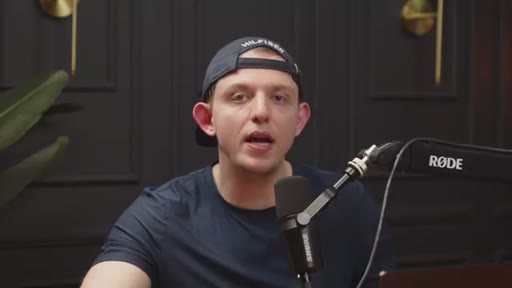
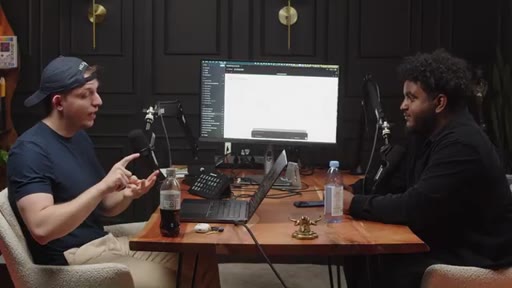
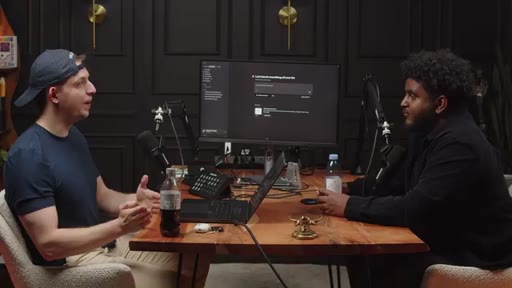
- Open cold on the solo host with a giant on-screen number (2026), then cut to the two-shot. The cold-open-solo / sit-down-two-shot rhythm reads as 'recap show', not 'interview'.
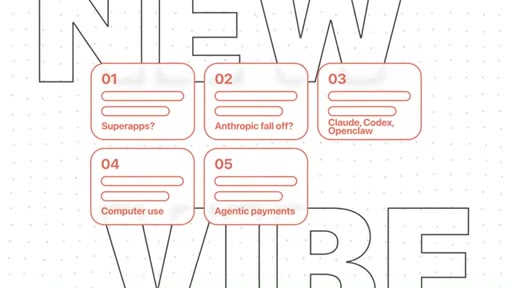
- Frame the table-of-contents in your hook by name-dropping the entities you'll cover (Codex, Claude, Cursor, OpenClaw, SpaceX). Don't tease — list.
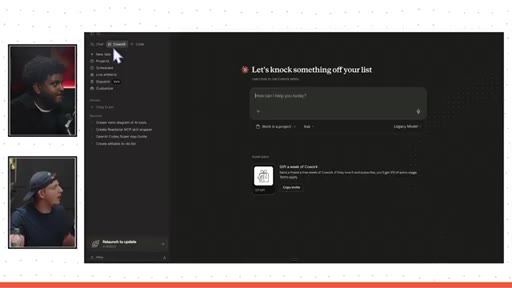
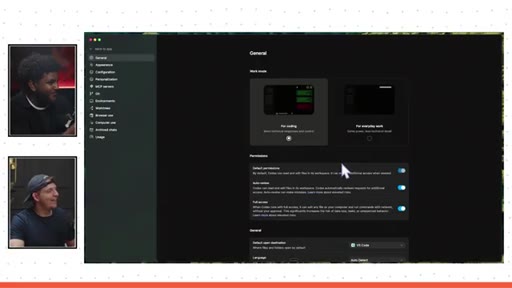
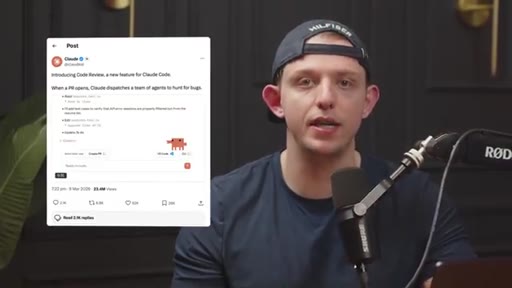
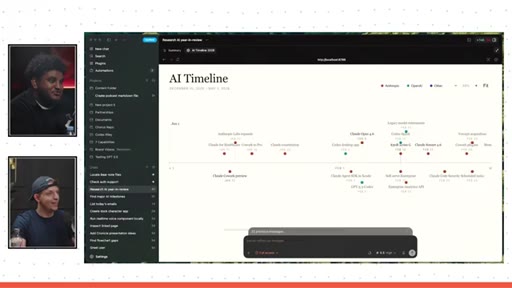
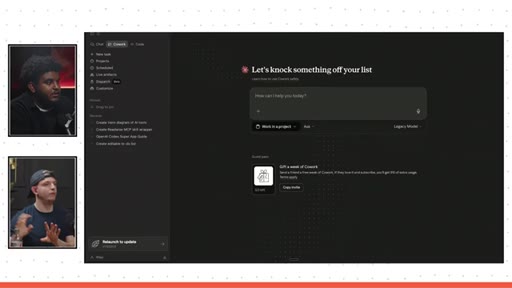
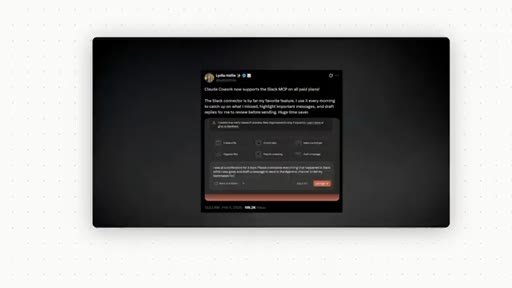
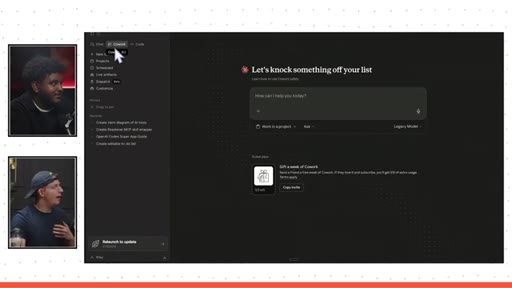
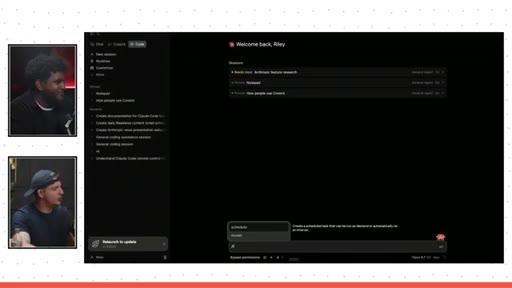
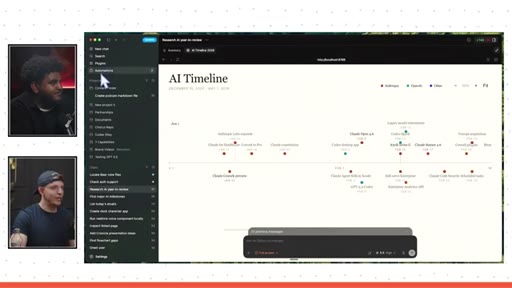
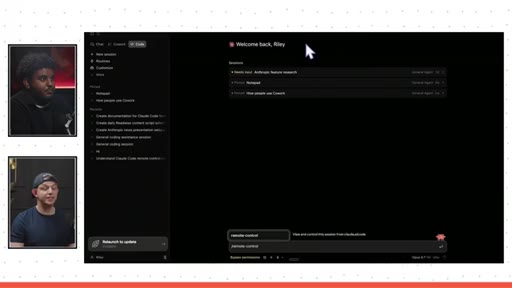
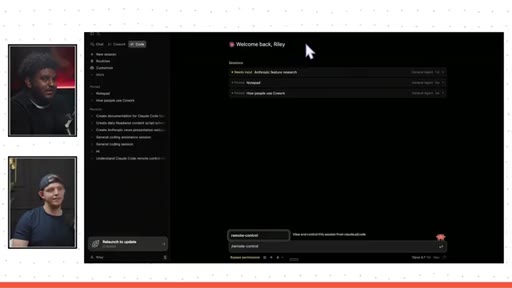
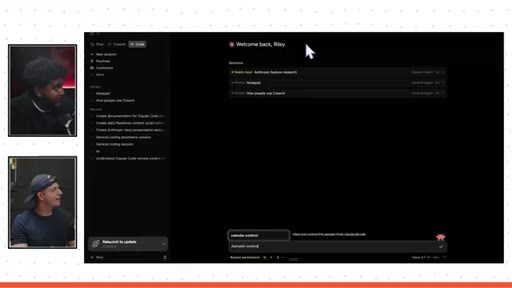
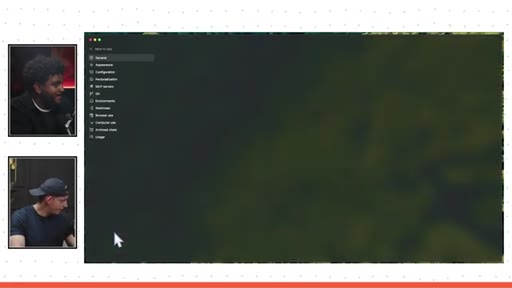
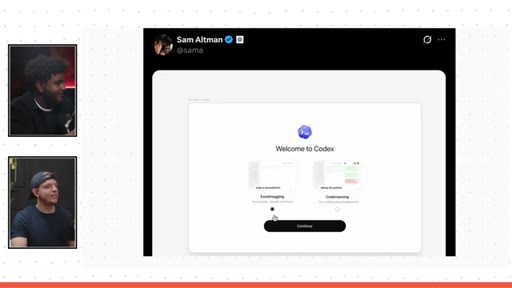
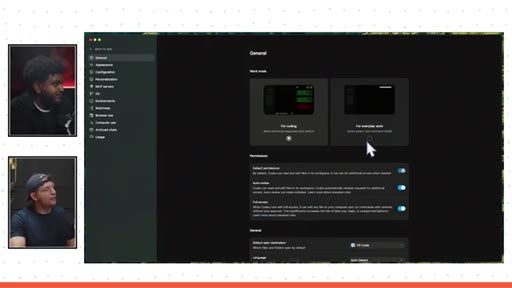
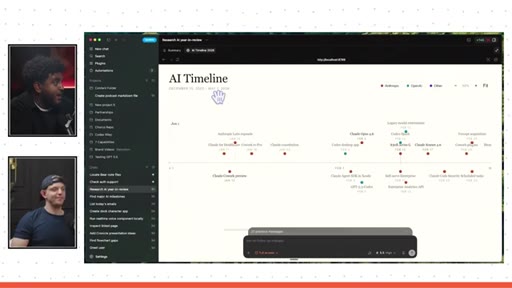
- Cut to B-roll screen-grabs of the actual tweets and product UIs you reference. Anchors abstract talk to real artifacts.
- Steal Ras Mic's 'agent as new hire' analogy verbatim — would-you-give-a-new-employee-40-jobs-on-day-one is the cleanest framing of narrow-agent design out there.
- End every long episode with a 'permission to build' close. Riley does this every time. Repeat watchers internalize the brand promise.
- When showing dollar figures (a $10B / $60B deal, a $1000 lawyer quote, a $5000 worth of compute), say the number out loud AND show it. Numbers travel.
What this could mean for you.
The smartest people in AI are now spending most of their time on knowledge work, not code — and the tools to copy them are already cheap or free.
- Before paying a lawyer to read a contract, run it through Claude or ChatGPT and ask 'where can they screw me?' — you'll spot 80% of the gotchas before the meter starts.
- Set up a 'paraphrase' or family code-word right now. Voice cloning is good enough that someone can call your mom sounding exactly like you. The code-word stops it cold.
- If you keep notes, keep them in plain markdown files (e.g. in Obsidian or just a notes folder) — every AI assistant on Earth now reads markdown natively, so your notes become AI-readable without any extra work.
- Pick ONE narrow task in your week — sponsor emails, calendar sorting, expense receipts — and try to automate just that one. Don't try to automate 'your life' on day one. Narrow wins.
- Use voice-to-text (WhisperFlow, MacWhisper, even your phone's dictation) for everything you type into AI. You can articulate twice as much in half the time, and the model gives you back exactly what you described.
- If you've been waiting for permission to start something — a side project, a business, a skill — the cost of trying has never been lower. Twenty dollars a month, or zero with the free tiers, buys you everything the 2018 enterprise stack cost.