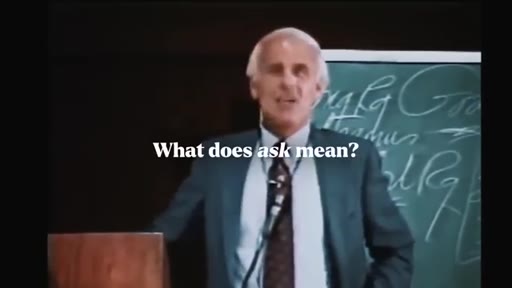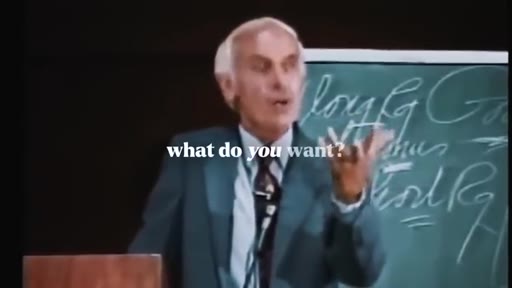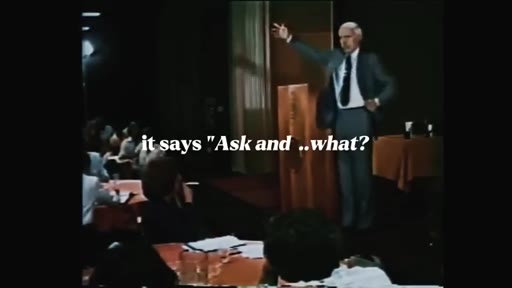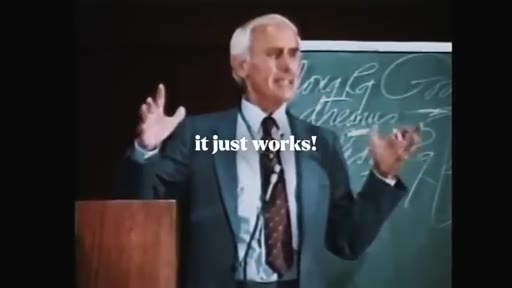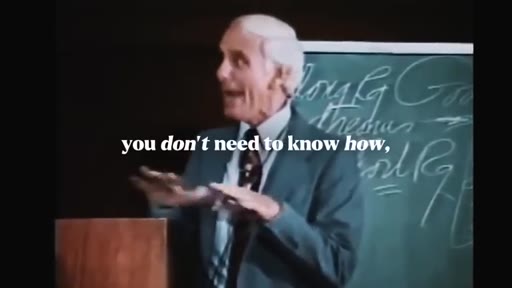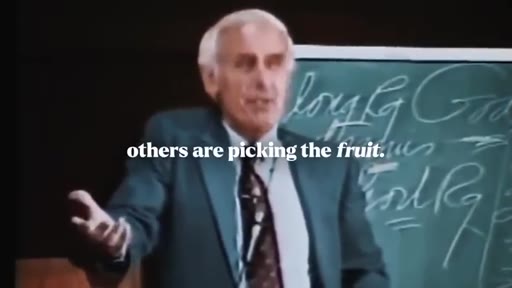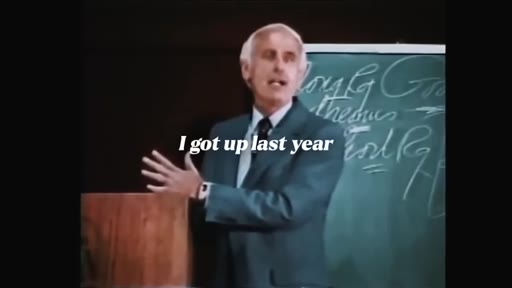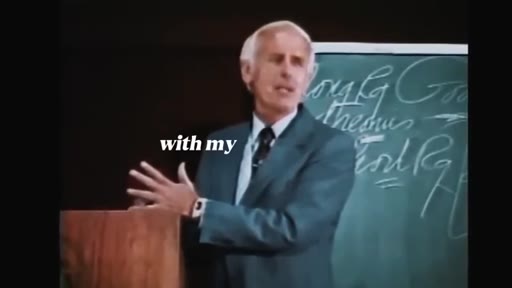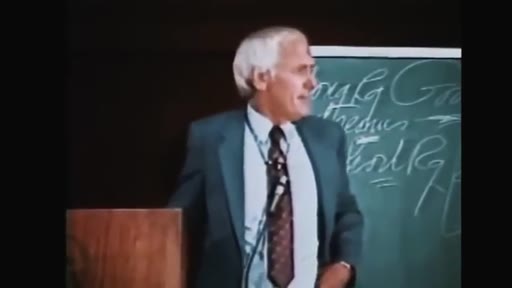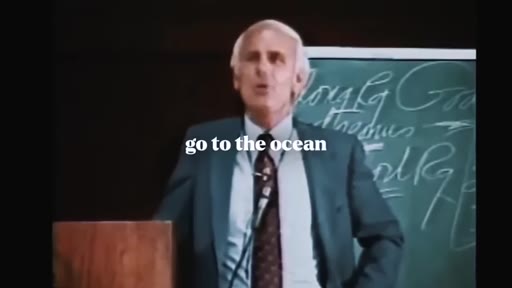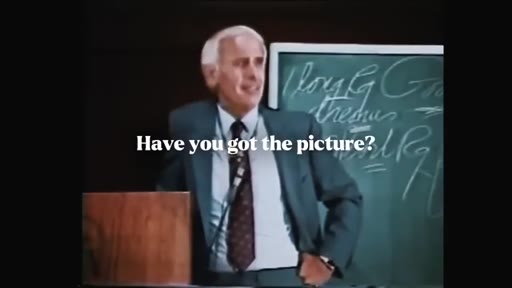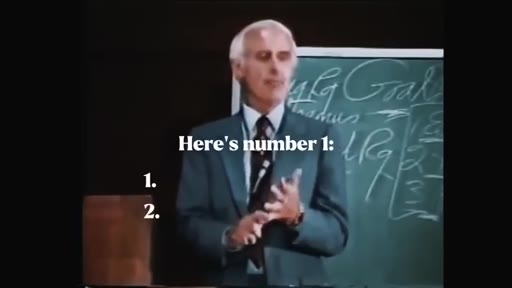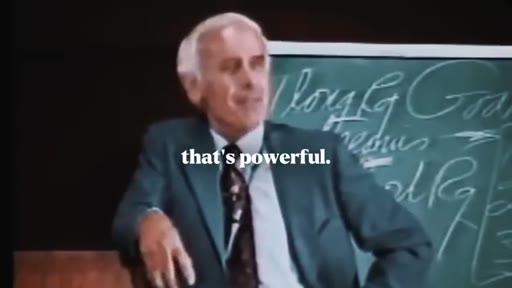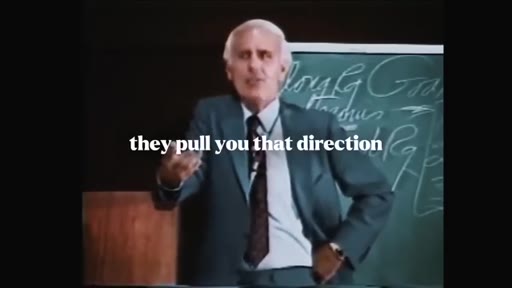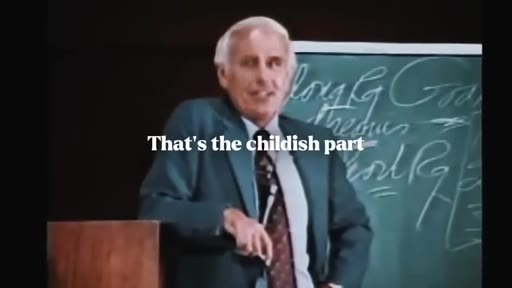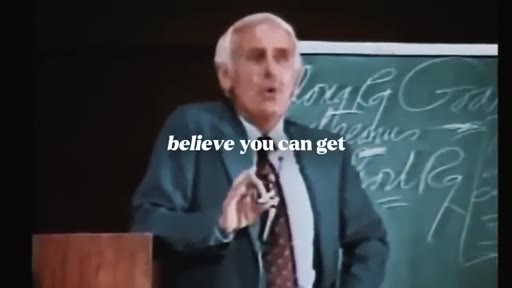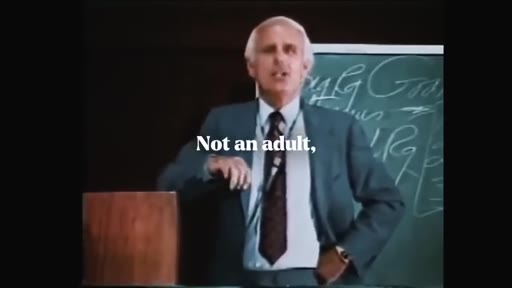
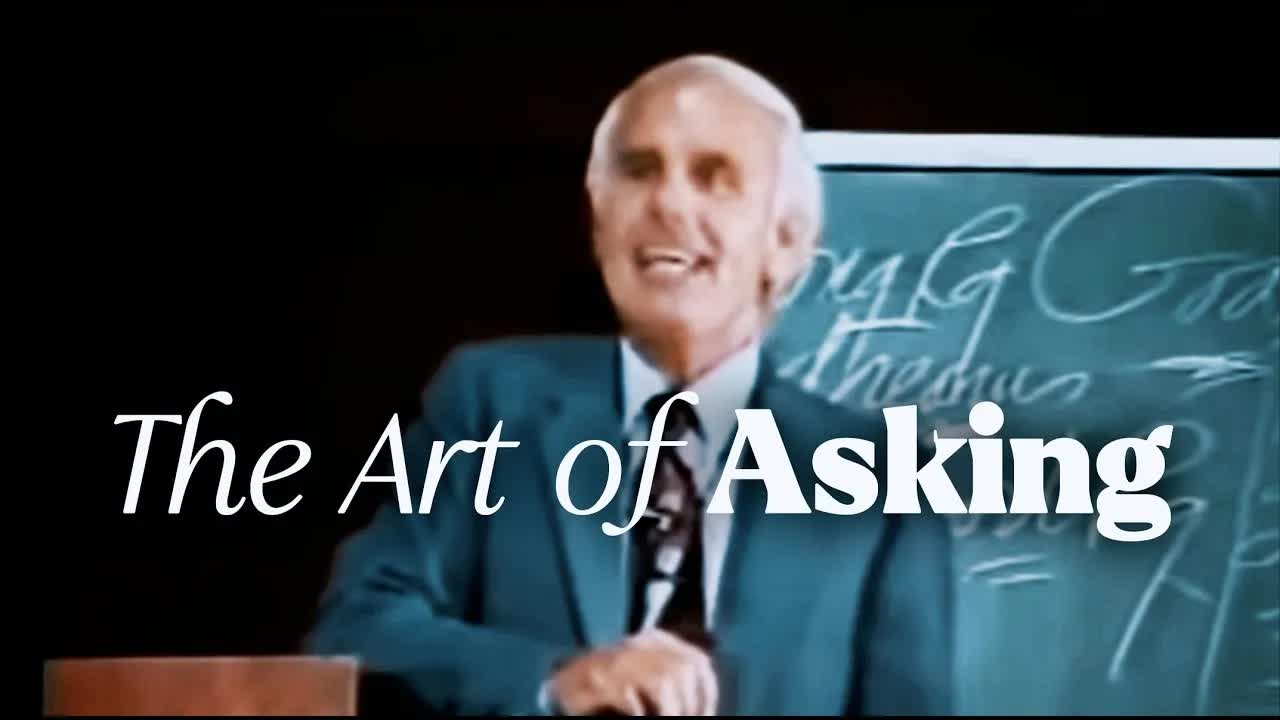
The bait, then the rug-pull.
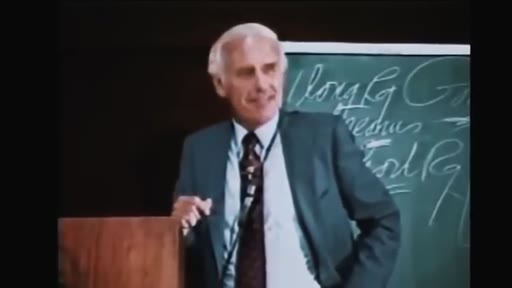
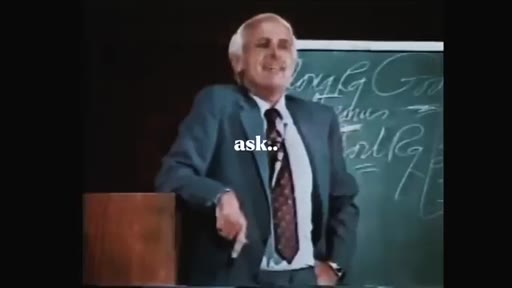
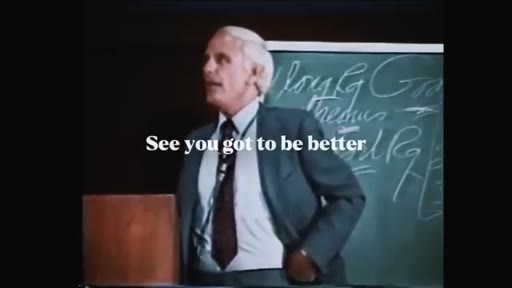
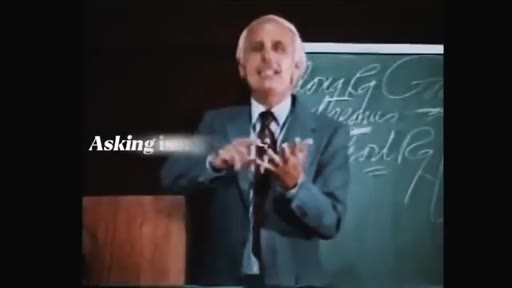
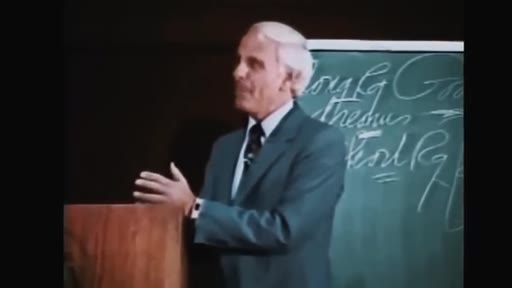
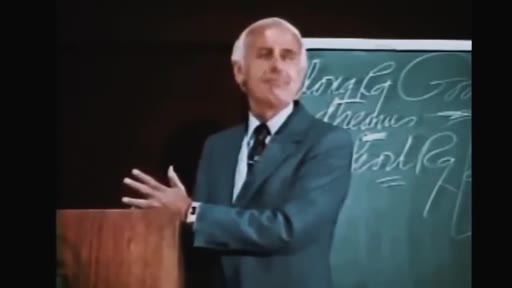
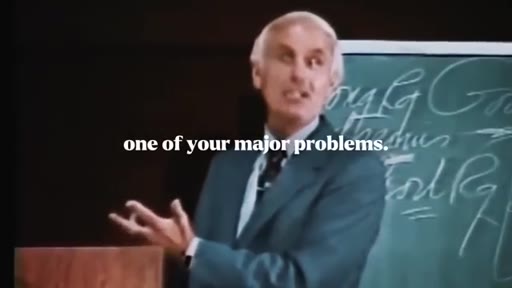
Jim Rohn walks up to the punchline before the premise lands. 'How to get whatever you want' — he reads from his notes, builds the tension, then deflates it in three seconds flat: the answer is 'ask.' The laugh he earns is the hook. What follows is five minutes of framework that makes that joke the most efficient lesson you'll ever receive.
Where the time goes.
01 · The one-word answer
Rohn reveals the secret — ask — and frames it as the single most important art to master. Bait-and-switch hook disarms the audience.
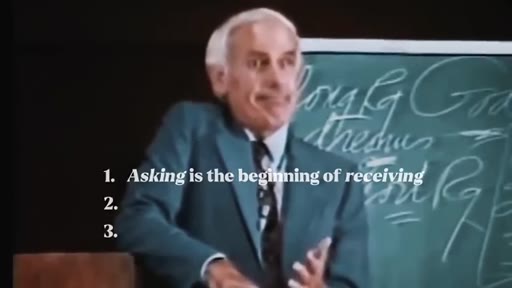
02 · Point 1 — Asking starts the process
Asking is the beginning of receiving. It triggers a mental and emotional process you don't need to understand — just activate it. Analogy: pushing a button that starts machinery.
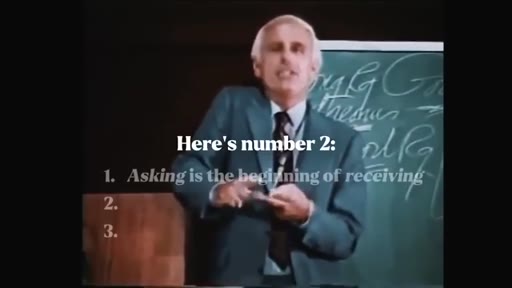
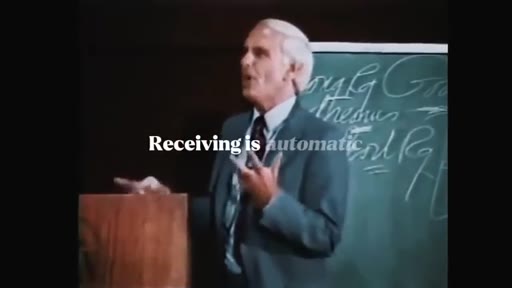
03 · Point 2 — Receiving is automatic
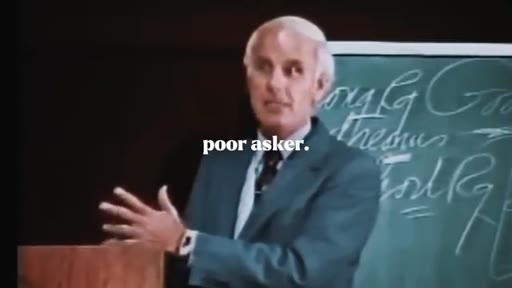
The problem isn't receiving — it's failure to ask. Example: the guy who worked hard all year but never wrote down a goal. Good worker, poor asker.
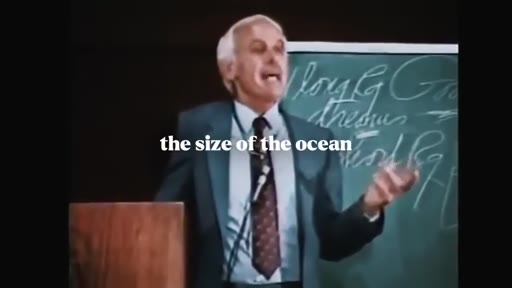
04 · Point 3 — The ocean metaphor
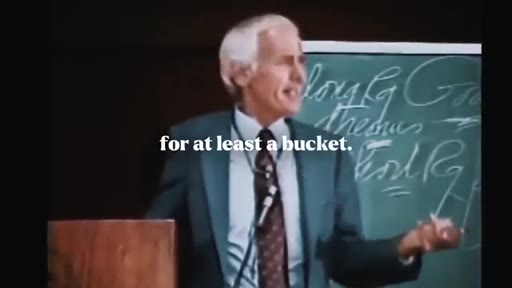
Success is not rationed. There's an ocean of it. Most people show up with a teaspoon. Trade the teaspoon for a bucket.
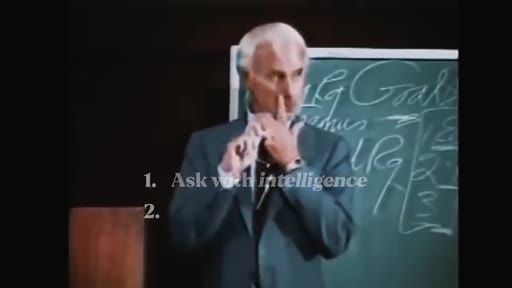
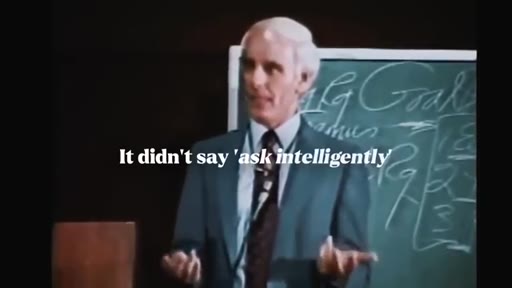
05 · Ask with intelligence
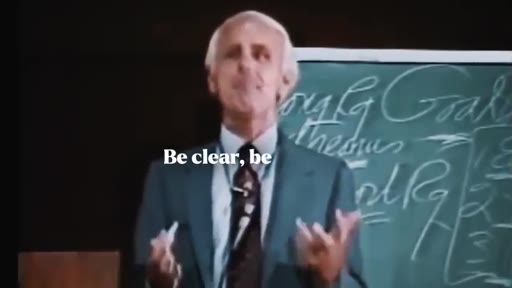
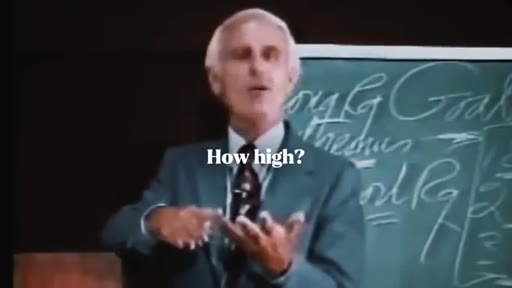
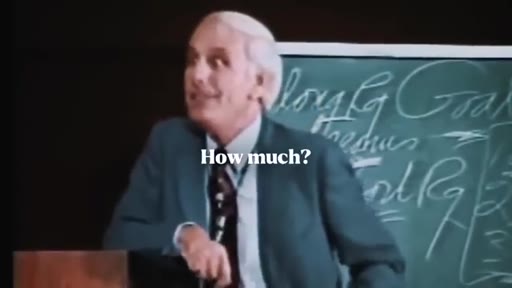
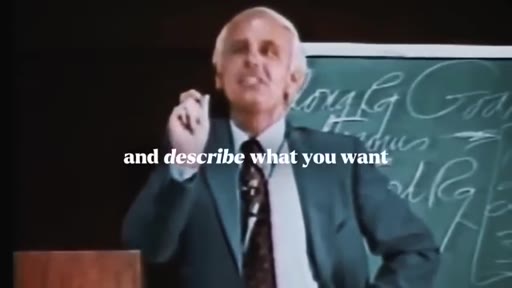
Be clear, be specific. Define exactly what you want: how wide, how high, how soon, what color, how much. Goals become magnets — the better you describe them, the stronger they pull.
06 · Ask with faith + 90-day challenge
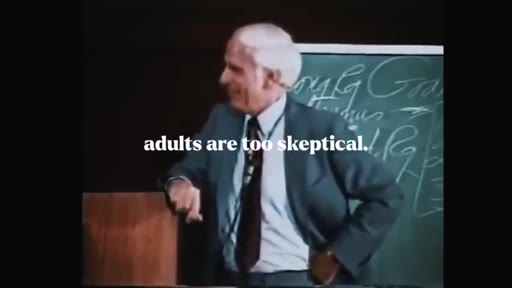
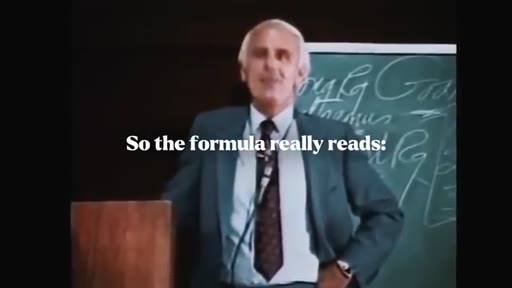
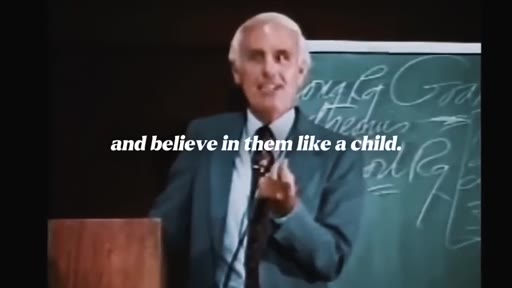
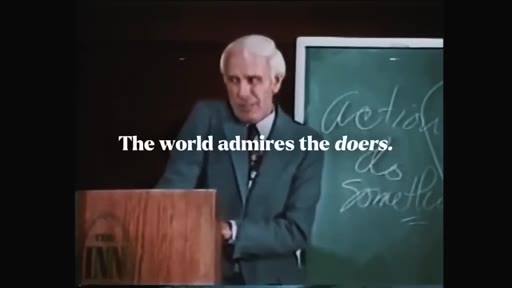
Believe like a child. Adults are too skeptical. Formula: make plans like an adult, believe in them like a child. Closing CTA: just try it for 90 days. The world admires the doers.
Visual structure at a glance.
Named ideas worth stealing.
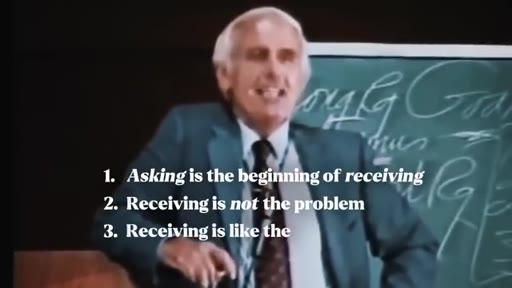
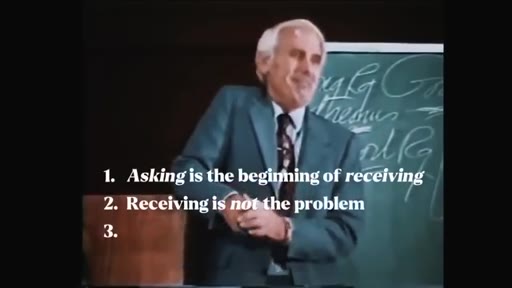
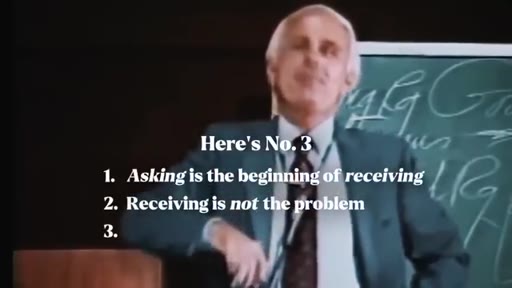
The 3 Points on Asking and Receiving
- Asking is the beginning of receiving
- Receiving is not the problem (failure to ask is)
- Receiving is like the ocean — there is plenty
A simple ladder that takes you from activation (ask) to mindset (receiving is automatic) to abundance framing (ocean, not ration). Each point removes a different excuse.
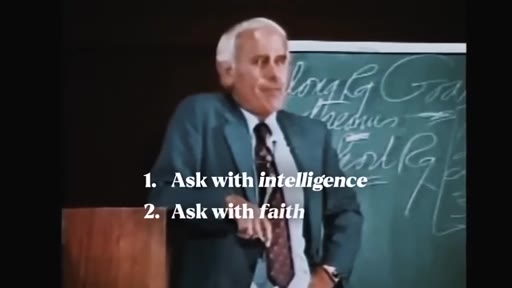
The 2 Ways to Ask
- Ask with intelligence — be specific and define the goal in detail
- Ask with faith — believe like a child, not an adult
The tactical close to the framework. Intelligence handles the HOW (specificity pulls goals toward you). Faith handles the BELIEF (skepticism is the enemy).
Teaspoon vs. Ocean
Success is an ocean — abundant, available, not rationed. Most people show up with a teaspoon-sized ask. Trade the teaspoon for a bucket. The constraint is always the container, not the supply.
Make plans like an adult, believe like a child
A memorable two-part formula that resolves the adult's paradox — adults over-analyze and under-believe. Use adult rigor for planning; use childlike certainty for faith.
Lines you could clip.
"Ask. That's it. End of notes."
"You've got to be better than a good worker. You've got to be a good asker."
"Good work, poor asker."
"Some people go to the ocean with a teaspoon."
"Make plans like an adult and believe in them like a child."
"The world admires the doers."
How they spent the runtime.
How they asked for the click.
"Just try it for ninety days. Just try it. You can always go back to the old ways."
No channel plug, no subscribe ask. Rohn closes with a 90-day challenge frame that functions as a behavioral CTA — try the system. The channel wisely lets this land without interrupting.
Word for word.
Steal the repurposing format.
A 40-year-old seminar becomes a 5-minute YouTube hit because the editor added one thing: structure that shows on screen while the speaker talks.
- Find archival footage of a master with a structured framework — Rohn, Zig Ziglar, Earl Nightingale, Charlie Munger.
- Clip to a single coherent lesson — one framework, one metaphor, clean close.
- Overlay word-pop captions that highlight the quotable lines (not every word — the best lines only).
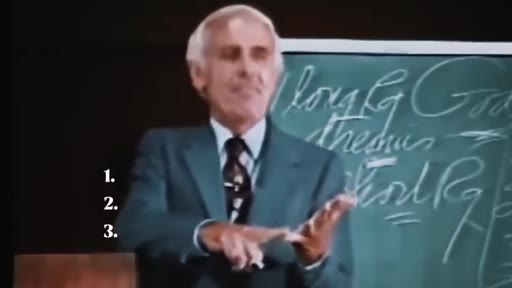
- Add progressive numbered list overlays as the speaker builds — the viewer watches the framework self-assemble.
- No B-roll needed. No talking head needed. The speaker's charisma + your caption work does it.
- Rohn's teaspoon/ocean and 'make plans like an adult, believe like a child' are both frameable short-form hooks — clip them separately.
The ask you never made is costing you.
Most people are good workers and terrible askers — Rohn's entire point is that the system rewards specificity, not effort.
- Write down exactly what you want — with a number, a date, a size, a color. Vague goals feel inspiring and go nowhere.
- Success is not rationed. Your hesitation to ask is the scarcity, not the world.
- Believe the goal is possible before you have evidence for it. Adults talk themselves out of things children would just go get.
- Try the system for 90 days as a literal experiment. Worst case: you learn something. Best case: everything changes.