The bait, then the rug-pull.
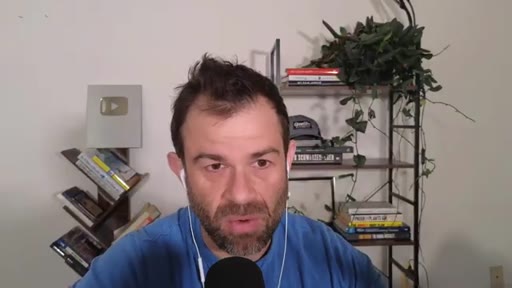
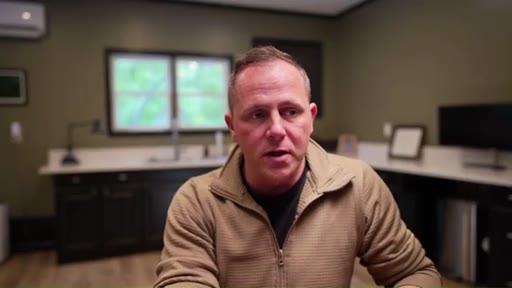
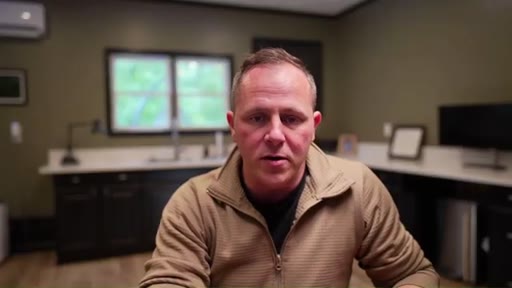
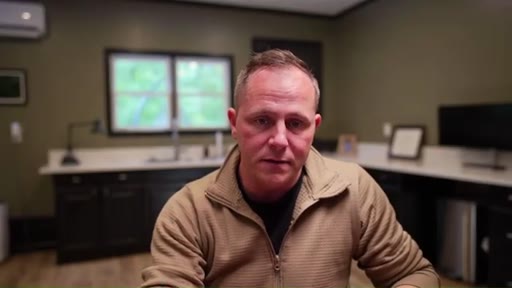
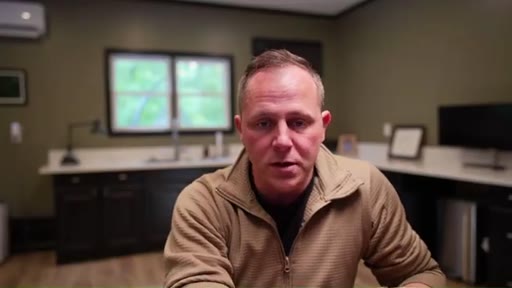
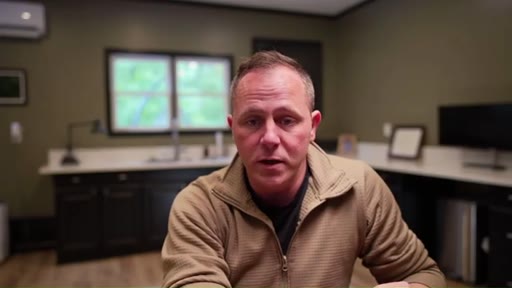
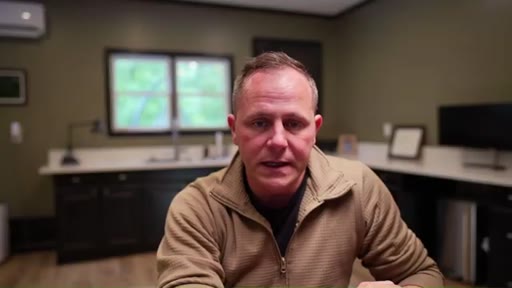
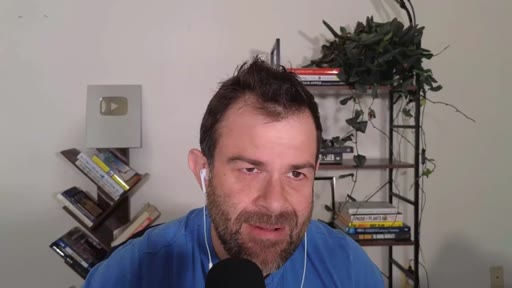
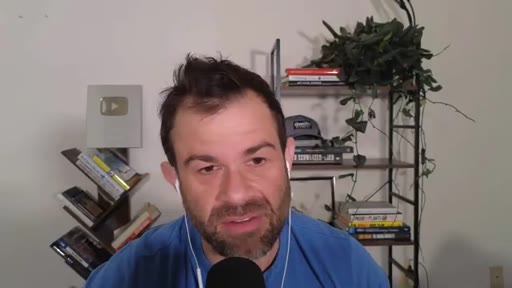
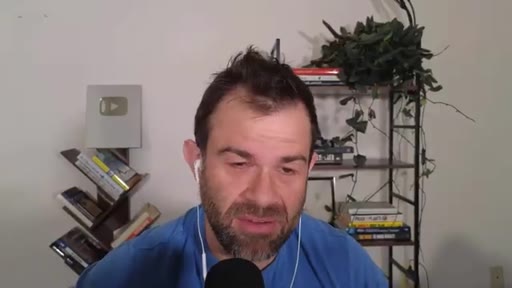
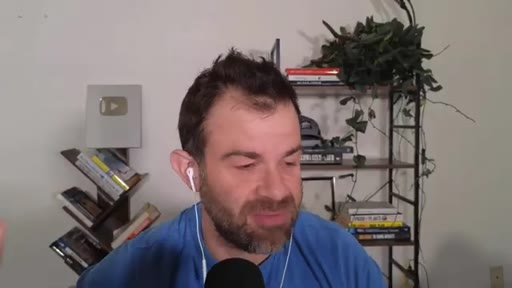
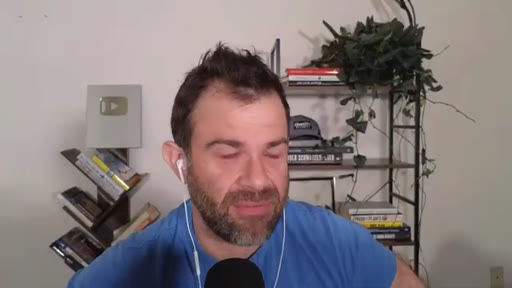
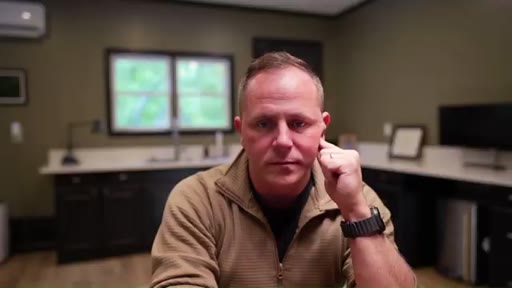
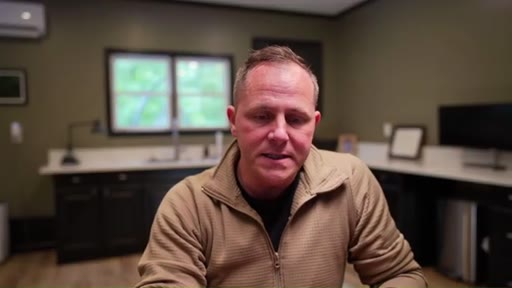
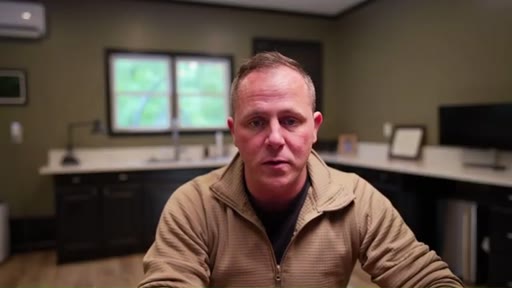
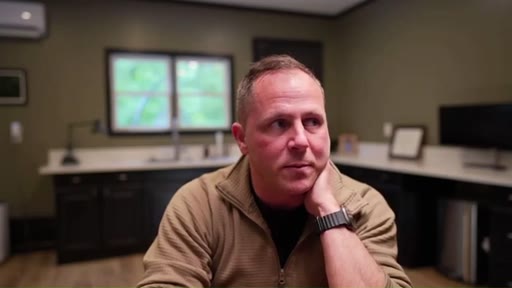
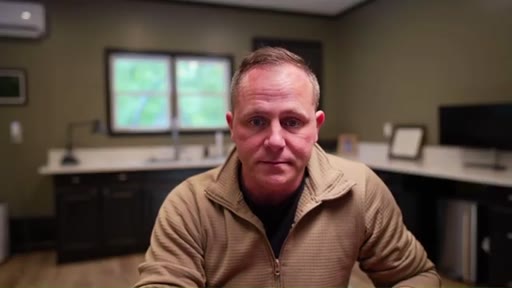
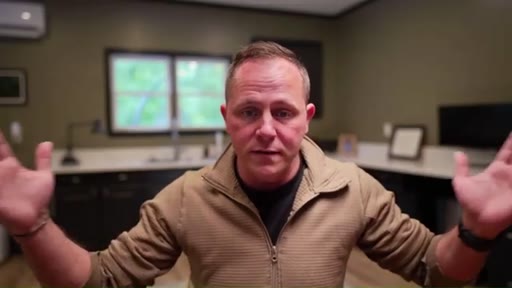
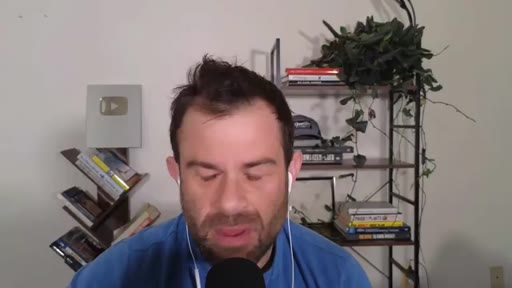
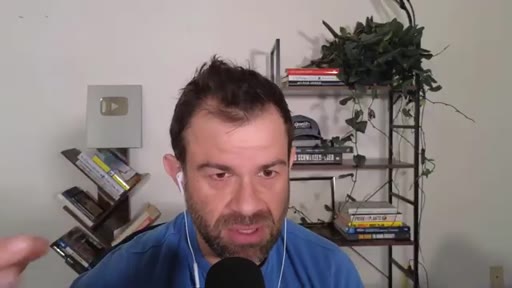
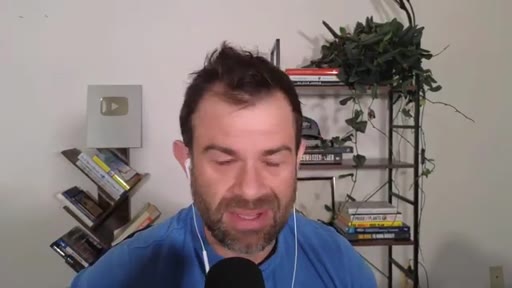
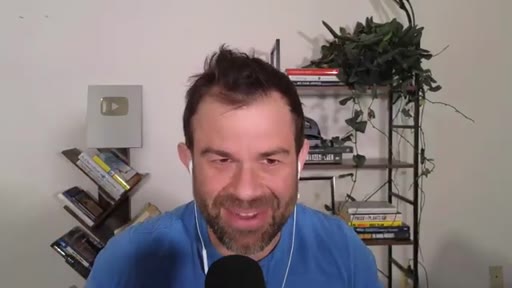
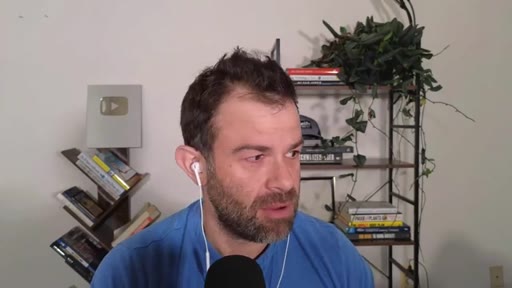
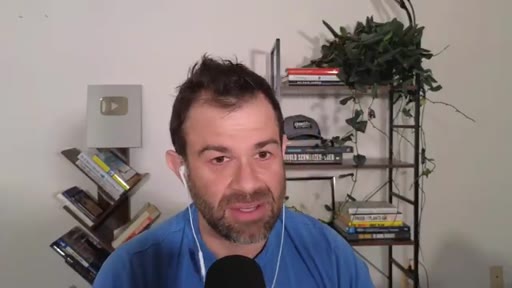
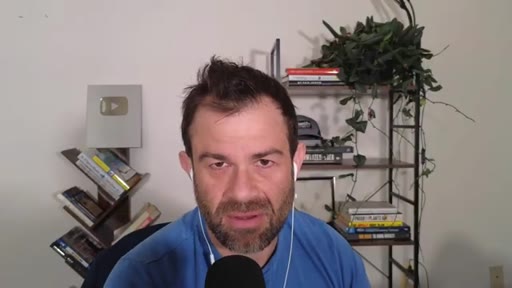
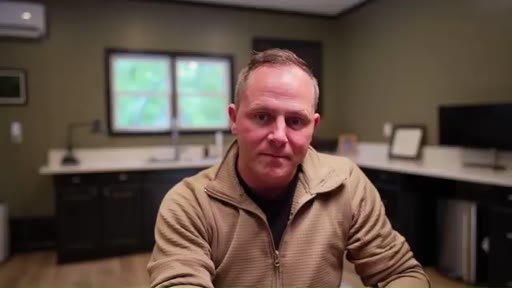
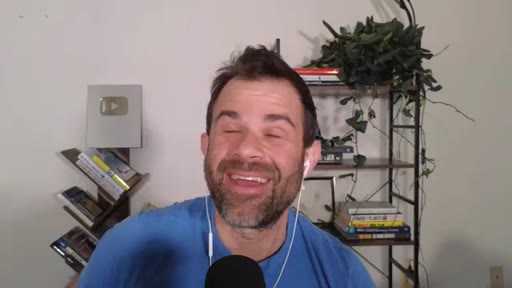
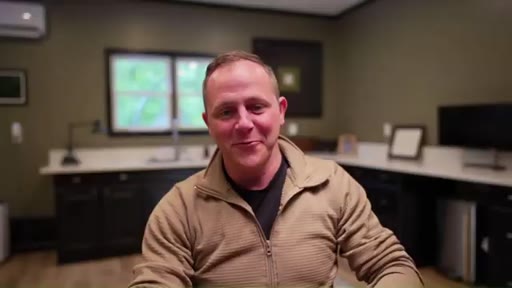
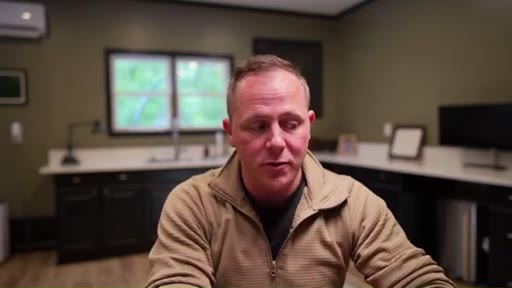
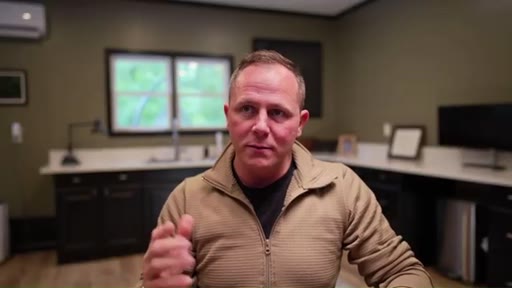
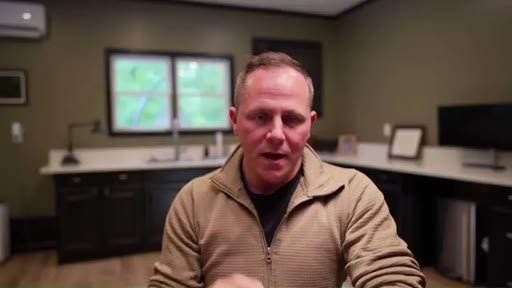
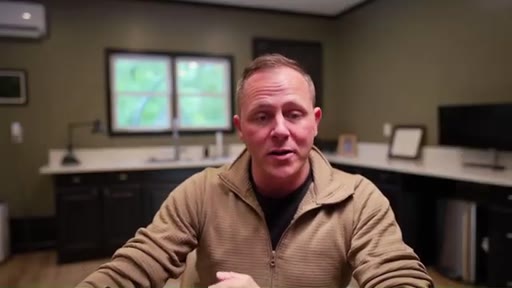
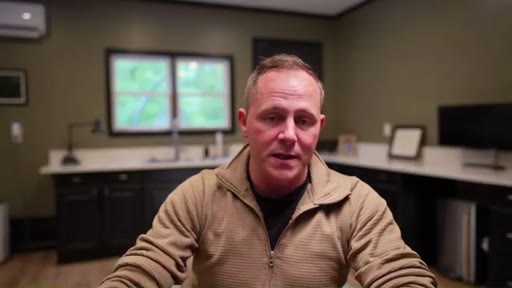
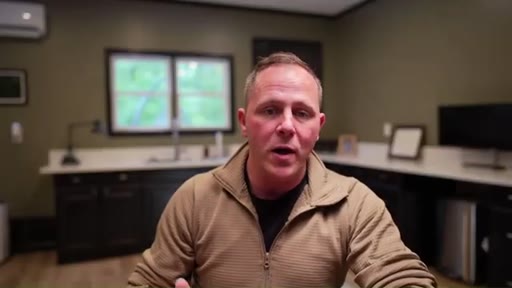
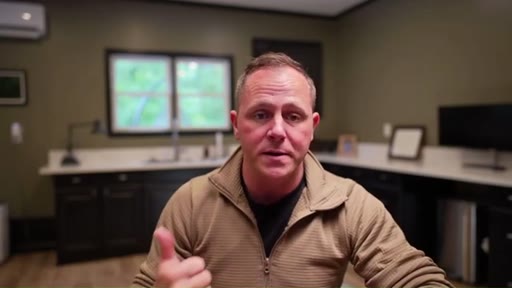
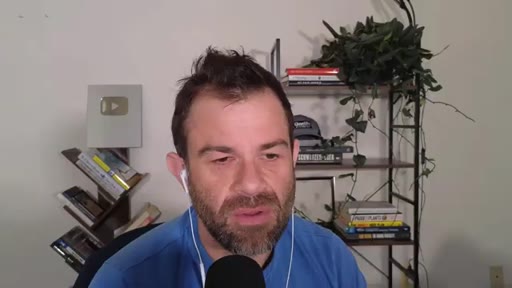
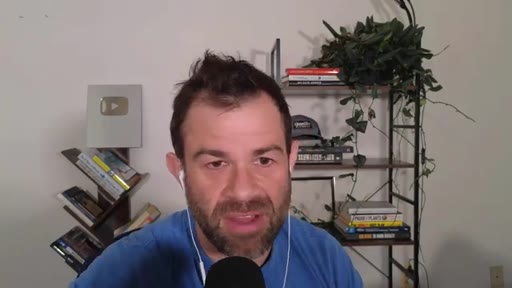
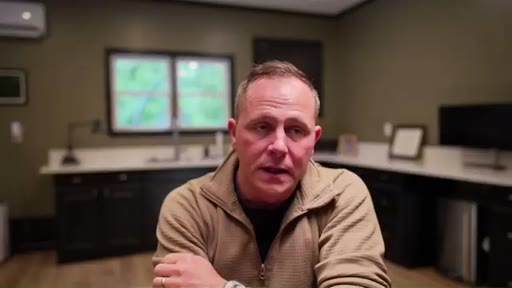
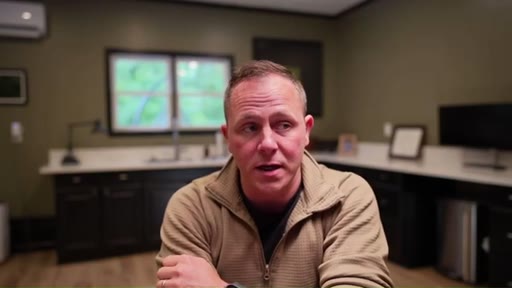
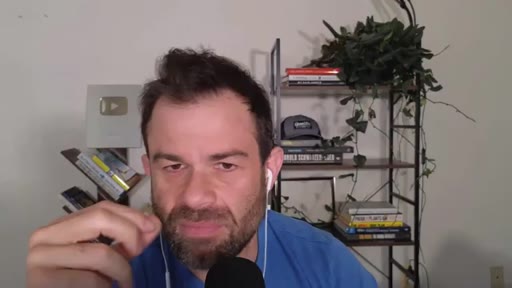
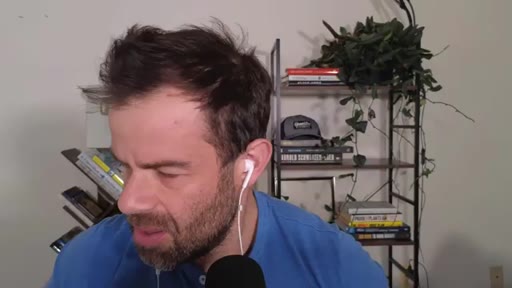
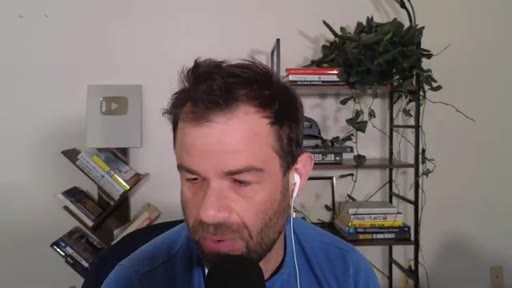
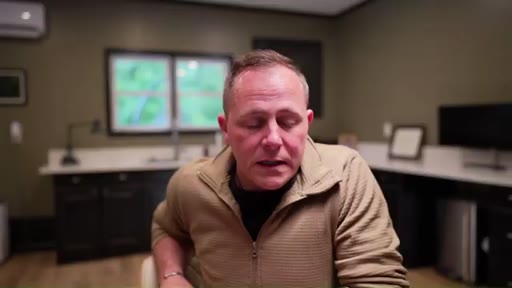
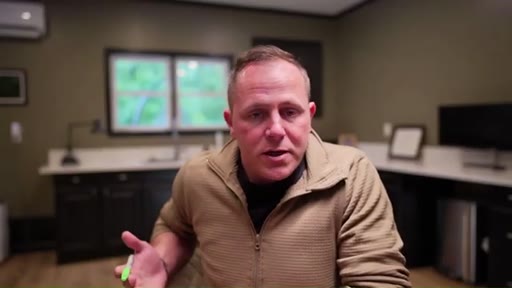
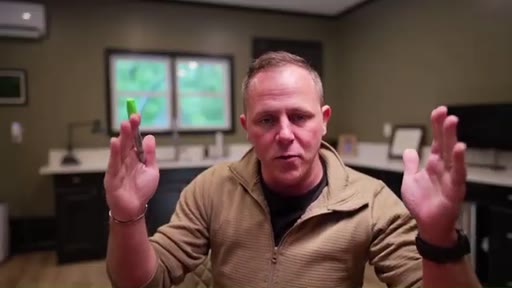
No music bed. No host monologue. No graphics. Doug Bopst opens cold with the question the whole episode hinges on — how do you bounce back from failure without becoming the failure — and behavior-influence researcher Chase Hughes spends the next 110 minutes answering it through about a dozen named, paper-and-pen-able frameworks. The thesis lands fast: perspective and priority. That is it.
Who's talking.
Where the time goes.
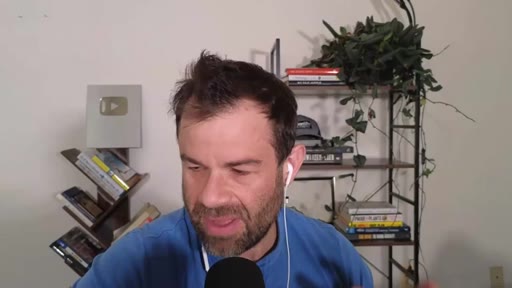
01 · Bounce back without becoming the failure
Chase opens with his core thesis — perspective and priority. Introduces 'the narrator' that runs in your head and the case for 'delusional self-forgiveness' as step one. Sub-thread: dissect limiting beliefs by making them extreme and printing them as your desktop wallpaper.
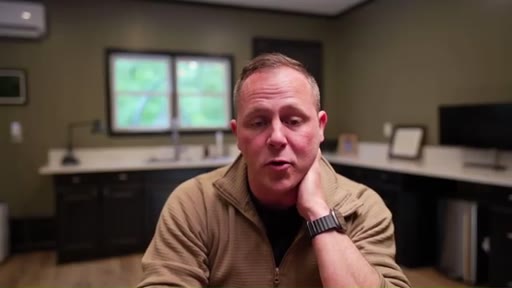
02 · Symptoms vs causes goal-setting
Most people set symptoms (millionaire by 25, yacht at 23) and call them goals. The actual goals are the daily causes that produce those symptoms. Bridges into a definition of grounded progress.
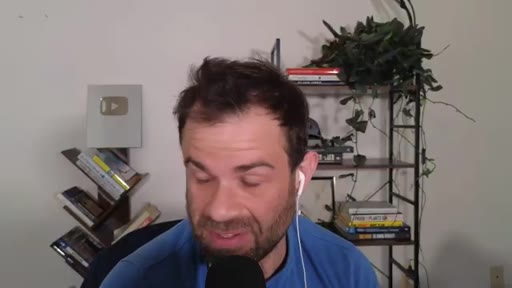
03 · The dopamine map + pleasure is not happiness
Chase walks Doug through the paper exercise: draw a basketball-court line, list every dopamine source with a point value out of 100, then list where good dopamine should come from. Pleasure fades on contact; oxytocin/serotonin linger. Tells the psychopath-conversation diagnostic.
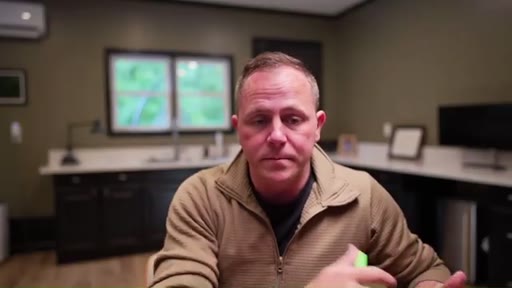
04 · Grand Canyon as anti-dopamine
Mindfulness as the practiced act of dragging the mammal brain into the present. Doug's helicopter trip to the Grand Canyon as the worked example: thrill + serenity + scale-of-self all in one experience.
05 · The childhood development triangle
At age 8 you developed three coping patterns: how to earn friends, how to feel safe, how to earn rewards. For 99% of adults those same patterns now drive conflict, fear of stepping out, and fear of loss. Drag the file out of the cabinet.
06 · What actually rewires the brain
Hypnosis, CBT, psychedelics, coaching ranked by speed-of-result. Chase's claim: psilocybin delivers in 4 hours what 6-9 years of conventional therapy does. Worth flagging as his claim, not consensus.
07 · F.A.T.E. — leading the mammalian brain
Focus, Authority, Tribe, Emotion. The four levers Cesar Millan-style for steering your own mammal brain. Vision boards, calendar X's, tribe choice — all of it has to land on the mammal, not the human.
08 · Discipline is finite — everything else is routine
The big reframe: that gym-every-day person isn't disciplined, they're routined. Discipline was spent once, at habit-start. So start ONE habit at a time. Chase's framework for getting out of the procrastination loop.
09 · Radical honesty as self-knowledge entry point
Naming the awkward thing out loud in conversation. Saying you're nervous when you're nervous. Locating yourself on the childhood triangle is the fastest unlock for the rest of the self-knowledge stack.
10 · Motivation is mostly neurochemistry
The vitamin D / zinc / norepinephrine reframe: most 'mindset' problems are physiological problems people are trying to think their way out of. Order the bloodwork before you order the journal.
11 · Why Chase quit drinking 39 days ago
Education, not resistance. His sister Holly's line: 'It's not about resistance. It's about education.' Flooding the brain with enough truth about alcohol until the decision becomes a byproduct of awareness.
12 · Hand-to-mouth addictions + psychedelics + ketamine
~90% of addictions are hand-to-mouth gestures. Replace the gesture before fighting the substance. Microdose ketamine trochees getting more prescriber-friendly. Psilocybin as anti-addictive.
13 · Neurogenic tremors (TRE) — Dr. David Berceli
Mammals shake off trauma physically. Humans suppress it because shaking looks like a seizure. Berceli's tremor work as a no-drug nervous-system reset.
14 · The simulation — modern life as engineered stuckness
Reframe: it's not you, it's the environment. Social media, instant gratification, pacify-distract-sedate as a deliberate psyop pattern. The escape is making the unconscious conscious.
15 · Identifying victim mindset
How to spot it in yourself, why people use their past to justify present behavior, the commodity of the sob story, and the perspective shift that breaks it.
16 · Future-self relationship
The 95-year-old selfie. Print it. Put it on the fridge. The mammal brain doesn't speak in affirmations — it speaks in images. Two versions: who you want to become AND who you don't want to become (toothless, obese, 90).
17 · Making the unconscious conscious
The poster-board exercise. Sharpie your screen-time on a wall every day. Force the unconscious behavior into conscious awareness. The fastest path to behavior change Chase has ever found.
18 · The psyop pattern + how it ends
If Chase were running a psyop against a population, step one is pacify-distract-sedate so all the negative behavior happens unconsciously. Step two is normalize it by showing lots of people doing it. The exit is the inverse: make it conscious, see clearly that 99% of people aren't aware they're in it.
Lines you could clip.
"All these problems are perspective and priority. That's it."
"We need to be delusionally self-forgiving."
"Most people are setting symptoms instead of goals. What we want to set are the causes."
"Confusing pleasure and happiness is the number one way to ruin your life."
"That guy who goes to the gym every day, none of that is discipline. It's routine. The discipline was there when the habit was started only."
"Discipline is a finite resource. So let's start one habit at a time."
"We tend to assume a lot of psychological symptoms are psychologically rooted, when in fact it's a physiological deficit causing the psychological symptom."
"It's not about resistance. It's about education."
"About 90% of addictions are hand-to-mouth addictions."
"Most people don't prioritize our future selves because we have no ability to visualize them."
"If I'm running a psyop against a country of any size, the first thing I want you to do is pacify, distract, sedate."
"People have very complex issues in their life, but that doesn't mean the solution has to be complex."
Things they pointed at.
Word for word.
Steal the single-question podcast cold open.
No intro music, no monologue, no graphics. One question that IS the headline thesis, then 110 minutes of named, paper-and-pen-able frameworks at five-minute intervals.
- Open with the question the title promises to answer. Doug's first words ARE the hook. No 'welcome back to the show.'
- Make the host be the audience surrogate — confess, summarize, ask the next question. Don't co-create the framework.
- Stack named frameworks every 4-6 minutes. 'The dopamine map.' 'The childhood triangle.' 'F.A.T.E.' Naming makes them ownable, screenshot-able, repeatable.
- Give each framework a paper-and-pen exercise. Tactile + concrete = the thing that gets clipped and shared.
- End with the inverse-of-the-villain frame. Chase's 'if I were running a psyop' move at the end is the emotional close — it indicts the environment, not the listener.
- For Killing Excuses: Joe Lee asks; Joe Lavery (or Chef Joe, Sales Joe) answers with a named framework and a tactile exercise. The two-character podcast variant of this template.
Five things to do this week.
Forget the meta-analysis. If the title hooked you and you want to break a pattern this week, do these in this order.
- Draw the dopamine map tonight. One sheet of paper, line down the middle. Left: every cheap-dopamine source with a point value out of 100. Right: where the good dopamine should come from. The point is making the imbalance impossible to deny.
- Print the 95-year-old selfie. Download an aging app, take the photo, stick it on the fridge. You don't prioritize your future self because you can't see them — fix that.
- Set causes, not symptoms. 'Millionaire by 30' isn't a goal. The daily behaviors that would produce it are. Write down the causes; the symptom is the byproduct.
- Pick ONE habit to start. Discipline is finite — spend it once, then let routine carry the rest. Most people fail because they start five at once.
- If trauma is a factor, look up TRE (Berceli's neurogenic tremors). It's a physical nervous-system reset most people have never heard of and it works without drugs.
- Bonus: try Chase's sister Holly's line on whatever you want to quit — 'it's not about resistance, it's about education.' Read everything about the thing. Resistance ends when knowledge is heavier than craving.