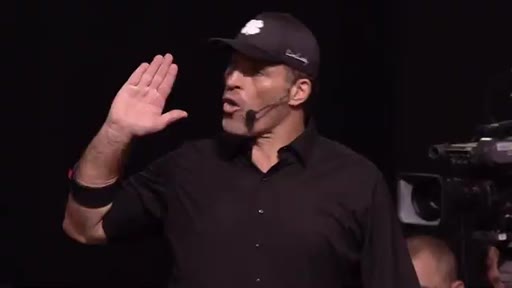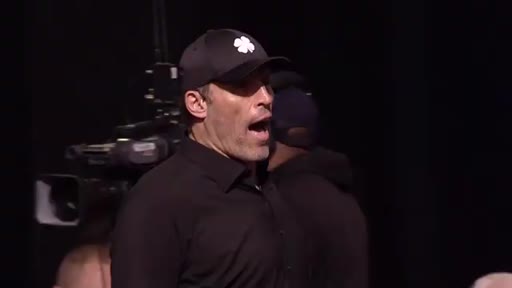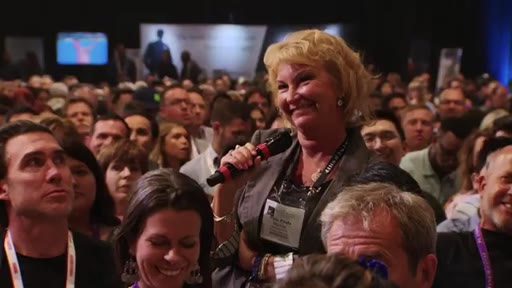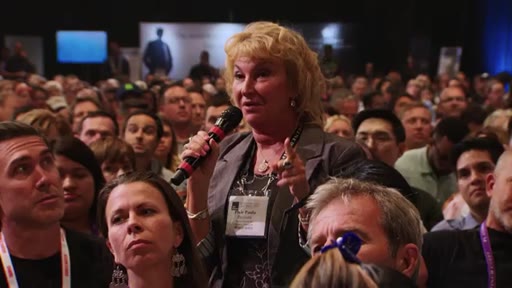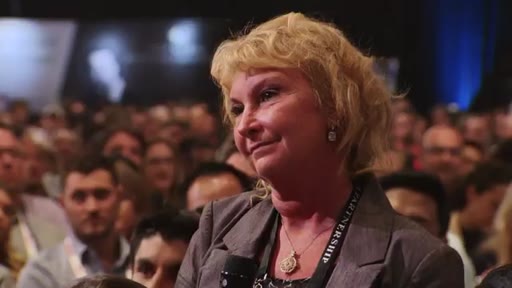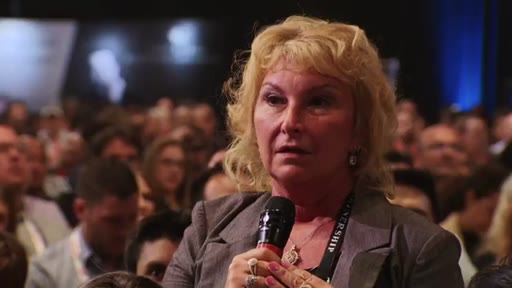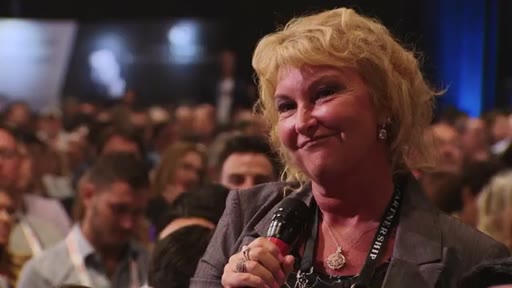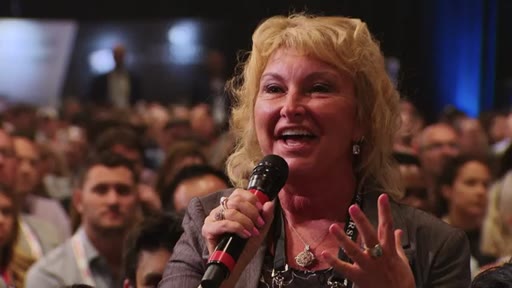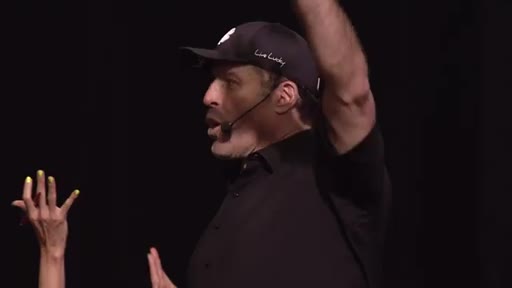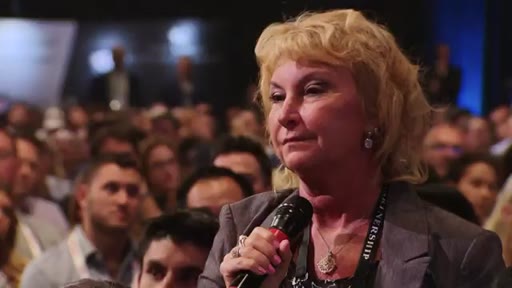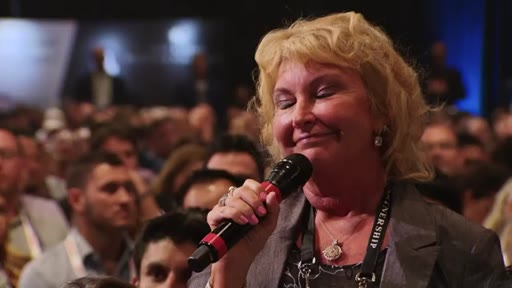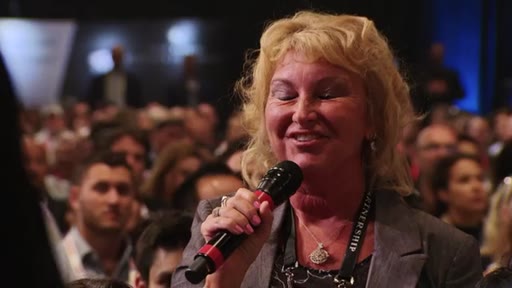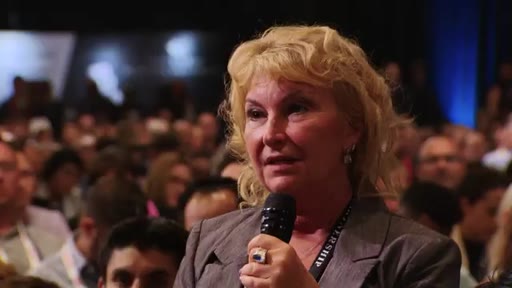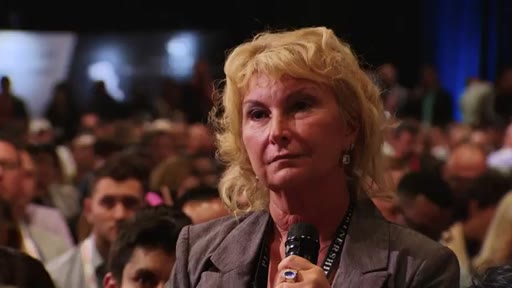
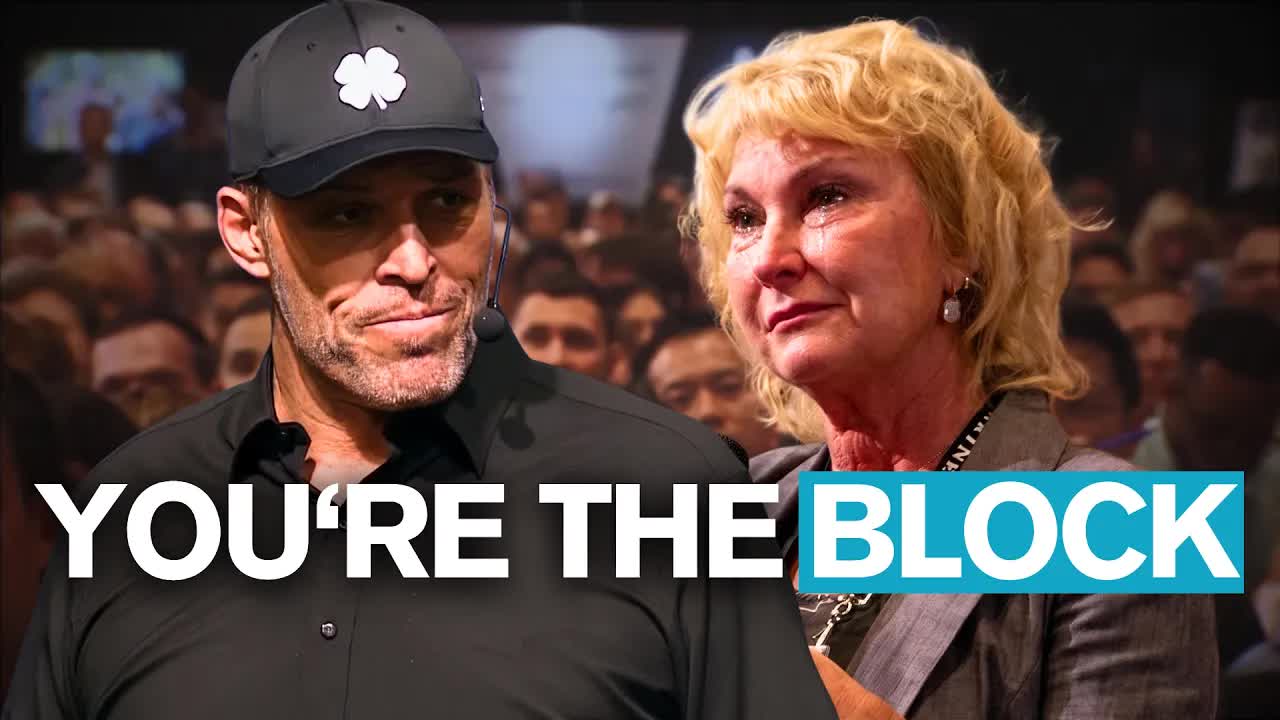
The bait, then the rug-pull.
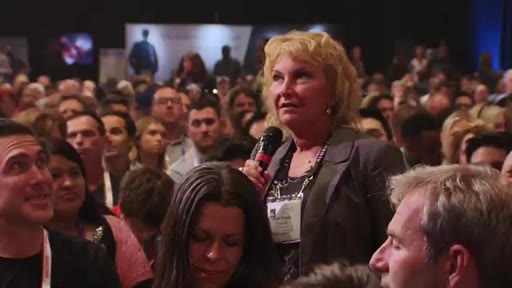
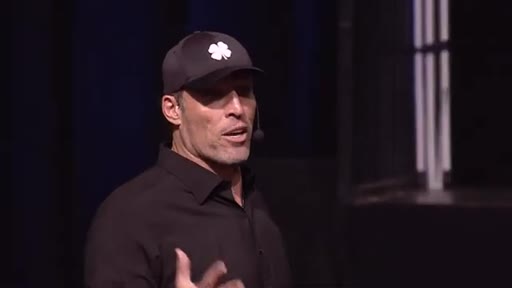
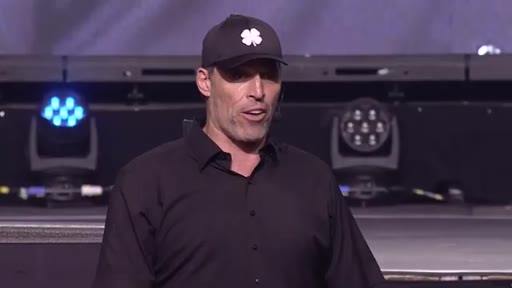
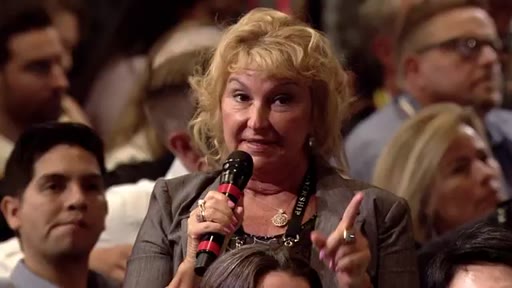
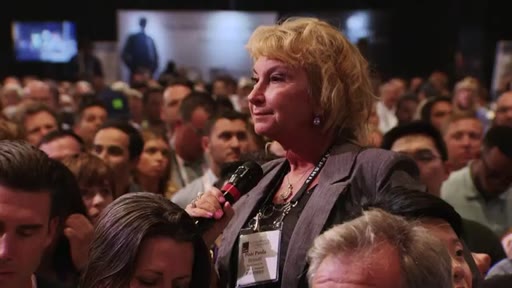
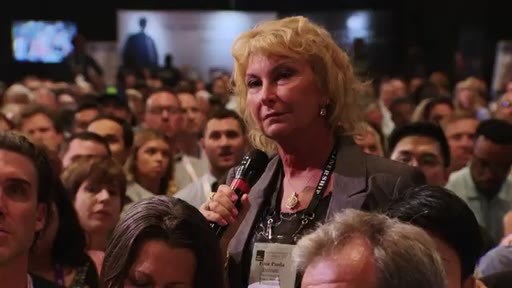
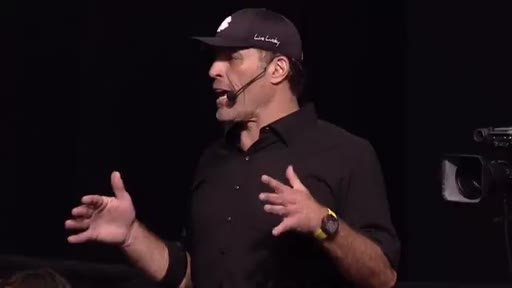
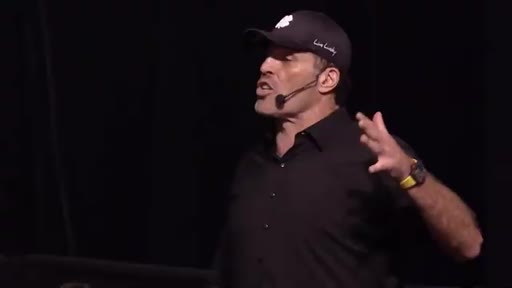
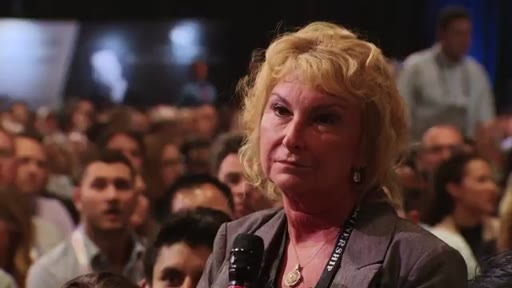
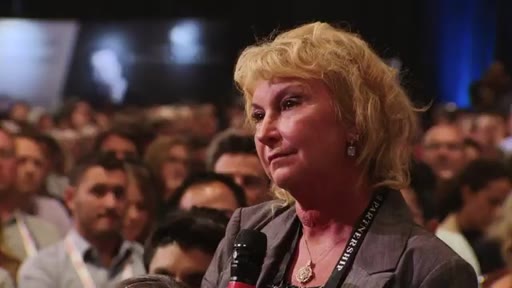
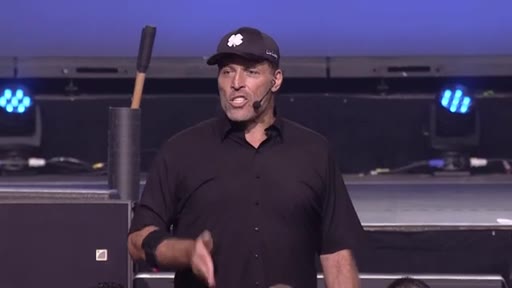
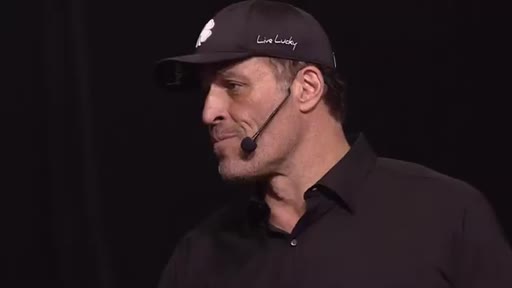
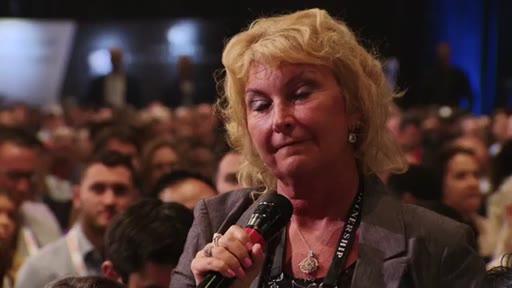
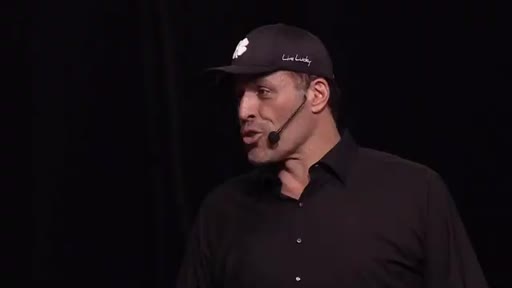
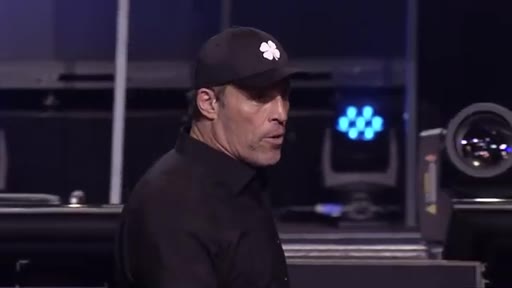
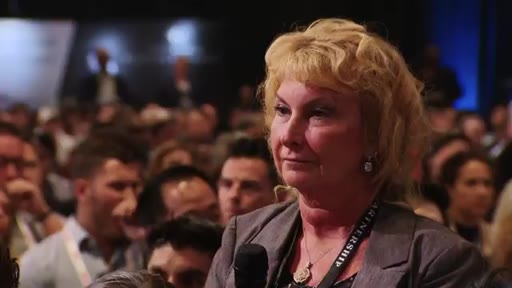
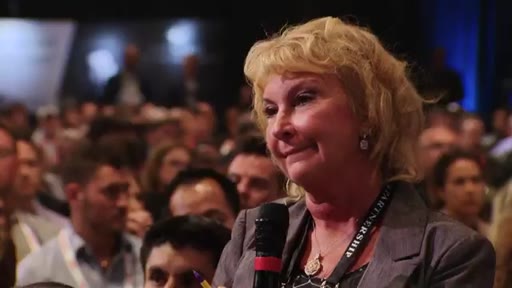
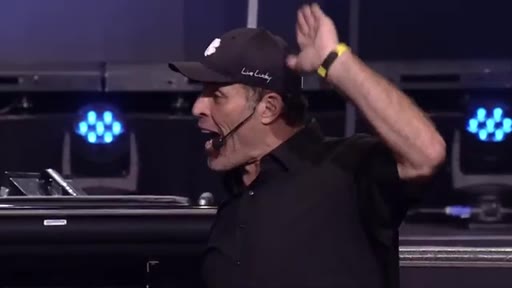
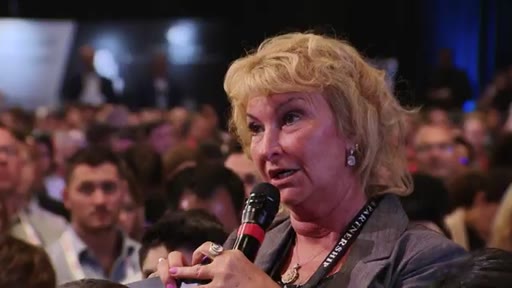
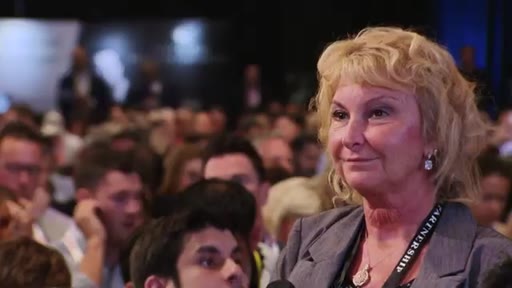
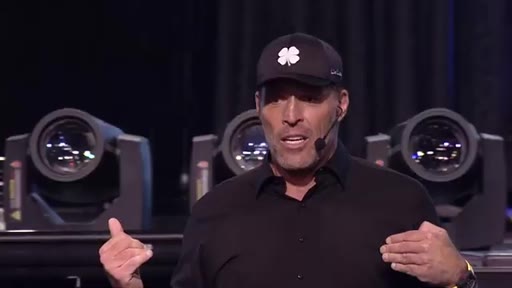
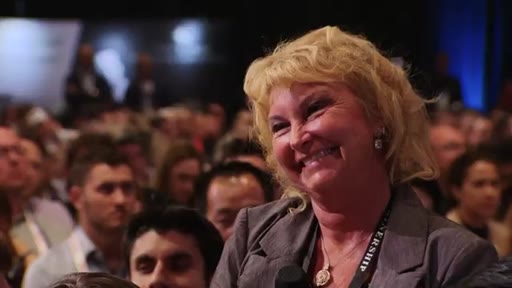
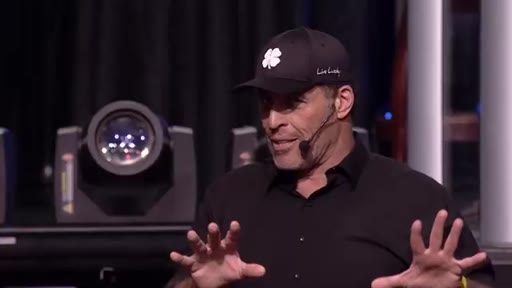
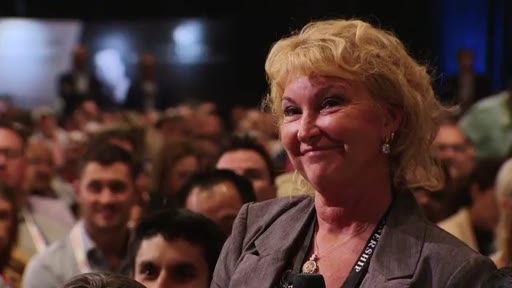
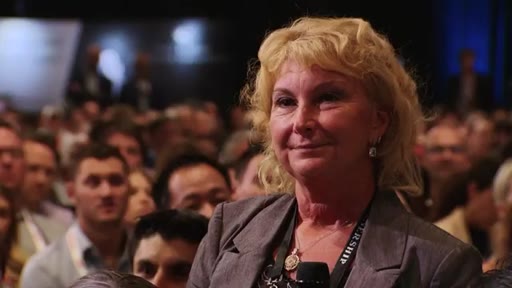
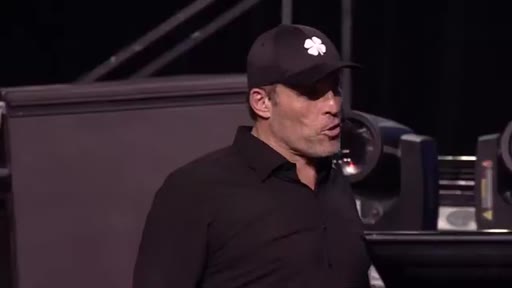
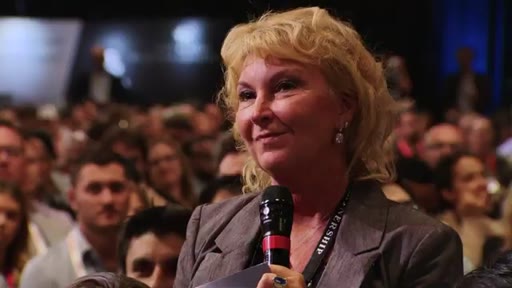
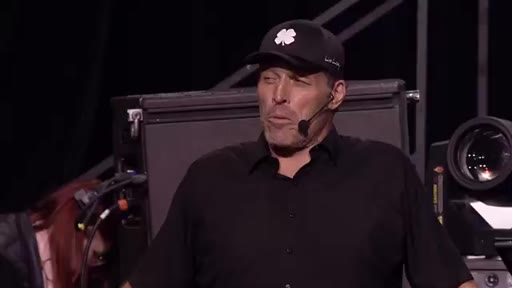
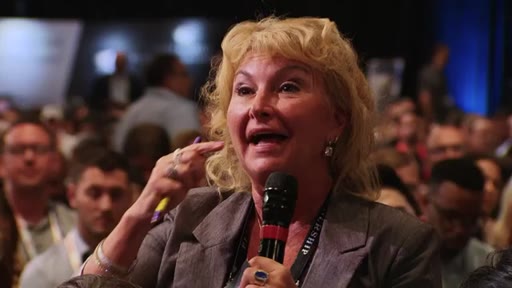
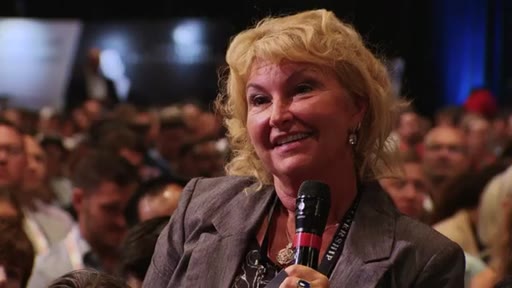
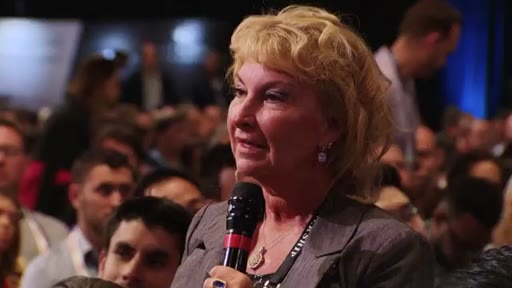
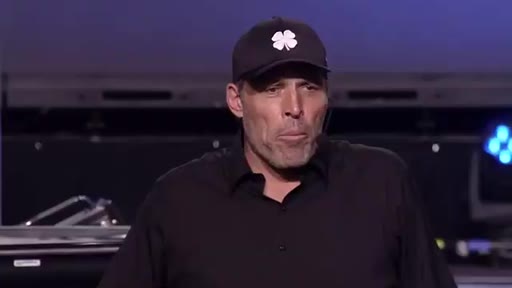
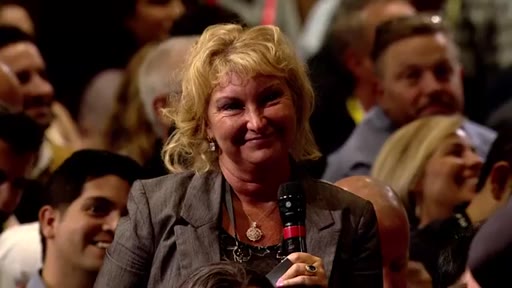
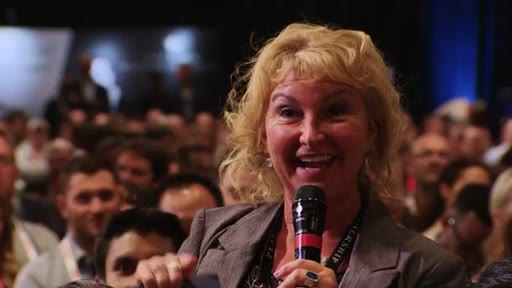
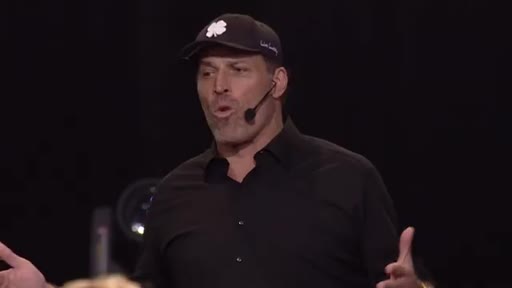
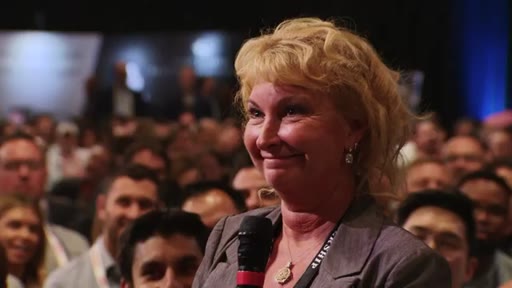
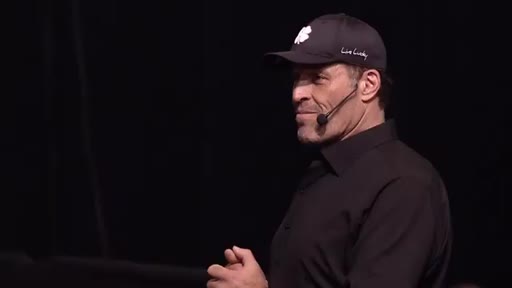
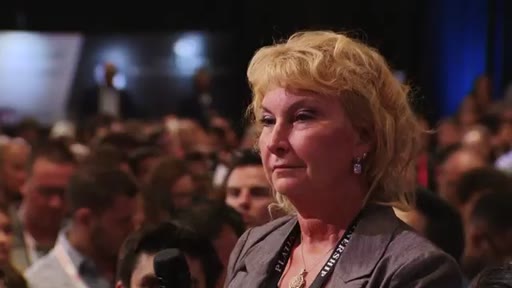
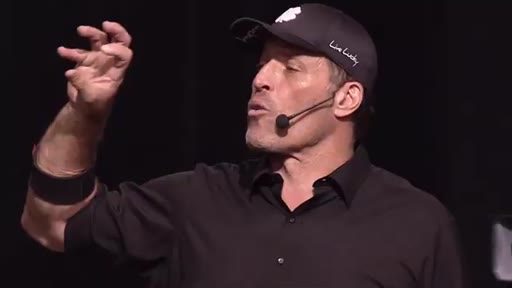
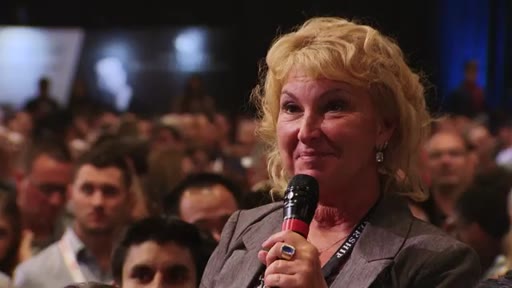
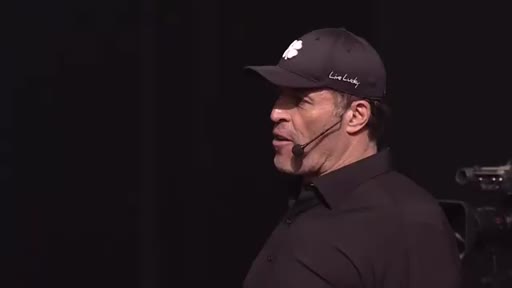
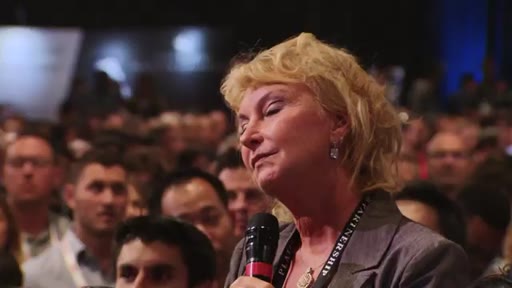
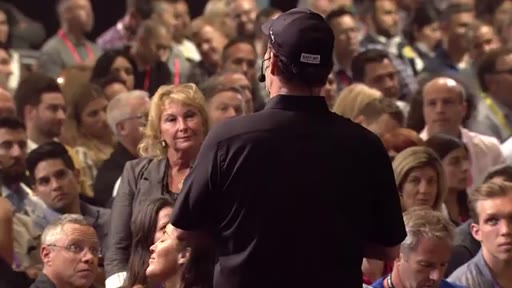
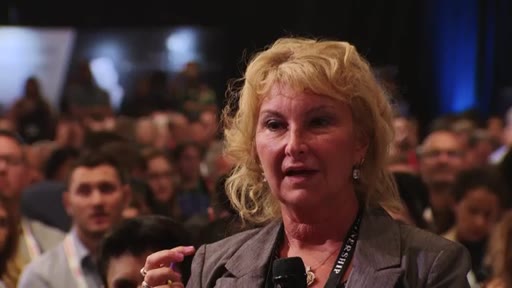
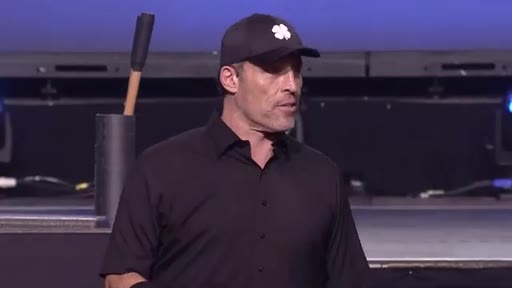
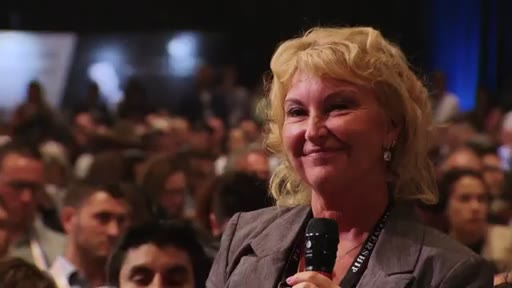
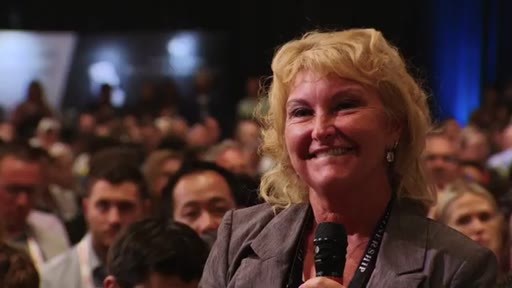
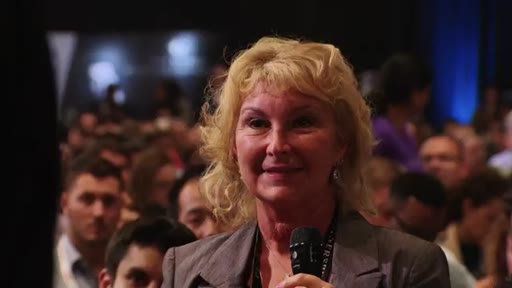
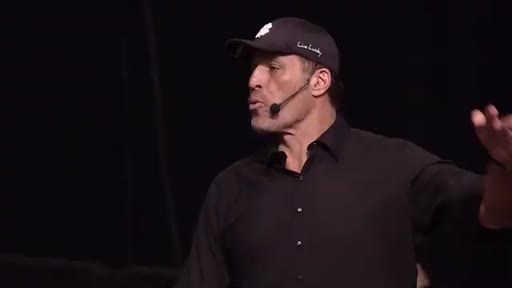
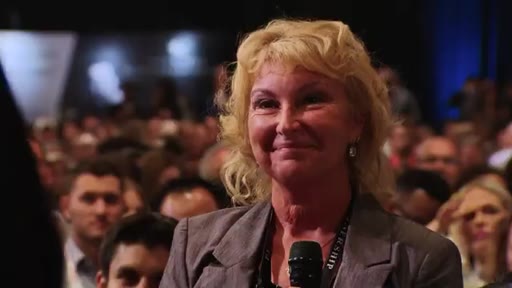
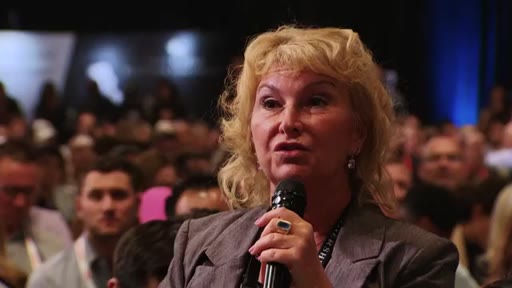
The question lands before the audience has settled: skill problem or psychology problem? Tony Robbins poses it about a woman named Pixi who says she needs working capital — then spends the next 68 minutes proving it was never about the capital.
Where the time goes.
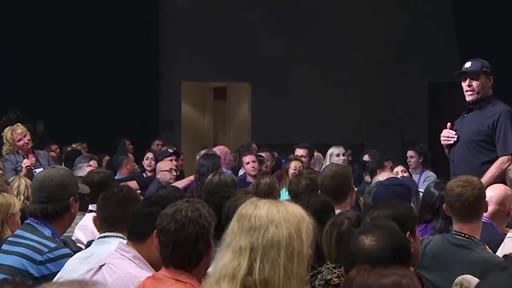
01 · The presenting problem
Pixi introduces herself: distillery business, $3M revenue, stuck on working capital and valuation. Tony immediately reframes — it's not a capital problem.
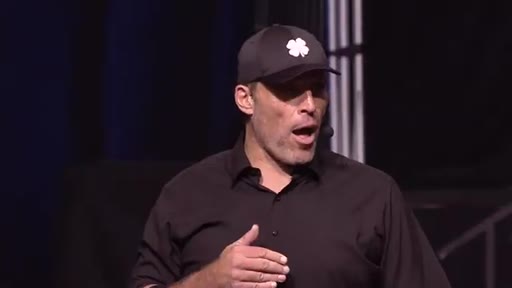
02 · Operators vs. owners
Tony dissects the difference between a self-employed operator and a true business owner using McDonald's as the example. Introduces the core diagnostic: if it can't run without you, it's a job.
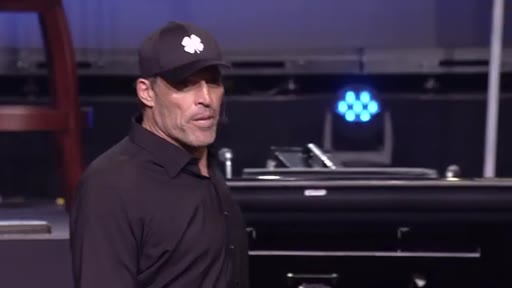
03 · Fear is the chokehold
Tony surfaces the real block — Pixi is scared. Scared of what? Losing control. The conversation pivots from business mechanics to personal psychology.
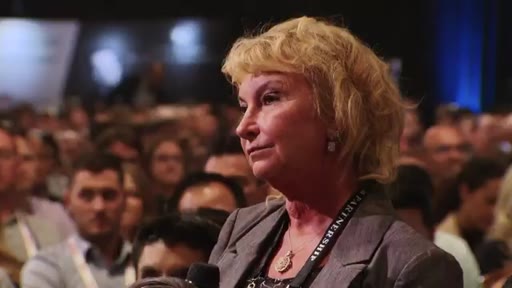
04 · The personal backstory
Pixi's former husband left after she built everything. Tony traces how that wound is still running her business decisions — she picks people she can control, talks investors out of deals, and connects with herself through pain.
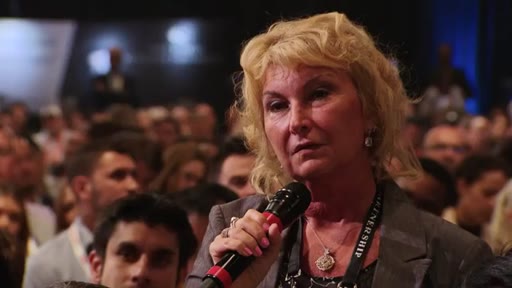
05 · Masculine, feminine, and the control trap
Tony explains the polarity framework: Pixi developed her masculine to survive, but staying in that mode is why she's alone and why investors feel the friction. Feminine leadership isn't weakness — it's trust.
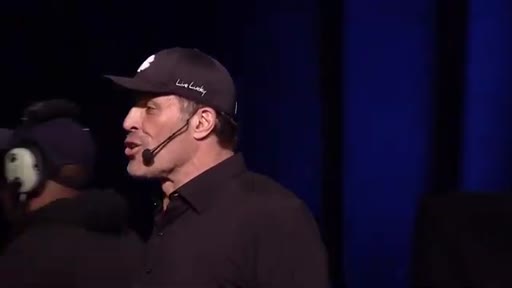
06 · Certainty vs. significance
Pixi says she wants to be 'huge.' Tony unpacks why: she wants significance to feel validated. The problem — significance at the top of the hierarchy is a moving target that never lands.
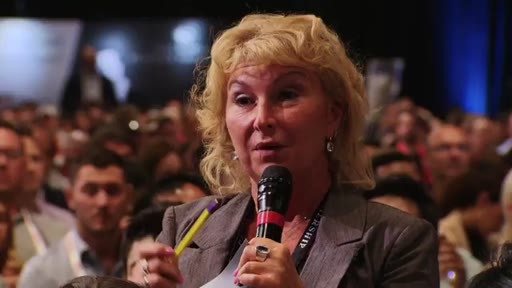
07 · The transformation chemistry
Tony lays out his four-stage model: satiation → dissatisfaction → emotional threshold → insight. He uses the room to show that Pixi has reached the insight stage but won't jump through the opening because certainty isn't guaranteed.
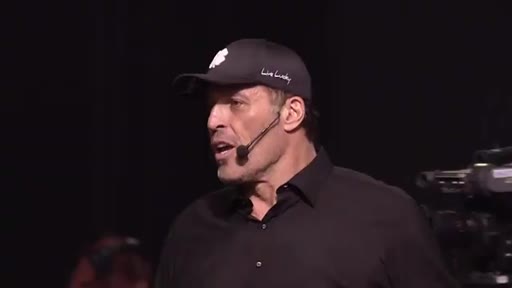
08 · Business is a spiritual game
Tony's philosophical reframe: business forces measurable growth, which makes it more honest than most spiritual practices. When you serve others, you stop suffering. When you focus inward, the business stalls.
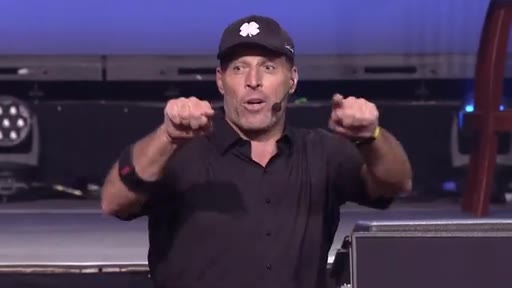
09 · Trust, respect, and aligned needs
Tony defines trust as aligned interests, not blind faith. The formula applies to investors and intimate partners equally. Pixi is going on four dates a week but judging before she can be vulnerable — same pattern as her investor conversations.
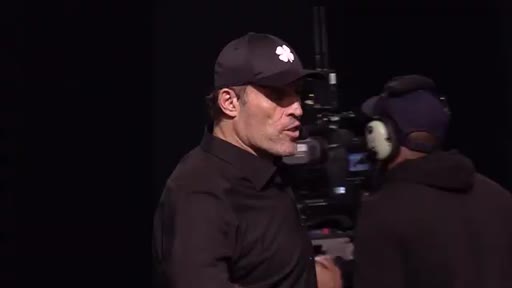
10 · The real ask and the real fix
Tony closes the business thread: a 10x multiple on a flat $3M business won't happen. Stop asking for it. Find a strategic partner at a lower multiple who grows the pie. The mirror runs both ways — same thing she's avoiding in love.
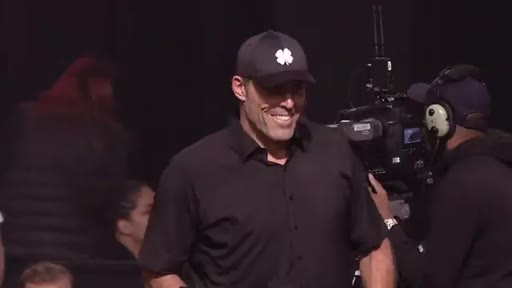
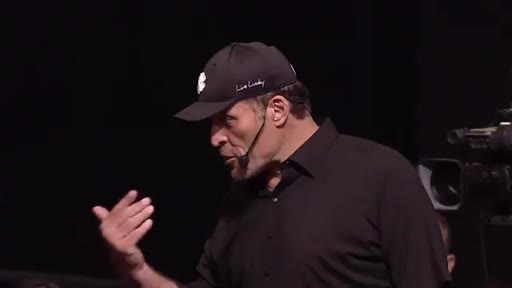
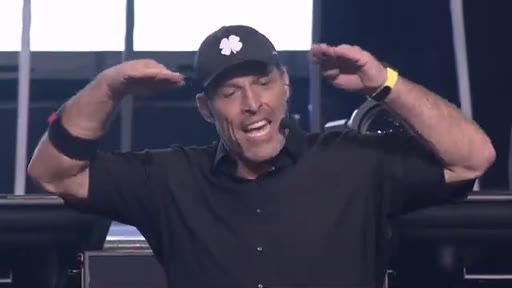
Visual structure at a glance.
Named ideas worth stealing.
Operator vs. Owner
An operator is self-employed with high risk; an owner has a system that functions without them. The test: can you sell it? If not, it's not a business.
The Four-Stage Transformation Chemistry
- Satiation
- Dissatisfaction
- Emotional Threshold
- Insight
Four conditions that must be present in sequence for a real breakthrough. Most people get to dissatisfaction and stop. The insight stage opens a window — and that window closes if you don't act.
Six Human Needs — Hierarchy Matters
- Certainty
- Variety
- Significance
- Love/Connection
- Growth
- Contribution
Everyone has all six needs but runs them in different sequences. Certainty and significance at the top blocks the growth and love you actually want. The sequence, not the needs themselves, determines your outcomes.
Trust = Aligned Interests
Trust isn't about character assessment — it's about structural alignment of incentives. Structure the deal so when they win, they win big, and when they lose, they bear real pain. Applies to investors, employees, and partners.
Lines you could clip.
"If you're not in Hoover Dam, you're not fucking stuck."
"If you cannot sell it, it is not a business."
"There is no such thing as a business issue. It's always a personal issue."
"Suffering only happens when you focus on you — what you're not getting, not receiving, not experiencing."
"Business is a spiritual game. It's designed to make you grow. There's no better game I know of."
Things they pointed at.
How they asked for the click.
"I'm gonna show you precisely how I've done that the next few days."
Soft implicit CTA — this clip is a teaser for the full UPW seminar. No direct pitch; the value demonstration IS the pitch.
Word for word.
Your business plateau lives in your psychology, not your market.
The ceiling most founders hit isn't capital, customers, or competition — it's the psychology that turns those into excuses for not taking the next real risk.
- Business problems that persist past competence are almost always psychology problems — specifically, some version of fear disguised as a practical constraint.
- If you can't walk away for a month without the business suffering, you don't have a business — you have an operator's job with a founder's title.
- The four-stage transformation chemistry — satiation, dissatisfaction, emotional threshold, insight — explains why people who 'know what they need to do' still don't do it: the insight arrives, the window opens, and fear of losing control makes them wait until it closes.
- Certainty and significance, when they sit at the top of your hierarchy of needs, actively block the growth and connection you say you want. The sequence matters more than the needs.
- Trust in any partnership — investor, employee, or intimate — is a structural question, not a character question. When interests are aligned, trust follows. Start there.
- Control is an illusion; influence is real. Founders who trade control for influence unlock scale. Those who don't stay operators forever, regardless of revenue.
- The same psychology running your business plateau is usually running your personal life plateau — and fixing one without seeing the other is why most 'business breakthroughs' don't last.
- Business forces measurable honesty that most other growth contexts don't. You can't fake a P&L the way you can fake spiritual progress. That's the gift of being in it.
- An investor's 'no' almost always means your offer doesn't meet their needs — not that your business lacks value. The fix is to understand their needs first, then structure accordingly.
- Going on dates four times a week but judging every candidate before genuine vulnerability is possible isn't effort — it's managed distance. The same pattern shows up in hiring, partnerships, and investor meetings.