
The bait, then the rug-pull.
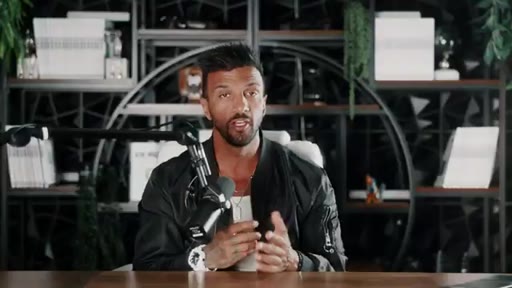
Brian Mark opens by holding a MacBook directly at the camera — Claude's homepage fills the frame — and drops a single sentence that collapses the gap between AI hype and actual revenue: this is a system, not a prompt. What follows is fifteen minutes of unusually dense, self-demonstrating tutorial where the creator teaches the exact framework his own video was built on.
What the video promised.
stated at 00:08 "I'm gonna break down the exact step by step process that you need to utilize Claude to create content for you in minutes." delivered at 11:39
Where the time goes.

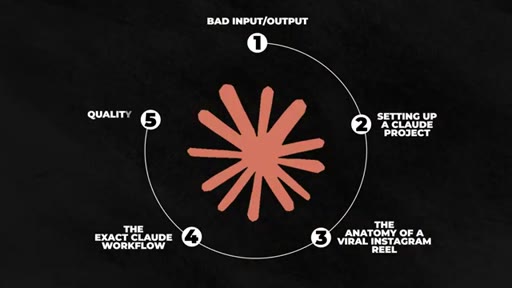
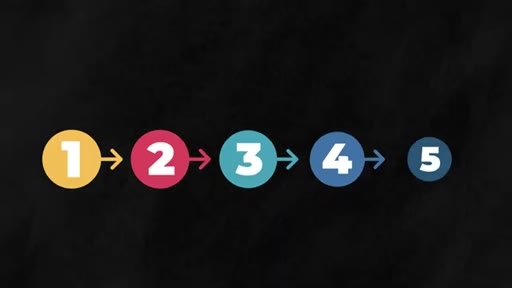
01 · Hook & Promise
Opens holding Claude laptop. Claims 30-50M views/month with one Claude Project. Teases exact step-by-step process. References Part 1 of series.

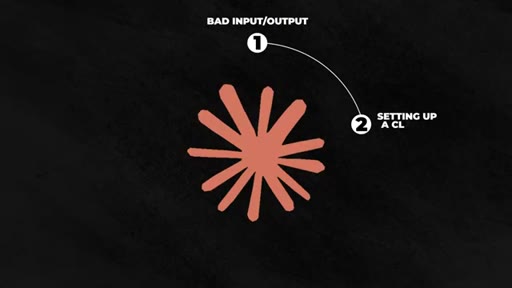
02 · Part 1 — Quality In = Quality Out
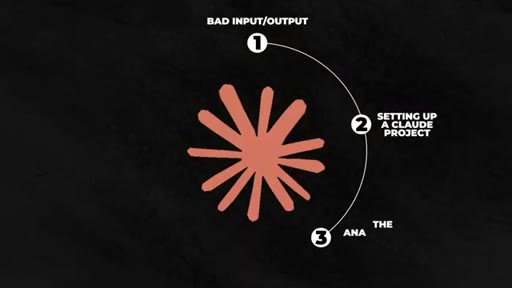
Most AI content sounds like garbage because people give terrible inputs. Core rule: quality of output = quality of inputs. Need to give Claude more information upfront and iterate until you get the right output.

03 · Part 2 — Setting Up a Claude Project
A Claude Project is programmed once with brand voice, prompt instructions, ICA, and client voice bank. Every future request inherits that context. Brian defers to a separate setup video.

04 · Part 3 — Anatomy of a Viral Reel
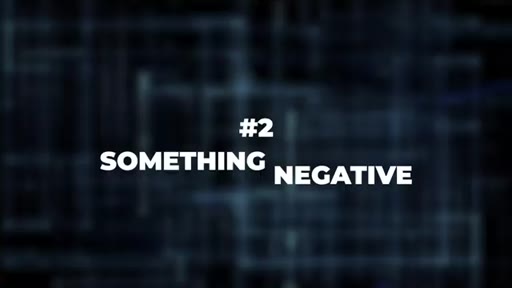
Four-part framework: Hook (verbal/visual/text), Problem (must be specific enough to exclude people), Value (tangible results upfront), CTA (one liner). Covers three hook types: exaggerated claim, something negative, contrarian belief.
05 · Part 4 — The Exact Claude Workflow
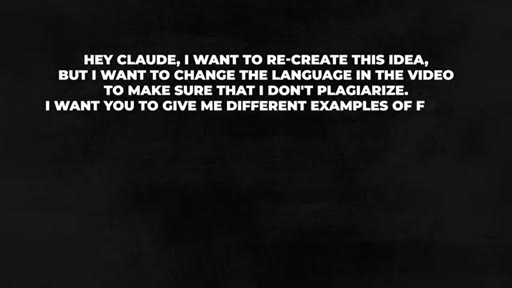
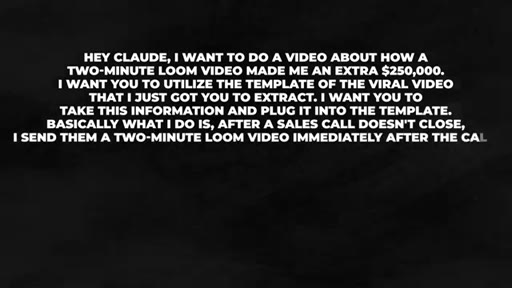
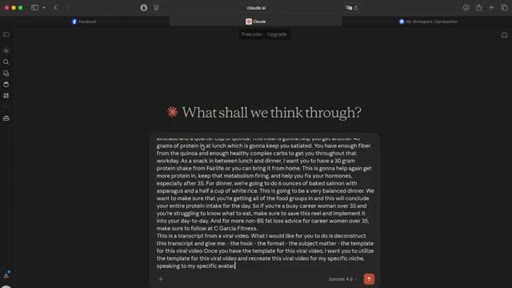
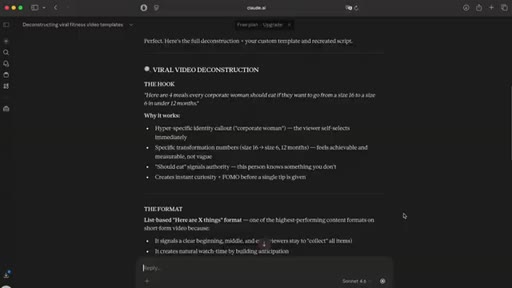
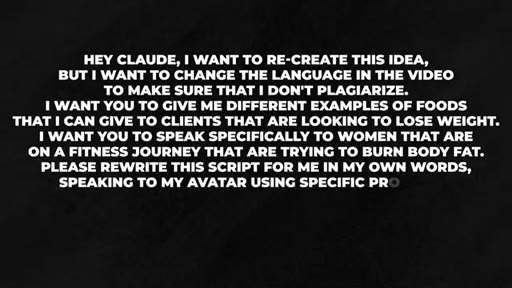
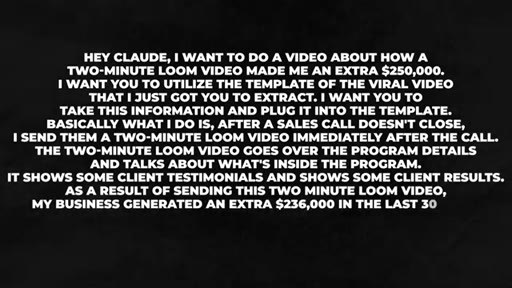
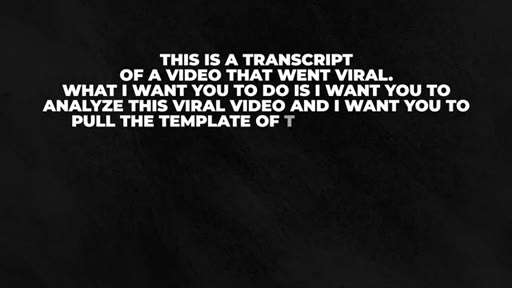
Two methods. Lazy way: paste viral transcript, extract template, rewrite for your avatar. Creative way: find viral outlier, extract template, plug in your own expert idea. Shows live prompts on screen.

06 · Part 5 — Quality Control + Non-Outsourceable Skills
Read script aloud, fix what sounds off, do a voice check, move to Google Docs, batch record. Two things you can't outsource: your voice on camera, and knowing what formats are performing right now.
Visual structure at a glance.
Named ideas worth stealing.
Quality of Input = Quality of Output
The output Claude gives you is bounded by the information you give it. Better input context = better output scripts.
The Anatomy of a Viral Reel
- Hook (verbal + visual + text)
- Problem (specific, not vague)
- Value (tangible, actionable)
- CTA (one liner)
Four-part structure for Instagram reels that convert to clients, not just views.
Three Hook Types
- Exaggerated claim
- Something negative
- Contrarian belief
The three categories of hooks that stop the scroll. Each is contrasted with a flat, forgettable alternative.
Lazy Way vs Creative Way
Lazy: extract viral template, swap your avatar/examples. Creative: bring your own idea, use viral template as the container. Brian shows his $236K Loom video example using the creative method.
Giver vs Taker Business Model
Give so much free value that people feel like they're cheating you by not hiring you. Results in advance = trust = conversions.
Lines you could clip.
"The quality of your output will be the quality of your inputs."
"Just me and a Claude project that knows my voice better than most people."
"Great marketing joins a conversation happening in people's minds."
"I know some content agencies that you pay $3,000 a month, and this is literally all they do."
How they spent the runtime.
Things they pointed at.
How they asked for the click.
"make sure you like this video, leave me a comment, turn on post notifications so you don't miss anything in the series, and stay tuned for part three"
Standard subscribe + notify push at the end. Clean, short. No product pitch — coaching application link lives only in description.
Word for word.
Run the framework on your own content.
Brian teaches a five-part system and then demonstrates it — this video IS the system running on itself. The most stealable move is the creative method: find a viral outlier in any niche, extract its template, and plug your own expert idea in.
- Build a Claude Project with your brand voice, ICA, and a client voice bank — do it once, use it forever.
- Learn the four-part reel anatomy (Hook/Problem/Value/CTA) well enough that you can catch when Claude's output breaks the structure.
- For the Problem section: write it specific enough to exclude people. If anyone could have this problem, nobody feels seen.
- Run the creative method, not the lazy method: bring your own idea, use the viral template as the container.
- Do the voice check. Read every script out loud before filming. Anything that trips you — fix it right there.
How to use AI without sounding like AI.
The reason most AI-written content sounds generic is simple: people give it nothing and expect something. Give your AI tool real context — your voice, your audience, your actual examples — and it gives you real output.
- Don't start with a blank prompt. The more specific context you give upfront, the better the output.
- Always read AI-generated writing out loud before using it. Your ear catches what your eyes miss.
- Steal structure, not content. Find something that performed well, understand why it worked, then build your own version.
- Giving value freely — more than people expect — is what earns trust, not clever CTAs.