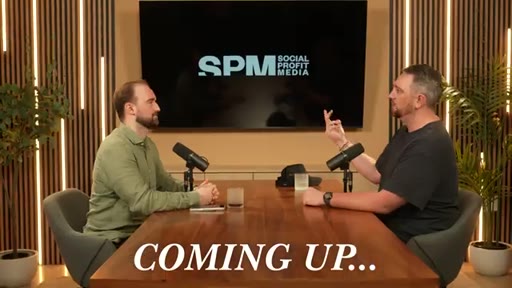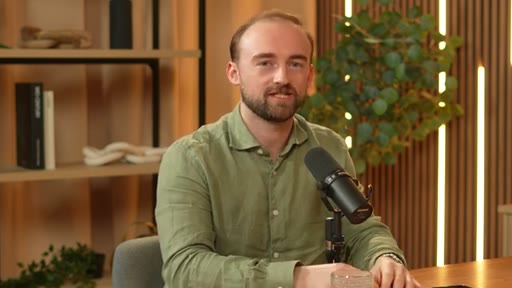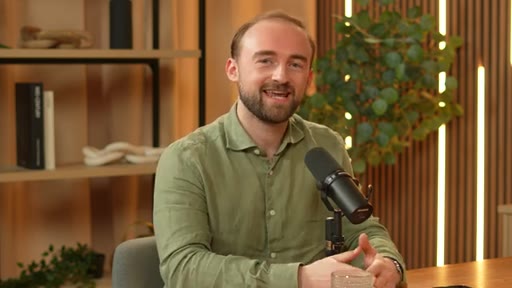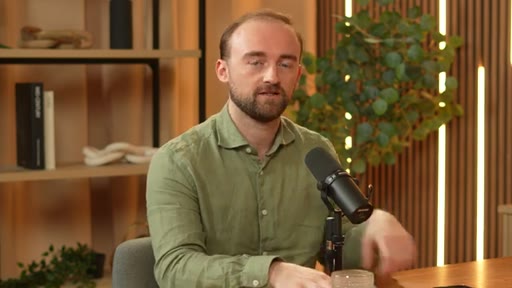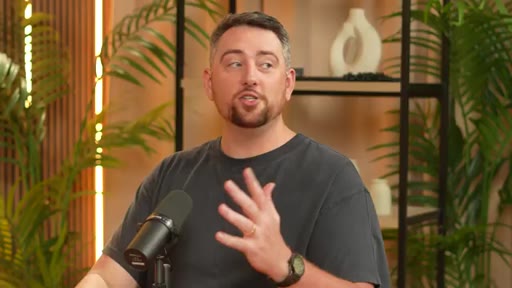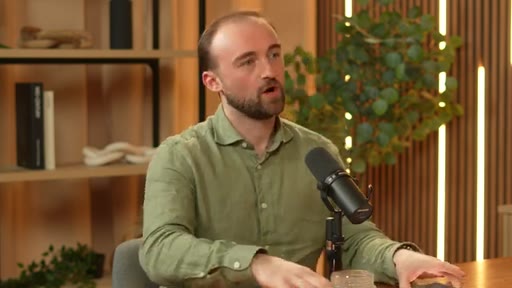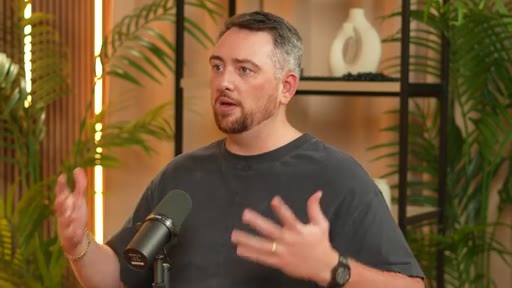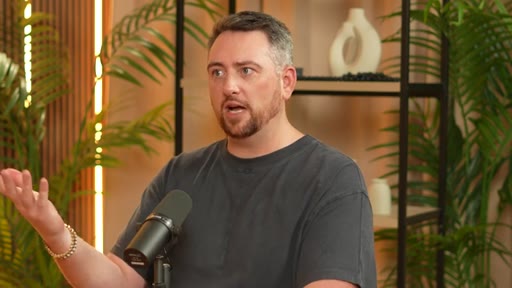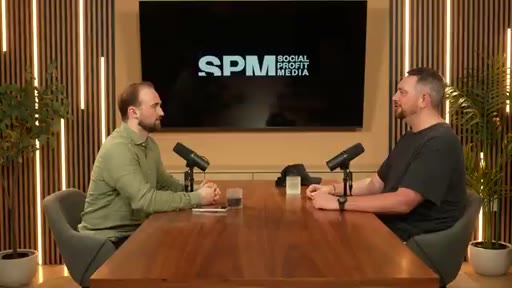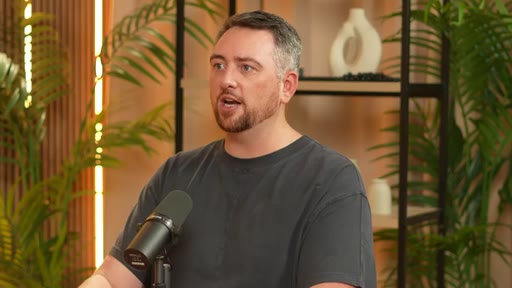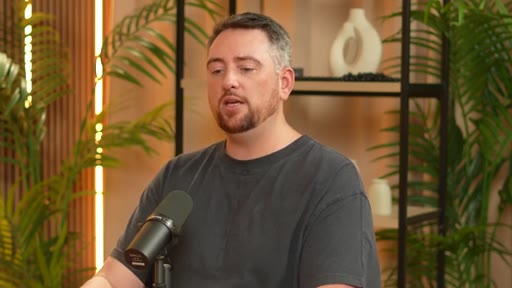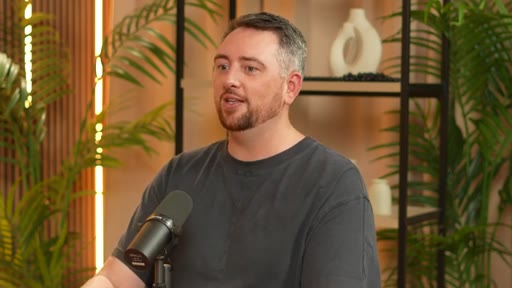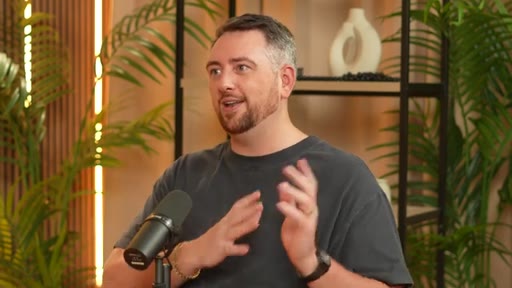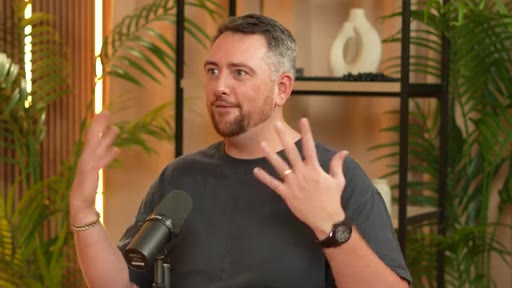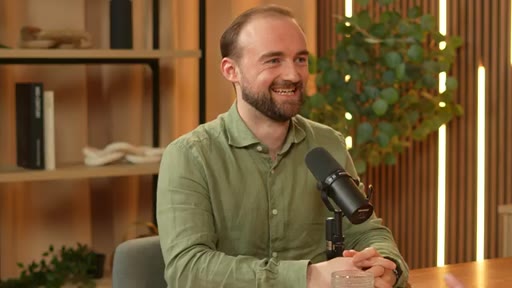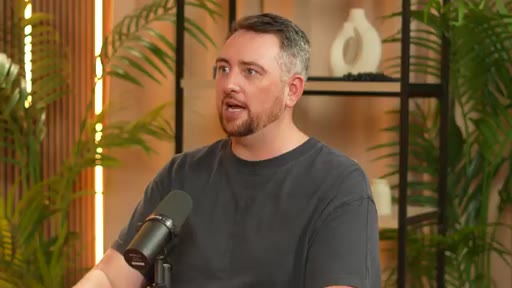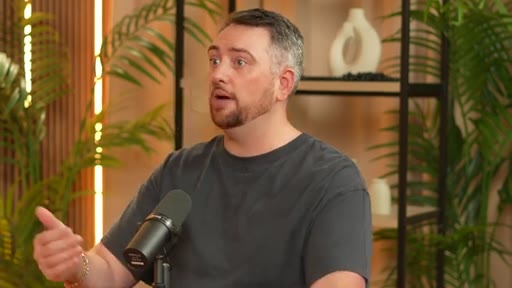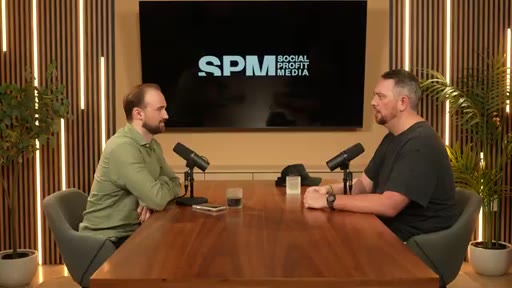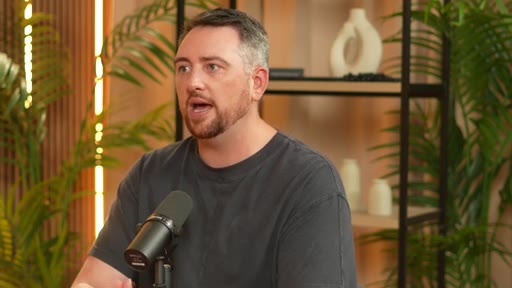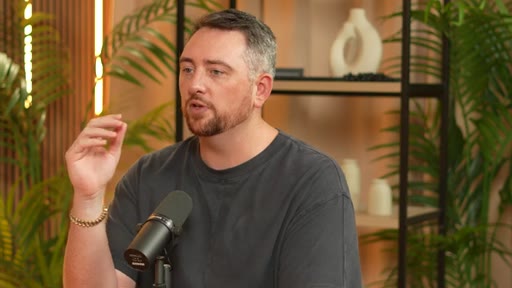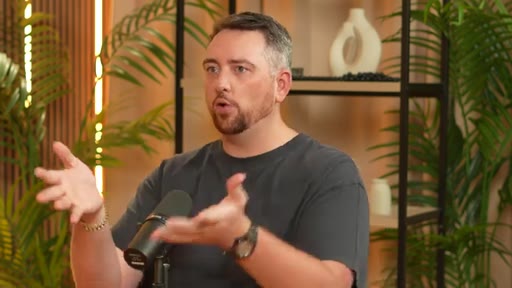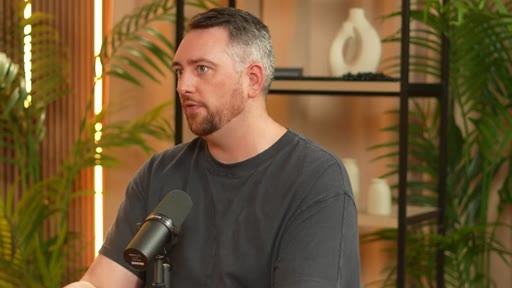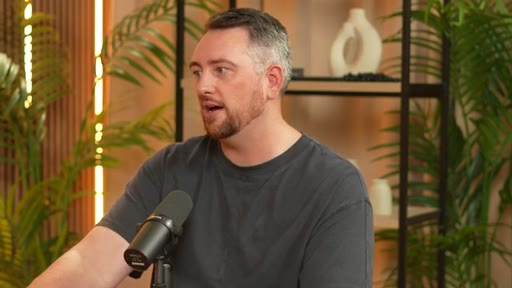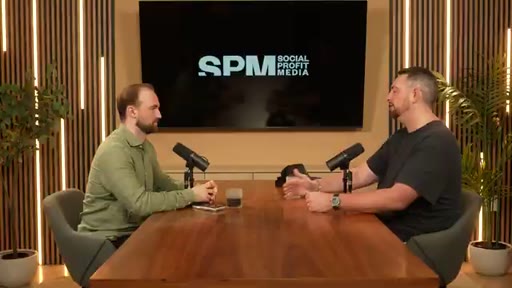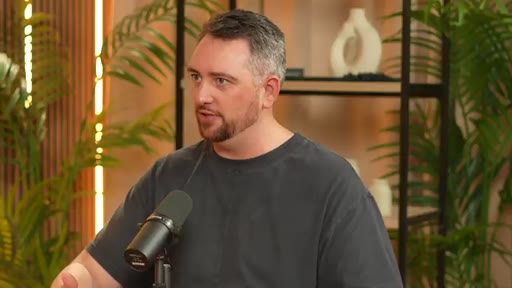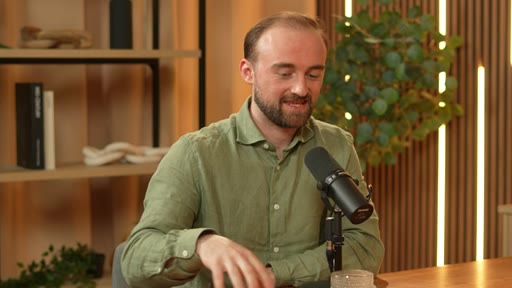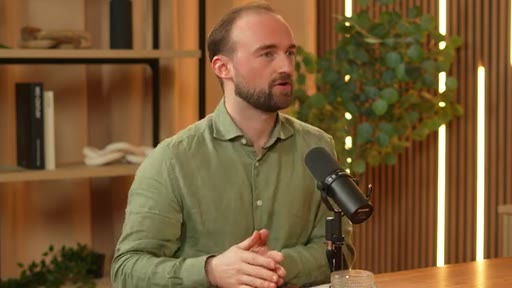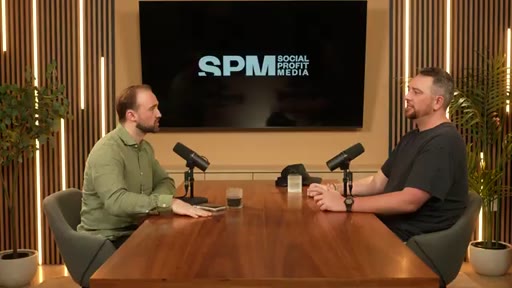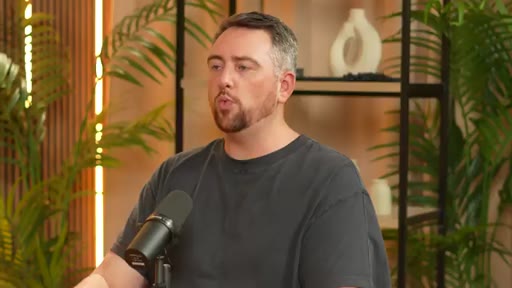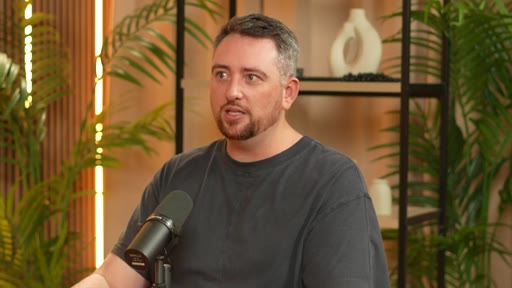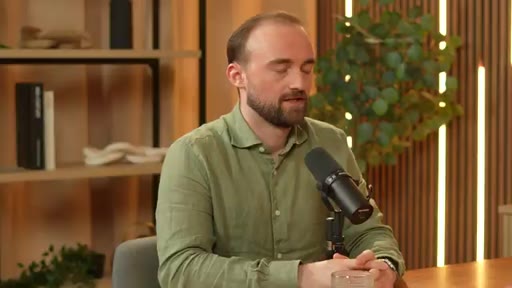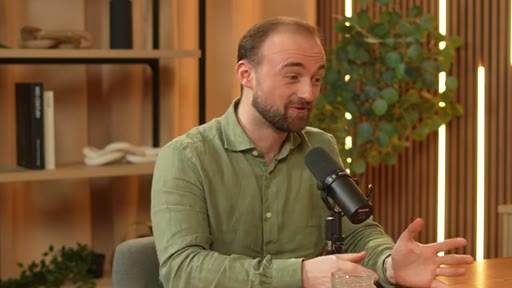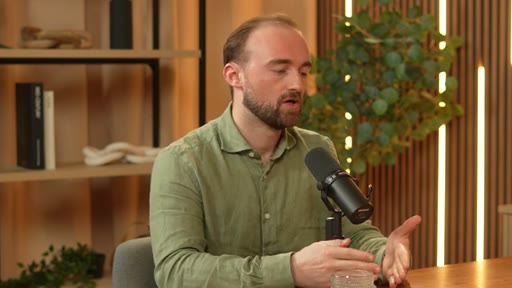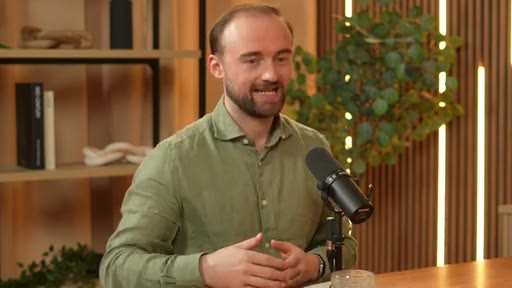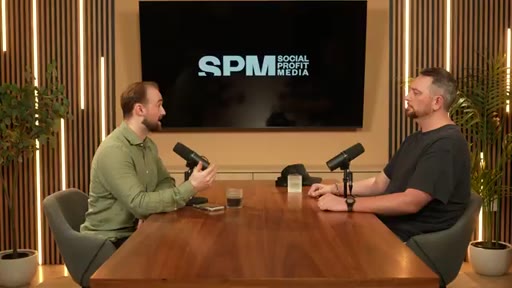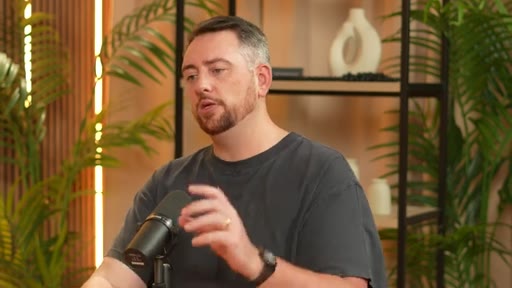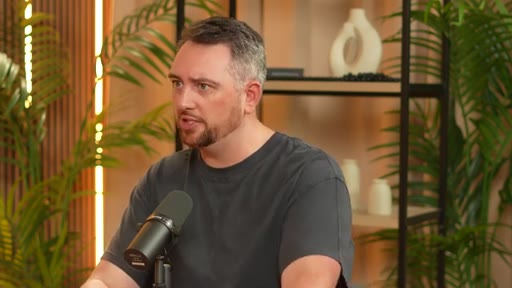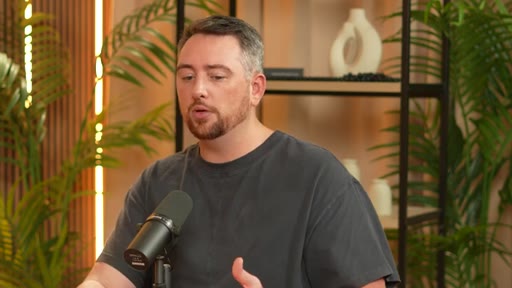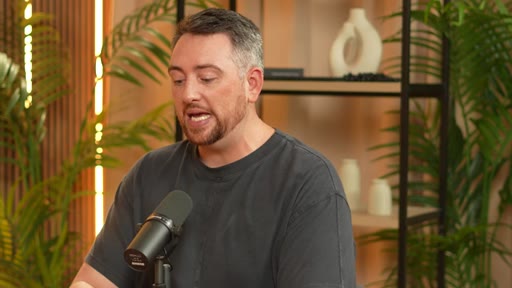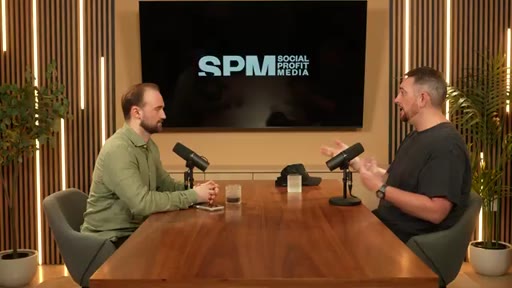
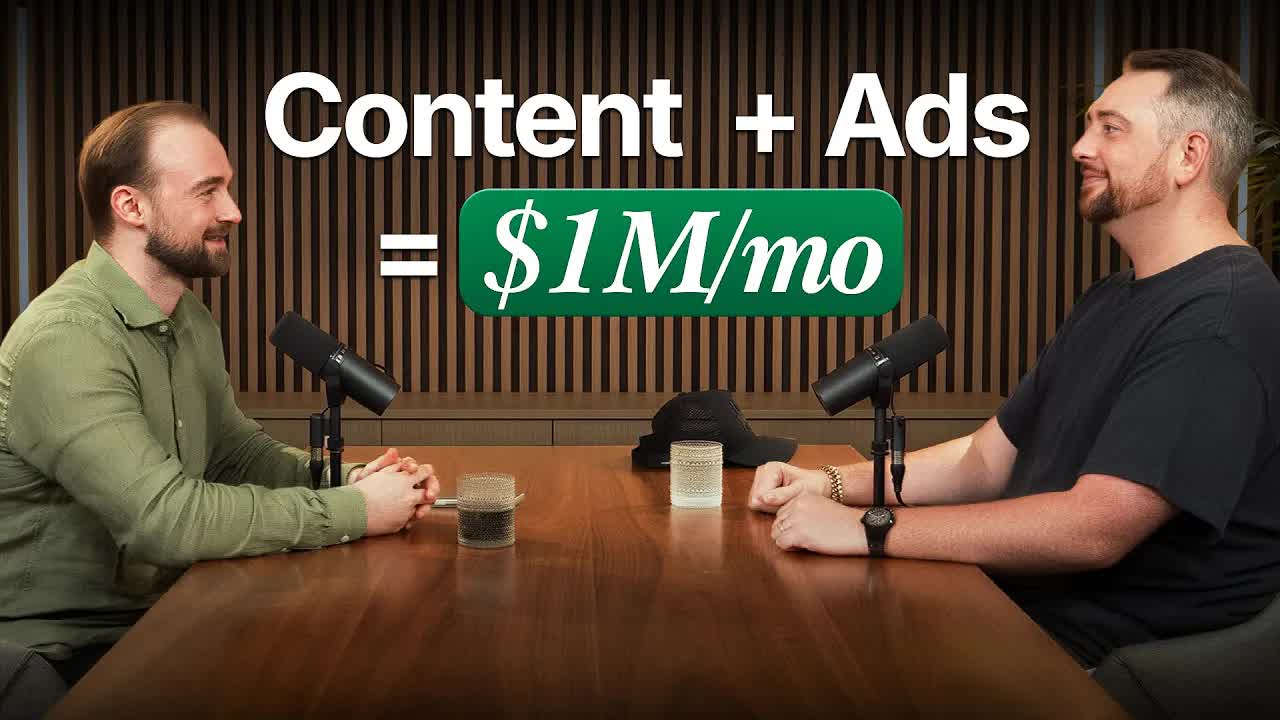
The bait, then the rug-pull.
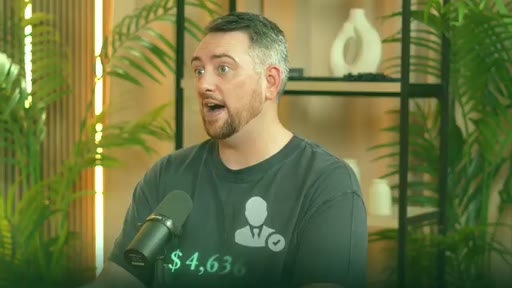
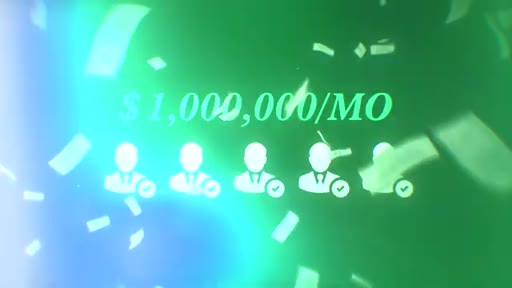
The cold open is a flex stack: $10M/month client, $90M/year client, five different million-dollar-a-month trophies handed out in a single quarter — all before either Jeremy has said hello. Then comes the line that actually frames the next 96 minutes: 'as you make more money, you literally unlock new ways to think that you previously could not even think with.' Everything that follows — the YouTube cadence, the 'Hammer Them' funnel, the OBGYN story, the digital-clone offer — is a different angle on that same claim.
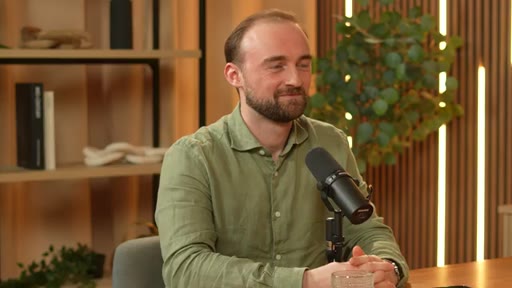
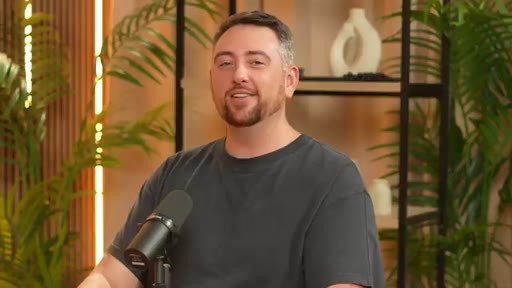
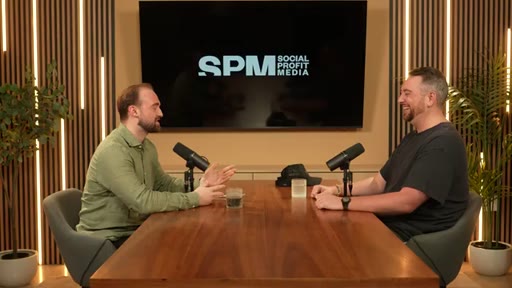
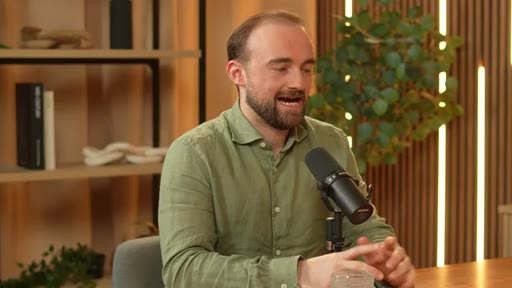
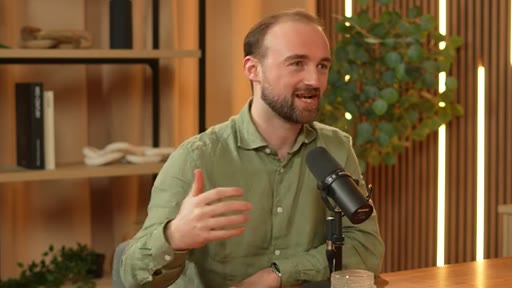
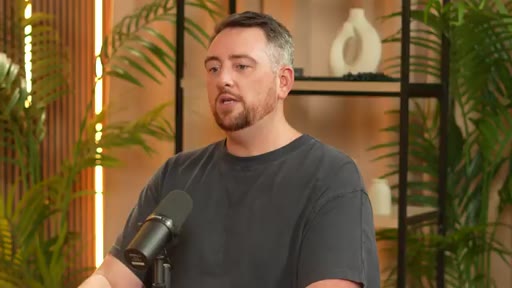
Who's talking.
Where the time goes.
01 · Cold open: trophies + flex stack
Greatest-hits soundbites — $10M/month earner, $90M/year earner, five million-a-month trophies between Jan and April. 'As you make more money, you literally unlock new ways to think.'
02 · Intro + setup
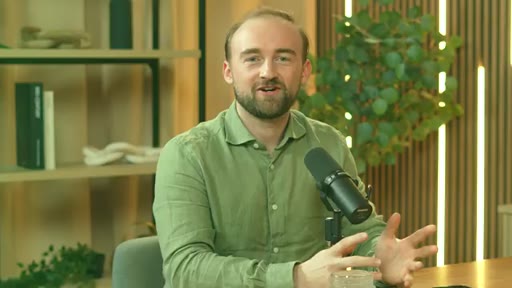
Moser introduces Haynes as one of the most blown-up business coaches of the past 12 months and his Inner Circle program mentor of four years. Frames the topic: personal branding as both an acquisition channel and a paid-ads amplifier.
03 · Why personal brand matters more now
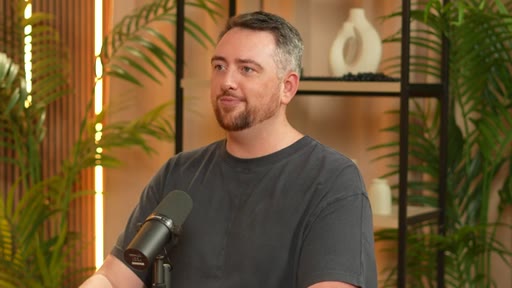
Haynes: AI replicated content first because people are always the most important. The illusion is ad-click-to-conversion; reality is the prospect checks every other platform first. Personal-brand presence shortens sales cycles and lifts close rates 100% of the time — even before the channel becomes a discovery mechanism.
04 · Traits of the biggest brands — full digital character
The pattern across Tate, Hormozi, Cody Sanchez, TGR: they put out a *full* well-rounded character — money, parenting, fitness, silly stuff, mindset, lifestyle. Most people are 'one-sided' and only flex or only educate. The brain doesn't distinguish online vs offline relationships — exposing a well-rounded self hijacks the same trust system.
05 · The expert-to-personable bridge
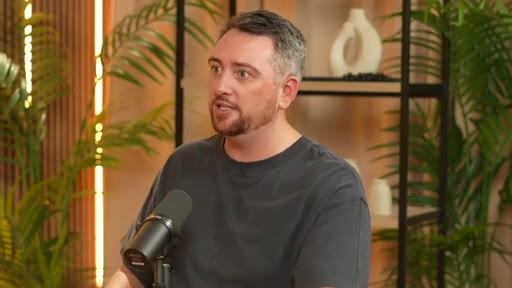
Most people run the playbook in reverse. Step 1 is content that supports your existing sales process (people looking you up). Step 2 transitions to discovery via niche helpfulness. Only after that does lifestyle/marriage/personal content matter. The bridge between subject-matter expert and lifestyle is *personal stories that still align to the expertise* — Tate flying to confront a hater is mindset content in personal form.
06 · The July 2024 YouTube bet — 2-3 hrs/week
Haynes' setup: two iPads (4K/60), one for filming + one as a Rode-miced screen-recorder for hand-drawn explainers, Sundays only. 20-60 min videos, twice a week, no shorts repurposing for the first 6-7 months. Cost basis: pennies. He launched it as a *bet against his own belief* that YouTube wouldn't generate his ideal agency client.
07 · The unexpected beneficiary — Inner Circle
The bet failed at its stated goal (only 3 agency clients in a year) but unexpectedly blew up the education company. Talking about cracking a million-a-month — to *any* high-ticket operator, not just agency owners — attracted founders doing $10M/mo and $90M/yr. Now the Inner Circle is hard-capped at 250 with a waitlist.
08 · Anti-virality + content ideation by client problem
Haynes intentionally optimizes for the financially qualified buyer, not for views. 'Anytime my content gets scaled attention, it's always just a mass amount of angry poor people.' His ideation process: zero competitor research — just observe what every client/student is collectively struggling with that week. 'If one person says it, there's probably a thousand people thinking it.' Withholds 80-90% of what he knows; deliberately gives 10-20% as 'house money'.
09 · Why a 'sophisticated' offer beats a course
The trap: people are 'just selling more videos on the other side of a payment gateway.' What actually scales: multi-component offers — videos + 1-on-1 access + group calls + mastermind + AI-agent layer. The free-everything cult ('Cardone-style give-it-all-away') typically ends in $100k of chargebacks and the founder teaching Orangetheory.
10 · Offers + mainstream alignment
The offers doing multi-million-a-month all attach to a *currently mainstream theme* — wellness, AI, taxes (perpetually hated), peptides. Niche/declining-interest offers can still work, but only if they're high-ticket + recurring + truly specialized. Tom's OxyShield hyperbaric-chamber company hit $1M/mo in 4-5 months with AI setters routing leads to a 3-way text chat — no human salespeople.
11 · Is the offer cooked? — diagnose messaging first
Diagnostic test for a dying offer: have you genuinely tested multiple messaging angles, multiple funnel types, and multiple traffic channels (not for 2 weeks, not on no budget)? If yes, it's probably the offer. Usually it isn't — usually the market has just become more sophisticated and the messaging needs refresh.
12 · The bridge framework
Haynes' master messaging visual: two cliffs with a bridge. Cliff 1 = current circumstances + problems. Cliff 2 = desired outcomes. The bridge = your offer. Prospects don't care about the bridge until they feel you understand both cliffs. Usually you don't need a new bridge — you need to fortify the one you have.
13 · Organic vs paid — test cold first
Going from organic to paid is the *harder* direction (your sales team breaks because they've only ever taken layup deals from warmed-up content viewers). Going paid-first to organic is dropping a nuke when you only need a match. If you can convert cold paid traffic, organic will print.
14 · Two closing teams — organic vs paid identities
The best organic closer 'couldn't crack an egg on paid' because organic prospects arrive warm and expect joking; paid prospects arrive cold and need a different rhythm. Most humans can't flip identities — split the teams. Or, alternatively, play to your existing team's strengths and choose a funnel (webinar > call funnel) that pre-warms paid leads.
15 · The closer-rage pivot — back-end selling systems
Haynes used to be 'full rage' at bad closers. After years of failed sales-trainer interventions snapping back like a rubber band, he killed the belief and built systems that don't require great closers: confirmation page best practices, 'hammer them' content remarketing, setter pre-call SOPs, AI manipulation mastery, value-dense email sequences. The clients who still scale fastest have great closers — but the systems make scaling possible without them.
16 · The 'Hammer Them' strategy — paid ads case study
Recent webinar: 700+ signups, 44% show rate, 6x cash-on-cash ROI. Mechanism: between opt-in and webinar (~72 hrs), the prospect saw 13 long-form YouTube videos (frequency 13) + 17 short-form videos (frequency 17) split across 4 buckets — questions, second-layer questions, expectations, objections. Total content-ad spend: ~$1,600. Cost-per-registration delta: ~$23. Compresses 8 months of organic warmup into 72 hours.
17 · Hybrid model + the 150-person audience floor
The hybrid model isn't 'paid + organic.' It's 'paid sequenced with content for warmth.' You need a 150-person seed audience minimum to do content remarketing. Leading indicator that it's working: your sales team starts reporting 'these leads were fucking hot' before any stats move.
18 · Get-richer mindset, OBGYN + vet stories
Haynes' pregnant-wife OBGYN story: walked into the insurance-based clinic, saw a mass waiting lobby, walked back out. Asked for 'the rich-person version of an OBGYN' — paid $15k cash for concierge service. House visits, suite at the hospital, chef-on-call. Companion: wife paying $5k cash on the spot to save a stranger's dog at the vet. 'That's not for any other difference than just you have enough money or not to access it.' GTA-map metaphor: most of life's map stays grayed out until you've physically traversed there with money.
19 · Investment plan — conservative floor + risky bets
Haynes' 25-year-old math: to hit $100M+ via the 4% rule by age 45 from S&P-style 10%/yr returns, he needs to invest $200k/mo for 20 years. He's 6+ years in. Now stacks higher-risk plays on top — VC/PE bets (Anduril mention via NFL lineman), business exits (one tracking high-8/low-9-figure), overfunded whole-life policies as safety nets. Pair conservative floor + aggressive layer; identity must match the external level you've earned.
20 · Amplification vs side quests — the $100-300k/mo trap
Most operators stuck in the $100-300k/mo band fail to *amplify existing successful actions* before chasing random bets. Resistance ceilings are unanswered questions — the speed you move through them dictates how fast you scale. Video-game metaphor: main quest = the real lever; side quests = strengthening moves. People plateau because they only play side quests.
21 · AI agents replacing payroll
Most exciting category for Haynes. They lost access to Manus, built their own agent platform Utari for sales/marketing outcomes, then Claude Projects partially redundified it. Production use cases: agents writing all email marketing, agents managing CRM compliance, agents acting as middleman between sales managers and the owner via daily call-analysis. Hired a $6k/mo full-time 'AI guy' just to keep up.
22 · Jeremy AI — the digital-clone offer
Combined Utari tech with a digital-cloning layer to sell agentic Jeremy clones. $25k/yr standalone offer, also bundled into every Inner Circle and agency tier. Ten days post-launch: $38,489 MRR, $461,871 ARR. Internal use: staff and clients ping AI Jeremy when real Jeremy is unreachable. Trust-funnel reborn: 3-video sequence with embedded Jeremy AI instances trained on each step's objective — clone sells itself on the landing page.
23 · Final words — stop lying, take risks, no sideways
Closing call to action: stop lying about how important money is, get out of comfort, take big risks. 'There's no such thing as going sideways. You're either contracting or expanding in real time.' Business going sideways = unknowingly taking contraction-oriented actions. The implementation is where the results lay.
Lines you could clip.
"As you make more money, you literally unlock new ways to think that you previously could not even think with."
"People always die in obscurity. They just don't exist."
"Always, 100% of the time, makes a dramatic lift in sales closing rates, shortening sales cycles."
"Nobody cares about a random person online until they're helpful with them in a particular way."
"Anytime my content gets scaled attention, it's always just a mass amount of angry poor people."
"If one person says it, there's probably a thousand people thinking it."
"We replicated the organic sales process via paid ads. That's what the Hammer Them strategy does."
"It's not for any other difference than just you have enough money or not to access it."
"There's no such thing as going sideways. You're either contracting or expanding in real time."
"I paid for that within ten days."
Things they pointed at.
Word for word.
Steal Haynes' content-as-ad-amplifier OS.
Personal branding without a paid-ads layer is leaving 6-10x on the table — Haynes' whole moat is that he runs both at once.
- Pick a 2-3 hr/week filming block (Haynes: Sundays, two iPads, twice-a-week YouTube) and don't compound it with shorts repurposing for the first 6 months — let the long-form prove first.
- Ideate by client problem, not competitor research. Each week, ask: what is every client/student collectively struggling with that I could solve in 20 minutes of camera time?
- Withhold 80-90% of what you know on free channels. Free content is 'house money' that funds the next buy — not a complete curriculum.
- Build the bridge before optimizing the offer. Audit messaging in three layers: messaging angles, funnel types, traffic channels. Most 'dead offers' are dead messaging.
- If you sell paid, build the Hammer Them sequence: 10+ long-form remarketing views + 15+ short-form across questions/second-layer/expectations/objections, compressed into 72 hrs between opt-in and event.
- Run two closing teams or two closing identities. Organic closers joke; paid closers diagnose. Don't ask one human to be both — or, if you must, pick the funnel that plays to their existing strength.
- Stack at least one AI-agent or digital-clone layer onto every existing offer. Haynes added Jeremy AI to every tier and hit $38k MRR in 10 days from a single landing page.
Stop lying to yourself about money.
The whole episode is a permission slip to admit that money governs almost every meaningful option in your life — and to do the math on what you'd need to earn and invest to actually escape that ceiling.
- Run Haynes' personal investment math: pick a target net worth, pick an age, back-solve to a monthly contribution at conservative returns (~10%/yr). If the number scares you, that's the signal, not the problem.
- Audit your own 'one-sided' content / public self. Are you only showing the professional layer? People build trust on rounded humans, not curated ones.
- Stop optimizing for virality. Volume-of-the-wrong-audience is more expensive than silence — the 1,000 right people for your problem beat the 100,000 wrong ones every time.
- Take more small bets. Haynes' rule: if it costs ~1-3% of monthly revenue and there's a plausible 10x path, just run it. The 15 Mac Minis that got abandoned in 3 months were still net-positive.
- Address the resistance ceiling directly instead of side-questing around it. The thing you keep mentioning to friends for 3+ months is the main quest — fix that one before chasing the next shiny tactic.
- Stop pretending you're 'going sideways.' If revenue is flat for 6 months, you're contracting — diagnose what's quietly bleeding before adding new bets on top.