Neil Patel · Youtube · 11:08

The Marketing Opportunity of a Decade (But Not for Long)

An 11-minute argument that AI agents have already taken over the first stage of the customer journey -- and the early-mover window to get your site agent-ready is measured in months.

Posted
April 22nd 2026
1 months ago
Duration
11:08
Format
Talking Head
educational
Channel
NP
Neil Patel
§ 01 · The Hook

The bait, then the rug-pull.

The shift from search engines to AI agents as the first contact point in the buying journey is not a five-year forecast -- it is already running in ChatGPT shopping, Perplexity recommendations, and Google agent integrations. This video makes the case that the entire customer funnel has already collapsed into a single automated conversation, and lays out a concrete six-step playbook for getting your website onto the shortlist before the flywheel locks out latecomers.

§ · Chapters

Where the time goes.

00:00 – 00:43

01 · Cold open: the shift stated

Hook premise delivered in full: AI agents are already buying, companies they skip will never know they were in the running.
00:43 – 02:05

02 · Chapter 1: The Internet Just Changed Again

Historical framing: three waves (desktop SEO, mobile, AI agents). Early movers in each locked in advantages that held for years.

02:05 – 03:34

03 · Chapter 2: The New Customer Journey

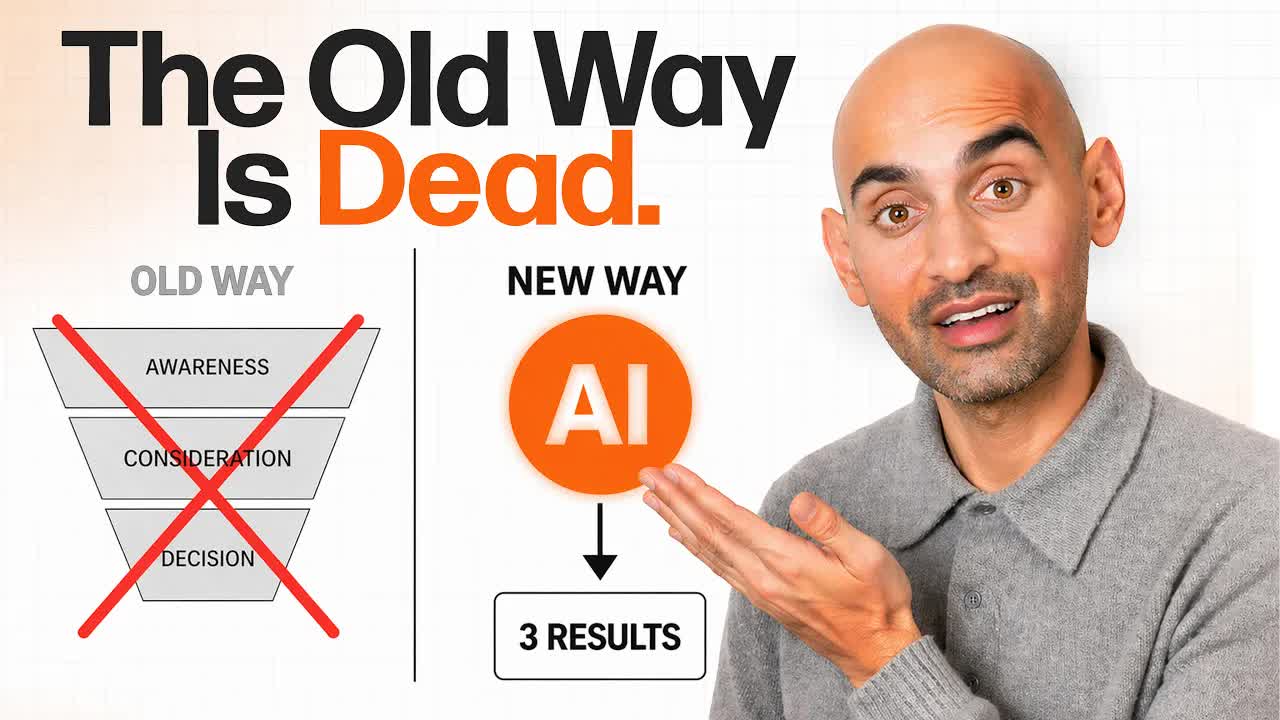
Old funnel vs. new funnel. Human delegates research to AI agent; full awareness-consideration-decision cycle compresses into one conversation. Human never visits a site.
03:34 – 06:37

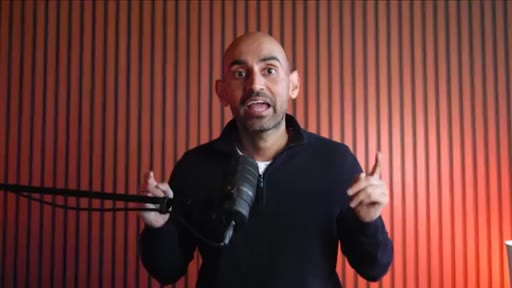
04 · Chapter 3: How AI Agents Actually Shop

Five signals agents evaluate: structured data, content clarity, API compatibility, brand signals, freshness. Accessibility equals AI visibility.
06:37 – 09:18

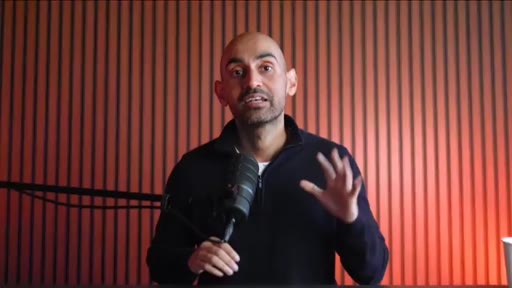
05 · Chapter 4: The Agent-Ready Playbook

Six concrete steps: schema markup, rewrite for clarity, open APIs, build brand signals, keep content current, create category-ownership content.

09:18 – 11:08

06 · Chapter 5: The First-Mover Window

Gartner 2028 prediction, 12-18 month adoption timeline, recommendation flywheel mechanics, urgency close.

§ · Storyboard

Visual structure at a glance.

hook
three waves
old funnel
5 signals
playbook
window closing
CTA
§ · Frameworks

Named ideas worth stealing.

03:34 list

Five Agent Signals

  1. Structured data / schema markup
  2. Content clarity (what/who/price/how)
  3. API compatibility
  4. Brand signals across the web
  5. Freshness

The five criteria AI agents use to evaluate and shortlist websites without a human ever visiting them.

Steal for website audit checklist, SEO pitch deck, content strategy brief
06:37 list

Six Agent-Ready Steps

  1. Add schema markup to every important page
  2. Rewrite key pages for clarity (4 plain-language questions)
  3. Open APIs for agent interactions
  4. Build brand signals everywhere
  5. Keep everything current
  6. Create specificity-rich category-ownership content

The six-step playbook for making a website agent-readable, most achievable within a week.

Steal for client onboarding checklist, SEO audit framework, web redesign brief
10:10 model

Recommendation Flywheel

Agent recommendations drive traffic; traffic builds data and authority; authority earns more agent recommendations. Self-reinforcing loop favoring first movers.

Steal for growth strategy narrative, investor pitch, marketing ROI argument
§ · Quotables

Lines you could clip.

04:21
"The entire funnel -- awareness, consideration, decision -- got compressed into one AI conversation."
Tight reframe of a fundamental marketing concept, no setup needed → TikTok hook
04:35
"The website didn't need to convince a human. It needed to convince an agent."
One-sentence paradigm shift, lands cold → IG reel cold open
04:34
"Accessibility for humans became visibility for AI."
Elegant reframe, quotable standalone, zero context required → newsletter pull-quote
10:24
"Most of your competitors won't watch this video. Most won't even take action even if they do. That's your advantage. Use it."
Strong urgency close, actionable, motivating → TikTok hook
§ · CTA Breakdown

How they asked for the click.

06:02 product
"check us out at NP Digital where we help companies across all industries and all sizes"

Mid-video sponsor block lasting roughly 35 seconds. Soft-sell framing as logical extension of the advice. Second CTA at 11:01 pointing to a follow-on video on AI search.

§ 04 · The Script

Word for word.

HOOK opening / re-engagementCTA the pitch metaphor analogy
00:00HOOKIn the next twelve months, millions of people will stop searching for products and start letting AI agents buy for them. The companies they choose will see a massive surge in revenue. The companies they skip will never even know they were in the running.
00:13HOOKThis is the biggest shift in how customers find businesses since the invention of Google, and almost no one is talking about it. I'm Neil Patel.
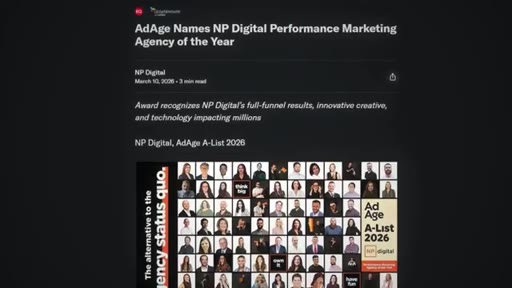
00:21HOOKI'm the cofounder of NP Digital. We're the performance marketing agency of the year by Ad Age. And in this video, I'm gonna show you how AI agents actually shop,
00:31HOOKhow they scan, compare, and decide who gets the sale. Then I'll walk through exactly what to change on your website so these agents choose you every time.
00:45There have been exactly two massive shifts in how people find businesses online. The first was the desktop Internet. Google launch and suddenly, if your business showed up on page one, you won.
00:56The companies that learned SEO early dominated for a decade before the competitors even understood what happened. The second was mobile. Smartphones change everything.
01:05The businesses that went mobile first, responsive sites, fast load times, apps, captured market share, they still hold today. The ones that waited, a lot of them never recovered.
01:15Right now, we're standing at the beginning of the third shift. This one's different because the first two shifts change how people search.
01:25This shift changes who is doing the search. It's not your customer browsing your website anymore. It's their AI agent, scan your site, pulling your data, comparing you against 30 competitors in a second, and making a recommendation
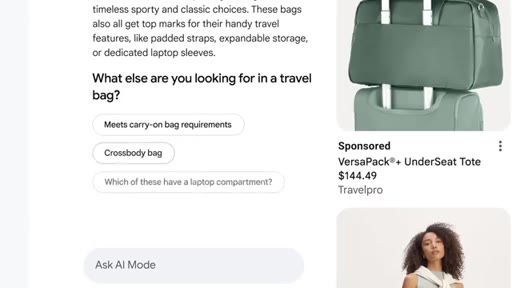
01:40before a human ever sees your page. This isn't coming in five years. ChatGPT already has shopping features.
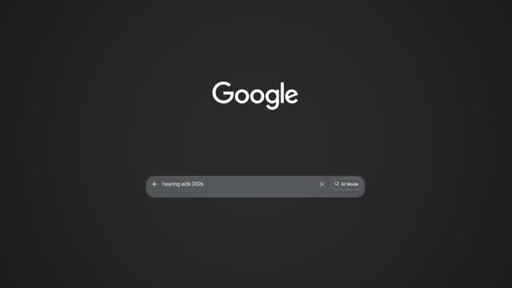
01:47Perplexity is recommending products. Google is building agents directly into Chrome. It's happening now.
01:54And here's where it gets really interesting because this shift doesn't change how people find you. It rewrites the entire customer journey from scratch.
02:07For twenty five years, the customer journey looked the same. Someone has a problem, they search Google, they click a few links, they browse some websites, they compare options, they make a decision.
02:19Humans were doing the work at every single stage. That's ending. Here's what's happening instead.
02:25Someone tells your a a agent, find me the best marketing agency for my ecommerce brand under 5,000 a month. The agent goes out, visits dozens of websites, post pricing, services, reviews, case studies, cross references that against brand mentions and third party data, comes back with three recommendations.
02:43The human picks one, done. They never visited a single site. Think about what just happened there.
02:50The entire funnel awareness consideration decision got compressed into one AI conversation. The website didn't need to convince a human.
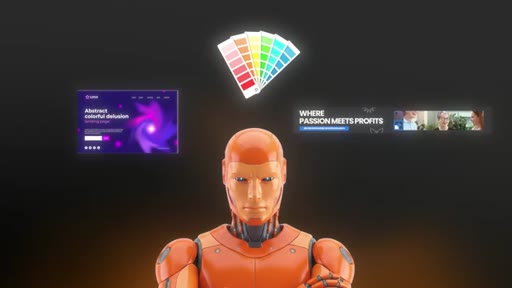
02:58It needed to convince an agent. And that agent doesn't care about your beautiful design, doesn't care about your brand colors, or your clever headline. It cares about one thing, can I extract clear structured information from this site that helps my human make a decision?
03:14If yes, you make the shortlist. If no, you don't exist.
03:18So the obvious question is, what exactly are the agents looking for? Because once you understand that, you can reverse engineer exactly what to do.
03:28And this is the part that almost nobody is explaining clearly yet.
03:37AI agents don't read your website the way a person does. A person scrolls, skims, gets a feel for your brand, and an agent scans your code looking for specific signals. Here's what they're evaluating.
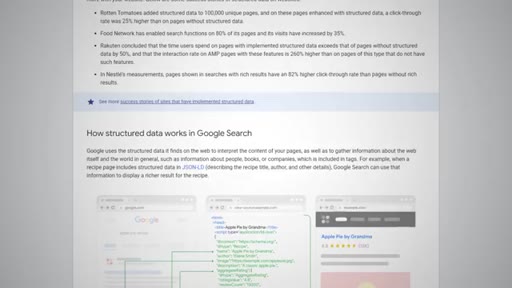
03:49First, structured data, schema markup, and JSON LD. This is a language AI agents speak.
03:56It tells them exactly what your page is about, what you sell, what it costs, and who it's for. Without it, you're invisible. Second, content clarity.
04:05Not clever marking copy, clear, machine readable information. What do you offer?
04:11How does it work? What's the pricing? If the answers are buried in five paragraphs of brand storytelling,
04:18the agent skips you. And here's something most people don't realize. The same things that make your site accessible to people with disabilities,
04:26ARIA tags, clean HTML structure, clear labels, those are now the exact same things that make your site visible to AI agents.
04:35Accessibility for humans became visibility for AI. Third, API compatibility. Agents aren't just reading text.
04:44They're looking for connections they can plug into. If an AI can check your inventory, pull pricing, or book an appointment through a clean API, you win.
04:53If it has to guess by scraping your homepage, you lose. Google just launched something called the universal commerce protocol. That lets the agent handle everything from discovery to checkout.
05:05The sites that plug into this kind of thing first get the sales. Fourth, your reputation across the web. Agents don't just read your website.
05:14They cross reference everything. Brand mentions, reviews, sentiment, citations, other content. If no one else on the internet is talking about you, the agent doesn't trust you.
05:24Fifth, freshness. When was this information last updated? AI agents heavily favor current data.
05:31If your pages look stale, you look unreliable. Now, here's what's wild about this.
05:38Most of those signals, they're the same thing that helped you rank in traditional SEO, structured data, clear content, strong brand presence, fresh information. The difference is for AI agents, these aren't nice to haves. They're requirements.
05:52Miss one, and you're out. But here's the good news. Most of your competitors have no idea this is happening.
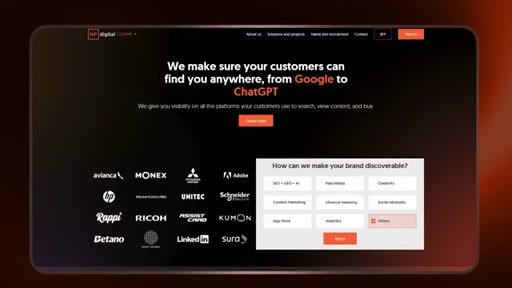
05:58CTAThe bar to stand out right now is shockingly low. You just have to be ready before they are, and that's exactly what I'm about to show you. But before I do, if you want my company to just help you get set up for this new world of AI agents and make sure your marketing is intact so you could be getting the sales, check us out at NP Digital where we help companies across all industries and all sizes even in different languages all across throughout the world, helping them not only optimize for traditional SEO, but also LLMs
06:31CTAand even AI agents.
06:37Now here are the five changes that make your website AI agent ready. Most of these, you can do in a week. Step one,
06:46add schema markup to every important page. Product schema, service schema, FAQ schema, review schema, this is the single highest impacting you can do.
06:56It takes an afternoon, and it makes every AA agent on the Internet able to understand exactly what you offer. Think of it like putting a name tag at a networking event, except the event has a thousand people and everyone without a name tag is invisible. Step two,
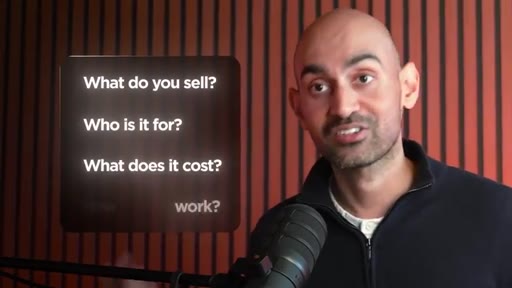
07:12rewrite your key pages for clarity, not cleverness. Every page should answer four questions
07:19in a plain language. What do you sell? Who's it for?
07:22What does it cost? How does it work? Header, short paragraphs, tables where it makes sense, you're writing for a very smart, very literal reader with zero patience.
07:33Step three, open your site to agent interactions. If you sell products, make sure your inventory and pricing are accessible through clean data feeds or APIs.
07:42If you sell services, make sure your scheduling and availability is easy for agent to query. The businesses that let agents plug in directly, check stock, compare specs, and even complete a purchase, those are the ones that get recommended first.
07:56Step four, build your brand signal everywhere. Get mentioned in industry publications.
08:03Earn reviews on relevant platforms. Create content other sites want to reference. A agents trust you more when the rest of the Internet vouches for you.
08:14Step five, keep everything current. Add last updated dates to your pages.
08:19Refresh your core content quarterly. Update your reviews and case studies. Stale content is a trust killer for agents.
08:26Now, there's a sixth move, and this is one that creates real long term advantage. Create content that teaches AI who you are and what category you own.
08:36Don't just say, we're a marketing agency. Say, we help SaaS companies scale from 1,000,000 to 10,000,000 through performance marketing. Create comparison pages.
08:45Build category specific guides. Publish listicles that position you as authority in your niche if you really are the authority in your niche.
08:54Don't lie. The specificity trains the AI. The more specific and consistent you are, the more AI agents associate your brand with that category.
09:03And once you own that association, that's when the real compounding starts. Now all that is a playbook, and it works.
09:11But there's something even more important than what to do, and that's when you do it.
09:21Every major Internet shift has had a window, a period where the early movers locked in advantages that lasted years. The businesses that figured out SEO in 2003, some still rank on page one.
09:33The brands that went mobile first in 2010, they captured market share they hold today. The Gentic Web has a window too, and it's smaller than any window that came before it.
09:44And here's why. AI adoption is moving faster than anything we've seen. Gartner is predicting that by 2028,
09:51a massive percentage of both b to b and b to c transactions will involve AA agents in the decision. What took mobile five years to reach mainstream adoption? AA agents will do it in twelve to eighteen months.
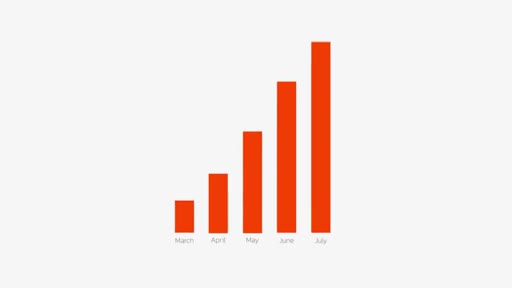
10:06That means the early mover window isn't three to five years. It's measured in months. And once AI agents learn which brands to recommend in the category, those recommendations
10:16compound. The more recommendations lead to more traffic.
10:21More traffic leads to more data. More data leads to more authority. More authority leads to more recommendations.
10:28CTAIt's a flywheel, and the businesses that get on it first spin faster every single day. The businesses that wait, they're fighting a uphill battle against competitors who are already the default recommendation. That's the real opportunity here.
10:43CTANot AI content tools, not chat GPT tricks. The real play is making sure that when AI agents start doing the buying and they already are, they're buying from you. Most of your competitors won't watch this video.
10:56CTAMost won't even take action even if they do. That's your advantage. Use it.
11:01CTAIf you wanna see how AI search is already reshaping which businesses get found, watch this video next.
— full transcript
§ 05 · For Joe

What AI agents actually look for when they evaluate your site

WHAT TO LEARN

AI agents eliminate candidates mechanically before a human ever sees the shortlist, and the five signals they use are concrete, fixable, and mostly ignored by your competitors right now.

  • Structured data (schema markup / JSON-LD) is the highest-leverage single change you can make -- it takes an afternoon and tells every AI agent exactly what you offer, at what price, and for whom.
  • Content clarity beats brand storytelling for agent audiences: every key page needs to answer four plain-language questions -- what you sell, who it is for, what it costs, and how it works.
  • Accessibility infrastructure and AI readability are the same thing -- ARIA tags and clean semantic HTML serve both disabled users and the agents that evaluate your site.
  • Third-party brand presence is a trust signal, not a vanity metric -- agents cross-reference mentions, reviews, and citations before recommending you, so a site with no external footprint gets filtered out.
  • Freshness is evaluated mechanically -- adding last-updated dates and refreshing core content quarterly shifts how agents assess your site's reliability.
  • Specificity in how you describe your category trains AI systems to associate your brand with that niche, and early associations compound through the recommendation flywheel in a way that makes late movers fight uphill.
§ 06 · Frame Gallery

Visual moments.