The bait, then the rug-pull.
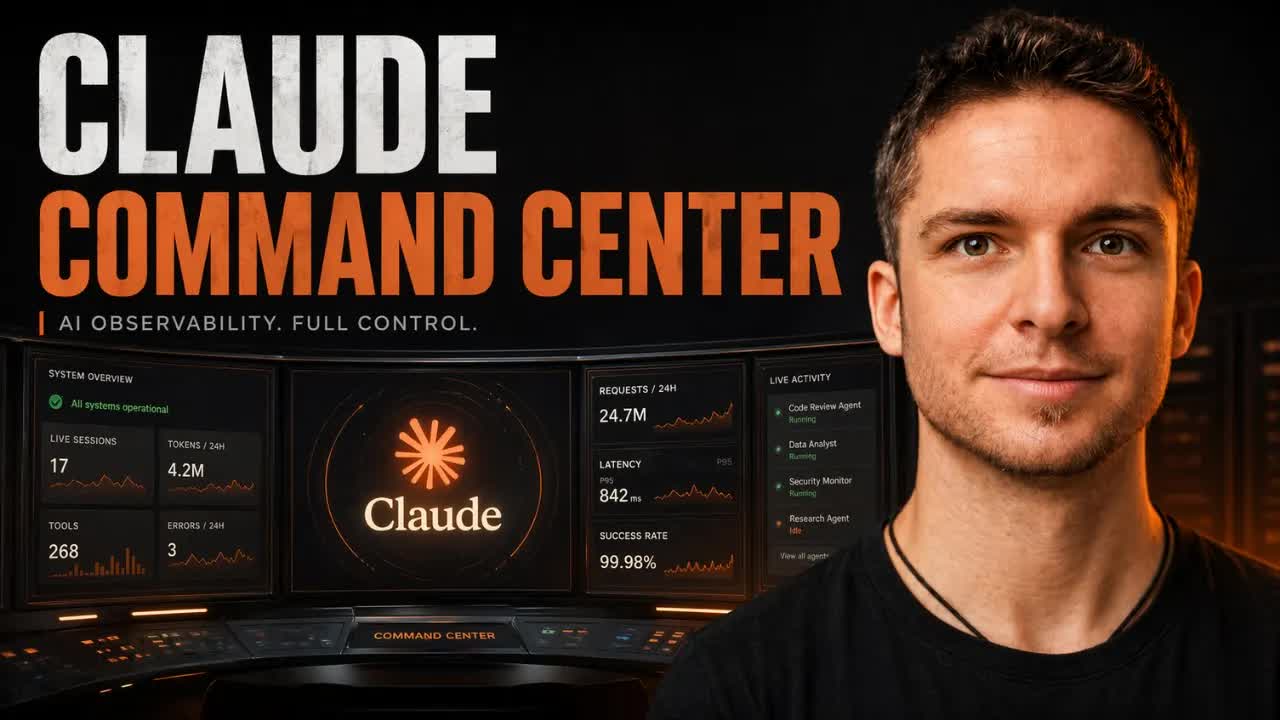
You hand Anthropic $200 a month and Claude disappears into a black box. Mansel Scheffel built a persistent local daemon that drags every token, every tool call, and every failed session back into the light.
What the video promised.
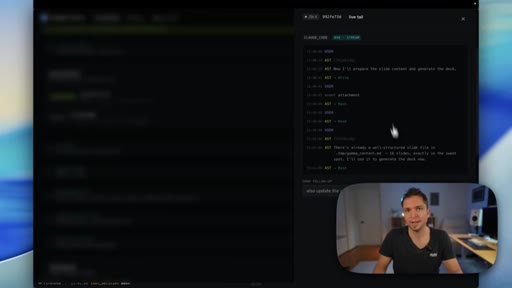
stated at 00:05 "I'll show you what a Claude command center looks like, why you don't need most mission controls you see on YouTube, and I'll drop you a prompt to build your own." delivered at 14:59
Where the time goes.
01 · Contrarian take: mission controls are overkill
Most YouTube mission controls add a seven-layer microservice that introduces context bloat without business value.
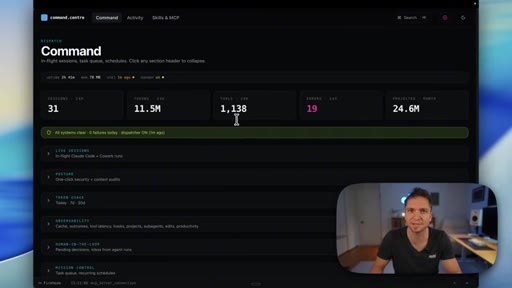
02 · Dashboard tour: observability layer
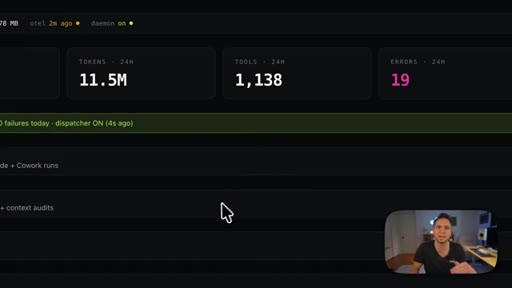
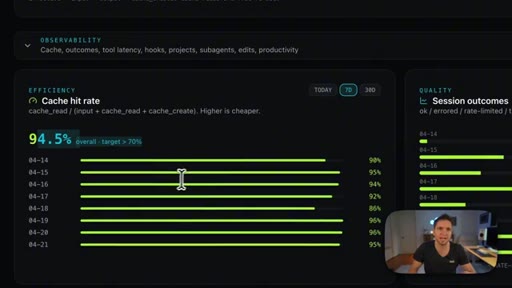
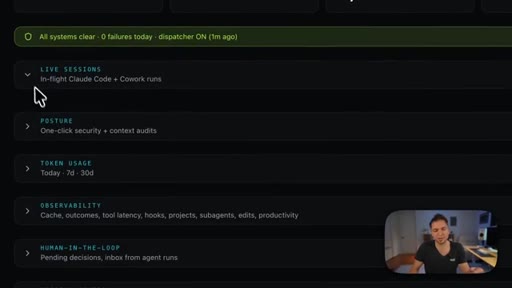
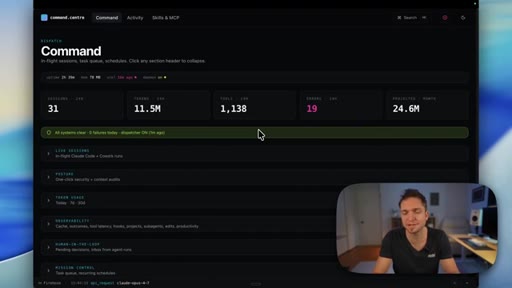
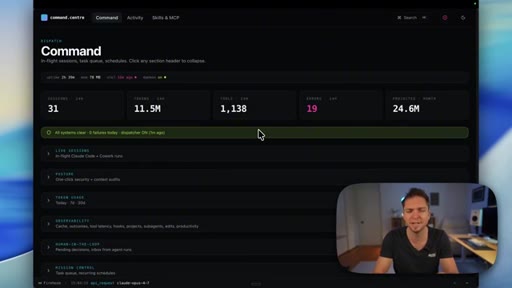
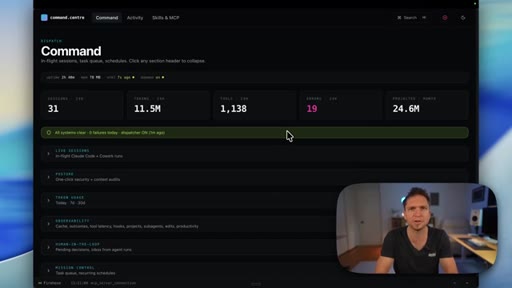
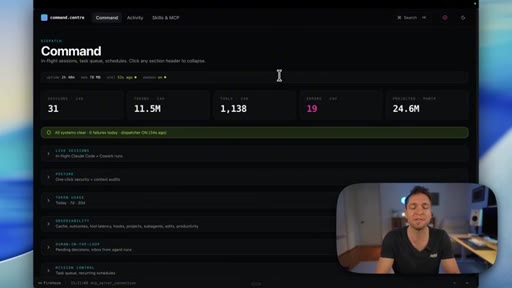
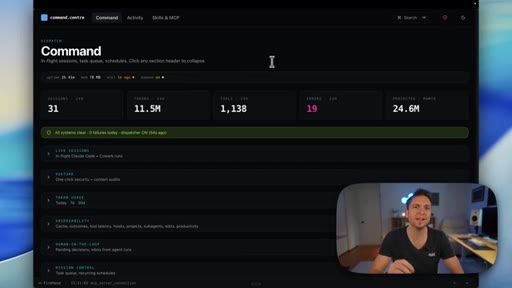
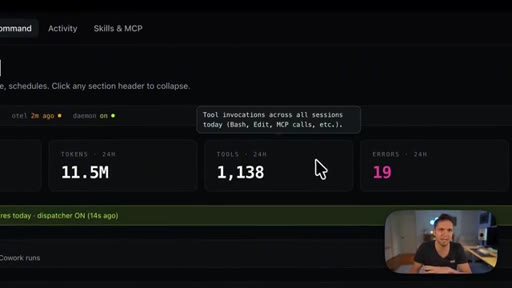
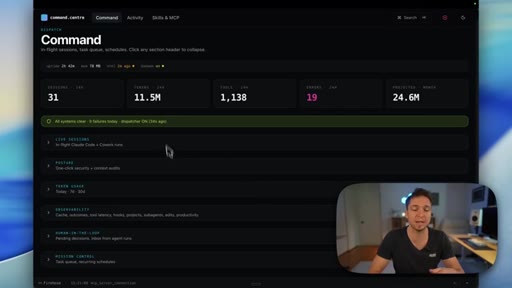
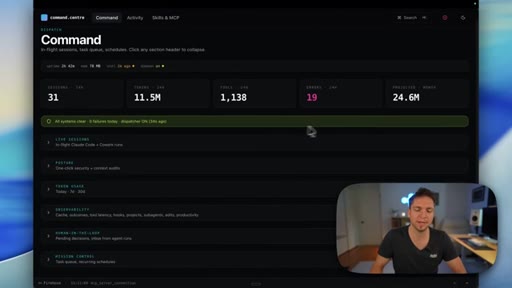
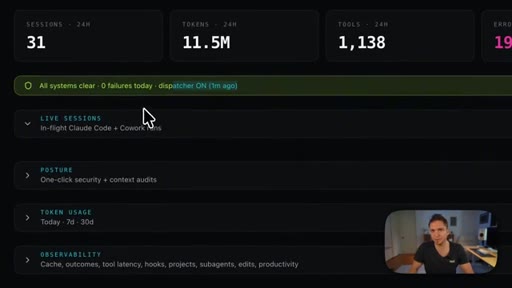
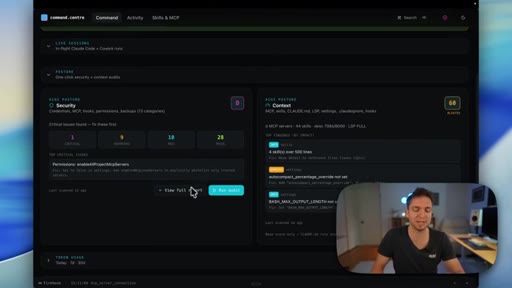
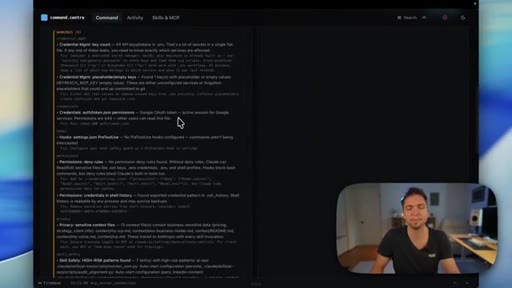
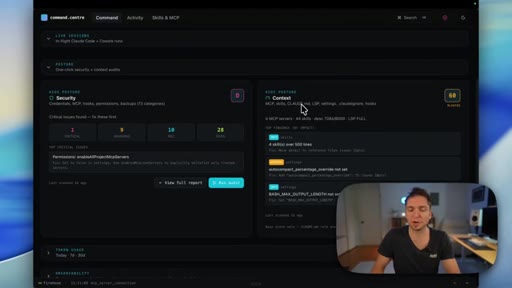
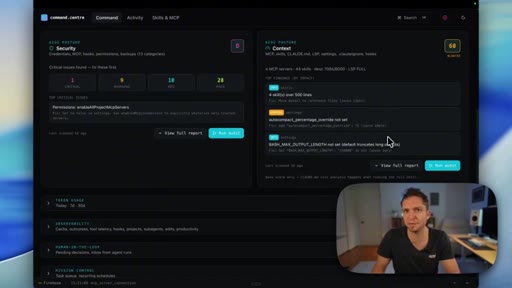
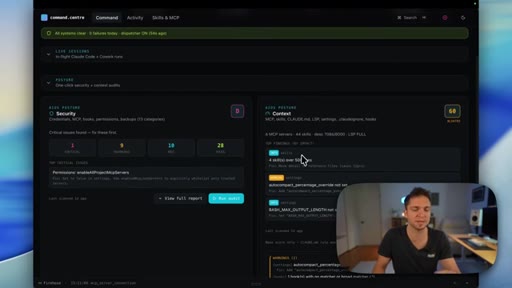
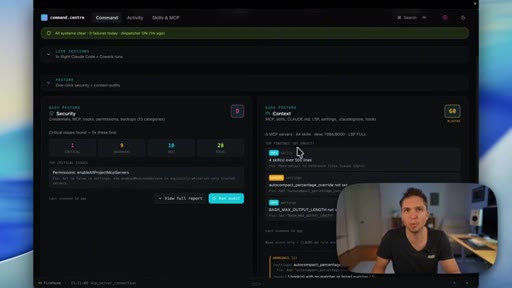
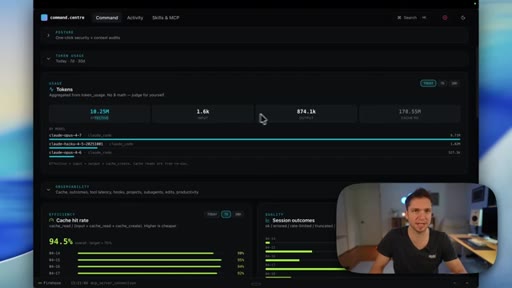
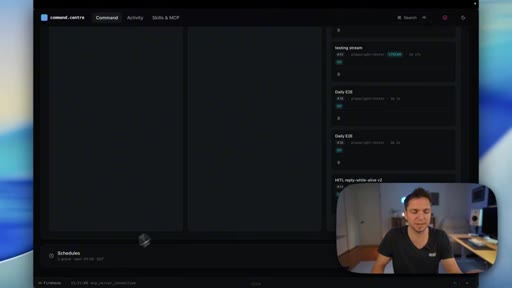
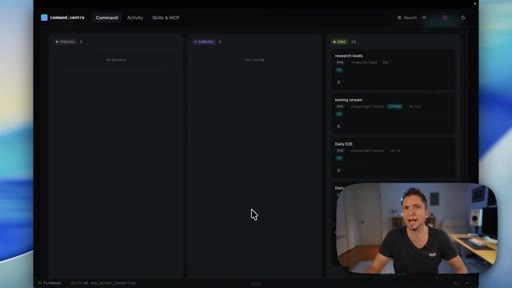
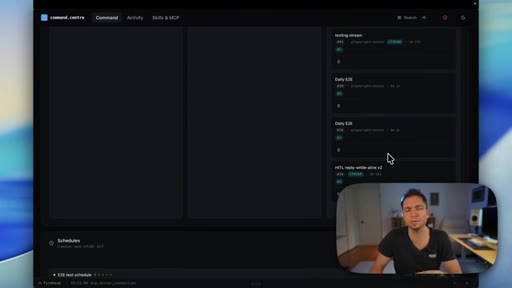
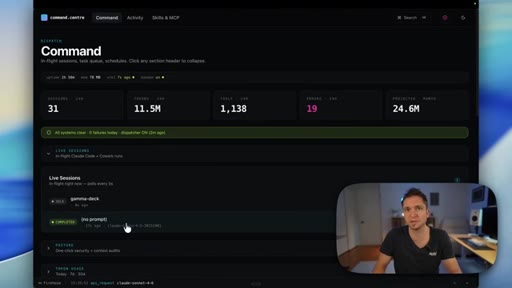
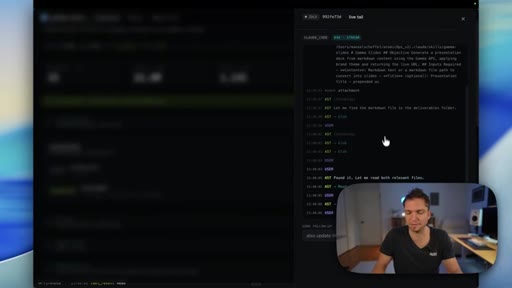
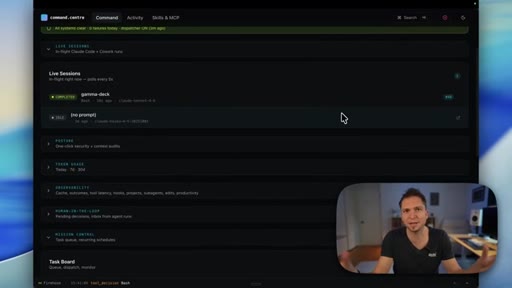
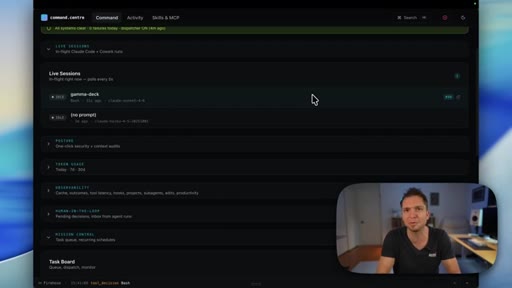
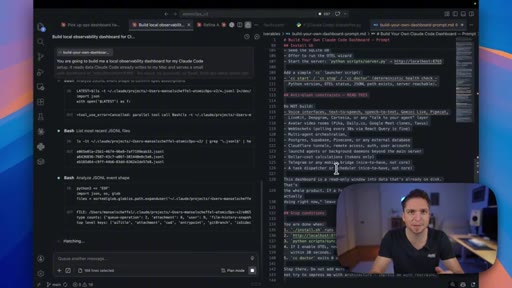
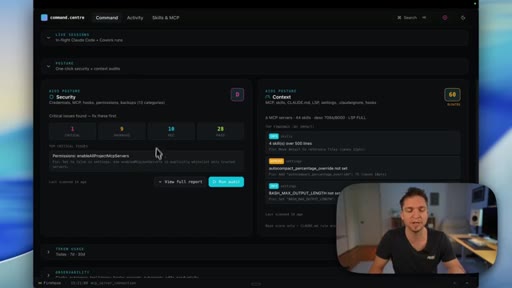
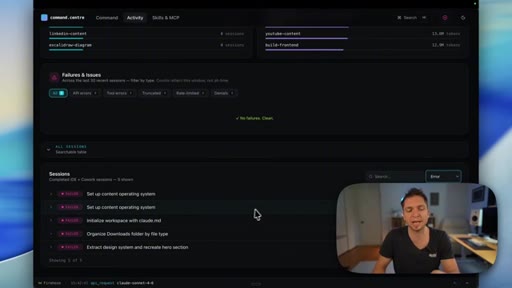
Live sessions panel, posture scores (security + context audits), token usage by model, cache hit rate — all fed from OTEL and JSONL logs.
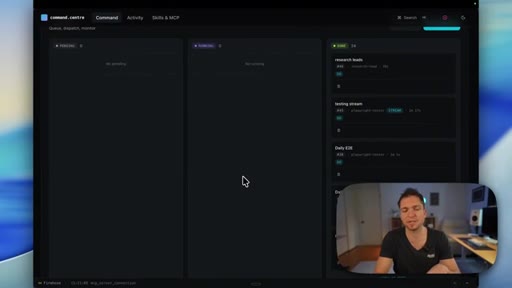
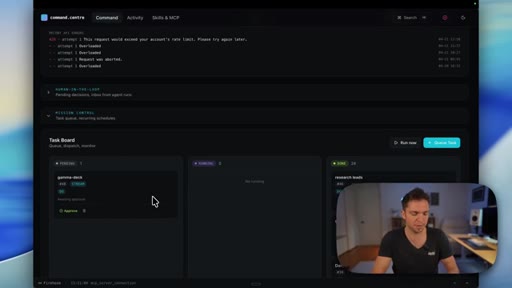
03 · Task queue, scheduling, and Telegram approvals
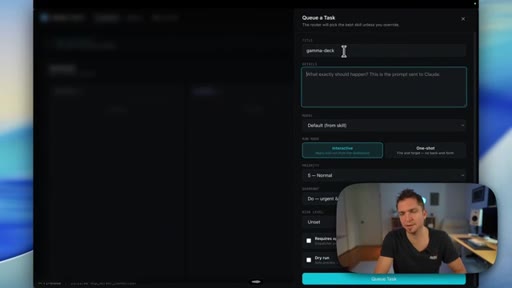
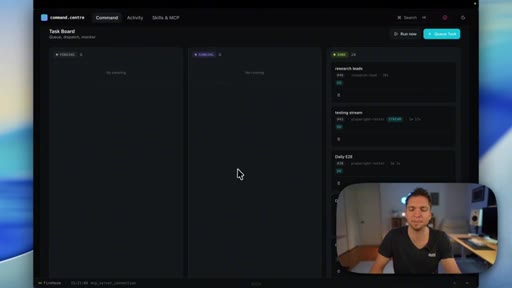
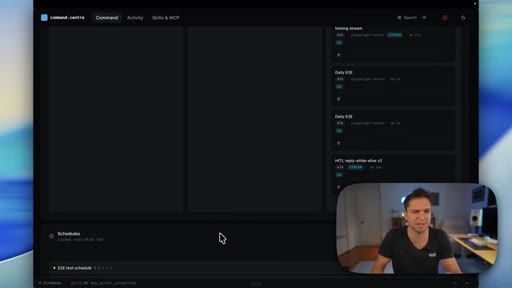
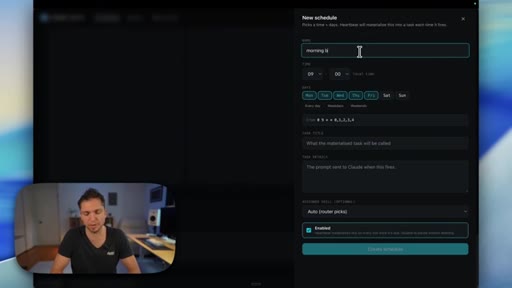
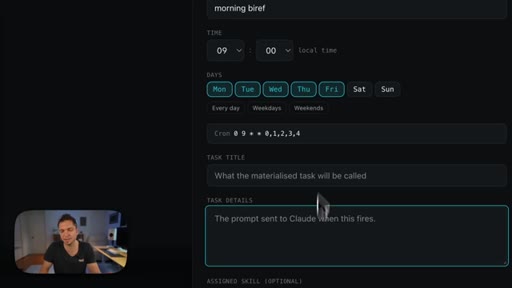
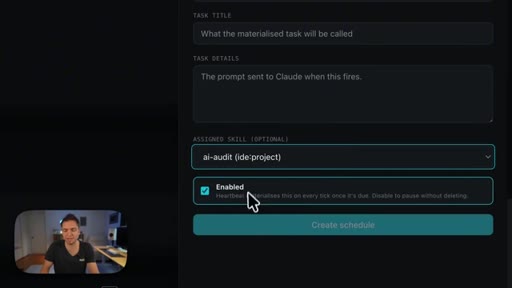
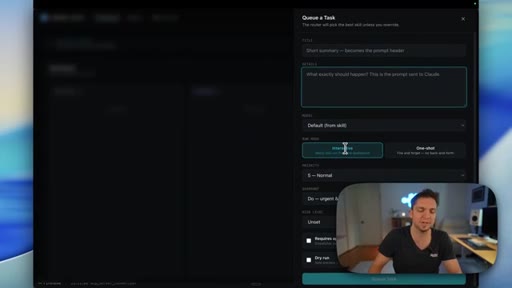
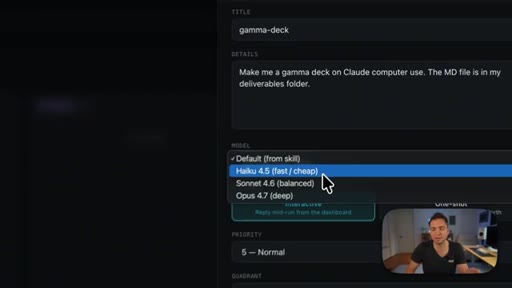
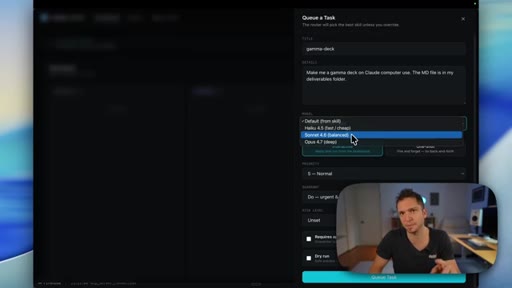
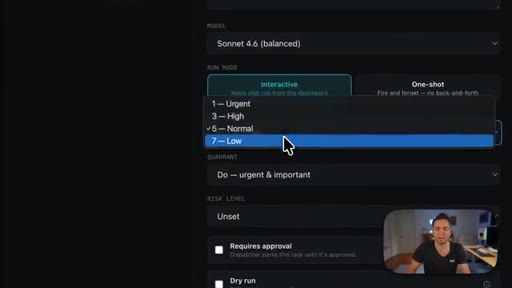
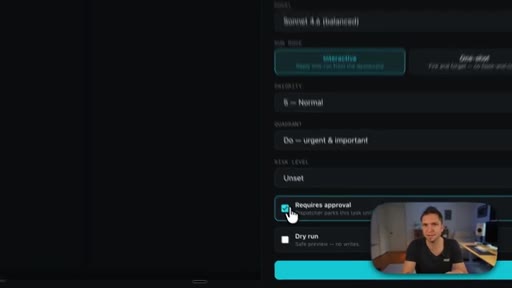
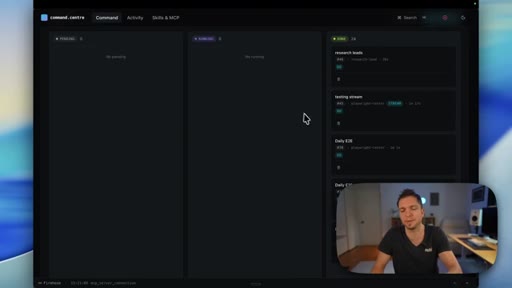
Schedule creation with cron, ad hoc one-shot vs interactive task queue, model selection per skill, requires-approval gate linked to Telegram.
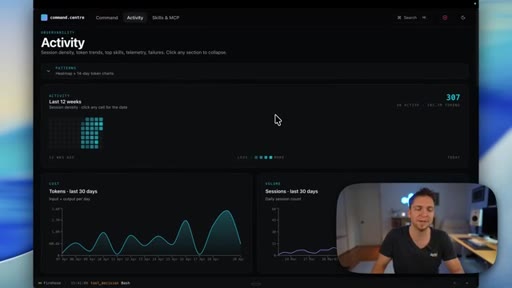
04 · Activity and MCP latency panel
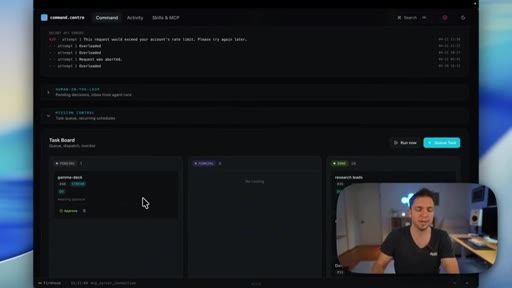
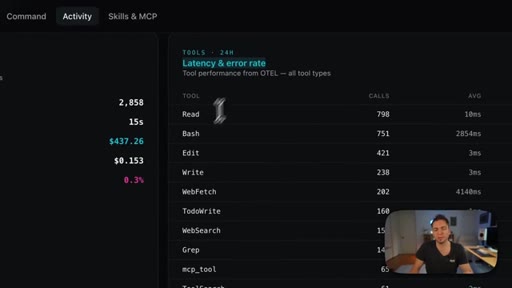
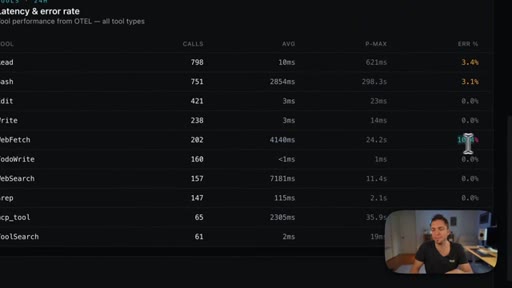
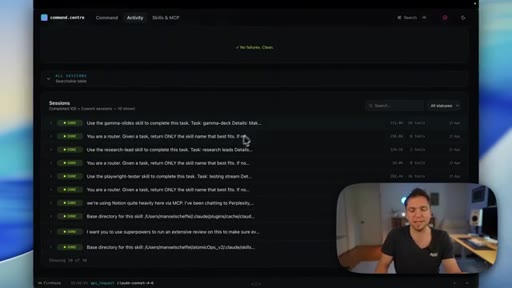
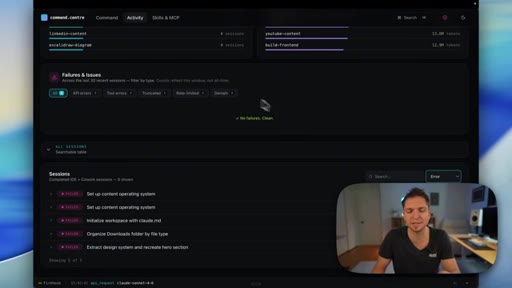
OTEL-sourced latency and error rate for every tool type. WebFetch at 4s avg and 10% error rate signals a skill hitting access-denied walls.
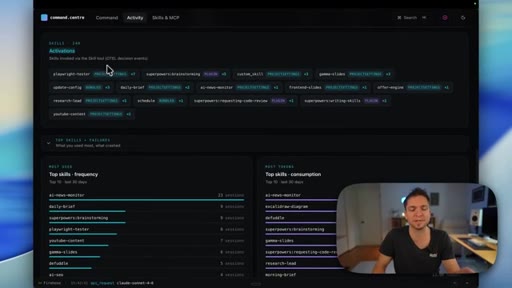
05 · Token consumption deep-dive
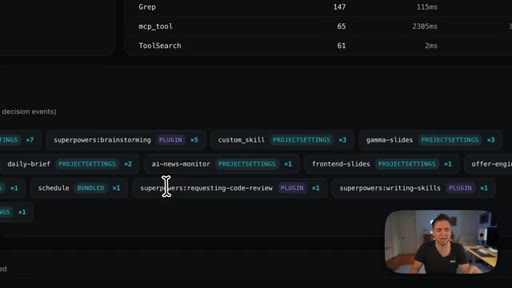
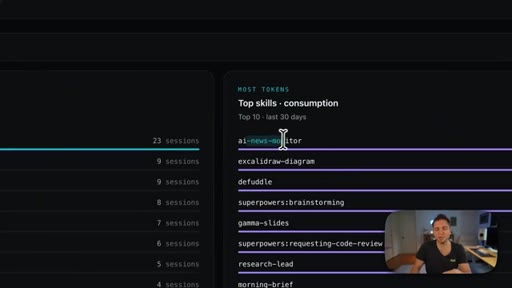
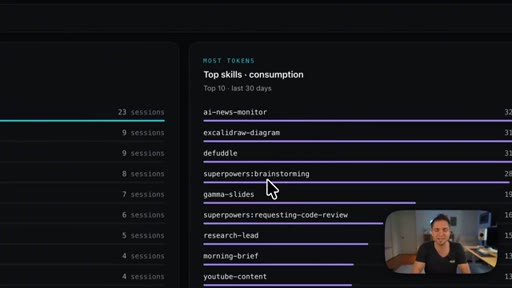
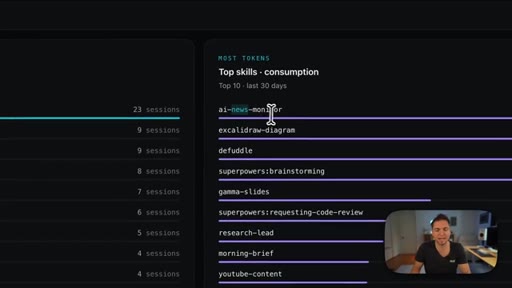
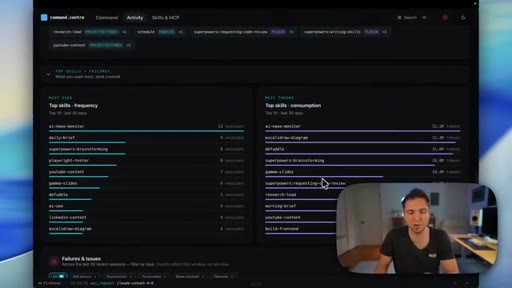
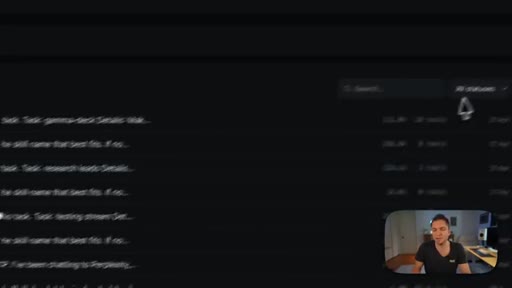
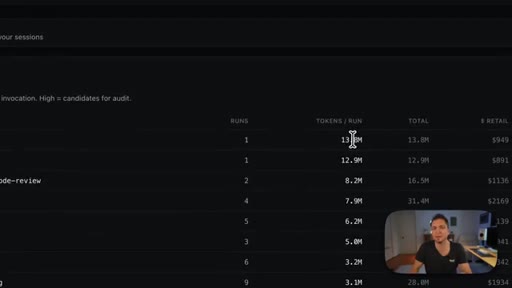
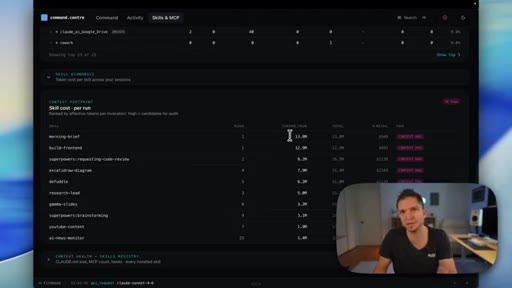
Per-skill activation counts and total tokens over 24h. AI News Monitor at 32M tokens triggered an immediate audit and simplification.
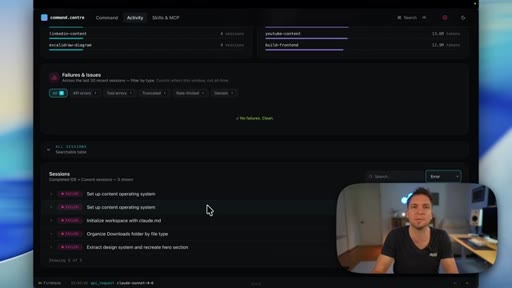
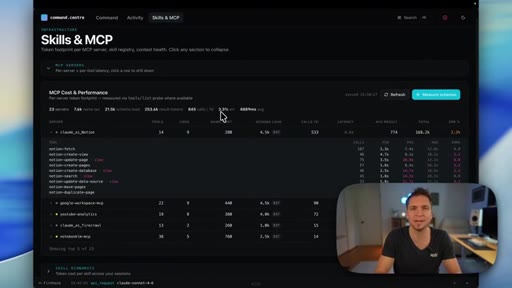
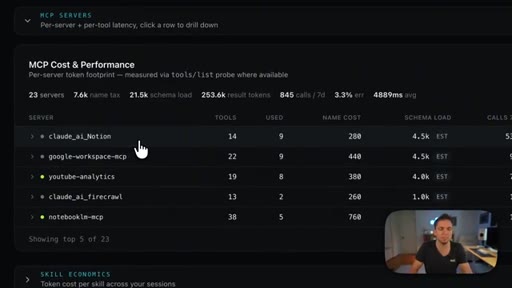
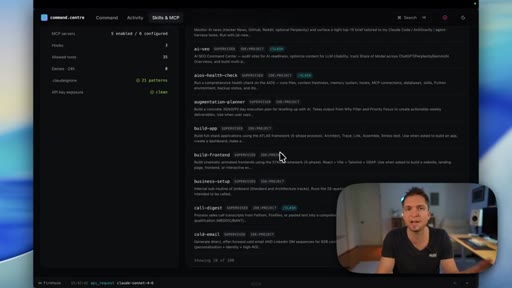
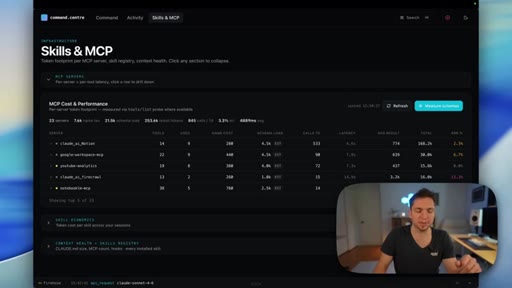
06 · Skills & MCP panel
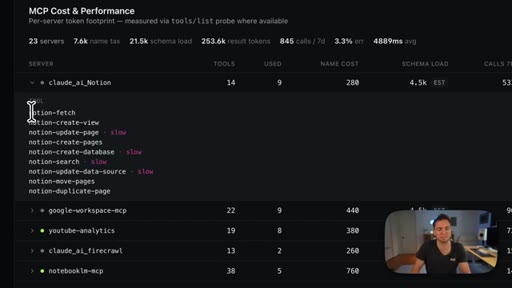
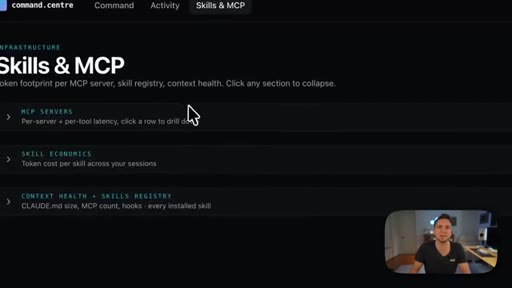
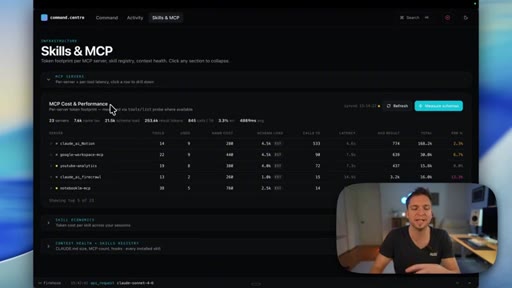
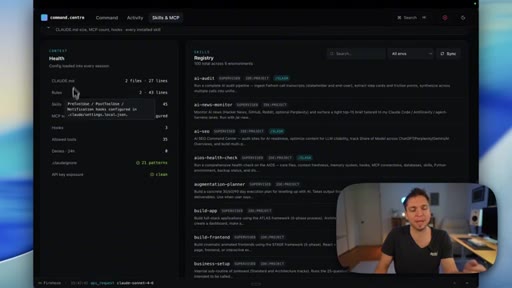
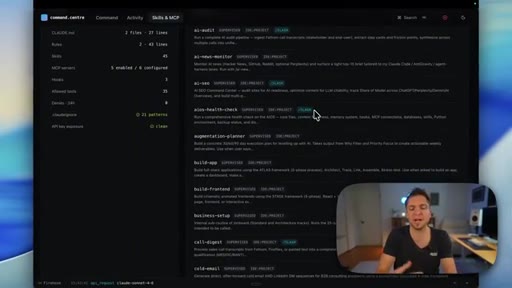
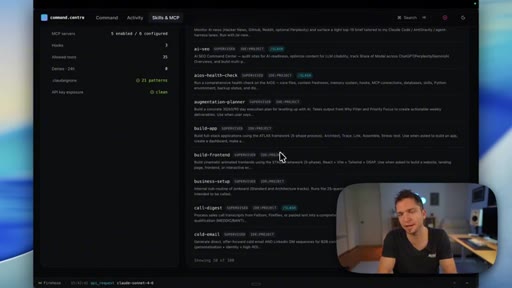
MCP cost and latency per server, skill cost-per-run rankings, context health score, full skills registry across all environments.
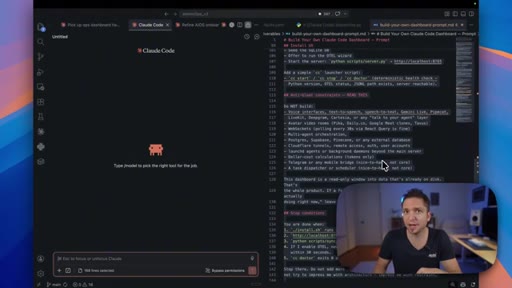
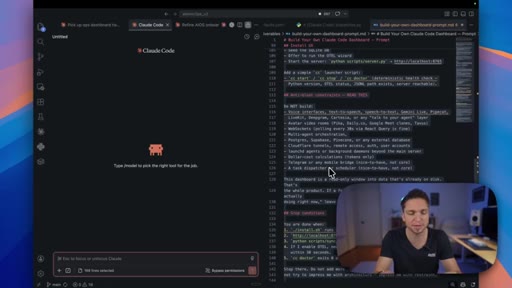
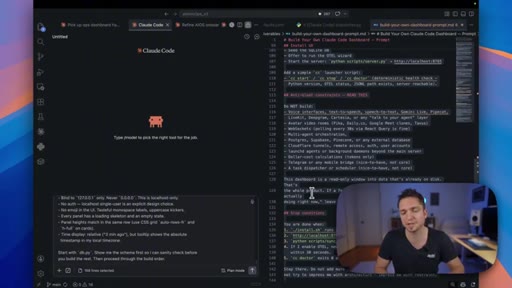
07 · Build your own — free prompt
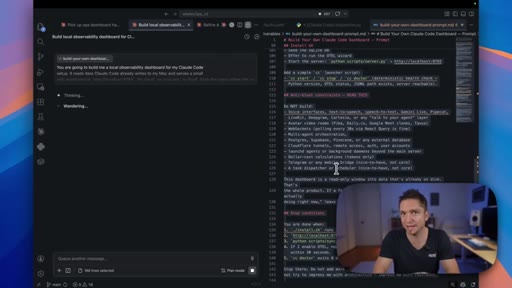
Free prompt in description: paste into plan mode, Claude reads the latest OTEL and JSONL docs, then builds the same dashboard for your environment.
Visual structure at a glance.
Named ideas worth stealing.
Observability-First Command Center
- Live sessions
- Posture (security + context audits)
- Token usage by model
- Cache hit rate
- Task queue (edge-case only)
- Activity / MCP latency
- Skills & MCP cost panel
A persistent local daemon that reads OTEL + JSONL logs and surfaces operational data rather than launching agents.
Schedule-First, Mission Control-Last
Plan your AI work first; anything predictable goes on a schedule. Mission control is only for genuine edge cases.
Model Selection Per Skill
Assign the cheapest model that can complete each skill. Sonnet is the default; Opus is the exception.
Lines you could clip.
"You do not need named agents to go out there and do work for you, especially if you are using Anthropic's ecosystem."
"There is no crazy agentic layer with Pikachu pictures drawn and Tamagotchi figures and stuff like that. You don't need that as a business."
"What does it actually do from a business perspective? Exactly. Just my maid vacuuming the lounge."
"The goal of whatever you're doing in life and business is to execute on your tasks with AI, not introduce all of these other systems that just complicate it."
How they spent the runtime.
Things they pointed at.
How they asked for the click.
"I've written you a prompt based off of what I built — all you have to do is copy this prompt, paste it in there, flip it over to plan mode."
Soft and practical — no hard sell. Shows the prompt live in Claude Code and points to Google Drive link in description. Effective because it delivers the promised artifact.
Word for word.
Build the dashboard that tells you what Claude is actually doing.
Skip the agentic theater — the only mission control worth building is the one that shows you where your tokens go.
- Hook into OTEL (now on Max/Pro) + JSONL logs as your data layer — this is the same source that feeds Claude Code's built-in dashboard.
- Lead with a posture panel: security audit + context efficiency score. These two never go stale and they catch expensive problems early.
- Add token spend and cache hit rate as top-of-fold KPIs — these are the two numbers that change your behavior fastest.
- Treat the task queue as a sidebar, not the hero. Schedule everything predictable; only queue truly ad hoc tasks.
- Wire a Telegram approval gate for any task that touches something sensitive — human-in-the-loop from your phone, no desk required.
- Assign the cheapest model that works for each skill. Sonnet is the default; Opus is the exception.
- Steal the free prompt from his Google Drive and run it in plan mode — Claude reads the latest otel docs and builds the whole thing for your environment.