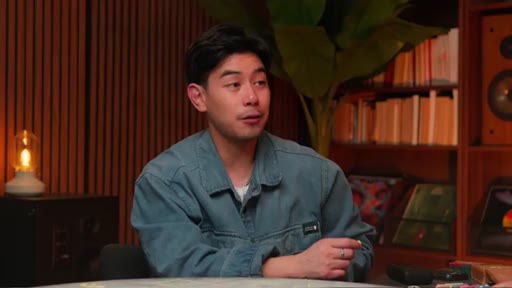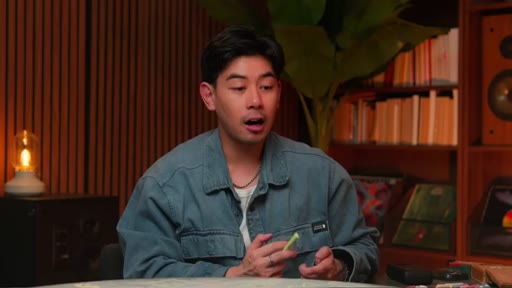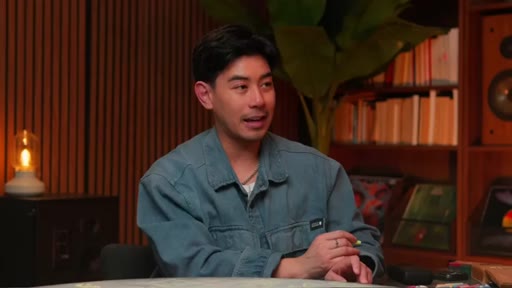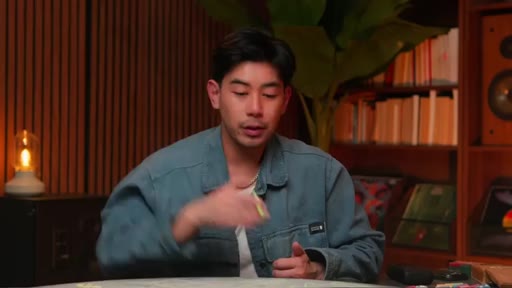
The bait, then the rug-pull.
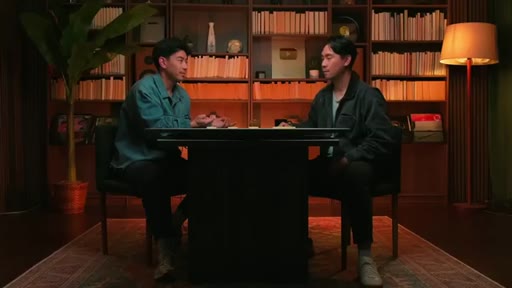
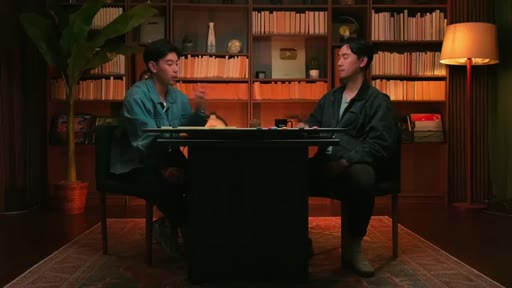
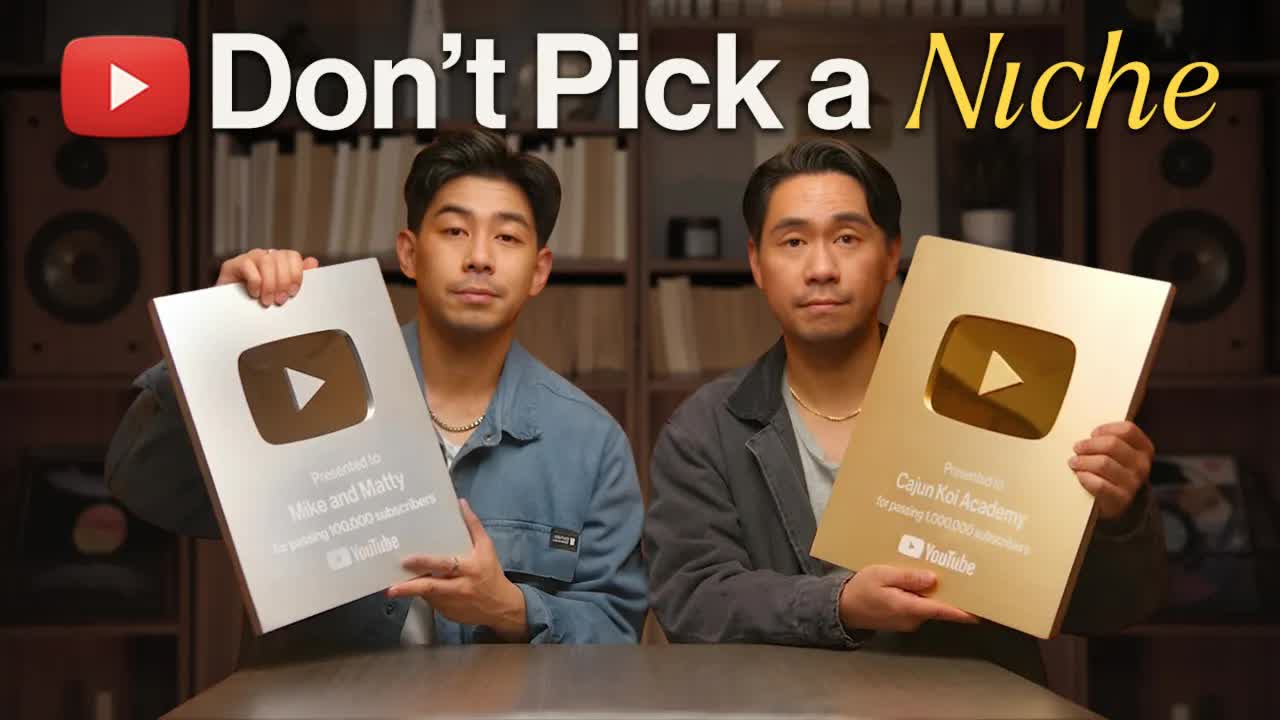
Two people who built a channel to 1.3 million subscribers sit down at a chalkboard table with a bag of dominoes and dare to answer the question everyone is actually asking: not how to optimize an existing channel, but how to start correctly when nobody knows you exist.
Where the time goes.
01 · Cold open -- credential hook
Four channels built, one to 1M+, exact road map promised.
02 · How the algorithm actually works
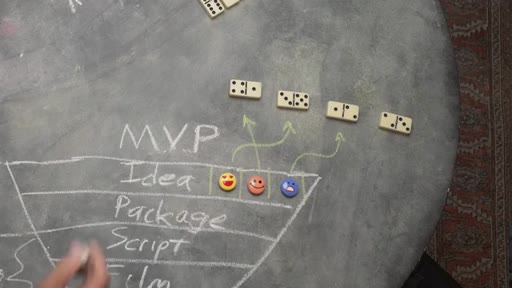
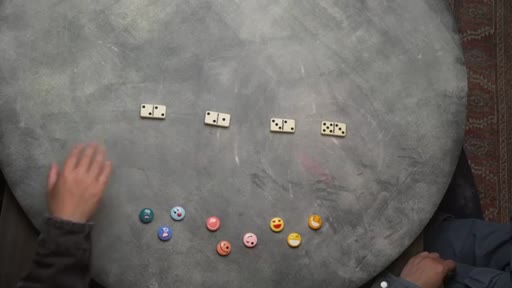
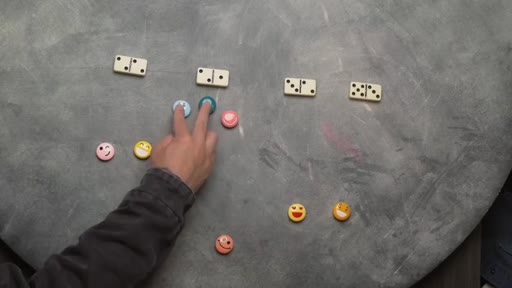
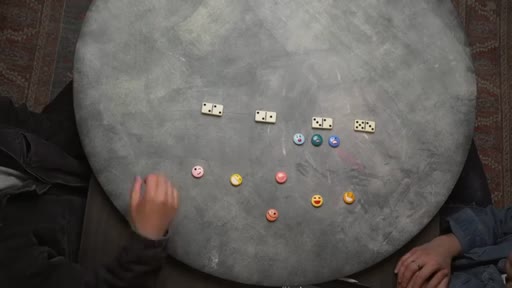
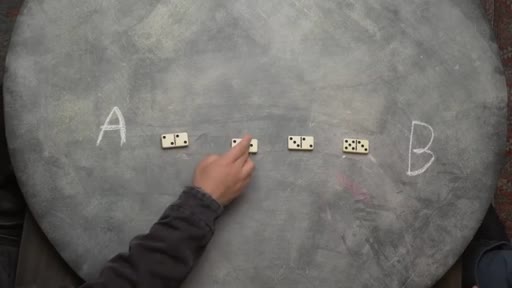
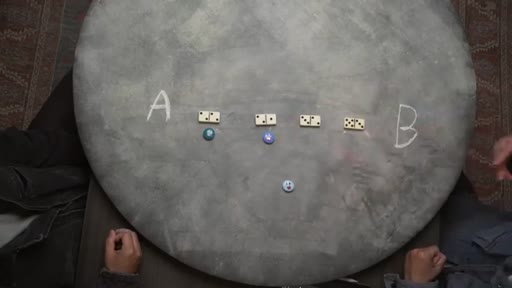
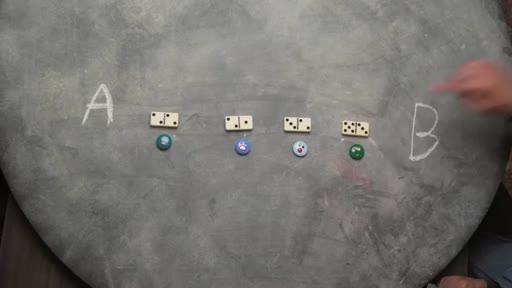
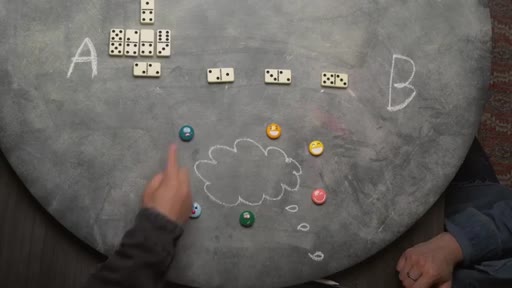
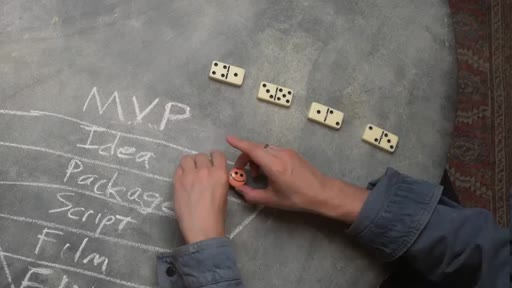
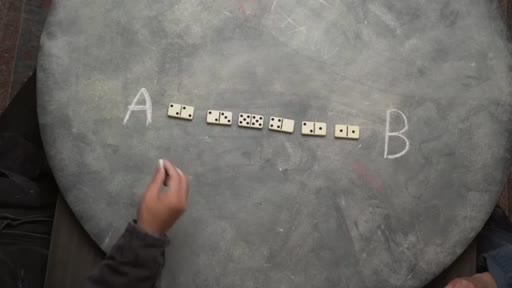
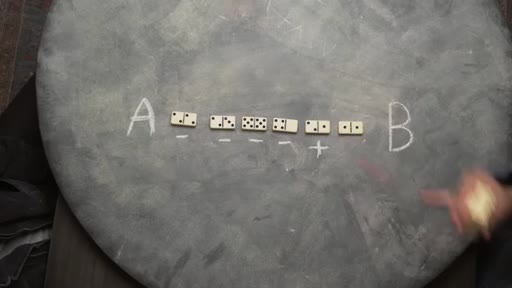
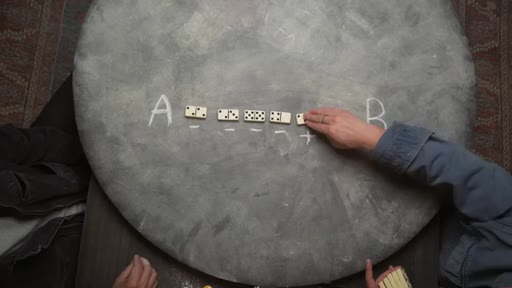
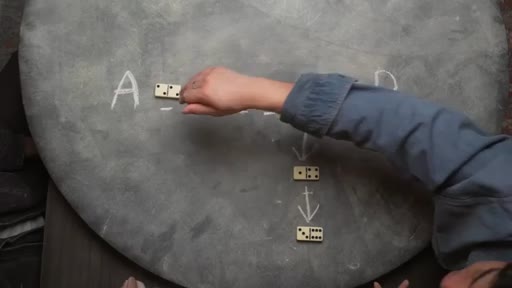
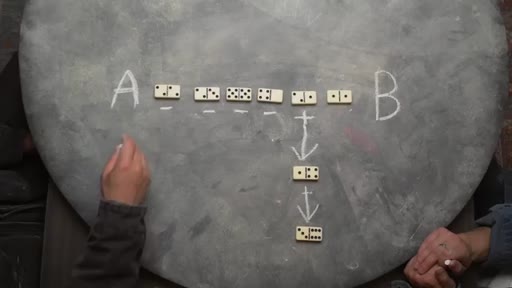
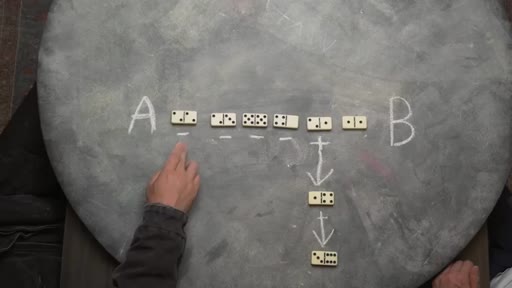
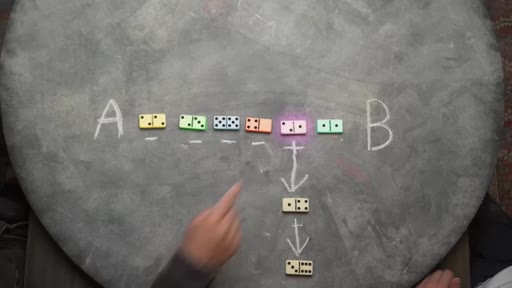
Dominoes as videos, emoji tokens as audience segments -- impressions, clicks, and the calibration loop visualized on a chalkboard table.
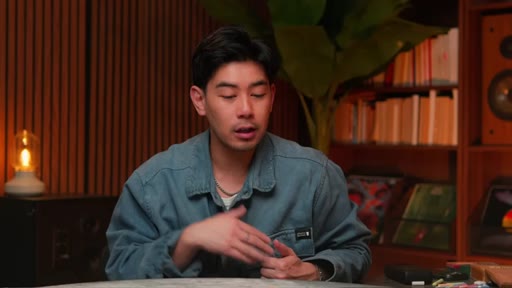
03 · Step 1 -- Transformation over niche
Define who goes from A to B. Sushi restaurant example introduced as the running thread.
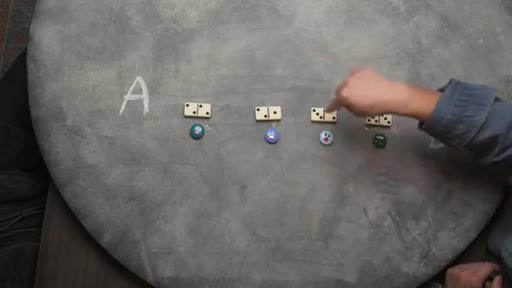
04 · Step 2 -- What videos to make
Problem-ladder framework; the tree method; format permutations.
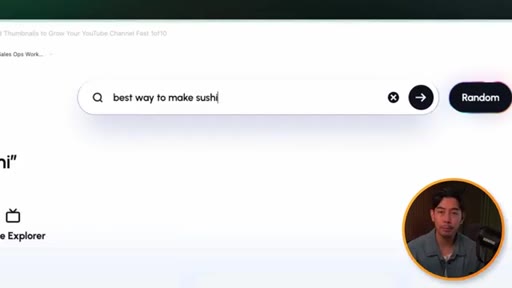
05 · Sponsor -- 1of10
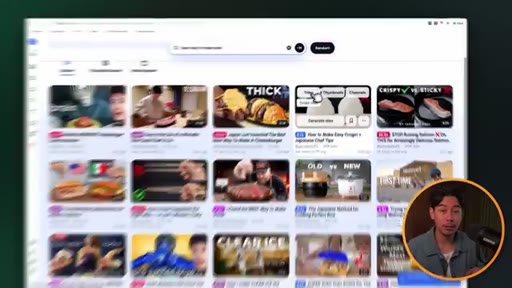
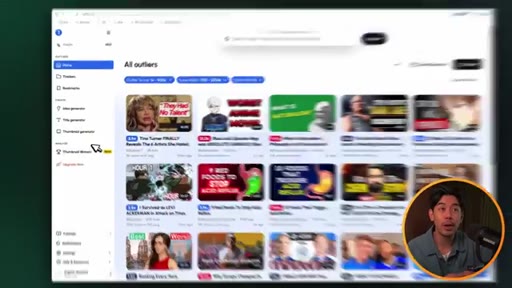
Outlier discovery and AI thumbnail tool, 30-day dollar trial.
06 · Step 3 -- POV as differentiator
No competitors on YouTube; POV examples (Hormozi vs Ferriss); POV must come from lived experience.
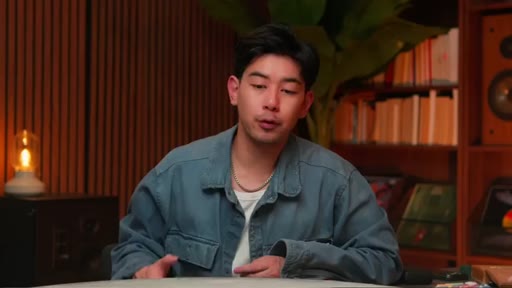
07 · Phase 2 -- MVP introduced
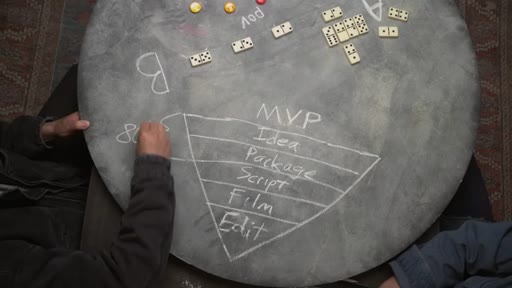
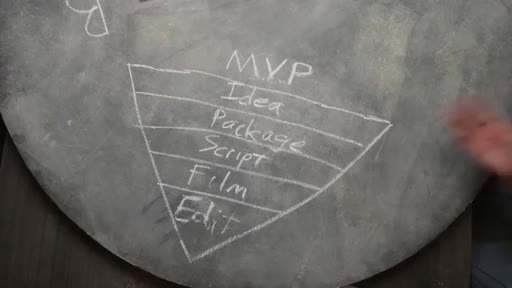
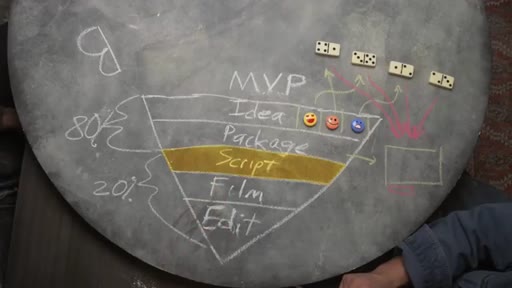
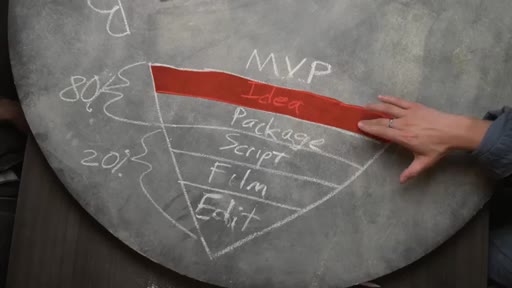
Minimum Video Process: Idea, Package, Script, Film, Edit. Order mirrors how viewers consume.
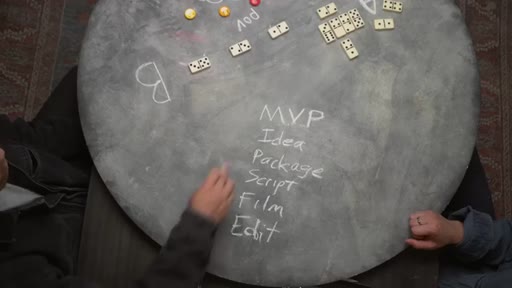
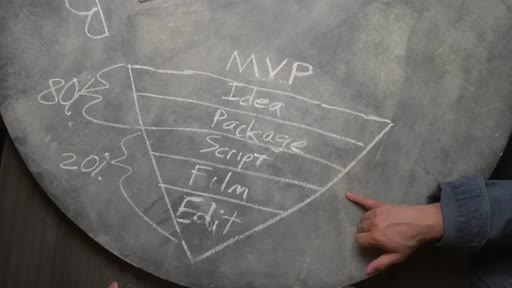
08 · MVP Pyramid -- 80/20 rule
Inverted pyramid drawn on table. Top layers carry most weight.
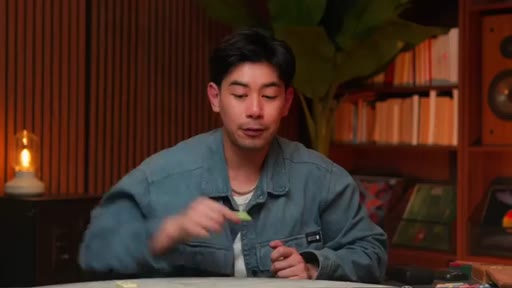
09 · Minimum Idea -- outlier research
Find 3-4 blown-up videos on your topic; pair them to transformation steps.
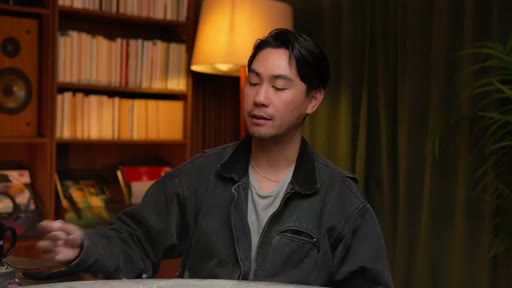
10 · Minimum Packaging -- title and thumbnail
Design packaging immediately after the idea. Consistent style beats variety.
11 · Minimum Script
Only write the hook word-for-word. Outline the rest.
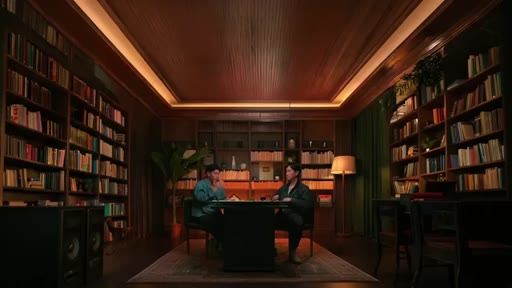
12 · Minimum Film
Audio first, soft lighting second, 4K third.
13 · Minimum Edit
Front-load effort; half the audience is gone by 30 seconds.
14 · Optimization loop -- first 20 videos
Post weekly, one at a time, no batching. When a video outperforms, stop and reverse-engineer. Back catalog lifts when algorithm locks in.
15 · Wrap and CTA
Free AI transformation discovery tool; next-video end card.
Visual structure at a glance.
Named ideas worth stealing.
Transformation Framework
Replace niche thinking with transformation thinking -- who goes from what starting point to what outcome.
The Tree Method
- 4 core problem branches
- Unlimited sub-topic videos per branch
- Format permutations for each sub-topic
Map your audience transformation into 4 core problems, each branching into unlimited video topics.
MVP Pyramid
- Idea
- Package (title + thumbnail)
- Script
- Film
- Edit
An inverted pyramid where top layers carry 80 percent of the growth weight.
Outlier Matching
Find 3-4 recently blown-up videos on your topic; map them to your transformation steps; make it only if they match.
Calibration Loop
First 20 videos are algorithm training. Post weekly, no batching. When one outperforms, pause and reverse-engineer.
Lines you could clip.
"Your job when you're making videos for your channel -- basically the same job as the YouTube algorithm. Your job is to predict what is the next video that this group of people are going to want."
"It's not why should they watch your channel instead of these other channels. It's why should they watch your channel as well as these channels."
"Coming up with the idea is way more important than editing the video. If people do not click on your video, they are just not gonna watch it."
"People do not normally just get up and leave out of a movie theater after they pay for the ticket. It is so easy to just click away from a video."
How they asked for the click.
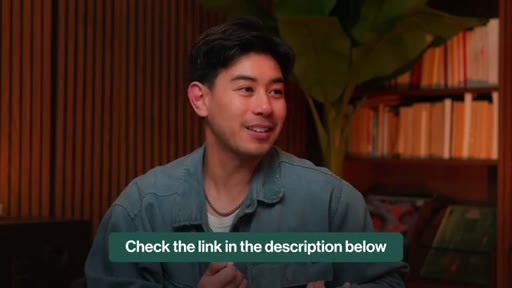
"The first thing you have to do after watching this video is go check that link below and figure out what your transformation is gonna be."
Soft close directing to a free AI tool that generates a transformation statement from viewer background in 10 minutes. Low friction, high perceived value.
Word for word.
Why most new channels stall before they start working.
The algorithm cannot calibrate to your content until it knows which specific person keeps coming back -- and that only happens when you build every video around one transformation, not a broad topic.
- YouTube matches videos to people, not topics, so a channel trying to serve multiple audience types will confuse the algorithm and see inconsistent distribution even with good content.
- Defining a transformation -- who goes from what starting point to what outcome -- gives both you and the algorithm a precise filter for every video decision.
- The order you make a video (idea, packaging, script, film, edit) is also the order viewers encounter it, which means steps skipped at the front matter far more than polish added at the end.
- A title and thumbnail should be designed immediately after you pick the idea, not after you finish filming -- framing the video in your viewer's language, not niche vocabulary, determines whether they click.
- Only write the hook of your video word-for-word; for everything after the first 30 seconds, a structured outline and natural delivery outperforms a fully scripted read.
- Audio is the single production investment that will drive viewers away if neglected -- people tolerate a low-quality image but click away from audio they cannot comfortably follow.
- Front-loading your editing effort is a retention reality: half of every audience has left by 30 seconds, making the opening minute worth more than all the minutes that follow.
- The first 20 videos should be posted one at a time without batching, because each is a data point -- batching before you know what direction works multiplies wrong-direction output.
- When one early video outperforms the others even modestly, pause new production, reverse-engineer exactly what made it work, and replicate that pattern with a new topic before moving on.
- A back catalog built around one clear transformation gets a compounding lift once algorithm fit is established -- every older video reaches new viewers when the algorithm locks onto your audience.