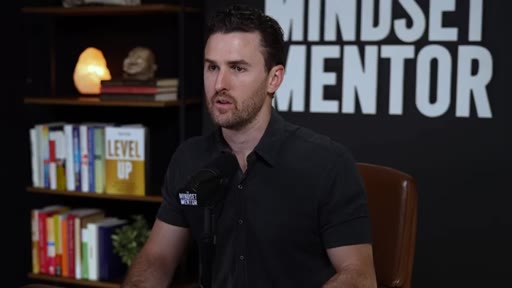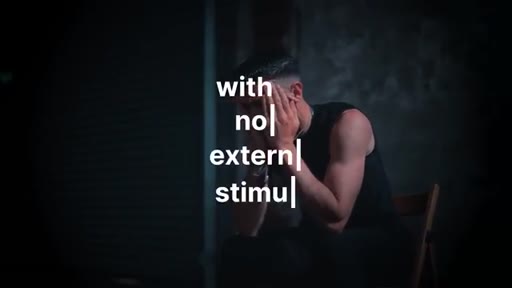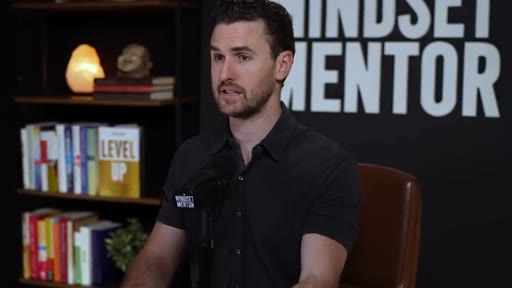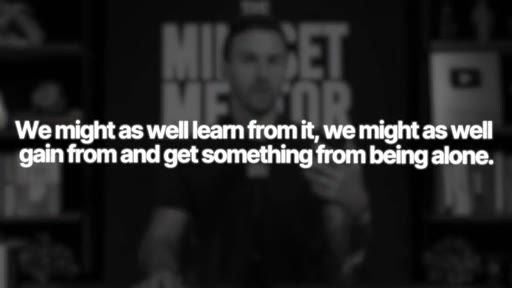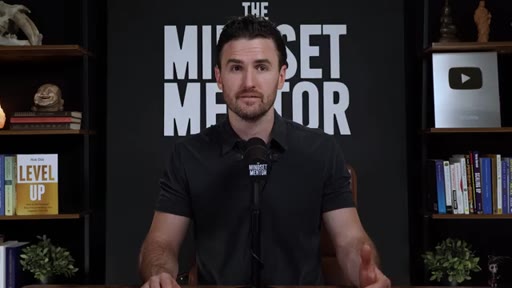

The bait, then the rug-pull.
Most people treat silence like a problem to be solved. The moment the house goes quiet they reach for a phone, a show, anything with a pulse. Rob Dial opens with a harder question: not whether you can tolerate being alone, but whether you can tolerate being alone with no external stimulation at all.
Where the time goes.
01 · Why being alone without distractions is almost unbearable
Hook and framing: true solitude versus just being physically alone. Sets up the tribal-psychology baseline.

02 · Alone vs. lonely: the core distinction
Being alone is a state of being, loneliness is a state of mind. Solitude says I have everything I need; loneliness says I am missing something.
03 · Loneliness vs. solitude (psychological framing)
Expands the distinction with the concept of the inner home. Subscribe prompt embedded here.
04 · The science: why chosen solitude works
2017 study on chosen vs. imposed isolation. Key insight: the mindset behind the experience determines whether it helps or hurts.
05 · How to shift from loneliness to solitude
You do not need more people to feel whole. The box-of-time reframe: imagining a gift of unstructured personal time.
06 · Why silence is uncomfortable: facing yourself
2014 Journal of Experimental Psychology study -- most people prefer mild electric shocks over 15 minutes alone with their thoughts.
07 · Five buried layers driving the urge to escape
Enumerates what waits under the surface: unprocessed emotions, deep fears, unmet desires, negative self-talk, existential questions.

08 · Reframing solitude as invitation
Reframe boredom as relaxation. Core insight: loneliness is often about not liking the company you have when alone.

09 · Practice: journaling and stillness
Two concrete practices: write honestly to yourself, and sit in five minutes of daily stillness. Personal example of morning meditation on the porch.
10 · Practice: alone with purpose
Replace passive consumption with a meaningful solitary activity. Research from Journal of Happiness: meaningful alone activities produce higher life satisfaction and lower loneliness.

11 · Become your own best companion
Close: you are the person you will spend the most time with. Loneliness is solved by deeper self-connection, not more people.
Visual structure at a glance.
Named ideas worth stealing.
Being Alone vs. Loneliness
Being alone = neutral state of being. Loneliness = a state of mind that says something is missing. Same physical circumstance, two opposite internal experiences determined entirely by framing.
Five Buried Layers
- Unprocessed emotions (grief, anger, resentment, guilt, regret)
- Deep-seated fears (failure, rejection, worthiness, money, others opinions)
- Unmet needs or desires
- Negative self-talk and limiting beliefs
- Existential questions (purpose, meaning, am I truly living?)
The five categories of internal noise that surface when you stop distracting yourself.
Lines you could clip.
"Being alone is a state of being. Loneliness is a state of mind."
"A lot of loneliness is not about lacking the company of other people. It is about not liking the company you have when you are alone."
"You are the person that you will spend more time with than anybody else alive."
"Solitude is the only real place where self-awareness can grow."
How they asked for the click.
"Based off of what you have been watching on YouTube recently, YouTube thinks out of all of the videos I have ever created, this one is the one that is gonna impact you the most."
YouTube algorithm trust play -- outsourcing the recommendation authority to the platform itself rather than making a direct pitch.
Word for word.
Loneliness is a relationship problem, not a people problem.
The discomfort of silence is not evidence that you need more company -- it is a diagnostic pointing at the one relationship you have been neglecting.
- Being alone is a neutral physical state; loneliness is a story you add to it -- and changing the story is within your control in a way that changing your social calendar is not.
- Chosen solitude and imposed isolation produce opposite outcomes because the difference is entirely in mindset, not in the circumstance.
- Most people avoid silence because it surfaces five categories of buried material: unprocessed emotions, deep fears, unmet desires, negative self-talk, and existential questions about purpose.
- A lot of loneliness is not about lacking other people -- it is about not liking the company you have when you are alone, which means the fix requires turning toward yourself rather than away.
- You will spend more time with yourself than with any other person alive; treating that relationship as unimportant is the single most consistent source of chronic dissatisfaction.
- Journaling works not because of aesthetics or consistency but because writing to yourself honestly forces the kind of direct self-confrontation that distraction permanently defers.
- Five minutes of daily stillness with no distractions gives buried thoughts enough space to surface so they can be processed rather than just suppressed.
- If pure stillness feels too far off, the intermediate step is replacing passive consumption with a meaningful solitary activity -- research shows this produces measurably higher life satisfaction.
- Purpose makes solitude feel full rather than empty, which means the experience of being alone improves not by shortening it but by making what you do in it more intentional.
- Self-compassion grows as a side effect of spending more time with yourself honestly -- the inner critic gets quieter not through suppression but through familiarity.