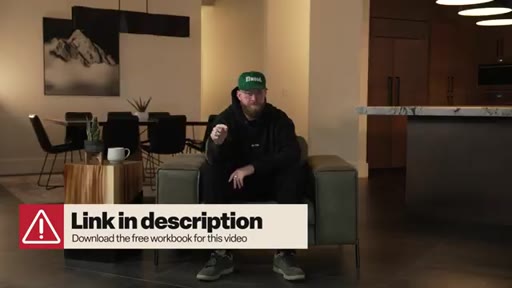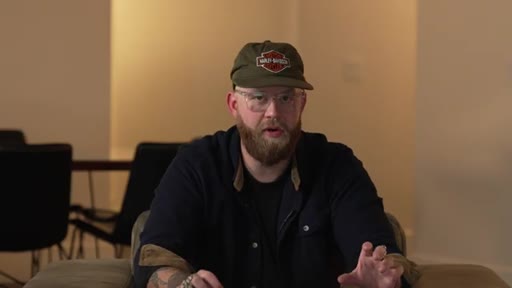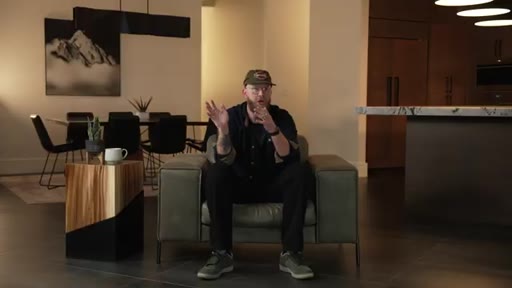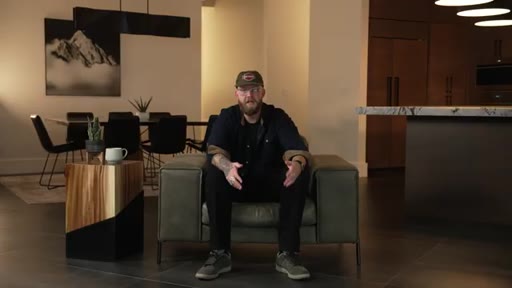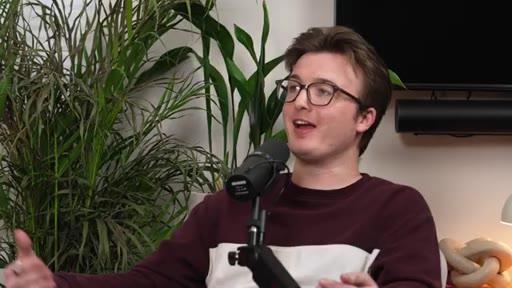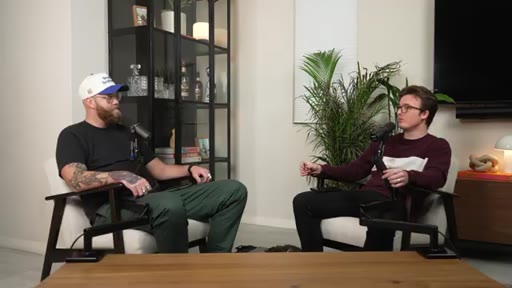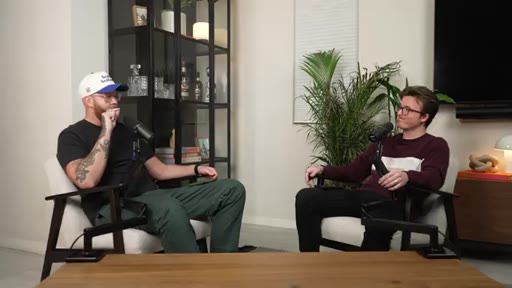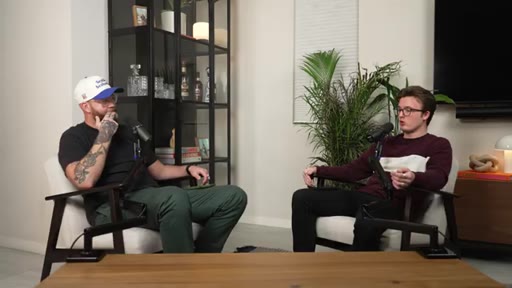
The bait, then the rug-pull.
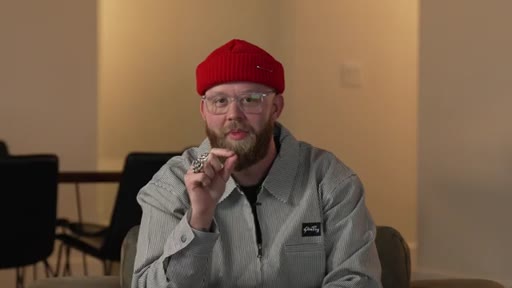
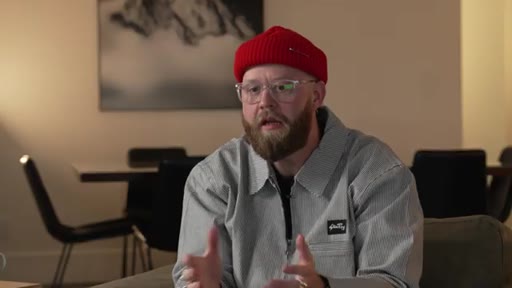
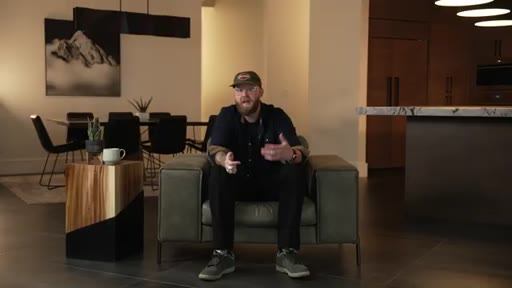
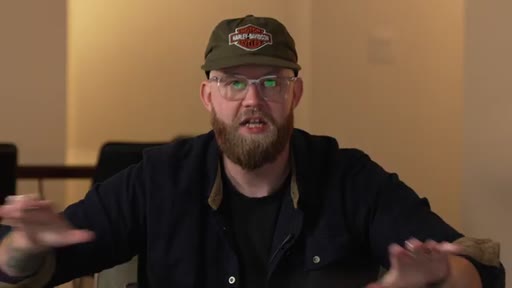
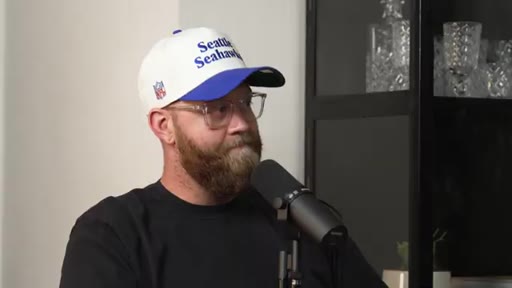
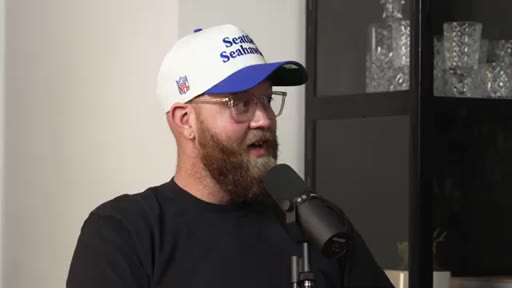
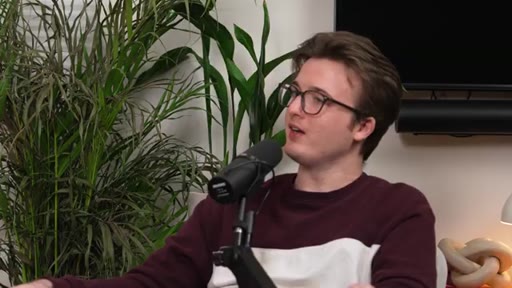
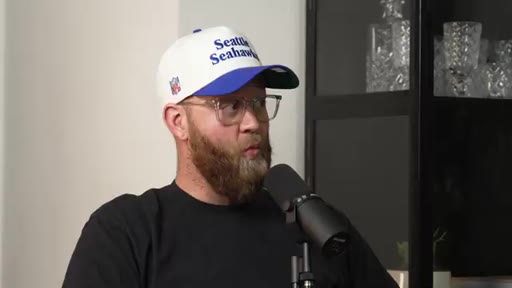
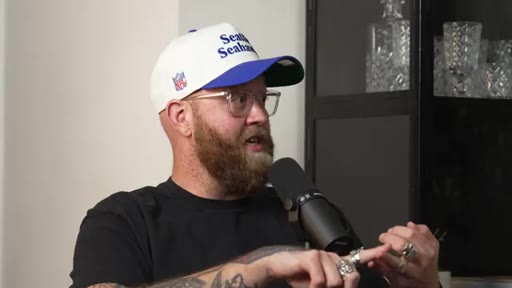
Caleb Ralston opens without a warm-up: you have two minutes before he tells you this course might not even be for you. After seventeen years running other brands, he built his own in 2025 and reached 265,000 followers, 44,000 email subscribers, and 750-plus consulting applications inside twelve months then put the entire operating system on screen.
What the video promised.
stated at 00:35 "In this course, I am gonna help you start your personal brand by establishing your brand positioning and building a content strategy that gets real customers, not just followers." delivered at 302:29
Where the time goes.
01 · Cold open and hook
Followers vs. customers framing. Results teased: 200K+ followers, 40K email list, 750+ applications in 10 months.
02 · Should You Even Build Your Personal Brand?
Challenge to the assumption. Gary Vaynerchuk cameo story. The danger of building a brand just to check a box.
03 · Brand Journey Framework
Four reverse-engineered questions: desired outcome, reputation, actions, learning. Workbook introduced.
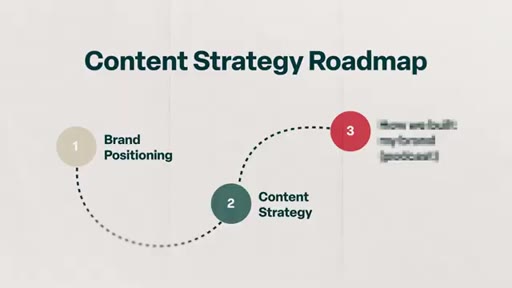
04 · Section 1 - Why Should Anyone Listen to You?
Expert vs. Student dichotomy. Credibility bank vs. interest bank. Contrarian belief as differentiation engine.
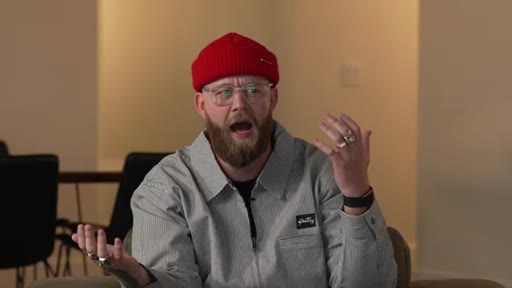
05 · How to Avoid Burnout
Build a brand you would text to friends. The countdown clock test. Algorithm-optimized brands you are embarrassed of die.
06 · Why Should Your Audience Care?
Pain-first positioning. Customer pain + unique solution = the gift you give your audience.
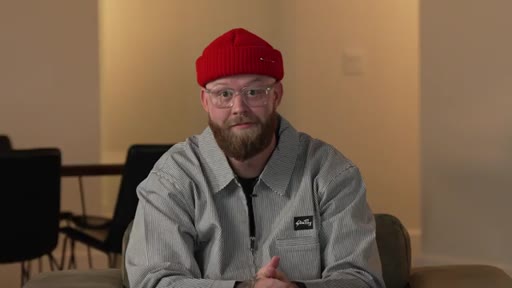
07 · How Do You Stand Out?
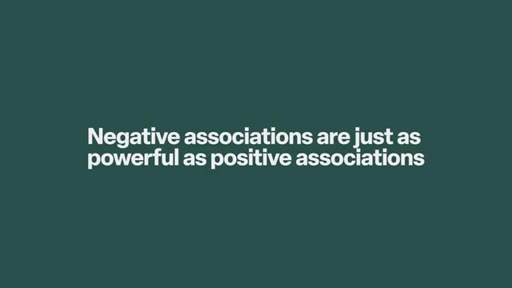
Contrarian belief as the bold thesis only your credibility earns. Negative associations are as powerful as positive ones.
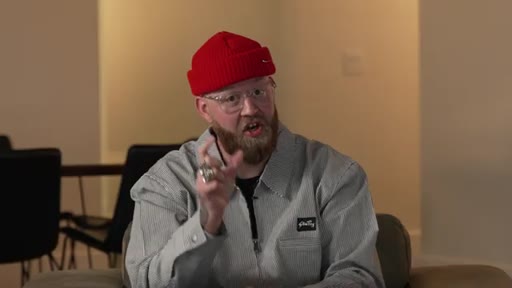
08 · How Do You Want to Be Viewed?
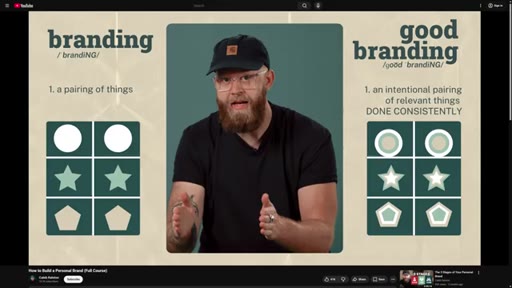
Desired associations as intentional brand engineering. Branding: intentional pairing of relevant things, done consistently.
09 · Do Your Viewers Know You?
Assume every viewer is meeting you for the first time. Stop making content for a warm audience.
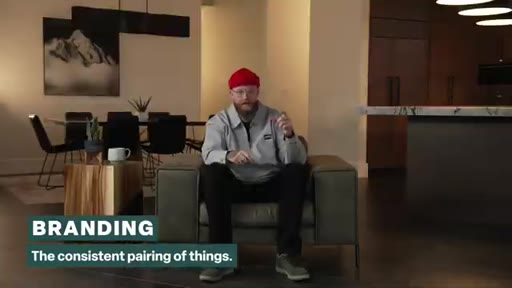
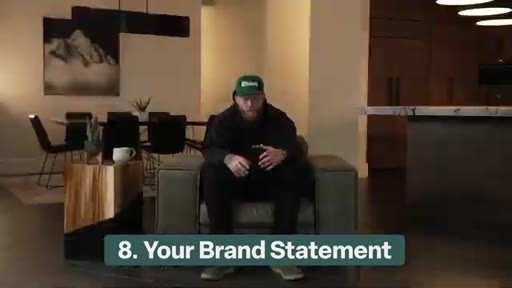
10 · Communicate Efficiently - Your Brand Statement
Synthesizing everything into one clear sentence: what your brand stands for, what it is about, and why you are different.
11 · Section 2 - Virality vs. Trust
Straight whiskey vs. whiskey-and-Coke. Viral content dilutes the message for high-ticket sellers. Trust-first wins long-term.
12 · Build From the Right Foundation
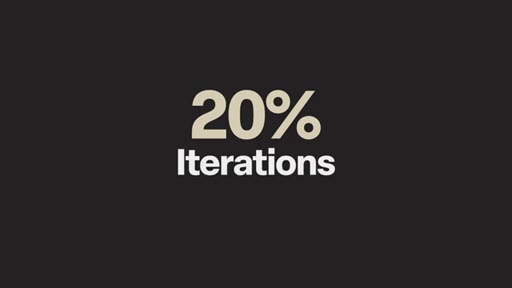
Sustainable system over maximum output. The 20% Iterations principle.
13 · Choose Your Medium
Long-form written, audio, or video. Each signals different trust depth.
14 · Choose Your Platform
Platform selection tied to where your customer already lives and what trust depth you need.
15 · Finding Your Cadence
Frequency matters less than consistency. Do not set a pace you cannot sustain.
16 · How Much Should I Post?
Quality over frequency. The trap of optimizing for output instead of impact.
17 · How to Come Up With Ideas
Start with customer pain. Warns against AI-ripping competitors. Painful problem + unique solution = content concept.
18 · Content Delivery
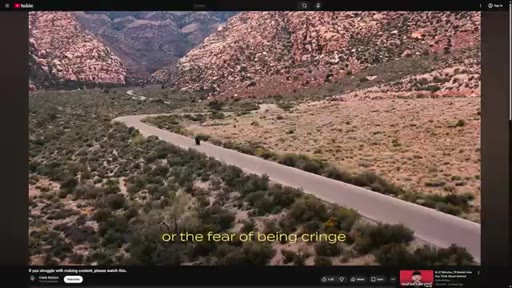
Lean into who you actually are. Fear of being cringe is the biggest bottleneck for new creators.
19 · Wrapping Paper
The visual and tonal packaging that wraps your content gift. Style, branding, format consistency.
20 · Niche vs. Wide Content
The tension between reach and depth. Why niche content converts better for service businesses.
21 · Structuring Your Content
Educational content #1 retention hack: the audience actually learning. 98% of retention hacks are for entertainment, not education.
22 · Repurposing Content
Waterfall method: one primary pillar piece cascades into shorter derivative content across platforms.
23 · Your First 3 Videos
Specific prescriptions: intro video, contrarian belief video, concept-driven third video. No more excuses.
24 · Section 3 Intro - Podcast Setup
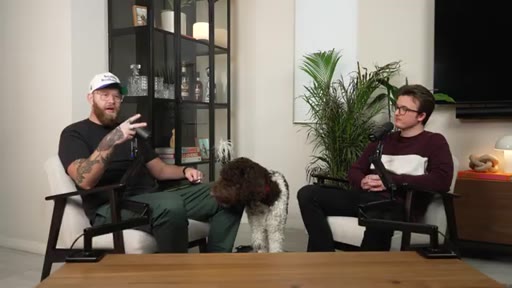
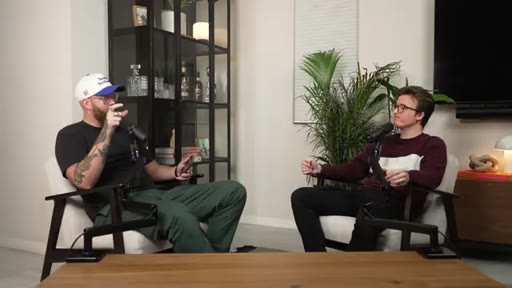
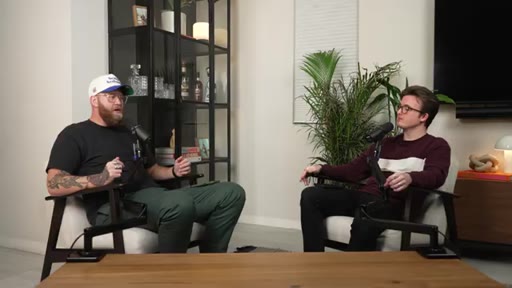
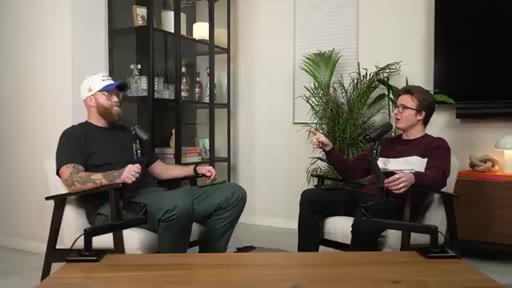
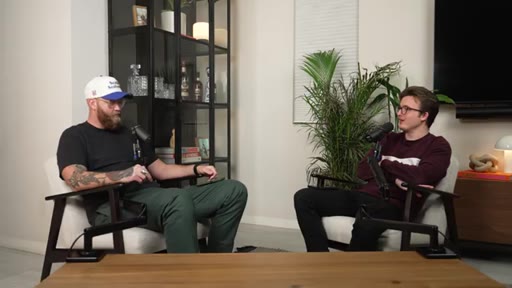
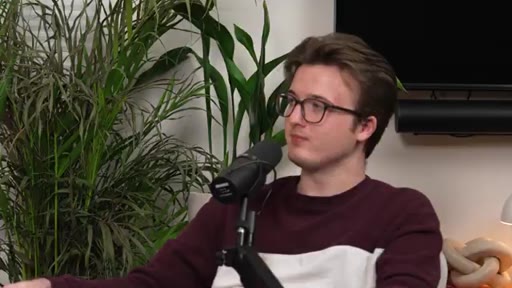
Format pivot: Caleb introduces Trevor Odom (content director) and dog Bugsy. First podcast episode on the channel.
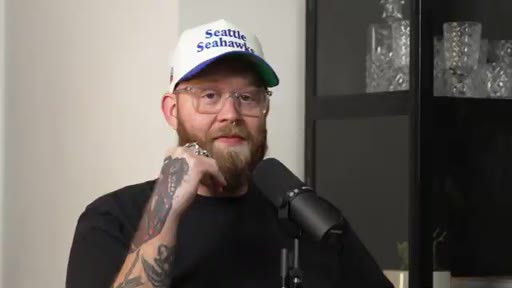
25 · January
Starting from scratch: Caleb did not know what to do with his own brand. Trevor audited existing content (3 old podcasts).
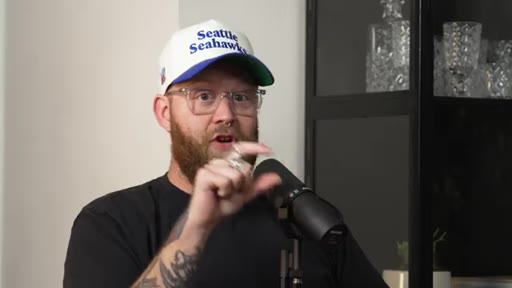
26 · February
First shoot in a LA production facility. First videos recorded before any were published.
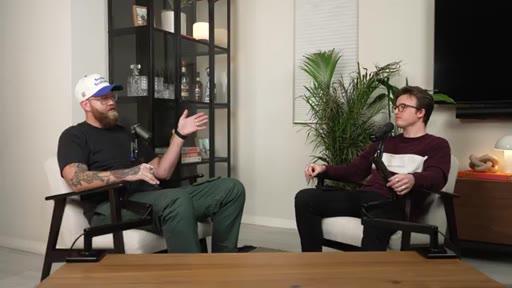
27 · March
Early posting cadence established. Learning what resonates with the audience.
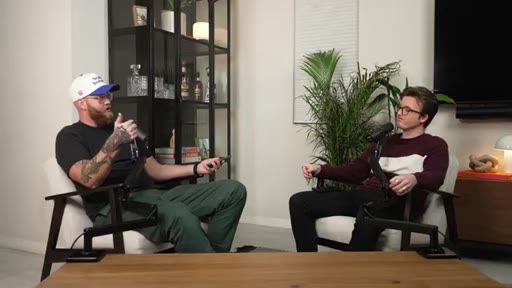
28 · April
Growth signals emerging. Tactical pivots based on early data.
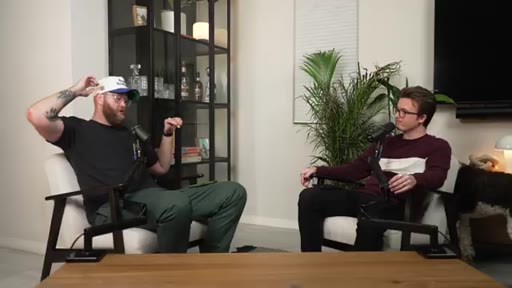
29 · May
Scaling what worked. Content direction solidifying.
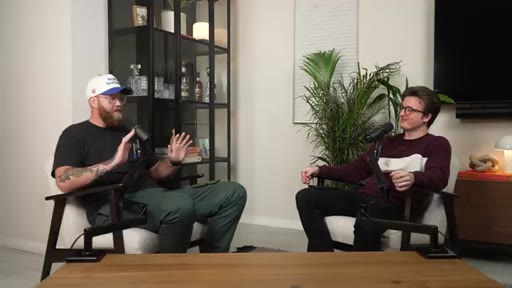
30 · June
Mid-year inflection. Email list growth accelerating.
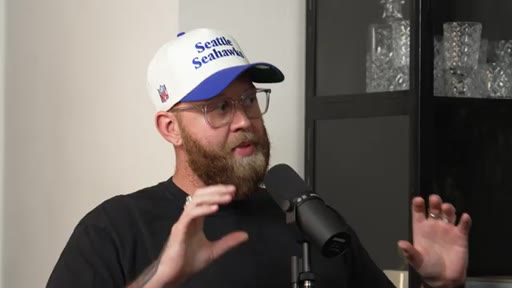
31 · July
Continued momentum. Documenting what is working vs. what is not.
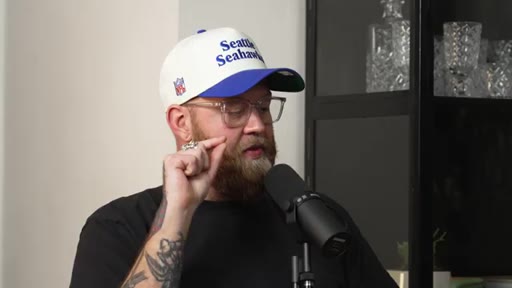
32 · August
Refinements to content structure and delivery based on audience feedback.
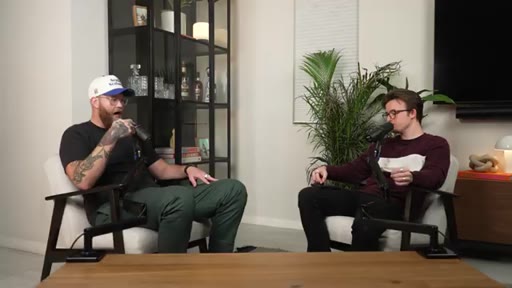
33 · September
Approach to repurposing and platform expansion decisions.
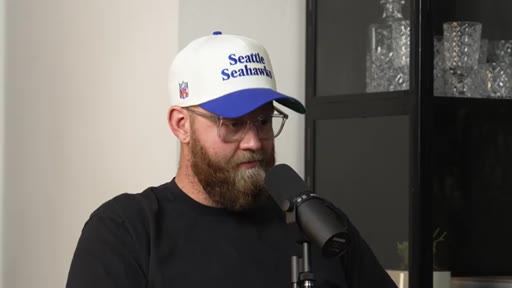
34 · October
Offer pipeline filling. Applications to work with Caleb increasing significantly.
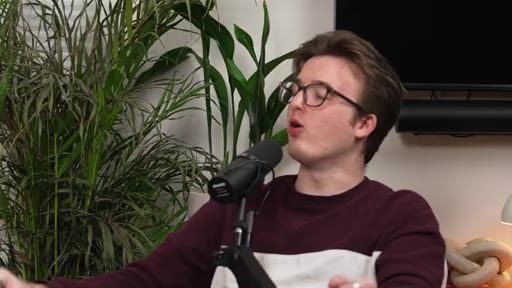
35 · November
End-of-year content push. Reflecting on what the first year revealed about the audience.
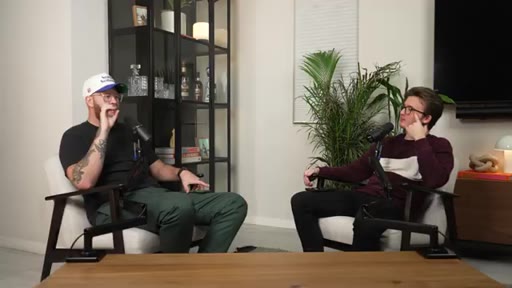
36 · December
Year-end wrap. 265K followers, 44K email list, 750+ applications. What they would do differently.
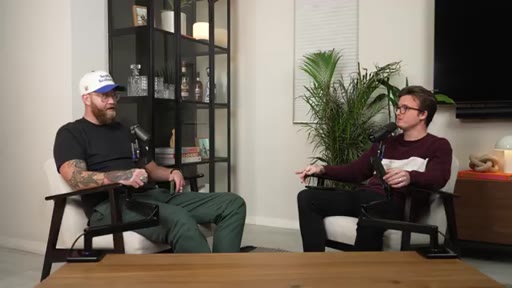
37 · Our Focus in 2026
Forward-looking priorities: deepening trust, improving offer conversion, refining content approach.
38 · Personal Brand Operating System - Recap and CTA
Full recap of every module covered. Final workbook push. Outro with next video recommendation.
Visual structure at a glance.
Named ideas worth stealing.
Brand Journey Framework
- What is your desired outcome?
- In order to achieve that, what would I need to be known for?
- In order to develop that reputation, what would I have to do?
- What do I need to learn in order to do those things?
Four reverse-engineered questions that map from end goal all the way back to today. Used to decide if building a public personal brand even makes sense.
Expert vs. Student Positioning
- Expert: build a credibility bank
- Student: build an interest bank
Two legitimate starting positions. Experts prove results; students document learning. The mistake is faking expertise.
The Gift Formula
Customer painful problem + your unique solution = the content gift you give your audience. Content ideation starts with pain, not trending topics.
Virality vs. Trust (Whiskey Analogy)
Optimizing for virality = whiskey and Coke. Optimizing for trust = straight whiskey. For high-ticket, narrow audiences, dilution actively hurts conversion.
Waterfall Repurposing
One primary long-form pillar piece cascades into shorter derivative content across platforms. Maximize output from each primary asset.
Personal Brand Operating System
- Brand Journey Framework
- Credibility/Interest Bank
- Burnout Prevention
- Customer Pain Identification
- Contrarian Belief
- Desired Associations
- Brand Statement
- Trust-First Content Strategy
- Platform + Cadence
- Idea Generation
- Content Delivery
- Wrapping Paper
- Repurposing (Waterfall)
- First 3 Videos
The complete modular stack from brand positioning through first published content.
Lines you could clip.
"You are either building a personal brand to get followers or you are building it to get customers."
"Build the brand that excites you. Not the brand the algorithm tells you."
"If you will not text those YouTube videos to any of your friends, that is a countdown clock to quitting."
"Going viral is like having a whiskey and Coke when you really want the full proof whiskey that burns as it goes down."
"The greatest retention hack in the world without competition is your audience learning."
"I am not here trying to make entertainment content. I am not that entertaining. I am here to change what you do."
How they spent the runtime.
Things they pointed at.
How they asked for the click.
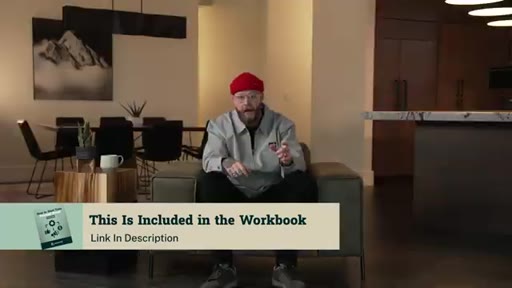
"We have a workbook that goes with this entire course. Click that link, go to the website, enter your email, we will send you the workbook."
Threaded throughout the entire video - not a single end-card ask but a repeated CTA tied to each module. Email capture via workbook is the primary conversion mechanism.
Word for word.
Trust is the only funnel that matters.
Caleb's entire system is designed for one outcome: converting the right 1,000 people, not impressing 100,000 wrong ones.
- Run the Brand Journey Framework before making a single piece of content. Reverse-engineer from your desired outcome to today.
- Define your contrarian belief - the bold claim only your track record earns. That is your differentiation engine, not your niche.
- Use the countdown clock test: if you would not text the video to a friend whose opinion matters, do not post it.
- Build content starting from customer pain, not trending topics or AI-scraped competitor transcripts.
- For high-ticket offers, optimize for trust over virality. Wide diluted content will not convert a narrow high-intent buyer.
- Structure long-form with education as the retention hack, not graphics and jump cuts designed for entertainment.
- Use Section 3 month-by-month format as a case study template - document your own brand build publicly as content.
What it actually takes to start.
The person who built 265,000 followers in a year did not know where to start either - and said so on camera.
- Start by answering four questions: what is your goal, what do you need to be known for, what actions get you there, and what do you need to learn to take those actions.
- If you would be embarrassed to show your content to someone whose opinion matters, that is a warning sign worth heeding before investing more time.
- You do not need to be an expert to start - but be honest about whether you are an expert or a student, because the strategy is different.
- Pick a platform and a pace you can sustain for two years, not a pace that impresses you for two months.
- The workbook in the description turns watching into doing - the video is worthless without actually filling it in.