The bait, then the rug-pull.
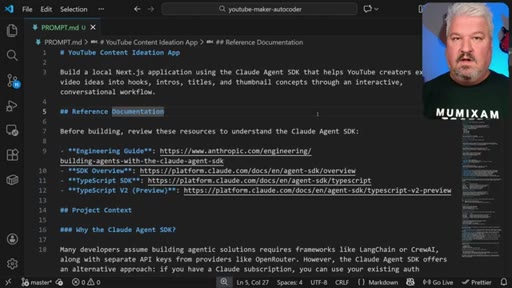
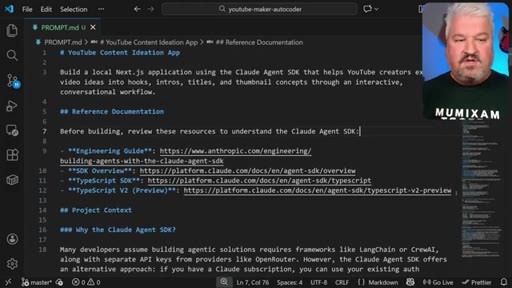
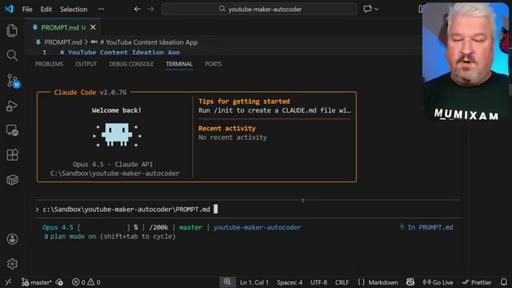
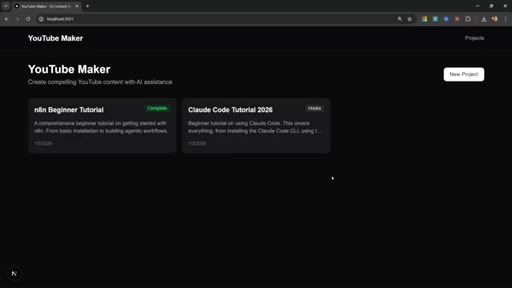
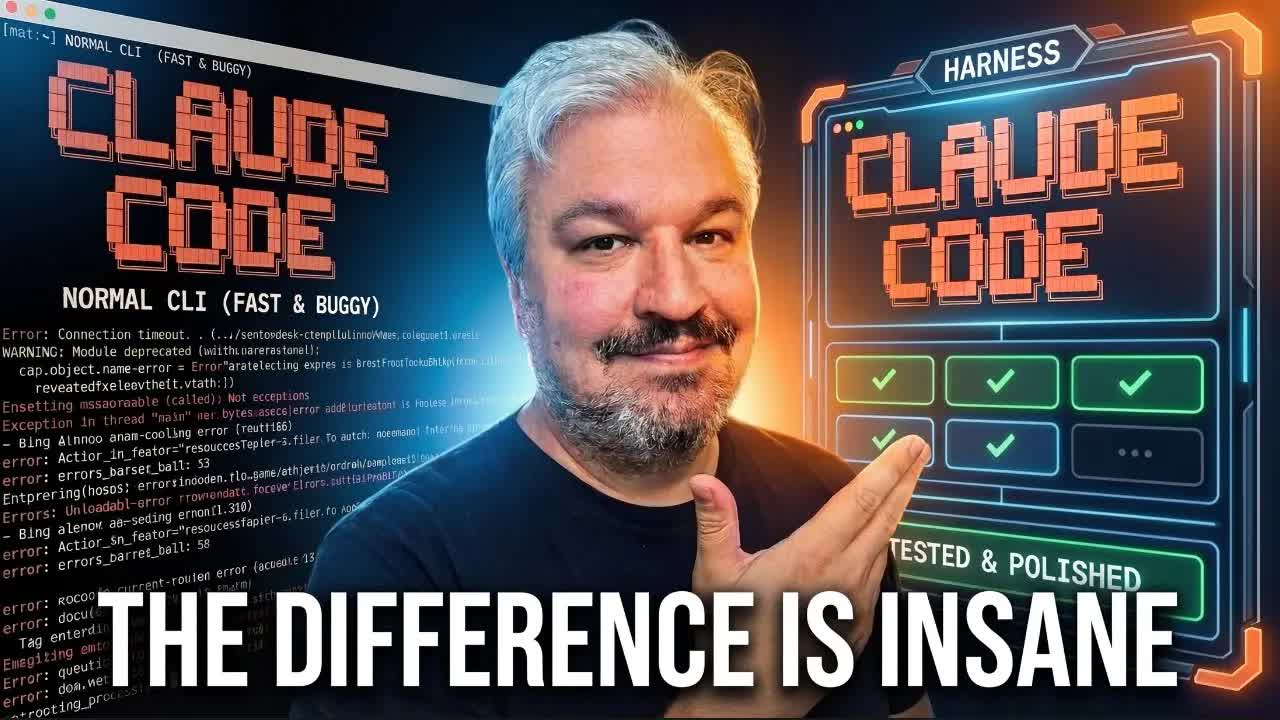
Same prompt. Same model. Zero human interference. Leon van Zyl ran an identical spec through vanilla Claude Code and through his open-source long-running agent harness — and the gap is embarrassing. One app shipped with broken card editing, no light/dark mode, and a thumbnail generator that never fired. The other delivered all of it, plus features nobody asked for.
What the video promised.
stated at 00:05 "I am convinced that long running agents are the future of agentic coding and vibe coding. And in this video, I will prove that to you." delivered at 07:05
Where the time goes.
01 · The Premise
Long-running agents are the future. Same prompt, same model (Opus 4.5 thinking), two drastically different outcomes promised.
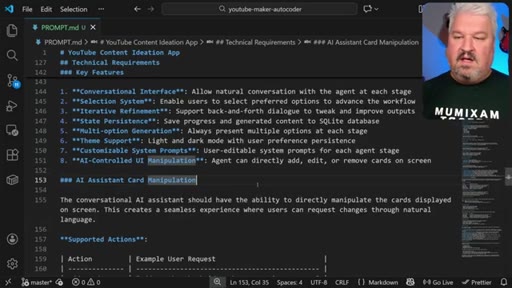
02 · Project 1 — Vanilla (broken)
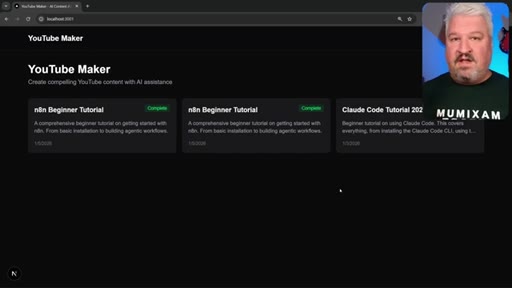
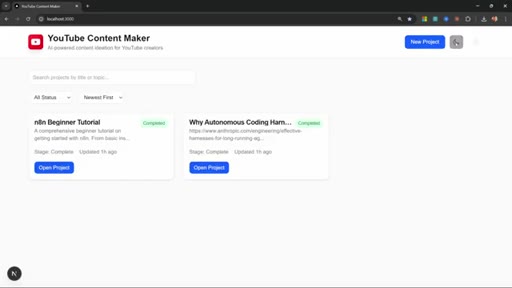
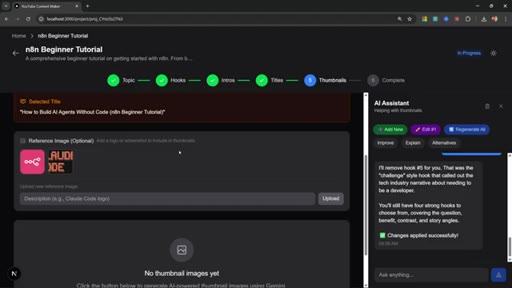
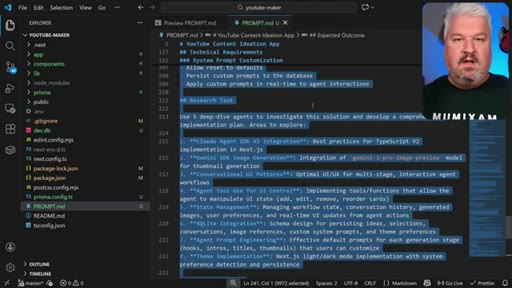
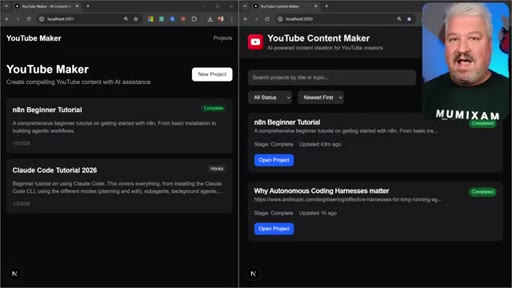
No dark mode, AI chat cannot edit cards in real time, no system prompt editor, thumbnail generation produces text descriptions. Context compaction killed the implementation.
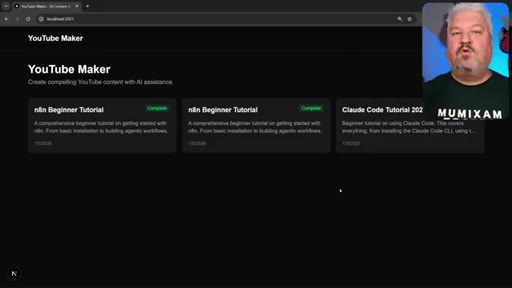
03 · Why Vanilla Fails
Context window compaction loses critical context mid-build. SpecKit/BMAD help but still require babysitting. The shift-handoff developer analogy introduced.
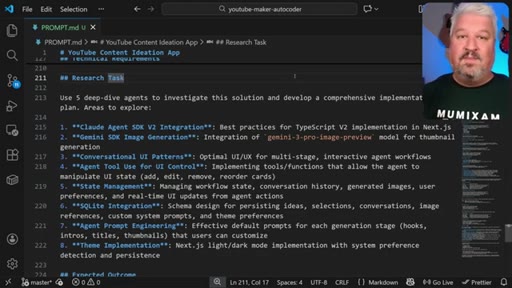
04 · Project 2 — Polished
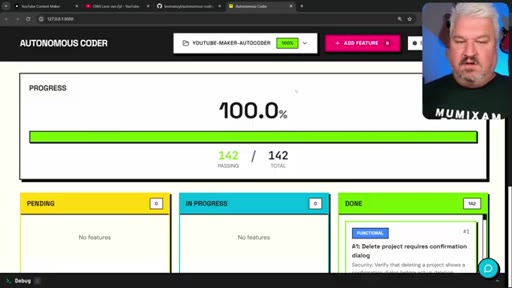
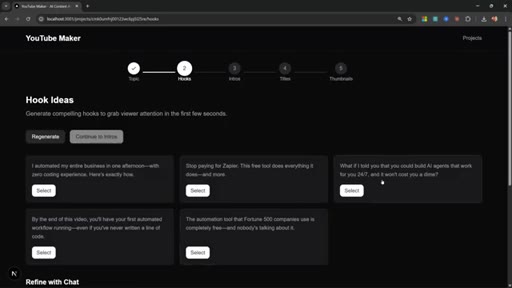
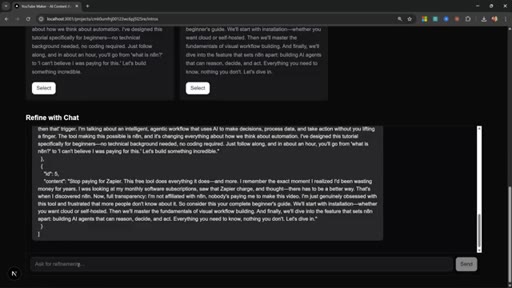
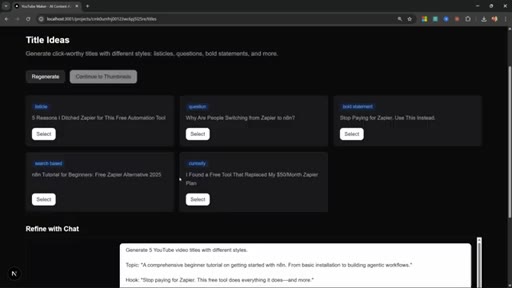
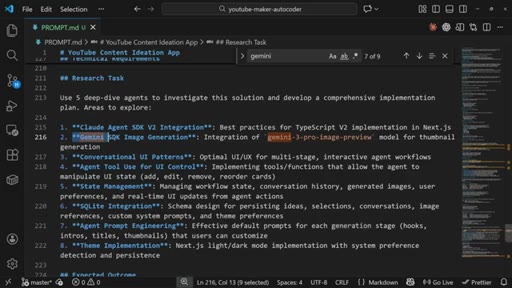
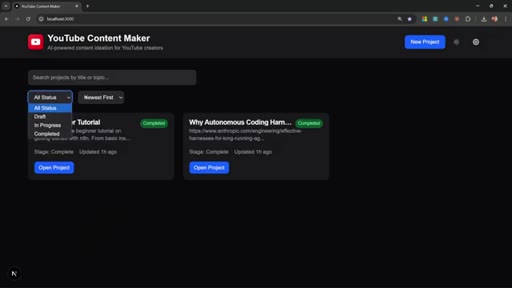
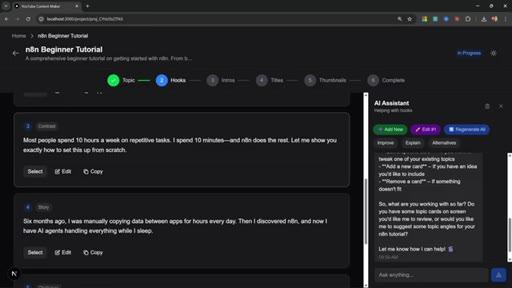
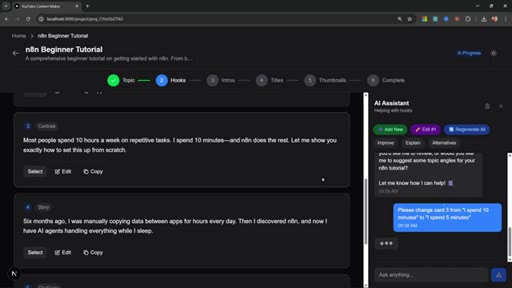
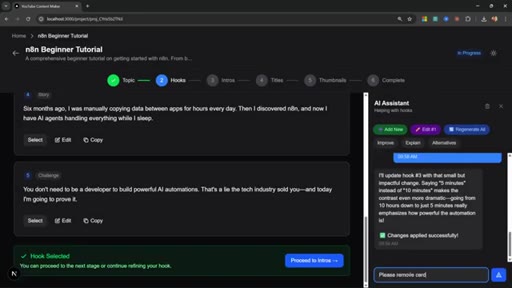
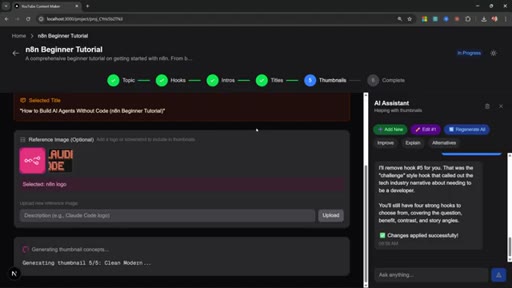
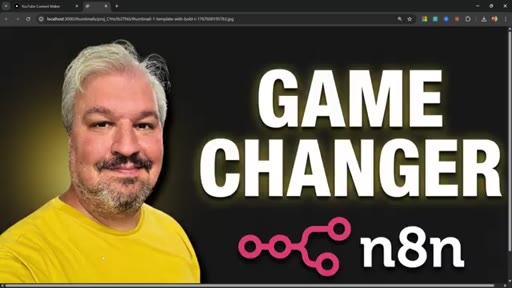
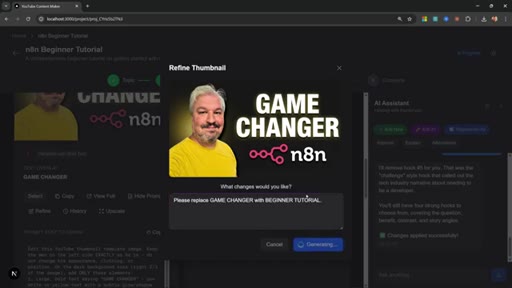
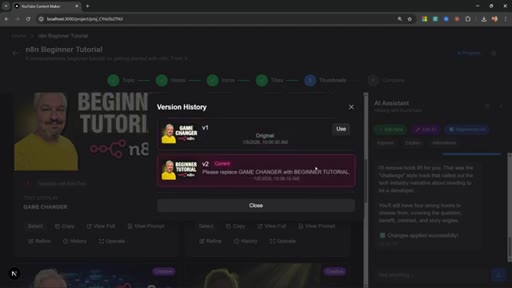
Same prompt, polished result: light/dark mode, editable system prompts, delete/duplicate/filter, AI that actually edits cards, card history, Gemini thumbnail generation with reference images, 4K upscaling.
05 · The Architecture
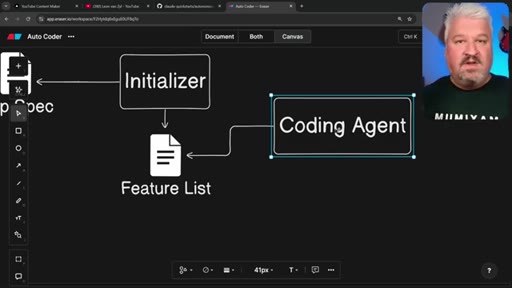
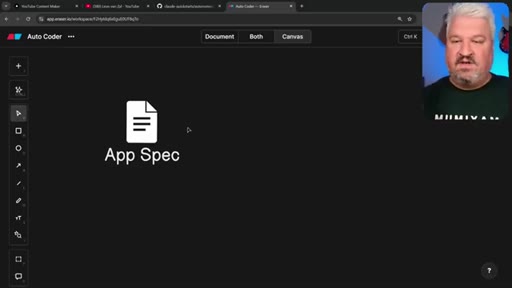
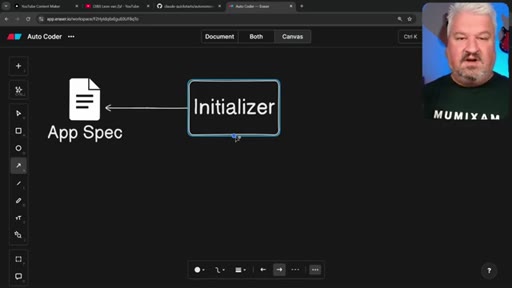
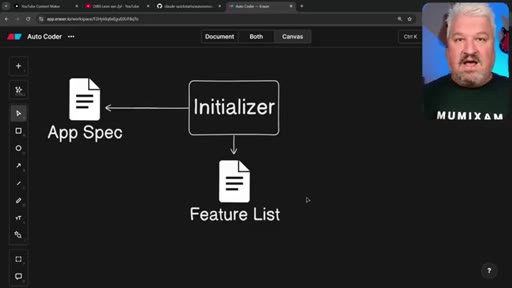
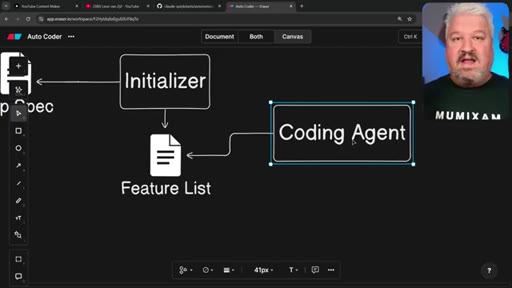
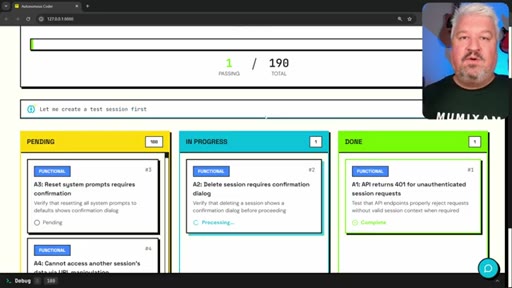
Anthropic long-running agent harness: initializer creates feature list, fresh coding agents each implement next feature plus regression-test 3 random completed features, then close context window.
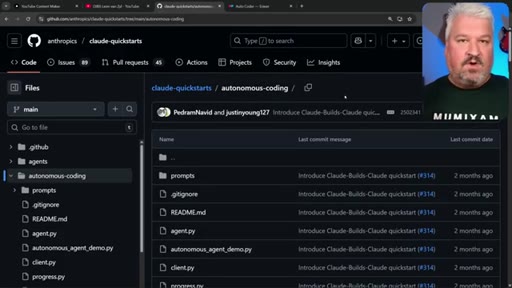
06 · The Tools Landscape
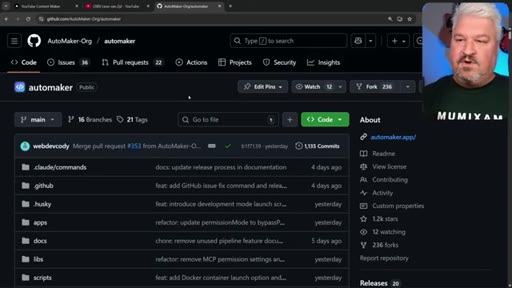
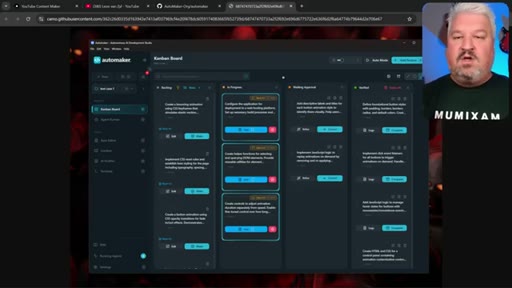
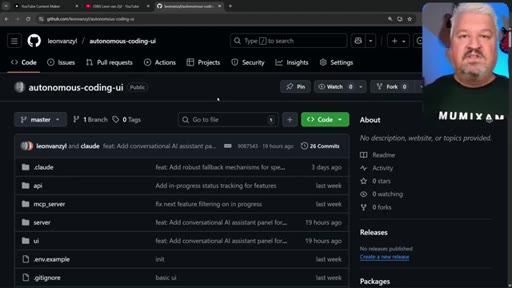
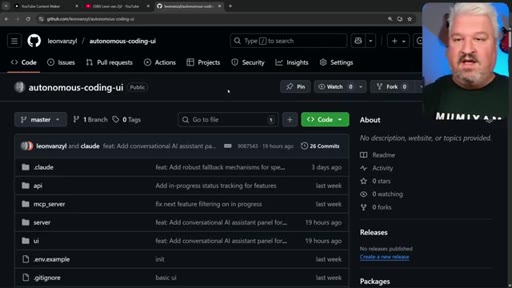
Automaker (WebDevCody) and AutoClaw are full-featured replacements. Leon repo is simplified version: harness plus UI, free, download ZIP and run.
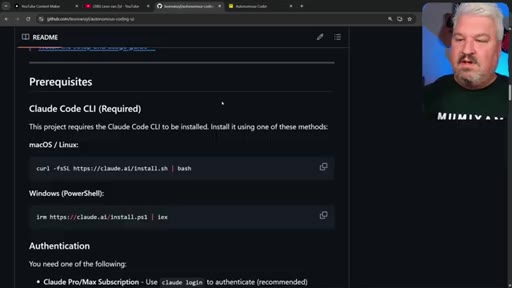
07 · Live Setup Demo
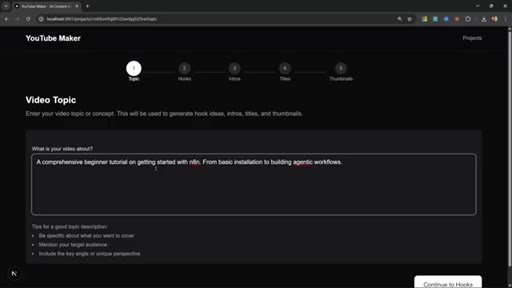
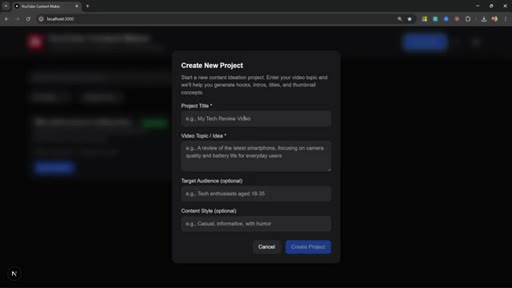
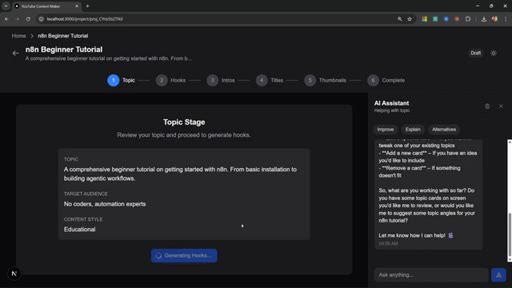
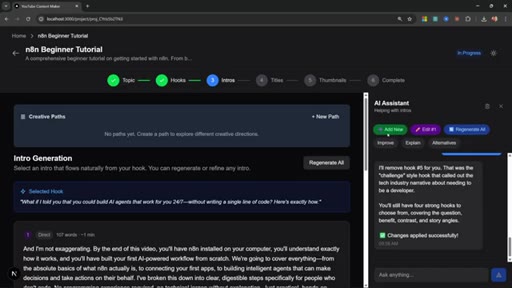
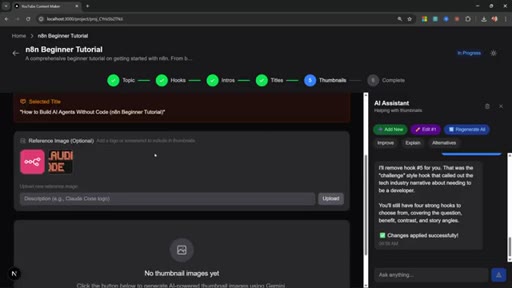
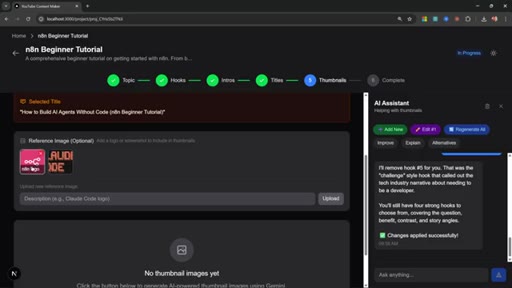
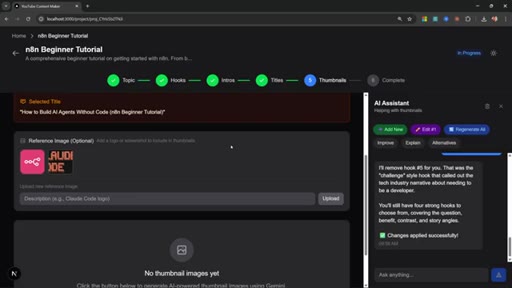
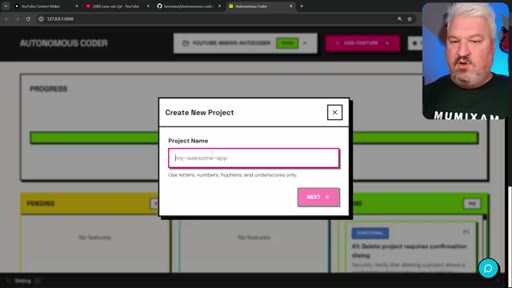
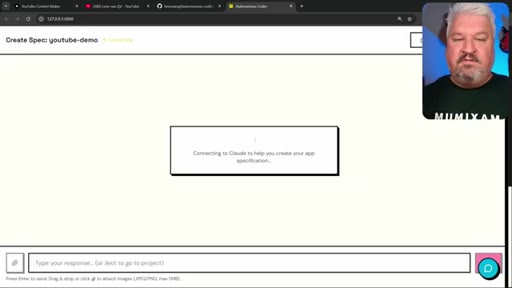
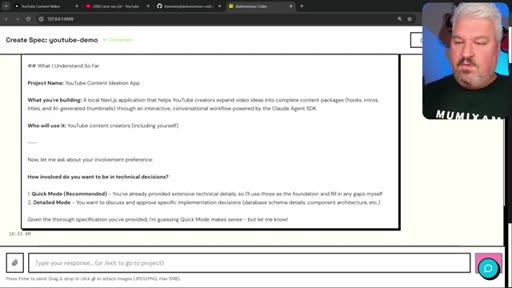
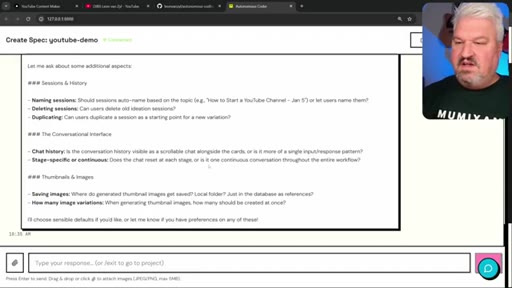
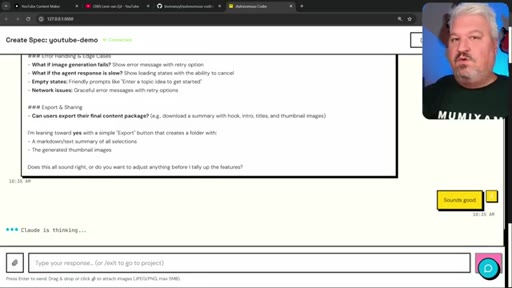
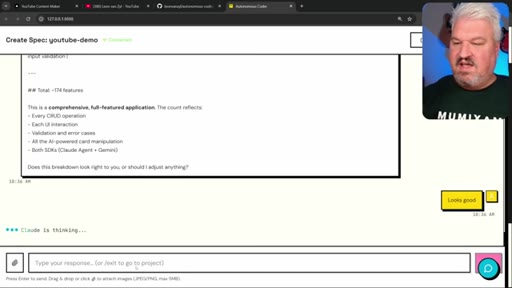
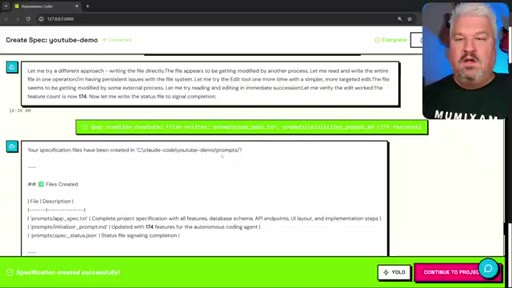
New project creation, Claude generates app spec via conversational Q&A (quick mode vs detailed), agent proactively asks about reference images for thumbnail generation.
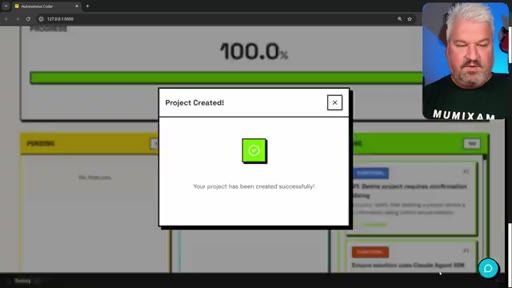
08 · Autonomous Coder Running Live
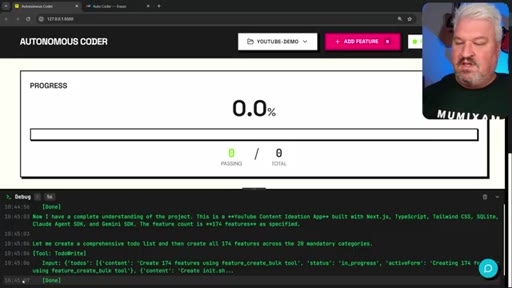
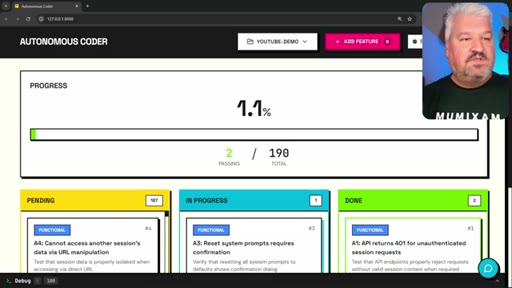
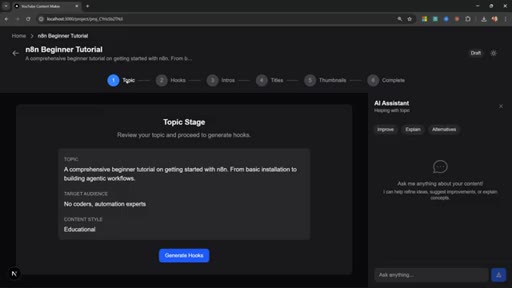
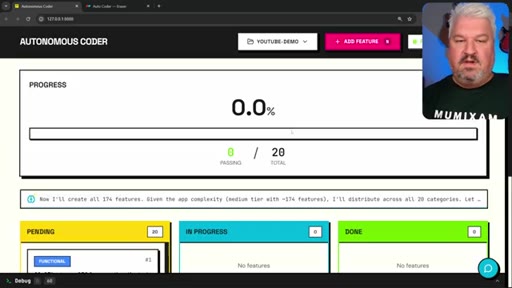
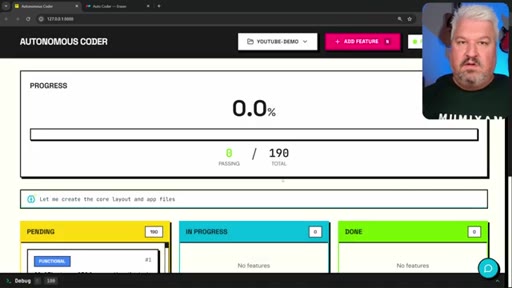
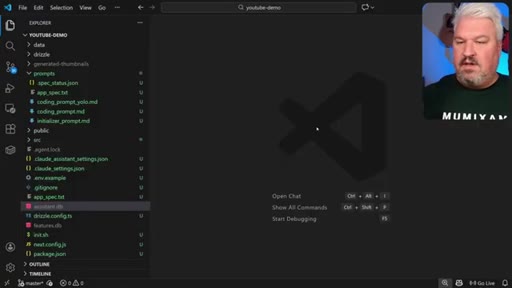
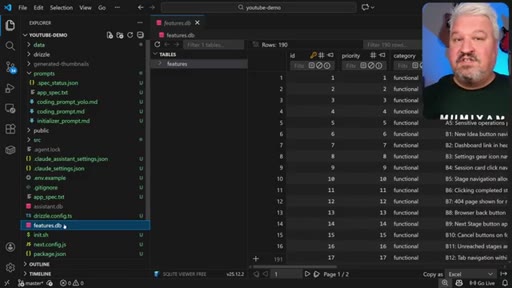
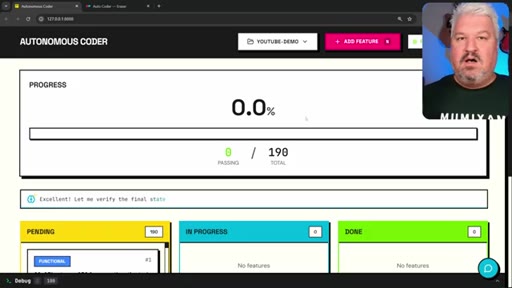
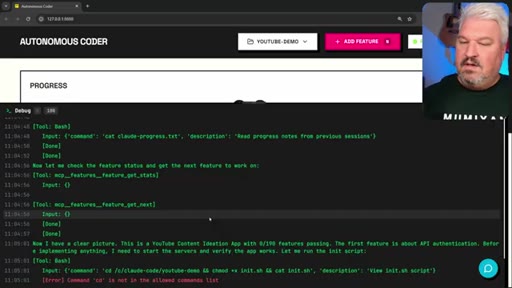
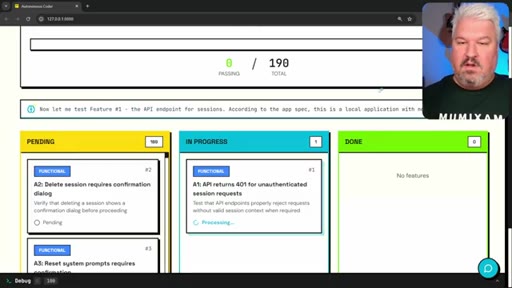
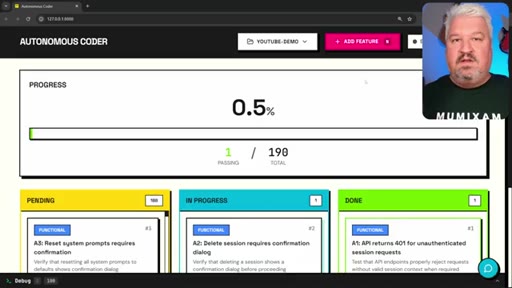
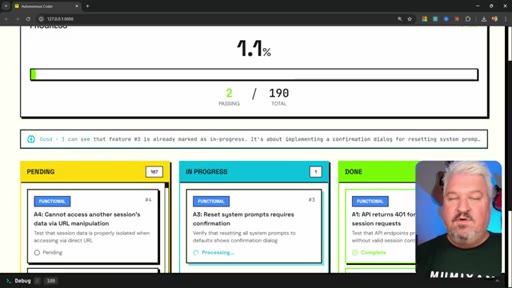
Initializer creates 190 features stored in SQLite not JSON. Dedicated MCP server with get_next_feature, get_regression_features tools. Debug window. Agent opens real browser to test each feature.
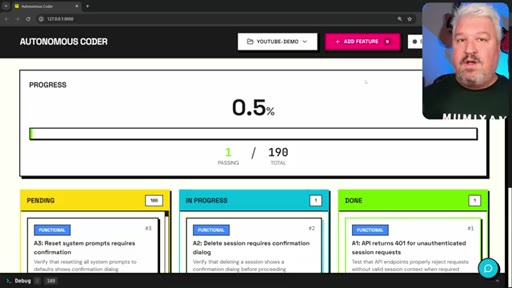
09 · YOLO Mode + CTA
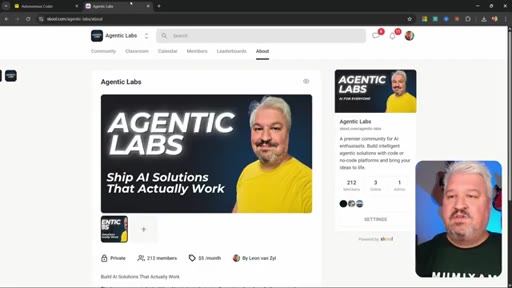
YOLO mode skips browser testing for raw speed (lint/type checks only). Join Agentic Labs Skool community. Subscribe.
Visual structure at a glance.
Named ideas worth stealing.
Anthropic Long-Running Agent Harness
- Initializer agent parses app spec, creates feature list
- Fresh coding agents pick up next feature + 3 regression tests
- Agent closes session when near context limit, updates statuses
- New agent starts fresh with lean focused context
Solves context-compaction by design: no single agent ever needs the full project history.
SQLite Feature Store over JSON
A massive JSON feature-list file can itself exceed the agent context window. SQLite + MCP tools let agents query only what they need.
Dedicated Features MCP Server
- get_next_feature
- get_regression_features (3 random)
- update_feature_status
Purpose-built MCP tools reduce token usage and improve reliability vs having the agent read/write files directly.
YOLO Mode vs Test Mode
Explicit speed/quality toggle: Test Mode opens a real browser and verifies each feature; YOLO Mode runs lint/type checks only.
Lines you could clip.
"This is like having developers work in shifts, where one developer does a piece of work and then leaves the office. The next developer comes in having no context on what the previous developer did."
"This really is the secret sauce. This agent will actually open up a browser window and test the application in real time."
"Keep in mind, this was all done through a single prompt. The same with the first project, but I just think this just feels way more polished."
How they spent the runtime.
Things they pointed at.
How they asked for the click.
"You can join my school community and either myself or one of the community members will assist you."
Soft sell after YOLO mode demo. Agentic Labs Skool at $5/month. Paired with subscribe ask.
Word for word.
The shift-handoff analogy is the hook. The harness is the product.
One prompt, two apps, visible gap — the before/after demo format Leon uses here is exactly how Joe sells JoeFlow and any tool with a quality story.
- Run leonvanzyl/autonomous-coding-ui on the next big MCN or JoeFlow feature sprint — free, open source, just download ZIP.
- Steal the shift-handoff developer analogy for any Claude Code content: it lands instantly with non-technical audiences.
- The SQLite + MCP server pattern for feature tracking applies directly to Chef orchestration in JoeFlow Sessions.
- Surface YOLO mode as a product concept — explicit speed/quality toggle is a UI pattern worth borrowing for batch jobs.
- Frame long-running agents as stop babysitting — dovetails with own your stack, stop renting positioning.
What this means if you build with Claude Code.
If your Claude Code sessions keep producing half-finished apps, the problem is the context window — and there is a free, ready-to-run fix.
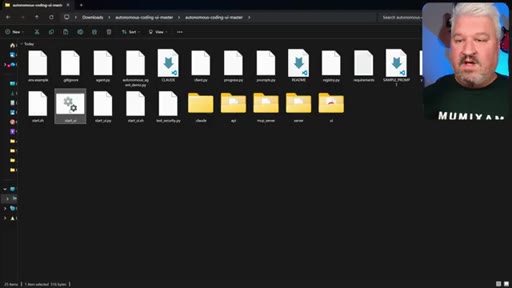
- Download leonvanzyl/autonomous-coding-ui from GitHub — ZIP, extract, double-click start_ui on Windows.
- Start with a detailed app spec: list your tech stack, core features, and requirements. Claude will help you write it.
- Use Test Mode for anything you plan to ship. YOLO Mode for throwaway prototypes only.
- The initializer agent will generate more features than you asked for — that is a feature, not a bug.
- If you hit the Anthropic usage limit mid-run, the harness auto-resumes when your quota resets.