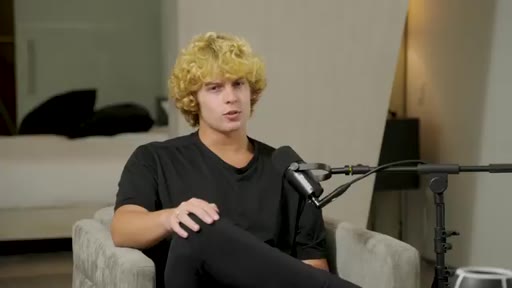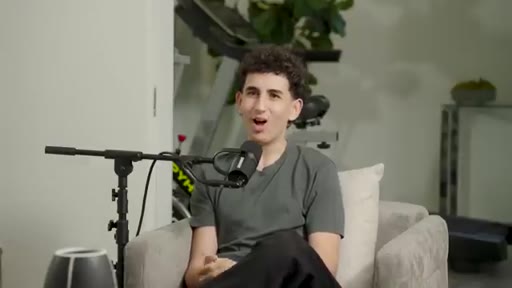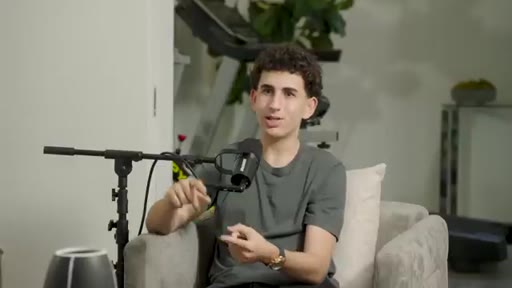
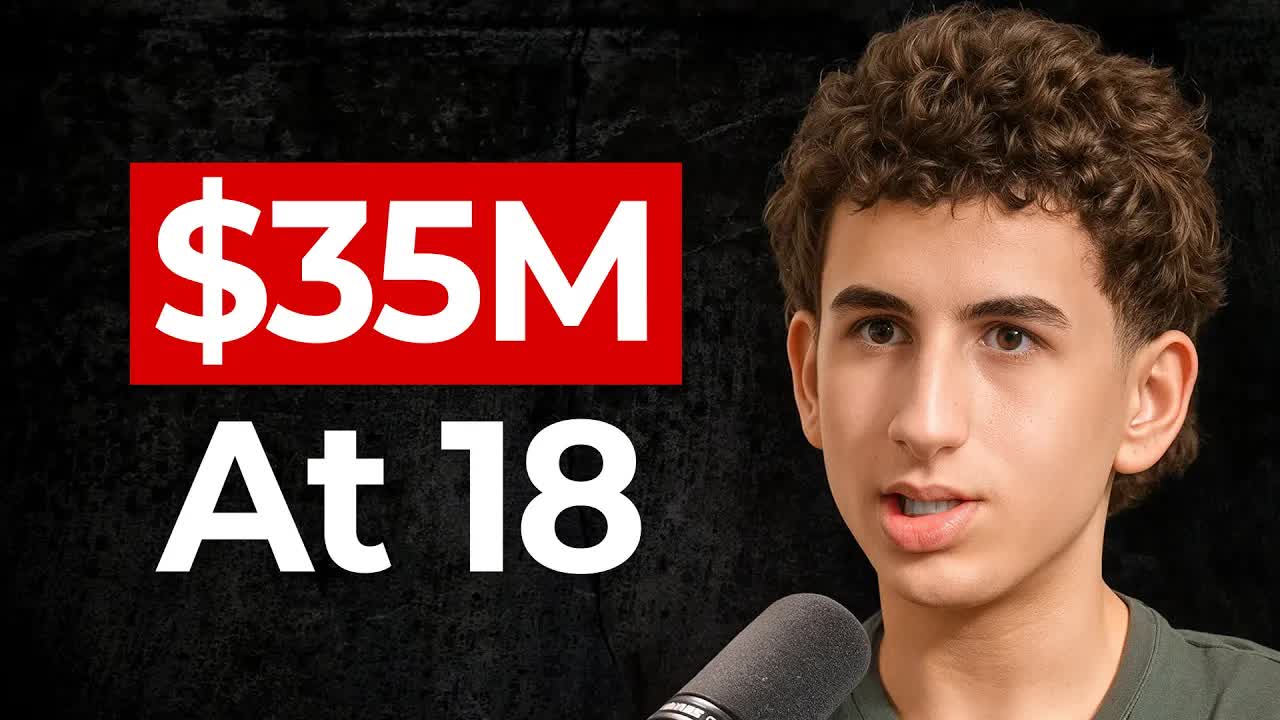
Jack Neel · Youtube · 98:57

Going Viral Isn't Luck. I Make $1M/Month With 31-Second Videos

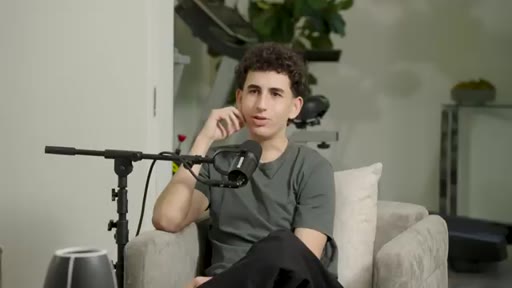
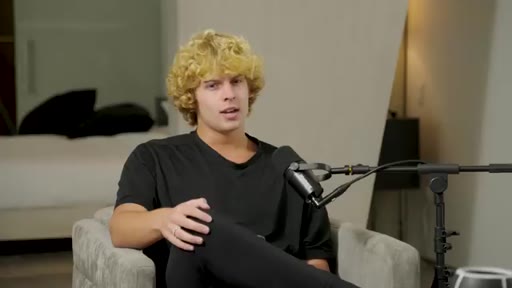
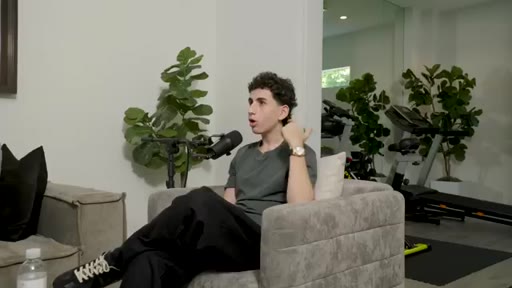
An 18-year-old who started faceless Snapchat shows at 15 breaks down every system he used to generate 20 million followers, half a billion views, and a $30M company — before finishing high school.

Posted
September 29th 2025
7 months ago
Duration
98:57
Format
Interview
educational
Channel
JN
Jack Neel
§ 01 · The Hook

The bait, then the rug-pull.

At 15, he was making $500,000 a month from faceless Snapchat shows he built from his bedroom — until the platform banned every channel overnight. Most people quit. He doubled down, applied the same system to YouTube Shorts, co-founded an AI video tool now valued at $30 million, and sat down to explain, in step-by-step terms, exactly how all of it works.

§ · Voices

Who's talking.

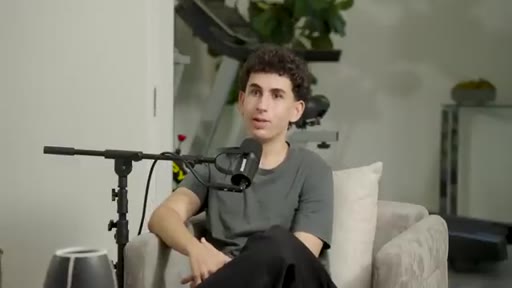
00:00hostJack Neel
01:11guestDaniel Bitton
§ · Topics

Where the time goes.

00:00 – 01:25

01 · Intro and origin story

Host previews guest's trajectory: faceless Snapchat shows at 15, overnight ban, now $2M+/month across four businesses.
01:25 – 06:15

02 · Revenue breakdown and follower count

Four income streams: Crayo.ai, course, YT Shorts channels, content. 20M+ followers, 90% faceless and anonymous.
06:15 – 09:40

03 · The biggest misconception about going viral

Consistency does not equal virality. Quality beats quantity. One great video outperforms four mediocre ones.
09:40 – 15:05

04 · How to start and iterate a YouTube Shorts channel

Post one video per day, find a successful competitor, improve on three metrics: length, quality, concept. Analyze retention graphs daily.
15:05 – 16:30

05 · Scripting is 80% of the work (+ Poppy AI sponsor)

Scripting fundamentals: concrete storyline, withhold the payoff. Sponsor break for Poppy AI script tool.
16:30 – 23:20

06 · Script structure, voiceover tonality, reading level

Hook, supporting hook, context, rehook, payoff. Voice pitch changes to match script beats. Write at 5th-8th grade level. Prompt AI voiceover sentence by sentence.
23:20 – 27:10

07 · 3D animation channel case study

Controversial science shorts channel: Kim Jong Un model, 40M views on third video, half a billion total. $300 per video. Killed voluntarily.
27:10 – 31:10

08 · The subscribe CTA that actually converts

Two approaches: visual subscribe sign embedded in animation (non-verbal), or topic-tied CTA ('if you knew it was Chandler, subscribe').
31:10 – 37:27

09 · YouTube Shorts vs. TikTok monetization

YouTube pays every qualifying video consistently. TikTok disqualifies individual videos arbitrarily. YouTube RPMs rising; TikTok's effective RPMs are 10-30 cents despite advertising $1.
37:27 – 44:20

10 · Income potential on YouTube Shorts

$20K-30K/month per channel is achievable with basic knowledge. 5-10 channels with editors = $60K-100K/month profit at ~$5K operating cost.
44:20 – 50:30

11 · Finding viral video ideas

Repurpose proven long-form concepts into short-form. Mine Twitter redistribution accounts for trending narratives. Steal the idea, not the title or script.
50:30 – 54:10

12 · Snapchat era and the Baby Alien discovery (+ YT Portal sponsor)

Snapchat shows with $10 RPMs. Andrew Tate content earned $700K from one video. Baby Alien trend discovered via TikTok FYP — made $400-500K in two weeks.
54:10 – 57:40

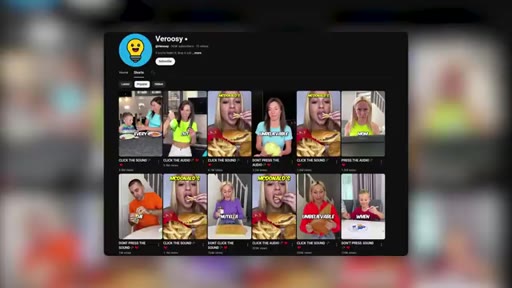
13 · Verusi kids channel case study

Russian kids skit + English voiceover. Pre-monetized channel buy. Kids watch on parents' devices = 40-year-old demographic = premium RPMs. $4K revenue week one on $35 editing cost.
57:40 – 64:20

14 · Clickbait in 2025: deliver on viewer expectations

Old clickbait is dead. Thumbnails and titles need to be delivered on in the video or YouTube won't push it. Simple thumbnail + direct title outperforms complex creative.
64:20 – 68:30

15 · Spectacle vs. relatable content

Spectacle works only when the topic deserves it. Self-deprecating humor makes the audience feel peer-level. 'I'm just like you, I just have this skill' is more persuasive than aspirational flex.
68:30 – 77:15

16 · Blueprint: 0 to 1M subscribers in 6 months

Niche selection (1M+ avg views), competitor deconstruction, full script transcription and analysis, Discord talent hiring at $2-5/video, daily retention + swipe rate review, compound improvement.
77:15 – 82:05

17 · Why competition is an asset, not a threat

More channels = higher YouTube RPMs for everyone. Snapchat group of 8 shared problems and solved them 8x faster. Seek people doing similar things and learn together.
82:05 – 83:50

18 · Sponsor: Moomoo

Trading platform with 8.1% interest promo and free NVDA stock on deposit.
83:50 – 90:30

19 · Best niches for faceless channels in 2025

Commentary (celebrity, finance, gaming), motivation montages, ranking formats. Evergreen test: will this type of content exist in 10 years? Trending niches have life cycles — prefer evergreen.
90:30 – 94:15

20 · How to get 100% and 200% retention

Withhold the payoff. Loop trick: end mid-sentence so it connects to the opening, tricking viewers into rewatching the first 2-3 seconds and generating 200% retention spikes.
94:15 – 98:57

21 · Crayo.ai, best advice, and closing

$30M valuation, declined acquisition offer. Best advice: Hormozi's 'work so hard it would be unreasonable to fail.' Self-advice: take big swings.

§ · Quotables

Lines you could clip.

06:26
"Quality beats quantity pretty much every single time. One really good video that takes a month to make can get you 50 million views versus four not as good videos that get a mil or five mil."
Clean standalone thesis statement, punchy and counterintuitive to the 'post every day' advice dominating the space. → TikTok hook
07:34
"I get a lot of people coming to me saying 'I've posted for four months and haven't seen results.' It's because your videos are ass. Focus on quality."
Blunt punchline, highly shareable, no setup needed. → IG reel cold open
93:16
"Work so hard and put so much output in that it would be unreasonable for you to not succeed."
Hormozi quote delivered personally — tight, repeatable, motivational. → TikTok hook
15:05
"Scripting is genuinely 80% of the work. A really good script is going to get you way further than your competition in the same niche who don't know how to script properly."
High conviction percentage claim — instantly clippable for any creator education content. → newsletter pull-quote
22:06
"I made a video about how Muscles Grow — fourth video on the channel, 11 million views. Taking a concept from long form and adapting it to short form is the easiest way to guarantee a viral idea."
Specific case study with a number. Shows the method works. → IG reel cold open
§ · Resources Mentioned

Things they pointed at.

06:32channelMrBeast ↗
15:35toolPoppy AI ↗
31:17toolCrayo.ai ↗
38:57channelZack D. Films
82:05productMoomoo ↗
44:50channelFearBuck / Kira (Twitter redistribution accounts)
93:10channelAlex Hormozi
§ 04 · The Script

Word for word.

00:00Today's guest has cracked the code of short form content. At 15 years old, he made half $1,000,000 a month from faceless Snapchat shows using his viral content formulas. So there's three metrics that I like to look at to improve upon people's videos.
00:14Can you make the videos longer? Can you make them higher quality? And can you improve But just after he dropped out of high school, the platform banned his channels overnight,
00:21nearly leading him to give up on everything. Do you know what our biggest video was on Snapchat? It made 51 time, 21 time, and 10 another time just reposting it.
00:29Dude, we had a video that made us, like, 700. Instead, he doubled down on his craft, perfecting videos on every platform and cofounding Cradio, an AI tool that helps other creators master short form content. If you understand the fundamentals of how to go viral on social media, you can turn anything viral.
00:46I did it on Snapchat. Did it on YouTube shorts. I did it on software.
00:48I did it on a personal brand. I've done it on Minecraft channels. People overcomplicate this way too much.
00:53In this episode, we'll unveil the viral blueprint that's generated him billions of views, explore the psychological triggers that keep viewers hooked, and discuss how his next business is on track to overthrow Facebook. You think you guys are gonna be bigger than Facebook? Daniel Baton.
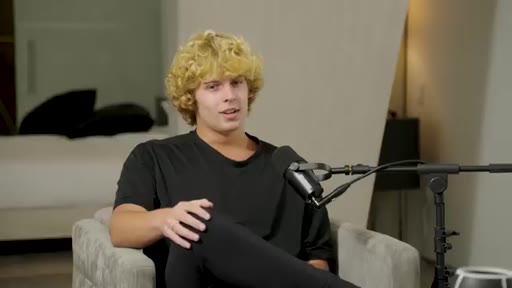
01:11Welcome to the podcast. I'm very happy to be here. I know, man.
01:15Guys, Daniel and I have known each other for since he was 15 years old. He's 18 now. Right?
01:21You're about to turn 19 pretty soon? I'm turning 19 in April, so in a while. So, Daniel, you just turned 18.
01:27How much money did you make last month? So last month, we probably did over $2,000,000.
01:34We've closed just at the start of this month over 8 figures in deals, so I don't really wanna mention exactly the numbers yet, but we're in the 7 figures a month right now across the companies.
01:46How about you for yourself? Personally, I probably did just under, like, $700,000 last month.
01:53Just as far as, like, the 2,000,000 number. Like, how did you what are all the sources of revenue for you? So
02:00they span across, like, four different sources of income. Number one would be my software company, Crayo. Number two would be my course.
02:08Number three would be my YouTube shorts channels, and then number four is content. I know. How many followers do you think you've gained on social media?
02:15Probably easily above 20,000,000 followers. 90% of those, no one knows who those accounts are,
02:24all faceless. On my own brands, I've probably gotten around, like, a million followers across all my pages, but, yeah, most of it is faceless.
02:32So walk me through exactly, like, what the numbers are, like YouTube short channels, Instagram, TikTok, Snapchat shows. Like, if you had to, like, dig into your memory, like, where are all the followers from?
02:43So when I first started, like, really going crazy on social media at 15, the first time I ever got, like, a real amount of followers was when I started my first YouTube shorts channel called Slam Dunk.
02:54We got that to a million subscribers in six months. That was kind of the first time that popularity started rising around YouTube shorts and making faces content around that platform.
03:04And we kinda just cracked the code there, started going really crazy on content that we were posting, and we were one of the fastest growing YouTube channels on YouTube shorts at one point, gaining, like, over 50,000 subscribers a day. After that, we went over to Snapchat shows. Those were, like, two to three minute videos on the platform.
03:23And I think in around six months, we gained over 20,000,000 followers. On just one of our pages, we had 9,000,000 followers. And so
03:31we kind of understood a few different methods at the time on how to really rank for followers because followers are really big on the platform and they would kind of push your videos as well. And so we optimized for followers and views.
03:44So that was the next platform. After that, I started more YouTube shorts accounts across those. We've got into
03:51probably around another, like, 4,000,000 subscribers. And then kind of one of the biggest ways we gain followers were through our promotional accounts under my software company, Creo dot a I. So we would start faces organic short form pages on Instagram, TikTok, and run them up to promote the company.
04:07Those pages just naturally have a few million followers just because of how many views we got that converted to our software. I'm not exactly sure of that number. And then after that, I then started my personal brand.
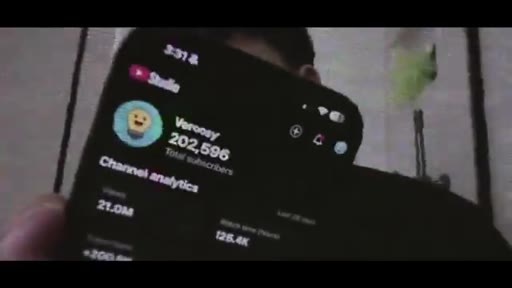
04:19On YouTube, I have almost 200,000 subscribers. On Instagram, across all my pages, I have roughly around half a million followers. And then on TikTok across all my pages, I probably have another half a million followers.
04:32That's it's really fascinating. So your old partner was Luke.
04:36Right? Yeah. Okay.
04:38Yeah. Um, I'll dive into this a bit later, the whole Snapchat thing. Uh, I do wanna talk about shorts first, but I'm pretty sure that the way we met was
04:49you and your partner, um, another guy named then his partner and then me and my partner Yeah. Like, all consistently, like, had the number one shows on Snapchat, like, every single day.
05:01We're kinda just competing against each other. There was probably some other people we didn't know about or maybe you know the names of them. Dude, if I remember correctly,
05:08there was, a top 15 ranking for shows, and we own, like, 15 as a group out of the 15 top shows. So Luke did?
05:16Yeah. Like, for the top 10, we know that we owned, like, seven out of the top 10. And then amongst you and then the other people that were in the group, they own the rest.
05:25And so we genuinely had Snapchat in our hands at one point, and you couldn't go on the platform and not see our pages on the front page. Yeah. That was an interesting time period.
05:35And I I remember getting on a call with you for the first time and you being like you were 15. And you were just telling me stuff that, like, I as a content creator for, like, several years now, I was like, oh, I didn't realize that.
05:47Oh, I didn't realize that. I was like, this kid is smart. But,
05:50yeah, I'm not surprised at the point that you've ended up in your career with the success you've had. So on social media,
05:58what's the single biggest misconception people have about going viral? I think people think going viral is consistency
06:08when I don't agree with that. I think a lot of people think that you have to be consistent. You have to post a lot of content, and there's a big misconception that that's what equates to virality.
06:16And although, like, that is a factor to it, I think people don't prioritize making genuinely good videos enough. And so I've kind of understood from running a ton of pages to a ton of different types of verticals.
06:29So, like, trying to promote a software company or trying to funnel to a program or whatever it may be, just trying to get views. Quality beats quantity, I think, pretty much every single time.
06:39And the reason I say this is this is a mister beast philosophy. One really good video that takes a month to make can get you 50,000,000 views versus four not as good videos that you output get to, like, a mil or five mil. And so I
06:53personally really prioritize quality on everything I do, and that's just always what I've been ingrained with with pretty much every single channel I've ever ran. But you can have really good quality with really good quantity. You just need be able to track and kind of crack that method, and that's why building a good team that can output the quality that you want at the amount of times you wanna upload.
07:12But I think quality is a very big metric that a lot of people undermine. I get a lot of people coming to me and being like, yo. I've posted for the last three, four months.
07:20I haven't seen any results. It's because your videos are ass. Like, your videos are ass, so you are not going to see results.
07:26You know what I'm trying to say? It's like focus on quality, and that's going to get you to where you wanna be, whether it be views converting to your product.
07:32Quantity is cool, but quantity without any quality behind it isn't gonna get you anywhere. A 100% agree with this. I guess my only
07:41pushback is when people say that quantity breeds quality. And as someone that's so young, I mean, you put a lot of reps in as far as editing people's content, but, like, how are you able to just start with quality? It's calculated.
07:56So you start without knowing anything. You don't know what you don't know. But a lot of people like to post and then not trying to improve on the videos that they're making and keep going at the same formula.
08:06That's the wrong way. You should post as much as you physically can, but learn from every single thing you put out. Track the metrics.
08:14Look at the back end. Look at the comments. Try to figure out how to get better.
08:17Just posting and putting output is not gonna get you anywhere. I put a lot of output out when I was 12, 13. I would edit for these creators, and I started my own channels.
08:26The first, like, four channels I had completely flopped, and it's because I would try to post a lot, but I didn't really have any strategy behind what I was doing. Once I started, like, talking to more people who had more experience and this is the biggest thing I did as a video editor, which I think was, like, a big reason as to why I started learning how to make really good videos.
08:41I would ask a lot of questions to my clients about how they would make the videos because I was in charge of one section of creating the content, and that was just the postproduction final part before it goes out to the public. But they would be in charge of the preproduction,
08:54figuring out the script, figuring out the concept, figuring out the thumbnails. And these are things that I would not really know anything about, but I would ask questions because I just knew trying to gain as much information before I started myself would be a really big edge versus everyone else. So to be honest with you, I definitely wasn't the best when I started posting, but I knew a lot more than the average person did before I put out my first video just because I would ask so many questions to people who had track records of putting out quality videos and getting millions of views.
09:21If you had to give like an action that you would recommend for someone starting a new channel, would it be along the lines of post 30 videos and try to learn from each one or would it be like take a course, study a YouTuber, put a lot of effort into two videos for one month?
09:37Like, what what would you do now? This is what I would say. If we're talking about YouTube shorts specifically,
09:42I would tell someone to post one video a day in a niche that they see someone else succeeding in. You wanna take the person that you see succeeding and try to improve upon their videos. So there's three metrics that I like to look at to improve upon people's videos.
09:55Can you make the videos longer? Can you make them higher quality? And can you improve on the concepts?
09:59I think longer videos on YouTube shorts really play a big role in how YouTube pushes them out. I see a lot of really good channels pushing, like, twenty five to thirty second videos, which is fine, but I've gotten in and then gone to forty five second videos on the same concept. This gives that audience more time to watch content, which they wanna do.
10:16They wanna absorb more content that they actually like, and YouTube promote longer videos because they have more time to place your ads. And so post longer videos,
10:25improve on the quality of the videos, and it can be really small things. Like, I'll just give an example. There's channels out there that post commentary videos pretty much slap mister beast on the back of it and create a storyline around one of his, like, concepts or videos or whatnot.
10:37All of their subtitles are in white. Okay? I would look at that, and I would be like, okay.
10:42Whenever I say, like, a word like hate or scam or, like, one of those impact words, I would make it red. I would just add any little inputs I could to a specific video to try to give the viewer more visually. And these are just things I think about when I try to copy a competitor that's doing well and try to replicate it for myself.
10:57And so sometimes it's not super obvious, but sometimes it is. If someone's making thirty second videos, try to make forty five second videos. If someone's quality clips are in seven twenty p, but they're still getting millions of views, try to make yours in ten eighty p.
11:09You know what I'm trying to say? Like, there's always little things that you can improve upon, but those little things are gonna give you that edge versus your competitor.
11:16And I think one of the biggest things is consistency. Like, if you post for two weeks and try to improve for two weeks, don't see results, and then give up, where the where is that really gonna get you? You know?
11:27Versus trying for two months and really, really putting the effort into improving every single video. And so you post the video on Monday. You check the stats of it on Tuesday.
11:35You see that people dropped off at the thirty second mark. You go back to your script. You see what you said in the thirty second mark.
11:41Why do people drop off here? Did I drag it on for too long? Did I give too much context?
11:45Did I not go in-depth enough, or did I not visually explain what I was talking about? Really psychoanalyze what's going on in your video and try to improve it next time. You might not have the answer, but at least trying to fix something that you think is wrong eventually is gonna lead you to what you wanna find out.
11:59I think that's great advice about just finding little things that you can add. I think to go off of that, something I've noticed recently is that some people find things that you can remove. Yes.
12:09Right? So a good example is I posted a podcast with Togi yesterday and
12:15I made these really high quality clips. And there was a clip page on TikTok that just put, a little organic TikTok caption with no subtitles,
12:23and all those clips took off because it looked like something people would watch on TikTok, if that makes sense. So they actually removed stuff, which was kind of cool to see.
12:32Yeah. I had a friend who does around, like, half 1,000,000 a month on YouTube, long form basis channels, and he was just telling me this exact same thing.
12:40It was like, sometimes it's not about what you can add. It's about what you can remove because a lot of people just add a lot into their videos thinking that it's gonna benefit the viewer. But a lot of people, like, prioritize simplicity more and especially on the Internet with short attention spans.
12:54Sometimes packing more things in can actually lead to, like, a viewer confusion and them not knowing what's really going on. And so if you look at a lot of my content that I've put out, like, even on my personal brand or on my pages, like, maybe we pop up a video here or something, I'll send it to you after. I like to keep things simple,
13:09but very, very clear. Like, one of the biggest things that I talk to all the people in my program about, which, like, I think is the most important thing, is visually representing what you are talking about in your script.
13:21Because scripting can be amazing. You can have a really good script, really good hooks, a really good storyline, but if you're not visually representing what's going on, if you're talking about Andrew Tate or mister beast grabbing a pencil, but then you show a video of him hugging someone that is not going to visually represent what's going on, and a lot of people naturally do not think of that for some reason.
13:41They just slap clips behind a script and expect it to, like, get somewhere. You need to visually be representing what's going on. If you're if you say something's going bad in the video, add a red tint.
13:51Add, like, a sound effect. Audio and visual need to match what's going on in your script because that's gonna pretty much make the viewer not able to click away because they have to watch what's going on. Have you ever heard the sentiment though that, uh, like, you should show something that's kind of the opposite of, like, what's being spoken about.
14:07Like, if it's like mister beast got really upset, you wouldn't show him, like, frowning. You might show him, like,
14:14walking away looking or I'm trying to figure out how to explain this concept. Do you know what I'm talking about? I get I get what you're talking about, but this is the way that I use what you're talking about.
14:22So when you show something that's the opposite of what you're saying in your script, it's for conversion tactics. And what I mean by this is, like, I would purposefully mispronounce mister beast's name, or I would purposefully make mister beast smile when I said he was sad.
14:36And people would go to the comments and be like, why would you place that in the video? So that's the times I would do it, but that's not a constant that I use throughout the entire video. Those are just little parts I plant in for engagement.
14:47What's one principle you apply to every video that almost guarantees performance? I don't think there's one principle that can guarantee performance,
14:54but there's definitely principles that you can apply that give you the best chance of performance. And so one of the biggest things that I like to do in every single one of my videos that I think just gives me an edge is making sure that the storyline of the video is concrete. So I think scripting
15:08is genuinely 80% of the work. I think scripting a really good video is going to get you way further than your competition on the same niche who don't know how to script properly. Hey, quick hack if you wanna make money with faceless content or YouTube shorts.
15:22So say you wanna write a script, but you don't have the time to read news pages or watch full TikTok and YouTube videos, you can simply use today's sponsor Poppy AI. They speed up the process by letting you connect multiple pieces of content to an AI chatbot, so you can find the most interesting parts and write scripts based off that.
15:38Plus, if you wanna skip the work of perfectly writing out your videos, they have viral script templates that help you organize your research into proven formats that work. You can drag and drop videos, articles, even voice notes into the template and it will generate ready to go viral content. My team already uses Poppy for all of our videos, so if you guys wanna try it out, just go to get poppy.ai
15:59backslash Jack Neal. They have a thirty day money back guarantee, so if your videos don't go more viral, it's completely free. Anyway, guys, back to the podcast.
16:09And so, like, there's a bunch of fundamentals with scripting, like having a really good hook that gets the viewer to understand what the concept is about without revealing the payoff. And then you go into the second supporting hook, and then you go into the context of the video. You have a rehook.
16:23And so what a rehook is is like, show speed hates mister beast. Right?
16:27Let me just give you an example. I show speed hates mister beast. Last week, I show speed competed in a mister beast tournament to win $10,000,000.
16:35And then you add context to what happened in the challenge, and you're like, but why would this make ISO Speed hate mister beast? And then you add that right before you give the payoff. And so these are just some basic scripting fundamentals,
16:46but I think scripting is genuinely one of the biggest things people need to start focusing on to make better videos. And I feel like not a lot of them do.
16:54They just find a really good concept which intrinsically could go viral. It's a viral concept, but then they script it really badly and their videos don't get anywhere. And so I've always just put priority on making the script and the storyline
17:06really, really good in all of my videos, whether it be twenty seconds or ten minutes. Interesting. That's something I noticed when I reviewed your scripts when my partner and I were trying to break down, like, yours versus ours was,
17:18like, one, I think you were doing the voiceovers at the time, and it was like or maybe there's some other channel, uh, where it was like a younger kid doing the voiceovers. And it was like, okay. Well, Jackie, your voice is too deep, like, and sounds too proper for kids to want to listen to.
17:33Like, it sounds like they're listening to, like, some science thing, but this sounds like just like your friend. You know? That was one thing.
17:39And then how do you think about, like, the language you use? I feel like it I think really basic advice is write your scripts at a fifth grade reading level, but I believe that there's some more nuance to it.
17:49Like, do you There is more nuance. Tell me about that. So
17:53the way your tonality speaks when you're reading your script is super important. So unlike words that you would mention in a script, you would need to increase the pitch of your voice or decrease it. And so now a lot of people script or sorry, voice over with AI.
18:07I think a voice over is genuinely super important to a script because, like you said, when you were analyzing our content and you were talking about how your voice might be a little too deep and you're making more relatively kids content. You know what I'm trying to say? And kids are gonna relate to something that keeps them a bit more upbeat.
18:22And especially, like, 99% of the short form content you see online, whether it be to sell programs or whether it be to make entertaining videos, you need to kind of emphasize certain words in your script to drive a certain point to let people stay. And so
18:36let's say I were to go and be like like, I just spent $10,000
18:42on a brand new plane, but it broke on me the first day. Like, do you wanna do you kind of see how my voice changes in certain areas? It gets more serious towards the end or it gets more hyped up towards the beginning.
18:52And, like, I feel like this is context clues. Like, it's pretty intuitive to do that, but I feel like people don't think about it, and they kind of just read the script as if they were a robot. AI is getting pretty good at you being able to prompt it for tonality.
19:05And so when I make my scripts with AI using an AI voice, I regenerate it, like, a 100 times before I get to what I wanna do. And there's, like, this pretty cool tip that I kind of do every single time I write a video.
19:17And I will kind of prompt AI sentence by sentence or even, like, three words by three words because it gives me more customizability to kind of regenerate and change the tonality to how I see fit. When you kind of generate AI for a whole paragraph,
19:31it's going to do its own thing for, like, a set of 20 words. But if you kind of give it more of a tunnel to work in, it's not gonna have as much space to mess up, and you can kind of regenerate in pockets.
19:42I guess on the writing specifically, how do you choose what words to include? Like, do you just try to think of what words are the most easily accessible to everyone on the planet or is it we're targeting
19:54like, 12 to 18 year old boys? These are the words that they use. Let's write our script around that.
20:01Well, what you said before about having your scripts be for a fifth grade level, that's like a pretty good standard that people should be following. So what I do, like, pretty candidly,
20:11I'll put my scripts into, like, one of those, like, school websites that tells you what grade level your reading is or your writing is. And I'll always try to aim for, like, a fifth to eighth grade level just because even a fifth to eighth grade level could apply to a 20 year old.
20:26It could apply to a 19 year old because the words are simple and they get the point across. I think overcomplicating your wording, especially in the beginning of your video, can drive a lot of people out.
20:35You wanna really easily and accessibly get people into the door. Later on in the video, you can get a bit shifty and techy with the words. You can start using a bit more complicated if needed, but it's not necessarily something that you have to do.
20:47I think just keeping it as simple as possible is the best way because a 20 year old is going to be able to naturally lock into a video that has eighth grade wording.
20:57Mhmm. Someone who's in the eighth grade is not going to naturally be able to log into a video with college level writing. Do you get what I'm trying to say?
21:04Right. I guess what I'm thinking of here is so a good viral example is, like, baby Gronk just ris'd Livie Dunn.
21:13Dude, that's a whole other level. That's Is that good, or should it be, like, baby Gronk has a crush on Livie Dunn?
21:20Like, if you're optimizing for virality. It depends what audience you're optimizing for. So, like, if you're making very specifically brainwrought videos on TikTok towards people who love using this slang,
21:31baby Gronk just Riz Livy Dunn is going to do the best. But, like, what I would do for an audience that isn't necessarily too tapped into this type of stuff and doesn't baby understand what raised Libby Dunn means, I would just be like,
21:45baby Gronk has a massive crush on Libby Dunn, but she rejected him. Like, obviously, that's an example.
21:52I wouldn't really write it like that. I would probably shift around the wording a little bit, but I always tend to like to use words that everybody could understand.
22:01Like, this is my theory. Sometimes it might work to not my benefit, and sometimes it works to my benefit, but it's like an overarching thing. Like, you do it for a long enough time when these words go out of fashion,
22:13your videos can still blow up. So, like, on YouTube shorts specifically, the biggest thing I love about YouTube shorts is that a video can blow up six months after, one year after. I've had it happen so many times.
22:22My video gets a million views, it goes flat for six months, and then it gets another 2,000,000 view spike. I think if you use words that cater to a certain time frame, that could potentially ruin that performance and ruin that ability to happen. Mhmm.
22:34I like that. So you think of you think in terms of evergreen most views possible
22:39and then sometimes most views possible within a niche and you might cater based off that. Yeah. But that's more rare for the kind of channels you do.
22:48And then also something you do that's really interesting is just creating faceless content that makes sense without the subtitles and without the words, but you have a really successful channel that's like a three d channel, I think. Yeah.
23:00Like, what's the most views you've gotten on a video from that channel? Our third video got 40,000,000 views. Yeah.
23:05How much money do you make with 40,000,000 views on YouTube shorts? Roughly 8,000 to $10,000. And, like, how did long did that video take take you?
23:13Like, what kind of video was it? Tell me about it. So the video was why Asians have small eyes.
23:18And so Genius Hulk, by the way. Yeah. The concept of the channel is to be a scientific informative channel.
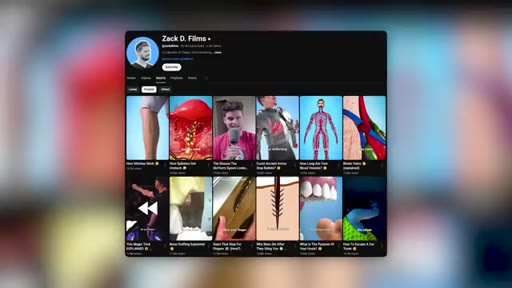
23:25But there was already a big guy in the niche called Zach d films who makes massive three d videos. He's everyone on social media. So we were like, okay.
23:33For context, I started this channel just for a YouTube video. So I was like, I really wanna make a video copying a YouTube channel that makes a $100,000 a month and seeing if it if I can beat him. And I didn't make a $100,000 a month with the channel, but I think I proved my point.
23:46So, essentially, I was like, what is my edge going to be? What's going to make me different from someone like Zach d films who has great quality, great team, outputs video every day?
23:57Let's be controversial. Let's go a bit against the grain, and let's make just as good, if not a little bit better quality videos. And I think we actually did that.
24:05We didn't post as often. We didn't make videos every single day. We made one every three days.
24:10We had a very controversial angle to our videos, which I think set us apart. So the the video specifically you're talking about here about why agents have small eyes, we're like, okay. This is an intrinsically viral video.
24:21People are gonna, like, get mad at this. Some people are gonna find this funny, and some people are gonna be genuinely curious about the topic because, essentially, the way we scripted it is not to make fun of anyone. We genuinely explained the the science and the genetics as to why people in Asia have, like, different eyes to people in the West.
24:37And so what we decided to do is, like, who is the biggest Asian figure that we can think of that would kind of make this hook and this visual intro the most insane thing that make people not wanna click off?
24:49So we got a three d model of Kim Jong Un and put him as a three d head in the intro. And so the intro was basically him with a subscribe sign holding, and then the camera zooming out being like, why do Asians have such small eyes and him blinking.
25:03And you can go to the video right now and see the comments. There are thousands of comments
25:09as to what the hell is Kim Jong Un doing in your video. What is Kim Jong Un doing here? Like, a lot of just we knew what we were doing with the comment bait, and we knew what we were doing with the controversial angle.
25:20So, essentially, we're like, why do agents have some such small eyes? And then we got straight into the topic.
25:25We talked about some shit with, like, the retinas and, like, all this type of, like, really, like, deep, deep scientific stuff that we got our script writer to go and kind of, like, research on, give us the feedback, and then we would write the scripts. And that video was, like, maybe an eighteen second video.
25:41It got third video on the channel, maybe 5,000,000 views day one, ten million views day two, another 10,000,000 views day three, and it set our channel into the stratosphere.
25:52A really cool thing. That video also got us, like, 400 or, like, 300,000 subscribers.
25:57And what we realized is in those specific type of videos, we are maybe going to cater to a slightly older audience because we're talking about, like, more scientific things. Right?
26:07And so I didn't necessarily think asking them to subscribe in the video would be the smartest thing because it would take away from them just wanting to gain the information. And so I was like, how can we fit in getting conversions to just a funny entertaining piece of content?
26:22And so that's why in all of our videos pretty much, we have subscribed signs just plastered around the three d animations that don't necessarily take away from the story, but kind of get people aware of the fact that, oh, maybe I should just click the subscribe button if I like this video. We never mentioned it. We never said subscribe.
26:38We just had him holding a massive subscribe sign in the video with him blinking and his head at the forefront in the middle, and it worked so well. We got so many subscribers from that video.
26:48That video made us a lot of money, and it cost it around like $300 to make. I really like the concept of asking
26:57letting people discover that they should subscribe in a subtle way over directly asking them to. Because, like, if you ask people to do something, they feel like they're doing something for you, but it's like, oh, I discovered the subscribe.
27:09Here's thing. I agree with what you're saying, but then in different situations, you can very easily ask people to subscribe.
27:16So I just made a video about how to write the perfect script on YouTube, and one of the topics I covered in it was apart from visually representing a subscribe button in your videos, relating them to subscribe to the topic of the video can really do well for conversions whilst not killing your retention. So for example, we made a video on mister beast's secret janitor.
27:36And, essentially, it was a video about how Chandler used to be mister beast janitor. A lot of people started loving him in the videos. And throughout the entire script, we never revealed who it was until at the very end.
27:46We were like, oh, this janitor the janitor was Chandler. And our payoff to the video was if you knew it was him all along, subscribe.
27:55And so We used to do that on Snapchat. Yeah. Did you come up with that originally?
27:59Had you ever seen anyone do that? Like, don't I know if we came up with it. I don't really wanna take credit for something that I don't know if I did or not a 100%.
28:06All I do know is that we came up with the idea ourselves. Someone might have done it.
28:11But, like, I feel like we came up with the idea ourselves because one thing that I really thought we were doing during these scripts was taking the viewers through a journey. We would tell them sneak peek at who it could be, and so they were in a constant battle the entire time trying to know if they had the answer or not or if they needed us to give them the answer.
28:29And at the end, we kind of reversed the game on them. We were like, if you knew who it was the entire time, subscribe. And I feel like people have this confidence about them where it's like, yeah.
28:38I knew who I knew who it was the entire time. Let me hit subscribe. And so, like, those types of, like, CTAs on our channels got tons of conversions because we would relate them to the topic and we would relate them to the viewer.
28:50So it was like, if you knew who's Chandler, subscriber. If you would get mad at mister b's subscriber. If you thought mister b scammed, you subscribe.
28:56You know what I'm trying to say? Like, just relating it to the viewer and personally to them is like a really, really good way to get people to convert.
29:04And I even did this, like I've done this a lot on, like, a lot of different channels. Like, I've done this even on my main personal brand channel.
29:12I always relate the conversions to the viewer because why would I relate it to myself? That's being selfish, and the viewer has no real, like, need to help me or really want to help me. They just wanna consume the value I give them and hop on to the next thing.
29:25But if you kind of give them a reason to or kind of involve them in the situation, I feel like there's a much higher chance for them to actually do what you want without them feeling like they're really doing what you want. Did you kill that channel or does it still run? We killed that channel.
29:38How many views did it get total, you think? Yeah. I think it got around half 1,000,000,000.
29:42The thing with that channel is like and the thing with all of my YouTube shorts channels is like, I've probably launched and started
29:50publicly five to six YouTube short channels just for YouTube video challenges. So, like, if people don't know what my brand is, like, not trying to advertise here, but essentially what I do on my brand is instead of just speaking and giving advice, I like to walk the walk whilst I talk it.
30:04And so I saw one person do this before, and it was Biaheza. And I took a lot of inspiration from that and tried to apply that to my niche and what I was good at.
30:12And so on pretty much every video, I would start a YouTube channel, get it to thousands of dollars or hundreds of thousands of subscribers, whatever my goal was for that piece, and essentially prove to people whilst teaching them that this is possible.
30:25Because it's really easy to consume information, but people really take in information when they visually see it's possible as it's being spoken to them. And so I found that was the best way to kind of represent and give the value that I wanted to provide to people, which is why I took it that way.
30:41And so yeah. Like Do you think those channels would still work, all the ones you killed? Yeah.
30:46That $300 per video, the animation channel, like, I'm assuming my thing that was so impressive about you doing that was I think I might be able to find an animator who could do that style, but, like, how much work put into that part of it?
31:02Yeah. So we had to buy, like, new PCs and, like, stuff like that for our animators because essentially for the channel like, Zakty Films, who's, like, the biggest person in this three d niche, is running a very big operation posting one or two times a day.
31:16He has, like, a group of, like, five animators, 10 animators. He's probably gotten them all crazy CPUs and GPUs to upload these animations fast. And one thing I didn't realize before starting that type of channel specifically
31:28was, like, that's low key, like, a bit of a real business. Like, we got a $510,000 product offers on that channel to promote on TikTok shop.
31:37And so we had a TikTok variant of the YouTube channel that we just reuploaded every video we made on YouTube because we're like, okay. Cool. Whilst I'm running this challenge, let me just add a little nugget here to the video and be like, yeah.
31:47We also got, like, 50,000,000 views on TikTok, which we did. A bunch of our TikToks got over 20,000,000 views individually. That that account alone has, like, over 200,000,000 views on TikTok.
31:55By the way, TikTok creator program paid us nothing for those views. Let me just put that out there, by the way. But,
32:01yeah, like, we got That'd be, like, what, 20 if it was if they're a minute long? Yeah.
32:07Like, if they were a minute long, but our videos were not a minute long. Did you consider just remaking that one video that really popped off a minute long, or is it just so much work? It it wasn't about the money.
32:16Like, the the thing with TikTok as well that I don't like is TikTok monetize on a per video basis. So you could be in the creator program, but they can disqualify certain videos.
32:26And it's not necessarily because you're breaking guidelines. It's because of complete BS that they deem BS. So on YouTube, the thing that I genuinely like the most about YouTube is sure.
32:35TikTok advertises $1 RPMs. That's great. Effectively, though, almost everyone I've spoken to has ever said that they're, like, 10¢ or 20¢ or 30¢.
32:43I'm like, okay. That's great. Let's say they're 30¢ just for the sake of this argument.
32:47You make a video that you think is really good. You post it to the TikTok account with the creativity program enabled, and TikTok, for some reason, can deem that not eligible for monetization.
32:57With YouTube, you know that you have a consistent cadence. If you are in the YouTube partner program,
33:02every video you make is monetized, and it's not going to get demonetized until you do some outlandish shit, which
33:09really never happens. It really never happens because long as you follow the same format you did on every other video, you're safe. With TikTok, you could quite literally follow the same format you did on every other video, but they'll just pick and choose certain videos to demonetize.
33:22And, essentially, that just kills your TikTok page. So I really like the consistency around YouTube shorts, and YouTube shorts RPMs are creeping to around 30 to 40¢ per thousand views now consistently. Just a year and a half ago, they were at $12.15 cents.
33:37And so, like, it's very visually and clearly in front of everyone that YouTube's RPM is rising, and I'm very confident in the next year, year and a half, they're going to be a dollar, but they're going to actually be a dollar. They're not going to be 20¢ on certain videos, 40¢ on others. Like, you are going to have a dollar RPM channel wide, which I think is the coolest part.
33:57And also, there's no competition on YouTube compared to TikTok. I would imagine there's way more competition on TikTok. Listen.
34:03I actually think there is competition on YouTube. I think there's a lot more people starting to see that YouTube shorts is, like, super viable and starting to create a lot of content around it. I'm just thinking about the barrier to entry to make a good YouTube short versus
34:15a TikTok video that you get paid $1. You know? Like, they're distributing this pool of money to, like, literal hundreds of thousands of creators that are getting, like, 10,000 views.
34:23You know what I mean? I also think competition is a great thing. I think competition boost everyone views.
34:28And so I think if more people start YouTube Shorts channels, that intrinsically just makes me a ton more money. So I just want as many people to start YouTube Short Channels as possible because what that means is YouTube now sees, oh, we have a lot more channels. Let's get more advertisers.
34:42Let's get let's start paying more RPMs. And so I think competition is a great thing because I trust in my ability to make good videos.
34:48Meaning, I know when I put out a good video, it is going to get views, and no one can take that away from me. A competitor cannot make my video not go viral if I make a really good video. And so if more people are on YouTube, the RPM goes up.
35:00The more better videos I make, the more money I make. And so I'm really excited about that. So, yeah, if if you're watching this get on YouTube shorts, like, want more competition so that I can make more money for my videos.
35:11But in relation to that And it drags more people to the platform because there's more content on there because YouTube is probably the third most popular platform in terms of short form content. It's probably TikTok, then Instagram, then YouTube shorts. I think YouTube is beating.
35:22I I've looked at some metrics recently. Like, I actually did, like, a deep dive on this with my team. I'm pretty sure,
35:28like, YouTube is very, very, like, heavily creeping up on these two short form platforms. Really? Yeah.
35:33Like, do you think that's because of international viewership? Yeah. I think
35:38I think YouTube kind of had a fall off a few years ago when TikTok really blew up in twenty twenty, twenty twenty one. They didn't have short form. They fell behind.
35:46They released YouTube shorts. People didn't really trust it as much as they did TikTok because TikTok was out for a longer period at that point. But YouTube is now really like, you go on YouTube shorts, there's a lot of brain rot for sure, but, like,
35:58are hundreds of thousands of creators. There are trillions of views a day on YouTube shorts. It's getting
36:03an unforced like, it's getting such a crazy amount of views a day. Like, it's beating long form right now by, like, billions and billions of views daily. You know what it is?
36:12I think that the reason I perceive YouTube as lower than those is because YouTube shorts are my worst view platform. Like, uh, Instagram is my best, then it's Facebook, then it's TikTok, then it's YouTube shorts, like, dead last by far.
36:25I I don't think YouTube shorts is the best for clipping just yet. So I don't think YouTube shorts is the best for redistributing content. I think YouTube shorts is the best for creating new content.
36:33That's my opinion right now. I've tested both. So I've tried running mass campaigns for my software companies and for my brand on YouTube shorts versus TikTok and Instagram.
36:42TikTok TikTok and Instagram have gotten the most views for, like, redistribution type of content, clipping, if you would say. Right? But
36:49I would say for creating content, so, like, making a video around iShow speed or, like, clipping a funny moment from a stream and adding subtitles and a bit of voice over, YouTube shorts, I feel like, is really, really climbing up in that ranking versus other platforms.
37:05But I'm not sure why, like, redistribution works a lot better on TikTok and Instagram right now. Yeah. I wonder
37:11if it's because there's more competition on YouTube than I think. But how much money can someone make with YouTube shorts? Like, what's the most you've seen in a month?
37:19I've seen faces creators doing $100,100,000 dollar profit months. I
37:25think 6 figure profit months are, like, very in the window of, like, something that can be achieved. On average, like, when I've ran up my channels, I've easily seen, like, $600,000
37:36days. Like, I think 20 to $30,000 profit months on one channel on YouTube shorts is absolute light work. I think it really takes not that much effort.
37:43All it takes is just knowing what you're doing. So once you actually, like, beat the barrier of knowing how to make a good video, I think YouTube shorts is, like, honestly, the easiest platform to scale and make AdSense revenue on compared to TikTok and Instagram. But when you start running, like, a real infrastructure around your, like, process so five YouTube short channels, 10 YouTube short channels, editors, channel managers, you can have a $60,100,000
38:05dollar a month profit business on AdSense on, like, $5,000 a month cost. And then what's the highest leverage thing with all of that?
38:13Like, is it the ideas themselves? And how do you find killer video ideas?
38:20I think ideas is definitely the most important because you can make a video about pencils and have the best scripts and visuals ever, but no one cares about pencils. And so the idea starts
38:30at the forefront. I think the best ideas are things that have already gone viral.
38:36So let me explain this. On the three d animation channel, the the fourth video we posted so the the third video was that
38:45why Asian have small eyes. The fourth video is about how your muscles grow. Right?
38:51And we were kind of dry on ideas. We didn't really understand, like, how are we gonna find new ideas today? Like, we were kinda confused,
38:57and we pretty much went on YouTube, and we searched through, like, the long form tab for, like, these science channels that just make, like, these interesting videos. And we found a video that was made, like, eight years ago, and I actually documented this for the challenge. But we found a channel that made a video, like, eight years ago.
39:10It was a twenty minute, like, science kinda, like, visual on how muscles grow. And we basically sent that to our script writer.
39:18We're like, if this worked for long form, it's going to work for short form. And we took that.
39:23We sent it to our script writer. We were like, get all the main data points that he covered in this video. Like, get all the information that he covered here.
39:30He got it all laid out. Me and my boys wrote a script, a thirty five, forty second script. We posted it, fourth video on the channel, 11,000,000 views.
39:39And so I think taking ideas from long form for YouTube shorts is genuinely one of the easiest way to pretty much guarantee a viral concept.
39:51The rest of the work, scripting, visuals, that's your job. But to find a viral concept, I think taking it from long form is such a hack.
40:00It's such a good method. Do you take their title and make it your hook? No.
40:04So you just take the video concept if it's gone viral for a long form video. And you take, like, what what did that video look like visually? Was it like the thumbnail was an arrow pointing to a muscle and say, like, how muscles grow?
40:16Like, what I'm pretty sure it was like the internals of what a muscle look like with, like, the yellow and the, like, dark red, like, the brain type of color.
40:26And then it was arrows between the muscles and them essentially growing. That was a thumbnail of the long form video. And so what we did is we started our hook off with someone's bicep,
40:38and then we zoomed into his bicep. First, it was just the skin, and then we kind of like how do I explain it? We peeled we peeled off the skin and showed, like, the inside.
40:48Peeled off the inside. Yeah. So we peeled off the skin and showed the inside of, like, what the muscles look like and then stretched them out.
40:54And so we basically took essentially what the thumbnail was showing of that long form video and visually represented it in our intro, but I feel like there was a lot more ways to go about it. Like, I don't really find too much important in that importance in that specifically, like taking the thumbnail, turning it into the hook of the short.
41:11I just thought that that thumbnail, like, visually represented how muscles grow really well. So you were like, okay.
41:17Like, if we're making a video on how muscles grow, let's show a muscle growing in the first few seconds because that's what they're here for. But, yeah, like, the most viral shorts I've made on, like, the Slam Dunk channel, which was a channel around mister beast videos, was going to mister beast's most viral videos or his most viral controversies.
41:35Like, we would go to controversy channels, filter by mister beast, and see if there was anything that you that they would mention, like, something that he did wrong or, like, some shit that he got into, and we'd make a video around it. Because if a million people watch a controversy video around him, there's obviously interest there.
41:50Another really cool thing that I would do, if you're making videos around, like, big celebrities or big figures, is if they have any podcasts. This is this is, like, kind of unethical, but it's super sick.
42:04We would go to the podcast, and I would pretty much just watch, like, podcasts all day of these of mister beast essentially because that was our that was what our channel was about. And
42:13he would tell stories in these podcasts. Like, I almost died in a car crash one time.
42:18Like, I fell asleep at the wheel. And I was like, shit. Like, that's a video idea right there.
42:23Like, mister beast almost died. So we basically made a video, a whole, like, forty five second video.
42:30Half of the information was just fluff that we filled in. And, essentially, we just clip that small five second part if he was like, yeah. Like, I fell asleep at the wheel and I almost died, and that was our payoff of our video.
42:39And so, like, I searching for ideas and creating narratives
42:45is a super big thing on YouTube shows. Like, you can create a story out of nothing. Like, if it's not a story, you can create one.
42:51Like, mister Beast was on Andrew Schultz, and he was talking about how he had a billion dollar offer, but he didn't wanna go through with it. We made a short about how mister Beast declined a billion dollars, and that was, like, a maybe a three minute talking point in that entire podcast.
43:06They never really even put, like, any emphasis on it during the podcast. It wasn't even in the intro of the podcast. But we saw, like, he declined a billion dollars.
43:14We can spin that narrative right there. Like, mister beast declined $1,000,000,000. He He could have been the youngest self made billionaire.
43:20Why did he say no? And that was our intro. And so
43:24taking storylines and creating narratives around things that aren't necessarily there, but filling in the gaps for viewers because you can fill in a story for someone. It's really not that hard. You just add a bit of context to, like, things that would make sense.
43:36So, like, if mister beast really did go in-depth in this, what would he have probably said? Like, yeah, I was gonna be the youngest self made billionaire because that's essentially what would have happened if he accepted a billion dollar offer. We just filled in the gaps for him and we made a video out of it.
43:49I remember doing that with those Snapchat shows. It was like, okay. We have ten seconds of real content and then we have thirty seconds of us just talking about what we think about it maybe.
43:57But I do wanna ask more specifically if I were to tell you to find a viral video idea right now,
44:05what would you like, what website would you go on? What search parameters would you do? Because
44:11that's, like, extremely dependent, like Celebrity drama. Okay. Would you go on view stats?
44:17Like no. I would go on TikTok and see the most clip narratives and Twitter.
44:22So Twitter had, like, very big redistribution accounts called, like, Fearedbuck or Kira. And these accounts are basically paid to post streamer clips on Twitter, and they get, like, millions of impressions.
44:33Like, Jason Lauwien just kicked this girl out of his house or whatever it may be. Right?
44:38I would go on these really big, like, Twitter pages. I would go sort by last seven days and see the biggest impression tweets of the last week. I would go take that biggest impression tweet and turn it into a YouTube short idea because
44:53the work is done for you 99% of the time. You don't need to create viral ideas.
44:58You can find them and then reshift them into your own little video. And so, like, if I was making videos around celebrity drama, I would just genuinely see what's going on that week by going to the biggest pages reporting celebrity drama.
45:10Why would I go wanna do all the work myself, watch through a three hour Kaisen at stream, and check for one moment that someone might have gotten mad at someone for? Like, I would go to these big accounts doing the work for me, like Fearedbuck, whose whose job all day is to basically take streamer clips, post them, and add a live subtitle around them and create a fake narrative.
45:29The narrative is now done for me. I don't even have to make the narrative anymore. Daniel, do real estate.
45:33Real estate? Yeah. How would you look research for a real estate and make viral content?
45:37I would go on Ryan Serhant, basically see the most expensive house that he's listing and be like, Ryan Serhant almost closed the most expensive listing in America, but it never went through.
45:48Or, like, I would just create a fake narrative around this, bro. Like, If you didn't use Ryan's for him, where would you go? Would you just like, why is your thought to automatically go to top person in the niche?
45:56Because the views are already there for me. And you attract that audience automatically. I get it.
46:01Yeah. Like, I can just steal someone else's audience. Why would I wanna create my own?
46:04Like, why do I have to do the work? Would you ever make, like, general content? Like, oh, what if you did finance?
46:09Finance is super easy. Big numbers, bro. Like, if I wanted to make finance videos, I would just fearmonger people.
46:17The market is collapsing or, like, you have thirty days to get rich. Like Where would you source that news though?
46:24Because you mentioned, like, the fear buck page for the other niche, but, like, how about finance? How would you go about finding where your golden new source is?
46:33Watcher Guru. Any of these big New York any of any of these big big business insider. Like,
46:40for example, for me, if I was to go on finance right now, I would go to the biggest finance pages on Twitter, like, your guru who reports on Bitcoin, the FCC, all of these big people, like, laundering money, liquidations, all this shit.
46:52And I would just go and create, like, narratives around what's going on. Like Do you look for outliers all all time, or do you look for outliers, like, last three months? How do you think of that?
47:01Well because there's trending and then there's evergreen content. I think if I it depends.
47:06Right? So, like, there's a channel called Fern. They're kind of a three d type of, like, animation channel, but they're long form, and they make, like, really cool documentaries on, like, heist and bank robberies.
47:17And so if I were in the business of making really cool videos that aren't necessarily trend based but just really good stories, I would go and do research on the craziest bank heists of all time, the craziest crypto scams of all time, the most money stolen from one single person.
47:33I would go look for, like, very key big metrics and try to create stories around what's already happened. But if I were a trending type of channel who's trying to kind of adopt an audience every single new video based on what's going on.
47:47If if I were a live news channel, basically, and I just have to keep regurgitating what's going on day by day, I would use news sources as my as my media. Like, I would use it as my information because, like like I said, like, why reinvent the wheel when you could just take from it?
48:02Like, I don't want to have to do the work to reinvent something or figure it out on my own. It's done for me. If you have the ability to write a good script,
48:11to make good visuals, if you understand the fundamentals of how to go viral on social media, you can turn anything viral. Like, the proof is in the pudding.
48:20I did it on Snapchat. Did it on YouTube shorts. I did it on software.
48:22Did it on a personal brand. I've done it on Minecraft channels. Like, I literally ran Minecraft channels when I was 13 and got hundreds of thousands of views playing Bedwars.
48:29Like, if you just understand the fundamentals, it doesn't matter where you get the ideas from, how you source things. It's just about how you can spin it into an entertaining video that a lot of people are gonna like.
48:38And if the work is already done for me, seeing as a lot of people are engaging with this type of post on Twitter, then that means there's obviously a lot of people interested. So why don't I just take that storyline and make it way more interesting for a YouTube video? And so, like,
48:53people overcomplicate this way too much. If you're making videos around finance, take the biggest finance topics, maybe spin a little narrative around it, and make it entertaining.
49:01If you're making videos around gaming, take the biggest gaming news, spin a narrative around it, and make it entertaining. Like, the things I would do when I was doing those mister beast videos, like, bro, the narratives I would create, bro.
49:13Like, there would be a time, for example, in a mister beast video where, like, there was a family who had just won half $1,000,000. They were, like, emotionally speaking to the camera, and then Carl was like, okay. That's enough.
49:24And then I made a whole video around how mister beast hates Carl for cutting off a family that was excited about making half $1,000,000. And that video got, like, seven like, if I have my phone right now, I wanna see how many video how many views that video has. I wish I could play it for this pod just so they could see, like, how outlandish it really sounds, but I've done it.
49:40Like, I literally have done it. How much money did that video make? Dude, slam dunk was ran back in 2022 when it was a fund that YouTube shorts paid out of.
49:47So it wasn't a partner program where you would get paid a set RPM. They had a specific fund that they paid every short channel out of. So when that fund ran out, essentially no one made money anymore.
49:57And so we were only making, like, $6,000 a month off that YouTube channel on, like, hundreds of millions of views a month. In today's revenue, that video probably has, like, ten, fifteen million views.
50:08That would have made me, like, four or five k. Quick one. If you guys haven't realized, YouTube shorts is one of the best ways to make your first $10,000
50:15online. And honestly, Daniel is one of the best in the game when it comes to making short form content. So if you guys wanna work with him one on one and learn his exact formula for going viral and making money with shorts, you can apply today by going to gateway.ytportal.iobackslashpodcast
50:30or by hitting the first link in the description. As a friend, Daniel's taught me a lot about shorts, so working with him is a no brainer in my opinion. But anyway, guys, back to the podcast.
50:40And on Snapchat, do you remember how much it made you? Dude, we had, like, $10 RPMs on Snapchat.
50:46Views was it? I didn't post that video on Snap. Okay.
50:48That video was on Snap. No. Got it.
50:50The only videos we posted on Snap were Andrew Tate, Drake, and Aiden Ross. Do you know what our biggest video was on Snapchat?
50:56Yours? Yeah. It was about a MrBeast contestant.
50:58Oh, it was. Right? Yeah.
51:00It it made 51 time, 21 time, and 10 another time just reposting it. Dude, we had a video that made us, like, 700.
51:09Yeah. We have a video that made 700. What one video made Yeah.
51:13You 700 k on Slack? Andrew Tate video. So you want you want me to explain to you, like, what Snapchat would feel like?
51:18I would wake up in the morning, check the so this is this is my schedule at the time. I would make videos at 8PM
51:26until, like, 5AM. I would wake up for school at 06:30AM. I would get home at 2PM because I had a superstition that I wouldn't check my Snapchat show stats until I got back from school.
51:37It was just something I always did. So I go back from school and check this Andrew Tate video, and we posted Tate videos every day. And I would just see like, oh, shit.
51:44This video has 5,000,000 views already. We posted it, like, six hours ago. Like, we have a $10 RPM.
51:49We just made $50 in six hours. And, like, dude, sometimes, like, I remember at the very end, I started posting, like, two times a day on Snapchat.
51:58And, like, the videos would get, like, 3,000,000 views each. And then eventually, like, over the course of, like, a week, they'd get, like, four, five, 10,000,000 views. And, like, I just remember like old videos blowing up again.
52:07Like, I put so much content out that old videos would just start blowing up again. And there were days where we do like like, we had a hundred eighty, ninety k day
52:16off like old videos, not even the new videos that we would upload. Like, it was a money machine, bro. Do you know our most viewed video?
52:22I might have to cut this out. But our our we had one video that got 6,000,000 in two hours. Yeah.
52:28It's crazy. And it was Oh, I remember that video.
52:32What got all the shows banned. Dude, yeah. You fucked everyone, dude.
52:36I'd still be making like $1,000,000 a month on Snapchat right now. I was bro, that was like But I had my shit on mom. Might not be here and you might not be doing Crayo.
52:43Yeah. Dude, I love everything I'm doing right now. Like, the
52:46there was this trend that I started on Snapchat towards the end when it almost died. It was baby alien. Oh,
52:52that was you guys? Okay. It wasn't even me.
52:55It was after Luke had stopped snap, and I was running my own shows. Basically, I'd found a
53:02Tate was getting dry. Aiden kinda got banned. I think Tate also got banned off snap.
53:06Like, a lot of shit just started, like the balls are rolling, and and they started getting stricter with everything. And I was like, okay. How do I find ideas?
53:13Exactly what I said ten minutes ago. I went on TikTok, made a new account, and started following the most brainwrought fucking bullshit that I could find, and eventually, found baby alien on my for you page, and the video had 600,000
53:26views. I was like, okay. Let me try and make a Snapchat video around this.
53:30First video, 4,000,000 views. Next video, 8,000,000 views. Next video, 3,000,000 views.
53:35And that baby alien trend alone probably made around like four, five hundred k in like two weeks.
53:43And so like Snapchat was crazy, but it's entirely dead now. Like, you cannot really do anything on it anymore and it's just not worth it. What's the craziest way you've made money on YouTube?
53:54I just wrapped up running a channel around like three weeks ago for a new YouTube video I made. Essentially, the YouTube video was getting
54:01one subscriber equals $1 I can spend on my dream car. And so I needed to get 220,000 subscribers to buy my dream car, which is a G Wagon for $220,000.
54:11And so, basically, I ran this channel called Verusi. The video's uploaded. Now anyone can watch it.
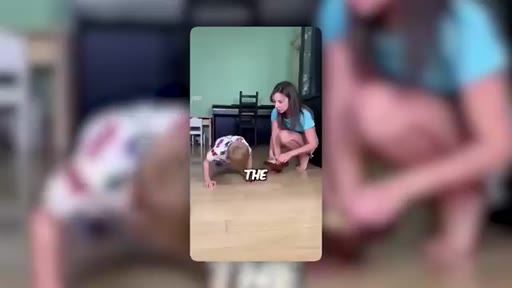
54:15Essentially, the videos were kids' videos, and we would steal these Russian creators' videos. And they would make, like,
54:24really funny skits for, like, five year olds of, like, a mom, like, stealing her kid's Kinder, and then the kid getting mad, and then the dad slipping on the Kinder. It was, like, the most brainwrought.
54:35What's Kinder? A Kinder egg, bro. Oh, okay.
54:38Okay. Yeah. That that's some European shit, bro.
54:40We're in America. Right? So, like so you guys don't know what Kinder eggs are?
54:44But they're not as common. Right? Yeah.
54:47Like, they're more common in Europe. The eggs. Yeah.
54:49Yeah. Yeah. Yeah.
54:50They're more common over there. Dude, you guys have no It's a Kit Kat. It's not like a fucking Kit Kat, but whatever.
54:55Okay. So, basically, like, they were just really essentially stupid kit stupid skits that were made by, like, this Russian YouTube kids channel, and they had, like, 10,000,000 subscribers. What we would do is you would take those, and we would put a voice over over them pretty much documenting what was going on in the video.
55:11So this kid just gave his mom a candor. Like, whatever was happening in the video, we just voice over it in the most two year old voice possible with the most simple wording possible. Like, I will pop like, let's actually pop up a video of what that looks like or something like that because it was generally the most kid friendly video of all time.
55:29Okay? Give me an example of, like, a sentence. The dad got mad at the mom, but then the mom didn't like, but then the mom was sad because the kid got sad.
55:36Like, it was just the most, like, genuinely, I don't even know how those types of videos get views. I just follow what's working, and then I adapt.
55:45Like, to be really honest, in that niche, that is absolutely insane to me. Like, but they're they're five year old kids. Like, that's what they're growing up on, I guess.
55:51Whatever whatever does them good. So pretty much, we made those videos.
55:56I bought a pre monetized channel, which essentially meant that I bought the channel with already monetization enabled so that from the first video, we could generate revenue and our videos would get pushed out faster because YouTube are incentivized to push out videos that they make money on as well.
56:12And so when the when the channel is monetized, they're placing ads on the videos, hence, they're making money from the ads. Right?
56:18And so buying premonetized channels on YouTube shorts, super good hack, especially if you wanna make money fast and if you already know how to make good content. That's besides the point.
56:27We bought a premonetized channel. We started posting. Second video, 5,000,000 views.
56:32Third video, 4,000,000 views. And this was called a CTA channel.
56:37So what this meant is in the middle of the video, we would abruptly stop, and we would be like, subscribe if you want a pizza, like if you want a tomato, comment if you want an apple, and do all if you want your family to like live forever or some bullshit like that. Right?
56:52It was like really really really like brainwrought, but it worked so well.
56:57We were getting, like, a 100,000 subscribers a week, and we got, like Was this long form content? Shorts. YouTube Shorts.
57:03Okay. This is Shorts. Okay.
57:04And so And did you label the content as for kids? No. Okay.
57:08No. We didn't. And so, basically,
57:10because labeling your content for kids means if you mess up in any way and have one little slip up, your channel gets terminated. So I played the safe side and labeled it as not for kids because kids so I'll explain why we labeled it not for kids.
57:25I essentially realized that little kids don't have their own devices. They use their parents' devices to watch content.
57:31And so when a little kid is using their parents' device to watch a video, their parents is registered at a as a 30 or 40 year old. And so our entire audience demographic was 80% USA,
57:4340 year old viewers. And YouTube would essentially think that these are high trust advertisers. Right?
57:49So, like, they would put advertisers who would spend more money on our videos because essentially there would be a higher chance to convert to that content from an older audience. And so that's the key on YouTube shorts, getting older viewers and USA viewers.
58:01If you do that, YouTube is going to push you to more expensive advertisers, which means your RPM is going to go up. And so we essentially tricked YouTube because getting kids to watch videos is super easy.
58:13It's not that hard. You don't have to go crazy on the script because they're super brain rotted, and they don't need to be, like, rehooked here and that there.
58:22Like, obviously, you still need to use these fundamentals, but it's a much simpler process to get kids to watch a twenty second video, especially if they're like five or six years old. And as long as you just visually
58:32are like really big for kids, that's the biggest thing. It's not really about what you're saying, it's about what you're seeing for really young kids. And that's what I realized.
58:39And so I made I made content for kids so young that they would watch it on their parents' devices, and our RPM was, like, 35¢ per video. And in the first week of that channel, we made $4,000.
58:51We paid an editor, I promise you, $5 per video. So for a week, we uploaded seven videos. It costed us $35,
58:59and we made $3,000 in our first week and got a 150,000 subscribers. Second week, we made another $2,000 and got another 100,000 subscribers. I basically got 220,000
59:09subscribers for the video, bought my car, and in the process made, like, $6,000 on that channel. Do you think you could do a long form channel like that that would print money? Yeah.
59:18I think so. I just Because what I'm curious of is the only person I know,
59:23like myself, that's better at not better at YouTube, but, like, close to, like, you at YouTube and then, like, good at what I assume mister Beast is is, like, Collins Key. And are you familiar with Collins? Of course.
59:33And, like, he made content specifically for kids, and I'm wondering if he got those adult RPMs. I don't think he got I think his videos are labeled as made for kids. I think his videos might be labeled as made for kids just because he's so big
59:47that, like, he definitely YouTube know who he is. You know what I'm trying say?
59:50Yeah. And he's at the point where he's selling products that are selling products, and he's he's running advertisements. YouTube shorts,
59:56it's simple. You don't need to be a billion subscriber channel. You can just be a few 100,000 subscribers by getting millions of views of video and getting paid for it.
60:03And so YouTube don't need to be on your radar about it is what I'm trying to say. We just made these super simple twenty, thirty second videos made for kids,
60:12five, six year olds. They would watch on their parents' devices, and in turn, YouTube basically got tricked into even this really high RPMs because the audience demographic was just insane,
60:22bro. 40 year old audience, 80% US,
60:26and we basically, like, did the inverse to get the opposite result. Like, instead of making videos for adults, we made videos for such young kids that they were forced to use adult devices. How do you make killer clickbait?
60:37Are you talking long form or short form here? Long form. I know shorts doesn't really matter.
60:41I think killer clickbait is actually delivering on viewer expectation. I think clickbait isn't what it used to be.
60:48You can't just make a video that promises one thing and deliver another and expect the video to go viral. In this day and age on YouTube long form especially, you need to deliver on viewer expectations.
60:58So if you're saying and putting something in your title and thumbnail, you need to deliver on that in the video or else the video is not going to go viral. And so that's the biggest thing I've realized across making so many videos on long form by now.
61:11Deliver on viewer expectations. Give them what they clicked on the video for, and you are going to get higher watch time. You're going to get paid by YouTube, and your video is going to get pushed out.
61:20Because why the hell is YouTube gonna reward you for not delivering on what the viewers are expecting to watch? That could have worked back in the day. You could have been like, hey.
61:29This this spider ate a kid. Right? And then you could have, like, teased that for fifteen minutes, and then on the sixteen minute, just, like, put up a bullshit image and it never really happened.
61:39That doesn't work anymore. You need to genuinely deliver on viewer expectations. And so when you're creating your title and thumbnail for YouTube long form,
61:47first, there's a couple things that come with a title and thumbnail. I think a thumbnail I mean, this is pretty common knowledge, but, like, you should have, like, two or three just main points of your thumbnail. Shouldn't be any more than that.
61:56You don't wanna cram it. Your title, honestly, titles don't need to be, like, anything crazy anymore. Like,
62:03my my my title for the video was, like, one subscriber equals $1 I spent on my dream car. That video has a 100,000 views. You know what I'm trying to say?
62:11So it's, like, simple, deliver on viewer expectations. As long as a video is really good, that's all that matters now. I've had really simple thumbnails
62:20of, like, just me and my face being worried get, like, 200,000 views just because I made a really good video. Like, making a really good video is all that matters on YouTube long form. So what's, like, an ideal thumbnail for this podcast
62:32given what we've talked about so far? I would put, like, my face, and then I would put, like, a red card since that's your channel theme. And, like, you have a theme across your thumbnails.
62:42And so when people see a red card, they will psychologically associate to you now as that's what you've done across the last few months. And then I would put some shit in the in the red card that's like going viral isn't luck.
62:55Something that people tend to assume on average. So, like Do you think 30 mil at 18 is better or something about YouTube shorts?
63:03Well, it depends what try what type of audience you're trying to hit. Right? And so if you're trying to go for mass market, using more mass market terms is going to perform better.
63:11But if I were to run a b to b channel that is meant to target people who want to write emails. Right? Longer words kill your conversions.
63:21Like, just basically summarizing a expectation or a preconceived notion in a very simple card or in a very simple way for a thumbnail, I think is the best way. So, like, for example, if we wanna hit mass market with this podcast, 30 mil at eighteen, holy shit.
63:36Like, yeah, that's crazy. Or if you wanna hit a YouTube shorts audience or someone who's super technical with this video, we'd be like, steal all your ideas.
63:45You know what I'm trying to say? Like, something that just goes against the grain for the work for for the, like, little text that you're using, but just people who are interested in that topic are going to click on. And guys, I know that's a bit off topic, but it is really relevant to the hooks of short form videos as well.
64:01Yeah. Exactly. Um, what do you think about meta narrative
64:04as a creator? Because there's the idea, like the spectacle of what you're showing, maybe the knowledge and the value you're trying to give across.
64:12But how are you thinking about the story or the vibe? And I'll ask this another way.
64:18So there are two sides of content creation. There's spectacle like MrBeast or like Ryan Trahan personal organic
64:25relatable content. Like, what have you learned about this side of things? I think spectacles work well
64:31if what you're doing in the video matches the spectacle. So I don't think you can necessarily create a spectacle type of video around a topic that doesn't deserve to be a spectacle.
64:40And so these guys have the budgets, have the kind of infrastructure
64:45to run spectacles. Right? So, like, Ryan Trahan can travel to 50 states,
64:49and that's a spectacle. And he'll do that in thirty days. Mister Beast can go spend $10,000,000 on a bunker
64:56and review the biggest bunkers in the world worth billions of dollars. That's a spectacle. But, like, if you're trying to
65:03make a video around a water bottle, like, what type of spectacle can you really create? I feel like I don't really lean towards that type of content,
65:11and I think it can work. But I think You're building a personal brand now, so you're kind of forced to show parts of yourself that are interesting. Or you just like, let me just show myself doing the thing that is a spectacle
65:23and then make sure it, uh, ties into my product? I think essentially, like, it depends what you're trying to it depends what you're trying to get out of your content. Like, if you're trying to create a spectacle and then teach something from it, that's one way.
65:33Or if you're just trying to teach it or or just trying to show a spectacle and get as many people to watch your video as possible, that's another thing. Like, for me, I guess for most people on earth, like, getting a million subscribers on a YouTube channel is a spectacle because it's like, oh, like, a million subscribers.
65:47It's a million people. I can do that pretty easily. And so, like, tying that into a video of mine backed by how I did it is, like, my edge.
65:55Like, that's what I can show to people. That's a spectacle, and that's what makes me different from everybody else who's trying to compete with me. But do you care about being relatable and funny and conversational,
66:03like So I think people relate to other people and that's the best way or people trust other people and that's the best way to get someone to kind of buy what you want or listen to what you have to say,
66:15follow your narrative as you're making content for the next, like, five, ten years. And so I like to use, like, self deprecating humor in my videos because I feel like people relate to that. So, like,
66:26during my challenges, I'll be like, yeah. Like,
66:31I failed this channel or, like, this video didn't pop off. Like, my parents are gonna kick me out.
66:36Like, they they don't love me anymore. So, like, I'll, like, I'll, like I love using humor and, like, self deprecating humor in my videos because
66:45I just feel like that relates to the audience. If I were just someone that blew up YouTube channels, I would seem like I'm levels above everyone else, but what I'm trying to get across is that I'm not.
66:55I'm not levels above you. I'm exactly like you. I just have a skill that you don't have.
66:59If I show someone that I have similar humor to them, I relate to them how any of one of their friends would relate to them when they go out to dinner, but at the same time, I can make thousands of dollars online that makes someone look at my videos and be like, oh, shit. Like, I can do this too.
67:12Like, this guy is just like me. He just has a skill that I don't have. And so that's how I think of all my videos and all of the content I portray.
67:19It's like, yes. I have the skill. I make money.
67:22I run businesses, but I'm just like you. And I use humor to do that. It's interesting.
67:26It's like the mixing of, like, humility plus showing off a spectacle. You don't need to be.
67:33There's a there's a very big preconceived notion that, like, everyone is rich as a dickhead, and they're, like, a different class of elites and they're just, like, different people. But it's not like that, and you know it's not like that. Right?
67:44Like, I mean, there are some people who are like that, but it doesn't have to be like that. And so not enough of that is shown on social media. Like, what's shown on social media is the Tate's of the world or the Luke Balmors of the world, right, who are, like, supposedly levels above everyone else, but it it it doesn't really have to be like that.
67:59What what it can really be is, like, I'm just like you. I can do this too. Let me let you show you that I'm doing this and teach you across the entire way.
68:07You could, like, take a shot for it yourself. If you had to go from zero to a million subscribers in six months, how would you do it? Okay.
68:15Number one, I'd make a new YouTube shorts account. I would go on my for you page on YouTube shorts and just start liking videos that are in the faces niche because that's the type of content I'm creating. Right?
68:26So I'm talking here specifically for people who are trying to create faces content. They would go, start engaging with topics, start engaging with with videos, and then I would start analyzing channels that have over a million views on average per video.
68:42And so if you have a channel that has 30 uploads and they have 40,000,000 views, that is a very good sign that you should take that niche and try to replicate it for yourself. So that's one of the biggest metrics I try to see when finding first my niche to start.
68:56If there are channels that have over a million views on average per video, that is my metric. It can be around 800,000 and above, but that's what I look at.
69:04That's number one. Then I will go in and pretty much watch, like, their most popular videos or top 10, top five most popular videos.
69:13I'll see how long they are. I'll see the type of editing. I'll transcribe all of their scripts.
69:18I'll download them on Google Doc, and I'll highlight all of the big points of the script. Like, what are the what is their hook? What is their payoff?
69:24How do they relate the context to the hook? How do they use a supporting sentence in their video right after the hook? I'll pretty much cycle analyze, like,
69:32basically, the guts of what the script is. And then I'll go and start pretty much finding topics in whatever niche they make.
69:40So let's say, for example, I don't know if you ever heard of, like, or seen the top five ranking niche where it's like they play the top five
69:49Karens owned or, like, top five funniest streamer clips. Right? So I would go in and I would see just the little things.
69:56Like, for example, people usually do, like, number five, four, three, two, one. Right?
70:02I would think, okay. Let's do number two first. Edge them to number one.
70:06But then let's go to number four right after. And then number three, and then number five, and then number one. You know what trying to say?
70:12Like because that's the most interesting order. I saw that done yesterday. Actually, it was top five.
70:17It's, like, best six, seven moments or something like that. And so, like, these are these are little things I'd psychoanalyze. Like, I I would analyze, like, the little things about a video and how can I make it better?
70:26Like, the other day, I was looking at the top five ranking niche, and I saw a guy who on his third video got 40,000,000 views. Fifth video got 20,000,000 views.
70:35And I saw that he was doing five four three two one, and his clips were in seven twenty p. So instantly, he's getting a million views on average per video. That's my first key metric, which means he is successful.
70:45He's getting views. That means I can now do it. Next step, how can I make the videos better?
70:50Number one, ten ADP clips. Number two, maybe I change the colors of the top five ranking. Number five is gray.
70:58Number four is like blue. Number three is bronze.
71:01Number two is silver. Number one is gold. Now, like I just mentioned before, I do two four five three one, or I do like three two
71:09five four one. Like, I I play around with this. Right?
71:12And I would just basically dissect the video and try to make it better in every way that I can, and then I would go start looking for a team to make these videos.
71:21And so the best way to find talent for YouTube shorts is to go on Discord servers. There are a ton of editing Discord servers, and this could be for any type of content. You could be a personal brand.
71:32You could be a faces creator. Finding talent on Discord is how I found is how I found pretty much all of my talent, bro. And
71:40there's a lot of people who are there talented, don't have enough work, but they have potential to get to, like, where they could be or where I want them to be. And so you hire these people.
71:51You really, really like, if you wanna create something real and if you wanna create a business and if you wanna create, like, a system that's running five, ten, 15 channels, you sit on calls with these people for hours a day. They edit videos on the call with you.
72:03You change what you don't like whilst they're editing. Like, you really put the effort into making a good video as if you would yourself because I think one of the most important things of making content is being able to do every part of the process yourself. Or at least if you can't, like, edit yourself, being able to know what you would want in the editing yourself.
72:19Right? And so understanding every part of the process and how to do it makes it really easy to hire good talent because you know what makes someone good, you know if they have potential, or you know if you should probably let them go because they can't really meet your requirements.
72:30And so How do you find these people on Discord? There's a bunch of different editing Discord servers. So if you go on Google, you go on pretty much any search browser, and you search editing community Discord servers, There are just like lists and lists and lists of these websites that have, like, hundreds of Discord servers with thousands or even hundreds of thousands of members.
72:47You join these Discord servers. You put job listings of what you want. And, like, for example,
72:51this is what I do. Right? So let's say I wanna pay $5 per video,
72:56$2 per video. I would go and be like, hey. I'm looking for a video editor,
73:00potential to pay up to $10 per video. This is what I need. I need daily uploads.
73:05You get a bunch of DMs. You're like, hey. We're gonna be starting out at, 2 to $3 per video.
73:10Once we hit a million views per video, I will up you to five. Once we hit, like, 5,000,000 views per video, I'll up you to 10. And so, like, you can start these people at at the price you want them to be.
73:19And, essentially, I'm going kind of in the weeds of how to create the team here, but this is what it takes to get a million subscribers in six months if you really wanna do it.
73:27You need to understand the part of your process. And so you go on YouTube, you find a niche with a a million and above average, you figure out how to make each part of the video better, And if you can't, you don't have an edge. If you don't know how to edit as good as this person, you don't know how to find an editor as good as this person, you don't have an edge.
73:42So don't try. You need to find what you have an edge in. What can make you better than this person?
73:47Are you a really good writer? Are you really good visually? Do you understand what people like to see, or do you understand what people like to hear?
73:53And so taking all these metrics, seeing what you can stand out in, finding a team that complements your talents, and then start posting one video a day. Okay? Start posting one video a day.
74:03Every single day that you post a video, go into the YouTube analytics dashboard, check your retention, check how many impressions you're getting, check your swipe rate. Swipe rate is a super important metric.
74:12It tells you how many people swipe away versus watch your video. A swipe rate is made up of, like, the first two to three seconds, and basically what it's made up of is your hook and your visual. They don't care about the title.
74:21They don't care about the description. They don't care about any of that. As long as your hook and your visual isn't entertaining, like, entertaining enough for people to not wanna swipe away, you're good.
74:30So you should aim for above 80% swipe rates on all of your YouTube shorts. 78% and up is, like, where you wanna aim for because I've had videos with, like, 77 to 78% get, like, 10,000,000 views.
74:41So anything like 77 or 78 plus is good. Start posting one video a day, analyze your retention on pretty much every video, analyze how many impressions it's getting, and analyze the audience demographic. And so if you see your video is starting to blow up, but you're getting a 60% Indian audience with a eight or with a, like, 12 to 18 year old audience, chances are when you get monetized, you are not going to make that much money from a channel like that.
75:04And so there's no real point in really putting effort in. And so those are pretty much the key pillars.
75:11Post once a day for a month, analyze pretty much every single video and actually improve on the on the fixes you make. And so what I like to do is
75:20once I can kind of see the stats of my video after, like, a day or two, I'll re go to the script. I'll see where the retention dips or I'll see where it spikes. And then I'll basically take those formats or take those learnings and put them into my next video.
75:32And then put those into my next video, and the next one, and the next one. And, basically, you're just compounding improvement every single video. And I also think
75:40one of the most important things to getting big fast is having a group of people doing it with you at the same time. Because if you're a group of one person, you're solving all your problems on your own.
75:52If you're a group of five people working on the same type of thing, you're solving five problems, like, five times faster problems.
75:59You get what I'm trying to say? And so, like, when we were doing Snapchat and we were a group of, like, eight people we were all running different channels, let's say, for example, eight different channels,
76:09here's a problem on his channel I'm facing. Okay. Now I know the fix to that when I come across it.
76:13Here's a problem on his channel I'm facing. Now I know the the fix to that when I come across it. You're basically solving problems
76:19x amount times faster of how many however many people you have in your group. And so I think that's super underrated,
76:25and it's a super good motivator to keep going when you have people who are doing it with you. And so that's like a really, really big thing that I've always done. I never start a business or a channel or anything fully alone.
76:39I just don't like to do it. Some people are solopreneurs, and I respect that.
76:44But I'm so much more effective when I have people to go to and ideas to bounce off with because you just get to where you need to be faster. I mean,
76:52it's honestly super simple. If you see the biggest people in the respective field that you're trying to get to
77:00go over certain topics of what helped them, you should probably apply it to yourself. If mister b said he had a group of five people when he came up and they would all bounce ideas off each other, there's a very high chance that you should probably have a group of five people when you're coming up and bounce ideas off each other because these are just things that work.
77:18That group today is like like are some of the most successful, like, entrepreneurs, like, in the world. I I would guess that pretty much everyone has made millions of dollars and, like, no one started there and it's because we saw each other and it kind of raised our expectations.
77:33It's like, oh, I know Daniel's company is worth $30,000,000. Like, okay. Let me raise my expectations because I remember when this kid was 15 and started on Snapchat.
77:41So, you know? I I I really like I urge everybody to create a group of people who are aligned with the same vision as you. Doesn't necessarily mean you all have to work on the same channel or the same business.
77:52But How did you how did you you kind of orchestrated that group. I wanna I actually didn't know because my partner was just like, hey. Meet this kid.
77:58You know? So I didn't know, like, you guys introduced. This is what happened.
78:01So, obviously, I met Luke. So the way I met Luke is I used to edit for him when I used to be an editor. And then he reached out to me.
78:07Was like, yo. I wanna start this channel. Blah blah blah.
78:08I answered the call. We started the channel. And then
78:12we found a channel on Snapchat posting videos, and it was called And we were like, okay. Let's just search his name up.
78:19Let's just, like, deep dive into this and just key search, see what we can find. And we found I found his Twitter, your partner's Twitter. And then I messaged him, and I was like, yo.
78:28I'm doing Snapchat too. Just because the name was his name? I mean, we got lucky there.
78:32But But why did you seek, like, out for instance? Having someone that's in a similar field to you doing really well is not competition.
78:42It it doesn't need to be competition. Why does it need to be competition? Why do you wanna limit yourself to having to compete against someone when you both could become 10 times bigger?
78:51The market's big enough for everybody. It's genuinely big enough for everybody. You don't need competition.
78:56Like, obviously, if you're running a software company and it's a video editing tool and there's someone else running a software video editing tool, I guess your competition in there. But we were making videos
79:06online. Right? And so, like,
79:09we were not competing against each other. We're competing against the market. Who could make a good video?
79:13Who could get views? And that's how social media works. I don't believe and this might be, like,
79:18not like a common belief, but I don't believe me getting views means that you don't get views. I feel like if I get I make a good video and you make a good video, we both get views. And so
79:28why not talk to you, learn from you, and teach you what I know and you teach me what you know so we could both get big together? And then just for the people who are confused about this because I know I am, like, why aren't you like, why wouldn't you be friends with the biggest AI clipping people and, like, share stuff? So
79:45Like, what's the difference there? The thing is is when you're because you own the audience, basically?
79:50Yeah. Like, when when you're working with a video editor, it's a very, like, my video editor versus your video editor. Like, are they gonna use yours or are they gonna use mine?
79:58When you're making videos online, it's like they can watch your channel and they can watch my channel.
80:05They can't necessarily use your video editor and use mine because when someone uses a video editor, they they wanna use one and they wanna be loyal to one and they just wanna use that to make all their videos. Like, would it make sense for me to edit half my video in Premiere Pro than the other half in CapCut? No.
80:17It's like if you own Snapchat and I own Instagram Exactly. We probably wouldn't share anything because they're both Jeff. Yeah.
80:22But here's how I would gain friends. In the software space, I have a lot of friends who create software and are making a lot of money in software, but they're in different niches to me. They're the same fundamental teachings that they're learning about how to convert people to a funnel or how to get audience for cheap or how to retain an audience.
80:38These are fundamentals that I can apply to my software company, which doesn't necessarily mean I'm taking users away from them. Because let's say one of my friends runs
80:45a tool on tracking views. Right?
80:49All he wants to do is acquire customers and get them to retain on his platform. That's what I wanna do too. People editing on my software doesn't necessarily mean that they don't wanna track views on his software, but we can apply the same teachings to each other to grow both of our software companies.
81:03And so I have a lot of friends who do software. We don't necessarily compete because we're in different niches, but I learned so much from them, and they learned so much from me because we can apply the same fundamental teachings of our business models to each other. Here's the same thing.
81:16Like, my partner Musa, we both run a course. He runs a course on TikTok. I run a course on YouTube.
81:21Right? And so that gets a bit weird because it they're different platforms.
81:26And so, like, I guess he wants everyone to be on TikTok, and I I want everyone to be on YouTube. But You guys are competing against each other on the course, but ultimately, the funnel goes The funnel goes to the same business. And so whether they do TikTok or they do YouTube, I don't care because I don't really care to make money for my course.
81:41Like, sure, it makes me money, but I wanna be a billionaire. Like, I want I want companies worth hundreds of millions of dollars.
81:47Hey. Really quick. Most people assume that you have to work hard for money, but wealthy people know that you have to make your money work hard for you.
81:55But the problem with this is most people don't really know where to start, and that's why I was so excited when we started working with today's sponsor, Moomoo. Moomoo is a trading platform that gives you the same pro level tools that Wall Street has been using for years. Level two market data, advanced charting, earnings calendar, stock screeners,
82:13all in one place right on your phone. And right now, they've got two killer promos running for the next few weeks, so you're not gonna wanna miss out on this. First, any cash sitting in your account that's not invested will earn up to 8.1%
82:24interest for the first three months. And second, when you make a deposit into your account, you'll get a free NVIDIA stock worth up to a thousand dollars based on what you put in. So if you guys are ready to stop working so hard and finally let your money work for you, go to start.muumuu.combackslashjackneil.
82:41You could also scan the QR code on screen. Again, that's start.muumuu.combackslashjackneil. Thank you to muumuu for sponsoring the podcast,
82:50and let's get back into the episode. And sometimes guys, like, this is ultra specific, but it makes sense to partner with someone in this instance because, like, them having a million users versus having 10,000,000 users, like, values the company way differently.
83:04Like, it's not a 10 x. It's like a 50 x. Exactly.
83:06Yeah. Like, in software, like, growth is exponential. It's not linear.
83:09And so, like, you get two times more growth. Your multiplier for your exit is not just two times. You get what I'm trying to say?
83:15And so, like, just creating friends in every field is super important because it helps you progress and it helps them progress.
83:23Like, I have friends who do ecommerce. Right? And how how would ecommerce apply to me?
83:27You still have to market on ecommerce. You still have to get people in the door to buy your product. Let me learn how you market.
83:32Let me see if I can apply it to my software company. You know what I'm trying to say? And so it's like,
83:36you can learn something from everyone, and I think competition definitely can get tricky in certain times. And so, like, I purposefully I will very happily, like, become friends with every single person.
83:48But, like, obviously, sometimes people treat me as competition, and so they'll they won't wanna get close to me because then, I guess, it's a conflict of interest to give me sauce when when they're trying to compete on a same type of model. But for example, as someone running a YouTube channel, like, I'm I'm more than happy to share all my teachings to you because I'm not competing against you.
84:05I'm competing against a growing market. Me getting views does not mean you don't get views. What are the best niches for faceless channels in 2025?
84:13I think there's a few. I think niches change all the time, but there's a few that are concrete that I think are super evergreen that everybody can get into and can make money on for the next, like, five years. I think number one is commentary.
84:26So what commentary pretty much entails is taking the topic, whether it be about finance, business, scams, celebrities, and creating
84:34entertaining thirty to forty second videos, voice overing, and creating a narrative around whatever your niche is. And so this is a super, super evergreen niche because the topics always continue to, like, progress.
84:45There's new things that happen in these niches. There's new topics to cover. There's new things to commentate on.
84:50And so I think that's genuinely, like, one of the most evergreen things that is super easy to get into and depending on what you think you have an edge on.
84:58Like, if I'm really good at finance, I could make a commentary finance shorts channel because I have an edge and I understand topics that people don't necessarily understand about. I was a 15 year old kid who just consumed brain rot all day about celebrities.
85:11I had an edge on how to find really cool celebrity concepts, how to get really good narratives from them, and I understood everything about, like, mister beast and I should speed and Kaisen at because I all I did was consume these guys. And so I made commentary videos around these guys. So I think commentary is a really, really big one.
85:26I think motivational niche is super big on YouTube right now. Like, motivational montages, David Goggins, motivational podcasts.
85:33Like, motivation is a super big thing on YouTube shorts. And I also think I don't really wanna say this because I don't want people to watch this back in a few years. Like, the ranking niche right now.
85:43Like, if we're talking today, like, the ranking niche is super big. Dude, like, the remixing niche is super big, and that's pretty much when you slap an audio into a YouTube Short that's already made audio and have, like, visuals on the screen behind it. And so, like, the remix niche, you basically remix an audio on YouTube Shorts.
85:59It's viral and then put content on the back of it. That slapped for a while and then died after, like, three or six months. The big thing with YouTube shorts
86:08is apart from the evergreen niches I mentioned, there's a lot of niches that will die, come back to life for six months, and then die again, and then come back to life and die again.
86:18They have, like, these life cycles where they just keep going up and down. And like, those can be appealing to like make money in these like seasons, but
86:25I prefer consistency and peace of mind over anything else. And that's just my philosophy about how I run things. Like, I take big risks, like, for sure.
86:32But I like just peace of mind and consistency when I make videos or when I run businesses. And so running things that I see like a ten year horizon on, a twenty year horizon on really appeals to me. And so I just like to structure everything I do around,
86:45like, that way of thinking. And so when I think about YouTube niches, I think about what can people still watch in ten years. If I make videos around celebrities, still gonna be celebrities in ten years.
86:54Fox is a commentary channel on news, basically. If you really just if we're thinking about it in, a YouTube shorts term, Fox is a news commentary channel. There's always gonna be news, so they're evergreen.
87:04They'll have news in thirty years. They'll have news in a hundred years. Same for CNN.
87:08Same for TMZ. You know what I'm trying to say?
87:12TMZ was alive in the February talking about Tobey Maguire, and now they're talking about Bryce Hall. So it's like so it's like it always evolves.
87:19So as long as you're in, like, an evergreen space that is always going to produce new talent that you can make videos on, that's what I would personally focus on and that's what I would recommend to people just for peace of mind. I'd ask you about the worst niches, but I would guess it's just anything that's not evergreen.
87:33Yeah. Like, I would say the worst niches are ones that are not going to survive for a very long time, but, like, there's so much more bad than there is good.
87:41Like, I could name a thousand bad niches, a niche on pencils, a niche on water, a niche on, like, vases. Like, there's a thousand bad niches. A good niche is something that has a lot of interest already,
87:51and it just as simple as that. If there's something that has interest, celebrities have interest. Right?
87:56Sports has interest. Music has interest. Make things on that, and you're gonna be chilling for the next few years.
88:03What's interesting about most people is they often suggest to find something that's trending up and, like, catch it early so they'll have success. But you
88:13you've kinda developed a system of just finding anything that's trending and making it better than it already is. Yeah. So you're guaranteed to win.
88:22Like, just for an example, like, I made a YouTube shorts video on Drake and Ice Spice. There was, like, this time where Drake, like, flew out Ice Spice to a concert and then blocked her.
88:31I basically, like, made a video about how, like, Drake was dating I Spice and they broke up. Like, finding trending like, what what you said about, like, finding something trending before it catches off, if you're making a commentary channel on celebrities, that is your that's what you do all day.
88:46Like, you're finding what's trending before, I guess, it blows up, and you're making videos on it. So you can replicate exactly what you talked about on an evergreen niche because you can find things that are about to blow up. But because you're making videos around celebrities all the time, you're catching these trends before they become big.
89:00And you don't need to ride that cycle. You could make, like, five videos on Drake because he's trending, and then he falls off, and then you just hop to the next celebrity.
89:09It's evergreen, but you're still catching the big trends that are coming up. Yeah. I I didn't really love the news niche.
89:15It was just too stressful. I fair to evergreen better because you can put more work into the video and it it lives for longer. But essentially, news is evergreen though.
89:23Yeah. Yeah. I guess as it you just have to have systems around it.
89:25You you have to have systems. Like, at one point, I had genuinely four people on every platform finding topics.
89:33Yeah. They would go to they would have notifications all for on for every major news outlet, TMZ, like Hollywood fakes, just every every major news outlet, they had notifications on.
89:44Followed all the big accounts on Twitter, all the big accounts on Instagram, YouTube, and we would catch things right as they would come out. That's how news outlets work as well.
89:52They have, like, contacts. They call people. They call managers.
89:54They catch things before they release them as stories. Like, it's the same theory. Do you remember Gondou?
89:59Yes, bro. My goodness. I don't even wanna think about this shit anymore.
90:03Just too stressful. Like, it was too stressful. Yeah.
90:05But, essentially, we used to make videos about a certain creator, and we had to translate from the Romanian language into English because that's where the news is the fastest. But how do you make someone watch a 100% of a video and how do you make someone watch a video twice? Interesting.
90:21So I'll start with how to make someone watch a 100% of a video.
90:27Don't give them what they want until the end. So feel like it's a super simple theory. Obviously, you go way deeper into it like we mentioned earlier on in the pod about, like, scripts and rehooks and hooking them in and then giving them context.
90:40But if we just wanna really, like, simply paraphrase it, it's just there's a payoff to a video. The payoff is what they came here to watch. If you leave that till the end,
90:51they're going to watch the entire video if you can meet their expectations throughout. So if you give them what they want in the intro,
90:58you lead them on using context, you ask them if they think they know who it is yet, you continue a little bit, and then you give them the payoff.
91:06And so essentially, getting a 100% retention on a video or making someone watch till the end is just leaving what they came for until the end.
91:17It's super simple. And then obviously, like, I feel like what what we went in on earlier with about, like, actually writing scripts, that's, like, how you really digest and go really deep into it.
91:27But very simply, like, it's analyzing your graphs, seeing where they dipped off. Because where they dipped off means people did not watch till the end.
91:34So removing that section entirely is going to give you another chance the next video to keep them on for that section. Right? So you just keep improving every single video until your line is flat until the end and making as many people as you physically can watch a 100%.
91:47How about twice? Yeah. Watching videos twice on YouTube shorts is super interesting.
91:52There's two ways I like to do it. Number one is a loop.
91:57So at the beginning of most of my videos, it actually says, like, a 150% retention.
92:03So a lot of my YouTube shorts, after, a few days, when I check back at the graph, it will show that, like, 200% of people are watching at the beginning. That's confusing.
92:10Like, I can double the amount of people be watching your video again. It's super simple. At the end of the video so let's say, like,
92:18iShowSpd hates mister beast. Right? Let me just quickly use that example.
92:21At the end of the video, I'd be like, so that's why Aisha Speed hates mister beast.
92:26So why and then you just say, so why? And then it loops back in. So why does Aisha Speed hate mister beast?
92:32So you get what I'm trying to say? You kind of trick them into rewatching the beginning of the video, and getting someone to watch an entire video twice is not really a metric I try for. What I do try for is getting the viewers to at least stay for the first two seconds of a video again.
92:45Because what that means is when YouTube see, like, 200% retention on the first two seconds, it's like, holy shit. Like, this video is insane. But it's super simple.
92:53Like, you basically just take the beginning clip, extend it out a bit, take that piece, add it to the end. And so, basically, the clip just when the video ends and starts, it looks like it's the same clip playing.
93:03Do you get what I'm trying to say? Yeah. So, essentially, I would go,
93:07that's interesting. So that's how you would get someone to watch a video twice? Exactly.
93:11And then that's interesting would be the last thing said. So that's how you get someone to watch a video twice. So we'd hook the video So that's interesting.
93:17Yeah. So how do you get someone to watch a video twice? You get what I'm trying to say?
93:20And so, basically, just making it seem of it as it's as if it's one coherent sentence and one coherent clip is super big.
93:28And so, like, especially with faces content, it's super easy to do. If you're doing it with face content, like, might move a little bit, and so it might not be the exact same shot. With faces content, you can just extend the last clip out, reput it at the intro.
93:39The people who are watching the intro don't really care because you're giving them the hook anyway. But at the end, they loop back for the first three seconds and you get that, like, 200% spike in the intro and that blows up your video. I love that method.
93:50And then, like, if you're really good at this, you kinda try to do that with your whole script where nothing ever seems like it ends. But so you built a $30,000,000 company before graduating high school.
94:02I guess. Yeah. I mean, I dropped out at 15, but
94:05I guess in theory. What's the what's the company? It's called Crayo dot ai.
94:10It's a video editing software tool for short form content specifically. So if you make videos on TikTok or YouTube shorts, you can pretty much use our video editor to create your subtitles for you, add your background footage, create your script for you even, add your images. And
94:26I believe it's, like, one of the best tools out there that gets the closest to creating a viral video for you. I believe AI, and it uses a lot of AI, but I I personally believe
94:35and this might sound counterproductive for owning a software company, but I I believe AI cannot do a 100% of the work for you, but it can do a lot of it. And so the smart people who use my tool are not gonna use a 100% of it and expect to go viral. They're gonna use the parts that help their process, but they still have to gain the skill of how to be good.
94:52And so if I'm really good at writing a script, I can use AI to help me write a script faster and then fix it. Right? If I'm really good at having subtitles or creating good subtitles, I can use AI to make me subtitles
95:04really fast so I don't have to put in the stress work of spending an hour writing titles or writing words, but then I can just tweak it after. And so, like, using AI using AI to help your process
95:16is a much better way than letting AI do a 100% of the work for you. And so I feel like the best people who use my software tool, who get the best results, are the ones
95:25who use the specific features that complement their skill sets to speed up their workflows. Yeah.
95:30Having a 30,000,000 valuation at 18 is really unique, Daniel. I think valuations are bullshit, though. Yeah.
95:37But most valuations, but you guys actually got an offer for that. We got an offer, but I I don't hold any weight to having a company worth $20.30,
95:47$40,000,000.
95:51I honestly don't believe that I've gotten to, like, even 1% of where I wanna get with Crayo, for example. I think Crayo should be like an industry standard and I wanna build to that. So, like, a 30,000,000 valuation doesn't really, like,
96:04it doesn't really, like, make me fulfilled or happy or, like, accomplished in any way. I think it's cool,
96:12but it's also vanity because it's not in my pocket. Right? So it's like So you're not excited about 30 mil at 18?
96:18No. Not at all. And you think
96:20do you think your next company is gonna be bigger? Yeah. Yeah.
96:24100%. Daniel, you're 18.
96:28Your company's valued at $30,000,000. You've made millions of dollars yourself through a bunch of different businesses. What's the best piece of advice you've ever received?
96:38I heard this piece of advice, and I've literally been, like, living it for the last two months. And it's not my it's not my saying,
96:47but Hormozi said this, and I don't know why. It just really stuck with me. It's
96:55worked so hard and put so much output in that it would be unreasonable for you to not succeed. He said that on this podcast. There's no way he said that on this podcast.
97:02Yeah. He said figure out what you want. Fuck.
97:04Ignore the opinions of others and do so much work that I don't even if you're reading it, will they be able to assess it? Like, he definitely has like, a script in his brain or something. Dude, that would that's been in my brain since I filmed it.
97:12I don't think you understand. Like, I I've been living by that.
97:16Like, I've never worked this hard in my life. Yeah. And I don't even know what other things to say because, like, it's his.
97:21I'm not taking credit for it, but it's just like, I've literally been, like, living my life around that specific, like, metric. Like, just put so much output. It would be unreasonable for you to not succeed.
97:29Like, I want the odds in my favor. Well, since Hormozi's given that one, I think that's a great one. I think that's probably top three I've heard.
97:37But what's the worst piece of advice? Or maybe what's something you would tell yourself if you were 16? Take big swings.
97:47I think a lot of people don't swing big. I think they try to build up to big swings, but I think if you just take big swings, you can get to where you wanna be much faster.
97:56And I think what I'm doing recently is I'm taking very big swings. I've moved into LA with my team in my house. I'm taking big swings.
98:03I'm just trying to come at the throat of, like, these billion dollar corporations, and the only way to do that is to swing as big as they're doing. And is it just as easy to take big swings as it is to take small swings?
98:17Yes. You just have to have the gut for it. I
98:21think anybody can take big swings. I'd say it's a little harder, but I don't think it's as hard as anyone thinks it is. Harder in what metric?
98:27Like, you might be doing a little bit more work than before. But You yourself deem what is hard. Like, something I'm not good at is something someone else is amazing at.
98:36And so, like, it's not objectively hard. It's just subjectively hard. Well, Daniel,
98:41this is the Jack Neil podcast. This is your guest, Daniel Baton. Daniel Bitten.
98:48Where can people find you? Just search up Daniel Bitten on any social media platform, and you'll find me. Beautiful.
98:54Thank you, brother. Pleasure.
— full transcript
§ 05 · For Joe

The engineering model behind faceless short-form channels.

WHAT TO LEARN

Viral short-form content is not random — it is the output of a repeatable system built on scripting structure, competitor analysis, platform-specific retention mechanics, and compounding daily improvement.

  • Quality beats quantity because one video with 50 million views generates more revenue and audience than four videos with one million views each — allocating time toward making one thing excellent is more rational than posting volume.
  • Scripting is approximately 80% of the work: a hook that states the concept without revealing the payoff, a rehook that rebuilds tension before the answer, and a CTA tied to the viewer's emotional state at the end of the video.
  • The three variables to improve on any competitor's video are duration, production quality, and concept — making all three marginally better creates a compounding edge that is hard to reverse-engineer.
  • Viral ideas do not need to be invented. Long-form content that already performed well (even years old) contains concepts that have never been compressed into a 30-45 second short — adapting them is a systematic shortcut.
  • Twitter redistribution accounts aggregate the highest-performing clips and narratives for any niche in near real-time — using them as a news filter does the research work the creator would otherwise spend hours doing themselves.
  • YouTube Shorts pays consistently across all qualifying videos; TikTok disqualifies individual videos arbitrarily, making revenue unpredictable even with identical content formats.
  • Swipe rate (the percentage of viewers who do not skip past the first few seconds) is the earliest signal of a video's potential — 78% and above is the threshold worth targeting.
  • The loop trick — connecting the last line of a video back to the opening — creates a replay event in the first two to three seconds, generating the 200% retention spikes that signal quality to the platform's ranking algorithm.
  • Making content for an audience so young it watches on adults' devices produces older audience demographics, which attracts premium advertisers and dramatically increases RPM for the same number of views.
  • Solving problems inside a group doing similar work compounds faster than solving them alone — each person's discovery eliminates a discovery step for everyone else in the group.
  • Evergreen niches (celebrity commentary, motivation, finance news, gaming) sustain channels over multi-year horizons; trending niche formats (remix, ranking) cycle through seasons of relevance and die unpredictably.
  • Topic-tied CTAs ('if you knew it was Chandler all along, subscribe') convert dramatically better than generic ones because they involve the viewer's ego in the action rather than asking them to do something for the creator.
§ 06 · Frame Gallery

Visual moments.