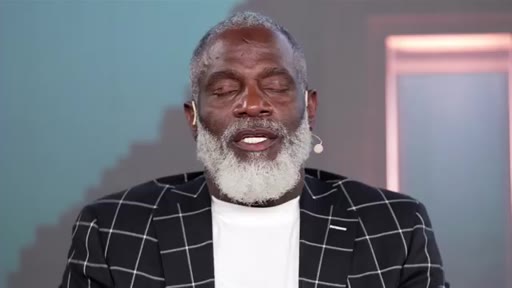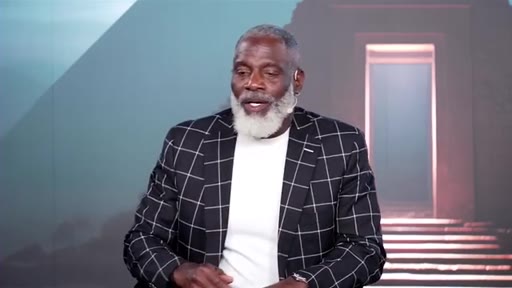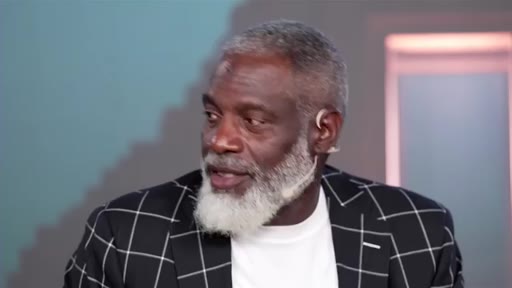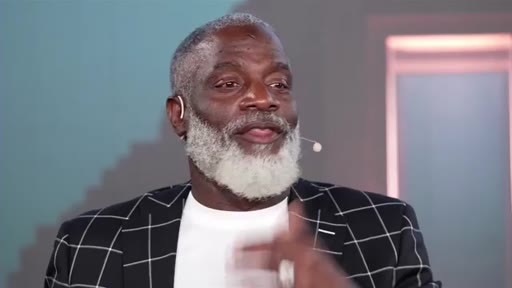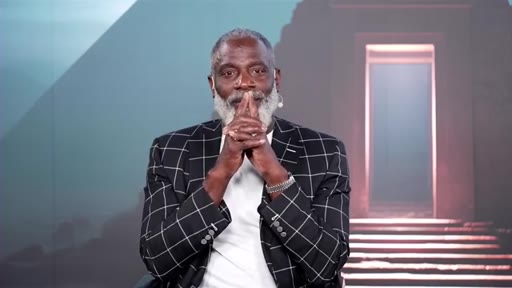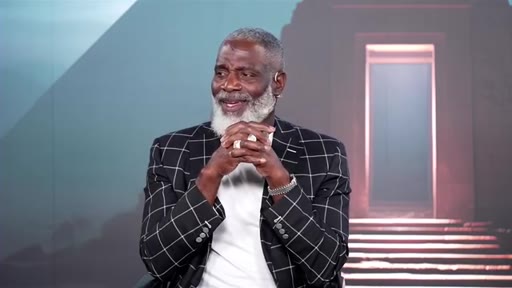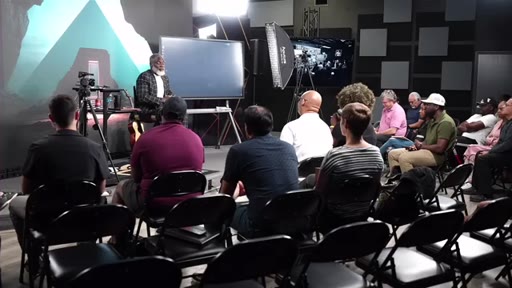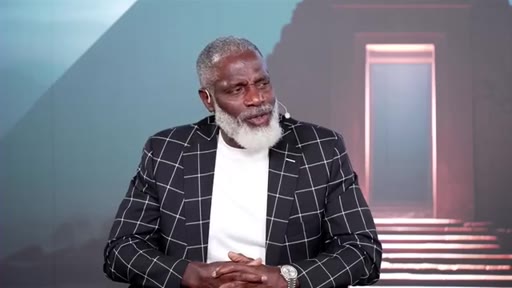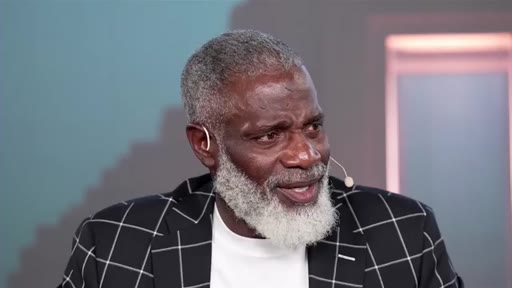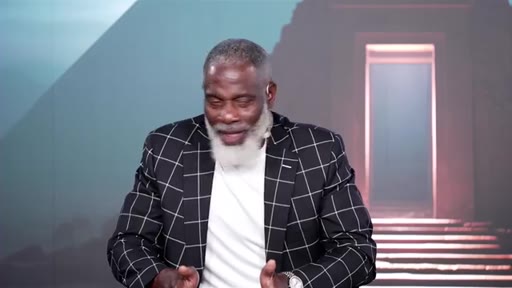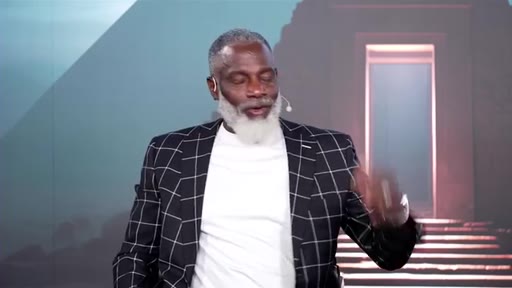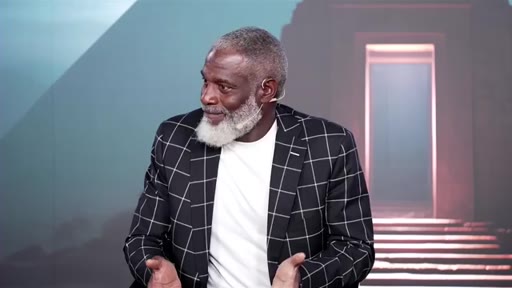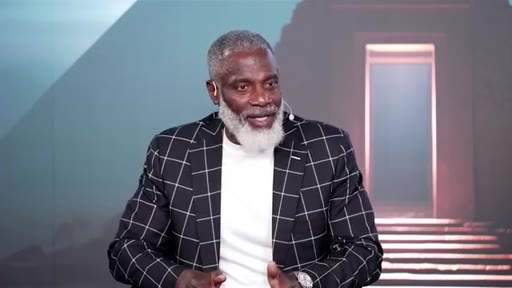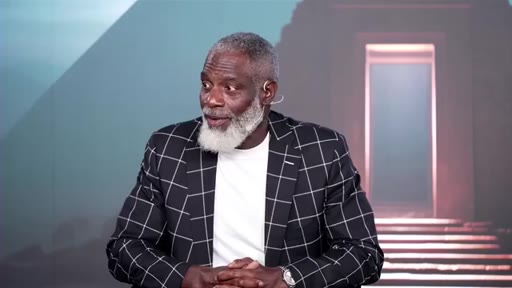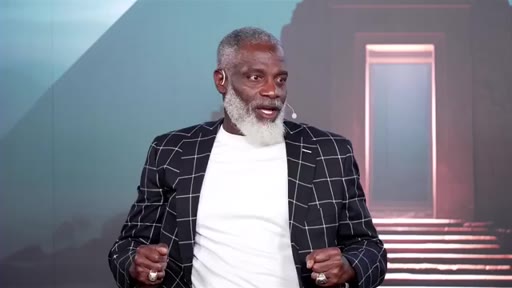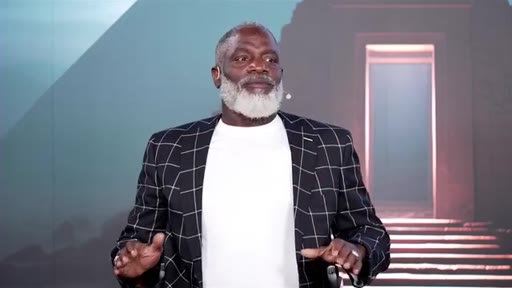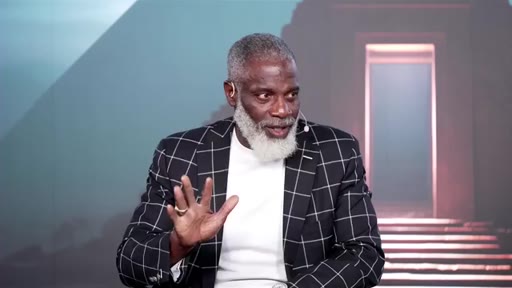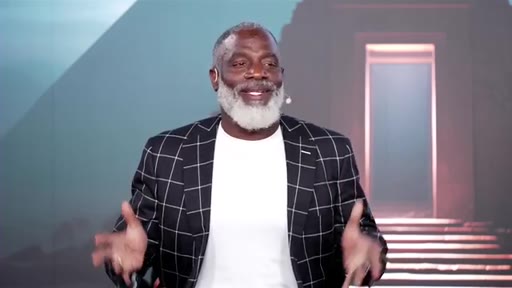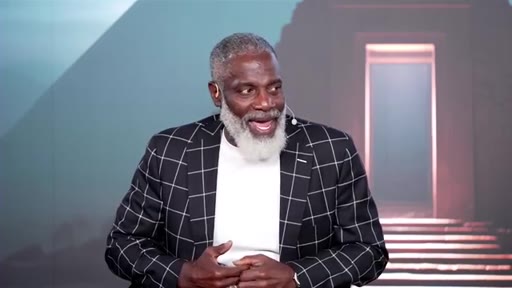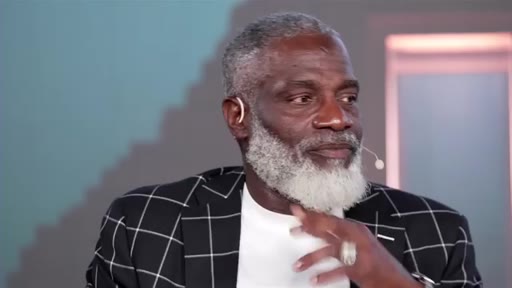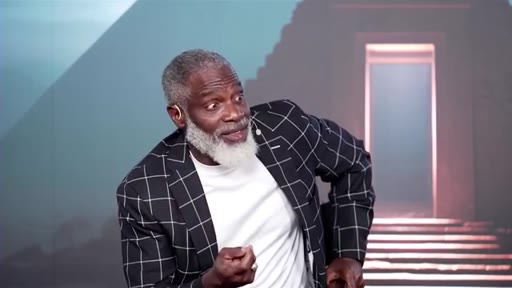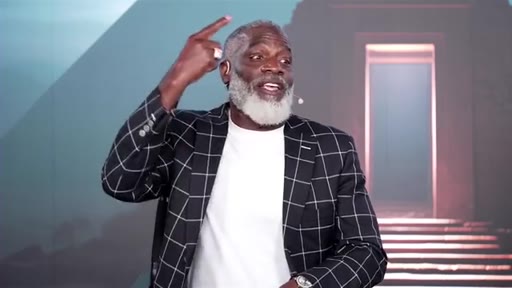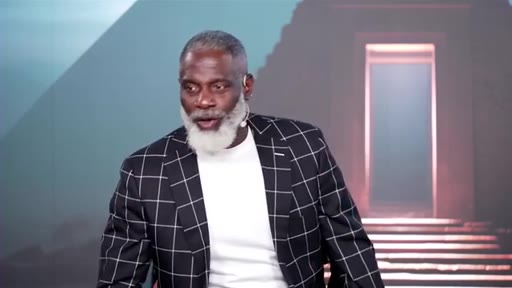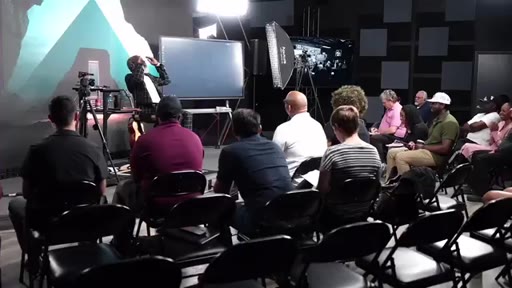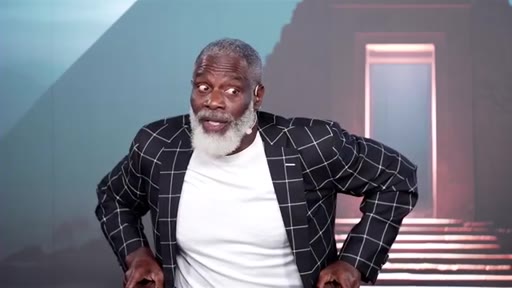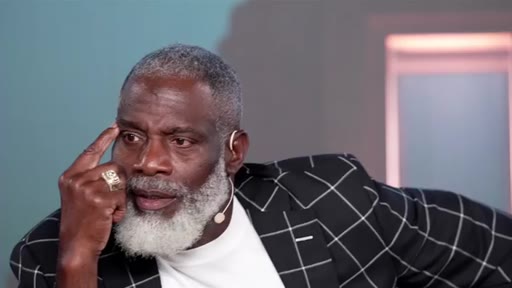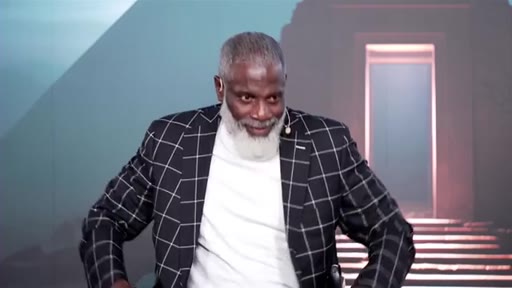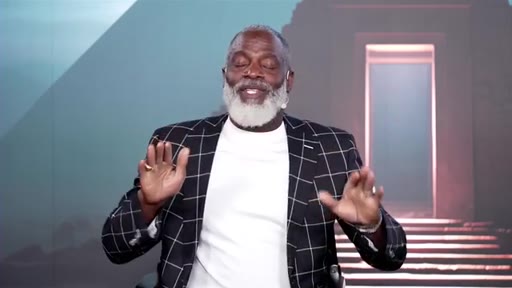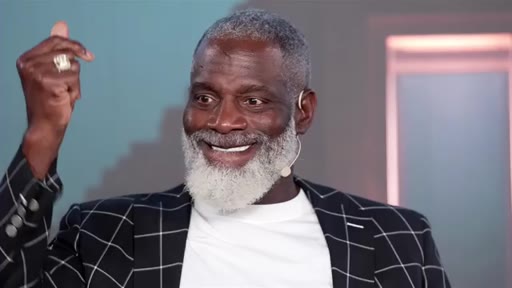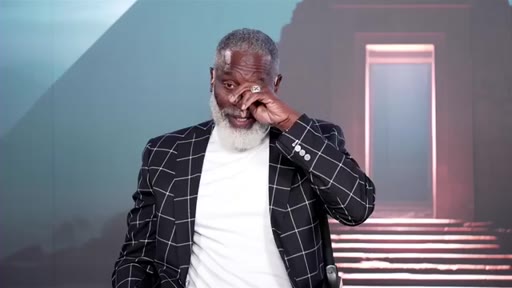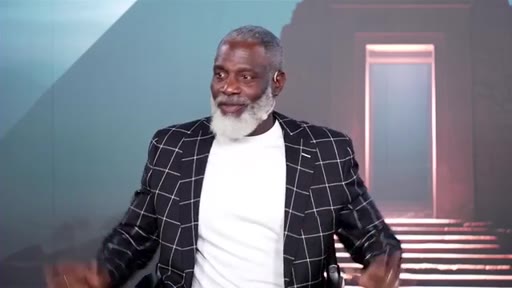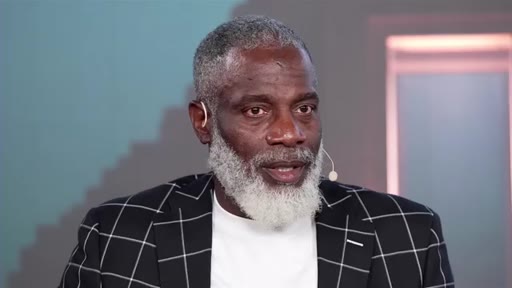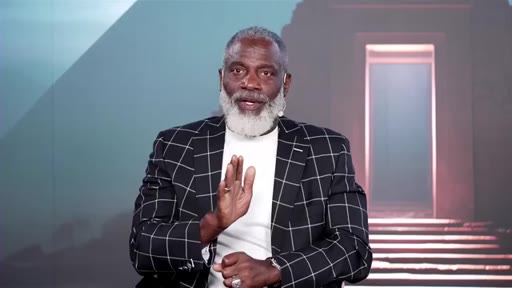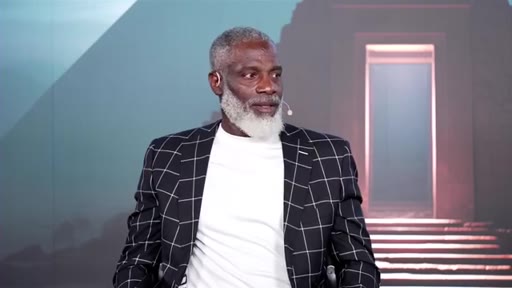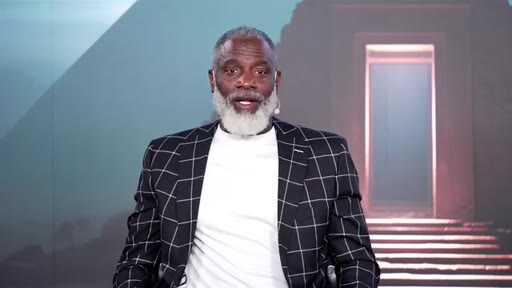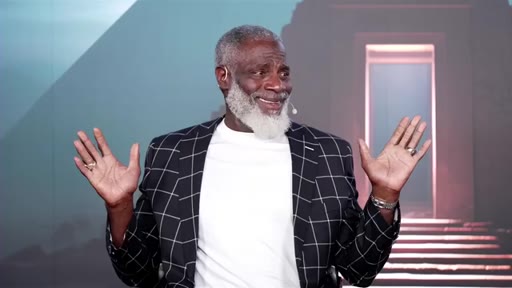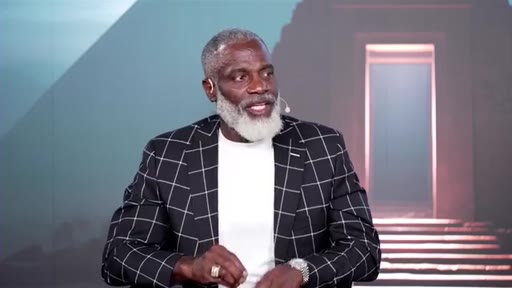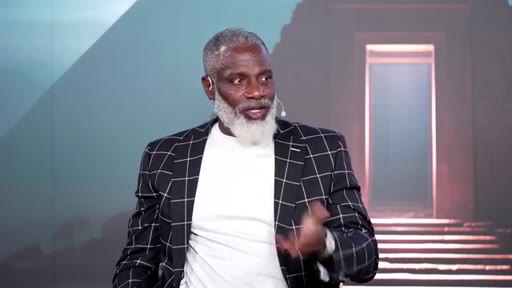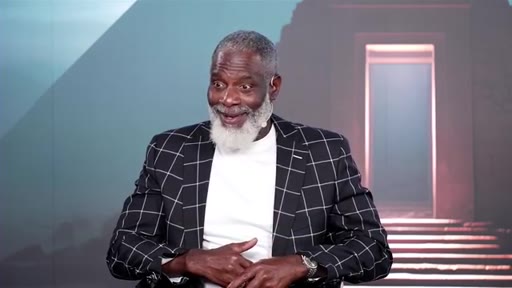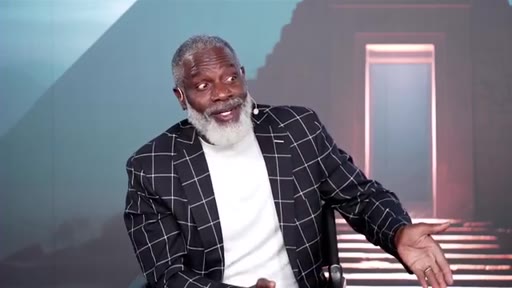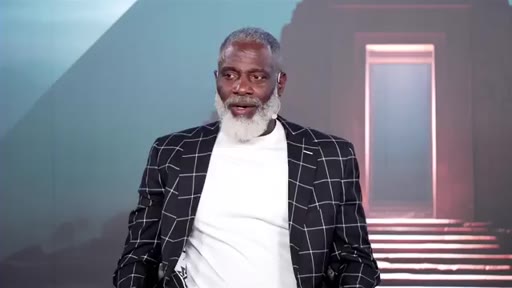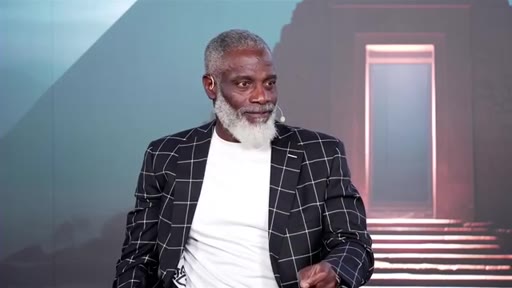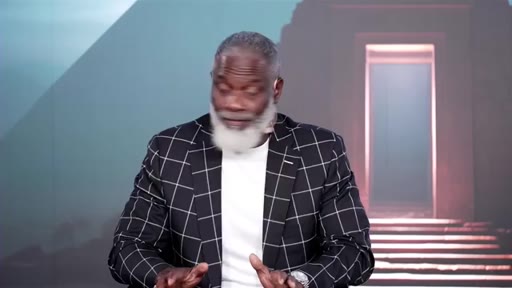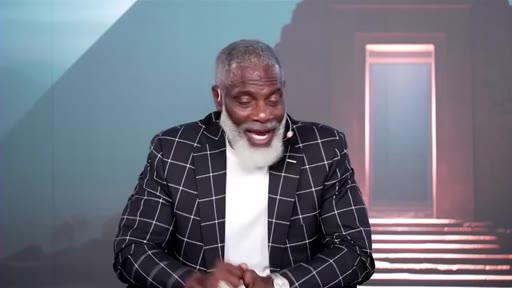
Myron Golden · Youtube · 22:40

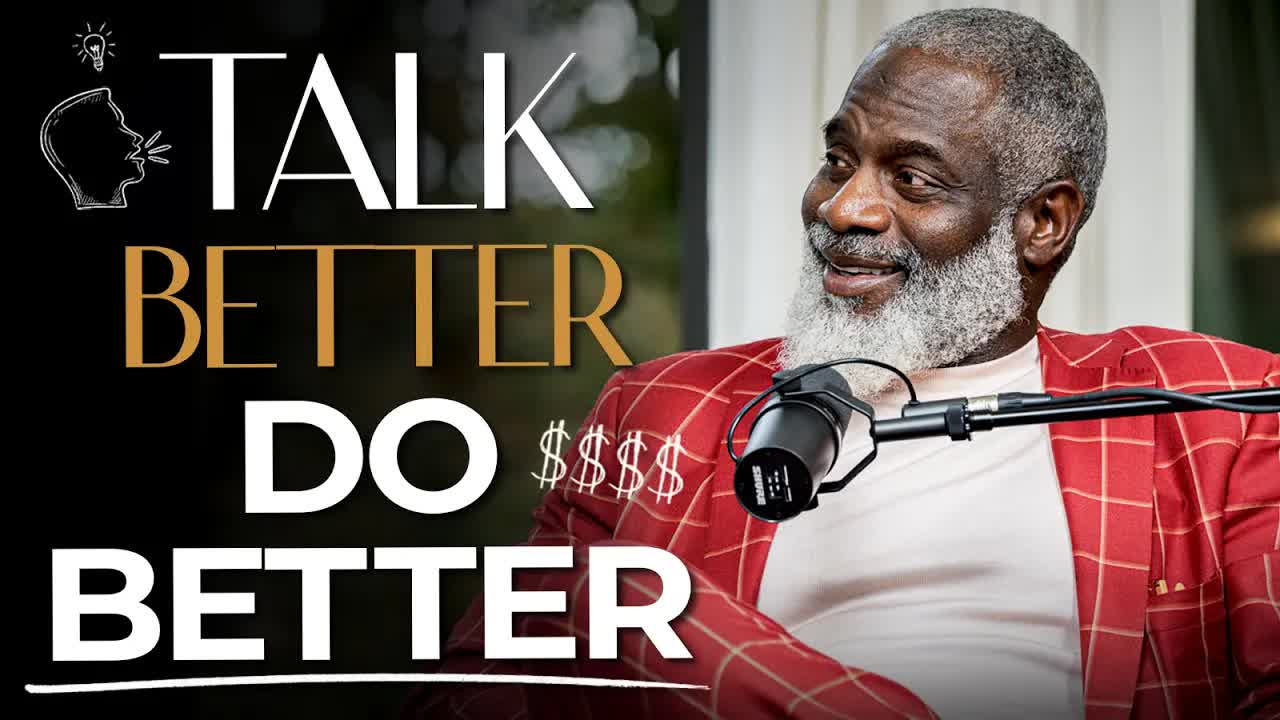
Leveling Up Your Life = Leveling Up Your Communication

Myron Golden's 22-minute case that the fastest route to a better life is better language — internal, vertical, and horizontal.

Posted
September 22nd 2025
8 months ago
Duration
22:40
Format
Talking Head
educational
Channel
MG
Myron Golden
§ 01 · The Hook

The bait, then the rug-pull.

Myron Golden opens with a claim that sounds obvious until he proves it isn't: that the quality of your life is always in direct correlation to the quality of your communication. What looks like a motivational talk immediately expands into a three-layer framework — internal speech, vertical prayer, horizontal persuasion — and never comes back down.

§ · Stated Promise

What the video promised.

stated at 00:13 "The fastest, best, and most thorough way to level up your life is to level up your ability to communicate." delivered at 22:20
§ · Chapters

Where the time goes.

00:00 – 00:28

01 · The hook claim

Talk better → do better. Quality of life = quality of communication.
00:28 – 01:50

02 · Three layers of communication

Internal (self-talk), vertical (God), horizontal (others + technology). Most people only think of horizontal.
01:50 – 04:15

03 · Language pathologies

The mumbler who won't commit, the profanity user hiding verbal laziness, the word 'try' as a cop-out — each is a failure mode of unclear self-expression.
04:15 – 08:00

04 · Tony Robbins model + belief as story

Model belief systems, physiology, mental syntax. A belief is a story you tell yourself about an expected outcome. Upgrade the story → upgrade the belief → upgrade the life.
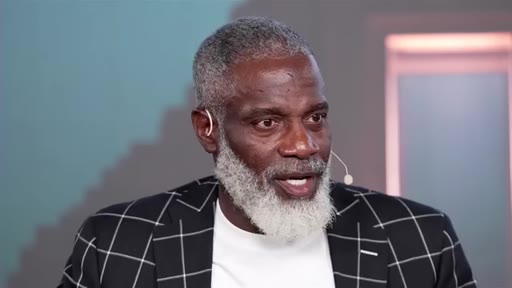
08:00 – 10:40

05 · Internal communication: stop calling yourself names

Hyper-intentional self-talk. If a friend talked to you the way you talk to yourself, you'd fire them as a friend.
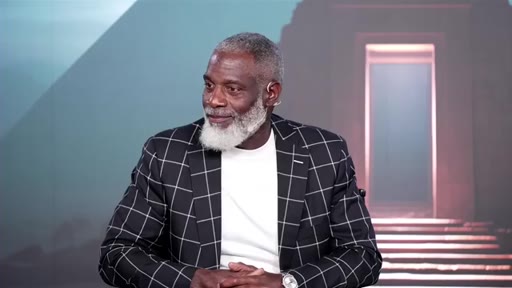
10:40 – 14:00

06 · Anxiety = expecting unfavorable outcomes

Procrastination is not the problem — it's a symptom of anxiety, which is expecting a bad outcome. The wobbly-chair analogy: you won't put your weight in a situation that looks unstable.
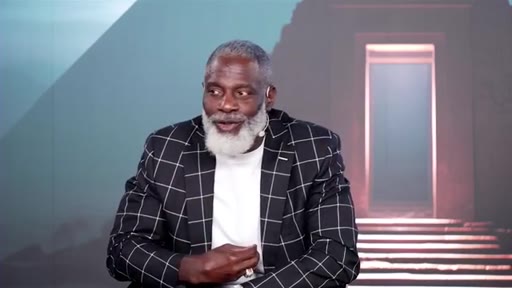
14:00 – 17:00

07 · Fear of flying story

Myron was terrified of flying. Fixed it by taking flying lessons. Learning the physics gave him a better story; the better story killed the fear. He went from white-knuckling it to co-piloting to The Bahamas.
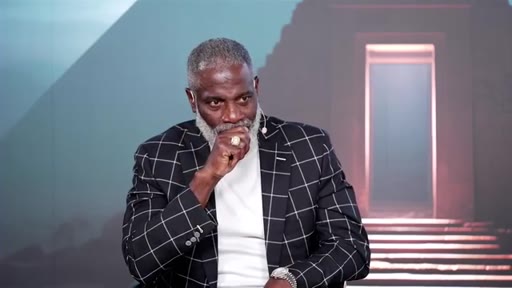
17:00 – 19:00

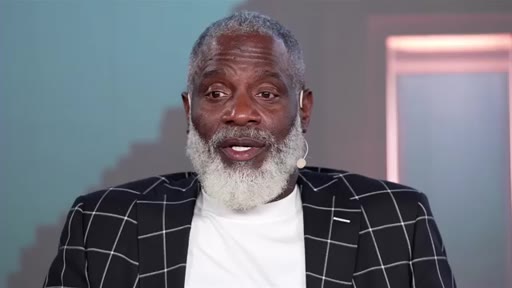
08 · Vertical communication

Prayer isn't lobbying God for your agenda. It's tuning yourself to His. When you align with His objective, external communication changes naturally.
19:00 – 21:20

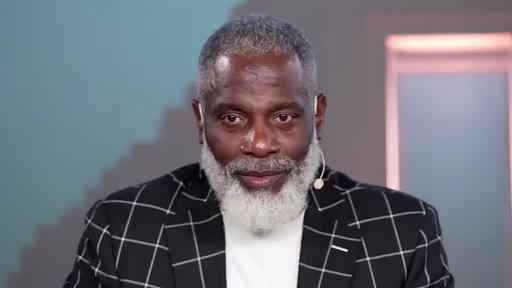
09 · Horizontal communication: make it about them

Great communicators plan what the other person gets before the conversation starts, then make the interaction entirely about the other person. Most people pitch their trinkets or their time instead of the transformation.
21:20 – 22:40

10 · AI + two action steps

Your ability to leverage AI is proportional to your ability to describe desired outcomes precisely. Two steps to level up: read more well-written books, write down what you THINK as a result — not what they said.

§ · Storyboard

Visual structure at a glance.

hook
3 layers
Robbins model
anxiety reframe
flying story
horizontal comm
AI + 2 steps
§ · Frameworks

Named ideas worth stealing.

00:28 model

Three Layers of Communication

  1. Internal (self-talk)
  2. Vertical (God / faith)
  3. Horizontal (others + AI)

Communication isn't just talking to people. It has three distinct channels, each of which can be leveled up independently.

Steal for Any personal development intro — gives the audience a map before you go deep on any one channel
05:35 concept

Belief = Story About Expected Outcome

A belief is a story you tell yourself about what you expect to happen. Change the story, change the belief, change the outcome.

Steal for Sales copy, coaching intro, mindset content — clean one-line reframe that makes abstract 'beliefs' concrete and actionable
05:22 list

Tony Robbins Modeling Trinity

  1. Belief systems
  2. Physiology
  3. Mental syntax

Three things to model in any person whose excellence you want to reproduce.

Steal for Creator/coach positioning — positions Myron as someone who's synthesized and applied the masters
10:24 concept

Procrastination = Symptom of Anxiety

Nobody has a procrastination problem. Procrastination is the symptom. Anxiety (expecting an unfavorable outcome) is the disease. Fix the expectation, fix the procrastination.

Steal for Productivity content hook — counterintuitive reframe of a universal pain point
19:34 concept

Transformation vs Transaction

Two failure modes when selling: falling in love with your trinkets/templates, or fixating on the transaction (money) instead of the transformation. As soon as you think about getting paid, you mess up the story.

Steal for Sales training, offer positioning — killer frame for MCN+ or any membership pitch
23:06 list

Two Steps to Level Up Communication

  1. Read more well-written books with good ideas
  2. Write down what YOU thought as a result — not what they said

Simple, memorable CTA that doubles as a content creation philosophy. Your unique thoughts triggered by others' words = your original content.

Steal for Newsletter CTA, workshop close, coaching module — instantly actionable, low barrier
§ · Quotables

Lines you could clip.

04:06
"If you had other friends who talked to you the way you talk to you, you wouldn't let them be your friend."
Devastating one-liner, zero setup needed, universal relatability → TikTok hook
00:33
"It seems like the people who have the least to say take the longest not to say it."
Perfectly constructed aphorism — quotable standalone → IG reel cold open
03:31
"There's no such thing as 'what I'm trying to do.' I'm not trying to do anything — I'm doing it, or I'm not doing it."
Provocative, contrarian, punchy — triggers engagement from both sides → TikTok hook
20:34
"Most people are terrible at this stuff. Which means if you get good at it, you'll be one of the best in the world."
Motivational inversion — mediocrity as the opportunity → Newsletter pull-quote
21:46
"Your ability to leverage AI to the fullest is going to be in direct proportion to your ability to describe exactly the outcome you desire."
Timely AI hook tied to the core thesis — broad appeal right now → TikTok hook
24:02
"Write down what you thought as a result of what they said. That will be your unique content that levels up your life for the rest of your life."
Actionable + philosophical — lands as a content creation philosophy → IG reel cold open
§ · Pacing

How they spent the runtime.

Hook length28s
Info densityhigh
Filler8%
§ · Resources Mentioned

Things they pointed at.

05:22productTony Robbins — cassette tape modeling framework (belief/physiology/mental syntax)
§ · CTA Breakdown

How they asked for the click.

24:06 next-video
"Hope this video helps you. Talk better, do better. Level up your life by leveling up your communication. We'll see you in the next video. Peace out, Cub Scout."

No hard sell. Clean sign-off with callback to thesis. makemoreofferschallenge.com lives in description only.

§ 04 · The Script

Word for word.

HOOK opening / re-engagementCTA the pitch metaphor analogy story
00:00HOOKSo did you know that if you learn to talk better,
00:06HOOKyou will do better? In fact, the fastest,
00:11HOOKbest, and most thorough way to level up your life is level up your ability to communicate. The quality
00:19HOOKof your life is always going to be in direct correlation to the quality of your communication.
00:28Now, I talk about communication, you just think I'm talking about talking to people. Right? That's the first thing that comes to your mind, talking to people.
00:34That's only one aspect of communication. See, we have internal communication, the things I say to myself.
00:41We have external communication. And our external communication has two directions. It's our there's our vertical
00:47external communication, that communication between us and God. And then there's our horizontal external communication, our communication between us and others.
00:56And most recently, our external communication between us and technology. And or I should say, more impactfully recently,
01:06our external communication between us and technology. And and I remember
01:13back in the eighties when I went to visit this church in Texas,
01:20and I heard the pastor speak. And I thought, like, I don't know if I thought any of these words, but I remember feeling like, why is this so painful for me?
01:31It it seems like the people who have the least to say take the longest not to say it. And
01:41one of the things I noticed about this particular preacher was his
01:49most prolific description of everything
01:54was the word thing. Well, you gotta do that thing. Make sure and I was like I was like, surely you can find another word.
02:03But apparently, he couldn't. And
02:09when I think about people
02:13I had a conversation with a gentleman the other day, and I noticed that he mumbled a lot.
02:20And I thought, this is really a fascinating way to communicate.
02:24It's kind of like mumbling is kind of like
02:31non committed verbal expression.
02:36Like, I don't wanna say this too clearly. I don't wanna enunciate and pronounce this, pronunciate these words too clearly because then I might have to take responsibility for them. Like I don't I don't really know what was going on, but I was like, why does this guy keep mumbling?
02:51It's so fascinating. And then, you hear some people communicate,
03:01some are clearly intelligent, others clearly not so much. And they use a lot of profanity.
03:08And I'm I'm like, this is fascinating. It's fascinating to me that you use non adjectives
03:17to attempt to describe what you mean, and you think you're emphasizing something, but what you're really emphasizing is a lack of clarity.
03:26Yes. Because the words that you're using are not describing anything that you're talking about
03:33when you use profanity. Like it's an expletive, but it's not an explanation. And it's an expletive, but it's not an exclamation.
03:42It's just an expletive. It's it's it's a demonstration
03:48of verbal laziness. I
03:53know there are people who disagree with me, but they would only disagree with me because they do it. They wouldn't disagree with me because they thought about it. Because if they thought about it, they wouldn't do it.
04:03Like, if you like, if anybody who uses profanity thought about the negative effects of profanity, they wouldn't use it. In fact, anybody who uses negative
04:13words on rinse and repeat of any kind, not just profanity, if they understood the negative impact on their life, they wouldn't use them.
04:21Like, even words like try and maybe. And I know people think, well, try is not that bad. Really?
04:26Like, every every time somebody says, well, is what I'm trying to do. I just I I I have I have I have like this visceral physical reaction,
04:34and I do everything inside of myself to to resist showing it on the outside.
04:42I pull up all of my internal resources to not have a, like, a reaction to the word try. Because there's no such thing
04:52what I'm trying to do. I'm not trying to do anything. I'm doing it
04:56or I'm not doing it. Now when I do it, it might do what I expected it to do. And it might not do what I expected it to do, but I didn't try to do it.
05:05I did it. It just didn't do what I thought it would do when I decided I was gonna do it.
05:12Does that make sense? Yes. And and so,
05:18Long time ago, Tony Robbins, I heard in one of his original cassette tapes back in the nineties. Okay?
05:24He said, if you wanna model any form of human excellence, you have to find somebody who's really good at the thing that you desire to be good at, and you have to model three things. And those three things are, you find that person, you model their belief systems,
05:38you model their physiology, and you model their mental syntax. And he said, model their belief systems.
05:45Well, what is a belief anyway? Think about that.
05:48What's a belief? What is a belief system? A belief
05:54is a story that you tell yourself about an expected outcome. Is that right?
05:59Right? A belief is a story that you tell yourself about an expected outcome. And so
06:05most people, when they tell themselves stories about expected outcomes, they tell themselves unfavorable stories. And then wonder why they get undesirable outcomes.
06:18I don't like, do you understand that if you just got better at communicating with yourself, the stories you tell yourself as you are creating and perpetuating your beliefs, if you just got better at that part of your life,
06:33every other part of your life will get better. Positive thinking
06:39doesn't necessarily help you achieve everything,
06:43but it does necessarily help you achieve everything better than negative thinking does.
06:51And so you gotta learn to talk better. You gotta learn to talk better when you talk to yourself. You gotta learn how to stop calling yourself names.
06:56Like, oh, you're so stupid. Oh, you're such an idiot. Oh, I can't believe you're such a loser.
07:01Like, you like, there's there's no good that can come out of talking to yourself that way. I listen to people talk to themselves, and I think to myself, if you had other friends who talk to you the way you talk to you, you wouldn't let them be your friend.
07:18And so we we are so we are so either lazy with language or unintentional with language.
07:26What would happen if you became hyper
07:30intentional about every thought you think and every belief you have and every story you tell yourself, especially stories you tell yourself about yourself and your chances? What would happen if you leveled that up?
07:41You'd talk better, you'd do better.
07:47Even if I did believe something wasn't gonna work out for me, I wouldn't claim it.
07:54I'm not talking about name it and claim it, blab it and grab it, say it. No. I'm not talking about that.
07:58I'm talking about I'm talking about empowering, using your words to empower your expectations.
08:05Because expectation is your greatest superpower as a human being whether you know it or not.
08:11Yeshua himself said, he said, if you can believe, all things are possible to him that believes.
08:19Now, all things are possible. I I get it, but that doesn't mean every single solitary thing. Right?
08:25You're not gonna jump off the Empire State Building and land on your feet. I mean if you do, pretty much your feet and everything else is gonna hurt.
08:34But all things are possible means all types, all manner, all kinds of things are possible that are not possible if you don't believe. Okay.
08:46So I'm gonna strengthen my internal communication. I'm going to resist the temptation
08:54to put the past on repeat and expect
09:00my past experiences as my future expectations. I'm gonna I'm gonna resist that temptation.
09:08As I was thinking about why do people, most people have such disempowered expectations? Why are why are most people so much better at expecting the worst
09:19than they are at expecting the best? Is that a good question? Yes.
09:22And I think most people are so much better at expecting the worst than they are expecting the best because they know exactly
09:32what the worst feels like, or at least the worst they felt feels like. They know what it's like
09:39when they go through pain and some like pain is an amplifier. Right? When you go through something that's difficult and it's really, really painful for you, it amplifies
09:49the feeling. And feelings are the drivers of humanity.
09:54Like human beings are singularly motivated. And by that I mean, people do things for one reason and one reason only. What's that reason?
10:03Because they feel like it.
10:07What if what if the real reason that you procrastinate is not because you're a procrastinator?
10:17What if the real reason you procrastinate is not because you have a procrastination problem? Because I've discovered that nobody has a procrastination problem. Procrastination is nobody's problem.
10:25Procrastination is a symptom of a problem. What's the problem? The problem is anxiety.
10:31What is anxiety? Anxiety is that feeling I get when I'm expecting an unfavorable outcome.
10:39Do you understand? Have you ever have you ever walked up to a chair and got ready to sit down and then you noticed like one of the legs was wobbly? You wouldn't let yourself sit down in that chair, would you?
10:48No. You wouldn't let yourself sit down in that chair. Why?
10:51Because your expectation is this chair won't hold me, so you don't put all your weight down. Do you understand that when you look at a scenario and the scenario looks unstable,
11:00it doesn't let you put your subconscious mind will not let you put your weight in that scenario.
11:08Are y'all tracking? Yes. And
11:10so what I have to do is I have to learn how to examine. First of all, I don't wanna put my weight down in a situation that won't hold me.
11:19It's kinda like kinda like when when I I hated flying. You say, Marian, what does hated flying mean? It means I was scared.
11:28Right? I was like I was like, this doesn't make sense. This is so dumb.
11:32Every time I got on a plane, I this is so dumb. This thing weighs hundreds of thousands of pounds, and we're all up here in this tube acting like this is normal. And people are sleeping, and I'm looking at everybody.
11:42I'm like, are you all insane? Absolutely. I was scared.
11:47And I got on a plane, I never put all my weight down. I'm locked I'm locked in.
11:54Somebody tapped me on my shoulder. Hey, bro. You know that chair is on this plane too.
11:57Why you messing with me, man? Right? And so so so like I hated flying because I was scared because it didn't make sense.
12:05So my expectation was, since it didn't make plane weighs more than a city bus. You've been flying around out there.
12:13You've seen other planes in the sky while you've been flying around. Right? Have you ever seen a city bus in the sky?
12:17No. This don't make sense. I've
12:21never even seen any cars up there. It's making less and less sense by the I've not seen a stinking bicycle in there. And this seven fifty seven that weighs 250,000
12:32pounds is 40,000 feet in the air going 500 miles an hour, and everybody's acting like it makes sense. Oh,
12:41right?
12:44So my anxiety would not allow me to relax every time there was a sound, a bump, and Right.
12:54Didn't help that I watched a movie one time about that flight that was in Hawaii when the fuselage came off. Did anybody ever see that? It was so like, do not watch plane crash movies.
13:03I know. I'm not watching a movie about a plane crash. I'm not doing it.
13:06I spend too much time on planes to even think about that. Right? So anyway,
13:10so so I said, this is this is not healthy, Myron. This is not healthy for you to be scared every time you get on a plane, because you get on way too many planes, bro.
13:20This is not good. I gotta fix this. Okay.
13:26How you gonna fix it?
13:29I'm gonna take flying lessons.
13:34Gotta take flying lessons. I
13:40can get on a plane now, fall asleep before it takes off, and wake up after it lands. Wow.
13:50Why? Because it makes sense. So
13:53what I did was, I educated myself at a higher level by learning some principles that gave me the ability to tell myself a better story. In
14:04fact, did you know that planes are designed to fly, and that design is so good that if a hurricane or a tornado is coming to an area, they have to remove the planes because the planes will fly with that much wind even if nobody's on them.
14:21Wow. It's easier for a plane to fly than it is for it to stay on the ground.
14:27In fact, if you leave a plane on the ground too much and it doesn't fly, the plane will eventually become worthless because of lack of use. Wow.
14:37So, what did I do? I changed the story. Changed the story.
14:41When I changed the story, changed my belief. Ain't scared no more. In fact, I was I was the co pilot on a twin engine
14:50prompt jet from Tampa, or from Lakeland to The Bahamas.
14:57It was like two and a half hour flight. And I'm like, I got my I got my headset on, my Bose my Bose headset on, and I'm I'm looking at the avionics, and I'm adjusting the trim, and I'm doing all the stuff the pilots tell me to do.
15:10We we had to fly around storms and stuff. It was so cool.
15:16This was from a guy who used to get on a plane and not put all his weight down. Right? So what am I telling you?
15:24I'm telling you I have to improve you have to improve your internal communication.
15:30You have to improve your vertical communication from the standpoint that
15:35this will change your life. When God has said something in scripture,
15:42let that be the wrap. Let that be the end of it. Just act as if it's true.
15:46The most fascinating thing that I've observed in my life in attending church and watching people who attend church is they feel real good about it while they're there, and do absolutely nothing about it when they leave.
15:58Blows my mind. People who read the bible
16:03every day and apply, apparently none of it, or very little.
16:09Like, they they give up a couple of things and take on a couple of things right after they come to Christ, and then what happens? After that, they're like, okay, I'm there. There is no there there.
16:19That's the point. And so,
16:23my internal my internal my vertical communication with God improves when God gives me an objective, and I line up my life with that objective.
16:34And I realize that when I'm praying and I'm talking to God, I am not talking to God to get him to do my thing. I'm talking to God to get me in tune with him so I can do his thing.
16:48Changes the game. It changes the game completely. And then when I do that, my external communication
16:58changes. The quality of your life
17:03is gonna be in direct proportion to the quality of the communications you have with other people. Because it's the communications that you have with other people that help you find a mate. It's the communications that you have with other people that help you raise responsible children.
17:17It's the communications that you have with other people that help you get a job if you want a job. It's the communications you have with other people that give you the ability to hire employees if you need delegation. And the communication that you have with other people is what you is required for you to acquire business partners, and clients,
17:35and business relationships of all kinds. Your ability to verbalize a message
17:41that shows the people you're talking to, what they get out of engaging with you, is gonna determine the quality of your life. And and so, it's it's amazing.
17:52The best time to think about what you're gonna get out of an a conversation or an interaction is before the interaction starts. Once the interaction starts, you have to make it all about them.
18:03And you have to figure out before you engage with them, how you making it all about them is gonna be beneficial to them and beneficial to you. You have to figure it out before you engage in the conversation. And most people are terrible at that.
18:15It's quite fascinating. I I I I've often thought,
18:20you know, this person had this really great idea. Maybe they're an inventor. Maybe they're a software developer.
18:26Maybe they're an author, and they're really, really good at coming up with a solution. And then they start talking to people about it,
18:35and when you hear them talk about it, it's horrible. Like, how could you take this beautiful thing and make it that ugly? Well, what happens
18:46is one of two things. Either they fall in love with the trinkets that they've invented, or the templates that they've designed,
18:58or they fall in love with the amount of time they put into becoming the expert.
19:06So they think that the other person is going to fall in love with spending time with them, so they think time with them is the value of their offer. Or the other mistake they make is they realize that they've created something so good that they're gonna get paid a lot of money.
19:21And so now, instead of thinking about the transformation that they've created for other people, when they're talking to other people, they're thinking about the transaction, and they're not thinking about that person's transformation. And so as soon as they realize they're getting paid, they mess up the story. It's
19:36so fascinating.
19:39And so what you've gotta learn how to do is you gotta learn how to communicate with other people in such a way that shows them the value that they get from engaging with you,
19:54while realizing and simultaneously not caring. I shouldn't say not caring.
20:02Simultaneously not being focused on the value that you get from that interaction. It's really challenging to do, especially if you don't understand that it's the thing that you need to do in order to make the thing that you're working on do the thing that you intended to do when you started working on it.
20:18It's so easy to get distracted by the minutiae.
20:23It's so easy. No wonder most people are terrible. Which means, by the way though, which means most people are terrible at doing all this stuff I'm talking about.
20:29Which means if you get good at it, you'll be one of the best in the world. Wow. This is why,
20:35like, if you talk better, you do better. Now, here's the latest place I realized this.
20:42Artificial intelligence. Your ability
20:46to leverage AI to the fullest is gonna be in direct proportion to your ability to describe
20:55exactly the outcome you desire. And then challenge the outputs that the AI gives you with more and better articulation.
21:05Your ability to communicate with AI is gonna determine whether or not AI takes you along for the ride
21:14CTAor whether you get left behind. Period. So,
21:20CTAMyron, I get all of that. What's the best way for me to level up my communication?
21:25CTAThere are two things. Here's the good thing about two. All of us can count to two,
21:34CTAand all of us can remember two things. Now, aren't you glad I didn't say 200? Not that you can't count to 200, but you it might be a little bit of a challenge for you to remember 200 things.
21:43CTASo two things. Read more well written
21:49CTAgood books with good ideas. Read more.
21:53CTANumber two. Write more. Write more what, Myron?
21:58CTAWhen you're reading books and you're listening to videos like this one right here,
22:07CTAand you're having conversations with intelligent people, and they say something in those books, on those videos, in that conversation that really resonates with you, don't write down what they said. Write down what you thought of as a result of what they said.
22:23CTAThat will be your unique content that levels up your life
22:29CTAfor the rest of your life. Hope this video helps you. Talk better, do better.
22:34CTALevel up your life by leveling up your communication. We'll see you in the next video. Peace out, Cub Scout.
— full transcript
§ 05 · For Joe

Steal the framework.

Myron's communication stack

Fix the story you tell yourself first — everything else (sales, relationships, AI prompting) runs on that same engine.

  • Lead any teaching with the 3-layer model (internal / vertical / horizontal) — it immediately elevates the conversation beyond 'talk to people better.'
  • Use the 'belief = story about expected outcome' line verbatim — it reframes mindset work as a writing exercise, which is concrete and actionable.
  • Mine the flying story: it's a perfect structure (fear → education → changed story → transformation) that maps directly onto any product origin story.
  • The procrastination reframe (it's anxiety, not a character flaw) is a standalone short — huge engagement hook for productivity-adjacent audiences.
  • The 'transformation vs transaction' frame is the sharpest sales framing in the video — use it to position MCN+ or any coaching offer.
  • His two-step close (read + write your REACTION) is a content creation philosophy disguised as a CTA. Steal it for newsletter closings.
  • Notice the AI angle at minute 20 — tying communication to prompting fluency is a timely hook that this audience hasn't heard framed this cleanly.
§ 05 · For You

What this means if you want a better life.

Take it literally

The words you use when talking to yourself are setting your ceiling — and you can raise that ceiling by treating your inner voice the same way you'd treat a friend.

  • Notice every time you say 'I'll try' this week — swap it for 'I will' or 'I won't.' Pick a lane.
  • Stop using profanity as filler — not for moral reasons, but because vague words produce vague thoughts, and vague thoughts produce vague results.
  • When you read or watch something valuable, don't write down what they said. Write down what you thought because of what they said. That's the real compound interest.
  • If you're avoiding something, ask: 'What outcome am I expecting here?' Naming the feared outcome is the first step to changing the story.
  • Before your next important conversation, spend two minutes deciding what value the other person gets from it — then make the whole conversation about them.
§ 06 · Frame Gallery

All frames.