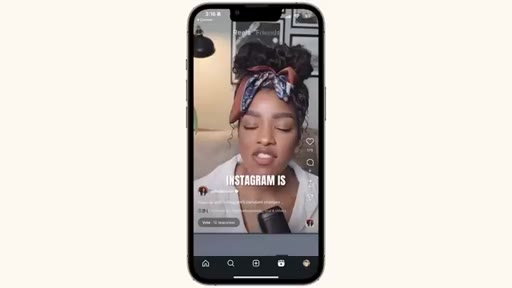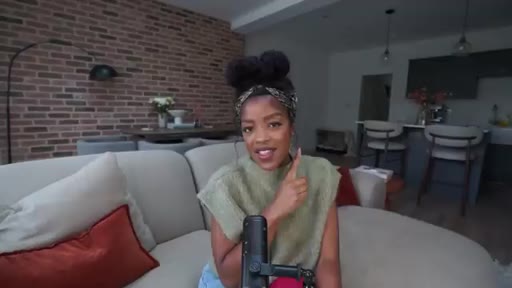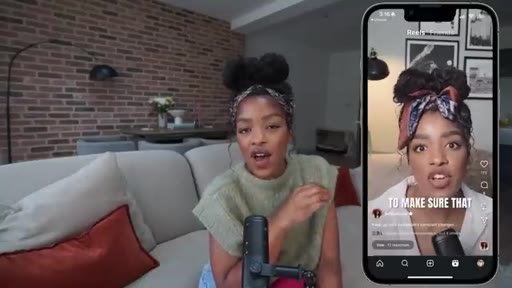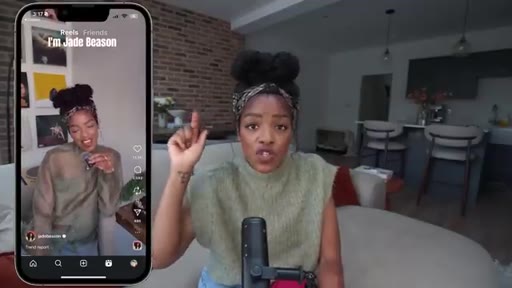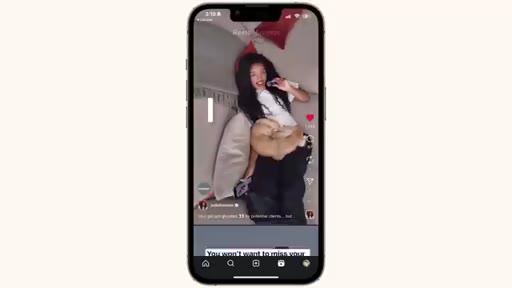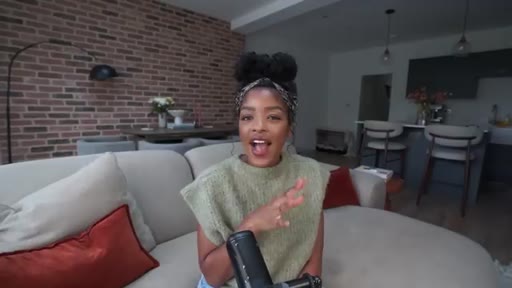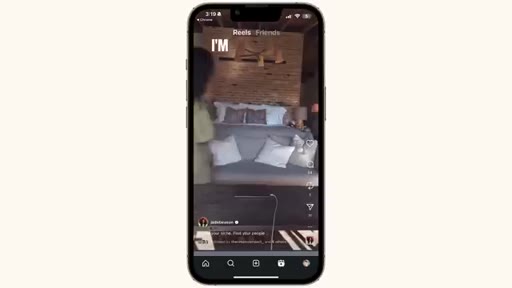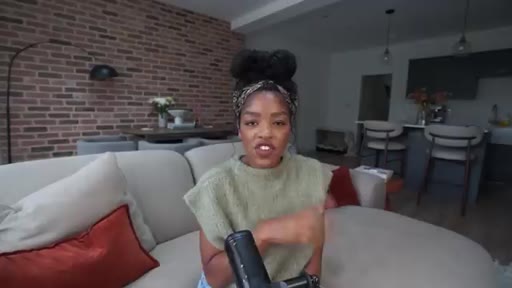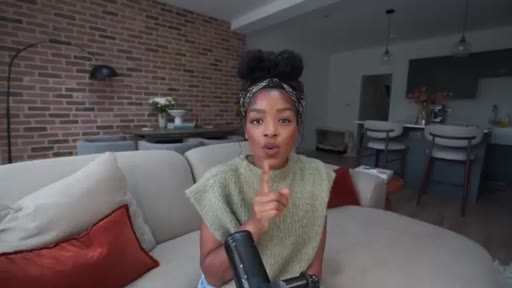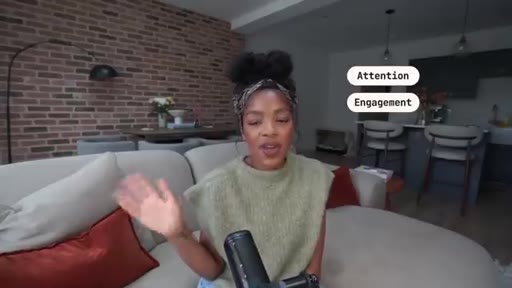

The bait, then the rug-pull.
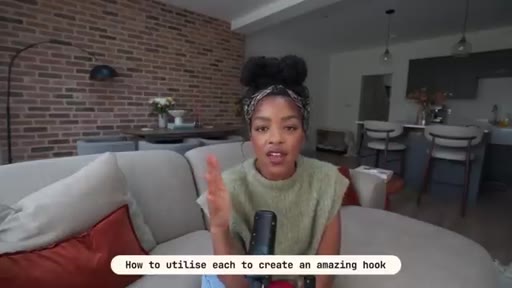
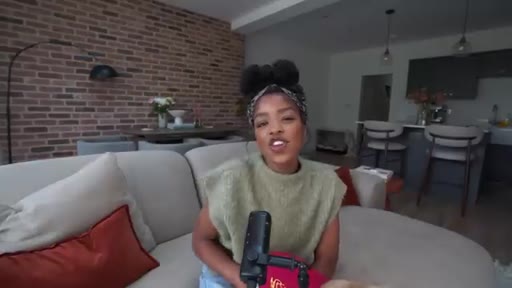
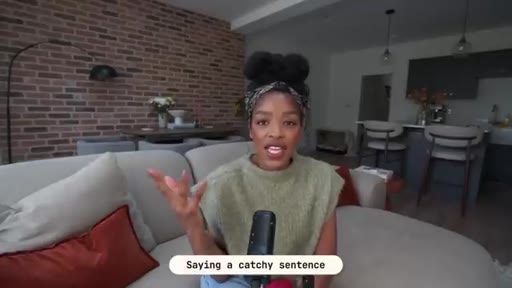
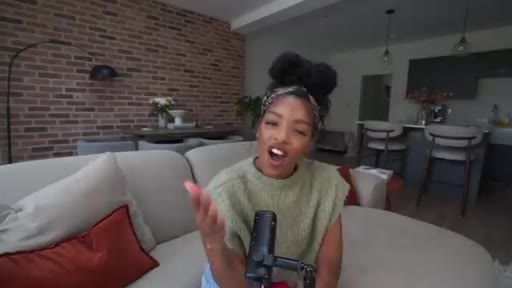
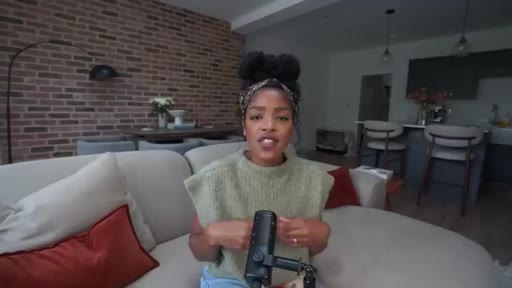
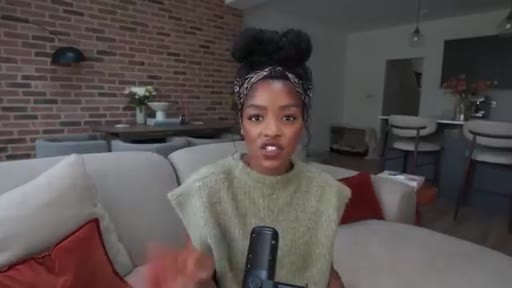
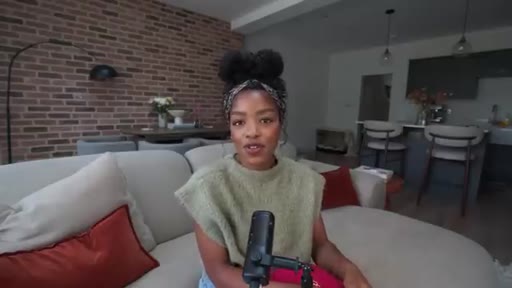
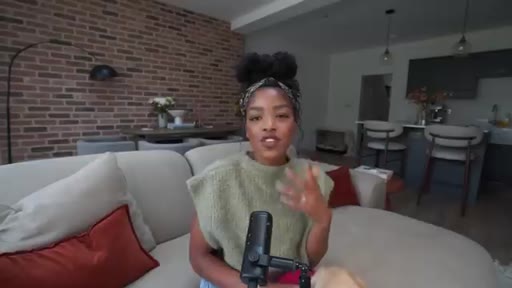
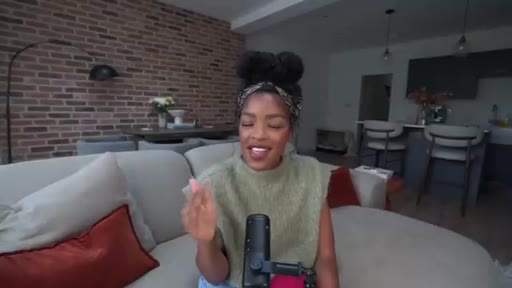
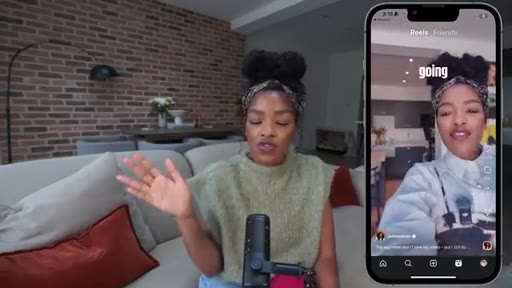
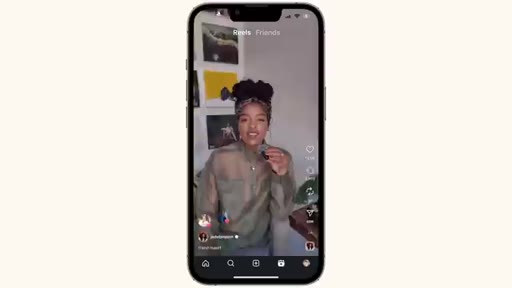
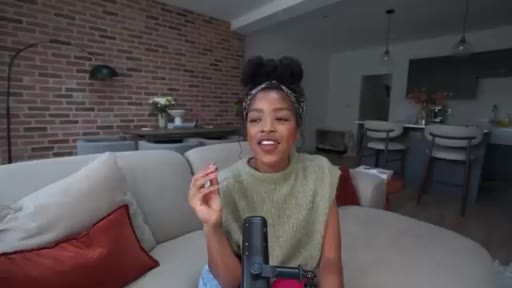
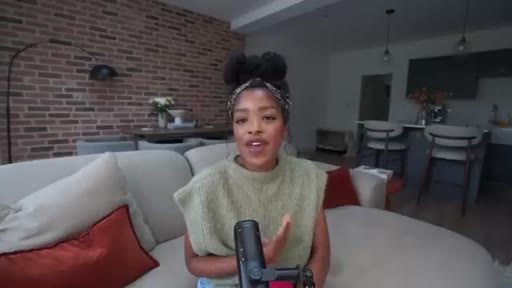
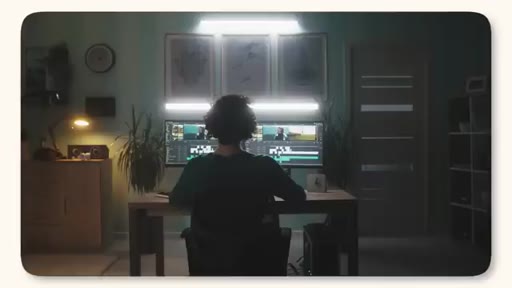
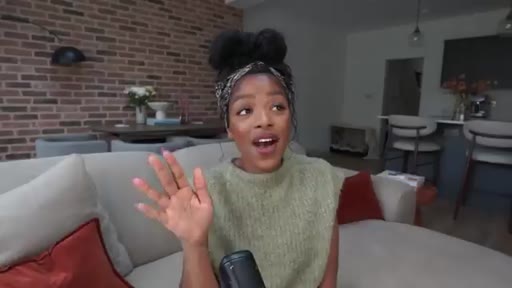
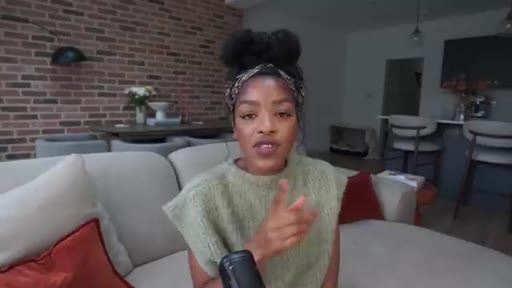
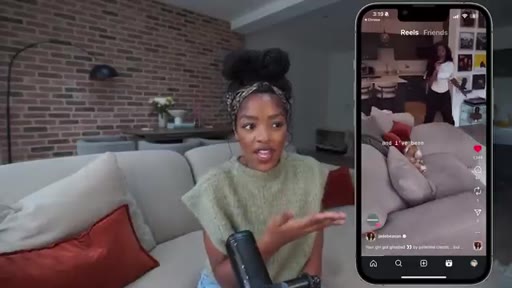
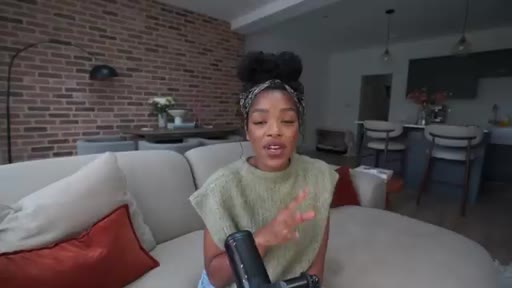
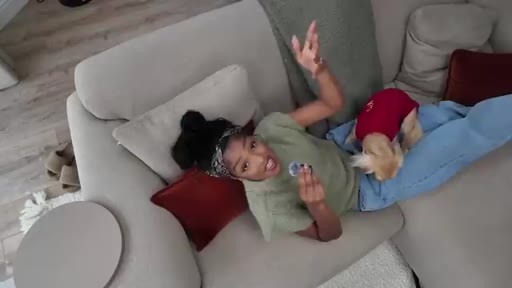
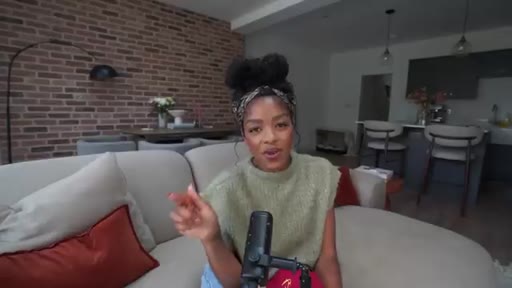
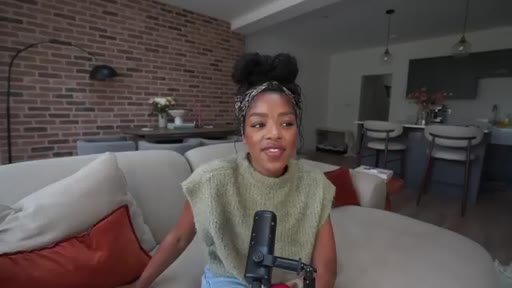
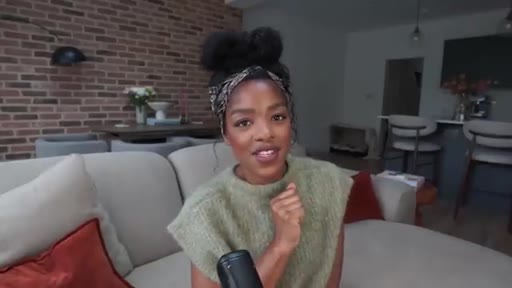
She opens from an overhead angle — lying on her couch, dog in frame — before cutting to a standard talking-head setup to announce what studying 100+ hooks actually taught her: the game has changed, and the creators still writing catchy sentences are already behind.
Where the time goes.
01 · Intro
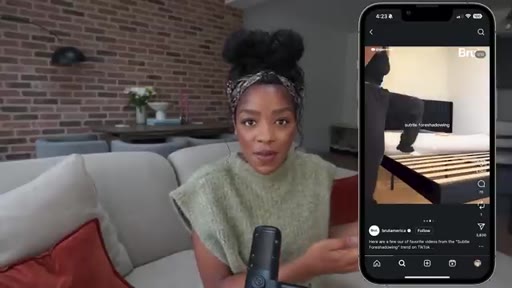
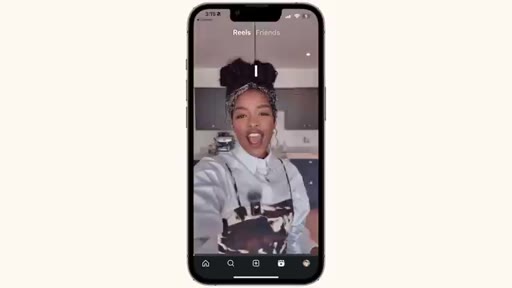
Overhead hook shot; before/after view screenshots; sponsor mention flagged for later.

02 · What changed
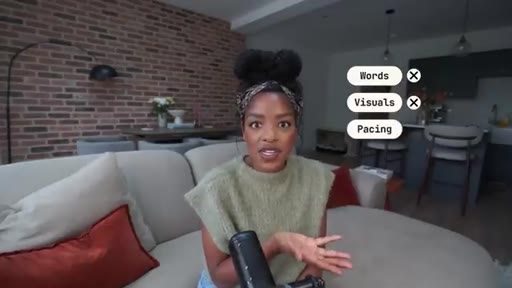
The hook shifted from a single catchy sentence to a three-part moment: words, visuals, pacing.

03 · The three elements
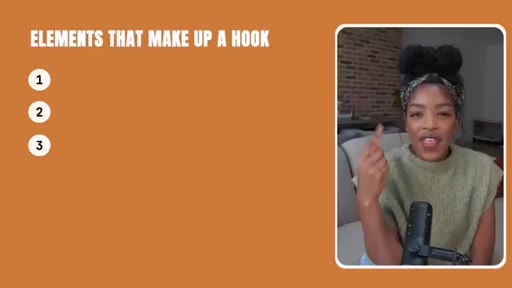
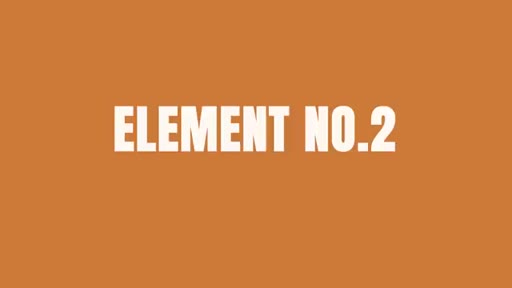
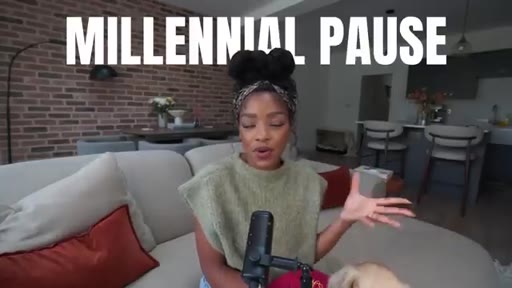
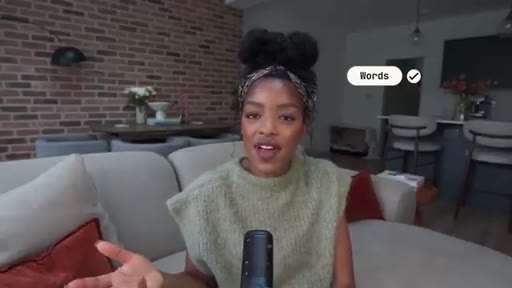
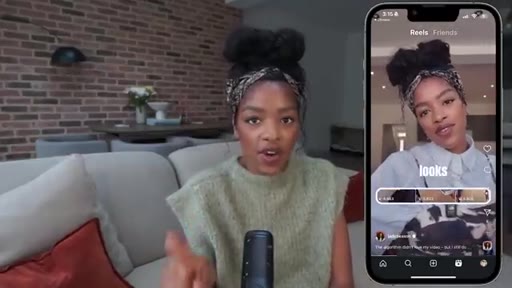
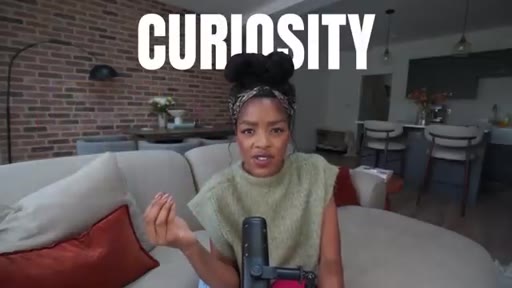
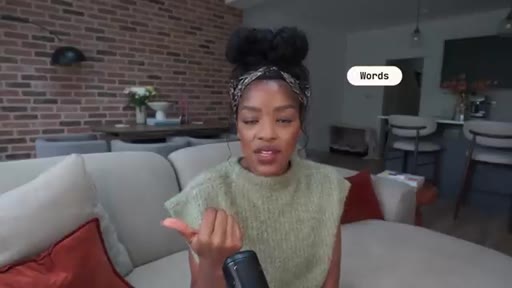
Element 1 Words (specific/surprising/tense), Element 2 Visuals (on-screen elements), Element 3 Pacing (energy, no millennial pause). Each element gets a title card and examples.
04 · Storyblocks sponsor
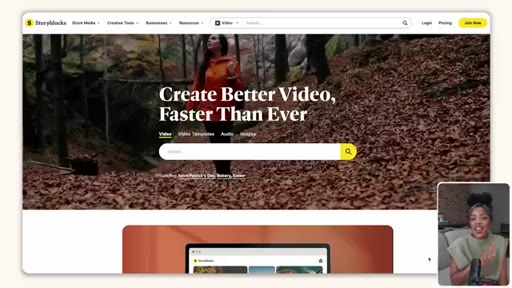
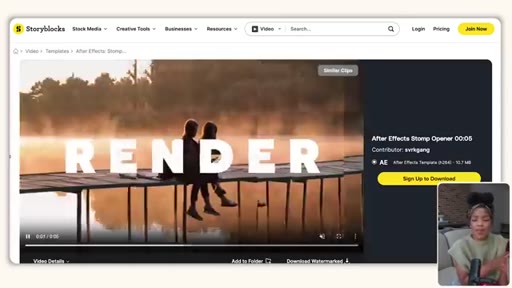
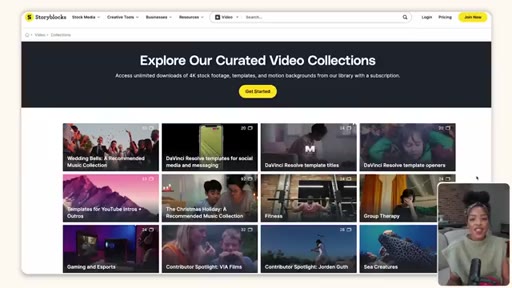
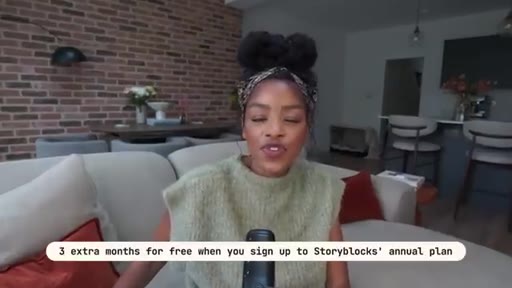
Storyblocks: unlimited stock media at one price, clear licensing, refreshed library. 3 extra months free on annual plan.
05 · Good vs bad hook case studies
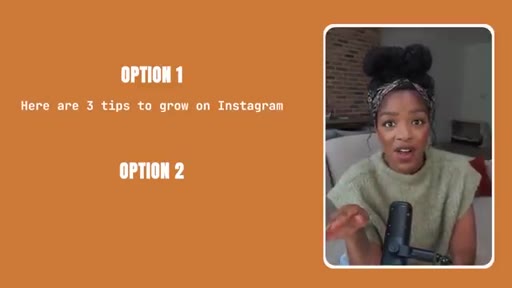
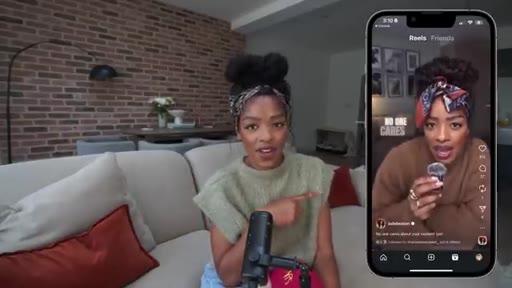
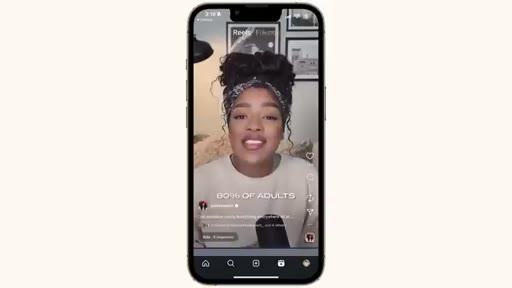
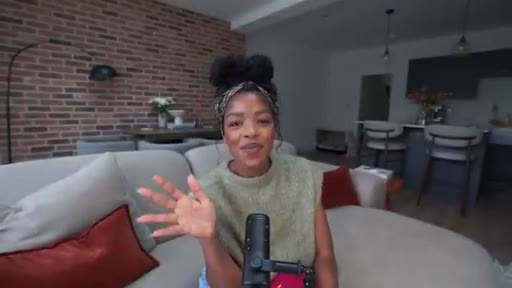
Four examples from her own content: emotional crying hook (good), Instagram tips generic (bad), something weird on Instagram (good, 11K+ likes), 80% stat repurpose (bad).
06 · Three hacks
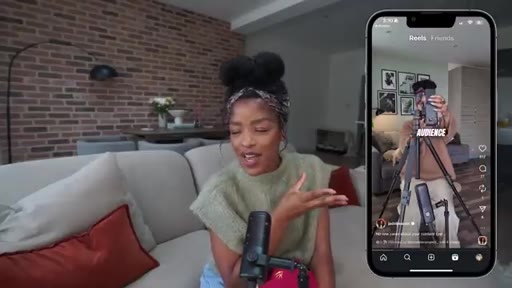
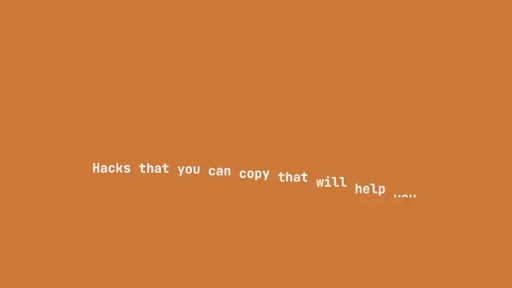
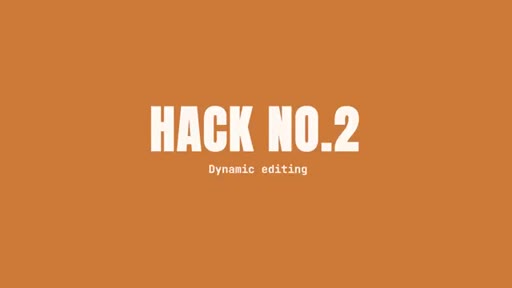
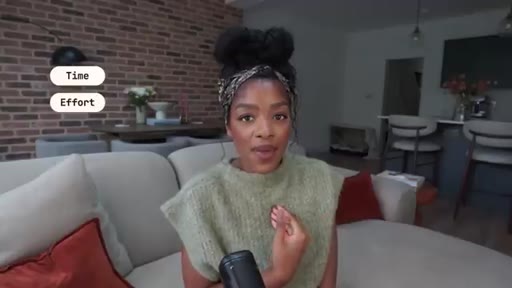
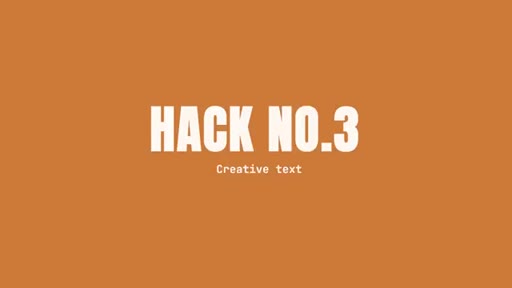
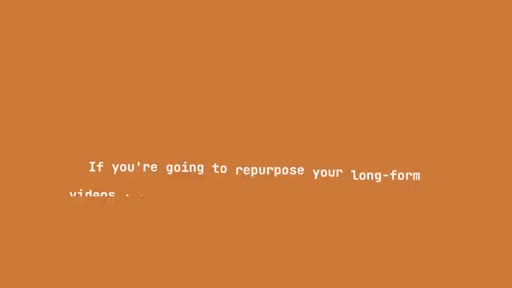
Hack 1: pause for effect. Hack 2: dynamic editing (unusual angles, b-roll + VO). Hack 3: creative text / word-by-word caption sync.
Visual structure at a glance.

Named ideas worth stealing.
The Hook Moment Framework
- Words — specific, surprising, tension-creating
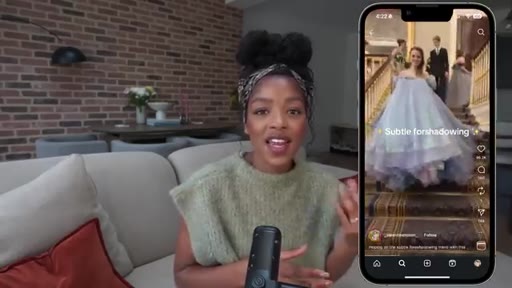
- Visuals — on-screen captions, effects, movement, foreshadowing
- Pacing — high energy, no dead air, strategic pauses only
The three elements that must all fire in the opening seconds of any video for the hook to work.
The Drama Test
Before finalizing hook copy, ask: are these words dramatic enough? Could they be more specific, more surprising, or more tension-creating? A mental filter that upgrades weak openers.
Lines you could clip.
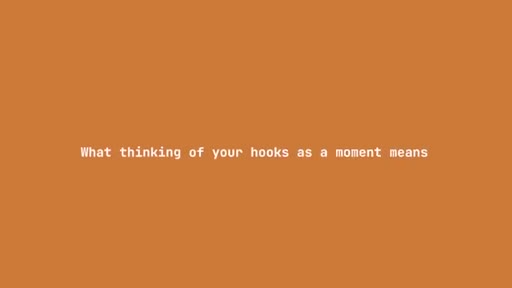
"They are no longer thinking about hooks as a catchy sentence. Instead, they're thinking about hooks like a moment."
"I cried over social media this morning. Embarrassing. I know. But I was going through my content and I was struck with this sudden thought, I'm flopping."
"Something weird is happening on Instagram right now. Trends are emerging which are helping creators blow up."
"I got ghosted, like hundreds of times."
How they asked for the click.
"If you found this video useful, I recommend watching this one. It's all about the five habits that every creator should do every single week."
Soft and natural — pitched as a genuine recommendation, not a subscribe push. Storyblocks CTA also repeated at end.
Word for word.
Three elements decide whether your hook stops the scroll.
A hook that works is not a sentence — it is a moment, and every element (words, visuals, pacing) has to pull in the same direction in the first few seconds.
- Words that work are specific, surprising, and create tension — a generic tip-list opener fails the drama test before the viewer makes a conscious choice to scroll.
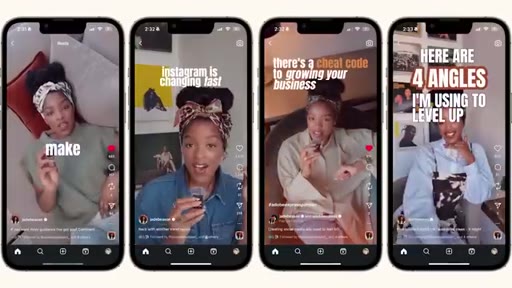
- Visuals inside the hook are now a required element: captions synced to speech, movement, effects, or a foreshadowing clip all count; missing any of these leaves the hook half-built.
- Pacing means energy from the first frame — pauses are only effective when deliberate and followed immediately by a payoff line.
- Repurposed long-form content almost always needs a separately filmed hook because the original opening was never engineered for the short-form attention window.
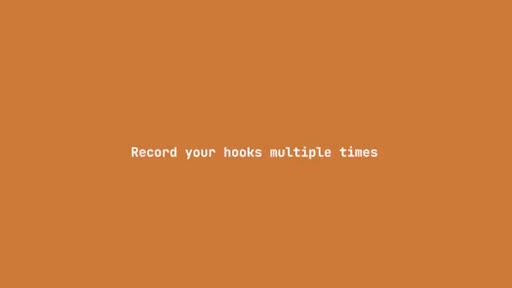
- Recording the hook three times and using the third take consistently improves delivery because the body and voice tighten with repetition.
- Word-by-word caption sync forces the viewer to read and listen simultaneously, locking attention in a way standard auto-captions do not.