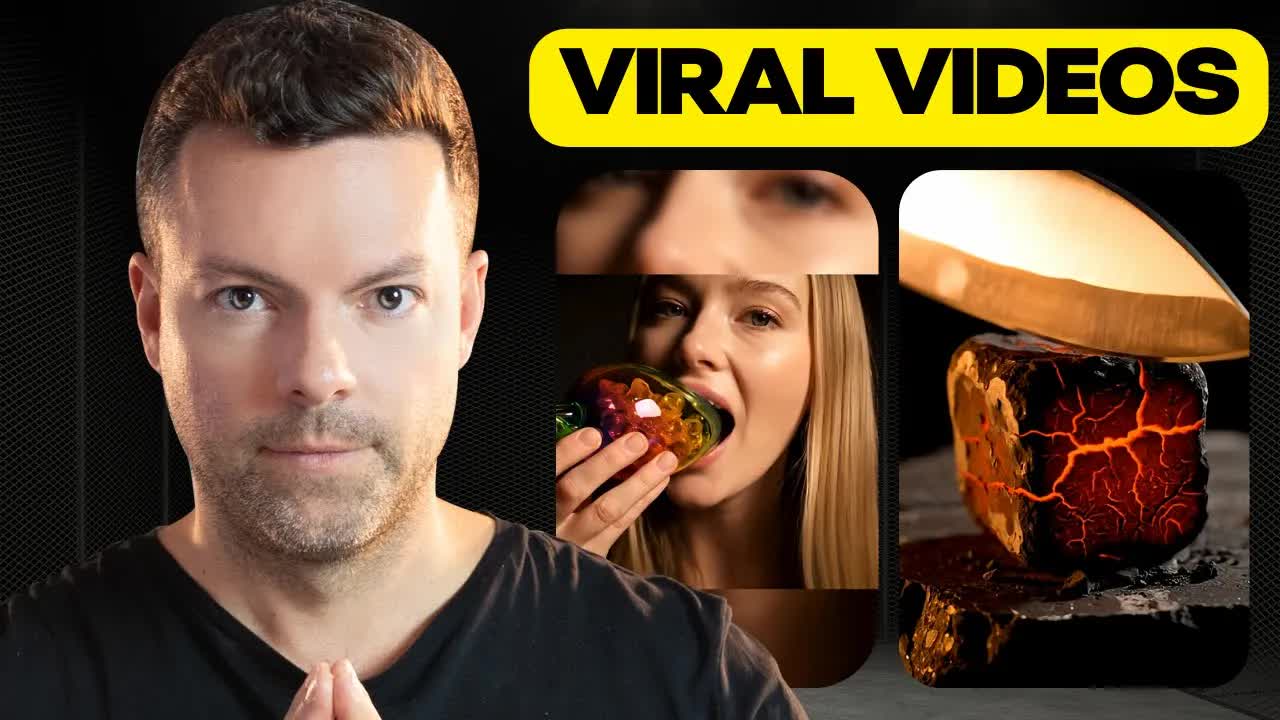
The bait, then the rug-pull.
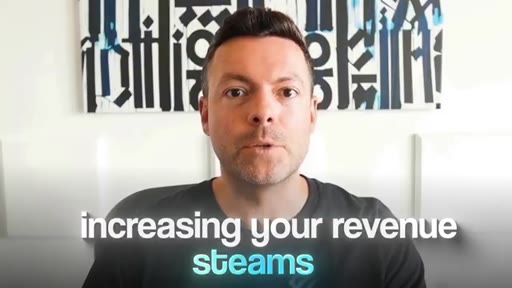
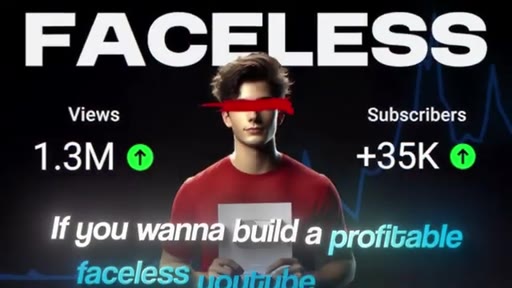
One Short. Three thousand dollars. The number sounds like a bad ad, but it is the premise that opens this tutorial -- and the host spends the next twelve minutes building the case that AI has made the math work: RPM is up, production cost is near zero, and the only variable left is whether you pick the right topic.
Where the time goes.
01 · Hook and premise
Cold open with $3,000-per-Short claim; establishes that AI makes faceless Shorts fully automatic.
02 · Shorts RPM history
RPM went from 2-4 cents to 10-20 cents per thousand views; advertisers are chasing short-video inventory.
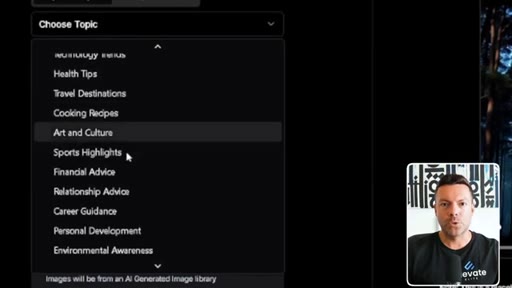
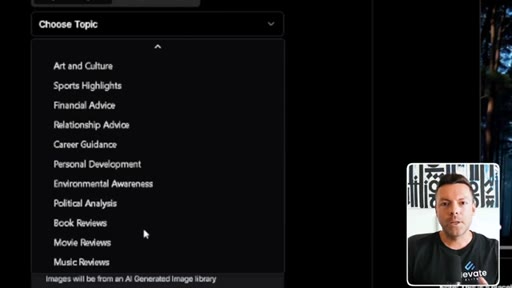
03 · Topic selection
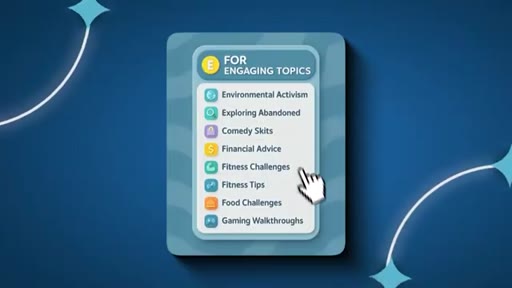
Three requirements: high demand, high engagement, no face required. Social proof mechanics. Avoid recycled content.
04 · Introducing Vid.AI
Positions Vid.AI as the production solution that handles scripting, narration, and visuals automatically.
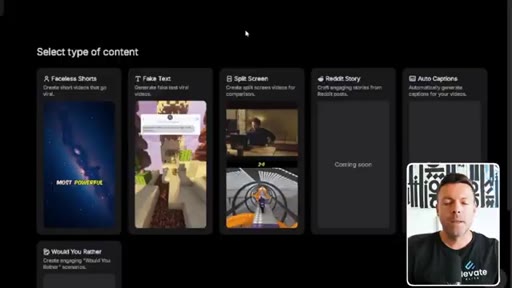
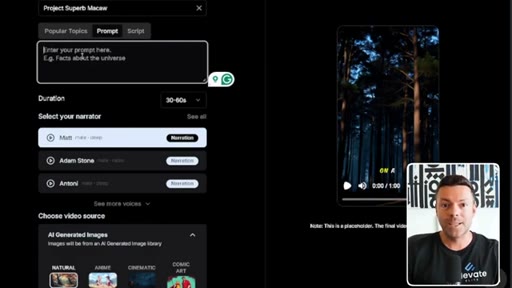
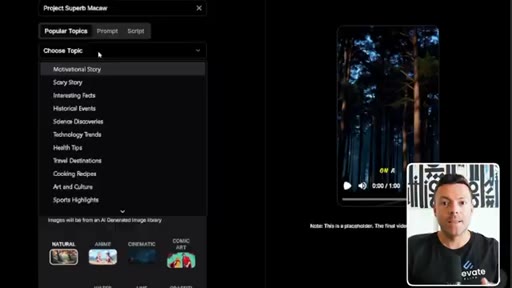
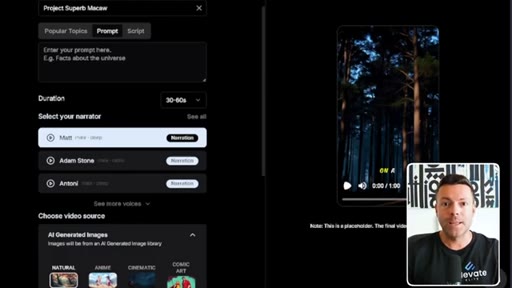
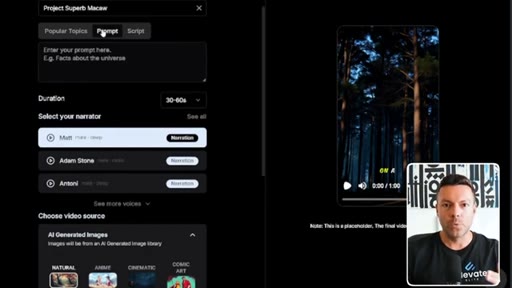
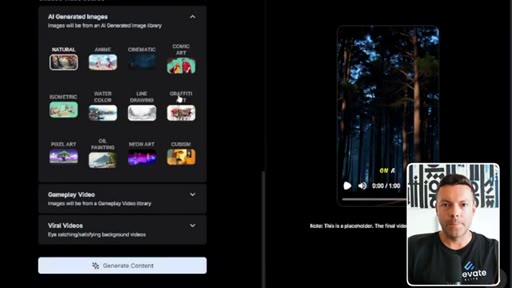
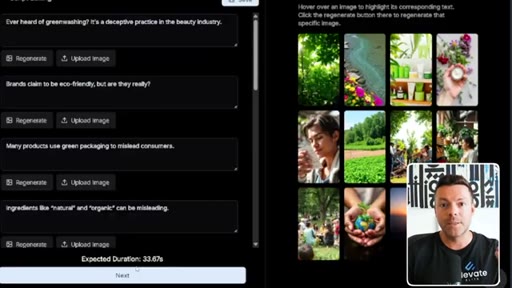
05 · Live Vid.AI demo
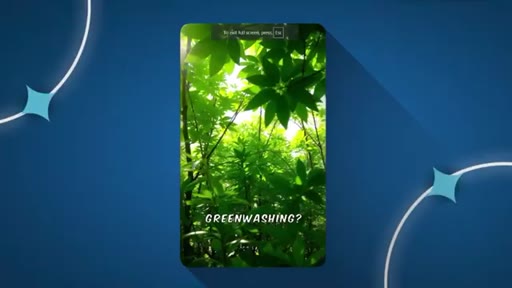
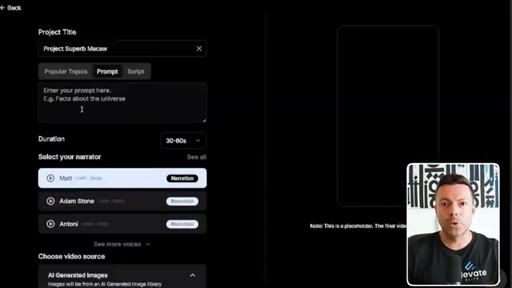
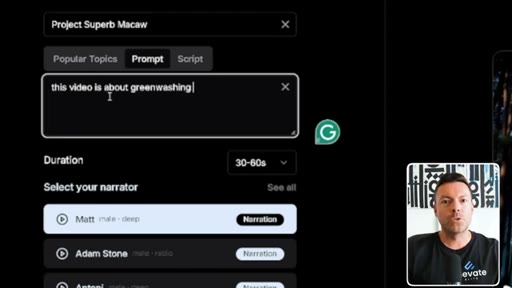
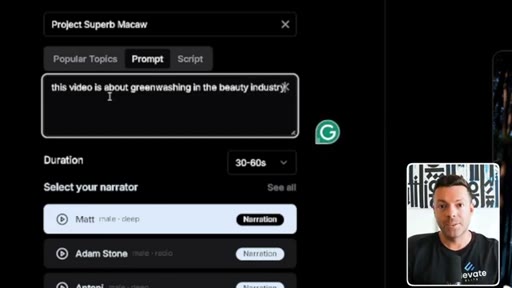
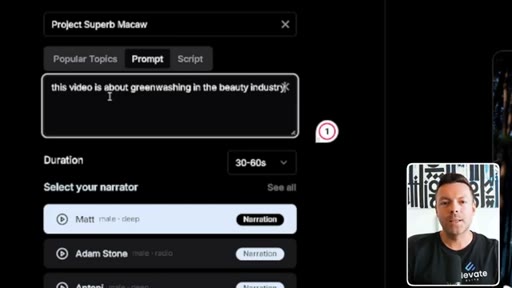
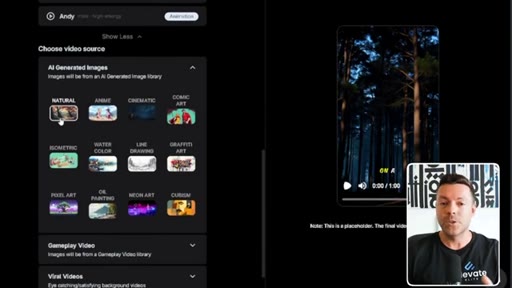
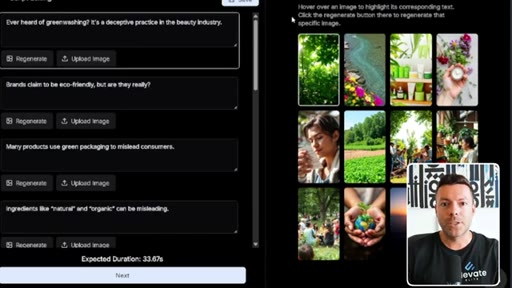
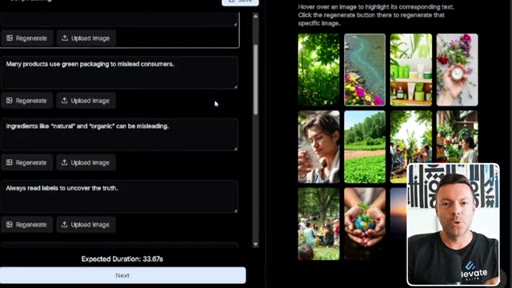
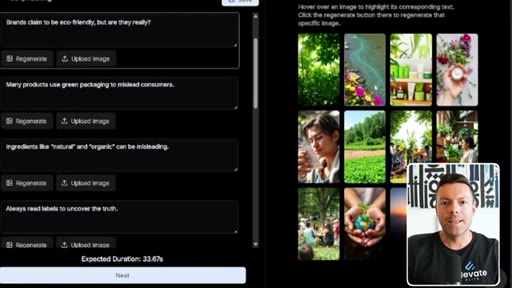
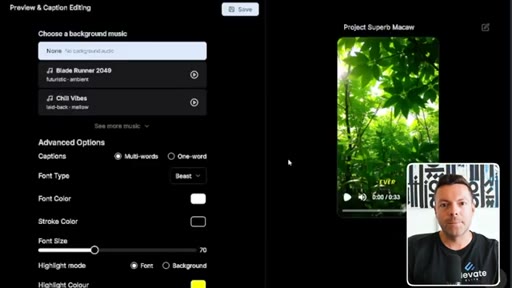
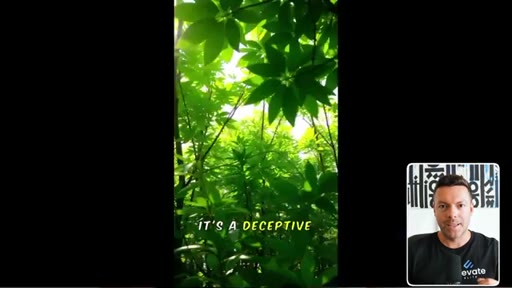
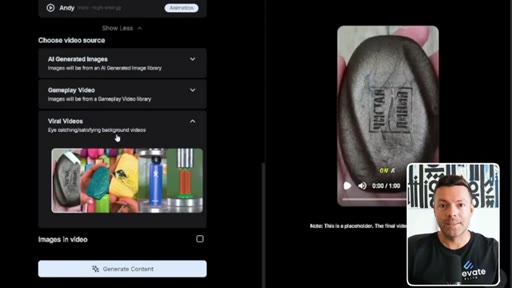
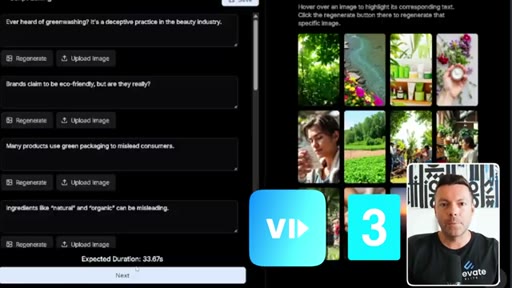
On-camera walkthrough: creates a Short about greenwashing -- topic, narrator, visual style, script generation, customization, export.
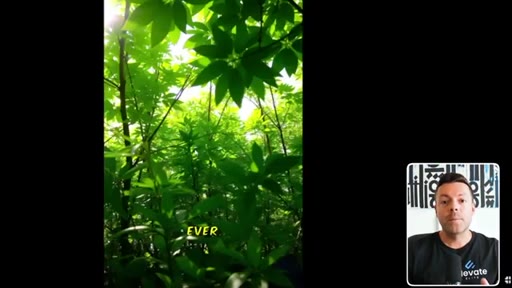
06 · Playback of finished Short
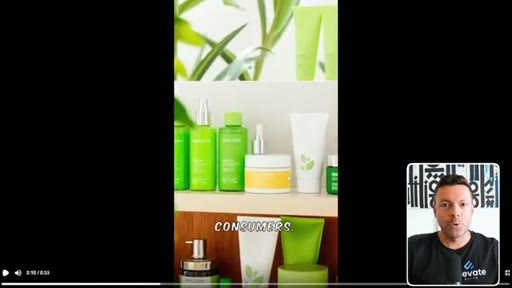
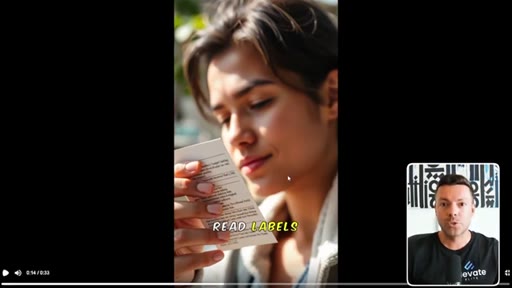
Plays back the completed AI-generated greenwashing Short; notes he accidentally completed a class assignment.
07 · Why this changes the game
No experience required, saves hours, algorithm-friendly. Introduces batch production strategy of 5 videos before launch.
08 · Analytics and optimization
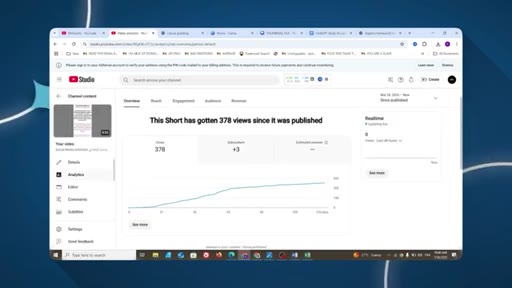
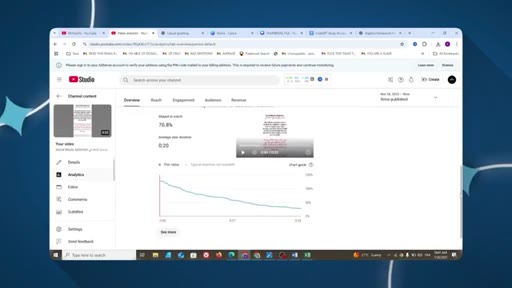
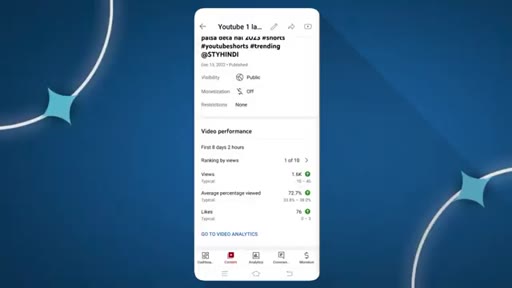
YouTube Studio: watch time, retention, engagement, subscriber growth. Hook within 3 seconds. Captions for accessibility.
09 · Growth levers
Hashtags, keywords, peak posting times (mornings/evenings), engagement prompts, 1x/day or 5x/week cadence.

10 · Scaling to multiple channels
Running a second channel on a different topic as a low-cost niche split-test; automation frees time to manage multiple brands.
11 · Recap and CTA
Six-step system recap; CTA pointing to another video.
Visual structure at a glance.
Named ideas worth stealing.
3-requirement topic filter
- High demand
- High engagement
- No face required
A three-criteria filter for evaluating whether a YouTube Shorts niche is worth building around for a faceless channel.
6-step faceless Shorts system
- Choose a profitable topic (passion + demand)
- Generate engaging video ideas (AI or research)
- Use Vid.AI to create the Short
- Edit for maximum engagement (hook, music, intro)
- Optimize title, tags, description; post at peak times
- Track analytics; scale to additional channels
End-to-end workflow from niche selection to multi-channel scaling.
Lines you could clip.
"Stop wasting months grinding on YouTube for pocket change. What if one YouTube Short could earn a creator over $3,000?"
"Number one, you don't have to have any experience to create a high quality and engaging short. Two, it saves hours. Three, it is ready for making money."
"Unconsciously, I just did my assignment while filming a video."
Things they pointed at.
How they asked for the click.
"Now if you wanna become a millionaire in 2025, watch this video right here."
Single soft CTA at end pointing to another video; no product pitch, no subscribe beg, no newsletter.
Word for word.
Five decisions that determine whether a faceless Shorts channel earns anything.
The production bottleneck is gone -- AI handles scripting, narration, and visuals in minutes -- so what actually determines results is the five choices the tool cannot make for you.
- Pick a topic with existing search demand, not one you personally find interesting -- the algorithm surfaces what people already seek, not what you want to say.
- YouTube Shorts RPM has risen from 2-4 cents to 10-20 cents per thousand views and continues climbing as advertisers chase short-video inventory; the economics are now viable for a daily-posting operation.
- The 3-second hook is the only real editorial decision left: if the opening line does not create immediate curiosity or tension, viewers scroll before the content has a chance.
- Captions are a non-negotiable accessibility feature for Shorts -- a large share of viewers watch without audio in public and an uncaptioned video loses them immediately.
- Analytics are the actual product of your first 30 days: watch-time and subscriber-growth data tells you which topics to scale and which to drop, so treat early videos as research, not assets.
- Batch-producing a week of videos before going live removes the daily pressure that causes most faceless channels to go inconsistent and stall.
- Running a second channel on a different topic simultaneously is a low-overhead way to run a niche split test -- the winner gets your full attention, the loser gets quietly shelved.