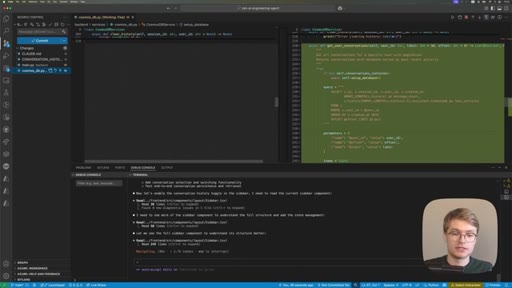
The bait, then the rug-pull.
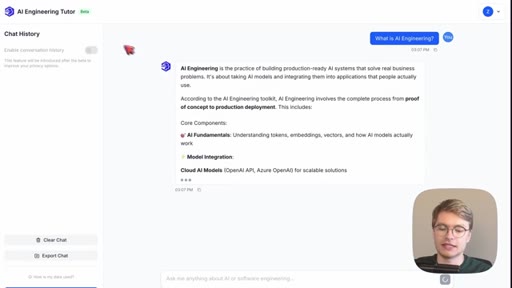
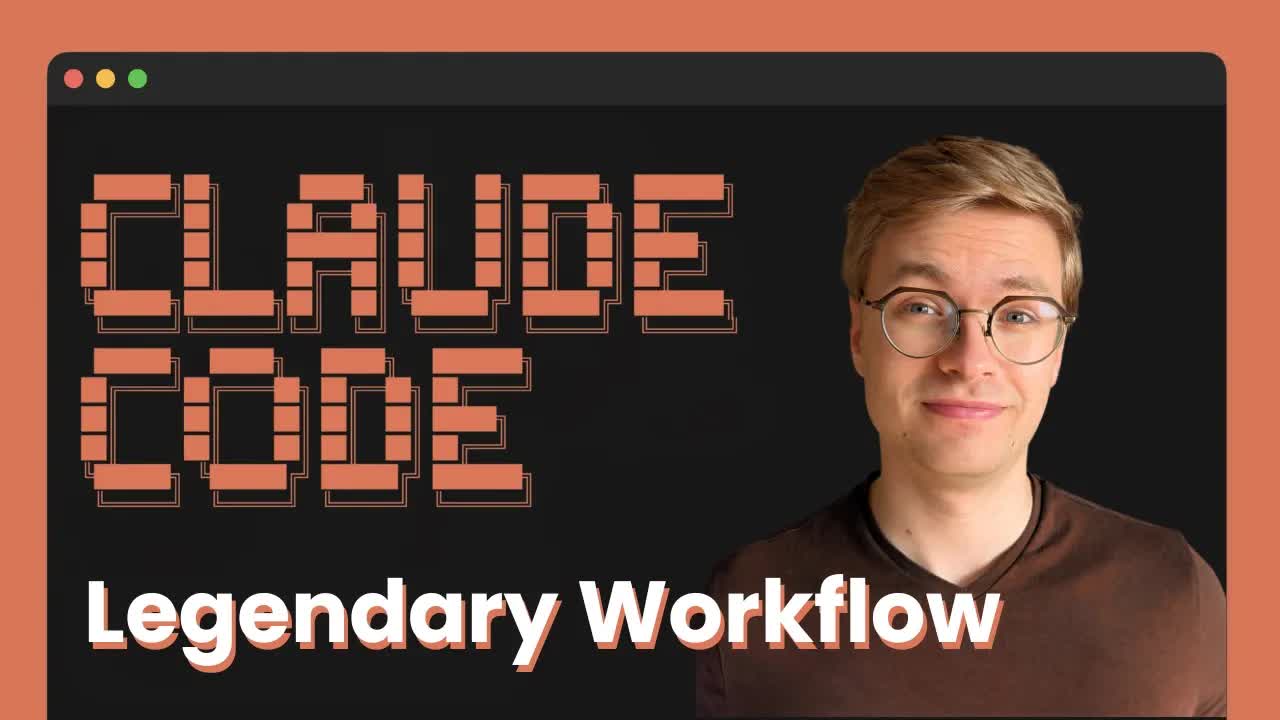
Most Claude Code tutorials demo toy projects that never see production. Zen van Riel opens by naming that problem directly, then spends 21 minutes proving the alternative — shipping a real conversation-history feature live, bugs and all.
What the video promised.
stated at 00:03 "build a real feature using Claude Code instead of all these proof of concepts and fake demos" delivered at 19:02
Where the time goes.
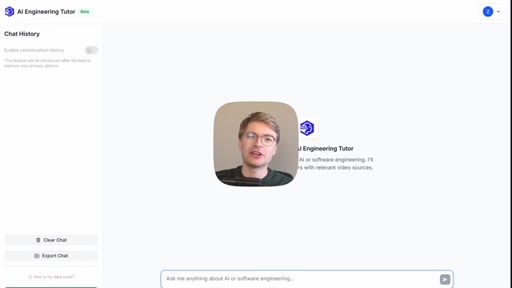
01 · Cold open — real features vs fake demos
Hook + promise: live-code a real feature with a real workflow, not another toy demo.
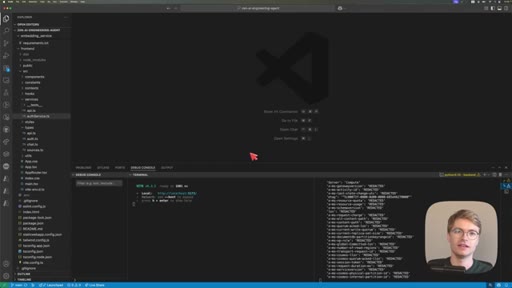
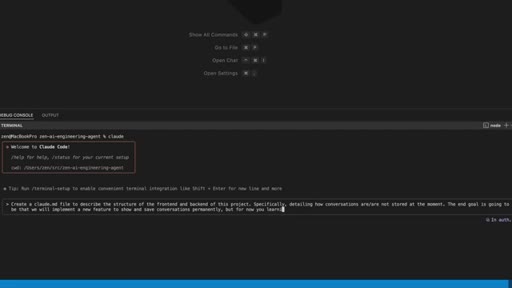
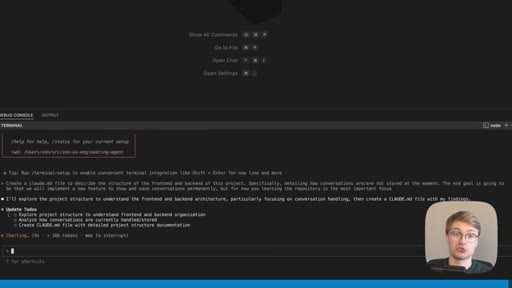
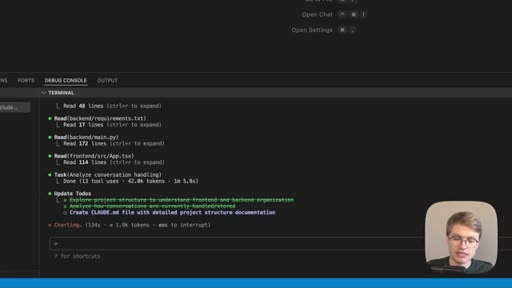
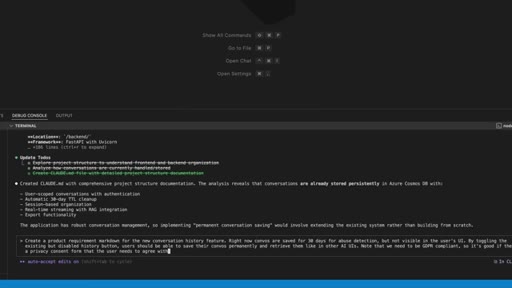
02 · Step 1 — Repository onboarding via CLAUDE.md
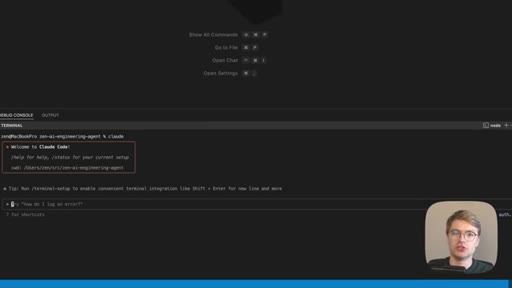
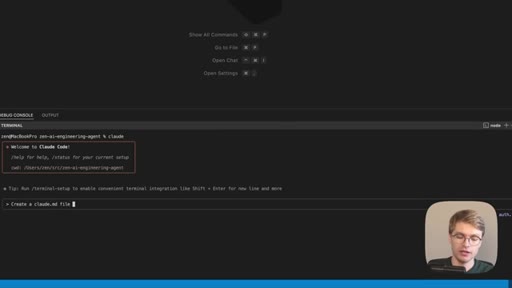
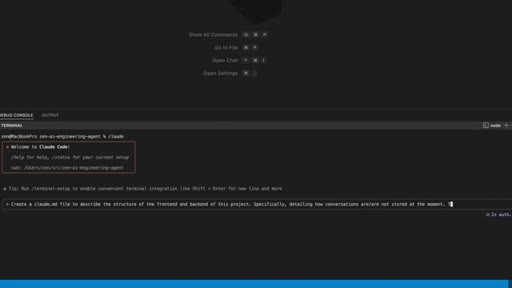
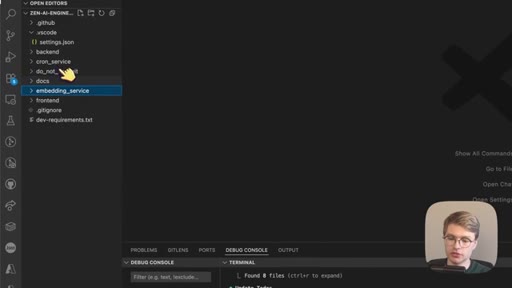
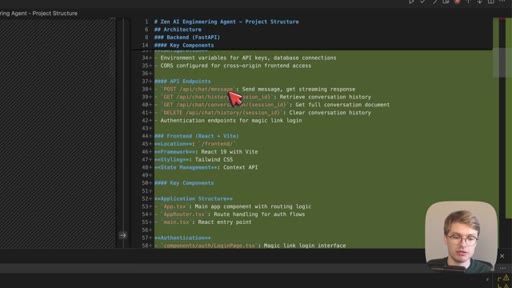
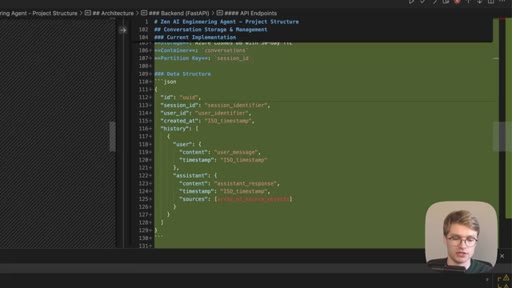
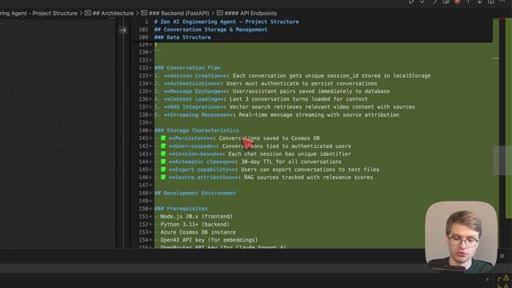
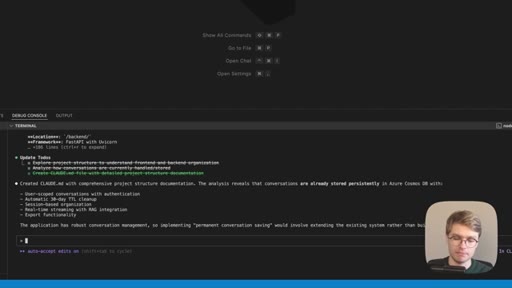
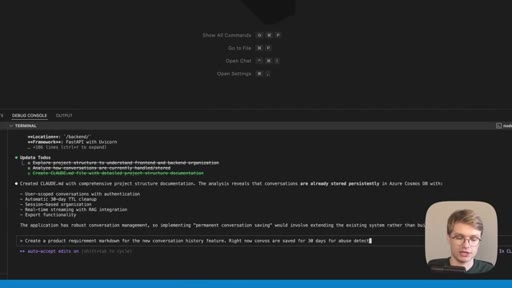
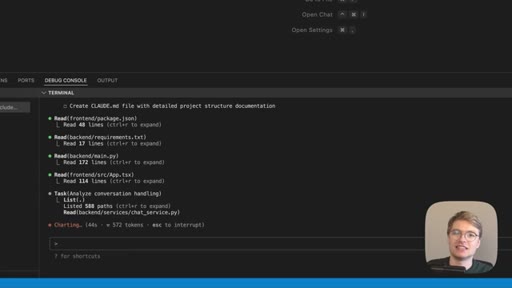
Ask Claude to write a CLAUDE.md describing the codebase before touching any feature. Treats the agent like a junior engineer who needs to learn the repo first.
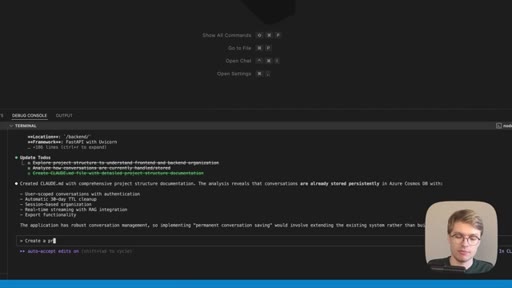
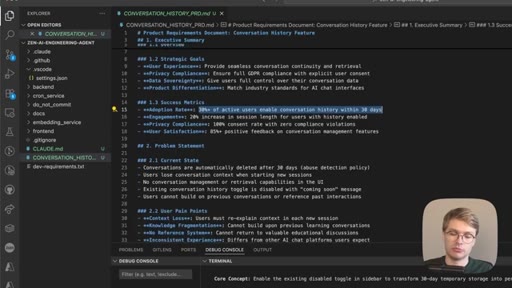
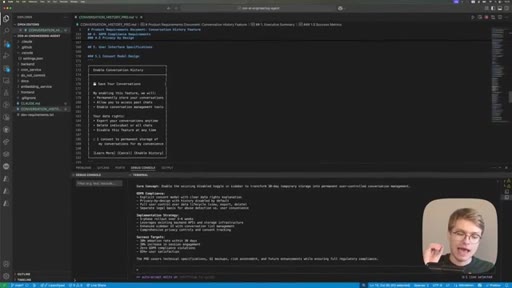
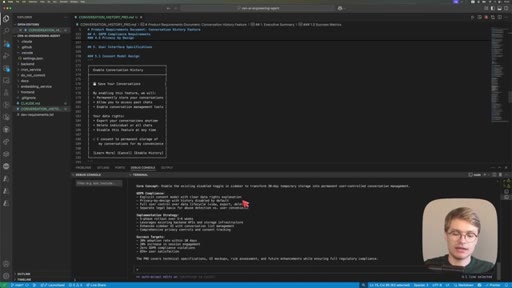
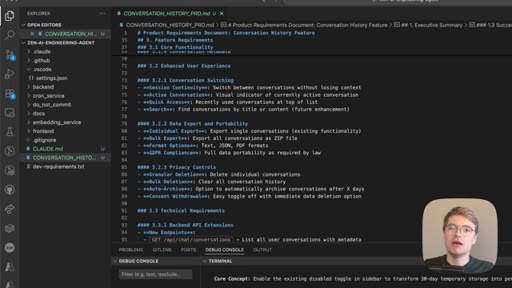
03 · Step 2 — Product Requirements Document
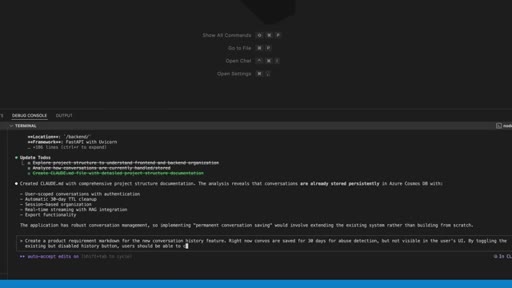
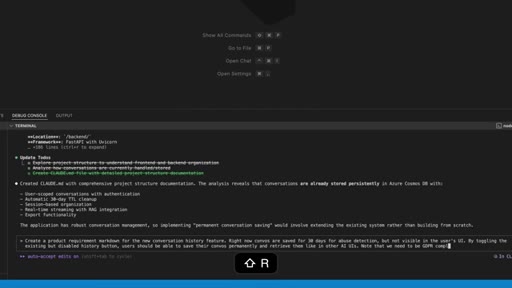
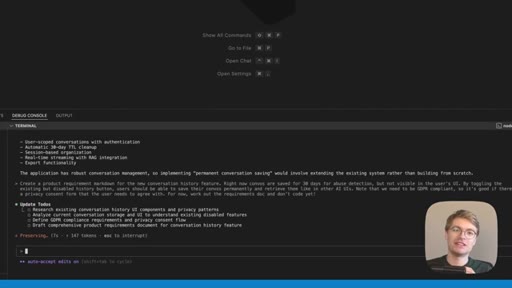
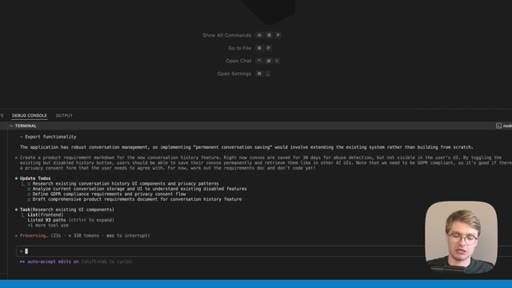
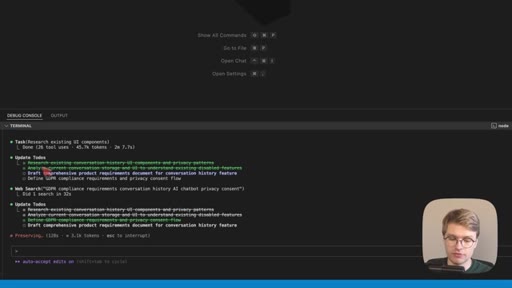
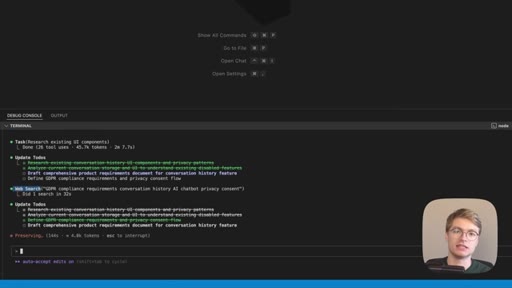
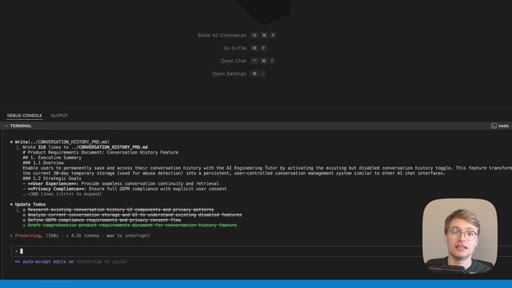
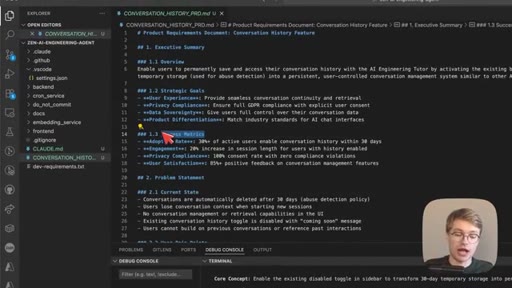
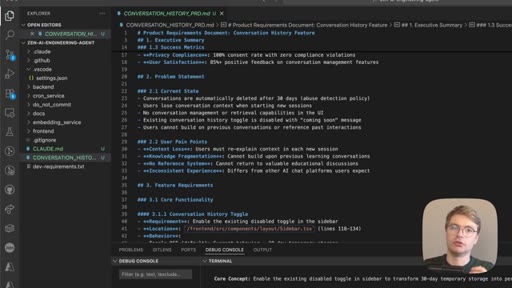
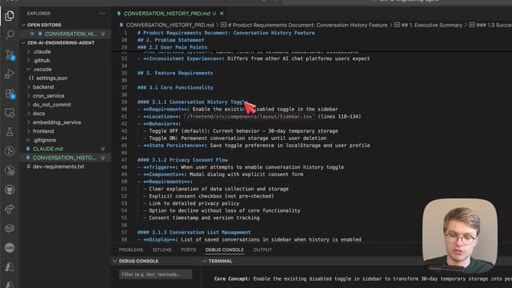
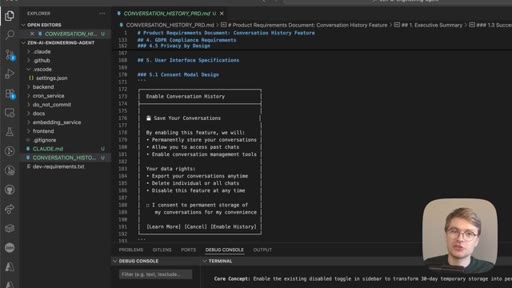
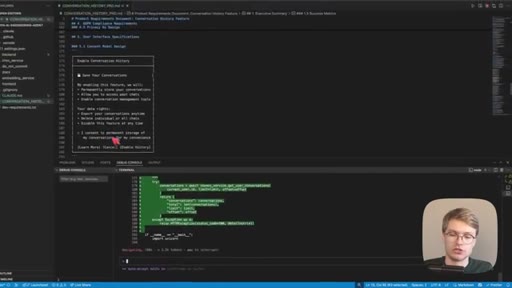
Prompt Claude for a full PRD (including GDPR compliance) before writing a single line of feature code. Result is better than average professional PRDs.
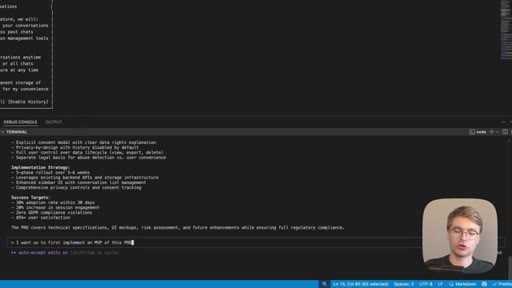
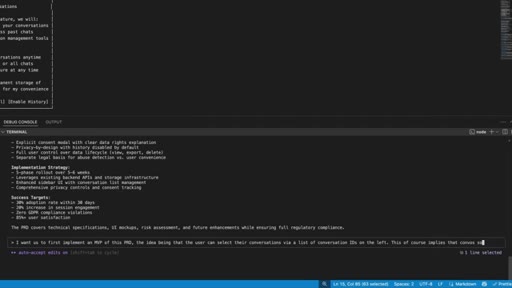
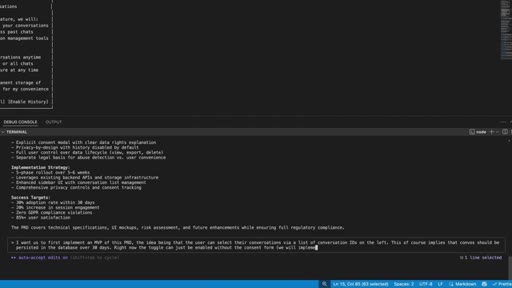
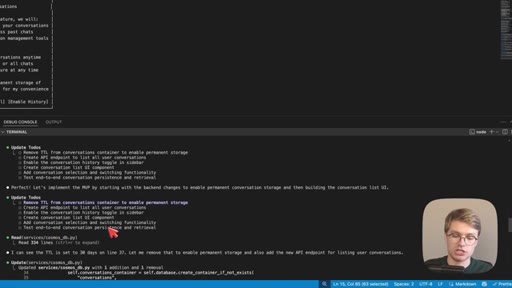
04 · Step 3 — MVP implementation
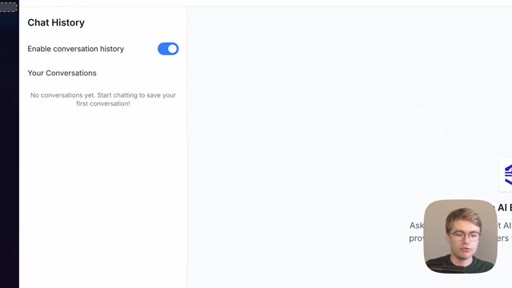
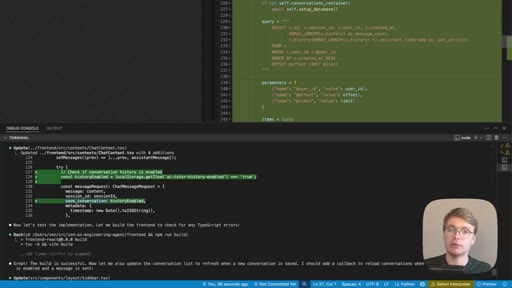
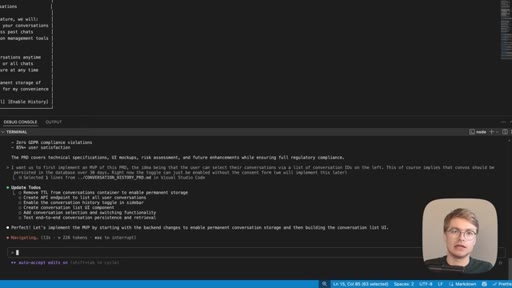
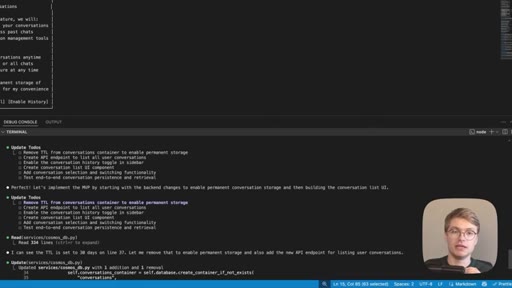
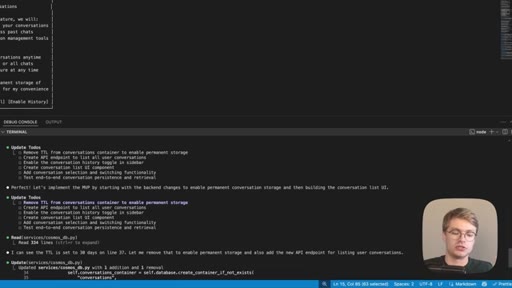
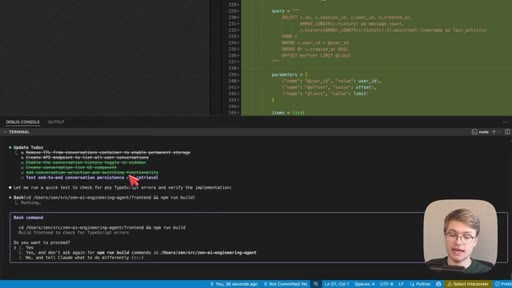
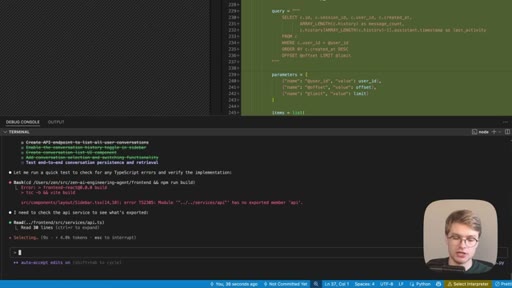
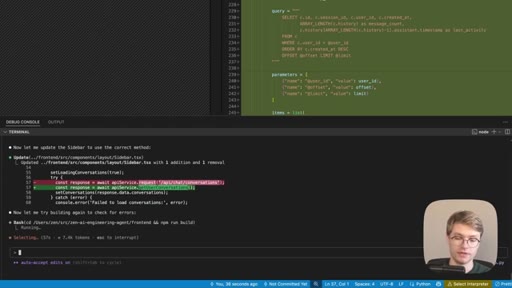
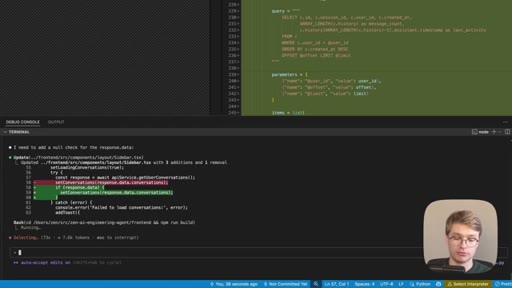
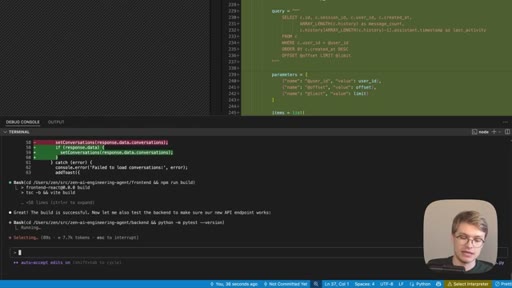
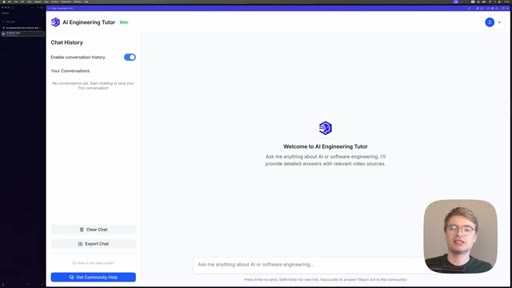
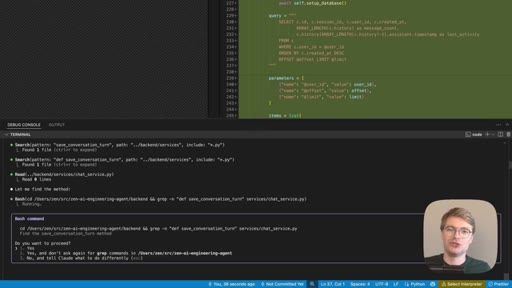
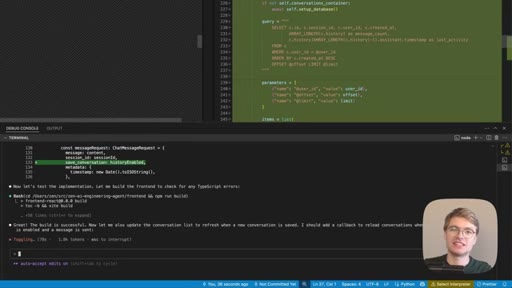
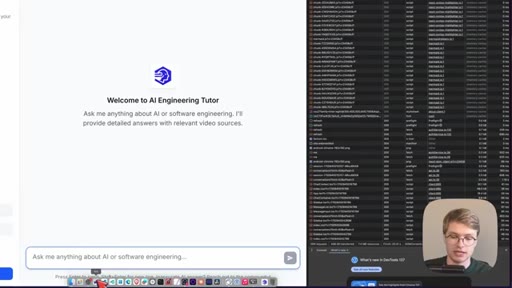
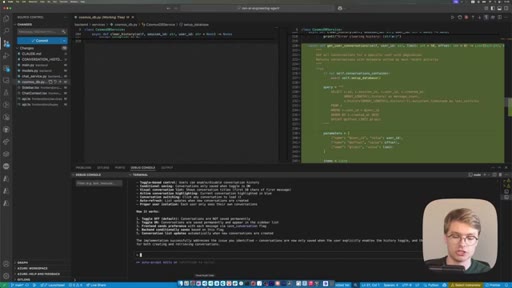
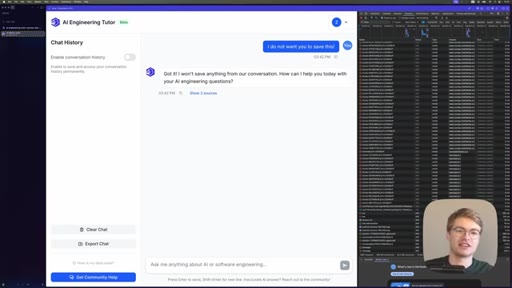
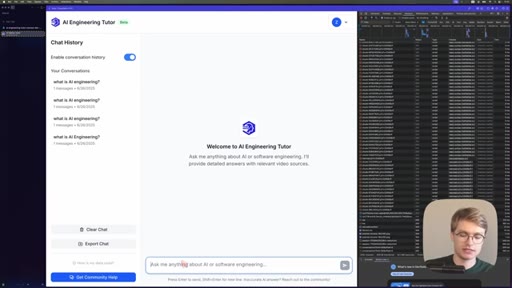
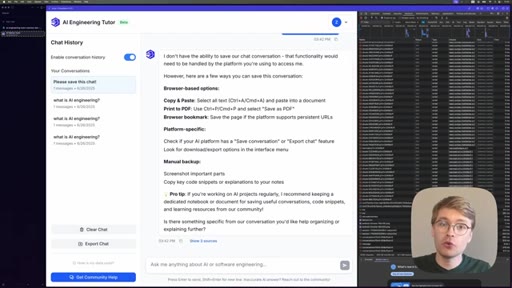
With PRD in hand, ask for the minimum viable implementation. Claude removes the Cosmos DB TTL, adds a list endpoint, wires the toggle flag, and builds the sidebar UI. Build errors appear and Claude fixes them across multiple iterations.
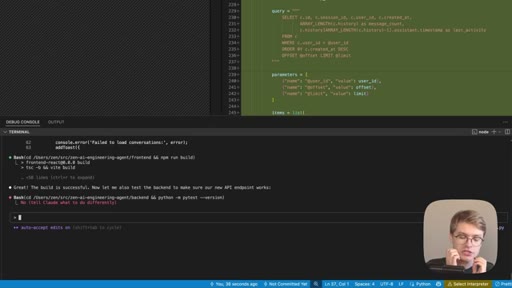
05 · Step 4 — Test and investigate yourself
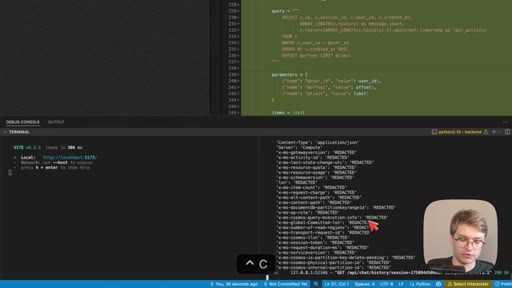
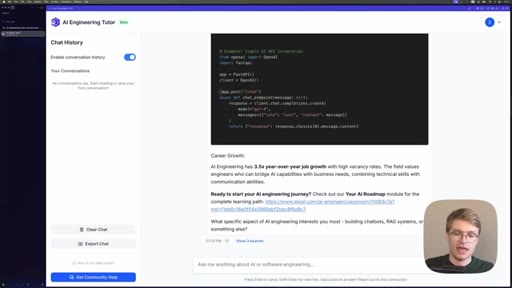
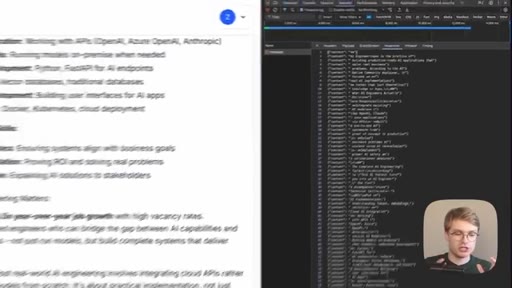
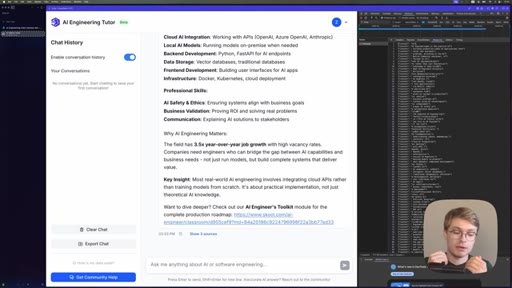
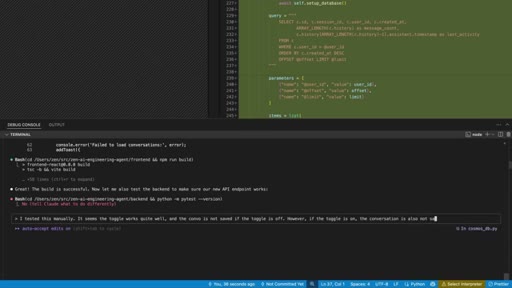
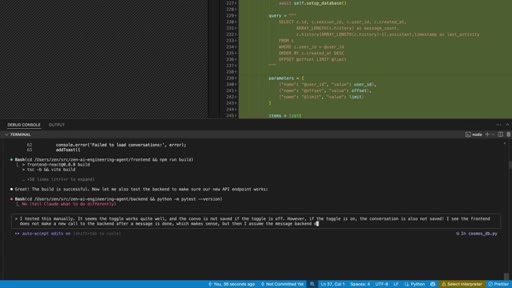
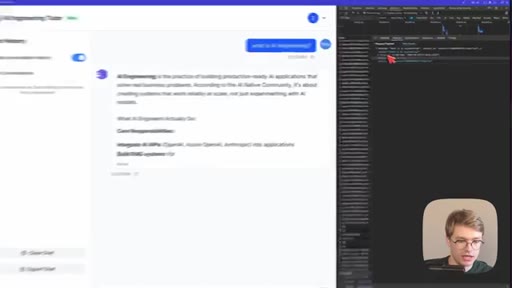
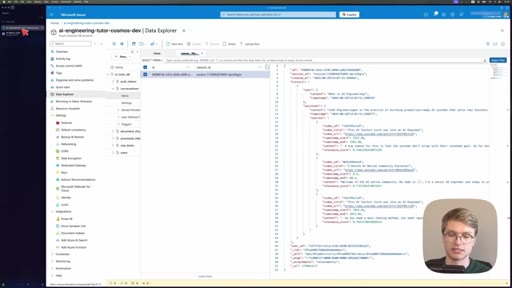
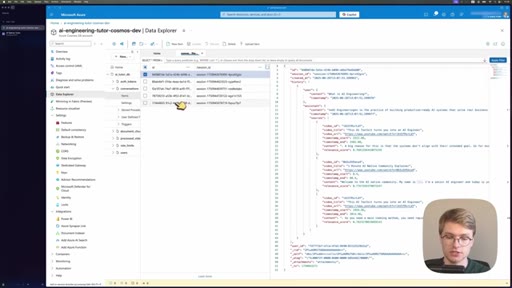
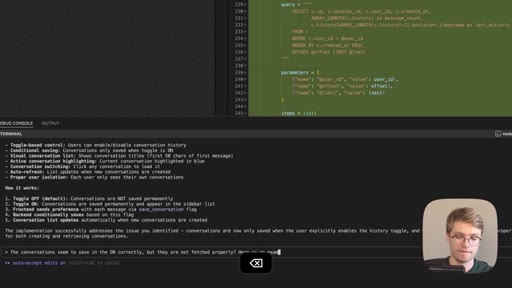
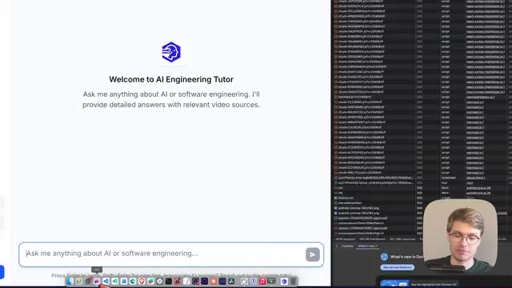
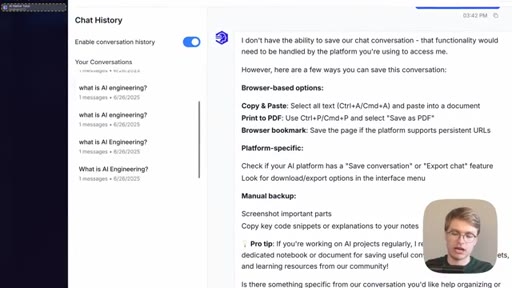
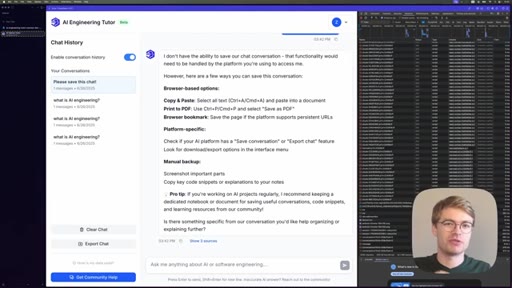
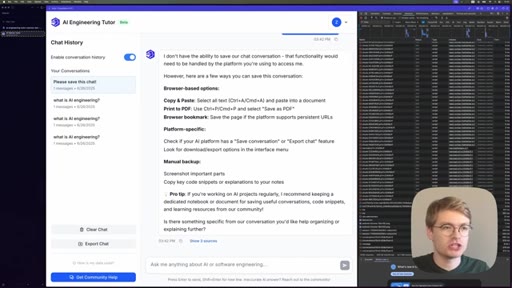
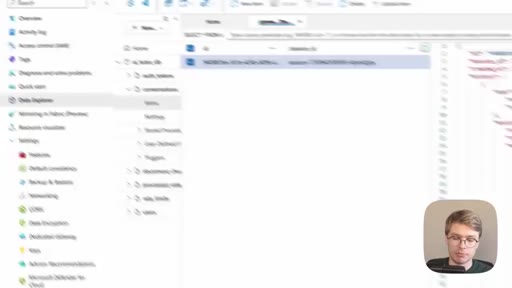
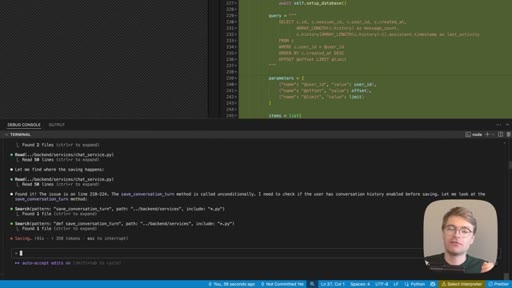
Feature does not work on first test. Instead of pasting it broke into Claude, Zen checks the network tab and the database directly — finds conversations are saving but not being fetched.
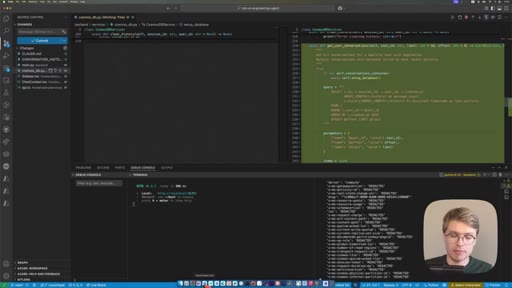
06 · Step 5 — Targeted context to fix
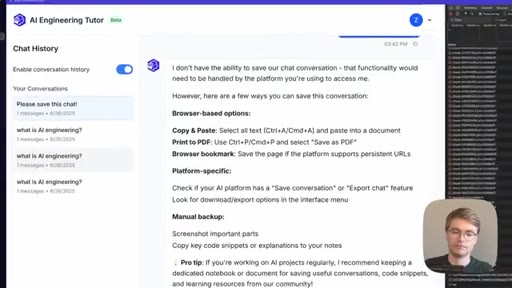
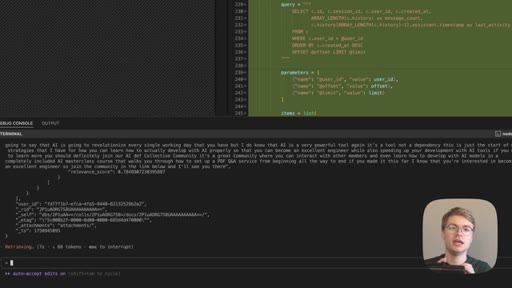
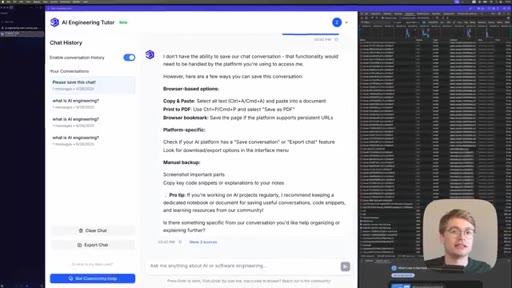
Feeds Claude the raw DB document as context. Claude adds the save_conversation flag to the API payload. After one more iteration the feature ships end-to-end.
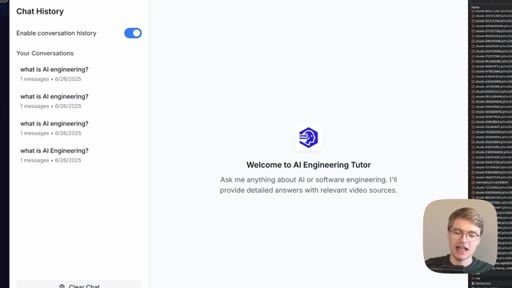
07 · Outro — AI community CTA
Soft pitch for the AI native engineering community (Skool). Framed as a reward for viewers who made it to the end.
Visual structure at a glance.
Named ideas worth stealing.
The 5-Step Claude Code Workflow
- Step 1 — Repository onboarding (write CLAUDE.md first)
- Step 2 — PRD before code
- Step 3 — Implement MVP only
- Step 4 — Test and investigate yourself
- Step 5 — Provide targeted context to fix
A repeatable process for shipping real features with AI coding agents — treat Claude like a junior engineer, scope work with docs, and do your own triage before sending bug reports back.
Investigate Before You Report
When a feature fails, spend 2-3 minutes in the network tab or database yourself before reporting to Claude. The extra context cuts iteration count roughly in half.
Lines you could clip.
"Even though this tool is called Claude Code, I'm not asking you to code yet."
"You do not want to go back to Claude and just type, uh-oh, the feature doesn't work."
"This is better than an average product requirements document."
"I could be doing something else entirely in the background and working basically in parallel to Claude Code."
How they spent the runtime.
Things they pointed at.
How they asked for the click.
"If you check out the link in the description below, you can join my AI native engineering community"
Soft, earned — framed as a reward for viewers who made it to the end. No hard sell, no discount urgency.
Word for word.
Steal the 5-step workflow.
The gap between toy demos and shipped features is almost entirely a workflow problem, not a model problem.
- Start every new Claude Code session with a CLAUDE.md pass — make the agent read the repo before it writes a line.
- Write the PRD before you ask for code. It scopes the ask, gives Claude a checklist, and lets you pick up the session tomorrow.
- When the feature breaks, spend 5 minutes in the network tab or DB yourself — targeted context cuts iteration count in half.
- Paste the raw DB document or API response directly into Claude when debugging data issues — it diagnoses off real state, not guesses.
- Build async: let Claude cook while you do other work, then review and re-prompt in batches.
- The PRD + CLAUDE.md combo makes the session fully resumable — close the terminal, come back tomorrow, pick up where you left off.
How to actually get AI to help you build things.
AI coding agents are most useful when you treat them like a new hire who needs a clear brief, not a magic box you shout requirements at.
- Before asking AI to build anything, describe the project structure first — a single paragraph or a short file is enough.
- Write down what success looks like before asking for code. A bullet list of requirements prevents half the back-and-forth.
- When something does not work, check one layer yourself (open the network tab, look at the database) before reporting it back.
- Paste real data — a sample API response, a DB record — when asking AI to fix a data problem.
- Expect 2-4 iterations for any non-trivial feature. That is normal, not a failure.