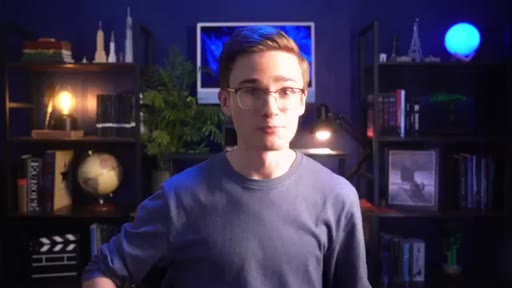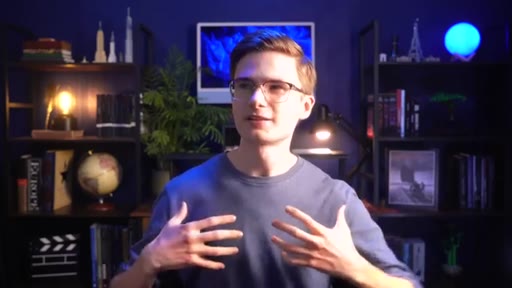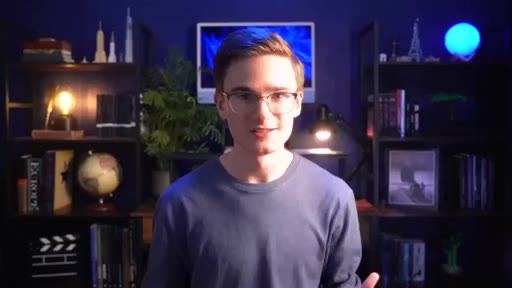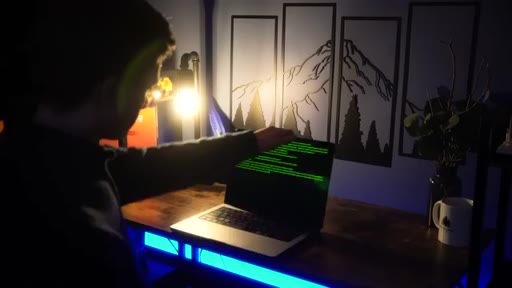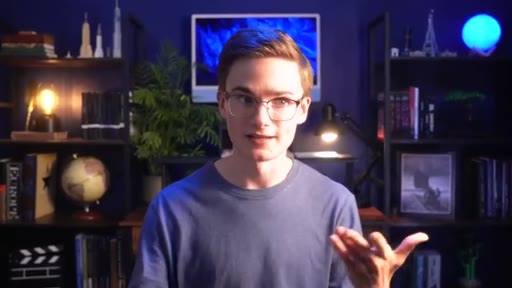
Grayson Taylor · Youtube · 09:48

Why you should write a book (even if no one reads it)

A 9-minute essay arguing that finishing a book transforms the writer regardless of whether anyone reads it.

Posted
May 19th 2025
1 year ago
Duration
09:48
Format
Essay
sincere
Channel
GT
Grayson Taylor
§ 01 · The Hook

The bait, then the rug-pull.

Most arguments for writing a book are about audience, income, or legacy. This one ignores all three. The stat that opens the video -- 81% want to, fewer than 0.1% ever do -- is not a gatekeeping reminder. It is an invitation: the gap between wanting to write and actually writing is not talent or credentials. It is the willingness to start.

§ · Chapters

Where the time goes.

00:00 – 01:55

01 · You can write a book (yes, you)

Opens with the 81%/0.1% statistic. Establishes that writing requires only passion and time, using the creator's own origin story of writing a first novel at age seven with no MFA, no software, not even his own computer.
01:55 – 02:47

02 · How writing a book changed my life

Catalogs downstream outcomes of that first book: a publishing company, awards, online writer community, nine novels. Pivots to the broader argument: career ambition is not a prerequisite for transformation.
02:47 – 04:28

03 · I. Self-discovery

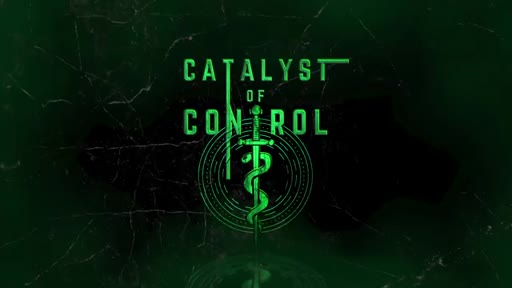
The writer's journey mirrors the protagonist's journey structurally. Fiction is autobiographical in feeling. His ninth novel Catalyst of Control was written to externalize a personal philosophical debate about self-control vs. control as a vice.
04:28 – 05:11

04 · II. Self-confidence

Writing a book is compared to running a marathon. Finishing something hard is proof of capability, especially for people who have internalized the belief that they cannot accomplish big things.
05:11 – 05:45

05 · III. A change of pace

A sustained writing project is a deliberate antidote to short-form content and overstimulation. Writing forces the writer to slow down and listen to themselves.
05:45 – 07:01

06 · IV. Writing skills

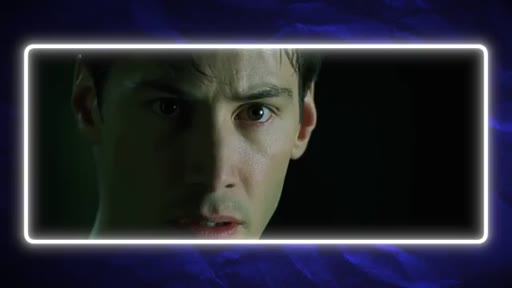
Improving as a writer improves articulation in every field. Beyond prose, learning storytelling from the inside builds media literacy. It is a little like Neo seeing the Matrix.
07:01 – 07:39

07 · V. It starts conversations

Authorship is a social artifact. People who have never read your book will remember that you wrote one. In a world where fewer than 0.1% finish a book, having done so is a memorable identity.
07:39 – 09:47

08 · VI. It can inspire others

Pursuing a creative ambition publicly gives others implicit permission to pursue theirs. Closes with a direct challenge to anyone still watching: if you have the dream, try writing the book.

§ · Storyboard

Visual structure at a glance.

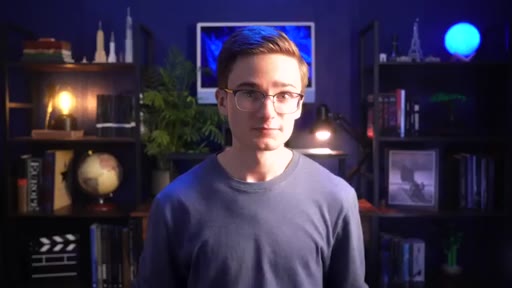
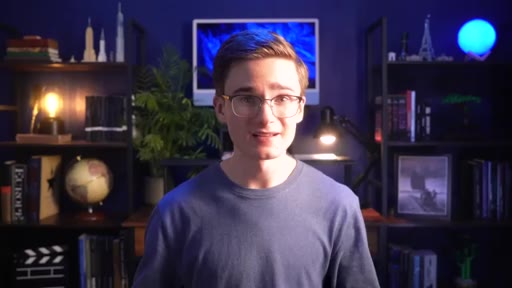
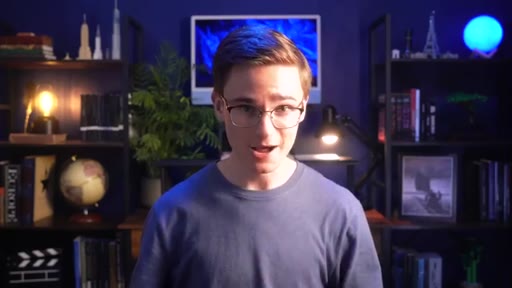
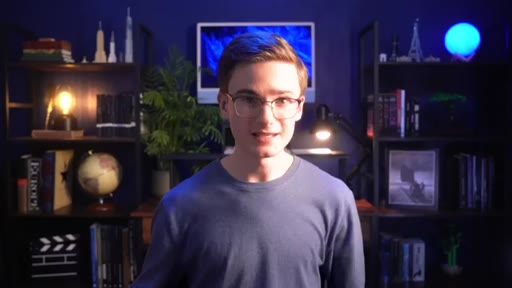
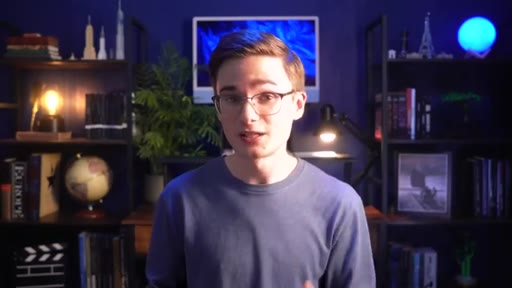
open -- statistic hook
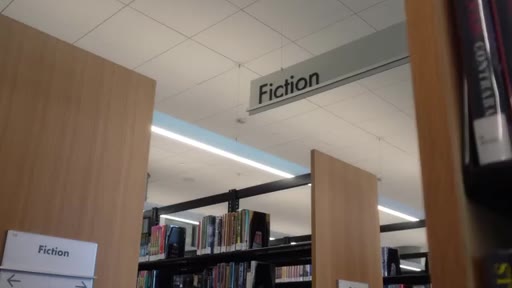
library b-roll -- fiction section
life changed -- career pivot
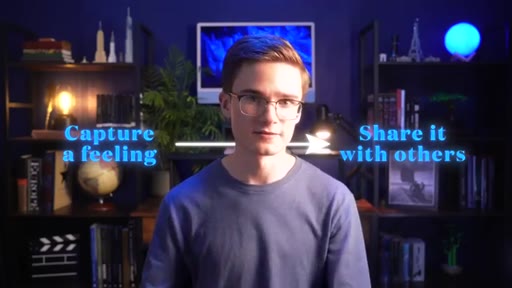
art definition -- capture a feeling
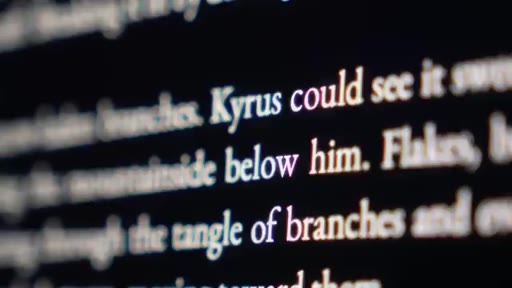
Catalyst of Control title card
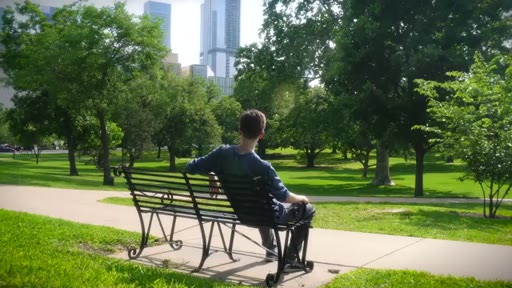
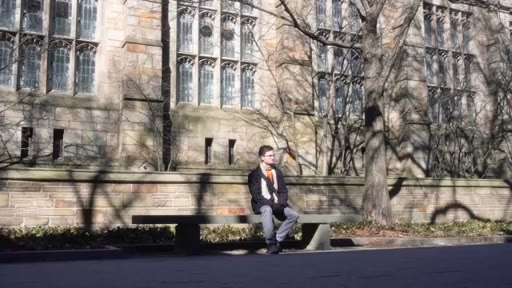
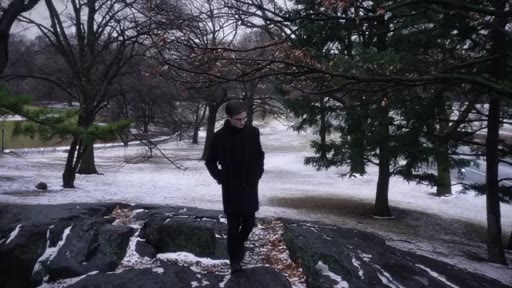
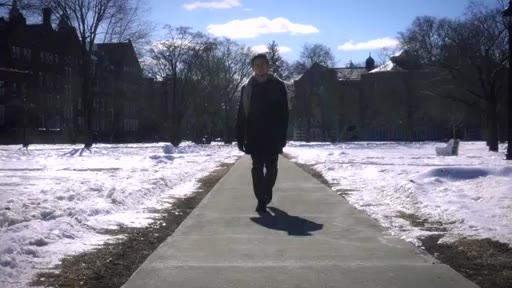
Central Park b-roll -- solitude
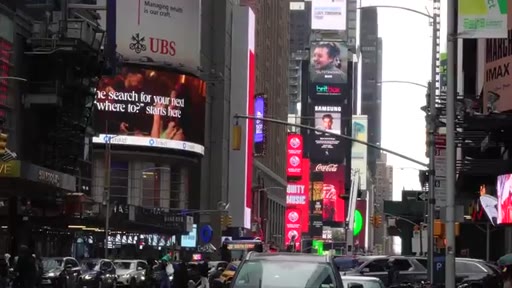
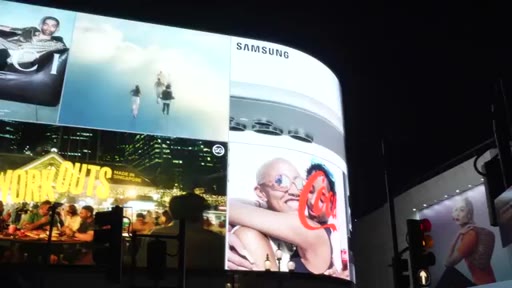
Times Square -- overstimulation contrast
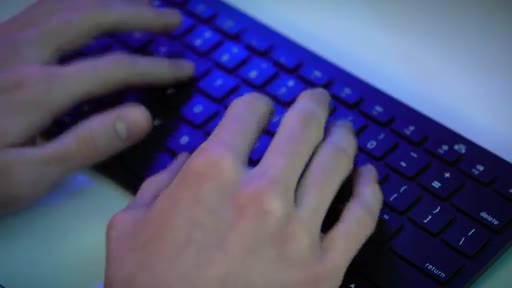
typing hands close-up
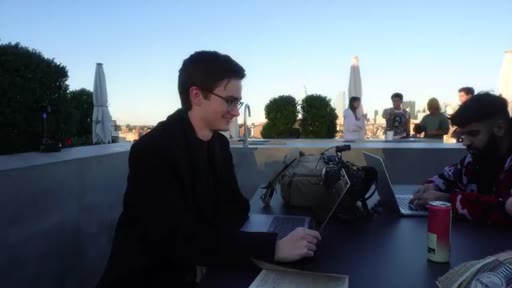
rooftop writing session
sunset train track -- aspirational close
final CTA -- comments and share
§ · Quotables

Lines you could clip.

00:41
"In fact, I'm glad no one read my first book."
counter-intuitive opener, no setup needed → TikTok hook
03:06
"You can learn lessons and grow as a person by reading a book, but that change pales in comparison to what you can experience by writing a book."
clean A/B contrast statement, quotable as-is → IG reel cold open
05:00
"Doing hard things is how you build self-confidence."
single sentence, universal application, no context required → newsletter pull-quote
08:07
"A finished book is a finished book."
deflationary mic-drop, extremely short → TikTok hook
§ · CTA Breakdown

How they asked for the click.

09:07 next-video
"To learn about the most important part of storytelling without which your book will probably be a mess, watch this next."

Clean handoff to next video. No hard sell, no subscribe beg before the handoff. Works because the promise is specific and earned.

§ 04 · The Script

Word for word.

HOOK opening / re-engagementCTA the pitch metaphor analogy
00:00HOOKOkay. Here's a wild statistic. 81% of Americans want to write a book, but less than point 1% of people ever do.
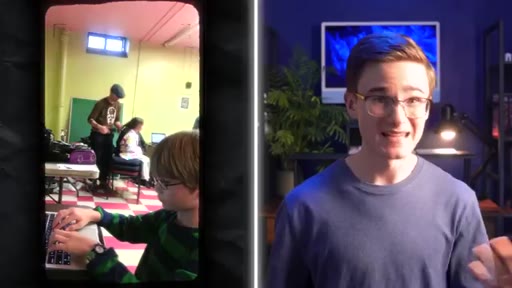
00:07When I was seven, I broke into that point 1% by writing my first novel, and I've written eight more since then. If there's one thing I've learned, it's that writing a book can change your life. If you've ever thought about writing a book of your own, this video might be the push you need to finally do it.
00:20I could not have predicted where writing my first book would take me. It was, though I didn't know it at the time, a turning point that set me on the path I'm on today, and it's not because it became a bestseller or landed me a publishing deal. It can feel like there's so much emphasis placed on getting published, building a following, making your writing profitable that the benefits of simply writing a book regardless of its success are overlooked.
00:41In fact, I'm glad no one read my first book. Well, my first several books, really. We'll get to the benefits of writing a book in a moment, but first, I think it's important to make one thing abundantly clear.
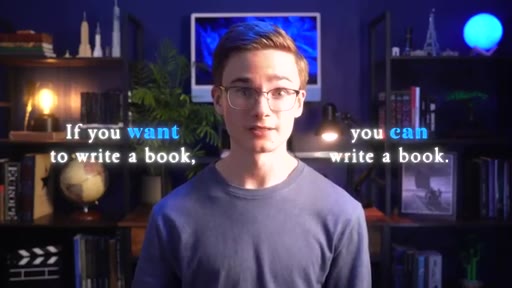
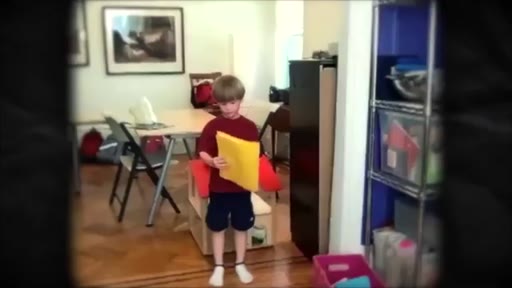
00:51If you want to write a book, you can write a book, and you already have everything you need. You don't have to be talented to write a book. I wrote my first novel when I was seven, and I was a pretty normal well, I wasn't really a normal kid, but I wasn't a prodigy.
01:04I started writing because I loved reading. I devoured books, especially fantasy and sci fi when I was a kid, and I had a hyperactive imagination. It felt like the most natural thing in the world to try my hand at writing my own stories.
01:16I began with short stories, comic books, and plays, and then started writing a fantasy sci fi book when I was seven that turned out as a full length novel. I barely planned it. I was mostly making it up as I went along.
01:26I hadn't gotten an MFA or an English degree. I mean, I wasn't even in middle school, so can you blame me? I hadn't read dozens of books on writing.
01:33I didn't have any fancy software. I didn't even have my own computer. I was just passionate, and I had plenty of time on my hands.
01:39And that's all you need. However young or old you are, however inexperienced, passion and time are all it takes to write a book.
01:46People will tell you you need this writing app or that plotting structure or decades of life experience to draw upon, but it's not true. At least if you're writing fiction, it's not true. It was through writing my first book that my love for the craft was cemented.
01:59After that, I just kept going, branching out into new genres and growing my skills. I wrote a novel when I was eight, 10, 11, 12, 13, 14, and 15. And over the past few years, I've written three novellas and my ninth novel, which is coming out later this year.
02:13I've been making videos about writing for four years, and I've met hundreds of other artists as a result of my work. I've started a publishing company, won awards, and built a community online of other writers. None of this would have happened if I hadn't taken the leap to write my first book.
02:26And mind you, practically no one read it, and it wasn't all that good. Still, that one decision forever altered the course of my life. So, obviously, writing a book can change your life in some pretty significant ways.
02:38But even if you don't wanna make this into your career, even if you don't wanna publish, even if you feel like you only have one story in you, writing a book can be transformative. Here's why. In a story, your protagonist goes on a journey.
02:50They face obstacles in pursuit of a goal, undergo change, and emerge on the other side with new skills and knowledge. Usually, they become a better person as a result of what they experience. As a writer, you go through the same journey in the process of bringing your book to life.
03:04You'll face challenges and setbacks. You'll learn new things and find help in unexpected places. You'll have breakthroughs and victories.
03:11By the time you finish your book, you'll no longer be the same writer you were when you started. You can learn lessons and grow as a person by reading a book, but that change pales in comparison to what you can experience by writing a book. All fiction that comes from the heart is somewhat autobiographical,
03:25not in its plot or characters, but in the feelings it tries to evoke. To my mind, that's what all art really is, the attempt to capture a feeling and share it with others. When I look back at novels I've written, it's like stepping into the mind of my younger self.
03:38I can see what I was afraid of, what I cared about, what I thought was cool, the feelings and lessons I deemed important enough to crystallize in words. So not only can writing a book help you learn more about who you are now, but it can also serve as a time capsule for your future self. I've discovered a lot about myself through writing fiction, Not just my preference for certain styles of prose or my undying allegiance to the Oxford comma, but the themes and ideas that matter most to me.
04:01My latest novel examines when the pursuit of control changes from a virtue, as in self control, to a destructive vice. Why? Because that's something I think about a lot myself, and I wanted to explore it on the page.
04:13Through writing this book, I've been able to come to a better understanding of control and the ways I seek it. Fiction allows you to externalize and dramatize philosophical debates that would otherwise remain in the confines of your mind. It can help you come to new conclusions and see things through other people's eyes.
04:30Writing a book is a big ambitious undertaking. It's a serious challenge. Like running a marathon, it's something that will push your limits and force you out of your comfort zone.
04:38Yes. It can be a lot of fun, but it also requires a lot of time and effort. If you have deadlines, it's going to require discipline.
04:45If you have standards, it's going to require ruthless editing. There will almost certainly be times when you're tempted to give up. But as counterintuitive as this may sound, the fact that it's so hard is one of the best reasons why you should write a book.
04:57Doing hard things is how you build self confidence, especially if you don't feel like you have talent or you were told you can never accomplish anything big. Writing and finishing a book might just be the proof you need to believe in yourself.
05:08That sounds so corny, but it's true.
05:12Taking on such a big project can also help develop skills like time management, discipline, and focus. In an age of short form content, instant gratification, and constant distractions,
05:22carving out the time to write a whole book and applying yourself to the process can be a challenge. Especially if you feel like you have a short attention span, it can be intimidating. But it might just be the antidote you need to that mile minute world of overstimulation we find ourselves in.
05:36Writing allows us to slow down, listen to ourselves, and dedicate time to creating something new and beautiful. We need practices like that now more than ever. Writing is one of the most fundamental and important scales a person can possess.
05:50Even in a time when you can have chat GPT write your emails for you, being able to express your own ideas articulately is invaluable. If you can communicate well, you can go further in any field. Improving your writing skills will help you become a better critic of other writing, a more articulate conversationalist,
06:06a more analytical and thoughtful reader. Writing a book can teach you how to write decent prose, how to construct beautiful or at least competent sentences. But beyond that, it makes you learn the fundamentals of storytelling.
06:17Stories are everywhere. They're used to manipulate us in advertising, to teach us lessons, to sell us on certain ideas, to keep us glued to a screen or turning the pages. A deeper understanding of storytelling techniques leads to better media literacy.
06:30You can identify the underlying reasons why a plot twist felt satisfying or why it didn't work. You're more aware of the storytelling tactics used by the news or marketers to influence your feelings. It's a little like Neo seeing the Matrix.
06:42This doesn't mean you'll never be fully immersed in a story again. Yes. There are times when seeing the skeleton of the story takes me out of it, but if it's done well enough, I can still get lost and forget about picking apart the story until after it's finished.
06:54In short, understanding from firsthand experience how storytelling works is a valuable skill to have wherever you go in life.
07:03Another benefit of writing a book is that it makes you a more interesting person. I'm not an inherently magnetic fascinating guy, but I cannot tell you how many times I've been talking with someone and mentioned that I write novels, and that sparks the conversation about literature or my writing process or how they've always wanted to write a book.
07:19Like I mentioned earlier, a fraction of a percent of people write a book. So if you've written one, you've admitted yourself into a pretty exclusive club. It's not every day that most people meet an author.
07:28They might not remember your name, but there's a good chance they'll remember you wrote a book or you're writing one if it's not finished yet. So even if no one ever reads it, your book can serve as a good conversation starter.
07:40By writing your book, you might inspire others to do the same or to take the leap to work on another big project. Writing a book is something so many people aspire to, but so few ever do. Part of the reason may be that they don't know anyone else trying to.
07:53Pursuing your dreams gives other people permission to do the same. Not that anyone actually needs permission, but it can feel that way. Authorhood is sometimes painted as something unattainable for the average person.
08:04And sure, becoming a traditionally published author is extraordinarily challenging, but writing a book, most people can do that. It may not be very good and it may never be read by anyone, but a finished book is a finished book.
08:15The art of writing should not be gatekept. It's one of the most accessible forms of human expression and an integral part of society. Don't let anyone tell you you can't be an author.
08:24With enough time and dedication, you can make it happen. When you do, you'll show other people they can too. You might just be the spark of inspiration that leads someone else to write their own story.
08:33If you're still watching this video, you probably wanna write a book. Maybe you already know what it would be about. Maybe it's just a feeling you've had for a long time that you have some story to tell even if you haven't found it yet.
08:44If you have that dream, no matter how far fetched or insignificant it may seem, follow it. Try writing that book. Maybe you'll get two chapters in and realize you hate the process.
08:53HOOKIt could happen. Or maybe you'll find you love it. And even if your first draft is absolute garbage,
08:59HOOKyou've discovered something you want to improve at, something you enjoy doing even when you haven't mastered it yet. So it's worth a shot. I'm glad my first several novels weren't read by many people.
09:08HOOKThey weren't great, but they certainly weren't a waste of time. I've learned so much from every book I've written, far more than I could have by consuming advice about the craft. And now, my ninth novel will be my first widely published book.
09:21HOOKCTAI couldn't have written it without having written the previous eight. Just like every other book I've authored, it's been a journey and a struggle at times, but it's always worth it. Even if no one ever reads it, writing a book is worth it.
09:33CTAIf you're working on a book or you're thinking about starting, I'd love to hear what it's about in the comments. If you know someone who wants to write a book, share this video with them. To learn about the most important part of storytelling without which your book will probably be a mess, watch this next.
— full transcript
§ 05 · For Joe

Six compounding returns on finishing a book.

WHAT TO LEARN

Writing a book pays dividends that have nothing to do with readers -- and the six benefits stack on each other in ways that make the investment hard to argue against.

  • Fiction externalizes your internal philosophical debates -- the themes you choose to write about reveal what you actually value and fear, in a way that journaling or reading alone cannot.
  • Finishing a long, hard project is proof of capability first and craft second; that proof matters most to people who have been told they cannot accomplish anything significant.
  • Committing to a months-long writing project is a deliberate practice in sustained attention -- the process itself recalibrates how you allocate focus in a short-form media environment.
  • Learning storytelling from the inside builds media literacy: once you understand how narrative manipulation works as a practitioner, you recognize it everywhere it is deployed against you.
  • Authorship creates a durable social identity -- people remember that you wrote a book even if they never open it, and that identity generates conversations that nothing else opens.
  • A finished book, however imperfect, is a finished book -- removing quality as the gatekeeping criterion lowers the activation energy for starting and keeps you in the game long enough to improve.
  • Completing a creative ambition publicly gives others implicit permission to pursue theirs -- the social multiplier of your finished work extends well beyond your own development.
§ 06 · Frame Gallery

Visual moments.