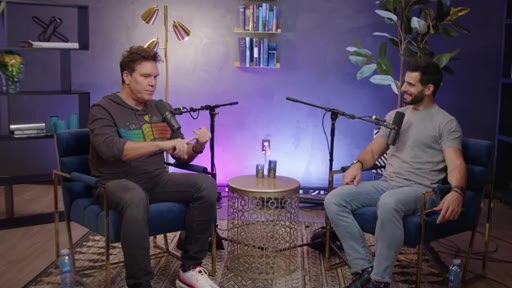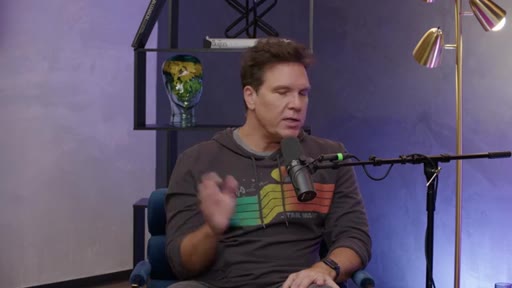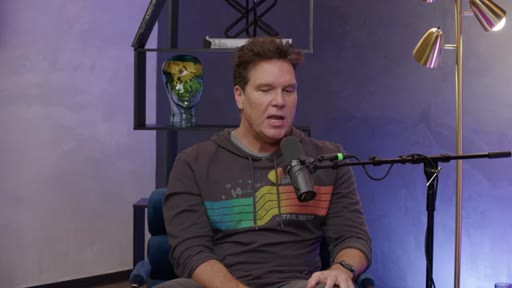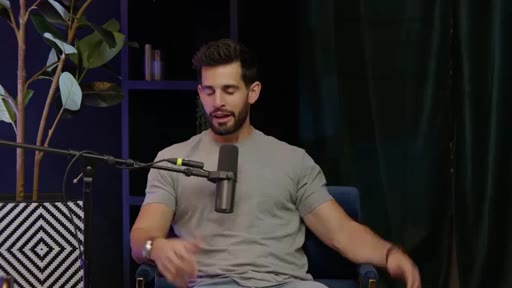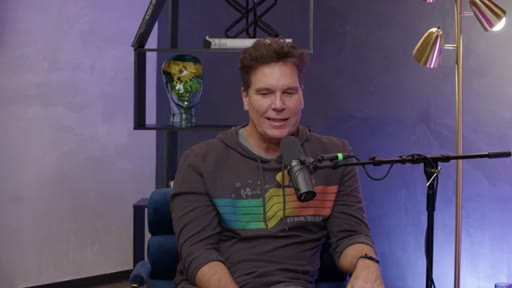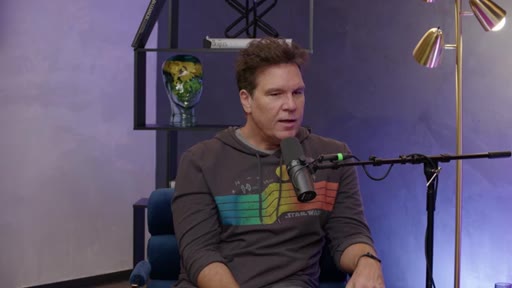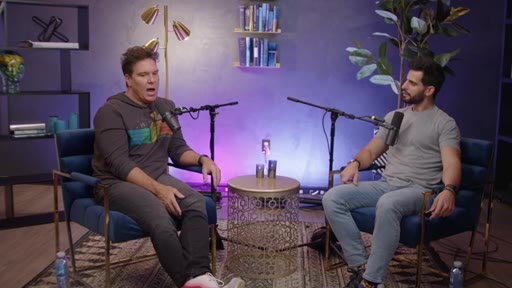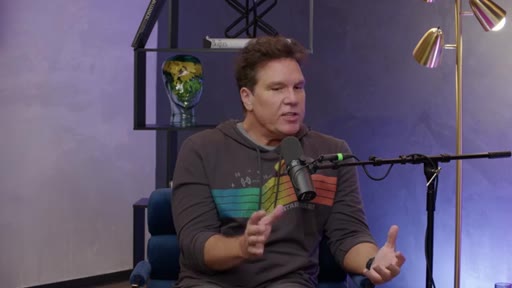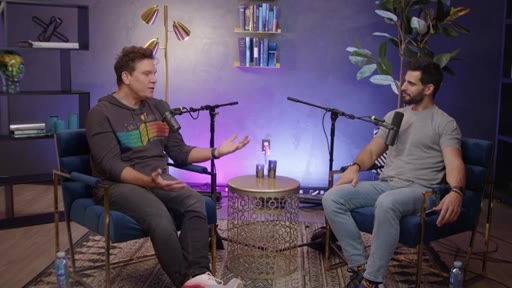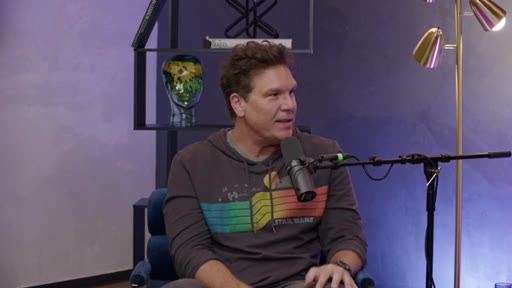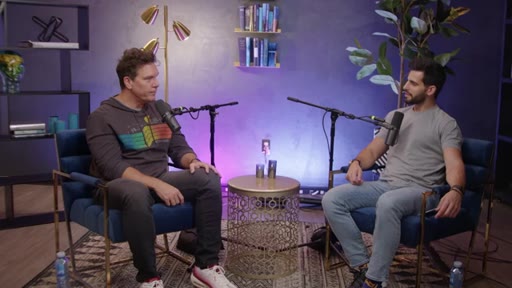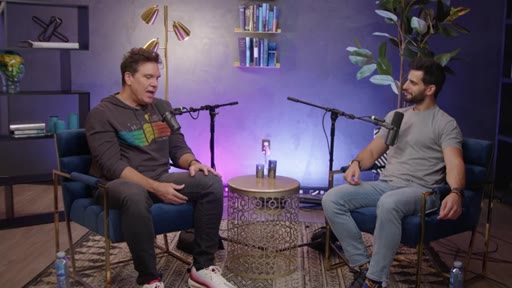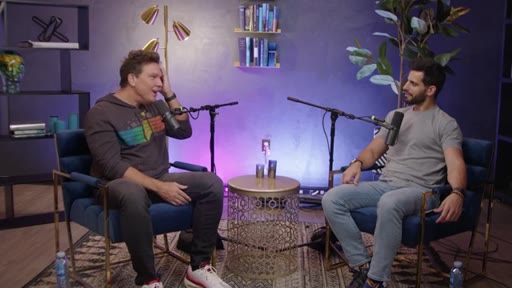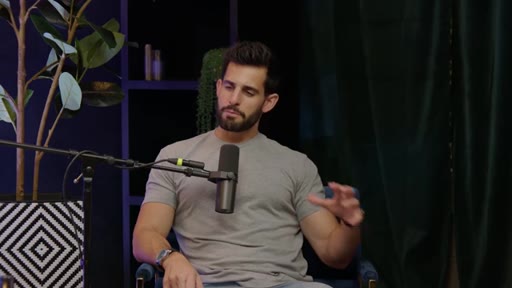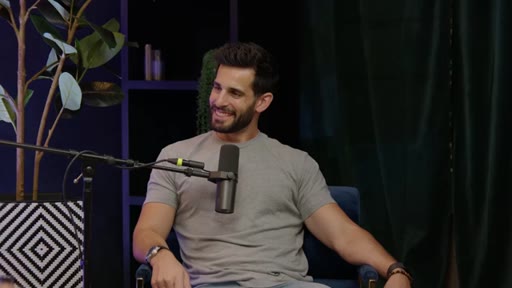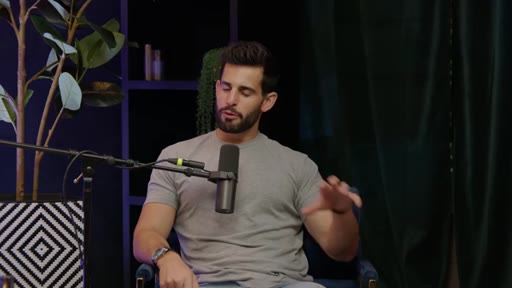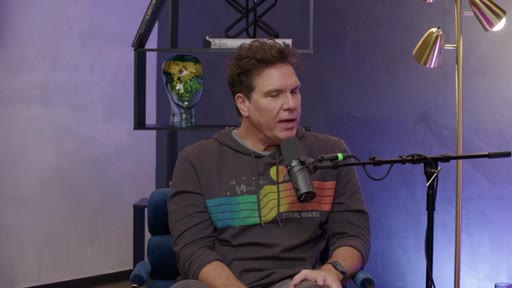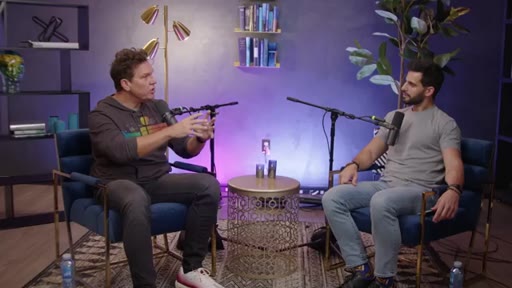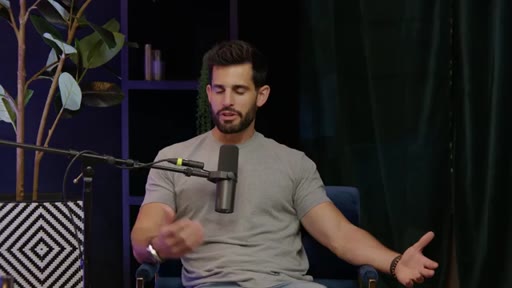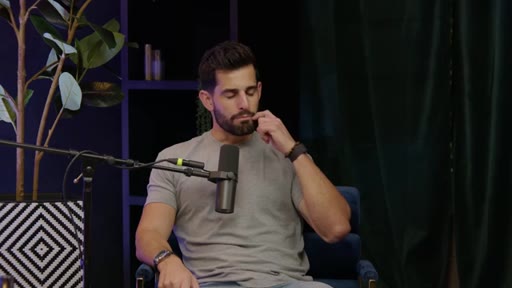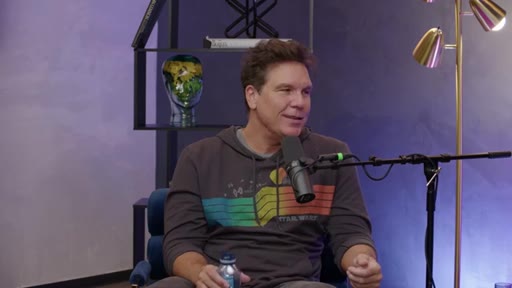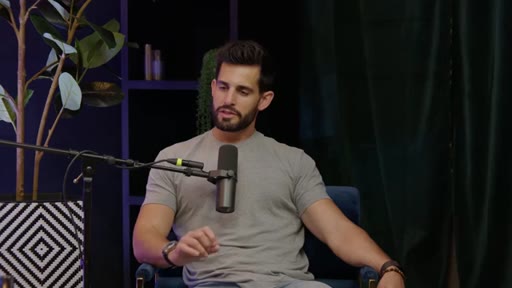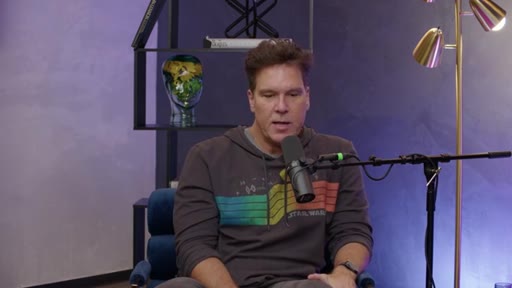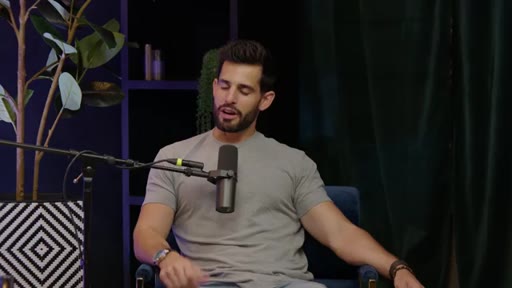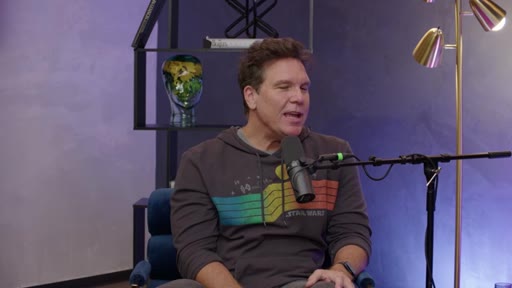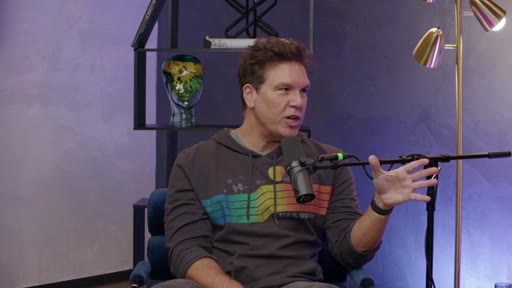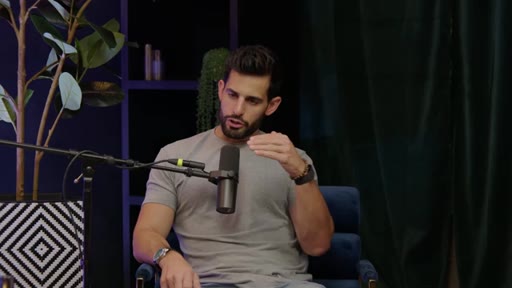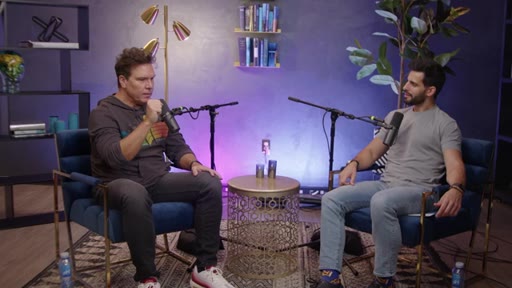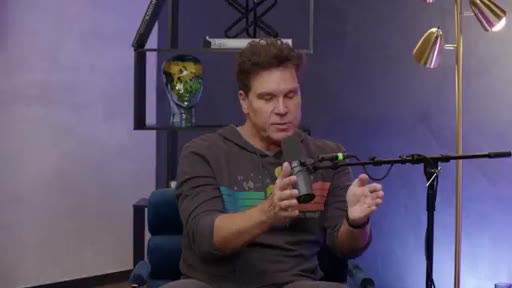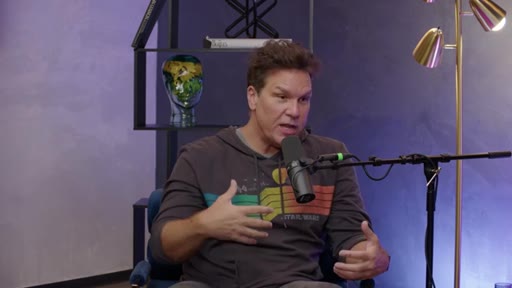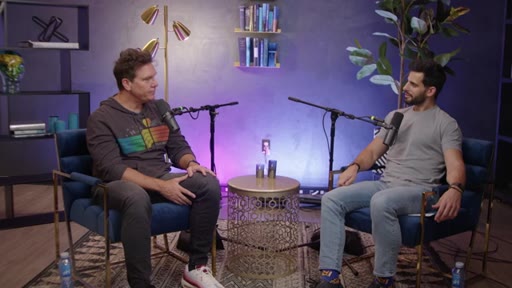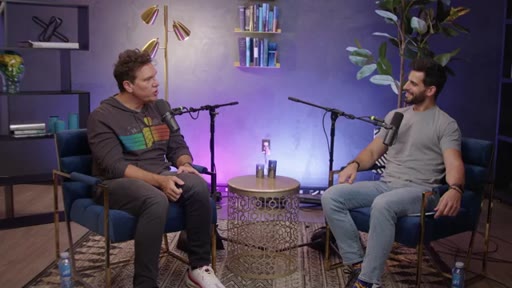
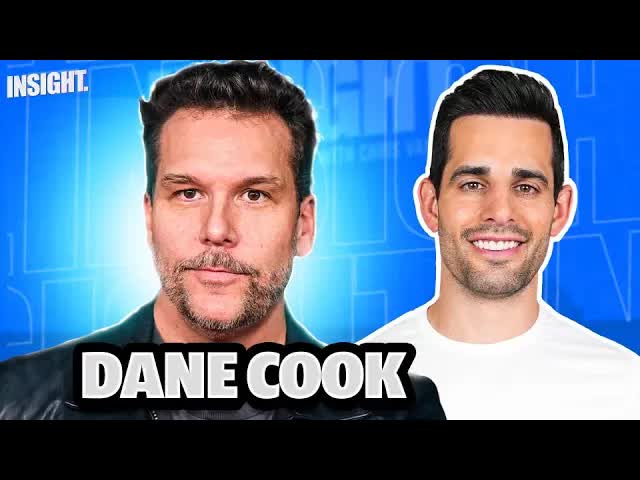
The bait, then the rug-pull.
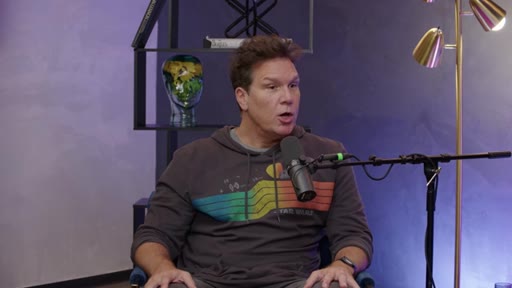
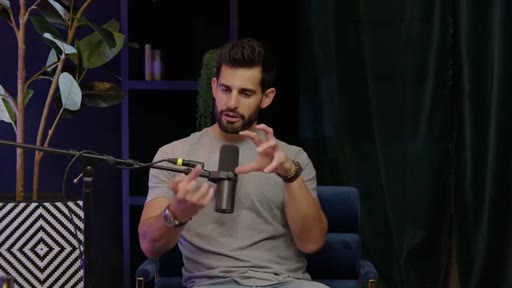
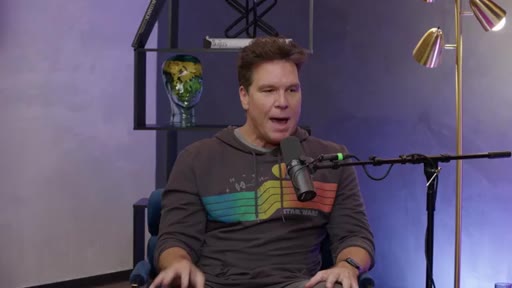
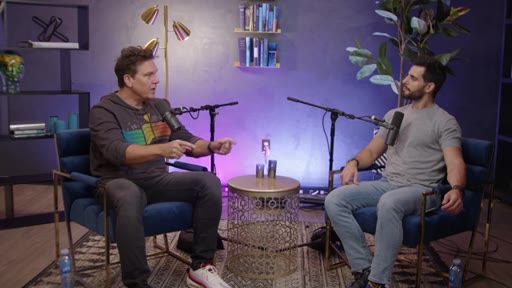
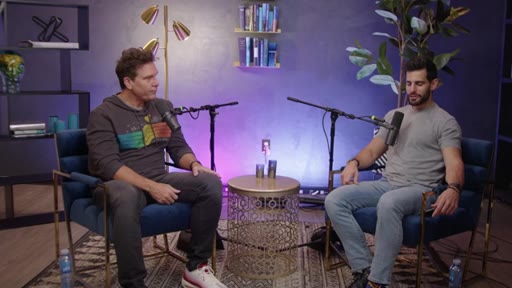
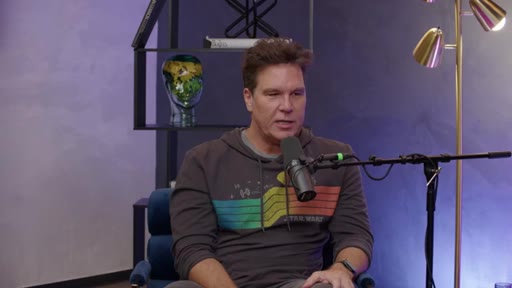
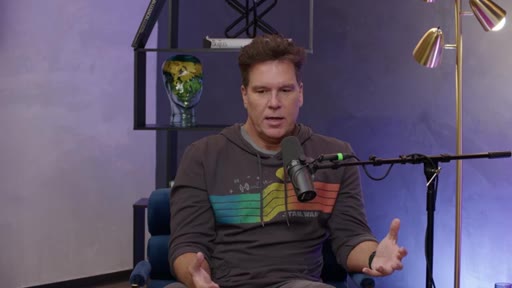
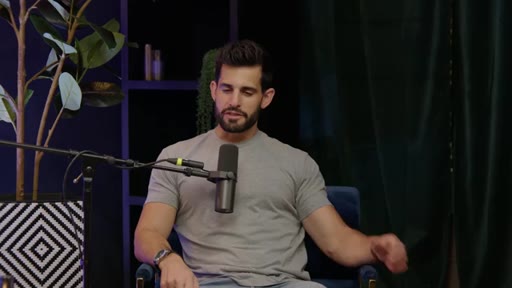
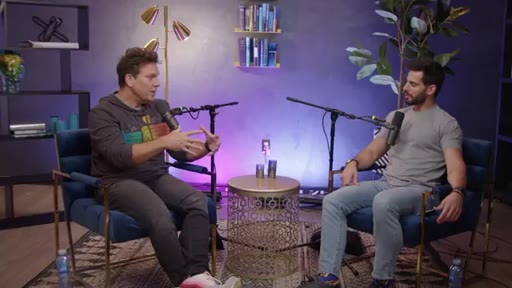
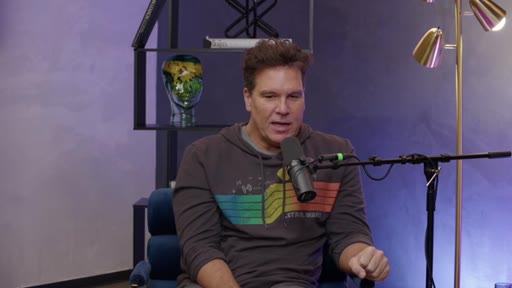
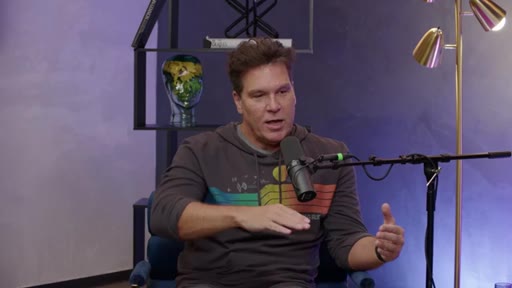
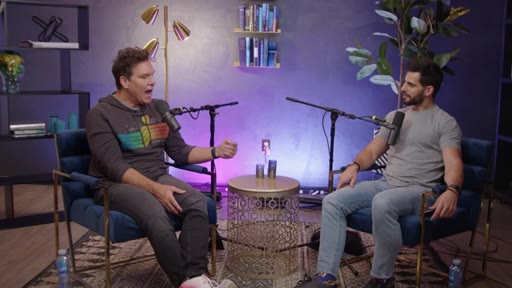
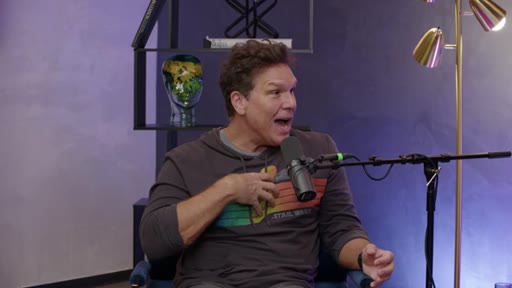
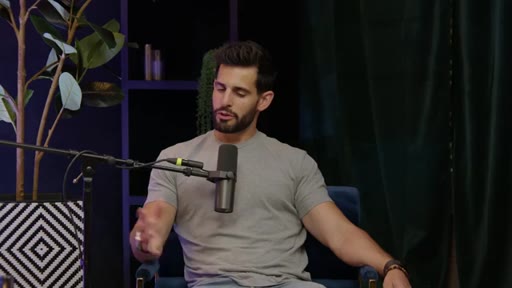
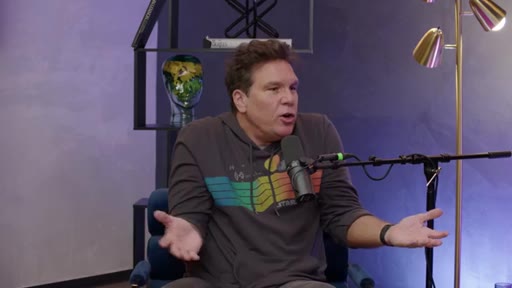
The first comedy set Dane Cook ever performed — he did it under a stolen name. When the open-mic host called for Ernest Glenn and nobody answered, a 19-year-old Dane stepped up, claimed the slot, and walked off 10 minutes later knowing exactly what he was going to do with his life. Thirty-one years and thousands of shows later, he still can't find the real Ernest Glenn.
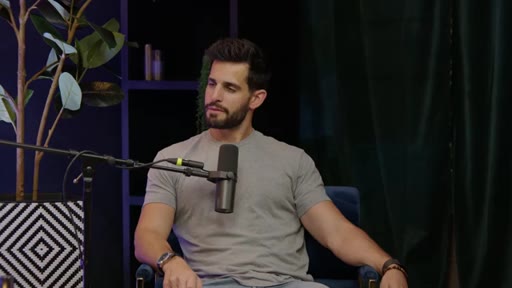
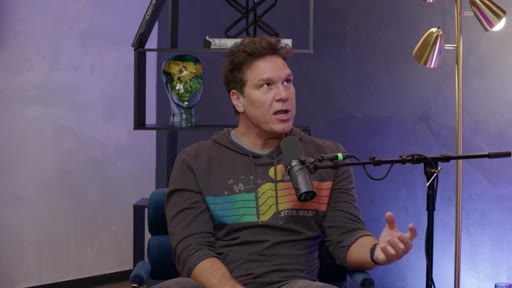
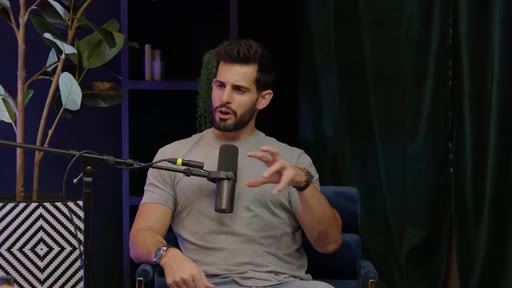
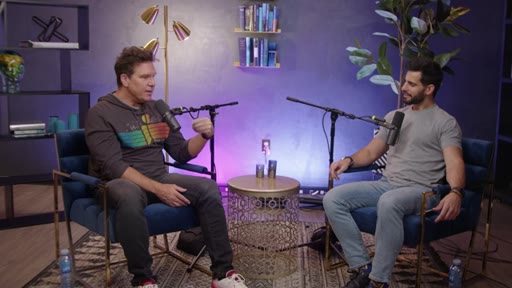
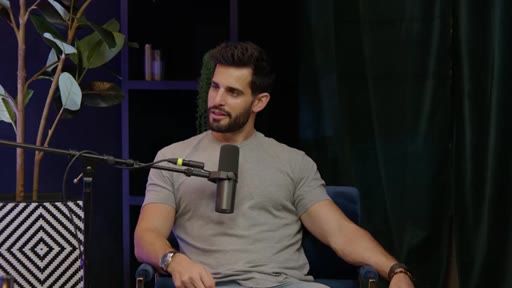
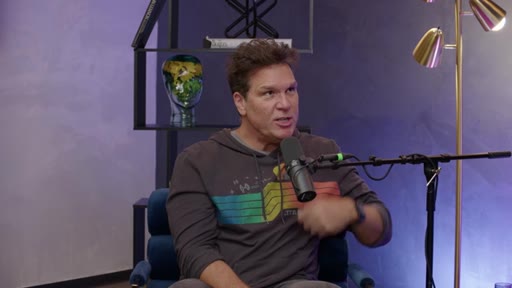
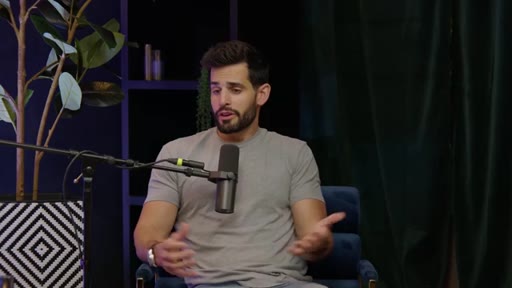
Who's talking.
Where the time goes.

01 · Ernest Glenn origin story
The accidental first set under a fake name; Cook discovers he is a pressure player, not an anxious kid.
02 · Boston comedy boot camp
The class of Burr, Patrice O'Neal, Gary Gulman; why performing for hostile Boston crowds was the best comedy education money couldn't buy.
03 · Myspace and the 14-year overnight success
How Cook used early internet (Myspace, fan CDs, meet-and-greets) to build an army before the algorithm era; the Penn State 12,500-person moment.
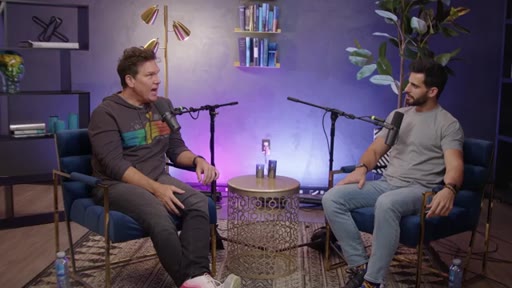
04 · The arena run and the backlash
Skipping theaters straight to arenas; why jealousy from the comedy world and industry narrative mechanics turned him into the 'Nickelback of comedy.'
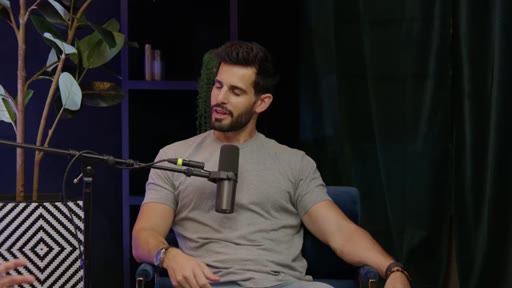
05 · Above It All — the special
Why he self-funded, shot on IMAX, hired director Marty Culner, and why the stalker story in the special required 11 years of craft to tell right.
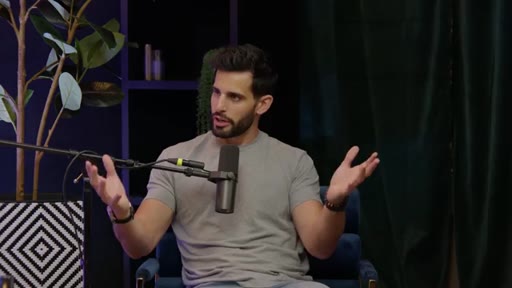
06 · Dave Chappelle myth-busting + movies
Cook debunks the 6M-view 'Chappelle savagely ruins Cook's career' story; discusses movies and which roles he's proud of.
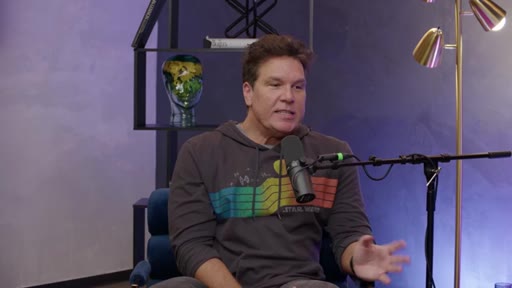
07 · Mentorship, craft, and gratitude
Advice to young comics (protect your integrity, read your contracts), how love changes your life, gratitude to parents, and not knowing what comes after this special.
Lines you could clip.
"I needed the wind machine, and I had the mullet, so that probably would have worked."
"I was on the cover of Time Magazine in the same year that people were saying I sucked — as one of the most influential people on the planet."
"There's me, and then there's a version of me that lives on the Internet."
"If you don't have a machine of your own, that machine will use you."
"This woman said I'm going to kill you, and I remember sitting there thinking, man, I wish I read this after I ate this pizza."
"If somebody hands you a 40-page contract, you're in rough shape."
Things they pointed at.
Word for word.
What 31 years looks like from the inside.
Cook didn't go viral — he compounded 14 years of in-person relationship-building until the internet made it visible.
- Build your own machine first. A platform without your own character beneath it will use you and discard you.
- The Nickelback moment is a predictable arc — plan for it instead of being surprised by it. Cook saw it coming and found it liberating.
- Plant your feet. If your current mode of performance has a weakness, take a year to do nothing but fix that one thing.
- Self-funding gives you radical creative control — Cook shot Above It All on IMAX at his own house, hired his own director, and didn't ask permission.
- Your origin story is your best content. Cook has told the Ernest Glenn story for 31 years and it still lands because it's true and it's his.
- The contract is where you lose. Cook's mentorship to young comics is almost entirely legal: read the 40-page contract, walk away from the 40-page contract.
What Dane Cook actually figured out.
Anxiety doesn't disqualify you — it just means the only way through is to get up and do the thing before you've had time to talk yourself out of it.
- Your first attempt doesn't need to be perfect. Cook's first set had jokes that didn't work — he narrated the failures in real time and still got laughs.
- The people most likely to succeed are the ones who find a way to cope with scary things through humor or reframing, not avoidance.
- Envy from peers is a data signal, not a verdict on your worth. When Cook became the Nickelback of comedy, arenas were still selling out.
- Find the one person who thinks you're funny — and hold on to them. Cook's point about his fiance applies to any creative life: you need at least one person in your corner who gets it.
- Gratitude works best as a daily out-loud practice, not a vague feeling. Cook starts and ends every day saying three things he's grateful for.