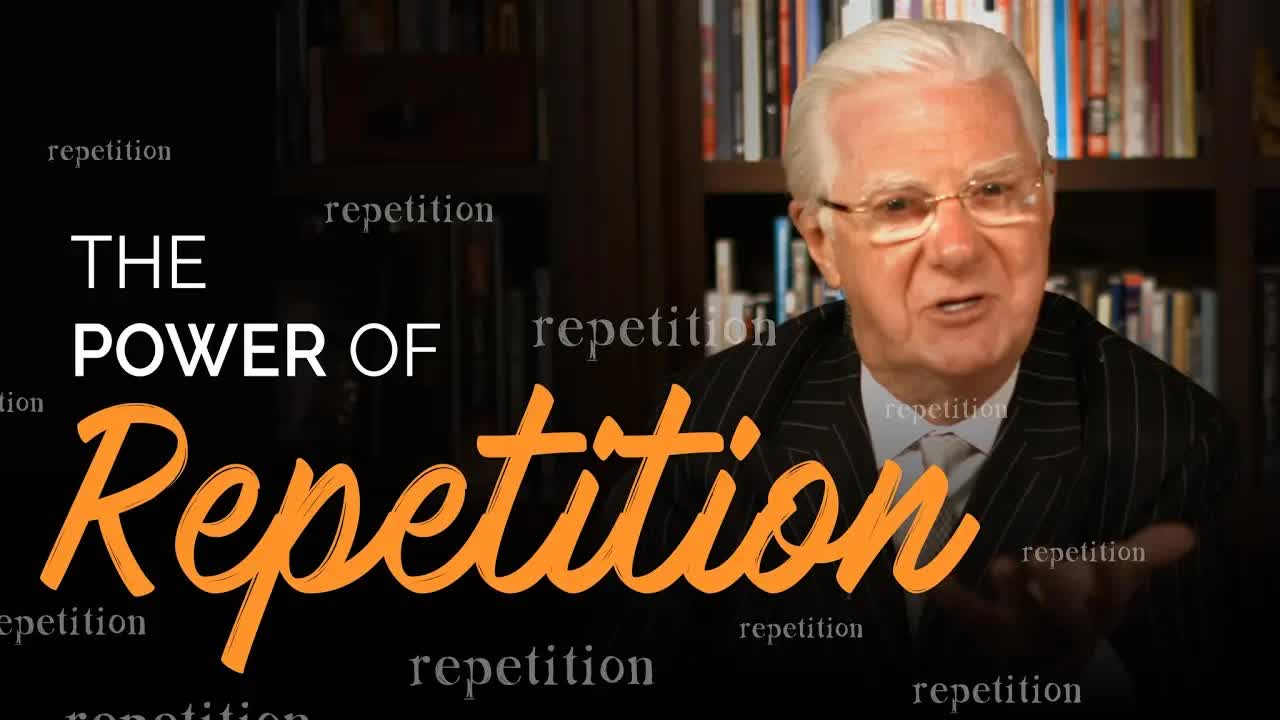
The bait, then the rug-pull.
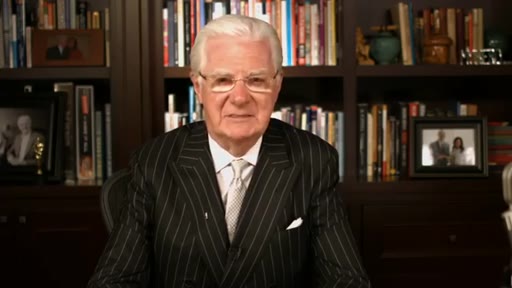
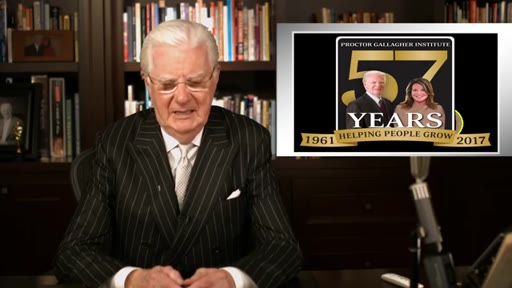
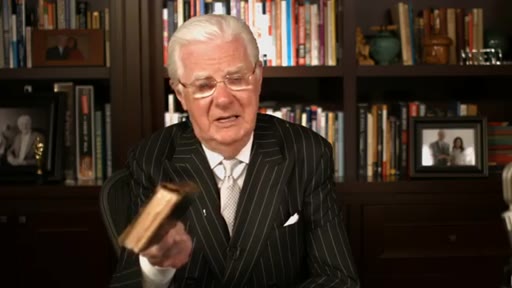
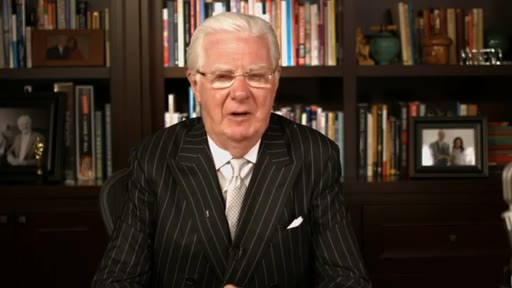
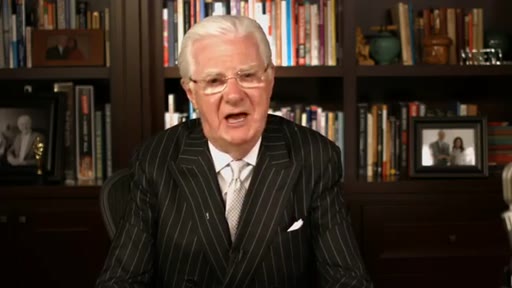
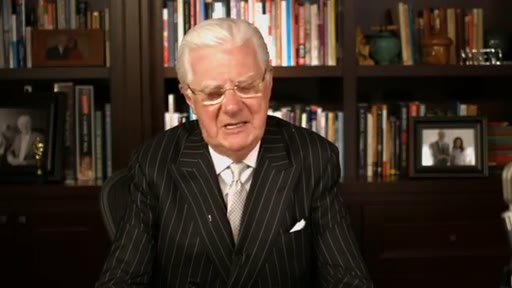
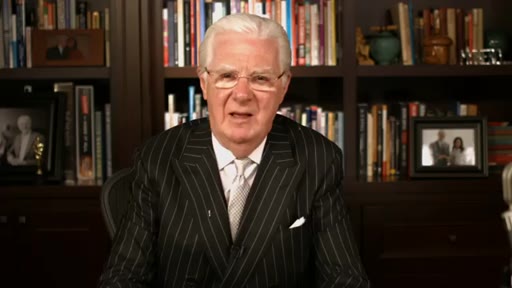
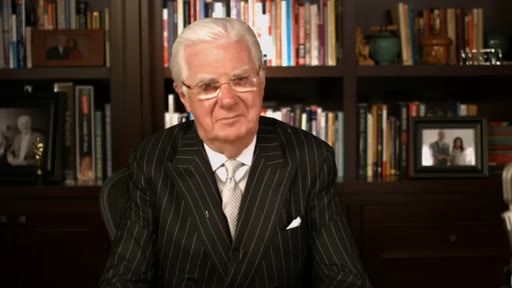
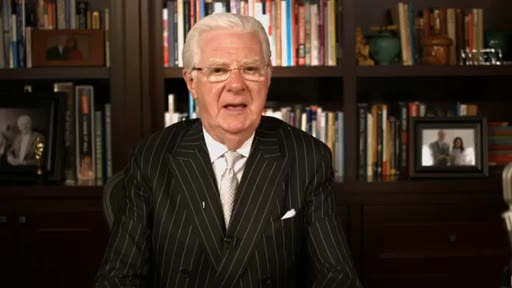
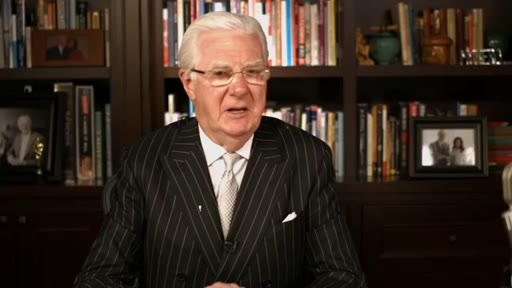
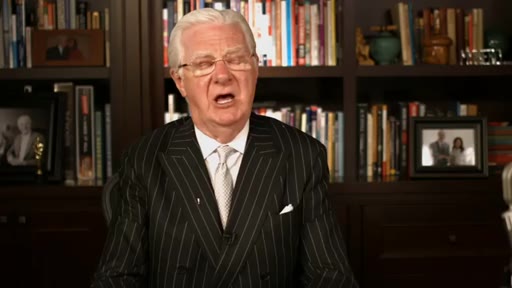
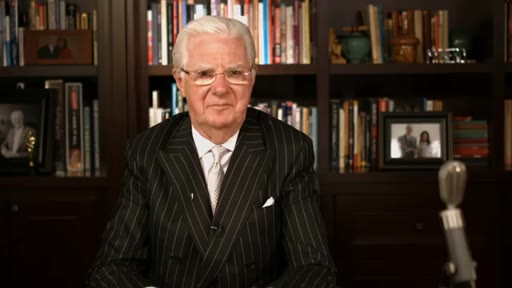
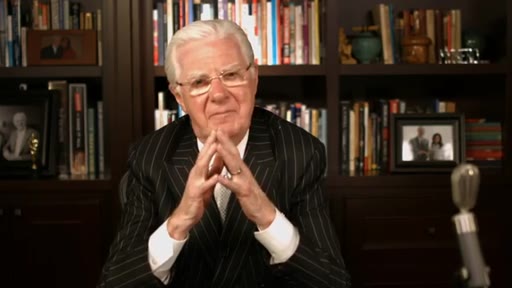
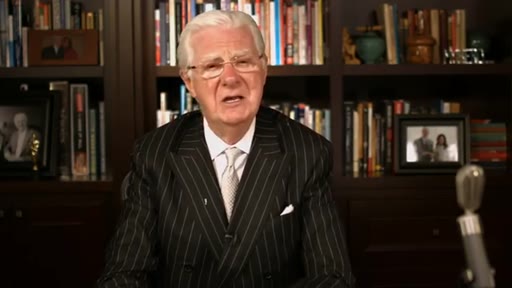
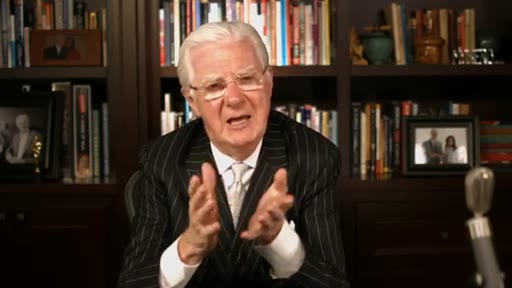
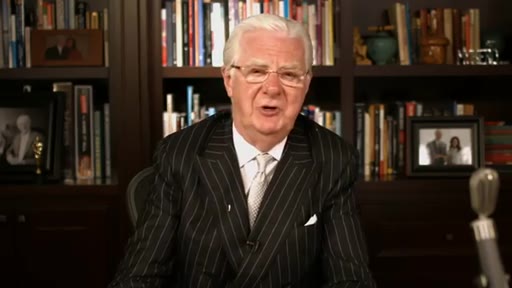
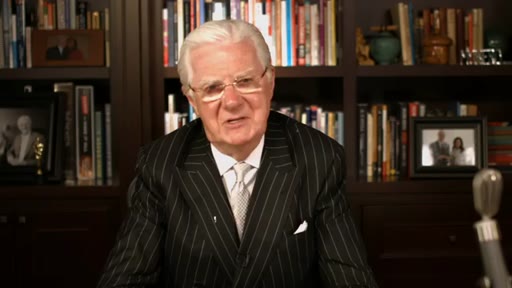
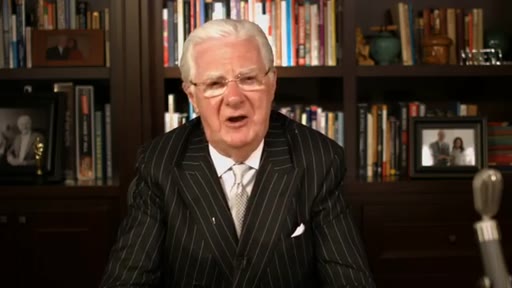
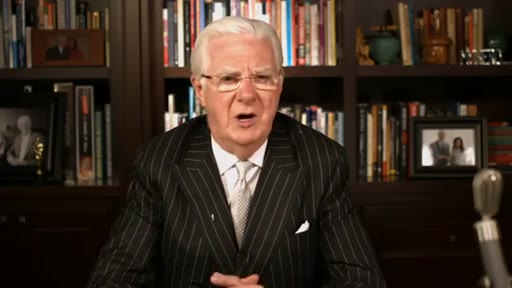
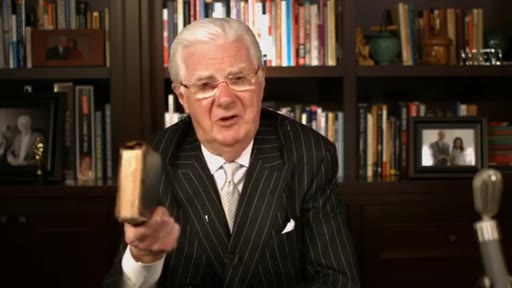
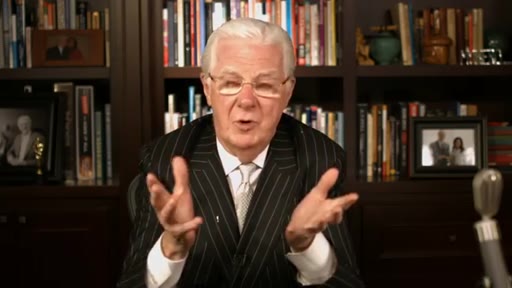
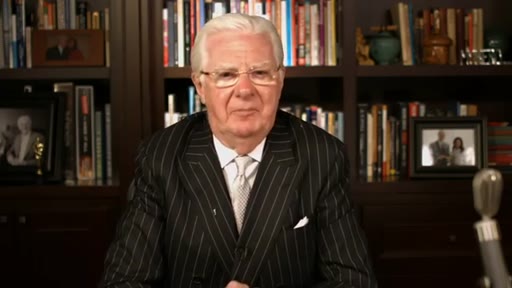
Bob Proctor sits in a dark-panelled study in his signature pinstripe suit and opens with a question disguised as a welcome: how are you living versus how you'd really like to live? In nineteen minutes he names the invisible thing blocking the gap and explains why you've tried everything except the one mechanism that actually works.
What the video promised.
stated at 00:04 "Over the next few minutes I am going to share some ideas to give you an overview of something Sandy Gallagher and I are going to do in the very near future." delivered at 07:06
Where the time goes.
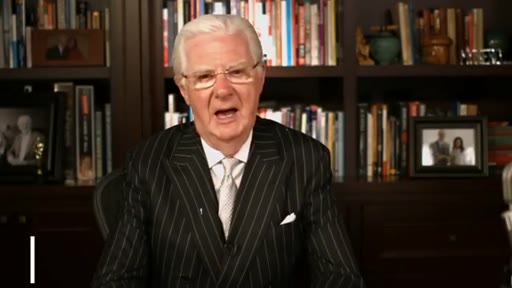
01 · Intro and credentials
Bob introduces himself and Sandy Gallagher, 57 years in personal development, former securities attorney.
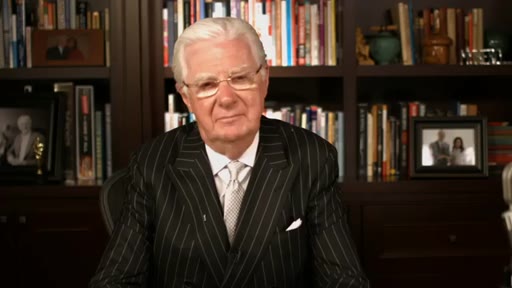
02 · Your situation vs. your potential
Sets the tension: you know what you want, you have tried hard, and you are still getting the same results.
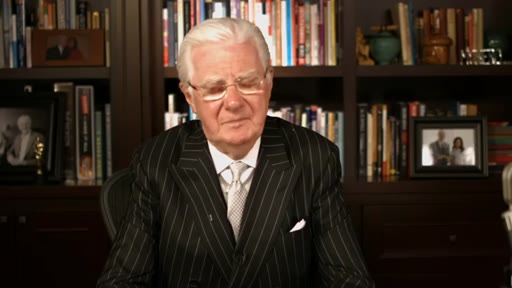
03 · What is a paradigm
Paradigm defined as a mental program with near-exclusive control over habitual behavior. Knowledge alone cannot override it.
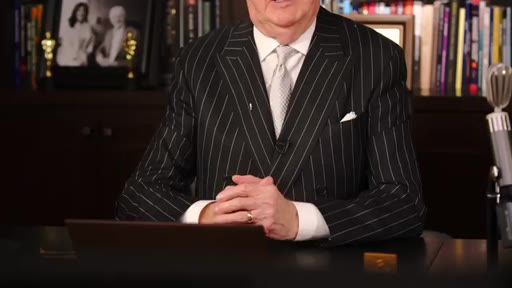
04 · Why paradigms block results
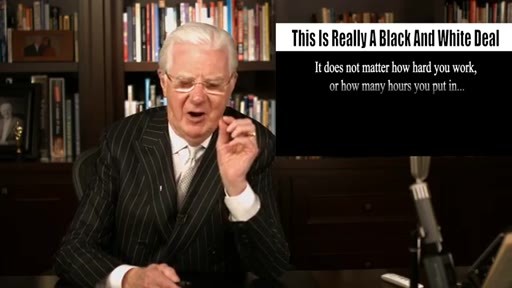
Hard work and intelligence are irrelevant if the paradigm stays in control. Key line: When paradigms stay in control, nothing changes.
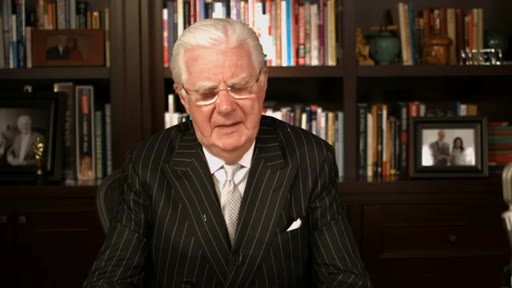
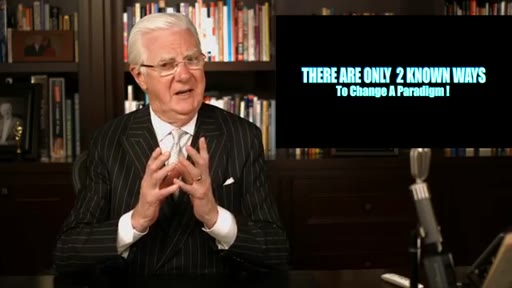
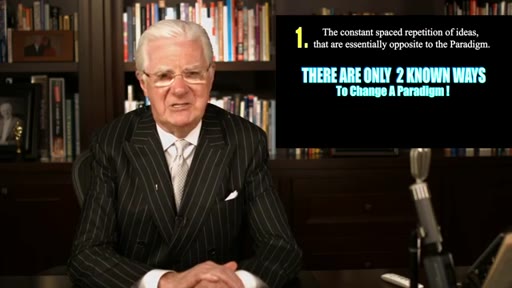
05 · The 2 known ways to change a paradigm
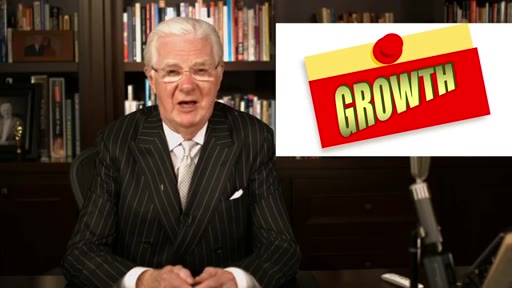
Emotional impact (rare, uncontrollable) vs. constant spaced repetition (reliable, deliberate). Branded slides name both methods.
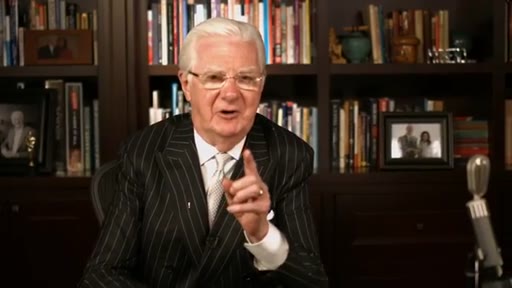
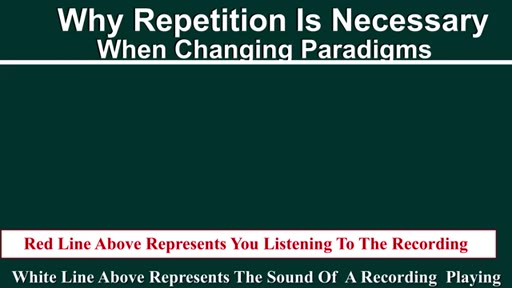
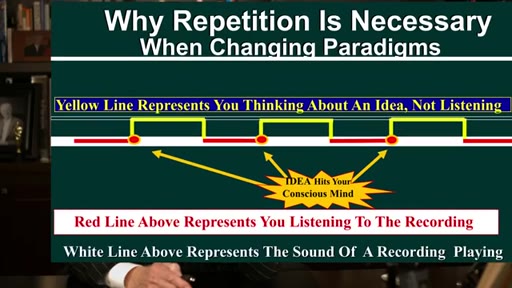
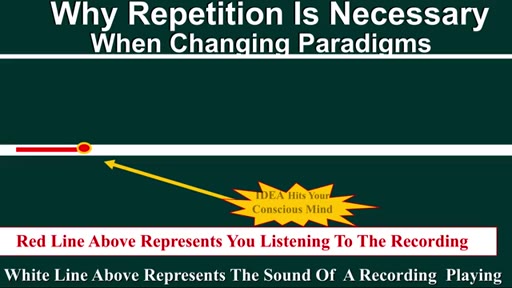
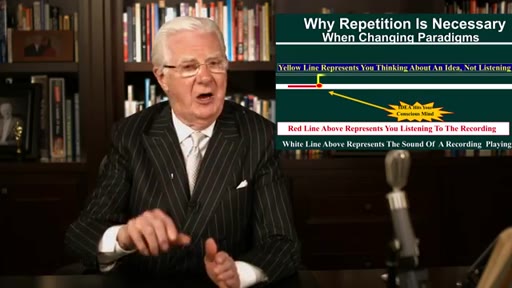
06 · The listening-attention diagram
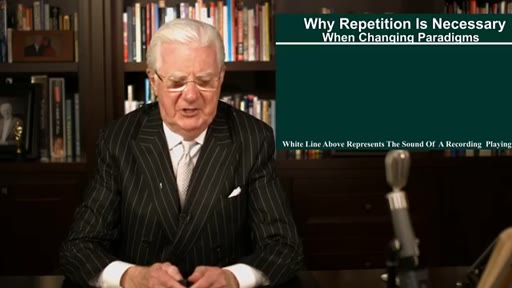
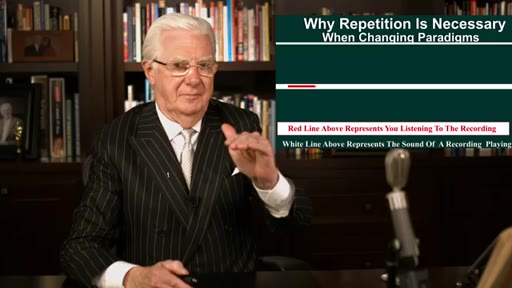
White/red/yellow line chart explaining why you can hear the same material repeatedly and still catch new insights. Attention wanders to different spots each time.
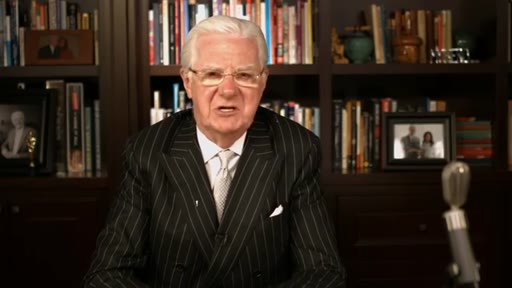
07 · Personal story
Listening to Earl Nightingale tapes from 1961 led to earning over 1 million per year in England a decade later.
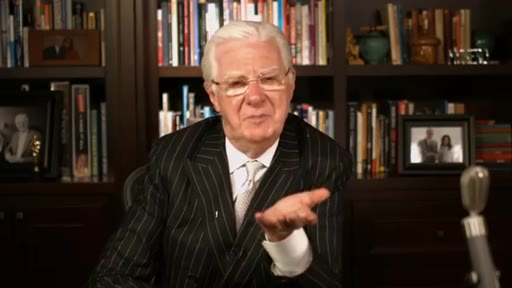
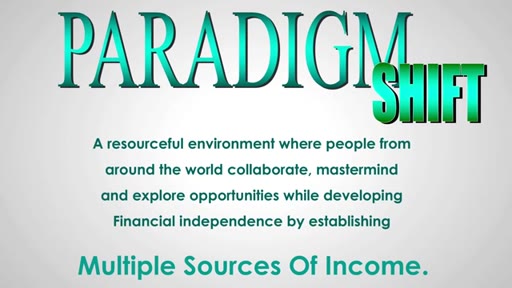
08 · CTA: Attend the Paradigm Shift Seminar
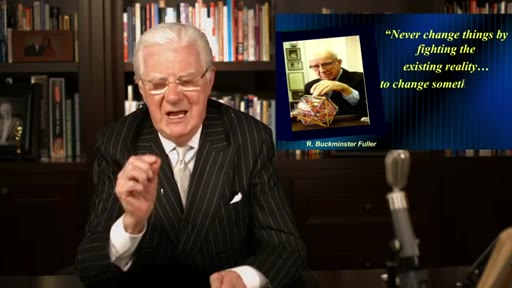
Explicit seminar pitch: streaming from home, 2.5 to 3 days, two-week replay window, multiple sources of income focus. Closes with Buckminster Fuller quote and decision pressure.
09 · Subscribe CTA screen
Branded overlay: Never miss a new video. Click here to subscribe.
Visual structure at a glance.
Named ideas worth stealing.
Paradigm as Mental Program
A paradigm is a mental program with near-exclusive control over habitual behavior. It overrides intelligence and willpower.
The 2 Known Ways to Change a Paradigm
- Emotional impact (sudden trauma or shock)
- Constant spaced repetition of opposing ideas
Only two mechanisms reliably change a subconscious paradigm. The first is rare and uncontrollable. The second is the product.
The Listening-Attention Model
Three diagram lines: white equals speaker talking continuously, red equals listener actively listening sporadically, yellow equals listener mind departing on a tangent. Every session the mind departs at different points, capturing different fragments. Repetition assembles the full picture.
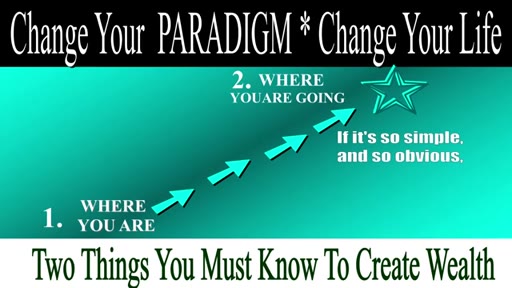
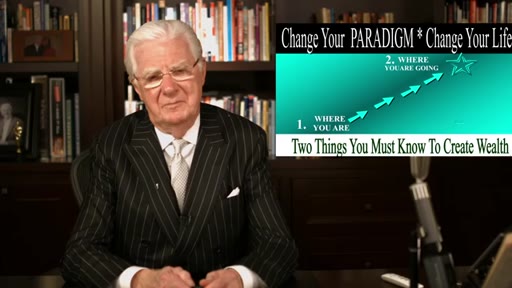
Two Things You Must Know to Create Wealth
- Know where you are
- Know where you are going and move in that direction
Simple orientation framework used to diagnose why people stay stuck.
Buckminster Fuller Close
You never change things by fighting existing reality. To change something, build a new model that makes the existing model obsolete. Used to reframe the seminar as a new model, not self-help straining.
Lines you could clip.
"When paradigms stay in control, nothing changes."
"The constant spaced repetition of ideas that are essentially the opposite of the paradigm."
"That is why we can listen to the same thing over and over and you say, I never heard that before."
"You never change things by fighting existing reality. To change something, you build a new model that makes the existing model obsolete."
"My income just keeps going up and up and up. I will be 84 in a very short period of time. I get as much energy as a person 24 or 34."
How they spent the runtime.
- 07:06 – 10:16 · Proctor Gallagher Paradigm Shift Seminar (soft-sell disguised as teaching)
- 14:00 – 19:06 · Proctor Gallagher Paradigm Shift Seminar (explicit CTA)
Things they pointed at.
How they asked for the click.
"Make a decision right now. Hit the button, get in it."
Soft-framed for 12 minutes as education, then explicit pitch with decision pressure close. Fuller quote used as the final conviction builder before the ask.
Word for word.
The advertorial disguised as education.
Nineteen minutes of free teaching that sells a seminar by making you feel behind for not being in the room.
- Lead with a diagnosis the viewer already feels: same results year after year despite effort.
- Name an invisible cause (paradigm, belief system, mental model) that makes effort-based solutions futile.
- The 2 known ways framework makes the product the only controllable option. Emotional trauma or your course. Easy sell.
- The listening-attention diagram gives visual proof of a mechanism. Abstract ideas need a picture.
- Personal story (Earl Nightingale tapes to /year in England) is proof delivered without a slide, just words.
- The Buckminster Fuller quote reframes product purchase as building a new model, not buying self-help.
- Pitch starts at 7:00 disguised as education and only goes explicit at 14:00. You are 75% through before you realize you are in a funnel.
- Apply to JoeFlow or MCN+: teach the mechanism (paradigm equals SaaS rent), name the obstacle (you do not own it), make ownership the only logical next step.
What this could mean for you.
Your effort is not the problem. The mental program running beneath your effort is.
- Pick one idea that is the opposite of a limiting belief you hold.
- Read it, listen to it, or write it for 30 to 60 minutes every day for 30 days. Not to memorize it, but to impress it into your subconscious.
- Expect to hear something new each time you revisit the same material. Your attention lands differently on every pass.
- An emotional jolt can change a paradigm overnight, but you cannot engineer one. Repetition is the path you can actually walk.
- You do not have to fight your old beliefs. Build the new one strongly enough that the old one becomes irrelevant.