Erin Casali · Youtube · 03:06

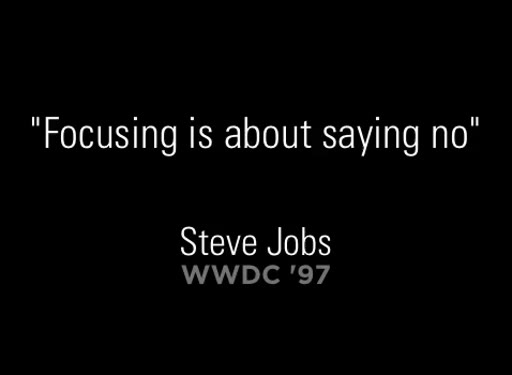
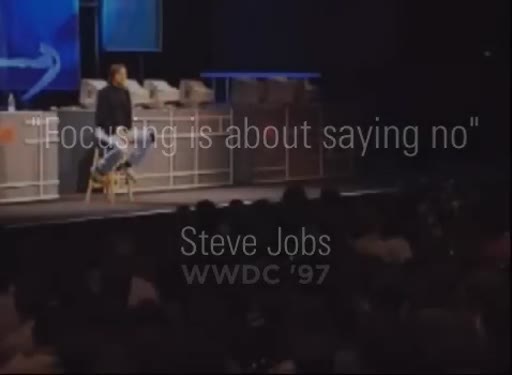
Focusing is about saying no

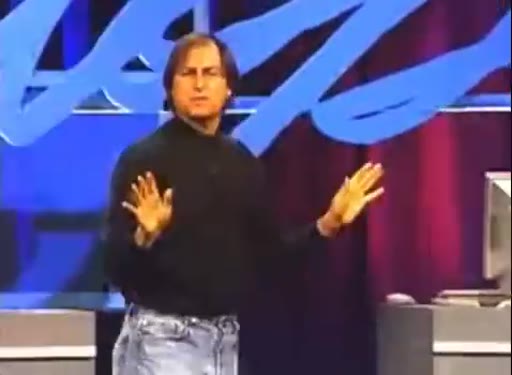
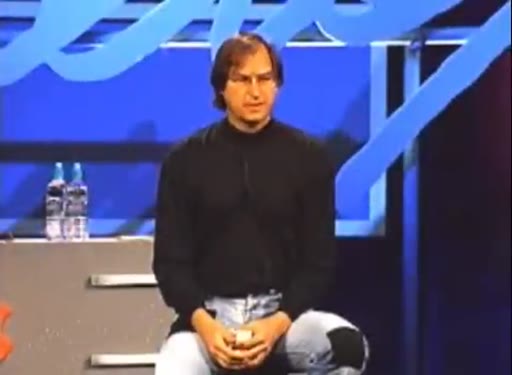
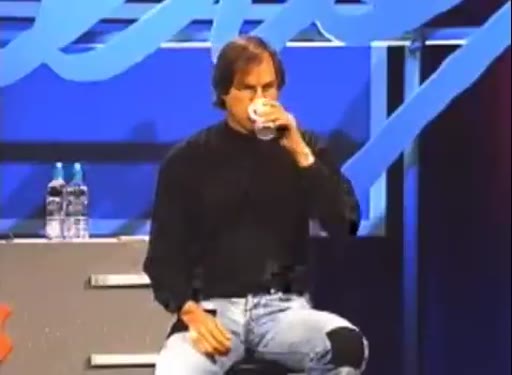
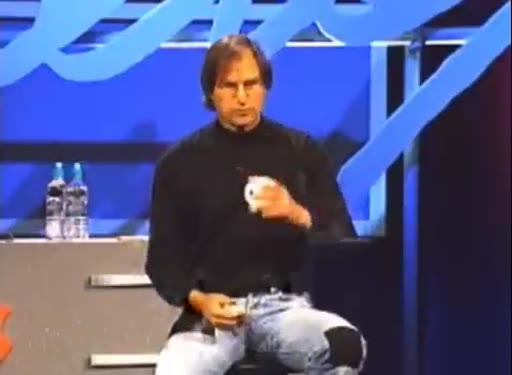
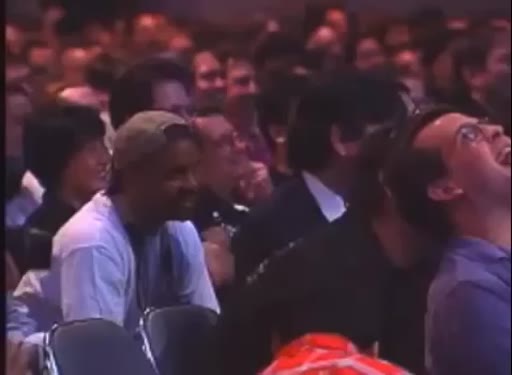
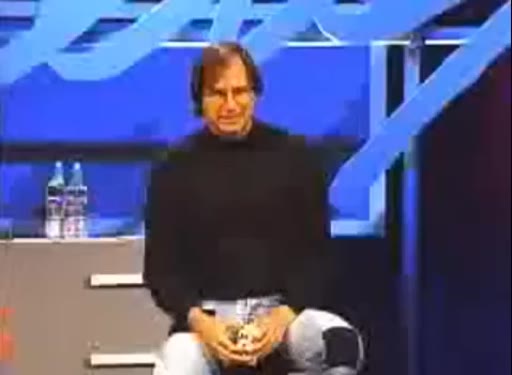
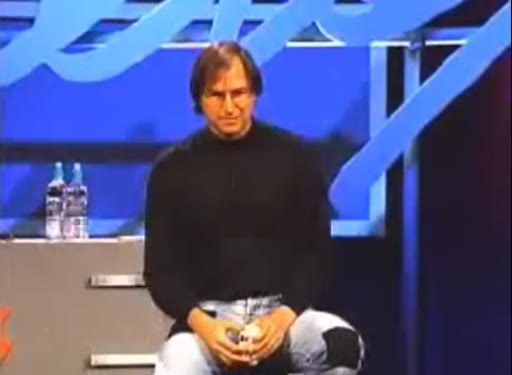
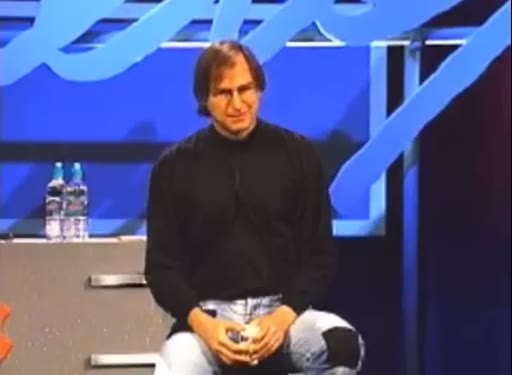
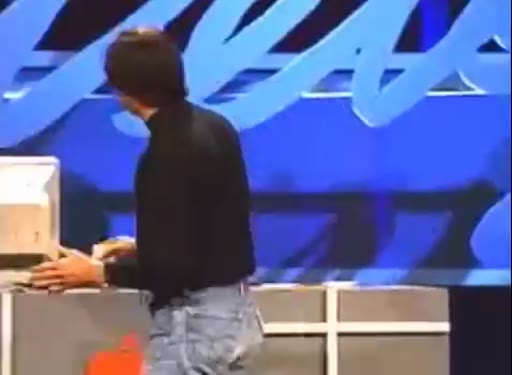
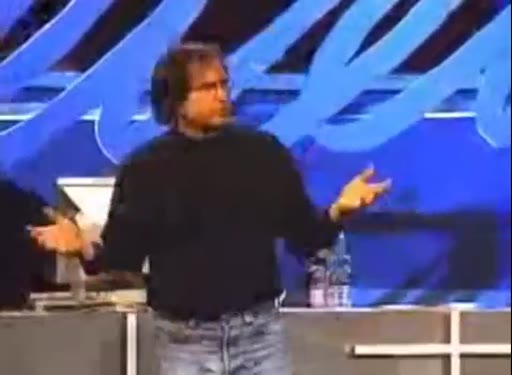
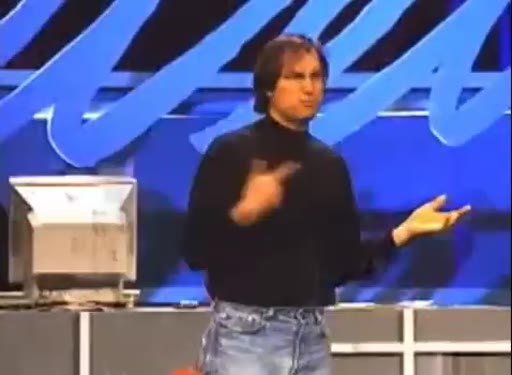
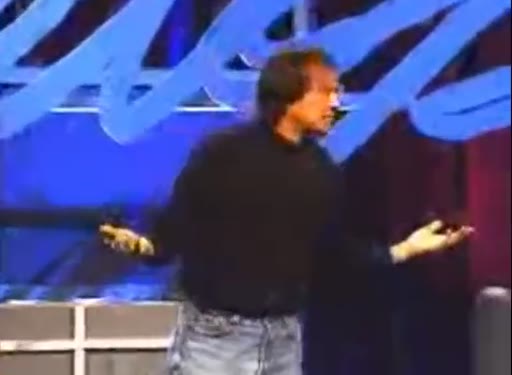
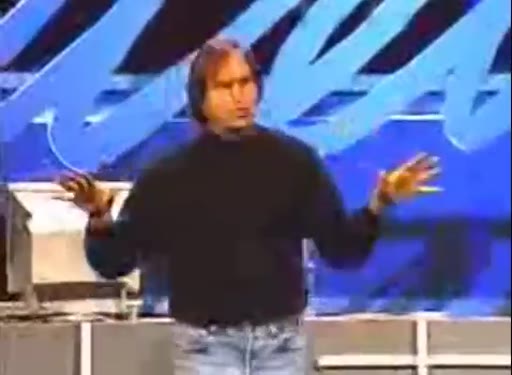
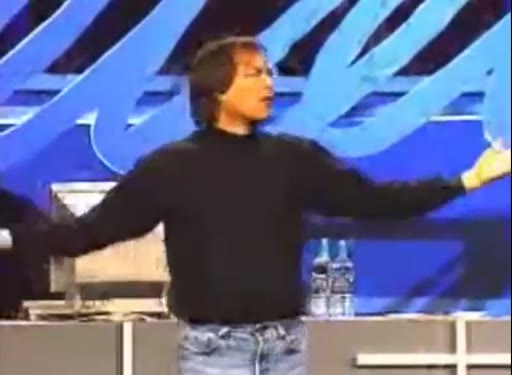
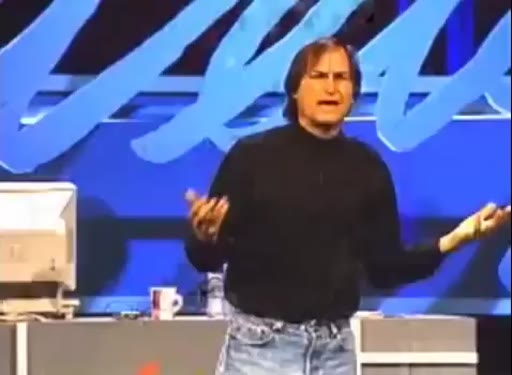
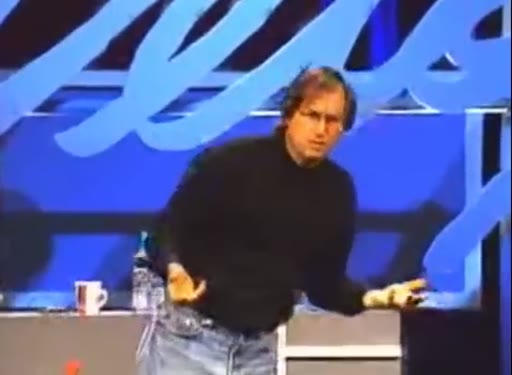
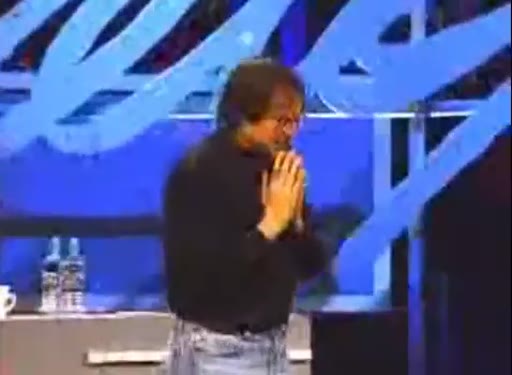
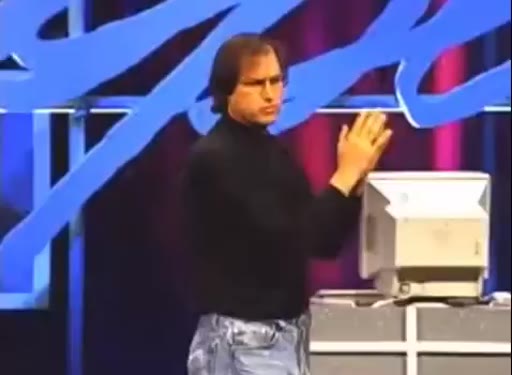
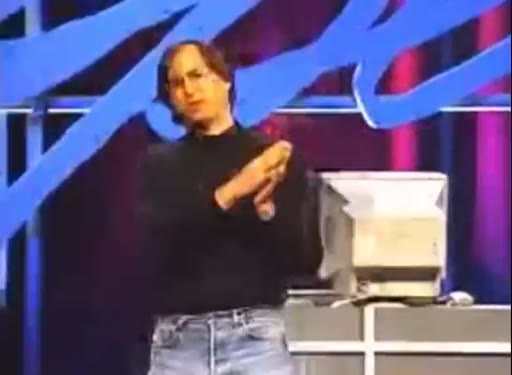
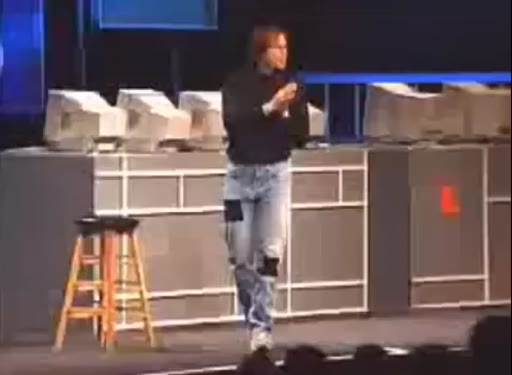
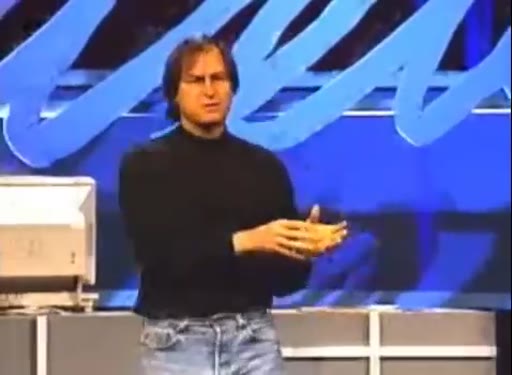
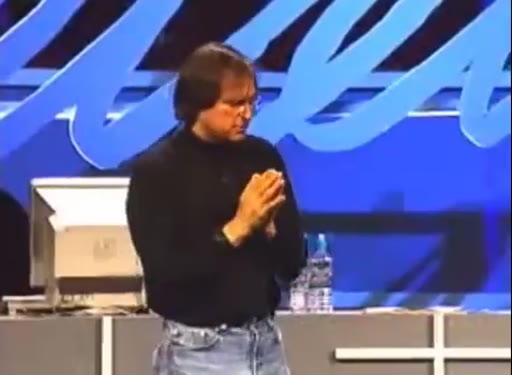
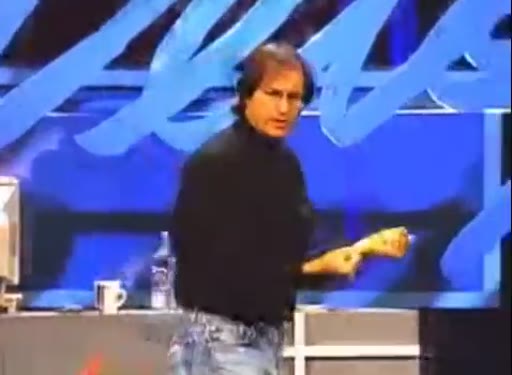
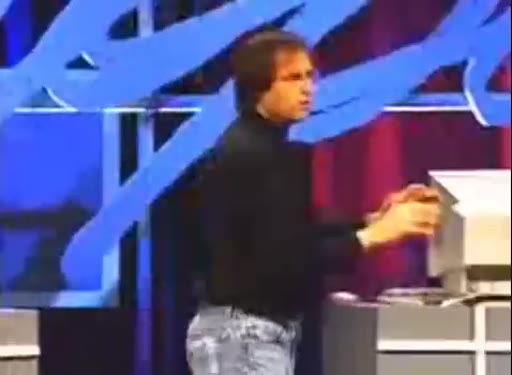
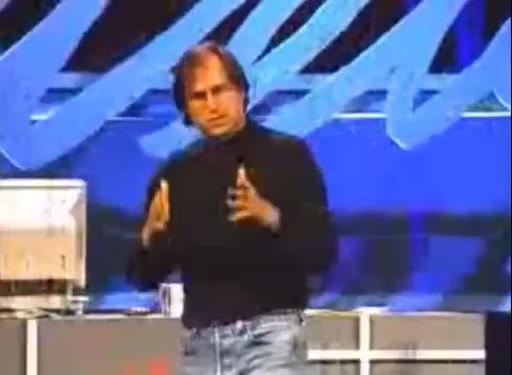
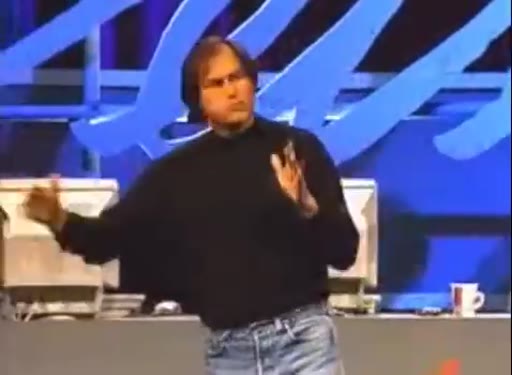
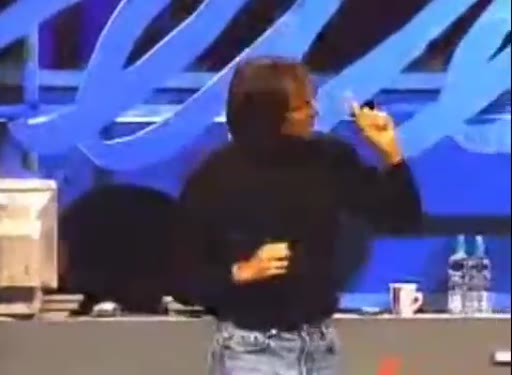
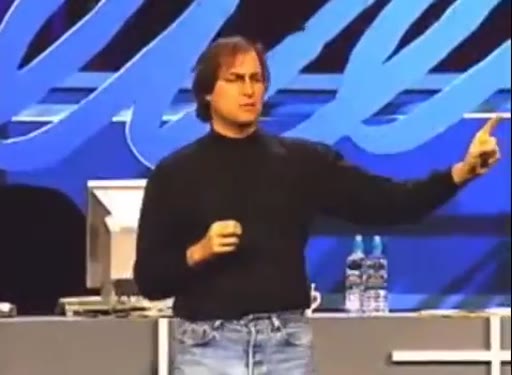
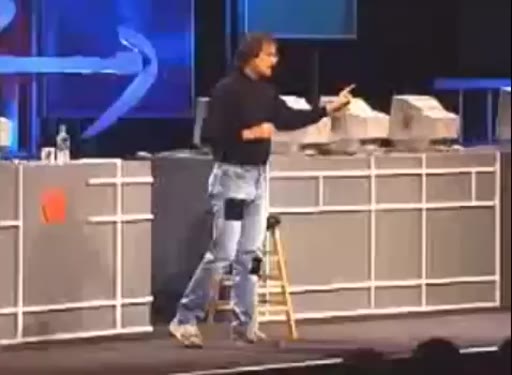
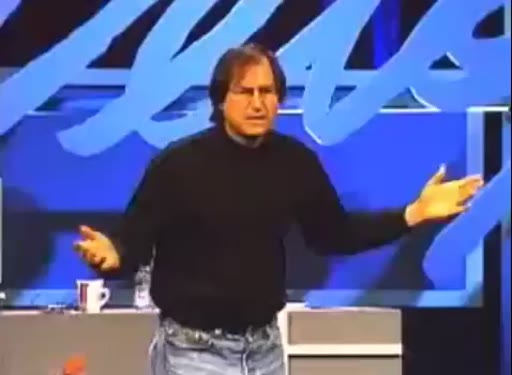
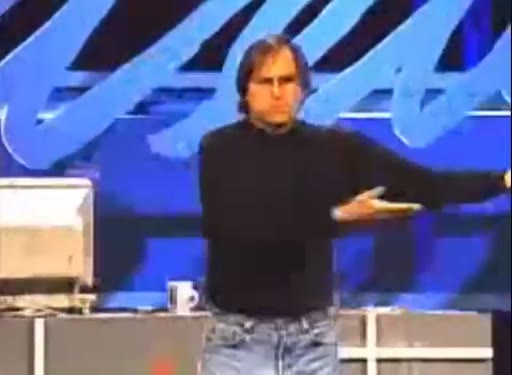
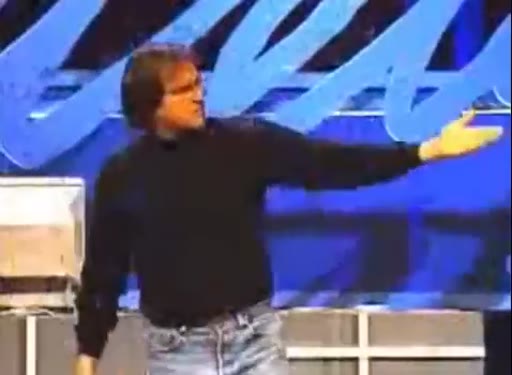
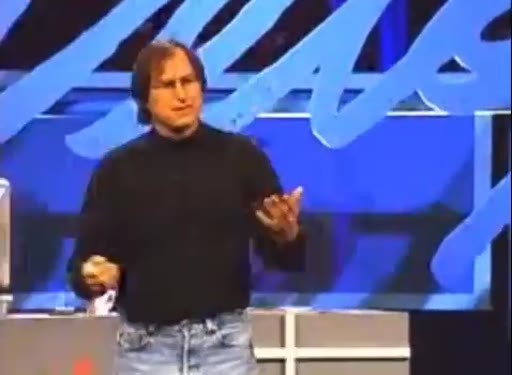
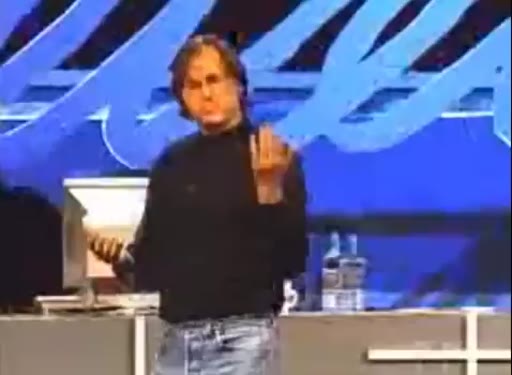
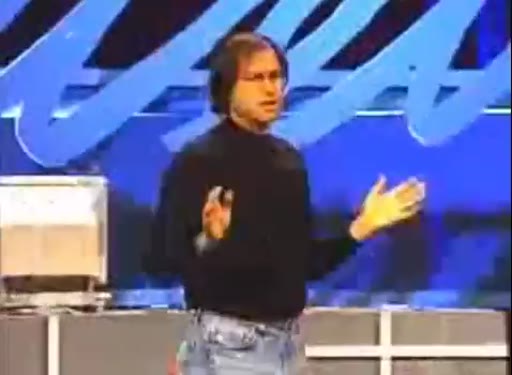
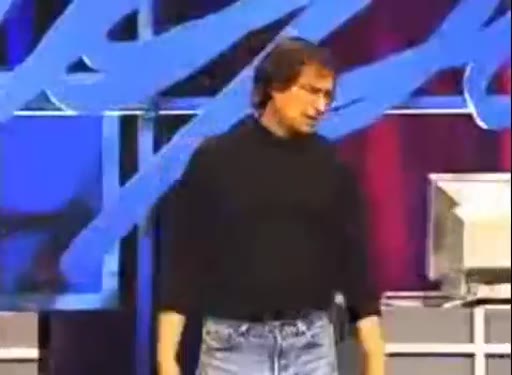
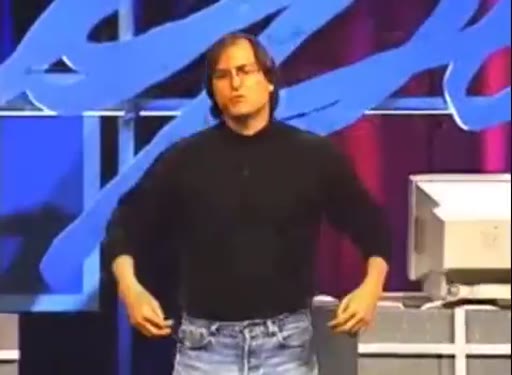
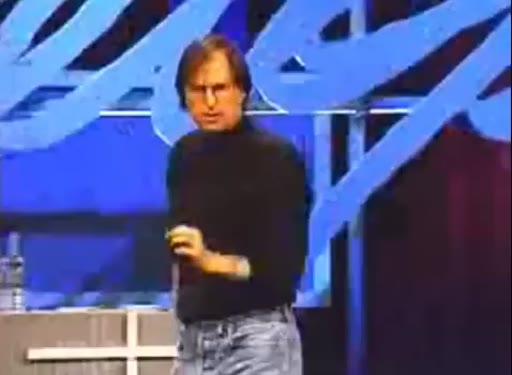
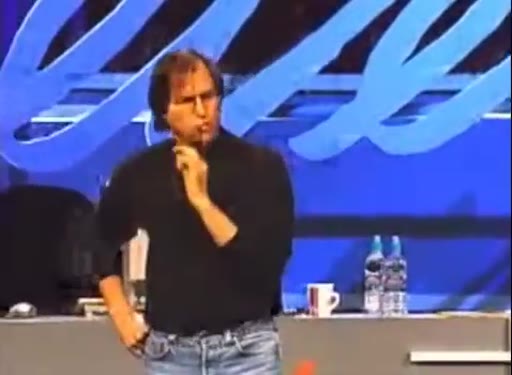
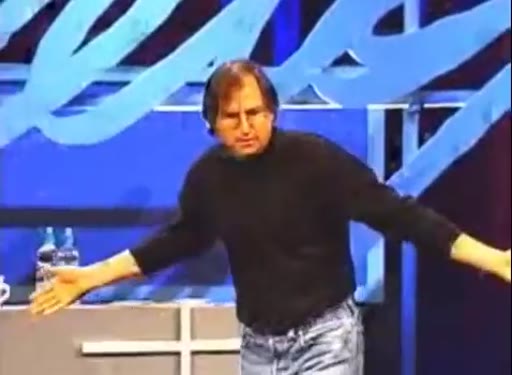
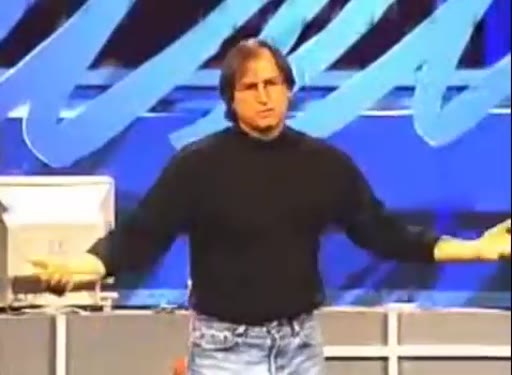
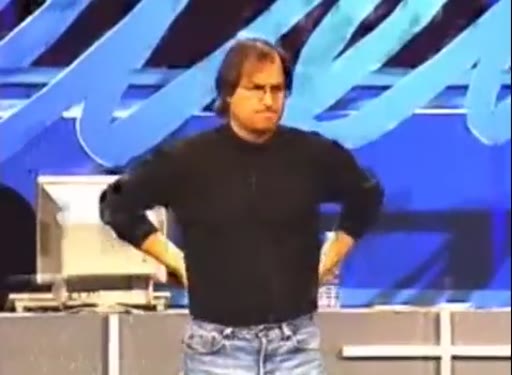
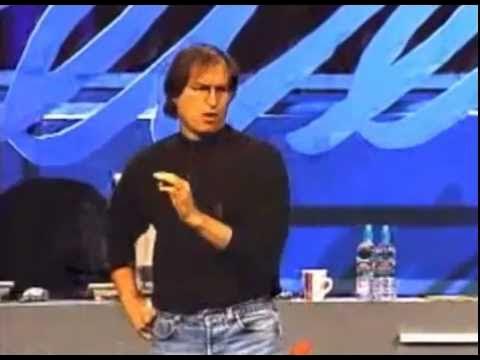
Steve Jobs at WWDC 1997 — absorbing a hostile crowd question, then delivering the focus principle that would rebuild Apple.

Posted
June 26th 2011
14 years ago
Duration
03:06
Format
Interview
sincere
Channel
EC
Erin Casali
§ 01 · The Hook

The bait, then the rug-pull.

In 1997, Steve Jobs returned to an Apple in freefall and faced a packed WWDC auditorium of developers whose work he had just killed. The question from the crowd is blunt: what about OpenDoc? His answer takes three minutes and becomes one of the most-replayed leadership clips in history.

§ · Chapters

Where the time goes.

00:00 – 00:24

01 · Title card + challenge

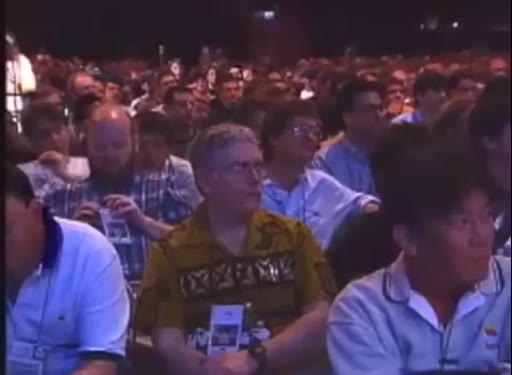
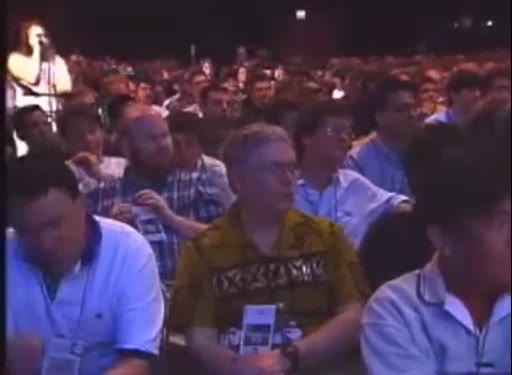
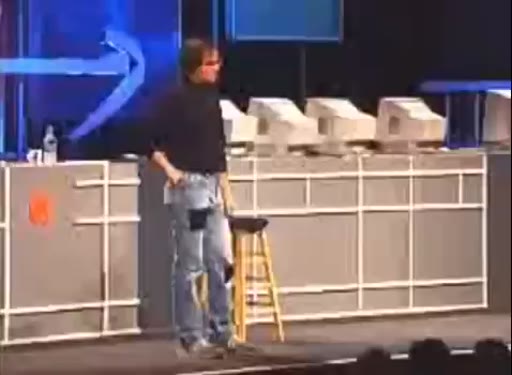
Black title card opens the clip. Audience member immediately challenges Jobs about killing OpenDoc. Jobs confirms it dead, then pauses.
00:25 – 00:59

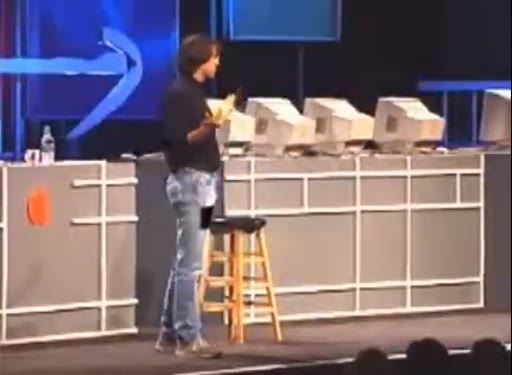
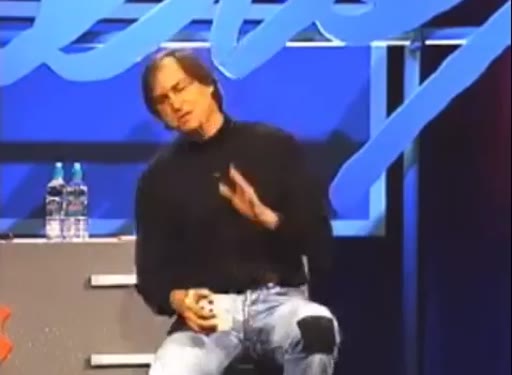
02 · Honest apology

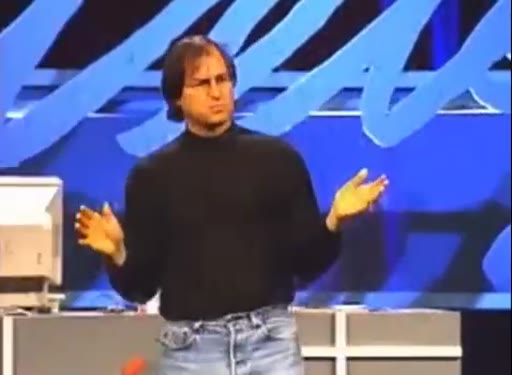
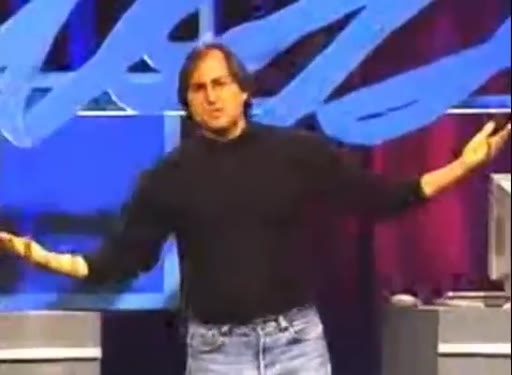
Jobs acknowledges the real pain of the people whose work was killed. Admits Apple had lousy engineering management. People going in 18 different directions — good engineers, lousy management.
01:00 – 01:27

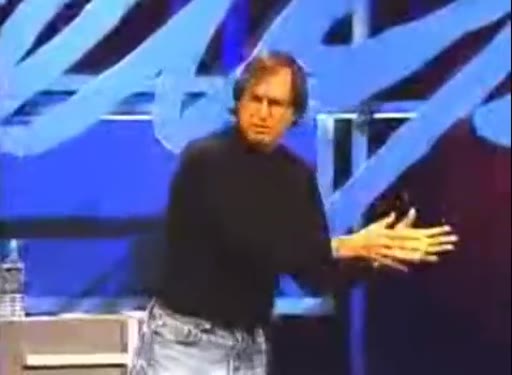
03 · The farm metaphor

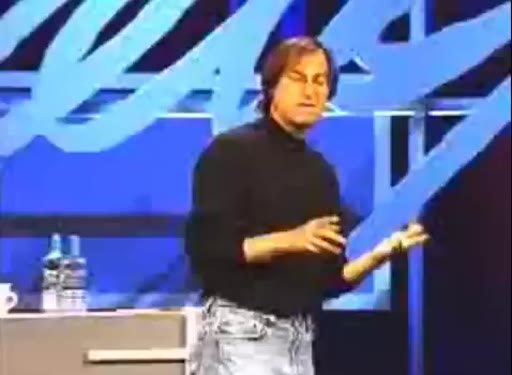
Jobs introduces the farm metaphor: animals going in different directions, total less than sum of parts. Sets up the need for a fundamental direction reset.
01:28 – 01:39

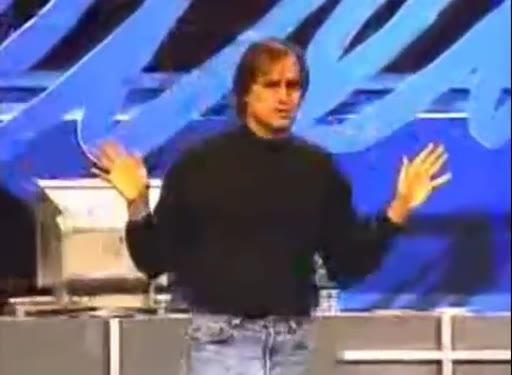
04 · The reframe

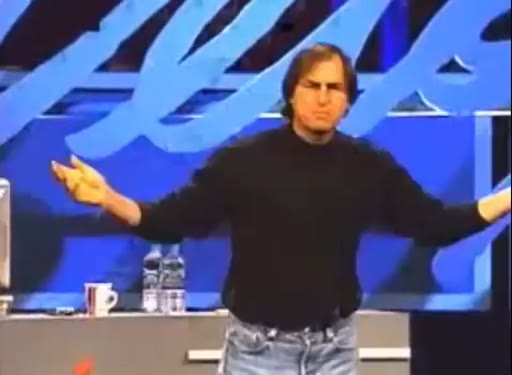
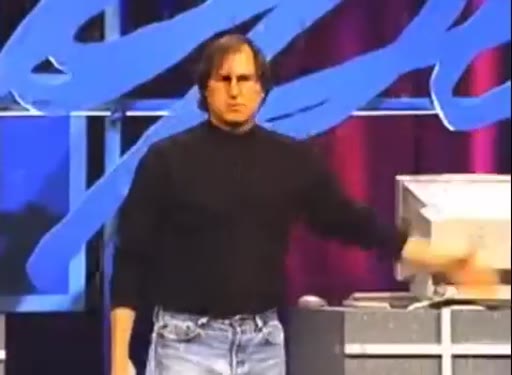
The pivot: focusing is not about saying yes — it is about saying no. Delivered quietly but with full conviction.
01:39 – 02:13

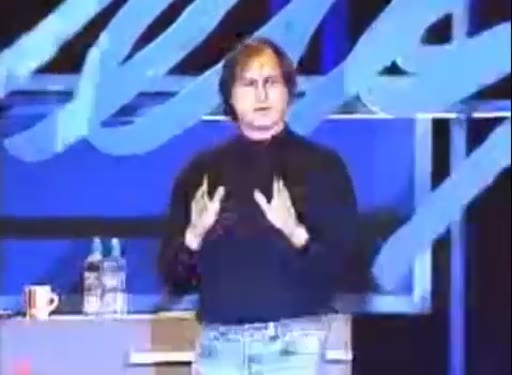
05 · The cost of no

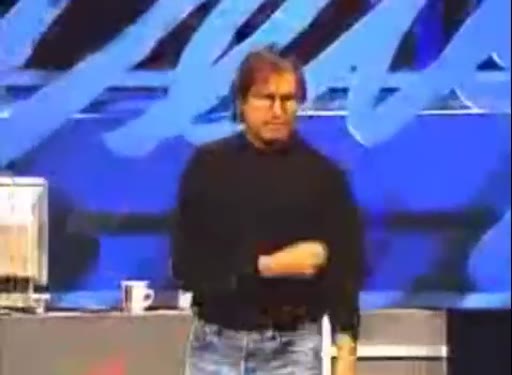
When you say no, you piss off people. They talk to the press and you get shitty articles written about you. Jobs says Apple has been taking lumps like an adult and he is proud of that.
02:13 – 02:40

06 · Dead weight and the promise

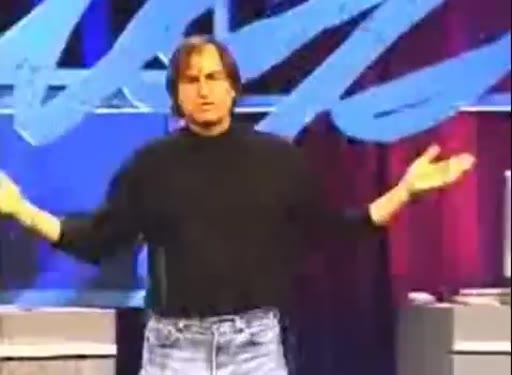
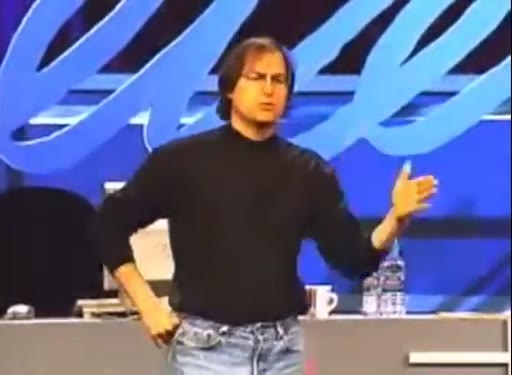
Calls out people who left who had not done anything in seven years acting like the company will collapse. Closes the loop: focus is about saying no, and the result will be great products where the total exceeds the sum of the parts.
02:40 – 03:06

07 · Why OpenDoc specifically

Returns to the original question. Not great technology. Did not fit. The rest of the world was not going to use it. The OpenDoc team was trying to rewrite it in Java anyway — which was basically starting over. No sense.

§ · Storyboard

Visual structure at a glance.

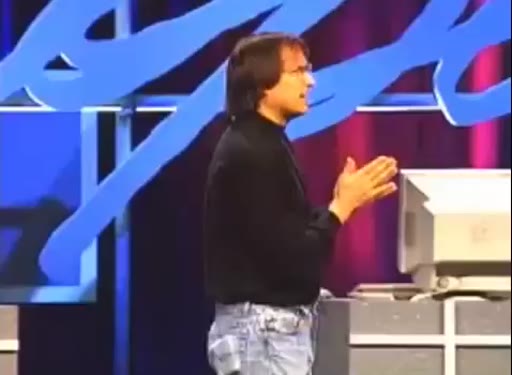
title card
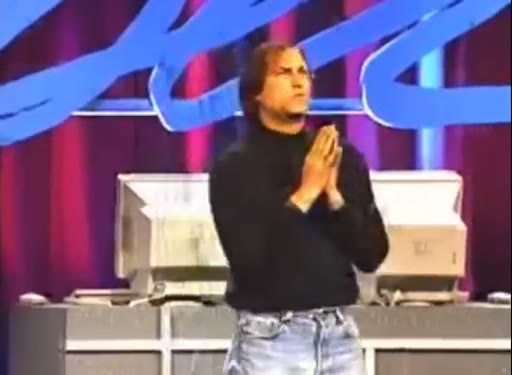
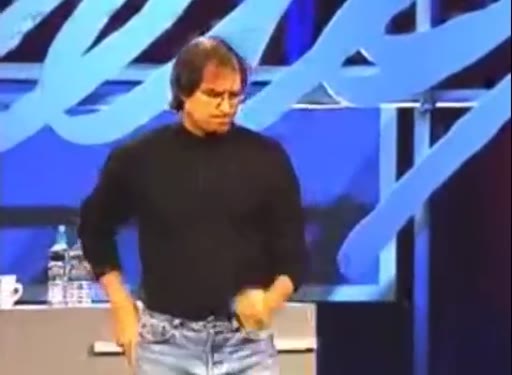
apology
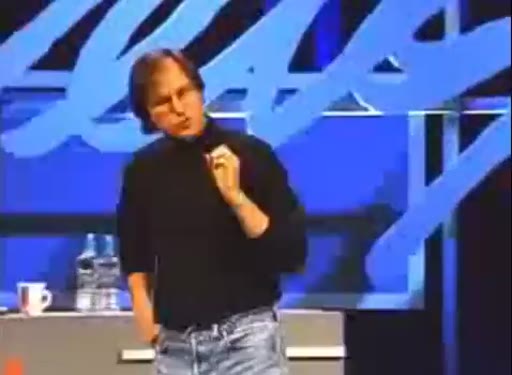
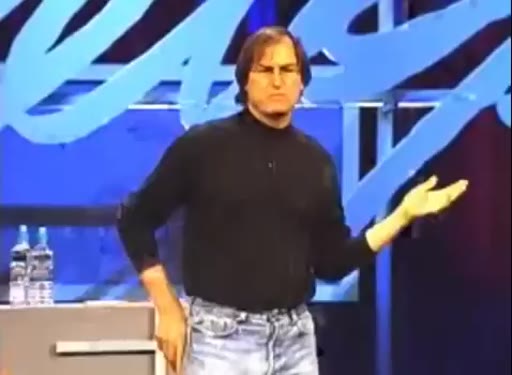
farm metaphor
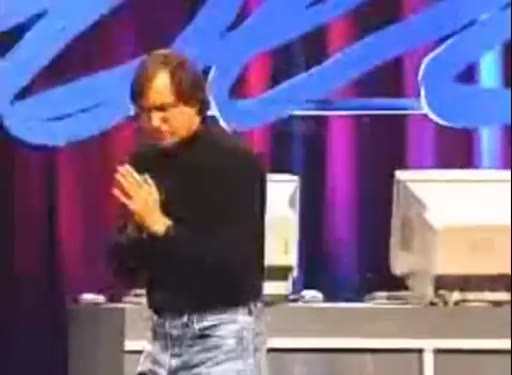
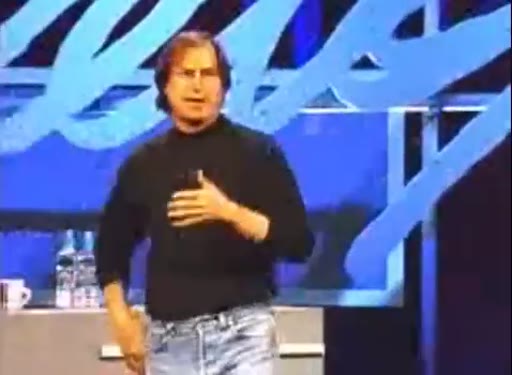
the reframe
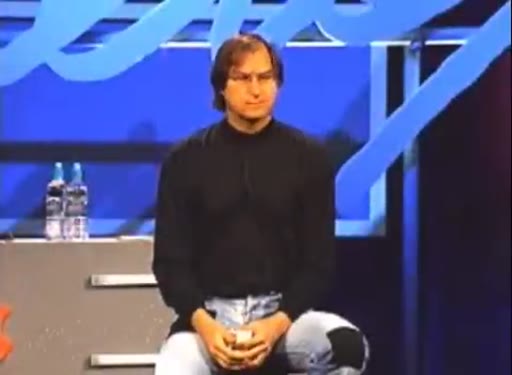
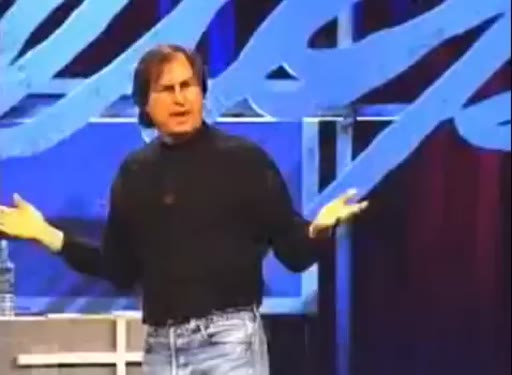
the promise
§ · Quotables

Lines you could clip.

01:36
"Focusing is about saying no."
The entire clip exists for this line — standalone, punchy, universally applicable. → TikTok hook
01:13
"The total is less than the sum of the parts."
Concise diagnosis of what happens when a company stops saying no. → IG reel cold open
00:59
"Good engineers, lousy management."
Four words that land hard. Disarming because he is criticizing his own house. → newsletter pull-quote
02:35
"The result of that focus is going to be some really great products where the total is much greater than the sum of the parts."
The payoff — closes the loop on the farm metaphor with the positive inverse. → IG reel cold open
§ · Pacing

How they spent the runtime.

Hook length24s
Info densityhigh
Filler5%
§ 04 · The Script

Word for word.

HOOK opening / re-engagementCTA the pitch metaphor analogy story
00:05HOOKWhat about OpenDoc? Yeah.
00:09HOOKYeah?
00:13HOOKWhat about it?
00:17HOOKIt's dead, right? It's dead, right? Well,
00:25me say something that's sort of generic. I know some of you spend a lot of time working on stuff that we put a bullet in the head of. I apologize.
00:34I feel your pain. But
00:39Apple suffered for several years from no from lousy engineering management.
00:47I I have to say it. And there were people that were going off in 18 different directions,
00:54doing arguably interesting things in each one of them. Good engineers, lousy management.
01:00And what happened was you look at the farm that's been created with all these different animals going in different directions, and it doesn't add up.
01:09The total is less than the sum of the parts. And so we had to decide
01:17what are the fundamental directions we're going in and what makes sense and what doesn't. And there were a bunch of things that didn't. And microcosmically,
01:25HOOKthey might have made sense, macrocosmically, they made no sense. And, you know, the hardest thing is, when you think about focusing, right, you think, well, focusing is
01:34HOOKsaying yes, no. Focusing is about saying no. Focusing is about saying no.
01:41And you've got to say no, no, no. And when you say no, you piss off people. And they go talk to the San Jose Mercury and they write a shitty article about you.
01:49You know? And it's really a pisser because
01:53you you want to be nice, you don't want to tell the San Jose Mercury the person that's telling you this, you know, just was asked to leave or this or that or this or that. So you take the lumps and Apple has been taking their share of lumps for the last six months in a very unfair way and it's been taking them, you know,
02:09like an adult and I'm proud of that. And there's more to come, I'm sure.
02:15There's more to come. Mean, some of these I read these articles about some of these people that have left. I know some of these people.
02:20They haven't done anything in seven years. And they leave and it's like the company is going to fall apart the next day.
02:27And so I think there'll be stories like that that come and go, but focus is about saying no. And the result of that focus
02:35is going to be some really great products where the total is much greater than the sum of the parts. And OpenDoc, I mean, was for putting a bullet in the head of OpenDoc.
02:45A, didn't think it was great technology, but B, it didn't fit. The rest of the world isn't going to use OpenDoc. And
02:53I think as a container strategy, there's some stuff in the Java space that's much better. Even And the OpenDoc guys were basically trying to rewrite the whole thing in Java anyway and which was a restart.
03:03So it didn't make sense.
— full transcript
§ 05 · For Joe

Strategy is subtraction.

Killing Excuses playbook

Every kill decision you make will piss someone off — say no anyway, take the lumps publicly, and let the results answer for you.

  • When you kill a feature or product, acknowledge the real pain first — Jobs spent 30 seconds validating the hurt before defending the decision.
  • Name the failure honestly: lousy management, too many directions, total less than sum of parts. Audiences respect the diagnosis.
  • The reframe is more powerful than the defense: do not argue why OpenDoc was bad — reframe killing it as what focus requires.
  • Taking lumps publicly and calmly is its own brand signal. Apple absorbed shitty press coverage like an adult — that composure read as confidence.
  • Apply to MCN+: every tool you kill or exclude is a focus decision. Frame the kills as the product strategy, not as an apology.
§ 05 · For You

What saying no actually costs.

If you are trying to focus on anything

Focus is not a productivity trick — it is a series of losses you choose to absorb so that the thing you keep can actually become great.

  • Every time you say no to something, someone who cared about that thing will be upset. That is the price — not a bug, just the cost.
  • The people who push back hardest when you cut something are often the people who built it, not the people who use it. Know the difference.
  • If you are spreading yourself thin, the total of your effort is less than the sum of its parts. That gap is the cost of not saying no.
  • The question is not what to add next — it is what to kill so that what stays can compound.
§ 06 · Frame Gallery

Visual moments.